

تخيّل أن تنفق آلاف الدولارات وتقضي شهورًا في التعافي، ثم تنظر في المرآة فتجد خط شعر يبدو وكأنه "مصطنع"، أو ما هو أسوأ من ذلك - بقع من الشعر لم تنمُ مجددًا. هذه ليست كابوسًا نادرًا؛ إنها حقيقة واقعة. واحد من كل خمسة زراعة الشعر مرضى الذين يعانون من مضاعفات تتراوح بين ظهور خطوط شعر غير طبيعية وفشل كامل في عملية زراعة الشعر (الجمعية الدولية لجراحة ترميم الشعر، 2025). ما هي الحقيقة الصادمة؟ لا يعود معظم هذه الإخفاقات إلى سوء الحظ، بل هي نتيجة أخطاء تقنية يمكن تجنبها، وتخطيط جراحي سيئ، وعدم فهم ما يجعل خط الشعر يبدو طبيعياً.. إذا كنت تفكر في زراعة الشعر, سيكشف هذا الدليل عن المخاطر الخفية التي لن تخبرك بها العيادات - وكيفية ضمان نجاح الإجراء الخاص بك حيث يفشل الآخرون.
الوعد مقابل الواقع: ما لا يُقال لك عن معدلات نجاح زراعة الشعر
تتباهى العيادات بنسب نجاح تصل إلى 95% أو أعلى، لكن هذه الأرقام مضللة. ما هي الحقيقة؟ يحقق 60% فقط من المرضى الكثافة والطبيعية التي وُعدوا بها (مجلة طب الأمراض الجلدية التجميلية، 2025). أما البقية فيواجهون مضاعفات مثل:
- خطوط شعر غير طبيعيةخط الشعر المستقيم جداً، أو المنخفض جداً، أو الذي يفتقر إلى عدم انتظام أنماط النمو الطبيعية.
- زاوية غير مناسبة: زرع الطعوم بزاوية خاطئة، مما يتسبب في بروز الشعر بشكل غير طبيعي أو استوائه على فروة الرأس.
- معدلات نجاة منخفضة: ما يصل إلى 30% من الطعوم تفشل في النمو بسبب سوء التعامل أو الجفاف أو الصدمة أثناء الزرع.
- النخر والتندبقد يؤدي الإفراط في الحصاد أو استخدام تقنيات الشق غير المناسبة إلى تلف دائم في منطقة المتبرع.
- خسارة صادمة: تساقط مؤقت (أو في بعض الأحيان دائم) للشعر الموجود بسبب الصدمة الناتجة عن العملية.
لماذا يحدث هذا؟ يكمن الجواب في ثلاث مراحل حاسمة في عملية زراعة الشعر—كل منها يحمل مجموعة من المخاطر الخاصة به والتي لا يسمع عنها معظم المرضى إلا بعد فوات الأوان.
المرحلة الأولى: الاستخراج - حيث تموت معظم الطعوم قبل أن تبدأ حتى
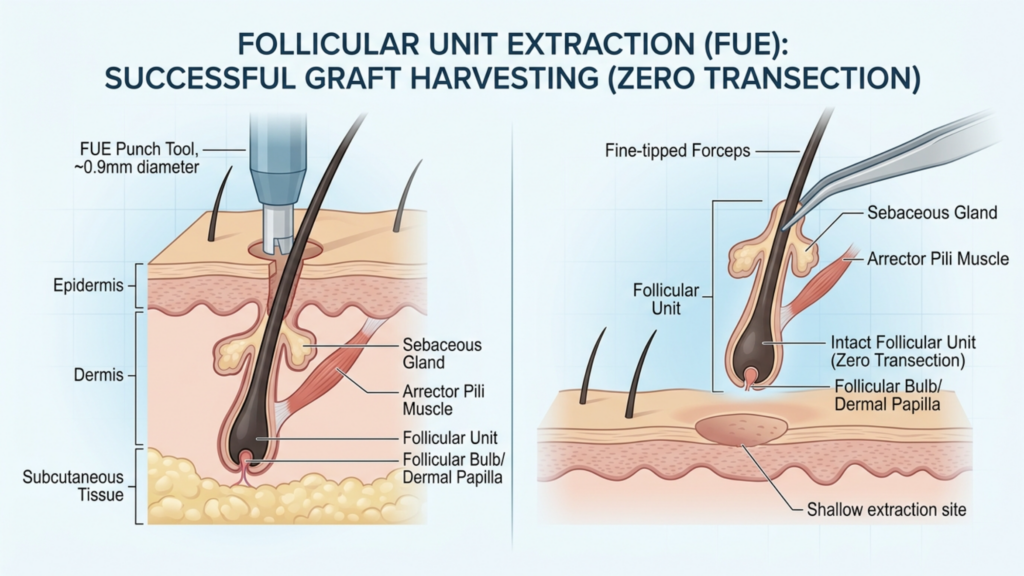
المرحلة الأولى من عملية زراعة الشعر - استخراج البصيلات من المنطقة المانحة - هي حيث تصل نسبة الأعطال الناجمة عن 40% إلى (جراحة الأمراض الجلدية، 2025). غالباً ما تتهاون العيادات في هذا الأمر، مما يؤدي إلى أضرار لا يمكن إصلاحها.
الجدل حول تقنية FUE مقابل تقنية FUT: لماذا تُعدّ التقنية أهم مما تعتقد
تُعتبر عملية استخلاص وحدة البصيلات (FUE) المعيار الذهبي لقلة الندوب التي تتركها، ولكنها أيضاً المكان الذي قطع الطعممن المرجح أن يحدث قطع بصيلة الشعر أثناء عملية الاستخراج. تشير الدراسات إلى أن يقوم فنيون عديمو الخبرة بقطع ما يصل إلى 15% من الطعوم. أثناء عملية اقتطاف وحدة البصيلات (FUE)، تصبح البصيلات غير صالحة للاستخدام حتى قبل زراعتها (جراحة التجميل والترميم، 2025). أما زراعة وحدة البصيلات (FUT)، على الرغم من كونها أكثر توغلاً، فغالباً ما تحقق معدلات بقاء أعلى للبصيلات المزروعة عند إجرائها على يد جراح ماهر. دكتور جراح. ما هو المقابل؟ تستخدم معظم العيادات فنيين، وليس جراحين، لإجراء عمليات الخلع.—إجراء لتوفير التكاليف يؤدي إلى زيادة معدلات الفشل بشكل كبير.
فخ منطقة التبرع: الإفراط في الحصاد والندوب الدائمة
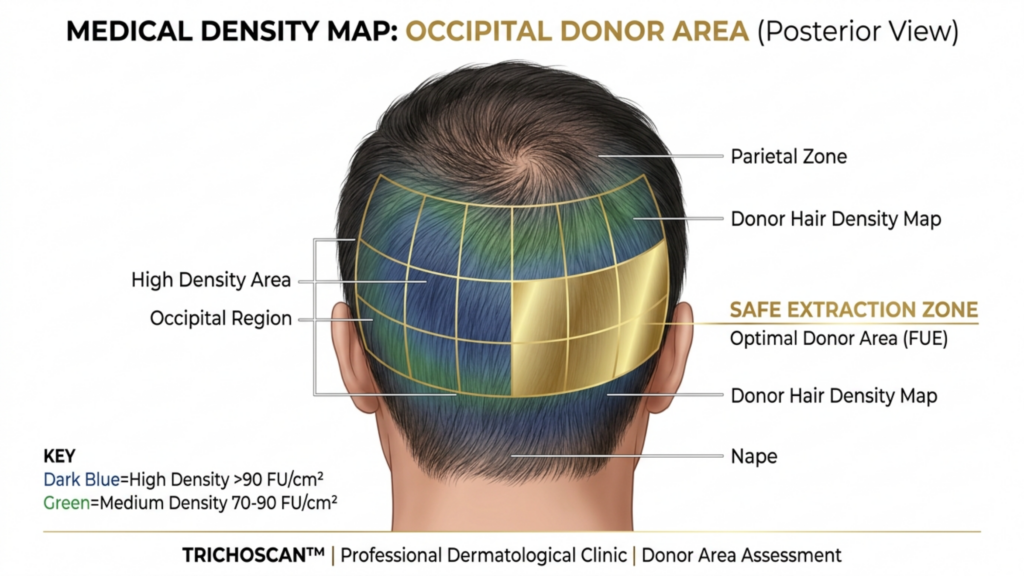
خطأ حرج آخر هو الإفراط في الحصاد—أخذ عدد كبير جدًا من الطعوم من المنطقة المانحة، مما قد يؤدي إلى:
- ترقق منطقة المتبرع, مما يجعلها تبدو غير متناسقة أو شفافة.
- التنخر (موت الأنسجة) إذا كانت مواقع الاستخراج قريبة جدًا من بعضها البعض، مما يؤدي إلى قطع إمدادات الدم.
- ندوب دائمة هذا واضح حتى مع قصات الشعر القصيرة.
دراسة أجريت عام 2025 في مجلة العلوم الجلدية وجد أن واحد من كل عشرة مرضى من خضعوا لعملية زراعة الشعر بتقنية اقتطاف وحدة البصيلات (FUE) عانوا من تلف دائم في المنطقة المانحة نتيجة الإفراط في اقتطاف البصيلات. ما الحل؟ الحد من عدد الطعوم المستخرجة إلى 25-30 طعمًا لكل سم² وضمان أن يتم إجراء العملية بواسطة جراح وليس فني.
كارثة الجفاف: لماذا تموت الطعوم قبل الزرع؟
بمجرد استخراجها، تصبح الطعوم هشة. كل دقيقة يقضونها خارج الجسم تقلل من معدل بقائهم على قيد الحياة بمقدار 1% (منتدى زراعة الشعر الدولي، 2025). تترك العديد من العيادات الطعوم معرضة للهواء أو في محاليل تخزين غير مناسبة، مما يؤدي إلى جفافها وموت الخلايا. ما هو البروتوكول الأمثل؟
- يجب تخزين الطعوم في محلول ملحي منخفض الحرارة (4 درجات مئوية) لإبطاء عملية الأيض والحفاظ على القدرة على البقاء.
- ينبغي أن تبدأ عملية الزرع في غضون ساعة إلى ساعتين من أجل الاستخراج لزيادة فرص البقاء على قيد الحياة إلى أقصى حد.
- لا ينبغي أبدًا التعامل مع الطعوم باستخدام الملقط - فقط أدوات لطيفة وغير مؤلمة لتجنب السحق.
المرحلة الثانية: الزرع - حيث تنشأ خطوط الشعر غير الطبيعية
حتى لو نجحت عمليات الزرع في البقاء بعد الاستئصال،, قد تؤدي تقنيات الزرع السيئة إلى إفساد العملية بأكملها. ما هما المتسببان الرئيسيان؟ أخطاء الزاوية و تصميم غير طبيعي لخط الشعر.
أزمة زاوية الشعر: لماذا يبرز شعرك كفرشاة أسنان؟
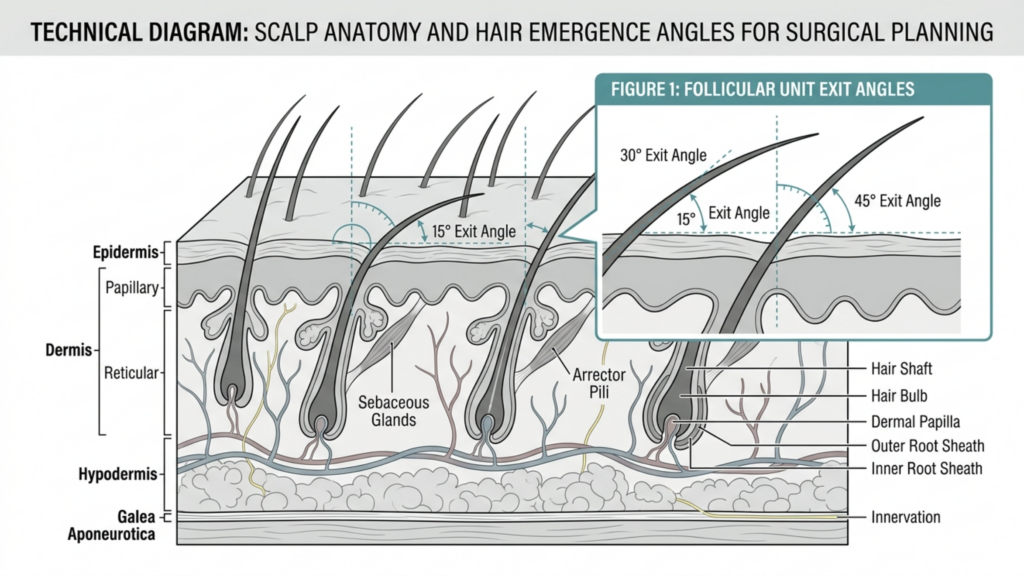
لا ينمو الشعر بشكل مستقيم من فروة الرأس، بل يخرج من نقطة ما. زاوية 10-45 درجة, يختلف ذلك باختلاف المنطقة. فعندما تُزرع البصيلات بزاوية خاطئة، ينتج عن ذلك مظهر "شعر الدمية"، حيث يبرز الشعر بشكل غير طبيعي. وقد أشارت دراسة أجريت عام 2025 إلى ذلك. مجلة جراحة التجميل وجد أن 40% من نتائج زراعة الشعر السيئة كان ذلك بسبب زاوية غير صحيحة. ما الحل؟
- خط الشعر الأماميزاوية 10-20 درجة، مع ميل طفيف للأمام.
- منتصف فروة الرأس: زاوية 20-30 درجة، تنتقل إلى اتجاه أكثر عمودية.
- تاجزاوية 30-45 درجة، مع نمط حلزوني للتدفق الطبيعي.
كارثة تصميم خط الشعر: لماذا تبدو معظم عمليات زراعة الشعر مزيفة؟
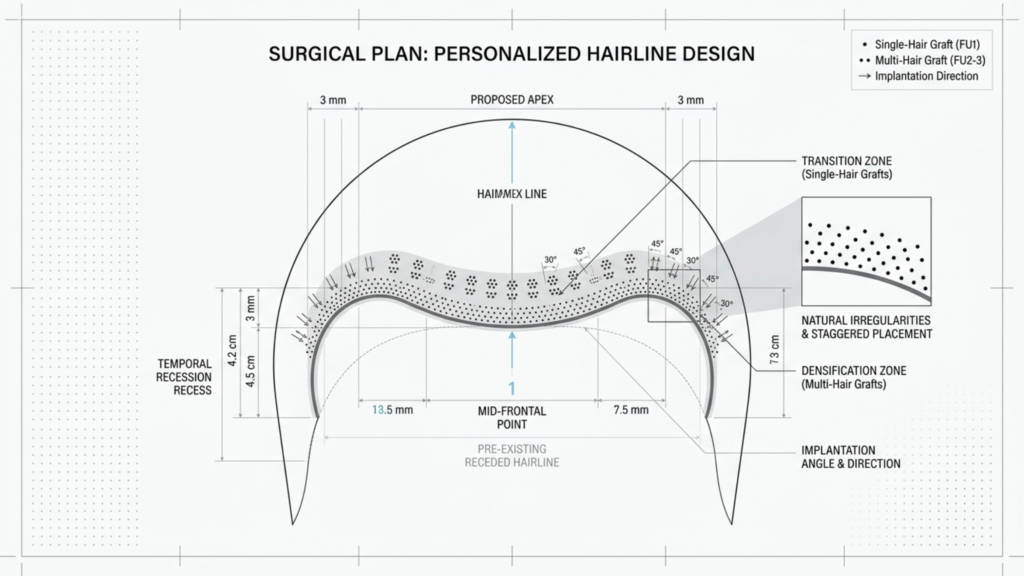
خط الشعر الطبيعي ليس خطًا مستقيمًا، بل هو غير منتظم، مع عدم انتظام دقيق، وزراعة شعرة واحدة في المقدمة، وزيادة تدريجية في الكثافة. ومع ذلك، تقوم العديد من العيادات بما يلي:
- خطوط شعر مستقيمة تشبه "دمية باربي" هذا يصرخ "زرع".“
- خط الشعر المنخفض للغاية والتي تبدو غير طبيعية مع تقدم المريض في السن.
- كثافة مكتظة في المنطقة الأمامية، مما يؤدي إلى مظهر "مُخَطَّط".
ما الحل؟ تصميم مخصص لخط الشعر مرتكز على:
- تناسق وتناسب ملامح الوجه.
- ارتفاع خط الشعر المناسب للعمر (أعلى بالنسبة للمرضى الأكبر سناً لمراعاة انحسار الشعر في المستقبل).
- انتقالات تدريجية في الكثافة، مع طعوم شعرة واحدة في المقدمة وطعوم متعددة الشعر في الخلف.
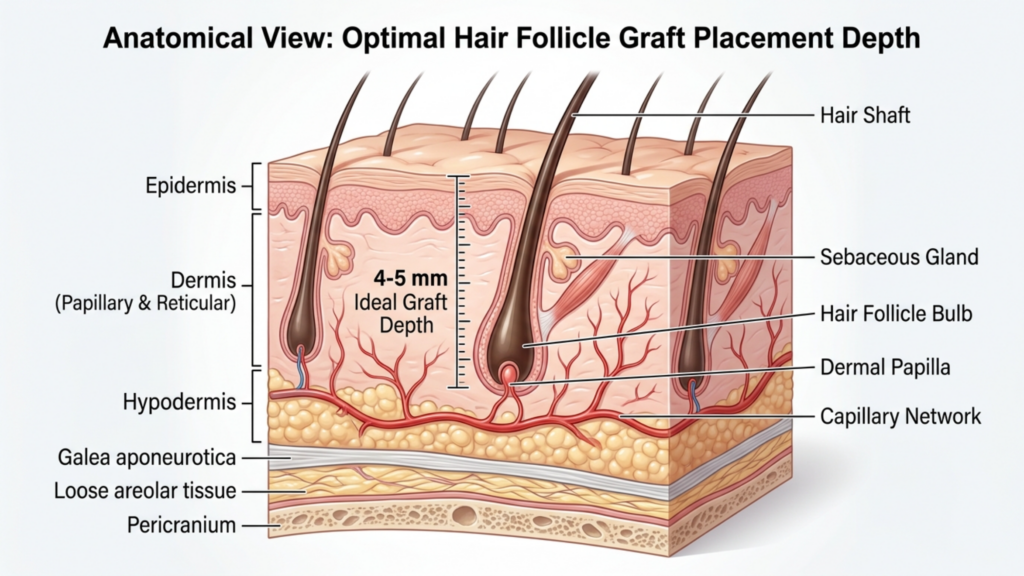
معضلة العمق: لماذا لا تنمو بعض الطعوم أبدًا
الطعوم المزروعة بشكل سطحي للغاية أو عميق للغاية لن يحصل على تدفق الدم المناسب, مما يؤدي إلى ضعف فرص البقاء. ما هو العمق الأمثل؟
- 4-5 ملم تحت سطح الجلد، مما يضمن وجود البصلة في طبقة الأدمة حيث يكون إمداد الدم أغنى.
- يتجنب وضع تحت الجلد (عميق جدًا)، مما يؤدي إلى حرمان الطعوم من الأكسجين.
المرحلة الثالثة: التعافي - حيث تحدث الخسائر الفادحة والعدوى
حتى عملية زرع الأعضاء التي تُجرى بنجاح تام قد تفشل خلال فترة التعافي. ما هما أكبر تهديدين؟ خسارة صادمة و عدوى.
تساقط الشعر المفاجئ: القاتل الصامت للشعر الموجود
خسارة صادمة—تساقط الشعر الموجود بشكل مؤقت (أو في بعض الأحيان بشكل دائم)—يؤثر 30% من المرضى (المجلة الدولية لعلم الشعر، 2025). وينتج عن إصابة فروة الرأس أثناء عملية الزرع، وهو أكثر شيوعًا في:
- المرضى الذين يعانون من الشعر الخفيف أو المصغر.
- أولئك الذين يخضعون تغليف كثيف (عدد كبير جدًا من الطعوم في منطقة واحدة).
- المرضى الذين التدخين أو ضعف الدورة الدموية.
تشمل استراتيجيات الوقاية ما يلي:
- مينوكسيديل قبل الجراحة لتقوية الشعر الموجود.
- تجنب التعبئة الكثيفة في المناطق ذات الشعر الخفيف.
- البلازما الغنية بالصفائح الدموية بعد الجراحة لتسريع الشفاء.
العدوى والنخر: متى تصبح عملية الزرع خطيرة
تحدث العدوى في 5-10% من عمليات زراعة الشعر (جراحة الأمراض الجلدية، 2025)، وغالبًا ما يكون ذلك بسبب سوء النظافة أو الرعاية غير المناسبة بعد الجراحة. وإذا تُركت العدوى دون علاج، فقد تؤدي إلى:
- التهاب الجريبات (بصيلات الشعر الملتهبة).
- الخراجات (جيوب مليئة بالصديد).
- التنخر (موت الأنسجة) في الحالات الشديدة.
تتطلب الوقاية ما يلي:
- الوقاية بالمضادات الحيوية (المضادات الحيوية قبل الجراحة وبعدها).
- الرعاية المعقمة بعد الجراحة, ، بما في ذلك الغسل اللطيف وتجنب لمس فروة الرأس.
- متابعة منتظمة لمراقبة علامات العدوى.
معضلة الجراح مقابل الفني: لماذا قد يؤثر اختيارك بشكل كبير على نتائجك
إليكم الحقيقة المُرّة: تستخدم معظم عيادات زراعة الشعر فنيين - وليس جراحين - للقيام بالخطوات الحاسمة مثل الاستخراج والزرع.. في حين أن هذا يقلل التكاليف، إلا أنه يزيد بشكل كبير من خطر ما يلي:
- قطع الطعم (قطع البصيلات أثناء الاستخراج).
- ضعف التحكم في الزاوية والعمق أثناء عملية الزرع.
- الإفراط في الحصاد من منطقة المتبرعين.
- تصميم غير طبيعي لخط الشعر بسبب نقص التدريب الفني.
دراسة أجريت عام 2025 في جراحة التجميل والترميم وجد أن أظهر المرضى الذين عولجوا على يد الجراحين معدل بقاء أعلى للطعم بنسبة 25% مقارنةً بمن عولجوا على يد فنيين. الخلاصة؟ أصرّ على أن يقوم جراح معتمد من المجلس الطبي بإجراء كل خطوة من خطوات العملية.—ليس مجرد الإشراف.

كيفية اكتشاف عملية زراعة الشعر الفاشلة قبل فوات الأوان
إذا كنت تفكر في زراعة الشعر، فإليك كيفية القيام بذلك تجنب أن تصبح مجرد رقم في الإحصائيات:
مؤشرات تحذيرية في المشاورة
- لا يوجد نقاش حول المخاطرسيشرح لك جراح ذو سمعة طيبة المضاعفات مثل تساقط الشعر المفاجئ، والعدوى، وخطوط الشعر غير الطبيعية.
- الكثافة المضمونةلا يمكن لأي جراح أن يضمن بقاء الطعم 100% - احذر من الوعود الكاذبة.
- الفنيون الذين يقومون بإجراء العمليات الجراحية: أصرّ على أن يتولى جراح متخصص عملية الاستخراج والزرع.
- لا توجد صور قبل وبعد لمرضى حقيقيين (أو صور معدلة بشكل كبير فقط).
مؤشرات الخطر في الإجراء
- استخلاص متسرعإذا كان الفريق يستخرج الطعوم بسرعة كبيرة، فإن معدلات القطع سترتفع بشكل كبير.
- لا يوجد بروتوكول لتخزين الطعوم: الطعوم التي تُترك معرضة للهواء أو تُخزن بشكل غير صحيح ستموت.
- زاوية غير مناسبةإذا لم يستخدم الفريق أدوات متخصصة للتحكم في زوايا التطعيم، فسيبدو خط شعرك غير طبيعي.
مؤشرات الخطر في مرحلة التعافي
- خطة رعاية ما بعد الجراحة بدون خطةينبغي أن تتلقى تعليمات مفصلة بشأن الغسيل والأدوية والمتابعات.
- علامات العدوى (احمرار، تورم، صديد) تم تجاهلها من قبل العيادة.
- تساقط الطعوم المبكر بدون تفسير (بعض التساقط طبيعي، لكن التساقط المفرط قد يشير إلى ضعف عملية الانغراس).
خطة من 7 خطوات لضمان نجاح عملية زراعة الشعر
اتبع قائمة التحقق هذه لـ ارفعي فرصك في الحصول على نتيجة طبيعية وكثيفة ودائمة:
- اختر جراحًا، وليس عيادة.تحقق من مؤهلاتهم وخبراتهم و نتائج قبل وبعد.
- اطلب تصميمًا شخصيًا لخط الشعرتجنبي استخدام قوالب جاهزة. يجب أن يتناسب خط شعرك مع تناسق وجهك وعمرك.
- أصرّ على إجراء عملية الاستخراج والزرع تحت إشراف جراح.ينبغي على الفنيين تقديم المساعدة فقط، وليس القيام بالخطوات الحاسمة.
- تأكيد بروتوكولات تخزين الطعومينبغي حفظ الطعوم في محلول ملحي منخفض الحرارة وزرعها في غضون ساعتين.
- جهزي فروة رأسكاستخدم المينوكسيديل أو البلازما الغنية بالصفائح الدموية قبل العملية لتقوية الشعر الموجود وتقليل تساقط الشعر الناتج عن الصدمة.
- اتبع الرعاية ما بعد الجراحة بدقة.تجنب التدخين والكحول والأنشطة المجهدة لمدة أسبوعين على الأقل. نم في وضعية الجلوس لتقليل التورم.
- حضور جميع المتابعاتراقب وجود العدوى، وفقدان الأنسجة بسبب الصدمة، وبقاء الطعم المزروع. عالج المشاكل مبكراً لمنع حدوث ضرر دائم.
الخلاصة: نجاح عملية زراعة الشعر يبدأ بالمعرفة
زراعة الشعر إجراء يغير حياة المريض، ولكن بشرط إجرائه بشكل صحيح. غالباً ما يكمن الفرق بين نتيجة طبيعية لا يمكن ملاحظتها وكارثة في... اختيار الجراح المناسب، وفهم المخاطر، واتباع خطة دقيقة. لا تدعي التكلفة أو الراحة تحدد قرارك. شعرك استثمار في ثقتك بنفسك وهويتك، ولا يستحق أقل من الأفضل.
إذا كنت مستعدًا لاتخاذ الخطوة التالية،, استشر جراحًا معتمدًا من المجلس الطبي من يولي الأولوية للفن والدقة ورضاك على المدى الطويل. ستشكر نفسك في المستقبل.

أسئلة مكررة
لماذا تبدو بعض عمليات زراعة الشعر غير طبيعية؟
عادةً ما تنتج عمليات زراعة الشعر غير الطبيعية عن سوء زاوية خط الشعر، أو تصميم غير مناسب له، أو كثافة عالية في زراعة البصيلات. يقوم الجراح الماهر بإنشاء خط شعر ذي تفاوتات دقيقة، ويزرع البصيلات بالزاوية الصحيحة (10-45 درجة) لمحاكاة أنماط النمو الطبيعية.
كيف يمكنني تجنب تساقط الشعر المفاجئ بعد عملية زراعة الشعر؟
لتقليل تساقط الشعر الناتج عن الصدمة، استخدم المينوكسيديل قبل العملية لتقوية الشعر الموجود، وتجنب الحشو الكثيف في المناطق ذات الشعر الخفيف، وفكر في علاجات البلازما الغنية بالصفائح الدموية بعد العملية لتسريع الشفاء وتقليل التساقط.
ما الفرق بين FUE و FUT، وأيهما أفضل؟
تُعدّ تقنية استخلاص وحدة البصيلات (FUE) أقل توغلاً وتترك ندوباً طفيفة، ولكنها تنطوي على مخاطر أعلى لقطع البصيلات المزروعة إذا لم يُجرِها جراح ماهر. أما تقنية زراعة وحدة البصيلات (FUT) فتُحقق معدلات بقاء أعلى للبصيلات المزروعة، ولكنها تترك ندبة خطية. يعتمد الخيار الأمثل على نمط تساقط الشعر لديك وخبرة الجراح.
كيف أعرف ما إذا كان جراح زراعة الشعر الذي أتعامل معه مؤهلاً؟
ينبغي أن يكون الجراح المؤهل حاصلاً على شهادة البورد، وأن يمتلك خبرة واسعة في مجال زراعة الشعر، وأن يقدم صوراً شفافة قبل وبعد لمرضى حقيقيين. تجنب العيادات التي يقوم فيها الفنيون بإجراء خطوات حساسة مثل الخلع والزرع.
هل يمكن إصلاح عملية زراعة الشعر الفاشلة؟
نعم، لكن الأمر معقد. تتطلب عمليات الترميم غالبًا إزالة الطعوم المزروعة بشكل غير صحيح، وتصحيح النسيج الندبي، وإعادة زرع الطعوم بزاوية وكثافة مناسبتين. اختر جراحًا ذا خبرة في حالات الترميم للحصول على أفضل النتائج.
كم من الوقت يستغرق ظهور النتائج النهائية لعملية زراعة الشعر؟
يبدأ النمو الأولي بعد 3-4 أشهر، لكن النتائج الكاملة تستغرق 12-18 شهرًا. الصبر هو المفتاح، فالتسرع في العملية أو توقع كثافة فورية قد يؤدي إلى خيبة أمل.
ما هي علامات فشل عملية زراعة الشعر؟
تشمل العلامات خط شعر مستقيم أو منخفض للغاية، وشعر بارز بزوايا غير طبيعية، وندوب ظاهرة، وتفاوت في كثافة الشعر، واحمرار أو تورم مستمر. إذا لاحظت هذه العلامات، فاستشر أخصائي علاج الشعر فوراً.