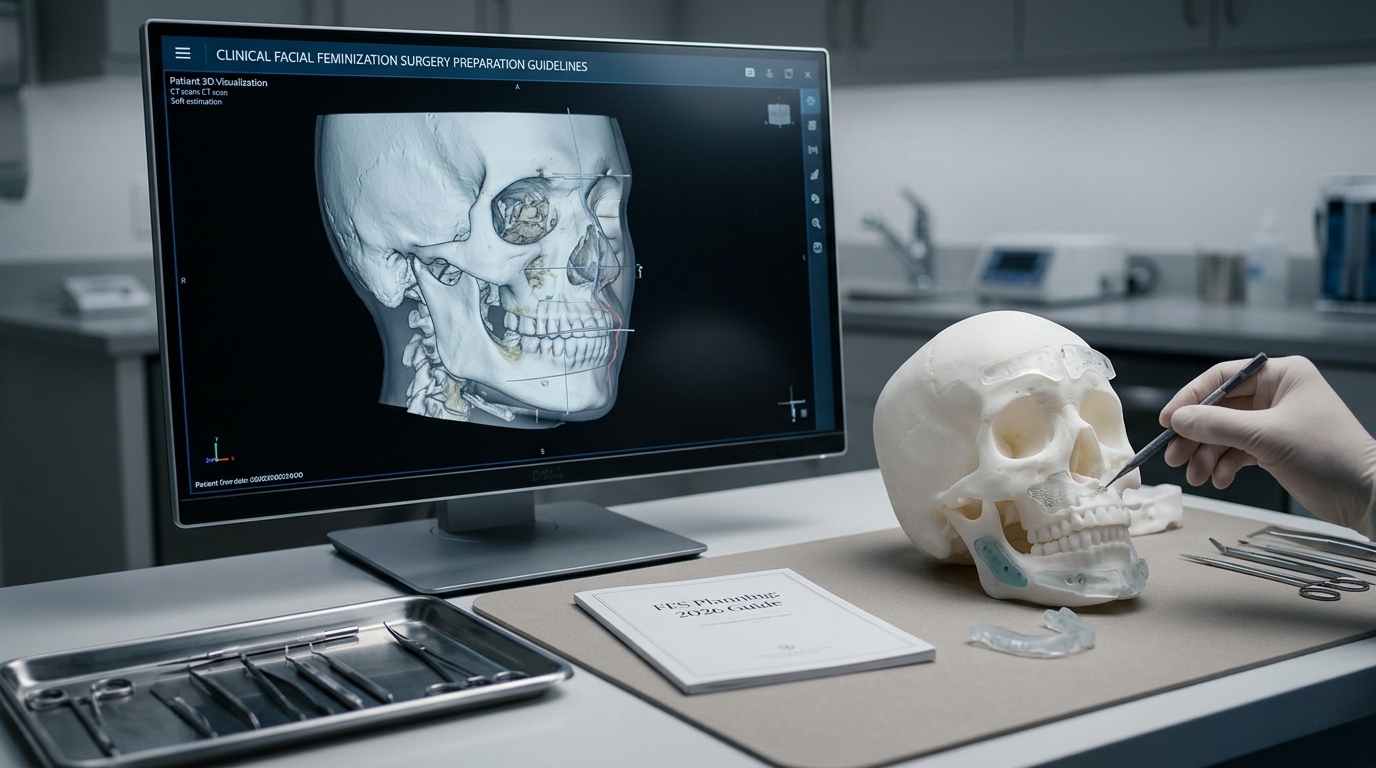

يركز معظم المرضى الذين يسعون إلى تحسين ملامح الوجه على التحول البصري. فالمرآة تعكس مدى نجاح العملية. ومع ذلك، فإن التغيير الهيكلي في... القوس الوجني يُطلق سلسلة من التحولات الصوتية التي تبقى غير مرئية للعين.
يرتبط تصغير قوس الوجنة ورنين الصوت ارتباطًا ميكانيكيًا مباشرًا. فمن خلال إزالة كتلة عظمية من منتصف الوجه، يُعدّل الجراحون، دون قصد، أبعاد حجرة الرنين الرئيسية. والنتيجة هي صوت يبدو أخف وأكثر نعومة، ومختلفًا صوتيًا عن حالته قبل الجراحة.
جدول المحتويات
تقليل قوس الوجنة والرنين الصوتي: التكلفة الصوتية الخفية لتحديد شكل عظام الخد
من خلال فهم المبادئ الصوتية التي تحكم تجاويف الرنين في منتصف الوجه، ستتعلم كيفية تحديد التقنيات الجراحية التي تحافظ على سلامة الصوت. يشرح هذا الدليل بالتفصيل القياسات والأساليب المحددة التي يستخدمها أطباء الصوت وجراحو تجميل الوجه لتحقيق التوازن بين الأهداف الجمالية والاستقرار الصوتي. ستكتسب القدرة على التنبؤ بنتائج الصوت بناءً على قياسات تقليل حجم العظام.

الميكانيكا الصوتية لرنين منتصف الوجه
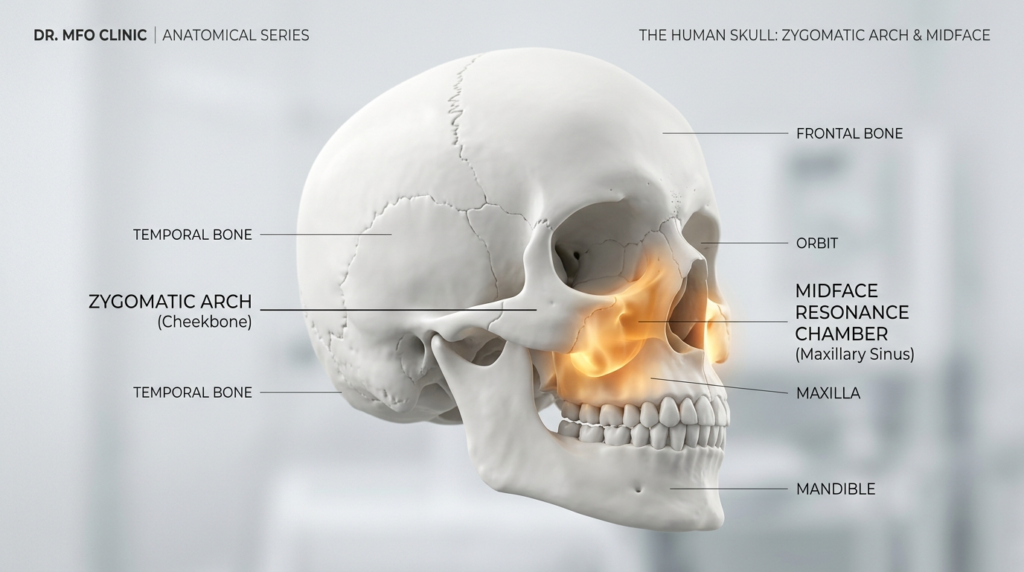
يعمل منتصف الوجه كمضخم أساسي للصوت البشري. تنتقل الموجات الصوتية المتولدة من الأحبال الصوتية عبر البلعوم وتنعكس عن الأسطح الصلبة للجمجمة. يشكل القوس الوجني الجدار الجانبي لهذه الحجرة الرنانة. عندما يقوم الجراحون بإجراء تصغير قوس الوجنة, يؤدي ذلك إلى تقليل حجم هذه الحجرة. ووفقًا لعلم الصوتيات، فإن تقليل حجم تجويف مغلق يزيد من تردده الطبيعي. هذا التحول يدفع الصوت نحو ترددات أعلى وأقل حدة.
أظهرت دراسة تصغير قوس الوجنة وتأثيره على الرنين الصوتي أن إزالة أكثر من 3 ملليمترات من العظم تُغير ترددات الرنين الصوتي. ترددات الرنين هي ترددات الرنين في الجهاز الصوتي التي تُحدد جودة حروف العلة. يؤدي تصغير تجويف منتصف الوجه إلى رفع تردد الرنين الأول (F1)، مما يُنتج صوتًا أكثر رقةً ووضوحًا. هذا التغيير دائم، إذ لا يتجدد العظم بعد إزالته.
| عمق التخفيض | تغيير حجم الحجرة | التحول الصوتي الملحوظ | القياس الصوتي |
| 0-2 مم | ضئيل | لا أحد | ثبات التشكيلات |
| 3-5 ملم | انخفاض 10-15% | أخف قليلاً | تزداد قيمة F1 بمقدار 50 هرتز |
| 6 مم+ | انخفاض 20%+ | أرق بكثير | يزداد تردد F1 بمقدار 100 هرتز أو أكثر |
دكتور. محمد فاتح اوكياي, ، شركة بلاستيك معتمدة من المجلس الأوروبي دكتور جراح مقرها في أنطاليا, ويشير إلى أن معظم المرضى يفضلون تحديد شكل الوجه على تحسين الصوت. ويوضح قائلاً: "نستخدم التصوير ثلاثي الأبعاد لرسم خريطة لقرب قوس الوجنة من العضلة الصدغية وتجويف منتصف الوجه. والهدف هو إزالة كمية كافية من العظم للحصول على شكل أنثوي دون تجاوز الحد الذي..." الرنين الصوتي يصبح الأمر مهدداً.”

انتشار الموجات الصوتية وهندسة عظام الخد
يعتمد انتشار الموجات الصوتية في منتصف الوجه على زاوية القوس الوجني. فالقوس الأوسع يُشتت طاقة الصوت، بينما يُركز القوس الأصغر الطاقة نحو الشوكة الأنفية الأمامية. هذا التغيير في التوجيه يُغير من كيفية خروج الصوت. غالبًا ما يُبلغ المرضى عن شعورهم بأن صوتهم "مُحاصر" في الجيوب الأنفية بعد الجراحة، وهو إحساس مرتبط بتغيرات في... غرف الرنين في منتصف الوجه.
أظهرت الأبحاث المتعلقة بتقليل بروز عظم الوجنة وتأثيره على رنين الصوت أن انحناء عظم الوجنة يعمل كعاكس للصوت. فالانحناء الأقل بروزًا يسمح لموجات الصوت بالخروج من تجويف الفم بسهولة أكبر، مما يقلل من صدى الصوت في منتصف الوجه. وهذا يفسر سبب انخفاض مستوى صوت بعض المرضى بعد عملية تجميل الوجه، حتى وإن بقيت وظيفة الأحبال الصوتية سليمة.
التقنيات الجراحية للحفاظ على الصوت
يحافظ الجراحون على جودة الصوت من خلال حصر عملية تصغير القوس الخلفي. يُساهم القوس الأمامي بشكل أكبر في حجم تجويف الرنين، بينما يُحدد القوس الخلفي عرض الوجه. باستهداف الجزء الخلفي، يُحقق الجراحون تضييقًا بأقل تأثير صوتي. كما تُوفر الجراحة الكهروإجهادية حماية إضافية لبنية منتصف الوجه عن طريق قطع العظم دون إتلاف الأنسجة الرخوة.
| تقنية | موقع إزالة العظام | التأثير الصوتي | النتيجة الجمالية |
| استئصال العظم الخلفي | خلف العضلة الصدغية | قليل | تضييق معتدل |
| تحديد محيط الجزء الأمامي | بروز الخدين | عالي | تضييق ملحوظ |
| النهج الهجين | تقسيم 50/50 | معتدل | نتيجة متوازنة |

خطوات لحماية صوتك أثناء تحديد ملامح الوجه
ارسم خريطة غرف الرنين الخاصة بك
اطلب إجراء تصوير مقطعي ثلاثي الأبعاد لمنطقة منتصف الوجه قبل الجراحة. قِس المسافة بين قوس الوجنة والجيوب الفكية. يحدد هذا القياس الأساسي مقدار إزالة العظم الذي يمكن أن يتحمله تجويف الرنين دون التأثير على تردد صوتك.
استشر طبيبًا متخصصًا في أمراض الصوت
حدد موعدًا لتقييم صوتي مع طبيب متخصص في أمراض الصوت. سجل ترددات الرنين قبل العملية. شارك هذه النتائج مع طبيبك. دكتور جراح لتحديد الحدود الصوتية لإجراء تحديد المحيط.
حدد عملية تصغير الجزء الخلفي
وجّه جراحك إلى إعطاء الأولوية لتصغير قوس الوجنة الخلفي. قلّل إزالة العظم الأمامي إلى 2 مليمتر أو أقل للحفاظ على الجدار الجانبي لحجرة الرنين. هذا يحافظ على الحجم المطلوب لـ تقليل قوس الوجنة ورنين الصوت توازن.
اختبار المدى الصوتي بعد العملية
أجرِ تحليلًا صوتيًا بعد ثلاثة أشهر من الجراحة. قارن ترددات الرنين الجديدة بتردداتك الأساسية قبل الجراحة. تُعدّ التغييرات الطفيفة طبيعية، لكن التغييرات الكبيرة تتطلب علاجًا صوتيًا للتكيف مع خصائص الصوت الجديدة في منتصف الوجه.
اتصل بعيادة الدكتور إم إف أو في أنطاليا لمناقشة إجراءات تحديد ملامح الصوت التي تحترم هويتك الصوتية. احجز استشارة تُعطي الأولوية لكل من الدقة الجمالية والحفاظ على جودة الصوت.
يرتبط تصغير قوس الوجنة ورنين الصوت ارتباطًا وثيقًا من خلال ميكانيكا منتصف الوجه. فكل ملليمتر يُزال من العظم يُغير تجويف الرنين، مُشكلاً الصوت بطرق دائمة. بتطبيق المبادئ الصوتية الموضحة هنا، تضمن أن يُحسّن تغيير ملامح وجهك مظهرك دون المساس بخصائص صوتك.
أسئلة مكررة
كيف يؤثر انخفاض قوس الوجنة على رنين الصوت؟
يؤدي تصغير قوس الوجنة إلى تقليل حجم تجويف الرنين في منتصف الوجه. ويزيد هذا التصغير من التردد الطبيعي للتجويف، مما يرفع ترددات الرنين. والنتيجة هي صوت يبدو أخف وأنحف، حيث تتغير الخصائص الصوتية لمنتصف الوجه بشكل دائم بعد إزالة العظم.
هل يمكن أن يجعل تحديد عظام الخدين الصوت أكثر نعومة؟
نعم، غالبًا ما يؤدي نحت عظام الخد إلى جعل الصوت أكثر نعومةً نتيجةً لتغيرات في انتشار الموجات الصوتية. فمع تضيّق قوس الوجنة، يعكس تجويف منتصف الوجه الصوت بشكل مختلف، مما يُغيّر من رنين الصوت، مُنتجًا جودةً أكثر نعومةً يلاحظها العديد من المرضى مباشرةً بعد الجراحة.
ما هي التقنيات الجراحية التي تمنع حدوث تغيرات صوتية أثناء عملية تجميل الوجه؟
يمنع الجراحون حدوث تغيرات صوتية عن طريق الحد من تصغير القوس الأمامي واستخدام الأدوات الكهروإجهادية. ويحافظ تصغير القوس الخلفي على حجم أكبر في منتصف الوجه، مما يحافظ على أبعاد حجرة الرنين. كما يساعد التخطيط ثلاثي الأبعاد قبل الجراحة الجراحين على تجنب إزالة العظام التي قد تؤدي إلى تغيير ترددات الرنين الصوتي للمريض.
هل يقوم أخصائيو الصوت بتقييم المرضى قبل إجراء عملية تحديد ملامح الوجه؟
يقوم أخصائيو الصوت بتقييم المرضى عن طريق قياس ترددات الرنين الأساسية ونطاق الصوت. ويقدمون تقريرًا للجراح يوضح الحد الأقصى لإزالة العظام التي يمكن أن يتحملها منتصف وجه المريض. يضمن هذا التعاون عدم المساس بالهوية الصوتية للمريض أو جودة رنينه لتحقيق الأهداف التجميلية.
كم من الوقت يستغرق استقرار رنين الصوت بعد الجراحة؟
يستقر رنين الصوت بعد ثلاثة إلى ستة أشهر من عملية تصغير قوس الوجنة. يؤدي التورم في أنسجة منتصف الوجه في البداية إلى تغيير خصائص الصوت، ولكن مع انحسار الالتهاب، يصبح التغيير الصوتي الدائم واضحًا. ينبغي على المرضى الانتظار ستة أشهر قبل إجراء تقييم صوتي نهائي لمقارنة ترددات الرنين قبل وبعد العملية.