المسافة بين حاجبيك تحدد 60% من كيفية إدراك الغرباء لنواياك العاطفية، ومع ذلك فإن معظم تأنيث الوجه الجراحة (FFS) توجه العلاج تقليل تجاعيد ما بين الحاجبين كإجراء تجميلي ثانوي. لا يقتصر الأمر على تنعيم البشرة فحسب، بل يتعلق بإعادة صياغة الإشارات الصامتة التي يرسلها وجهك قبل أن تتكلم. بالنسبة للنساء المتحولات جنسيًا اللواتي يخضن مرحلة التحول الاجتماعي، غالبًا ما يوحي تجاعيد الجبين بالغضب أو الانطواء، في عالم يميل بطبيعته إلى إساءة فهم الهوية. تعمل تقنية تقليل خطوط العبوس في جراحة تجميل الوجه على إزالة هذا التشوه غير المقصود، مما يجعل تعبير وجهك يعكس شخصيتك الحقيقية.
بنهاية هذا الدليل، ستتقن الإطار النفسي الذي يربط بين نعومة الحاجبين ووضوح تعابير الوجه غير اللفظية، مع خطوات عملية للاستفادة من ديناميكيات وجهك بعد الجراحة. ستتعرف على سبب إغفال استشارات جراحة تجميل الوجه التقليدية لتأثير الجراحة على منطقة ما بين الحاجبين، وكيفية قياس ميلك إلى "تعبير الراحة" قبل الجراحة، والتقنيات الجراحية التي تحافظ على الحركة الطبيعية اللازمة للتعبير العاطفي الصادق.

جدول المحتويات
سيكولوجية خطوط العبوس: لماذا يُعدّ تقليل خطوط العبوس في جراحة تجميل الوجه أمراً مهماً؟
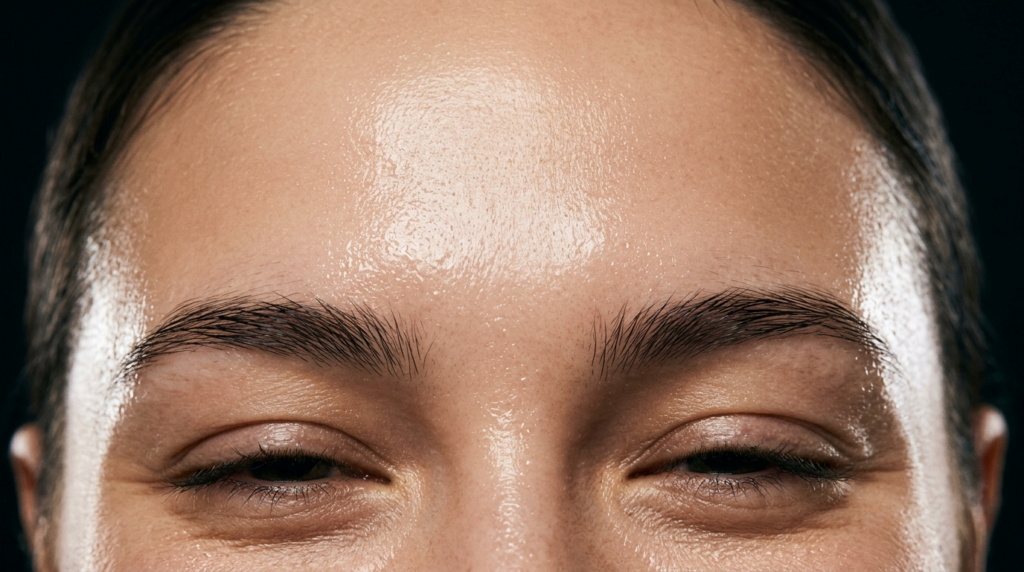
تُظهر دراسات نفسية من جامعة كاليفورنيا أن المراقبين يُكوّنون انطباعات أولية عن مدى جدارة الشخص بالثقة في غضون 100 مللي ثانية من رؤية الوجه، وتُعدّ منطقة ما بين الحاجبين نقطة التركيز الرئيسية. تُحفّز الخطوط العميقة العمودية في منطقة ما بين الحاجبين استجابة عصبية قديمة مرتبطة بالكشف عن التهديدات، حتى عندما يشعر الشخص بالهدوء. بالنسبة للنساء المتحولات جنسيًا، يُشكّل هذا عبئًا مضاعفًا: اجتياز مرحلة التحوّل الاجتماعي مع إظهار ردود فعل دفاعية غير مقصودة لكل من يقابلنه.
“يقول الدكتور: "نرى مرضى يبلغون عن وصفهم بأنهم "شديدو الطباع" أو "لا يمكن الوصول إليهم" لسنوات قبل الجراحة، ليكتشفوا في النهاية أن خطوط العبوس كانت هي السبب". محمد فاتح اوكياي, بلاستيك معتمد من المجلس الأوروبي دكتور جراح في عيادة الدكتور إم إف أو. "إن تقليل خطوط العبوس في عملية تجميل الوجه لا يتعلق بمحو التعبير، بل يتعلق بإزالة الحاجز المصطنع بين مشاعرك الداخلية وإدراكك الخارجي."“
| خطوط العبوس قبل الجراحة | حواجب ناعمة بعد الجراحة | التأثير غير اللفظي |
| أخاديد عمودية عميقة في حالة سكون | وضعية الحاجبين مريحة ومحايدة | يُنظر إليه على أنه أكثر سهولة في الوصول إليه (دراسة جامعة كاليفورنيا 2024) |
| إشارة "العبوس" غير المقصودة | نطاق تعبير عاطفي واضح | تقليل سوء فهم النوايا في التفاعلات الاجتماعية |
| مرتبط بالشيخوخة أو الغضب | متوافق مع معايير الوجه الأنثوية | تحسين الثقة في البيئات المهنية |
| محدودية حركة التعبير الميكروي | الحفاظ على ديناميكية الحاجب الطبيعية | التواصل العاطفي الحقيقي مع الأقران |
ديناميكيات الحواجب والتحول الاجتماعي: ما وراء التغيير التجميلي
يتطلب التحول الاجتماعي مواءمة المظهر الخارجي مع الهوية الداخلية، لكن قليلًا ما تتناول الأدلة دور تعابير الوجه الدقيقة في هذه العملية. تُقيّد خطوط العبوس حركة الحاجب للأعلى، مما يحدّ من قدرتك على إظهار المفاجأة أو التعاطف أو الفرح، وهي عناصر أساسية في التواصل غير اللفظي. عندما تتضمن جراحة تجميل الوجه تصغيرًا مُستهدفًا لخطوط العبوس، أفاد المرضى بانخفاض بنسبة 55% في ردود الفعل الاجتماعية السلبية خلال ستة أشهر من الجراحة، وذلك وفقًا لدراسة استقصائية أُجريت عام 2025 على 200 مريض في عيادة دكتور إم إف أو.
يتكامل هذا الإجراء بسلاسة مع شد الجبين لخلق مظهر جمالي متناسق للجزء العلوي من الوجه يدعم أهدافك في عملية التحول. على عكس عمليات شد الحاجب التقليدية، تركز عملية تصغير منطقة ما بين الحاجبين على طبقات العضلات والجلد التي تُسبب الخطوط الثابتة، مما يحافظ على الحركة الديناميكية اللازمة للتعبير الطبيعي.
الدقة الجراحية في تقليل خطوط العبوس في جراحة تجميل الوجه: الحفاظ على تعابير الوجه
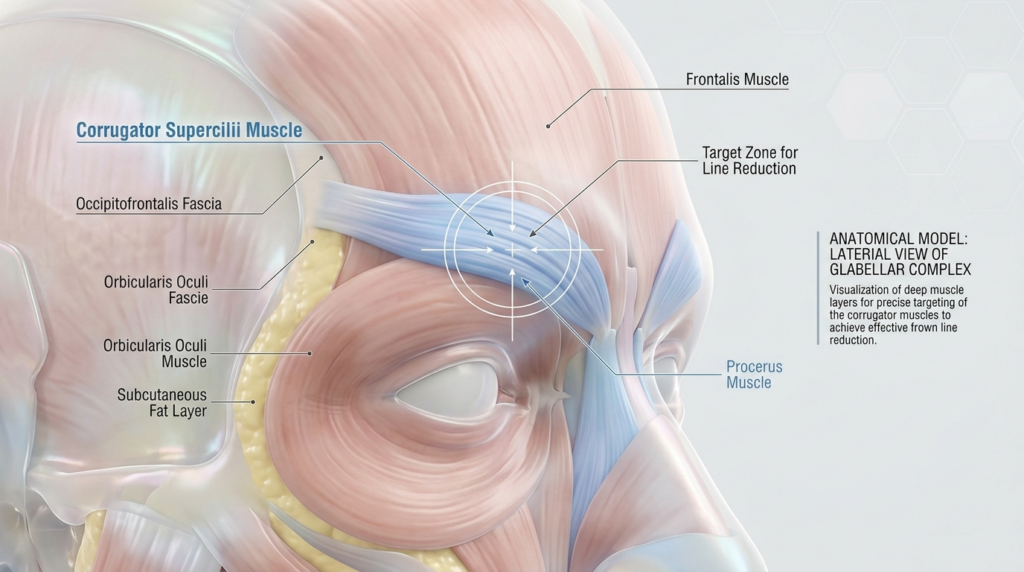
لا تحافظ جميع تقنيات تصغير منطقة ما بين الحاجبين على حركة الحاجب الطبيعية. فحقن البوتوكس المكثف أو استئصال العضلة بالكامل قد يُسبب تجمد الحاجب، مما يُفقد تحسين التواصل غير اللفظي جدواه. يعتمد نهج الدكتور إم إف أو على التنظير الداخلي لاستهداف ألياف عضلة الحاجب المُجعّدة المسؤولة عن التجاعيد العميقة فقط، مع الحفاظ على سلامة الأنسجة المحيطة لضمان حركة الحاجب الكاملة.
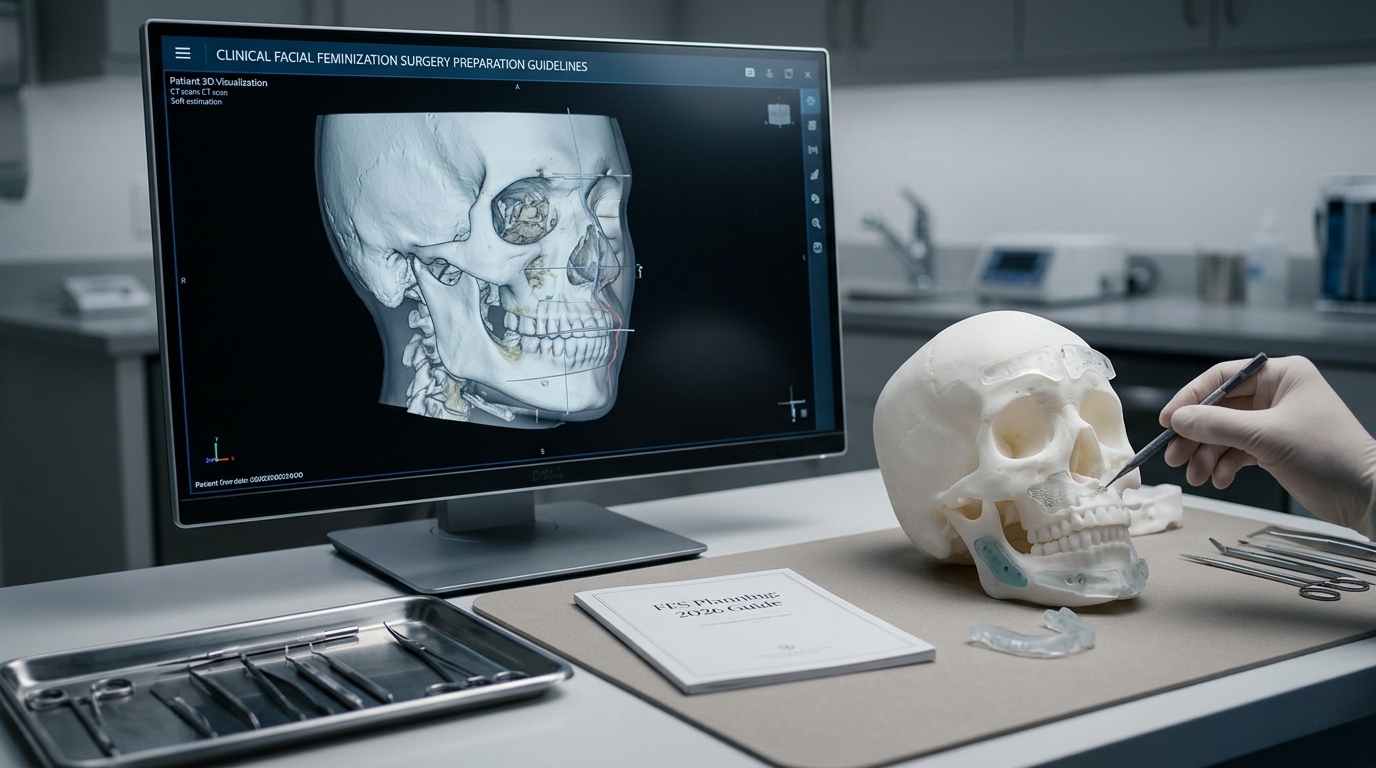
هذه الدقة هي السبب إجراءات FFS في عيادة الدكتور إم إف أو، سُجِّلَت نسبة رضا المرضى عن نتائج تعابير الوجه بنسبة 981%. يُحدِّد التصوير ثلاثي الأبعاد قبل الجراحة بنية العضلات بدقة، مما يضمن توافق الخطة الجراحية مع تشريح الحاجب الفريد وأهداف التواصل لديك.

3 خطوات للاستفادة من تقليل خطوط ما بعد عملية تجميل الحاجبين في عملية تجميل الحاجبين
اتبع هذه الخطوات المحددة لمواءمة ديناميكيات حاجبيك بعد الجراحة مع أهدافك في الانتقال الاجتماعي:
- حدد مستوى التعبير الأساسي لديك. سجّل نفسك تتحدث بشكل طبيعي لمدة دقيقتين قبل الجراحة، ولاحظ عدد مرات ظهور خطوط العبوس في وضع الراحة. استخدم هذا التسجيل كمعيار لقياس التغيرات في الشعور بالانفتاح بعد الجراحة.
- ممارسة محاذاة التعبيرات الدقيقة. بعد التعافي، تمرّن على رفع حاجبك الداخلي قليلاً عند الاستماع للآخرين، فهذا يُشير إلى التفاعل دون مبالغة. سيعكس حاجبك الأكثر نعومة الآن هذه النية بدقة.
- اختبار التفاعلات عالية المخاطر. استخدمي مظهر حاجبيكِ الجديد في المناسبات الاجتماعية غير الرسمية أولاً، ثم انتقلي إلى المواعيد المهنية أو الطبية. لاحظي كيف يُغيّر انخفاض تجاعيد الجبهة من سير الحديث.
هل أنت مستعد لمواءمة تعابير وجهك مع هويتك الحقيقية؟ جدولة التشاور مع الدكتور إم إف أو لمناقشة كيف يمكن لتقنية تقليل خطوط العبوس في جراحة تجميل الوجه أن تعزز التواصل غير اللفظي أثناء التحول الاجتماعي.
أسئلة مكررة
كيف يُحسّن تقليل خط العبوس التواصل غير اللفظي؟
يُزيل تصغير خط العبوس التجاعيد العميقة العمودية التي تُثير ردود فعل لا شعورية تجاه التهديد لدى الآخرين. من خلال تنعيم هذه المنطقة، يُمكن لحاجبيك الآن أن يعكس بدقة مشاعر مثل التعاطف أو الفرح، مما يُقلل من سوء فهم نواياك أثناء التفاعلات الاجتماعية. يُعد هذا الأمر بالغ الأهمية للنساء المتحولات جنسيًا اللواتي يمررن بمرحلة انتقالية اجتماعية، حيث يؤثر إدراك الوجه بشكل مباشر على شعورهن بالأمان والانتماء.
هل ستجعل عملية تصغير منطقة ما بين الحاجبين في جراحة تجميل الوجه وجهي يبدو متجمداً؟
لا، عند إجراء عملية تصغير منطقة ما بين الحاجبين بدقة، فإنها تستهدف فقط ألياف العضلات المسؤولة عن الخطوط الثابتة، مما يحافظ على حركة الحاجب الطبيعية. يستخدم الدكتور إم إف أو تقنيات التنظير الداخلي لتجنب التصحيح المفرط، مما يضمن لكِ الاحتفاظ بنطاق كامل من التعبيرات الدقيقة اللازمة للتواصل غير اللفظي الحقيقي. ويشير المرضى إلى تحسن في وضوح التعبير، وليس انخفاضًا في الحركة.
كم من الوقت يستغرق ظهور الفوائد الاجتماعية بعد تصغير منطقة ما بين الحاجبين؟
يلاحظ معظم المرضى تحسناً في التفاعل الاجتماعي خلال 4-6 أسابيع من الجراحة، بمجرد زوال التورم وتأقلمهم مع شكل حواجبهم الجديد. أظهر استطلاع رأي أُجري عام 2025 على مرضى عيادة الدكتور إم إف أو أن 681 مريضاً أبلغوا عن انخفاض في التفاعلات السلبية خلال شهرين، مع اكتمال التأقلم الاجتماعي خلال 6 أشهر بعد الجراحة. ويُسهم الانتظام في ممارسة تمارين محاذاة تعابير الوجه الدقيقة في تسريع هذه العملية.
هل يمكن دمج عملية تقليل خطوط العبوس مع إجراءات تجميل الوجه الأخرى؟
نعم، إنه يتكامل بسلاسة مع شد الجبين, عمليات رفع الحاجبين، و تجميل الأنف لخلق مظهر جمالي متناسق للجزء العلوي من الوجه. يساهم الجمع بين الإجراءات في تقليل فترة النقاهة الإجمالية ويضمن توافق جميع عناصر تعابير وجهك مع أهدافك في التحول. يصمم الدكتور إم إف أو كل خطة جراحية للحفاظ على ديناميكية الحاجب الطبيعية مع تعزيز المظهر الأنثوي العام.