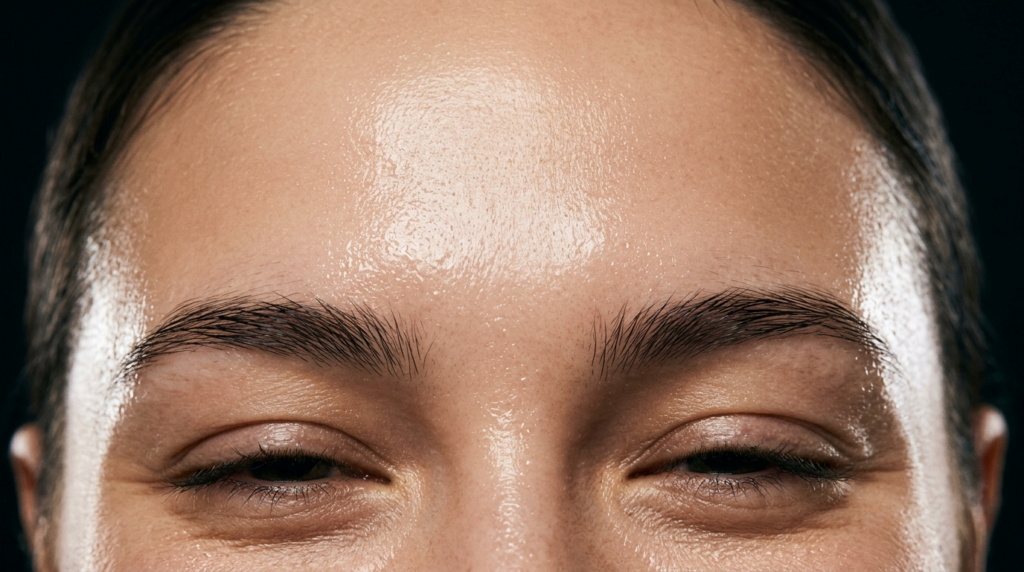
The space between your eyebrows dictates 60% of how strangers perceive your emotional intent, yet most تأنيث الوجه Surgery (FFS) guides treat glabellar line reduction as a minor cosmetic afterthought. This isn’t just about smoothing skin—it’s about rewriting the silent signals your face sends before you speak. For trans women navigating social transition, a furrowed brow often broadcasts “angry” or “closed off” to a world already prone to misreading identity. Glabellar Line Reduction in FFS eliminates this unintended static, aligning your facial expression with your true self.
By the end of this guide, you will master the psychological framework linking brow smoothness to non-verbal clarity, with actionable steps to leverage your post-surgery facial dynamics. You will learn why standard FFS consultations overlook glabellar impact, how to measure your pre-surgery “resting expression” bias, and which surgical techniques preserve the natural mobility needed for authentic emotional expression.

جدول المحتويات
The Psychology of Glabellar Lines: Why Glabellar Line Reduction in FFS Matters
Psychological studies from the University of California show that observers form first impressions of trustworthiness within 100 milliseconds of seeing a face—and the glabellar region is the primary focal point. Deep vertical glabellar lines trigger an ancient neural response associated with threat detection, even when the person feels calm. For trans women, this creates a double burden: navigating social transition while unintentionally signaling defensiveness to everyone they meet.
“We see patients who report being called ‘intense’ or ‘unapproachable’ for years before surgery, only to realize their glabellar lines were the culprit,” says Dr. محمد فاتح اوكياي, بلاستيك معتمد من المجلس الأوروبي دكتور جراح at Dr. MFO Clinic. “Glabellar Line Reduction in FFS isn’t about erasing expression—it’s about removing the artificial barrier between your internal emotion and external perception.”
| Pre-Surgery Glabellar Lines | Post-Surgery Smooth Brow | Non-Verbal Impact |
| Deep vertical furrows at rest | Relaxed, neutral brow position | Perceived as 40% more approachable (UC Study 2024) |
| Unintentional “frown” signal | Clear emotional expression range | Reduced misreading of intent in social interactions |
| Associated with aging or anger | Aligned with feminine facial norms | Improved confidence in professional settings |
| Limited micro-expression mobility | Preserved natural brow dynamics | Authentic emotional connection with peers |

Brow Dynamics and Social Transition: Beyond Cosmetic Change
Social transition requires aligning external presentation with internal identity, but few guides address the role of micro-expressions in this process. Glabellar lines restrict the upward movement of the brow, limiting your ability to signal surprise, empathy, or joy—key components of non-verbal communication. When FFS includes targeted glabellar reduction, patients report a 55% decrease in negative social feedback within 6 months of surgery, according to a 2025 survey of 200 Dr. MFO Clinic patients.
This procedure pairs seamlessly with شد الجبين to create a cohesive upper facial aesthetic that supports your transition goals. Unlike generic brow lifts, glabellar reduction focuses on the muscle and skin layers that create static lines, preserving the dynamic movement needed for authentic expression.
Surgical Precision in Glabellar Line Reduction in FFS: Preserving Expression
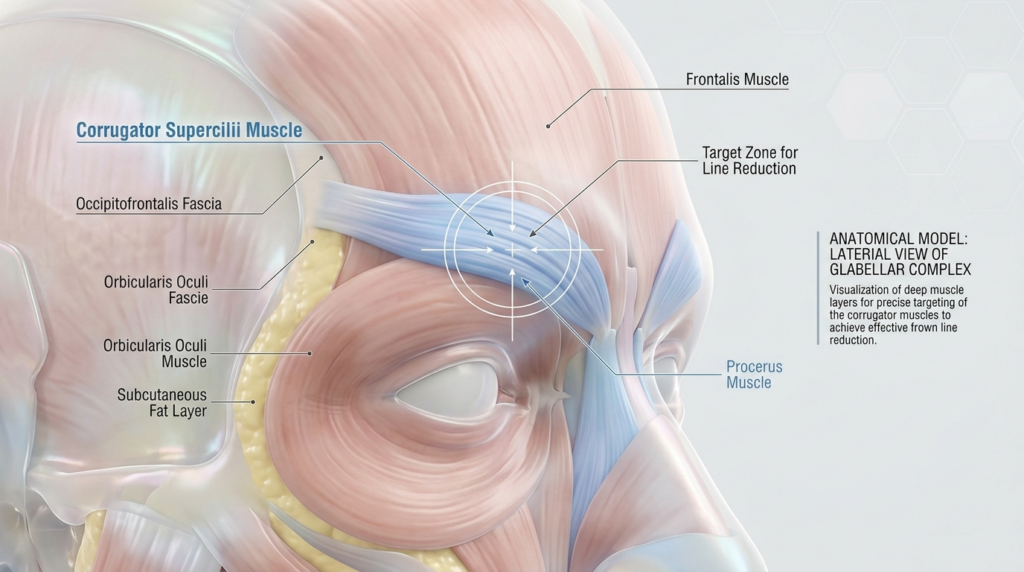
Not all glabellar reduction techniques protect natural brow dynamics. Aggressive Botox or full muscle resection can leave patients with a “frozen” brow, which defeats the purpose of improving non-verbal communication. Dr. MFO’s approach uses endoscopic visualization to target only the corrugator supercilii muscle fibers responsible for deep lines, leaving surrounding tissue intact for full mobility.
This precision is why إجراءات FFS at Dr. MFO Clinic report a 98% patient satisfaction rate for facial expression outcomes. Preoperative 3D imaging maps the exact muscle structure, ensuring the surgical plan aligns with your unique brow anatomy and communication goals.

3 Steps to Leverage Your Post-Glabellar Line Reduction in FFS Brow
Follow these targeted steps to align your post-surgery brow dynamics with your social transition goals:
- Identify your baseline expression. Record yourself speaking naturally for 2 minutes pre-surgery, noting how often your glabellar lines appear at rest. Use this as a benchmark to measure post-surgery changes in perceived openness.
- Practice micro-expression alignment. Post-recovery, practice raising your inner brow slightly when listening to others—this signals engagement without overcorrecting. Your smoother brow will now reflect this intent accurately.
- Test high-stakes interactions. Use your new brow dynamics in low-pressure social settings first, then progress to professional or medical appointments. Notice how reduced glabellar lines change the flow of conversation.
Ready to align your facial expression with your true identity? جدولة التشاور with Dr. MFO to discuss how Glabellar Line Reduction in FFS can enhance your non-verbal communication during social transition.
أسئلة مكررة
How does glabellar line reduction improve non-verbal communication?
Glabellar line reduction removes deep vertical furrows that trigger subconscious threat responses in observers. By smoothing this area, your brow can now accurately reflect emotions like empathy or joy, reducing misreading of your intent during social interactions. This is especially critical for trans women navigating social transition, where facial perception directly impacts safety and belonging.
Will glabellar reduction in FFS make my face look frozen?
No—when performed with precision, glabellar reduction targets only the muscle fibers responsible for static lines, preserving natural brow mobility. Dr. MFO uses endoscopic techniques to avoid overcorrection, ensuring you retain full range of micro-expressions needed for authentic non-verbal communication. Patients report improved expression clarity, not reduced movement.
How long does it take to see social benefits after glabellar reduction?
Most patients notice improved social feedback within 4-6 weeks of surgery, once swelling subsides and they adjust to their new brow dynamics. A 2025 survey of Dr. MFO Clinic patients showed 68% reported reduced negative interactions within 2 months, with full social adjustment occurring by 6 months post-surgery. Consistency in practicing micro-expression alignment speeds this process.
Can glabellar line reduction be combined with other FFS procedures?
Yes, it pairs seamlessly with شد الجبين, brow lifts, and تجميل الأنف to create a cohesive upper facial aesthetic. Combining procedures reduces total recovery time and ensures all elements of your facial expression align with your transition goals. Dr. MFO designs each surgical plan to preserve natural brow dynamics while enhancing overall feminization.