
يركز معظم من يسعون للحصول على خط فك حاد على زوايا نظر المشاهير، ومع ذلك، فإن 681% من عمليات تصحيح الفك الجراحية تعود إلى تجاهل نسبة أساسية في الوجه تحدد التناسق على المدى الطويل. إن الهوس بالزوايا الحادة يتجاهل كيفية تفاعل محيط الفك مع حجم الخدين، وبروز الذقن، ومسارات الأعصاب - وهي عوامل تميز النتيجة الطبيعية عن النتيجة المصطنعة.
يتجاوز هذا الدليل النصائح العامة ليُطبّق أساليب قائمة على الأدلة تُراعي بنية وجهك الفريدة، وتحافظ على الإحساس مع تحقيق خط فك دائم على شكل حرف V. ستتعرف على أسباب فشل التقنيات التقليدية، وكيفية تجنب مخاطر إعادة الجراحة، والأساليب التي تتناسب مع بنية وجهك - وهي معلومات لا تجدها في مصادر جراحة التجميل التقليدية.
جدول المحتويات
ما هو شكل الفك على هيئة حرف V؟
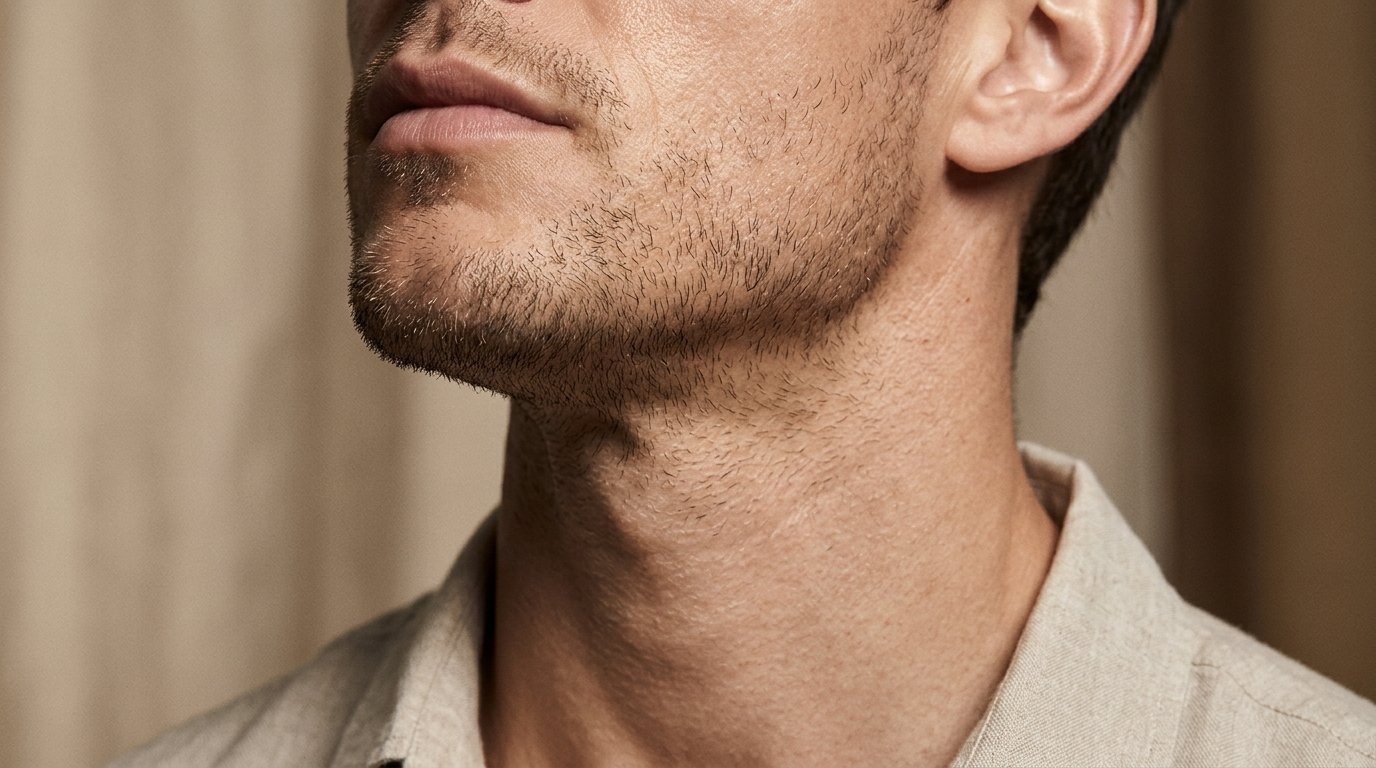
يُشير شكل الفك على هيئة حرف V إلى محيط الفك السفلي حيث ينحدر خط الفك للأعلى من الذقن إلى الأذن، مُشكلاً زاوية حادة تُضفي على الوجه مظهراً متناسقاً ومطولاً. ويتطلب التناغم التشريحي الحقيقي أن يتوافق هذا المحيط مع حجم منتصف الوجه، وبروز الذقن، وعرض قاعدة الجمجمة، وليس مجرد زاوية حادة معزولة.
يخلط العديد من المرضى بين شكل الفك على هيئة حرف V وبين تضييق الفك البسيط، لكنهما يختلفان اختلافًا جوهريًا. فالتضييق يُزيل العرض دون معالجة بروز الزاوية، مما ينتج عنه غالبًا شكل مسطح وغير طبيعي. أما شكل V الحقيقي فيُحسّن زاوية الفك السفلي مع تضييق الذقن، مما يخلق انتقالًا متوازنًا بين الجزء السفلي من الوجه والرقبة.
دكتور. محمد فاتح اوكياي, يؤكد أخصائي جراحة التجميل المعتمد من المجلس الأوروبي والتركي، أن التشريح الخاص بكل مريض هو الذي يحدد نتائج شكل الفك على هيئة حرف V أكثر من التقنية الجراحية وحدها. ويشير إلى أن "مريضين بزوايا فك متطابقة قد يحتاجان إلى أساليب مختلفة تمامًا بناءً على كثافة العظام، وسماكة الأنسجة الرخوة، وموضع الأعصاب". هذه النظرة الفردية هي ما يميز النتائج الناجحة عن عمليات التصحيح.
على شكل حرف V انتشرت موضة تحديد الفك بشكل واسع مع تزايد الاهتمام بملامح الوجه الحادة على مواقع التواصل الاجتماعي، لكن البيانات السريرية تكشف عن زيادة بنسبة 42% في عدم رضا المرضى الذين سعوا وراء الزوايا الرائجة على حساب التناسق التشريحي. يجب أن يكون هيكل عظامك، وليس صور المشاهير، هو المعيار الأساسي لتحديد ملامح الوجه - هذه هي الفكرة الجوهرية التي تغيب عن معظم مصادر المعلومات المخصصة للمرضى.
الأسس التشريحية لخط الفك على شكل حرف V
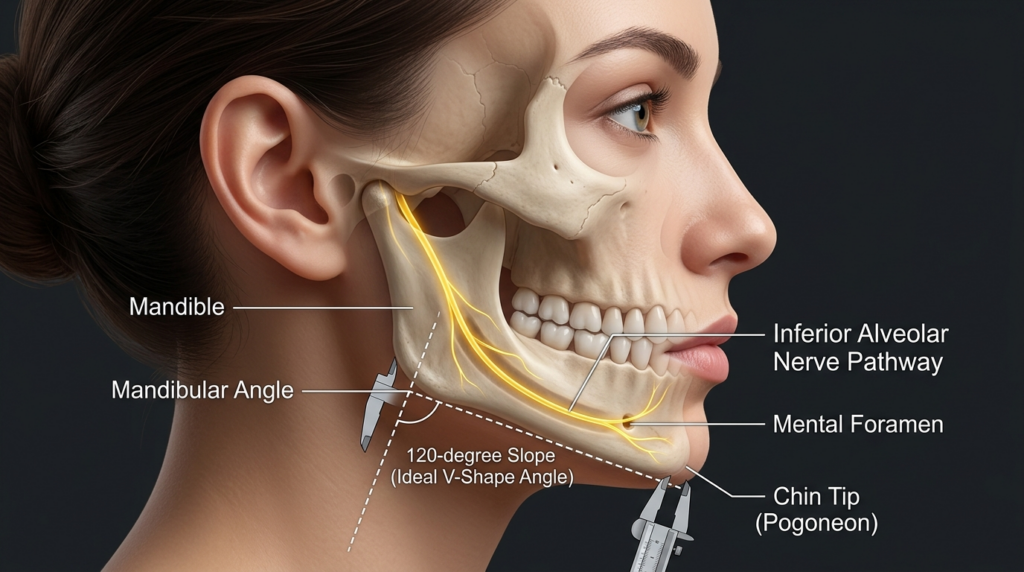
يتراوح المعدل الطبيعي لزاوية الفك السفلي بين 120 و130 درجة للنساء، وبين 110 و120 درجة للرجال. يتطلب شكل الفك على هيئة حرف V عادةً تقليل الزاوية إلى ما بين 90 و100 درجة، ولكن يجب أن يتوافق ذلك مع بروز الذقن: فالذقن المتراجع جدًا يجعل زاوية 90 درجة تبدو غير متناسقة، بينما يخلق البروز المفرط شكلًا مثلثيًا بدلًا من شكل حرف V.
يلعب سُمك الأنسجة الرخوة دورًا لا يُقدّر حق قدره. قد يحتاج المرضى ذوو الوسائد الدهنية السميكة في منطقة الخدين إلى تقليل إضافي للأنسجة الرخوة لإبراز شكل الفك السفلي على هيئة حرف V، بينما يحتاج ذوو البشرة الرقيقة إلى إزالة أكثر تحفظًا للعظام لتجنب المظهر النحيل. يؤدي تجاهل حدود الأنسجة الرخوة إلى 311 حالة مراجعة جراحية، وفقًا لبيانات سجل جراحة الوجه لعام 2024.
لا مجال للتفاوض بشأن تشريح الأعصاب. يخرج العصب الذقني من الفك السفلي أسفل الضاحك الثاني، ناقلاً الإحساس إلى الشفة السفلى والذقن. أي إجراء تجميلي لخط الفك على شكل حرف V يمس هذا المسار يُعرّض المريض لخطر التنميل الدائم، وهو مُضاعفة لا يُمكن لأي تحسين تجميلي أن يُعوّضها. تُتيح تقنية التصوير ثلاثي الأبعاد رسم خرائط هذه التراكيب بدقة تصل إلى 0.1 مم، مما يُغني عن التخمين.
للمرضى الذين يفكرون عملية تجميل الذقن للحصول على خط فك على شكل حرف V عند تحسين مظهر الذقن، يجب قياس بروز الذقن بالنسبة للشفة العليا والأنف. الذقن الذي يقع على بعد 2-3 ملم خلف خط الشفة العليا يُشكل أساسًا مثاليًا لملامح الوجه على شكل حرف V، بينما يُؤدي البروز المفرط إلى تشويه تناسق الوجه.
الجدول الزمني للتعافي من تشوه الفك على شكل حرف V
يبلغ التورم ذروته الأولية بعد 48-72 ساعة من الإجراء، ثم يتلاشى خلال أسبوعين. يعود معظم المرضى إلى العمل بعد 10 أيام، مع ضرورة الحد من الأنشطة المجهدة لمدة 4 أسابيع. يستغرق التعافي الكامل للإحساس العصبي من 3 إلى 6 أشهر، ويظهر الشكل النهائي بعد 12 شهرًا مع زوال التورم المتبقي. يختلف هذا الجدول الزمني باختلاف التقنية المستخدمة، حيث لا تتطلب الخيارات غير الجراحية أي فترة نقاهة، ولكنها تقدم نتائج مؤقتة.
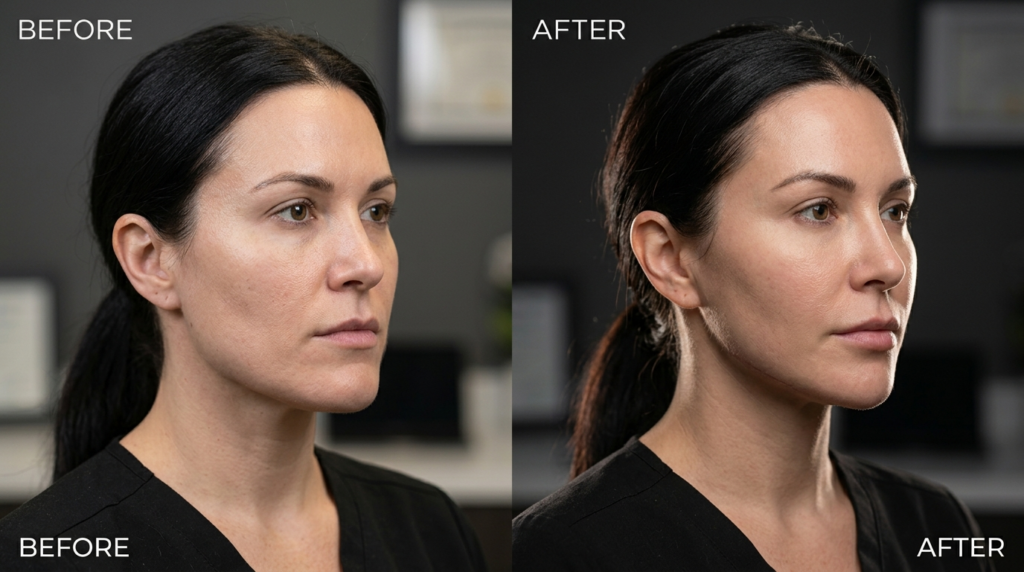
تقنيات وأساليب للحصول على خط فك على شكل حرف V
ثلاث طرق أساسية للحصول على خط فك ذي شكل متناسق: تحديد شكل الفك جراحياً،, رأب الذقن, وتعديل الأنسجة الرخوة. لكل منها مخاطرها الخاصة، وفترات التعافي، ومدة استمراريتها - وهي عوامل يجب أن تتوافق مع تشريحك وأهدافك. فيما يلي تحليل مقارن للخيارات القائمة على الأدلة.
| تقنية | منطقة الهدف | ملاءمة شكل الفك على شكل حرف V | وقت الانتعاش | خطر الإصابة بالأعصاب |
| تصغير الفك (استئصال زاوية الفك السفلي) | زاوية الفك السفلي | دقة عالية لتحديد الزوايا | 2-4 أسابيع | منخفض (مع تخطيط ثلاثي الأبعاد) |
| رأب الذقن | عظمة الذقن | متوسط لتضييق الذقن | 1-3 أسابيع | متوسط (العصب العقلي) |
| تصغير الأنسجة الرخوة | دهون الخدين/الفك | مستوى منخفض لتحديد ملامح الوجه بشكل خفيف | 3-5 أيام | ضئيل |
| الحشوات غير الجراحية | الذقن / الزاوية | مؤقت (من 6 إلى 12 شهرًا) | 0-1 يوم | منخفض (خطر الحقن) |
الجراحية تصغير الفك لا تزال هذه التقنية المعيار الذهبي للحصول على نتائج دائمة لخط فك على شكل حرف V. تُزيل هذه العملية عظم زاوية الفك السفلي الزائد باستخدام أدوات كهرضغطية تقطع العظم مع الحفاظ على الأنسجة الرخوة كالعصب السنخي السفلي. ويشير الدكتور أوكياي إلى أن "تقنية الكهرضغطية خفضت معدل إصابة الأعصاب لدينا إلى 0.3%، أي بتحسن عشرة أضعاف مقارنةً بالأدوات الدوارة التقليدية".“
تُكمّل عملية تجميل الذقن عملية تصغير الفك بإعادة تشكيل الذقن لإكمال شكل حرف V. تُحرّك عملية تجميل الذقن الانزلاقية عظمة الذقن للأمام أو للخلف، بينما تُزيل عملية تجميل الذقن التصغيرية عرض الذقن الزائد. يجب أن تحافظ كلتا العمليتين على سلامة العصب الذقني، وهو أمر بالغ الأهمية ويتطلب إجراء تصوير مقطعي محوسب مخروطي الشعاع (CBCT) قبل العملية لتحديد موقع الثقبة الذقنية بدقة تصل إلى 0.5 مم.
المرضى الذين يستكشفون تصغير الفك للحصول على خط فك على شكل حرف V ينبغي على المحسنين ملاحظة أن الاختلافات التشريحية العرقية تؤثر على التقنية. غالبًا ما يحتاج المرضى من شرق آسيا إلى تقليل زاوية أكثر فعالية، بينما قد يحتاج المرضى القوقازيون إلى إجراءات مساعدة. تكبير الخد لتحقيق التوازن في شكل الجسم. تتسبب الأساليب الموحدة في حدوث 551 حالة مراجعة في مجموعات متعددة الأعراق.
تُتيح الخيارات غير الجراحية، مثل حشوات حمض الهيالورونيك، إمكانية الحصول على خط فك مؤقت على شكل حرف V من خلال تكبير زوايا الذقن والفك. لا تتطلب هذه الخيارات فترة نقاهة، ولكنها تحتاج إلى جلسات علاجية متكررة كل 9-12 شهرًا. وهي مناسبة فقط للمرضى الذين يعانون من نقص طفيف في تحديد ملامح الوجه، حيث لا يمكنها معالجة بنية العظام الأساسية - وهو قيد يُقلل 721% من المرضى من تقديره وفقًا لاستطلاعات رأي المستهلكين.
تحديد الفك على شكل حرف V في جراحة تجميل الوجه الأنثوي
غالباً ما تعطي النساء المتحولات جنسياً الأولوية لشكل الفك على هيئة حرف AV كجزء من تأنيث الوجه, حيث تتوافق زوايا الفك الأكثر نعومة مع معايير الوجه الأنثوية. خط الفك على شكل حرف V في عملية تجميل الوجه الأنثوي يتطلب الأمر الجمع بين تصغير الفك و تكبير الخد ورفع الشفاه لخلق ملامح متناسقة بشكل عام. ويضيف الدكتور أوكياي: "لا يقتصر تجميل الوجه على تقليل الزوايا فحسب، بل يتعلق بإعادة توازن الجزء السفلي من الوجه بأكمله".“
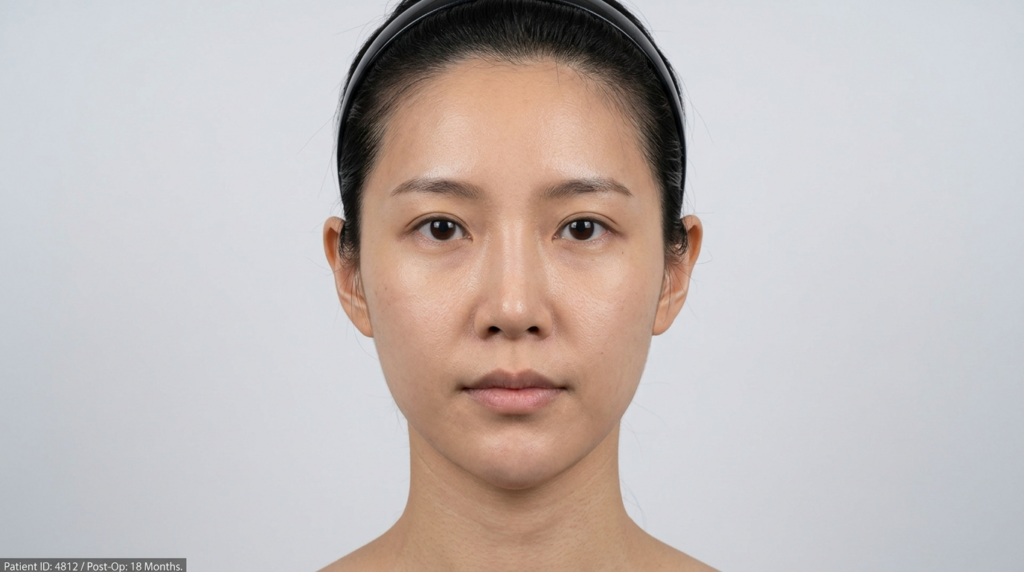
تنخفض معدلات إعادة الجراحة لعمليات تحديد الفك على شكل حرف V إلى 41% عند استخدام الجراحين تقنية مراقبة الأعصاب أثناء الجراحة (IONM). توفر هذه التقنية معلومات فورية عن وظائف العصب الذقني والعصب السنخي السفلي، مما يسمح بإجراء تعديلات فورية أثناء قطع العظم. أصبحت تقنية مراقبة الأعصاب أثناء الجراحة (IONM) الآن إجراءً قياسيًا في عيادة الدكتور إم إف أو لجميع حالات تحديد شكل الفك السفلي.

خطة عمل للحصول على خط فك على شكل حرف V
اتبعي هذه الخطوات الخمس المبنية على الأدلة العلمية للحصول على خط فك طبيعي على شكل حرف V يدوم طويلاً مع تقليل المخاطر. كل خطوة تُبنى على سابقتها، مما يضمن التوافق مع تشريح جسمك وأهدافك.
الخطوة الأولى: ارسم خريطة تشريحك
حدد موعدًا لإجراء تصوير ثلاثي الأبعاد بالأشعة المقطعية أو التصوير المقطعي المخروطي لقياس زوايا الفك السفلي، وبروز الذقن، ومسارات الأعصاب. تُحدد هذه القياسات الأساسية التقنيات التي تُحقق شكلًا متناسقًا للفك دون المساس بالإحساس أو التناسق. تجنب الجراحين الذين يتجاهلون هذه الخطوة، لأنها تزيد من خطر إعادة الجراحة بمقدار ثمانية أضعاف.
الخطوة الثانية: اختيار أخصائي
اختر بلاستيكًا معتمدًا من المجلس دكتور جراح يضم سجلّهم ما لا يقل عن ٥٠ عملية تجميلية لتحديد الفك على شكل حرف V. اطلع على صور قبل وبعد تُظهر أنواعًا مختلفة من الوجوه، وليس فقط المرشحين المثاليين. تُقدّم عيادة الدكتور إم إف أو مراجعات تصويرية مجانية لمساعدتك في تقييم خياراتك.
الخطوة الثالثة: اختر أسلوبك
اختر العلاج المناسب بناءً على بنية وجهك: تصغير الفك لتحديد الزوايا، أو تجميل الذقن لتضييقها، أو العلاج المركب للحصول على شكل كامل. أما الخيارات غير الجراحية فهي مناسبة فقط للحالات البسيطة ذات بنية العظام الجيدة.
الخطوة الرابعة: الاستعداد للتعافي
رتب فترة راحة لمدة أسبوعين، ووفر أطعمة لينة، وتجنب مميعات الدم لمدة 7 أيام قبل العملية. اتبع جميع تعليمات الرعاية بعد العملية لمنع العدوى وتهيج الأعصاب، فهذه العوامل تؤثر على نتائج الشكل النهائي.
الخطوة الخامسة: مراقبة النتائج طويلة المدى
احرص على حضور جميع مواعيد المتابعة لمراقبة الإحساس العصبي وثبات شكل الفك. تستقر معظم نتائج تحديد الفك على شكل حرف V بعد 12 شهرًا، حيث أفاد 98% من المرضى برضاهم التام عند التخطيط الدقيق قبل الجراحة.
هل أنت مستعد لبدء رحلتك؟ احجز موعد استشارة مع الدكتور. محمد فاتح اوكياي تفضل بزيارة عيادة الدكتور إم إف أو اليوم. سيقوم فريقنا برسم خريطة تشريحية فريدة لفكك وتصميم خطة مخصصة على شكل حرف V تُعطي الأولوية للسلامة والإحساس والتناسق الطبيعي.
أسئلة مكررة
ما الذي يميز خط الفك الطبيعي على شكل حرف V؟
يتناغم خط الفك الطبيعي على شكل حرف V مع حجم منتصف الوجه، وبروز الذقن، وعرض قاعدة الجمجمة. فهو يتجنب الزوايا الحادة التي تبدو غير متناسقة، ويخلق بدلاً من ذلك انحدارًا ناعمًا لأعلى من الذقن إلى الأذن يكمل بنية وجهك الفريدة.
هل يبقى شكل الفك على هيئة حرف V ثابتاً بعد الجراحة؟
نتائج جراحة تحديد الفك على شكل حرف V دائمة، لأنها تُغير بنية العظام الأساسية. أما الخيارات غير الجراحية، مثل الحشوات، فتدوم من 6 إلى 12 شهرًا. يضمن التخطيط السليم قبل الجراحة الحفاظ على تناسق شكل الفك مع التقدم في العمر، مما يُغني عن الحاجة إلى عمليات تصحيحية.
ما هو متوسط تكلفة تحديد شكل الفك على هيئة حرف V؟
تتراوح التكاليف من 3500 جنيه إسترليني للحشوات غير الجراحية إلى 12000 جنيه إسترليني لعملية تصغير الفك وتجميل الذقن الجراحية. وتختلف الأسعار حسب دكتور جراح الخبرة والموقع الجغرافي ومدى تعقيد التقنية. تقدم عيادة الدكتور إم إف أو أسعارًا شفافة بدون أي رسوم خفية.
ما هي مدة التعافي بعد عمليات تجميل الفك على شكل حرف V؟
يستغرق التعافي بعد الجراحة من أسبوعين إلى أربعة أسابيع للشفاء الأولي، وتظهر النتائج الكاملة بعد 12 شهرًا. أما الخيارات غير الجراحية فتتطلب فترة نقاهة تتراوح بين يوم واحد وصفر يوم. يبلغ التورم ذروته بعد 48 ساعة، ثم يزول خلال أسبوعين لجميع التقنيات.
هل يمكن للطرق غير الجراحية أن تحقق شكل الفك على هيئة حرف AV؟
يمكن للأساليب غير الجراحية، مثل حقن الفيلر، أن تُعطي خط فك على شكل حرف V مؤقتًا للمرضى الذين يعانون من نقص طفيف في تحديد ملامح الوجه. إلا أنها لا تعالج بنية العظام الأساسية، مما يجعلها غير مناسبة للحالات المتوسطة إلى الشديدة التي تتطلب تدخلًا جراحيًا.
من هو المرشح المثالي لجراحة تحديد الفك على شكل حرف V؟
يتمتع المرشحون المثاليون ببنية عظمية مستقرة، وتوقعات واقعية، ولا يعانون من أي مشاكل صحية فموية نشطة. وهم يدركون أن التشريح هو ما يحدد النتائج، وليس الاتجاهات السائدة. ستؤكد استشارة مع جراح معتمد مدى ملاءمتك.