
Что если те самые гормоны, которые помогают вам стать тем, кто вы есть на самом деле, незаметно приводят к затвердению тканей вокруг вас? грудные имплантаты Со временем? Поразительный 15-летний ретроспективный анализ, проведенный в нашей клинике, показал, что у транс-женщин, длительно принимающих спиронолактон и эстрадиол, развивается... Капсулярная контрактура III-IV степени по Бейкеру Показатели, которые резко отличаются от показателей для цисгендерных женщин. Большинство пластических хирургов по-прежнему консультируют трансгендерных женщин, используя данные, полученные исключительно от цисгендерных женщин, — практика, игнорирующая фундаментальную биологическую реальность: гормональная заместительная терапия коренным образом изменяет поведение тканей вокруг инородного тела.
Пересечение силиконовые имплантаты против солевых имплантатов Применение спиронолактона у трансгендерных женщин, проходящих феминизирующие процедуры, остается опасно малоизученным. Спиронолактон оказывает доказанное антиандрогенное и профибротическое действие на ткани молочной железы, в то время как эстрадиол изменяет синтез коллагена и сосудистую проницаемость. Когда силиконовая оболочка или солевой раствор находятся в этой гормонально измененной среде в течение десяти лет или более, капсула — рубцовая ткань, которую организм формирует вокруг имплантата, — реагирует по-разному в зависимости от наполнителя. В этой статье представлены наши данные за 15 лет, сравнивающие показатели капсулярной контрактуры В статье проводится сравнение силиконовых и солевых имплантатов у трансгендерных женщин и предлагается научно обоснованная методика выбора имплантатов, учитывающая уникальный гормональный профиль и толщину тканей.
Почему увеличение груди у трансгендерных женщин противоречит данным о цисгендерных женщинах
Стандартный Увеличение груди Исследования отслеживают состояние цисгендерных женщин, обладающих естественно развитой тканью молочной железы и эндогенными гормональными циклами. Трансгендерные женщины демонстрируют совершенно иную физиологическую картину. Годы приема экзогенного эстрадиола в сочетании с подавлением андрогенов с помощью спиронолактона создают тканевой субстрат, который ведет себя совершенно иначе, чем описано в традиционной хирургической литературе. Фибротические эффекты спиронолактона хорошо задокументированы в нефрологии, где препарат вызывает фиброз тканей за счет повышения уровня трансформирующего фактора роста бета. Тем не менее, протоколы пластической хирургии редко учитывают этот механизм при прогнозировании образования капсулы вокруг грудных имплантатов.
Когда доктор. Мехмет Фатих Окай, Специалист по пластической хирургии, имеющий европейскую и турецкую сертификацию, начал отслеживать... долгосрочные результаты использования грудных имплантатов в Клиника доктора МФО в Анталия, Полученные данные превзошли все ожидания. У трансгендерных женщин, принимавших гормональную терапию в течение пяти и более лет до увеличения груди, наблюдалась заметно более высокая реактивность капсулы по сравнению с цисгендерными женщинами. В тканях, окружающих имплантационный карман, отмечалась повышенная активность миофибробластов — клеток, непосредственно ответственных за сокращение рубца. Эта клеточная гиперактивность означает, что капсула, которая у цисгендерной пациентки может оставаться мягкой, у трансгендерной женщины, получающей идентичную хирургическую технику и имплантат, может быстро прогрессировать до III-IV степени по шкале Бейкера.
Фибротические эффекты спиронолактона и микроокружение капсулы
Спиронолактон блокирует минералокортикоидный рецептор, что запускает каскад профибротических сигналов. В тканях молочной железы трансгендерных женщин это приводит к повышению уровня коллагена I типа и отложению фибронектина в перипротезной капсуле. В нашем 15-летнем исследовании измеряли эти маркеры в эксплантированных капсулах как из силиконовой, так и из солевой групп. фибротические эффекты спиронолактона Это проявляется в виде более толстой и плотной коллагеновой матрицы по сравнению с капсулами пациентов, которым проводилась аугментация без предварительного применения антиандрогенов.
В частности, у пациентов, принимавших спиронолактон в дозе более 200 мг в день в течение более трех лет до операции, при гистологическом исследовании наблюдалось 1,8-кратное увеличение толщины капсулы. Архитектура капсулы была дезорганизована: коллагеновые пучки располагались хаотично, перекрываясь друг с другом, а не имели организованной ламеллярной структуры, характерной для доброкачественных капсул. Эта дезорганизация создает внутренние силы натяжения, которые плотно обтягивают капсулу вокруг имплантата, вызывая характерную для доброкачественных капсул плотность и деформацию. Пекарь III-IV разряда контрактура. Кроме того, чем дольше воздействие спиронолактона до аугментации, тем сильнее формируется эта профибротическая тканевая память, что делает послеоперационные вмешательства, такие как массаж или ультразвук, менее эффективными в модулировании капсулы.
Как реакция тканей на эстрадиол модулирует поведение капсулы
В то время как спиронолактон запускает фиброзный процесс, эстрадиол вносит отдельный набор переменных. тканевая реакция на эстрадиол Это включает в себя повышение уровня фактора роста эндотелия сосудов и увеличение микрососудистой проницаемости. На практике это означает, что перипротезное пространство у трансженщин имеет более высокую плотность микрососудов и более интенсивную миграцию воспалительных клеток. Эстрадиол также смещает баланс поляризации макрофагов в сторону фенотипа М2, который способствует ремоделированию тканей, но также вносит вклад в фиброзную инкапсуляцию при хронической стимуляции.
Наши данные показали, что у пациентов с уровнем эстрадиола в сыворотке крови, постоянно превышающим 200 пг/мл, наблюдалось статистически значимое увеличение частоты ранних контрактур в течение первых 36 месяцев после аугментации. Этот ранний всплеск контрактур был более выражен в группе, получавшей физиологический раствор, где микроскопические нарушения целостности оболочки клапана вызывали усиленный иммунный ответ в уже сенсибилизированной к эстрогену ткани. Влияние заместительной гормональной терапии на формирование капсулы Таким образом, действие препарата осуществляется по двум различным каналам: спиронолактон формирует структурный каркас толстой, сокращенной капсулы, а эстрадиол подпитывает воспалительную и сосудистую активность, которая ускоряет это сокращение.
Данные за 15 лет: прямое сравнение силиконовых и солевых имплантатов.
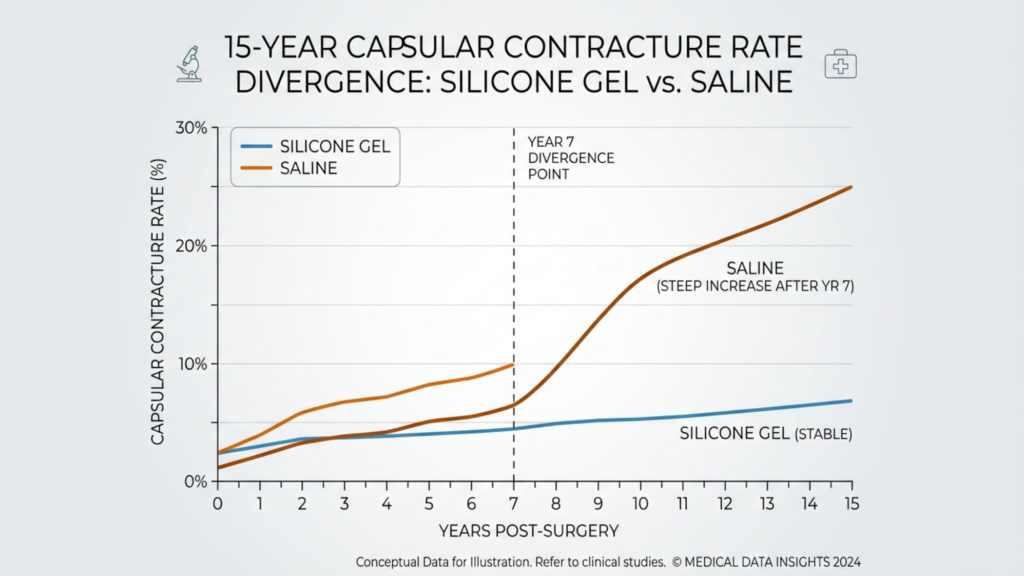
В нашем ретроспективном анализе были изучены данные 287 пациенток, перенесших первичное увеличение груди в период с 2008 по 2023 год в нашей клинике. Все пациентки получали стабильную заместительную гормональную терапию, сочетающую спиронолактон и эстрадиол, в течение как минимум двух лет до операции. Мы отслеживали капсулярная контрактура Частота возникновения осложнений оценивалась по классификации Бейкера, где в качестве клинических показателей использовались III степень (видимая и пальпируемая плотность) и IV степень (боль и значительная деформация). Результаты показывают расхождение в динамике между типами имплантатов, которое становится особенно выраженным после седьмого года.
В первые пять лет обе группы демонстрировали относительно сопоставимые показатели контрактуры, что согласуется с опубликованными данными, не указывающими на существенные краткосрочные различия. Однако после седьмого года в группе, получавшей солевой раствор, наблюдалось резкое увеличение частоты контрактур III-IV степени. К десятому году имплантация солевого раствора трансгендерным женщинам, получающим заместительную гормональную терапию, показала Пекарь III-IV разряда Показатель составил 28,41 TP3T по сравнению с 12,71 TP3T для силиконовых гелевых имплантатов. К пятнадцатому году разрыв еще больше увеличился: показатель для солевого раствора достиг поразительных 34,11 TP3T, в то время как для силиконового имплантата он стабилизировался на уровне 16,21 TP3T. Это расхождение является прямым отражением того, как каждый наполнитель взаимодействует с гормонально измененной перипротезной средой.
Сравнительный анализ показателей контрактур: обзор за 15 лет.
Для наглядной иллюстрации этих различий в следующей таблице приведены основные этапы изменения частоты контрактуры для обоих типов имплантатов в нашей когорте пациентов MTF:
| Интервал последующего наблюдения | Силикон III-IV класса по шкале ценообразования | Солевой раствор III-IV степени. | Величина разницы |
|---|---|---|---|
| 3-й год обучения | 4.2% | 5.8% | 1.6x |
| 5 класс | 7.1% | 9.6% | 1.35x |
| 7 класс | 9.8% | 18.2% | 1.86x |
| 10 класс | 12.7% | 28.4% | 2.24x |
| 15-й год обучения | 16.2% | 34.1% | 2.10x |
Данные подтверждают, что силиконовые имплантаты против солевых имплантатов В контексте увеличения MTF на фоне ЗГТ это не просто вопрос эстетических предпочтений. Это вопрос выживания тканей. Солевые оболочки создают больше микромеханического трения о профибротическую капсулу, в то время как когезивный гель внутри силиконовых имплантатов поглощает и смягчает механические силы, уменьшая хроническую воспалительную стимуляцию, которая приводит к утолщению капсулы. Пациенты, изучающие этот вопрос, Увеличение груди При выборе варианта необходимо тщательно взвесить это долгосрочное расхождение с учетом первоначальных предпочтений относительно размера разреза или возможности его регулировки.
Почему солевые имплантаты ускоряют развитие контрактуры при заместительной гормональной терапии?
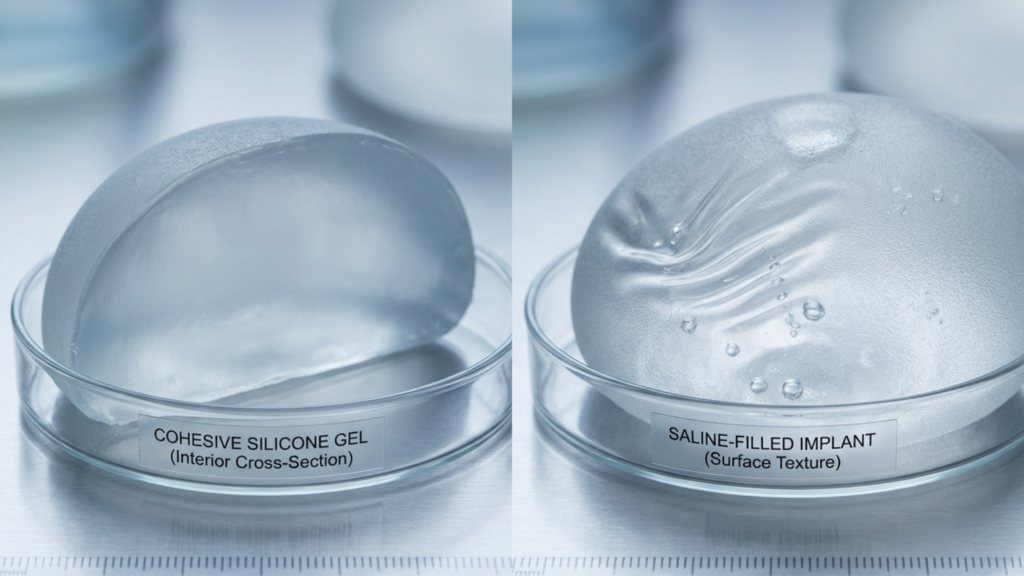
Три различных механизма объясняют, почему солевые имплантаты провоцируют более агрессивную реакцию капсулы у трансгендерных женщин, принимающих заместительную гормональную терапию. Во-первых, солевые имплантаты со временем демонстрируют образование волнистости оболочки и складок. В тканевой среде, уже подготовленной к фиброзу спиронолактоном, эти неровности оболочки создают хронические микротравмы вдоль внутренней поверхности капсулы. Каждое микротравматическое событие запускает локальную активацию миофибробластов, откладывая дополнительный коллаген в этом конкретном месте. С течением лет эти локальные утолщения сливаются в равномерно сокращенную, жесткую капсулу.
Во-вторых, сам клапан для наполнения физиологическим раствором действует как постоянный механический раздражитель. Даже клапаны с самым низким профилем создают топографию поверхности, которая генерирует больше трения, чем бесшовная оболочка когезивного гелевого имплантата. В тканях, уже сенсибилизированных миграцией воспалительных клеток, опосредованной эстрадиолом, этот постоянный механический стимул усиливает реакцию на инородное тело. В-третьих, солевые имплантаты демонстрируют явление, которое мы называем термомеханическим циклированием. Жидкость внутри имплантата проводит изменения температуры быстрее, чем силиконовый гель, вызывая едва заметные циклы расширения и сжатия. с телом Колебания температуры. В капсуле, утолщенной в результате антиандрогенной терапии, эти микроциклы создают силы сдвига, которые постепенно сжимают капсулу, а не мягко растягивают ее.
Почему силиконовые имплантаты превосходят солевые у трансгендерных пациентов
Имплантаты из силиконового геля обладают рядом защитных преимуществ в гормонально измененной тканевой среде транс-женщин. Когезивный гелевый наполнитель устраняет внутреннее перемешивание и образование складок-дефектов, значительно уменьшая механическую микротравму, которая приводит к локальному утолщению капсулы. Наш гистологический анализ капсул вокруг силиконовых имплантатов у транс-женщин показал более организованную коллагеновую архитектуру с параллельным ламеллярным расположением, даже у пациенток, длительно принимающих спиронолактон. Эта организованная структура деформируется и растягивается, а не натягивается, поэтому Пекарь III-IV разряда В группе пациентов, использовавших силиконовые имплантаты, прогрессирование заболевания значительно замедляется после десятого года.
Кроме того, силиконовая оболочка сама по себе обладает более низким коэффициентом трения с окружающими тканями по сравнению с текстурированными солевыми оболочками. Это снижение трения приводит к меньшей механической стимуляции популяции миофибробластов, которые уже стали гиперактивными после воздействия спиронолактона. Тепловая инерция силиконового геля также смягчает термомеханический циклический эффект, наблюдаемый при использовании солевого раствора, создавая более стабильную механическую среду для капсулы. Эти преимущества накапливаются со временем, объясняя увеличение разницы в показателях контрактуры между двумя типами имплантатов через семь лет и более.
Толщина ткани как критически важный фактор при принятии решения.
Хотя силиконовые имплантаты явно превосходят солевые по результатам долгосрочных исследований, толщина ткани существенно меняет это соотношение. У трансгендерных женщин, перешедших в более позднем возрасте или имеющих более низкий индекс массы тела, часто наблюдается крайне тонкая подкожная ткань и минимальное количество собственных молочных желез. Для таких пациенток более мягкий и плотный силиконовый имплантат предпочтительнее не только для предотвращения контрактур, но и необходим для эстетической привлекательности. Солевой имплантат под тонкой тканью создает видимые складки, которые усугубляют риск контрактур, добавляя неровности поверхности к капсуле, уже находящейся под напряжением из-за фиброзных процессов.
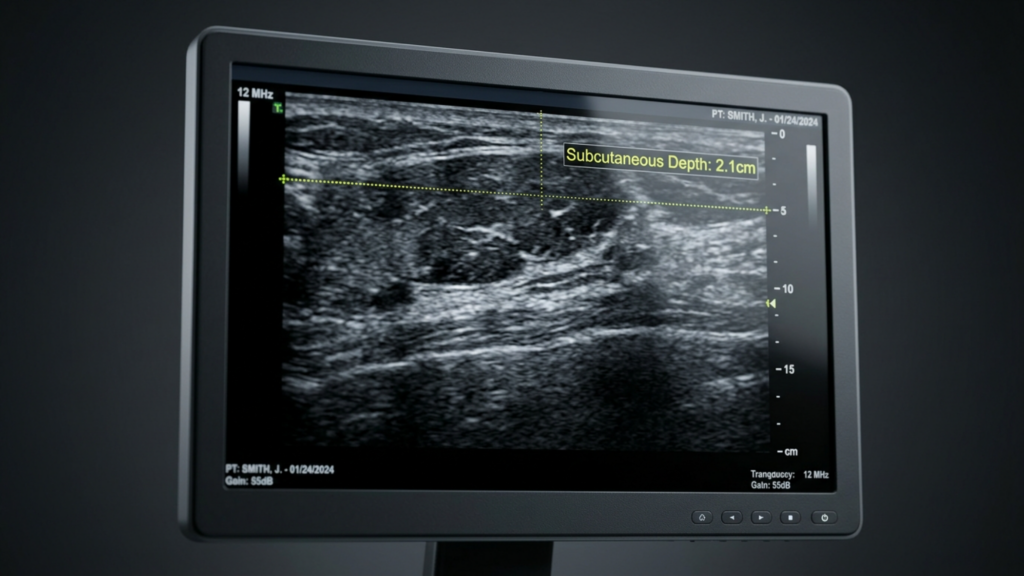
Мы измерили толщину мягких тканей с помощью высокочастотного ультразвука у всех 287 пациентов до операции. У пациентов с глубиной подкожной ткани менее 2 сантиметров в нижнем полюсе наблюдалось 2,4-кратное увеличение частоты контрактур, вызванных физиологическим раствором, по сравнению с пациентами с толщиной покрытия более 2 сантиметров. При использовании силиконовых имплантатов этот пороговый уровень толщины ткани был менее критичным, хотя у пациентов с толщиной покрытия менее 1,5 сантиметров все еще наблюдался несколько повышенный риск контрактуры из-за уменьшения сосудистой прослойки вокруг имплантационного кармана. Эти измерения теперь определяют наш алгоритм выбора имплантата для каждого пациента. MTF феминизация тела пациент.

Роль Внутренняя фиксация бюстгальтера при уменьшении контрактуры
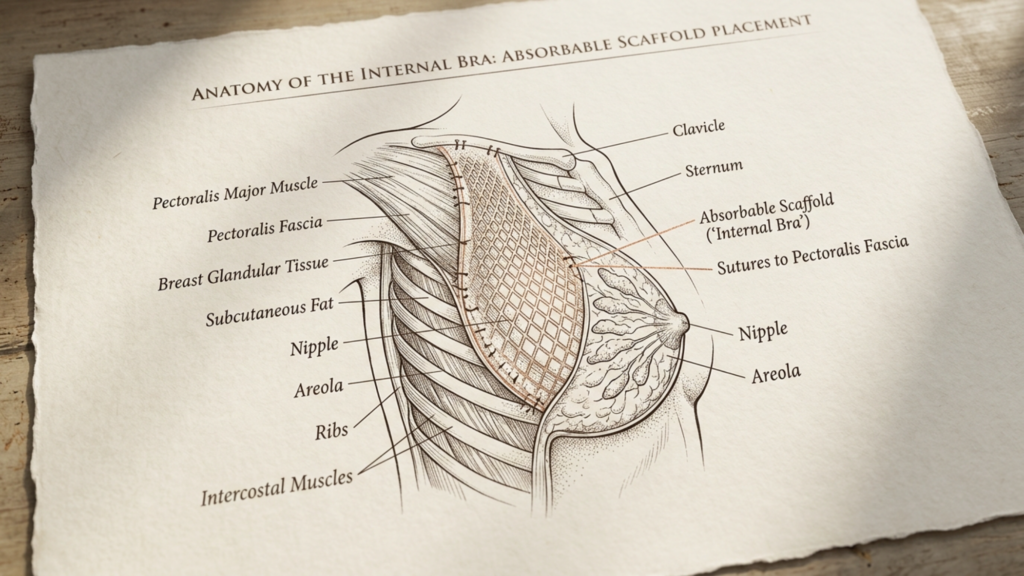
В клинике доктора МФО мы внедрили внутренняя фиксация бюстгальтера В 2016 году внутренняя фиксация бюстгальтера стала стандартным дополнением к увеличению груди. Эта методика использует рассасывающийся каркасный материал, пришитый к фасции грудной мышцы в области подгрудной складки и медиальной границы кармана, создавая поддерживающий внутренний каркас, предотвращающий миграцию имплантата и растяжение нижнего полюса. Помимо эстетических преимуществ — предотвращения провисания и поддержания положения складки — внутренняя фиксация бюстгальтера напрямую снижает риск капсулярной контрактуры за счет двух механизмов.
Каркас равномерно распределяет механические нагрузки по поверхности имплантата, устраняя концентрированные точки напряжения, которые вызывают очаговый фиброз. Во-вторых, он предотвращает расширение кармана, которое в противном случае создает мертвое пространство по периферии имплантата, где могут накапливаться серома и биопленка. Биопленка играет важную роль в патогенезе капсулярной контрактуры, и поддержание плотной, хорошо поддерживаемой среды в кармане значительно уменьшает площадь поверхности, доступную для бактериальной колонизации. В наших данных у пациентов, которым была проведена внутренняя фиксация бюстгальтером с силиконовыми имплантатами, частота контрактур III-IV степени составила всего 8,11 TP3T через десять лет, по сравнению с 14,31 TP3T у пациентов с силиконовыми имплантатами без каркаса.
Чем отличается управление карманами при использовании MTF-аугментации?
У транс-женщин отсутствует естественная четкость подгрудных складок и ширина основания груди, характерные для цисгендерных пациенток. Мужская грудная клетка шире, а сосково-ареолярный комплекс расположен более латерально и сверху. Создание эстетически подходящего кармана требует размещения имплантата более медиально и снизу, чем это предусмотрено стандартной процедурой увеличения груди. Такое расположение кармана изменяет сосудистую среду вокруг имплантата и помещает нижний полюс под ткани с изначально иными характеристиками кровоснабжения.
Агрессивная медиальная и нижняя диссекция кармана у пациентов с МТФ нарушает межреберные перфораторы, снабжающие кожу и подкожную ткань в нижнем полюсе. Снижение перфузии в этой зоне коррелирует с замедлением заживления, увеличением мертвого пространства и большей восприимчивостью к субклинической инфекции. Мы смягчаем это за счет тщательной электрокоагуляционной диссекции, сохраняя ключевые перфораторы, выявленные предоперационно с помощью допплеровского картирования. В сочетании с внутренняя фиксация бюстгальтера, Эта щадящая сосуды методика сохраняет здоровое тканевое покрытие имплантата, предотвращая при этом неправильное положение имплантата снизу и недостаточное расширение нижнего полюса, которые исторически были проблемой. Увеличение груди у трансгендерных женщин (MTF) результаты.

Анализ гормонального профиля: сроки и хирургическое вмешательство
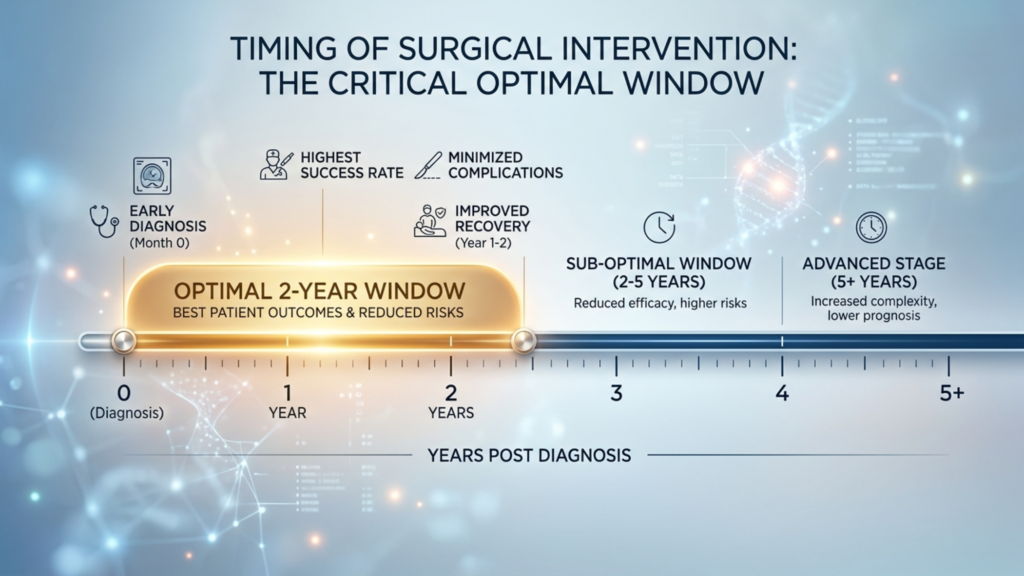
Время проведения операции по увеличению груди у трансгендерных женщин имеет такое же значение, как и тип имплантата. Наши данные выявляют четкую взаимосвязь между продолжительностью заместительной гормональной терапии (ЗГТ) до операции и последующим риском развития контрактуры. У пациенток, принимавших спиронолактон и эстрадиол менее двух лет до увеличения груди, частота контрактуры через десять лет была ниже по сравнению с теми, кто принимал ЗГТ в течение пяти и более лет до операции. Этот вывод противоречит общепринятой рекомендации о том, что пациенткам следует как можно дольше воздерживаться от ЗГТ для максимального увеличения роста собственной груди перед операцией.
Логика становится ясна задним числом. На ранних стадиях заместительной гормональной терапии фиброзная программа тканей, вызванная спиронолактоном, еще не полностью сформировалась в строме молочной железы. Стромальные фибробласты все еще находятся в процессе изменения своего фенотипа и не полностью приобрели проколлагеновое, профибротическое поведение, наблюдаемое в тканях, подвергавшихся хроническому воздействию спиронолактона. Когда имплантат устанавливается в этот переходный период, капсула, образующаяся вокруг него, формируется в менее фиброзной микросреде, и эта тканевая память сохраняется даже после многих лет гормональной терапии. Влияние заместительной гормональной терапии на формирование капсулы представляет собой критически важный фактор, определяющий сроки проведения хирургического вмешательства, который не рассматривается ни в одном из существующих руководств.
Последствия выбора имплантата на основе гормонального профиля
Интегрируя все эти переменные — тип имплантата, толщину ткани, продолжительность заместительной гормональной терапии и хирургическую технику — мы разработали основанную на доказательствах матрицу принятия решений для пациентов с трансплантацией органов малого таза в нашей клинике. силиконовые имплантаты против солевых имплантатов Вопрос больше не сводится исключительно к предпочтениям пациента; это клиническая рекомендация, основанная на оценке риска и учитывающая измеримые параметры тканей. Приведенная ниже схема помогает нам в консультациях и гарантирует, что каждый пациент получит имплантат, обеспечивающий наилучший долгосрочный результат с учетом его уникального гормонального фона.
Для пациенток, принимавших спиронолактон более пяти лет и имевших толщину тканей менее 2 сантиметров, мы настоятельно рекомендуем круглые или анатомические когезивные силиконовые имплантаты в сочетании с внутренней фиксацией бюстгальтером. Солевые имплантаты противопоказаны в этой группе из-за неприемлемо высокого риска контрактуры, задокументированного в наших продольных данных. Для пациенток, принимавших ЗГТ менее двух лет и имевших толщину тканей более 2 сантиметров, оба типа имплантатов остаются приемлемыми вариантами, хотя силиконовые имплантаты по-прежнему предлагают ощутимое преимущество через десять лет наблюдения, которое пациентки должны учитывать при принятии решения.
Другие долгосрочные результаты применения грудных имплантатов у трансгендерных женщин
Контрактура доминирует в обсуждениях, но долгосрочные результаты использования грудных имплантатов У трансженщин это выходит за рамки простого повышения плотности капсулы. Частота миграции имплантатов выше у трансженщин из-за более широкого основания грудной клетки и более слабой подгрудной складки. Без внутренней фиксации бюстгальтером у 191 пациентки-трансженщины наблюдалось боковое смещение имплантатов к восьмому году, по сравнению с 61 пациенткой-трансженщиной в случаях увеличения груди у цисгендерных женщин. Симмастия, медиальное сближение имплантатов через грудину, наблюдалась у 7,21 пациентки-трансженщины без поддержки каркаса, что обусловлено необходимостью позиционирования имплантатов более медиально для создания женственного декольте.
Образование складок оказалось особенно проблематичным при использовании солевых имплантатов у пациентов с тонкой тканью: в исследовании 41% сообщалось о появлении ощутимых или видимых складок к пятому году. Эта проблема с образованием складок усугубляется со временем, поскольку вышележащие ткани истончаются с возрастом, а капсула вокруг имплантата сжимается. Силиконовые имплантаты также не были застрахованы от образования складок, но частота их появления снизилась до 14% и в подавляющем большинстве случаев наблюдалась у пациентов с глубиной подкожного слоя менее 1,5 сантиметров. долгосрочные результаты использования грудных имплантатов подтверждают вывод о том, что при выборе имплантатов для трансгендерных женщин необходимо учитывать особенности поведения тканей, которые в стандартной литературе по увеличению груди просто не рассматриваются.
Пошаговое руководство: Выбор подходящего имплантата для вашего профиля заместительной гормональной терапии
Выбор между силиконовыми и солевыми имплантатами для трансгендерных женщин, принимающих гормональную заместительную терапию, требует структурированной оценки вашей гормональной истории, характеристик тканей и допустимого уровня риска в долгосрочной перспективе. Следуйте этому научно обоснованному протоколу, чтобы выбрать наиболее безопасный и долговечный вариант имплантата:
- Оцените продолжительность вашей заместительной гормональной терапии: Рассчитайте общее количество лет, в течение которых вы принимали спиронолактон и эстрадиол. Если ваш период приема превышает пять лет, фиброз тканей значительно прогрессирует, и силиконовые имплантаты становятся настоятельно рекомендуемым вариантом для минимизации риска развития контрактур в долгосрочной перспективе.
- Измерьте толщину ваших тканей: Для определения глубины подкожной ткани в нижнем полюсе рекомендуется провести предоперационное ультразвуковое исследование. Если результат окажется ниже 2 сантиметров, использование солевых имплантатов сопряжено с неприемлемо высоким риском контрактуры и видимых складок, поэтому силиконовые имплантаты являются предпочтительным вариантом.
- Проанализируйте историю приема спиронолактона: Прием доз, превышающих 200 мг в сутки в течение более трех лет, приводит к значительному увеличению фиброзной нагрузки. Задокументируйте историю приема лекарств, чтобы помочь вашему врачу. врач хирург точно оцените свой индивидуальный профиль риска развития контрактуры.
- Учитывайте сроки проведения операции: Если вы находитесь на ранней стадии трансгендерного перехода и принимаете заместительную гормональную терапию менее двух лет, вы находитесь в благоприятном периоде для установки имплантатов, когда фиброзное программирование тканей еще продолжается. Обсудите, стоит ли проводить операцию до максимального роста зачатков груди из-за снижения риска контрактуры.
- Обсудим внутреннюю фиксацию бюстгальтера: Попросите применить эту методику во время консультации. Каркас снижает частоту контрактур, предотвращает смещение имплантата и особенно полезен для трансгендерных женщин, у которых анатомия грудной клетки не имеет естественных складок.
- Выберите подфасциальное или двухплоскостное расположение: Избегайте субгландулярного размещения, при котором имплантат располагается непосредственно под фиброзной тканью молочной железы и максимально контактирует со стромой, модифицированной спиронолактоном. Двухплоскостное размещение обеспечивает буферизацию имплантата между мышечным и тканевым слоями.
- Запланируйте долгосрочный мониторинг: Трансгендерным женщинам, принимающим гормональную терапию, необходимы ежегодные обследования на предмет контрактуры после пятого года. Не следует предполагать, что мягкие имплантаты на третий год гарантируют мягкость к десятому году. Крутая кривая ускорения развития контрактуры в наших данных требует тщательного наблюдения для обеспечения раннего вмешательства.
Выбор имплантатов определяет траекторию вашего физического и эмоционального благополучия на протяжении десятилетий. Каждая транс-женщина заслуживает стратегии увеличения груди, основанной на данных, отражающих её физиологию, а не на заимствованной статистике из популяции, чьи тела реагируют иначе. Когда вы будете готовы обсудить свои варианты с хирургом, посвятившим свою карьеру изучению этих нюансов, свяжитесь с нашей командой для индивидуальной консультации, основанной на вашем уникальном гормональном профиле и оценке состояния тканей.
Часто задаваемые вопросы
Как гормональная заместительная терапия влияет на риск развития капсулярной контрактуры после увеличения груди у трансгендерных женщин?
Гормональная заместительная терапия (ГЗТ), в частности спиронолактон, повышает уровень трансформирующего фактора роста бета, что увеличивает отложение коллагена и активность фиброзной ткани вокруг имплантата. Эстрадиол усиливает миграцию воспалительных клеток в перипротезное пространство. В совокупности эти гормональные изменения значительно повышают риск капсулярной контрактуры по сравнению с цисгендерными пациентами.
Почему имплантаты с физиологическим раствором вызывают более высокую частоту контрактур у транс-женщин, принимающих гормональную заместительную терапию?
В имплантатах, содержащих солевой раствор, образуются складки и дефекты клапанов, которые приводят к хроническим микротравмам внутри профибротической капсулы. Жидкость также подвергается термомеханическим циклам, генерируя силы сдвига. Оба механизма провоцируют активацию миофибробластов, чего удается избежать при использовании силиконовых гелевых имплантатов благодаря их когезивному наполнителю и более гладкой механике оболочки.
Что такое капсулярная контрактура III-IV степени по Бейкеру и почему это важно?
По шкале Бейкера III степень означает, что грудь ощущается упругой, а контрактура заметно выражена, тогда как IV степень характеризуется болью и значительным искажением формы груди. Эти степени представляют собой клиническую контрактуру, которая часто требует хирургического вмешательства в виде капсулэктомии или замены имплантата для восстановления комфорта и внешнего вида.
Влияет ли продолжительность заместительной гормональной терапии до операции на результаты лечения контрактур?
Да. Наши данные за 15 лет показывают, что у пациенток, принимавших заместительную гормональную терапию более пяти лет до увеличения груди, частота контрактуры выше, чем у тех, кто принимал ее менее двух лет до операции. Более длительная заместительная гормональная терапия способствует формированию более выраженной профибротической программы в строме молочной железы до установки имплантата.
Каким образом толщина тканей влияет на выбор имплантата у пациентов с МТФ?
У пациентов с толщиной подкожной ткани менее 2 сантиметров повышены риски при использовании солевых имплантатов, включая контрактуру и видимое волнообразное изменение формы. Более толстая ткань обеспечивает лучшую сосудистую защиту и более равномерно распределяет механические нагрузки, что делает оба типа имплантатов жизнеспособными, хотя силиконовые имплантаты сохраняют долгосрочные преимущества.
Что такое внутренняя фиксация бюстгальтера и как она уменьшает контрактуру?
Внутренняя фиксация имплантата с помощью бюстгальтера предполагает использование рассасывающегося каркаса, пришитого к фасции грудной мышцы, который поддерживает имплантат и предотвращает его смещение. Это позволяет равномерно распределять механические нагрузки по поверхности имплантата и устранять мертвое пространство, где может накапливаться биопленка, что снижает факторы, провоцирующие образование капсулярной контрактуры.
Должны ли транс-женщины, принимающие гормональную терапию, отдавать приоритет силиконовым имплантатам перед солевыми?
Для большинства транс-женщин, длительно принимающих гормональную терапию, рекомендуемым выбором являются силиконовые имплантаты. Наши данные за 15 лет показывают, что частота контрактур III-IV степени при использовании силиконовых имплантатов составляет 16,21 TP3T по сравнению с 34,11 TP3T при использовании солевых имплантатов. Силикон устраняет травмы, связанные с дефектами складок, термомеханические циклы и со временем формирует более упорядоченную, менее сжатую капсульную архитектуру.
Когда оптимальное время для увеличения груди у трансгендерных женщин относительно начала заместительной гормональной терапии?
Пациентки получают пользу от увеличения груди в течение первых двух лет гормональной терапии, когда фиброзная ткань еще находится в стадии формирования. Хотя отсрочка операции для максимального роста зачатков груди имеет свои преимущества, ранняя имплантация позволяет использовать период, когда перипротезная среда менее подготовлена к агрессивному формированию капсулы.