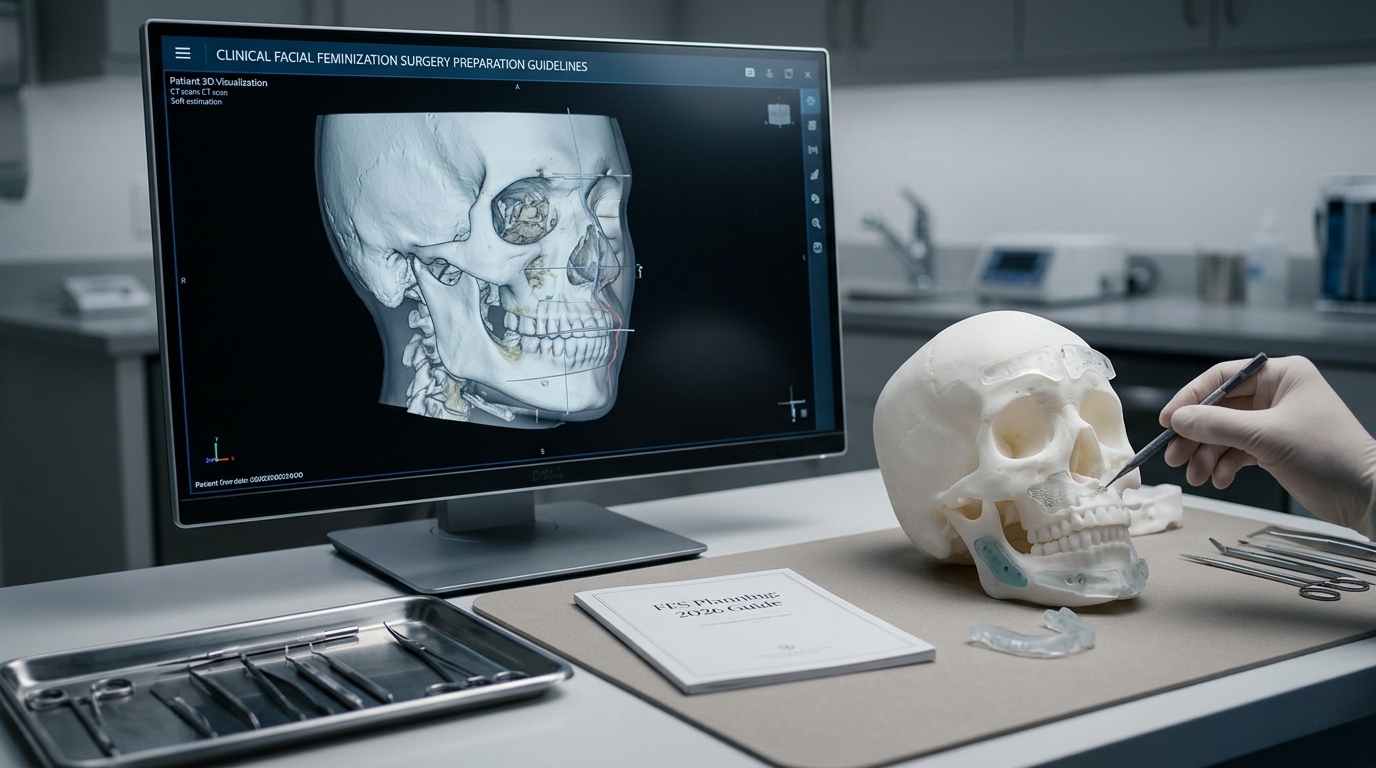

Yüz asimetrisi, yüz anatomisinin yaygın ancak sıklıkla göz ardı edilen bir yönüdür ve sonuçları önemli ölçüde etkileyebilir. Yüz Feminizasyonu Cinsiyet kimliği ikili olmayan bireyler için yüz feminizasyon ameliyatı (FFS) arayanlarda, asimetriyi ele almak sadece estetik bir kaygı değil, uyumlu ve otantik bir kadınsı görünüm elde etmenin kritik bir bileşenidir. Asimetri, doğuştan gelen faktörlerden, gelişimsel farklılıklardan veya travma sonrası değişikliklerden kaynaklanabilir ve genellikle alın, göz çevresi, orta yüz, çene ve çene altı dahil olmak üzere yüzün birçok bölgesinde kendini gösterir. Buradaki zorluk, bireyin benzersiz yüz yapısına saygı duyarken ve doğal güzelliği korurken dengeli ve kadınsı bir görünüm yaratmaktır.
Bu kapsamlı kılavuz, karmaşık vakaların tedavisinde kullanılan ileri cerrahi stratejileri inceliyor. yüz asimetrisi Yüz Feminizasyon Ameliyatı (FFS). Ameliyat öncesi değerlendirmelerden ameliyat sonrası bakıma kadar, cerrahların yüz özelliklerini uyumlu hale getirmek için kullandıkları katmanlı yaklaşımı, yüzün farklı bölgelerine uygulanan özel teknikleri ve bireyselleştirilmiş cerrahi planlamanın önemini inceliyoruz. Bu stratejileri anlayarak, hem hastalar hem de uygulayıcılar, FFS'nin karmaşıklıklarında güvenle yol alabilir ve hastanın cinsiyet kimliği ve estetik hedefleriyle uyumlu sonuçlar elde edebilirler.

İçindekiler
Karmaşık Yüz Asimetrisini Anlamak
Yüz asimetrisi doğal ve yaygın bir durumdur; çoğu birey yüzünün sol ve sağ tarafları arasında bir dereceye kadar dengesizlik gösterir. Bununla birlikte, asimetri belirgin olduğunda, özellikle yüz feminizasyon ameliyatı geçiren trans kadınlar için özgüven eksikliğine veya disforiye neden olabilir. Asimetri çeşitli faktörlerden kaynaklanabilir, bunlar arasında şunlar yer alır:
Doğuştan ve Gelişimsel Asimetri
Doğuştan asimetri, genellikle genetik faktörler veya gelişimsel farklılıklar nedeniyle doğumda mevcut olan dengesizlikleri ifade eder. Örneğin, hemifasiyal mikrosomi, yüzün bir tarafının az gelişmiş olması ve önemli bir asimetriye yol açması durumudur. Gelişimsel asimetri ise çocukluk ve ergenlik dönemindeki büyüme modellerindeki farklılıklardan kaynaklanır. Bu farklılıklar, çene, elmacık kemikleri ve alın gibi yüz kemiklerinin boyutunu ve şeklini etkileyerek belirgin dengesizliklere yol açabilir.
Travma Sonrası Asimetri
Yüzdeki kırıklar veya yaralanmalar gibi travmalar, yüz yapılarının doğal simetrisini bozabilir. Travma sonrası asimetri, kemiklerin veya yumuşak dokuların düzgün iyileşmemesi sonucu kalıcı deformitelere yol açabilir. Örneğin, çene veya elmacık kemiğindeki bir kırık doğru şekilde iyileşmediğinde hizalama bozukluğuna neden olarak hem işlevi hem de görünümü etkileyebilir. Travma sonrası asimetrinin giderilmesi genellikle denge ve uyumu yeniden sağlamak için rekonstrüktif ve kadınsılaştırıcı tekniklerin bir kombinasyonunu gerektirir.
Yumuşak Doku ve Fonksiyonel Asimetri
Asimetri sadece iskelet yapılarıyla sınırlı değildir; kaslar, yağ ve deri gibi yumuşak dokuları da içerebilir. Örneğin, yüzün bir tarafında aşırı gelişmiş masseter kası gibi kas gelişimindeki farklılıklar, düzensiz bir çene hattı oluşturabilir. Yağ dağılımı ve deri elastikiyeti de yüzün iki tarafı arasında farklılık gösterebilir ve algılanan asimetriye katkıda bulunabilir. Sinir hasarına bağlı kas güçsüzlüğü veya felci gibi fonksiyonel asimetri, cerrahi yaklaşımı daha da karmaşık hale getirebilir.
Ameliyat Öncesi Değerlendirmenin Rolü
Yüz asimetrisini belirlemek ve ölçmek için kapsamlı bir ameliyat öncesi değerlendirme şarttır. Bu süreç, fiziksel muayeneler, fotoğraf analizi, 3 boyutlu BT taramaları ve sefalometrik ölçümlerin bir kombinasyonunu içerir. 3 boyutlu BT taramaları gibi gelişmiş görüntüleme teknikleri, altta yatan iskelet yapıları hakkında ayrıntılı bilgiler sağlayarak cerrahların hassas ve kişiselleştirilmiş müdahaleler planlamasına olanak tanır. Fotoğraf analizi ve sefalometrik ölçümler, yumuşak doku asimetrisini ve genel yüz oranlarını değerlendirmeye yardımcı olarak hastanın benzersiz anatomisinin kapsamlı bir şekilde anlaşılmasını sağlar.
Değerlendirme sırasında cerrahlar, hastanın hedeflerini ve beklentilerini de görüşerek cerrahi planın istenen sonuçlarla uyumlu olmasını sağlarlar. Bilgisayar simülasyonları potansiyel sonuçları görselleştirmek için kullanılabilir; bu da hastaların geri bildirimde bulunmalarına ve prosedürleri hakkında bilinçli kararlar vermelerine olanak tanır. Bu işbirlikçi yaklaşım, gerçekçi beklentiler oluşturur ve hasta memnuniyetini artırır.
Asimetriyi Gidermeye Yönelik Temel Cerrahi Stratejiler
Yüz feminizasyon ameliyatında karmaşık yüz asimetrisini ele almak, katmanlı ve bireyselleştirilmiş bir yaklaşım gerektirir. Cerrahlar, yüzün hem iskelet hem de yumuşak doku bileşenlerini göz önünde bulundurmalı ve uyum ve denge sağlamak için çeşitli teknikleri bir arada kullanmalıdır. Aşağıdaki bölümler, farklı yüz bölgelerindeki asimetriyi gidermek için kullanılan temel stratejileri ve özel teknikleri özetlemektedir.
Katmanlı Yaklaşım: Kemik ve Yumuşak Doku
Yüz feminizasyonu Cerrahi işlemler genellikle dengeli ve kadınsı bir görünüm elde etmek için hem kemik hem de yumuşak doku katmanlarının değiştirilmesini içerir. Kemik şekillendirme prosedürleri, örneğin; alın şekillendirme, çene küçültme, Çene şekillendirme ve çene yeniden yapılandırma gibi işlemler, altta yatan iskelet yapısını değiştirerek yapısal asimetriyi gidermeyi amaçlar. Yumuşak doku işlemleri de dahil olmak üzere yağ aşısı, Dermal dolgular ve kas düzeltmeleri, asimetrinin devam ettiği bölgelerde hacim ve konturu iyileştirerek bu değişiklikleri tamamlar.
Katmanlı yaklaşım, cerrahların asimetriyi birden fazla seviyede ele almalarına olanak tanıyarak, nihai sonucun hem yapısal olarak sağlam hem de estetik açıdan hoş olmasını sağlar. Örneğin, bir tarafında belirgin bir kaş kemiği olan bir hasta, daha düzgün bir alın konturu oluşturmak için asimetrik kemik küçültme ameliyatı geçirebilir, ardından da... yağ aşısı Yumuşak dokularda hacmi ve simetriyi artırmak için.
Uyumlaştırma ve Yansıtma
Yüz asimetrisini ele almanın temel prensiplerinden biri, uyumlaştırma ve aynalama arasındaki ayrımdır. Mükemmel simetri nadir ve genellikle doğal olmayan bir durum olsa da, yüz feminizasyon ameliyatının amacı, hastanın cinsiyet kimliğiyle uyumlu, ahenkli ve dengeli bir görünüm yaratmaktır. Uyumlaştırma, yüzün bir tarafını diğerine tam olarak yansıtmaya çalışmak yerine, genel yüz dengesini sağlamak için stratejik ayarlamalar yapmayı içerir.
Örneğin, bir hastanın çene hattının bir tarafında daha belirgin olması durumunda, cerrah dengeli ve kadınsı bir görünüm yaratmak için o taraftaki çene çıkıntısını azaltırken, karşı taraftaki çene veya elmacık kemiğini belirginleştirebilir. Bu yaklaşım, nihai sonucun doğal görünmesini sağlar ve simetrinin zorla sağlandığı durumlarda ortaya çıkabilecek "aşırı düzeltilmiş" görünümden kaçınılmasını sağlar.
İşlemlerin Sıralanması
FFS'de karmaşık asimetriyi ele almanın bir diğer kritik yönü de prosedürlerin sıralamasıdır. Cerrahlar, hastanın benzersiz anatomisini ve asimetri derecesini dikkate alarak, en iyi sonuçları elde etmek için genellikle çeşitli prosedürleri önceliklendirir ve birleştirir. Örneğin, kemik yeniden şekillendirme prosedürleri, alın şekillendirme veya çene küçültme, Öncelikle yüzün temel yapısını oluşturmak için bazı işlemler gerçekleştirilebilir. Daha sonra, sonuçları ince ayarlamak ve yüz uyumunu artırmak için yağ grefti veya dudak dolgusu gibi yumuşak doku işlemleri kullanılabilir.
Önemli asimetri durumlarında, iyileşme ve aşamalar arasında uyum sağlanması için birden fazla seansta gerçekleştirilen işlemlerle aşamalı bir yaklaşım gerekli olabilir. Bu yaklaşım, komplikasyon riskini en aza indirir ve sürecin her adımının dengeli ve kadınsı bir görünüm elde etme genel hedefine katkıda bulunmasını sağlar.
Asimetriye Yönelik Özel Cerrahi Teknikler
Aşağıdaki bölümlerde, yüzün farklı bölgelerindeki asimetriyi gidermek için kullanılan özel cerrahi teknikler ayrıntılı olarak açıklanmaktadır. Bu teknikler, her hastanın benzersiz ihtiyaçlarına göre uyarlanarak, nihai sonucun hem uyumlu hem de kadınsı olmasını sağlar.
Alın ve Göz Çevresi
Alın ve göz çevresi, yüzün genel kadınsı görünümünü önemli ölçüde etkiledikleri için FFS'de kritik alanlardır. Kaş kemiğindeki veya alın eğimindeki asimetri, farklı kemik küçültme veya büyütme yöntemleriyle giderilebilir. Örneğin, kaş sırtının bir tarafı daha belirginse, cerrah dengeyi sağlamak için o taraftaki belirginliği azaltırken karşı tarafı korumak veya geliştirmek amacıyla Tip 1 veya Tip 3 alın kontürleme prosedürü uygulayabilir.
Alın bölgesinin asimetrik eğimli olduğu durumlarda, daha düz olan tarafı desteklemek için kemik çimentosu veya diğer biyolojik olarak uyumlu malzemeler kullanılabilir; bu da daha simetrik ve kadınsı bir görünüm yaratır. Endoskopik teknikler ve robotik destek kullanımı, hassasiyeti artırabilir ve yara izini en aza indirerek optimum sonuçlar sağlayabilir.
Orta yüz ve elmacık kemikleri
Yüzün orta kısmı, özellikle elmacık kemikleri, yüzün kadınsı görünümünü belirlemede çok önemli bir rol oynar. Bu bölgedeki asimetri, kişiye özel implantlar veya yağ grefti teknikleri ile giderilebilir. Örneğin, bir elmacık kemiği diğerinden daha az belirginse, hacmi artırmak ve daha dengeli ve kadınsı bir görünüm yaratmak için silikon implant veya yağ grefti kullanılabilir.
Elmacık kemiklerindeki asimetriyi gidermek için diferansiyel zigomatik küçültme de kullanılabilir. Bu teknik, daha yumuşak ve daha kadınsı bir kontur elde etmek için zigomatik kemiklerin yeniden şekillendirilmesini içerir ve orta yüzün yüzün geri kalan özellikleriyle uyumlu olmasını sağlar. 3D görüntüleme ve bilgisayar simülasyonlarının kullanımı, bu işlemlerin planlanmasına yardımcı olarak hassas ve kişiselleştirilmiş ayarlamalar yapılmasına olanak tanır.
Çene Hattı ve Çene
Yüz feminizasyon ameliyatında (FFS) en önemli odak noktaları çene hattı ve çenedir, çünkü bunlar yüzün genel feminenliğini önemli ölçüde etkiler. Çene hattındaki asimetri, örneğin alt çenenin açısı veya genişliğindeki farklılıklar, çeşitli yöntemlerle giderilebilir. mandibular açı küçültme veya genioplasti. Örneğin, çenenin bir tarafı daha kare veya çıkıntılıysa, cerrah daha yumuşak ve daha sivri bir çene hattı oluşturmak için asimetrik bir küçültme işlemi uygulayabilir.
Çene kontürleme veya genioplasti, Bu yöntem, alt yüzdeki asimetriyi gidermek için de kullanılabilir. Bu işlem, orta hat sapmasını düzeltmek için çene kemiğinin yana doğru kaydırılmasını veya daha belirgin olan tarafın küçültülmesini, karşı tarafın ise kemik greftleri veya implantlarla desteklenmesini içerebilir. Amaç, genel yüz yapısını tamamlayan dengeli ve kadınsı bir çene şekli elde etmektir.
Burun ve Dudaklar
Burun ve dudaklar yüzün temel özellikleridir ve bu bölgelerdeki asimetri genel görünümü önemli ölçüde etkileyebilir. Rinoplasti Burun septumunun eğriliğini ve dış asimetriyi düzeltmek, daha zarif ve kadınsı bir burun şekli oluşturmak için çeşitli teknikler kullanılabilir. Örneğin, burun bir tarafa doğru eğri ise, cerrah simetri sağlamak için septumun düzeltilmesi ve burun kemiklerinin ve kıkırdaklarının yeniden şekillendirilmesi işlemlerini gerçekleştirebilir.
Dudak büyütme işlemleri, dudaklardaki asimetriyi de giderebilir. Dudak kaldırma işlemi, üst dudak ile burun arasındaki mesafeyi kısaltarak daha genç ve kadınsı bir görünüm yaratır. Yağ veya hyaluronik asit dolguları, dudaklarda hacim ve simetriyi artırmak için kullanılabilir ve böylece dudakların genel olarak kadınsılaştırılmış yüz yapısını tamamlaması sağlanır.
Vaka İncelemeleri: Varsayımsal Örnekler
Aşağıdaki varsayımsal vaka çalışmaları, yüz feminizasyon ameliyatlarında karmaşık yüz asimetrisini gidermek için gelişmiş cerrahi stratejilerin nasıl uygulanabileceğini göstermektedir. Bu örnekler, en iyi sonuçlara ulaşmak için gereken bireyselleştirilmiş yaklaşımı vurgulamaktadır.
Vaka Çalışması 1: Önemli Çene Asimetrisi
32 yaşında trans bir kadın, çene hattında belirgin bir asimetri ile başvurmuştur; alt çenesinin sağ tarafı sol tarafa göre daha kare ve çıkıntılıdır. Hastanın amacı, cinsiyet kimliğiyle uyumlu, daha yumuşak ve kadınsı bir çene hattı elde etmektir. Cerrahi plan, sağ tarafın çıkıntısını azaltırken sol tarafın doğal konturunu korumak için asimetrik alt çene açısı küçültmeyi içermektedir. Ek olarak, çene pozisyonunu ayarlamak ve genel yüz uyumunu iyileştirmek için kaydırma genioplastisi yapılmıştır. Ameliyat sonrası hasta, özgüveninin arttığını ve daha dengeli bir görünüme kavuştuğunu bildirmiştir.
Vaka Çalışması 2: Travma Sonrası Alın Asimetrisi
28 yaşında, cinsiyet kimliği ikili olmayan bir birey, daha önce geçirdiği bir kırık nedeniyle alın ve göz çukuru kenarlarında travma sonrası asimetri şikayetiyle başvurmuştur. Hasta, daha kadınsı bir görünüm elde etmek için kaş kemiğindeki ve alın eğimindeki eşitsizliği gidermeyi amaçlamaktadır. Cerrahi plan, kaş kemiğini yeniden şekillendirmek ve asimetriyi düzeltmek için Tip 3 alın kontürleme prosedürünü içermektedir. Alnın daha düz olan tarafını desteklemek ve daha pürüzsüz ve dengeli bir kontür oluşturmak için kemik çimentosu kullanılmıştır. Hasta, hem fonksiyonel hem de estetik açıdan önemli iyileşmelerle başarılı bir iyileşme süreci geçirmiştir.
Vaka Çalışması 3: Orta Yüz ve Elmacık Kemiği Asimetrisi
35 yaşında trans bir kadın, orta yüzünde asimetri şikayetiyle başvurmuştur; sol elmacık kemiği sağ elmacık kemiğine göre daha az belirgindir. Hastanın amacı, daha dengeli ve kadınsı bir orta yüz konturu elde etmektir. Cerrahi plan şunları içermektedir: yanak büyütme Sol tarafa hacim ve simetriyi artırmak için özel olarak hazırlanmış bir silikon implant kullanılmıştır. Ayrıca, konturu daha da inceltmek ve uyumlu bir görünüm yaratmak için yağ grefti de uygulanmıştır. Ameliyat sonrası dönemde hasta, sonuçlardan oldukça memnun olduğunu, yüz dengesinin ve kadınsılığının iyileştiğini belirtmiştir.
Ameliyat Sonrası Dikkat Edilmesi Gerekenler
Yüz feminizasyon ameliyatında (FFS) en iyi sonuçlara ulaşmanın kritik bir bileşeni ameliyat sonrası bakımdır, özellikle karmaşık yüz asimetrisi söz konusu olduğunda. Aşağıdaki bölümler, iyileşme, beklentilerin yönetimi ve olası revizyonlar için önemli hususları özetlemektedir.
İyileşme Zaman Çizelgesi ve İpuçları
Yüz feminizasyon ameliyatı (FFS) sonrası iyileşme süreci, yapılan işlemlerin kapsamına ve bireyin iyileşme yanıtına bağlı olarak değişir. Genel olarak, hastalar ameliyatı takip eden ilk birkaç hafta içinde şişlik, morarma ve rahatsızlık bekleyebilirler. Şişlik genellikle ilk hafta içinde en yüksek seviyeye ulaşır ve sonraki aylarda kademeli olarak azalır. Çoğu hasta 2 ila 4 hafta içinde normal aktivitelerine dönebilir, ancak tam iyileşme ve nihai sonuçlar 12 aya kadar sürebilir.
İyileşmeyi en üst düzeye çıkarmak için hastaların cerrahlarının ameliyat sonrası talimatlarını dikkatlice takip etmeleri önerilir. Bu talimatlar şunları içerebilir:
- Şişliği ve morarmayı azaltmak için buz paketleri uygulamak.
- En az 4 ila 6 hafta boyunca yorucu aktivitelerden ve ağır kaldırmaktan kaçının.
- Sağlıklı beslenmek ve yeterli sıvı tüketmek iyileşmeyi destekler.
- İyileşme sürecini takip etmek ve olası sorunları gidermek için düzenli kontrol randevularına katılmak.
- Ağrı kesiciler ve antibiyotikler gibi reçete edilen ilaçları, doktorunuzun talimatlarına uygun olarak kullanın.
Lenfatik masaj ve hiloterapi gibi diğer terapiler de şişliği azaltmaya ve iyileşmeyi hızlandırmaya yardımcı olabilir. Hastaların cerrahi ekibiyle açık iletişim kurmaları ve olağandışı semptomları veya komplikasyonları derhal bildirmeleri teşvik edilir.
Beklentileri ve Potansiyel Revizyonları Yönetmek
Beklentileri yönetmek, özellikle karmaşık asimetri söz konusu olduğunda, yüz feminizasyon ameliyatı (FFS) yolculuğunun çok önemli bir yönüdür. Cerrahlar en iyi sonuçları elde etmeye çalışırken, hastaların mükemmel simetrinin nadir olduğunu ve küçük kalıcı asimetrinin devam edebileceğini anlamaları önemlidir. FFS'nin amacı, mutlak simetri elde etmekten ziyade, hastanın cinsiyet kimliğiyle uyumlu, ahenkli ve dengeli bir görünüm yaratmaktır.
Bazı durumlarda, sonuçları hassaslaştırmak ve kalan asimetriyi gidermek için küçük düzeltmeler gerekebilir. Bu düzeltmeler genellikle ilk şişlik azaldıktan ve nihai sonuçlar daha belirgin hale geldikten sonra yapılır. Hastaların cerrahi ekibiyle açık iletişim kurmaları ve takip randevularında endişelerini veya istedikleri ayarlamaları görüşmeleri teşvik edilir.
Psikolojik ve Duygusal Destek
Yüz feminizasyon ameliyatının psikolojik ve duygusal etkisi, fiziksel dönüşümün ötesine uzanır. Birçok trans kadın ve ikili cinsiyet sistemine uymayan birey için, cinsiyet kimlikleriyle uyumlu, kadınsı bir görünüm elde etmek, öz saygıyı önemli ölçüde artırabilir, cinsiyet disforisini azaltabilir ve genel refahı iyileştirebilir. Bununla birlikte, iyileşme süreci, özellikle şişlik ve morlukların en belirgin olduğu ilk aşamalarda, duygusal olarak da zorlayıcı olabilir.
Bu süreçte sağlık çalışanlarından, ruh sağlığı uzmanlarından ve sevdiklerinizden destek almak çok önemlidir. Hastaların ihtiyaç duydukları takdirde danışmanlık veya terapi almaları, ayrıca benzer deneyimler yaşamış bireylerden oluşan destek grupları veya topluluklarla bağlantı kurmaları teşvik edilir. Deneyimlerin ve içgörülerin başkalarıyla paylaşılması, iyileşme yolculuğu boyunca değerli bir teşvik ve güvence sağlayabilir.

Sonuç: Denge ve Uyumun Sağlanması
Yüz feminizasyon ameliyatında karmaşık yüz asimetrisini ele almak, yüzün hem iskelet hem de yumuşak doku bileşenlerini dikkate alan kapsamlı ve bireyselleştirilmiş bir yaklaşım gerektirir. Katmanlı teknikler, uyumlaştırma ve aşamalı işlemler gibi gelişmiş cerrahi stratejiler kullanarak, cerrahlar hastanın cinsiyet kimliği ve estetik hedefleriyle uyumlu, dengeli ve kadınsı sonuçlar elde edebilirler. Ameliyat öncesi değerlendirme, hassas cerrahi planlama ve ameliyat sonrası bakımın önemi abartılamaz, çünkü bu unsurlar birlikte işlemin başarısına katkıda bulunur.
Yüz feminizasyon ameliyatı (FFS) arayan trans kadınlar ve ikili cinsiyet sistemine uymayan bireyler için, uyumlu ve kadınsı bir görünüme doğru yolculuk son derece kişisel ve dönüştürücüdür. Deneyimli ve yetenekli cerrahlarla çalışarak, hastalar yüz asimetrisinin karmaşıklıklarını güvenle aşabilir ve öz saygılarını, özgünlüklerini ve genel yaşam kalitelerini artıran sonuçlar elde edebilirler. FFS'nin nihai amacı, doğal olmayan veya aşırı simetrik bir görünüm yaratmak değil, hastanın gerçek kimliğini yansıtan dengeli ve uyumlu bir sonuç elde etmektir.
Önemli Çıkarımlar
- Yüz asimetrisi yaygın ve doğal bir durumdur, ancak belirgin asimetri yüz feminizasyon ameliyatının sonuçlarını etkileyebilir ve cinsiyet disforisine katkıda bulunabilir.
- Ameliyat öncesi kapsamlı bir değerlendirme, 3 boyutlu görüntüleme ve fotoğraf analizi de dahil olmak üzere, asimetriyi belirlemek ve nicelleştirmek için şarttır.
- Yüzün farklı bölgelerindeki asimetriyi gidermek için katmanlı teknikler, uyumlaştırma ve aşamalı işlemler gibi gelişmiş cerrahi stratejiler kullanılmaktadır.
- Alın kontürleme de dahil olmak üzere özel teknikler, yanak büyütme, Çene küçültme ve dudak kaldırma gibi işlemler, her hastanın kendine özgü ihtiyaçlarına göre uyarlanır.
- Ameliyat sonrası bakım, iyileşme ipuçları, beklentilerin yönetimi ve olası revizyonlar da dahil olmak üzere, en iyi sonuçlara ulaşmada kritik bir rol oynar.
- Yüz feminizasyon ameliyatının psikolojik ve duygusal faydaları, fiziksel dönüşümün ötesine geçerek öz saygıyı ve genel refahı artırır.
Sonraki Adımlar
Yüz feminizasyon ameliyatını düşünüyorsanız ve karmaşık yüz asimetrisini gidermek istiyorsanız, ilk adım alanında uzman ve deneyimli bir cerrahla görüşme randevusu almaktır. FFS cerrahı. Konsültasyon sırasında hedeflerinizi görüşebilir, kapsamlı bir yüz değerlendirmesi yaptırabilir ve kişiselleştirilmiş bir cerrahi plan geliştirebilirsiniz. Yetenekli ve şefkatli bir cerrahi ekiple çalışarak, uyumlu ve kadınsı bir görünüme doğru yolculuğunuza güven ve iyimserlikle başlayabilirsiniz.
Sıkça Sorulan Sorular
Yüz asimetrisine ne sebep olur?
Yüz asimetrisi doğuştan gelen faktörlerden, gelişimsel farklılıklardan veya travma sonrası değişikliklerden kaynaklanabilir. Kemik yapısındaki, kas gelişimindeki, yağ dağılımındaki veya sinir fonksiyonundaki farklılıkları içerebilir.
Yüz feminizasyon ameliyatında yüz asimetrisi nasıl değerlendirilir?
Yüz asimetrisi, fiziksel muayeneler, fotoğraf analizi, 3 boyutlu BT taramaları ve sefalometrik ölçümlerin bir kombinasyonu yoluyla değerlendirilir. Bu araçlar, yüzün iskelet ve yumuşak doku bileşenleri hakkında ayrıntılı bilgiler sağlar.
Yüz feminizasyon ameliyatlarında asimetriyi gidermek için hangi cerrahi teknikler kullanılır?
Teknikler arasında farklı kemik küçültme veya büyütme yöntemleri, kişiye özel implantlar, yağ grefti ve yumuşak doku düzenlemeleri yer almaktadır. Uygulanacak yöntem, yüzün bölgesine ve asimetri derecesine bağlıdır.
FFS'de mükemmel simetri elde edilebilir mi?
Mükemmel simetri nadirdir ve genellikle doğal değildir. Yüz feminizasyon ameliyatının amacı, mutlak simetriye ulaşmaktan ziyade, hastanın cinsiyet kimliğiyle uyumlu, ahenkli ve dengeli bir görünüm yaratmaktır.
FFS için iyileşme süreci ne kadar sürer?
İyileşme süreci uygulanan işlemlere göre değişir. Şişlik ve morarma genellikle ilk hafta içinde en yüksek seviyeye ulaşır ve sonraki aylarda azalır. Tam iyileşme ve nihai sonuçlar 12 aya kadar sürebilir.
FFS'de revizyonlar yaygın mıdır?
Sonuçları daha da iyileştirmek ve kalan asimetriyi gidermek için küçük düzeltmeler gerekebilir. Bunlar genellikle ilk şişlik azaldıktan ve nihai sonuçlar daha belirgin hale geldikten sonra yapılır.
İyileşme sürecinde duygusal zorluklarla nasıl başa çıkabilirim?
Sağlık çalışanlarından, ruh sağlığı uzmanlarından ve sevdiklerinizden destek almak çok önemlidir. Hastaların danışmanlık veya terapi almaları ve benzer deneyimler yaşamış bireylerden oluşan destek grupları veya topluluklarla bağlantı kurmaları teşvik edilir.
Bir FFS (Yüz Femisilen Cerrahi) cerrahında nelere dikkat etmeliyim?
FFS konusunda geniş deneyime ve güçlü bir öncesi-sonrası fotoğraf portföyüne sahip, alanında uzman bir cerrah arayın. Cerrah, kişiselleştirilmiş bakıma, net iletişime ve cinsiyet değiştirme prosedürlerine dair kapsamlı bir anlayışa öncelik vermelidir.
Bibliyografya
Bu makalede sunulan bilgilerin daha detaylı incelenmesi ve doğrulanması için lütfen aşağıdaki kaynaklara başvurunuz:
- Dr. MFO – Yüz Asimetrisi için FFS (Yüz Femoroesistektomisi)
- Johns Hopkins Tıp Merkezi – Yüz Feminizasyon Cerrahisi
- Cleveland Kliniği – Yüz Feminizasyon Cerrahisi
- Amerikan Röntgenoloji Dergisi – Yüz Asimetrisi ve Görüntüleme
- Trans Merkezi – FFS'yi Anlamak
- ClinicHunter – Yüz Femisi Fetişi: Kozmetik Ötesi
- DiagnosisPad – FFS Genel Bakış
- Cerrah – Yüz Femoru Ameliyatları ve İyileşme Süreci
- Yüz Bakım Ekibi – FFS Komplikasyonuve Riskler
Bu kaynaklar, FFS, yüz asimetrisi ve ilgili konular hakkında yetkili ve kanıta dayalı bilgiler sağlayarak bu makalenin içeriğinin doğru, güvenilir ve güncel olmasını sağlamaktadır.