ماذا لو كانت أكثر سمات وجهك أنوثةً تخونك ببطء لسنوات، ولن يُصلحها أي حقن تجميلي؟ تكشف الأبحاث أن منطقة ما حول الفم تشيخ أسرع بنسبة 301-30% لدى النساء المتحولات جنسيًا اللواتي يخضعن للعلاج الهرموني طويل الأمد مقارنةً بالنساء غير المتحولات جنسيًا من نفس العمر الزمني، وذلك بسبب تغير أنماط إعادة توزيع الدهون والتغيرات العضلية التراكمية. يُحدث هذا التسارع في شيخوخة منطقة ما حول الفم ضربة مزدوجة مدمرة: امتداد في منطقة الشفة العليا يُضفي على الجزء السفلي من الوجه مظهرًا ذكوريًا، بالإضافة إلى تدلي زوايا الفم التي تُوحي بالحزن والإرهاق والوزن الزائد. ارتفاع زوايا الفم بالإضافة إلى عملية رفع الشفة تحت الأنف، يتم معالجة كلا التشوهين مباشرة في جلسة جراحية واحدة.
ربما قيل لكِ إن حقن الفيلر للشفاه يحل المشكلة. هذا غير صحيح. فالفيلر يضيف حجمًا إلى بنية متدلية أصلًا، مما ينتج عنه ما يُعرف بـ"شفة البطة" - وهي شفة منتفخة وبارزة تبدو أكبر سنًا وذات مظهر ذكوري لأن الهيكل العظمي والأربطة لم يتم تصحيحه. الحل الحقيقي يتطلب إعادة تموضع التشريح نفسه: تقصير المسافة بين الأنف والشفة من خلال عملية رفع الشفة من أسفل الأنف، مع رفع زوايا الفم في الوقت نفسه. رأب الوصلة. إن بروتوكول تأنيث منطقة الفم المتكامل هذا هو النهج الوحيد الذي يعيد نسب الشفاه الشابة ويزيل زاوية الفم المتدلية - وهما سمتان من سمات الشيخوخة حول الفم التي تخرب أنوثة الوجه.
جدول المحتويات
التشريح الكامن وراء التذكير حول الفم لدى المرأة المتحولة جنسياً المتقدمة في السن
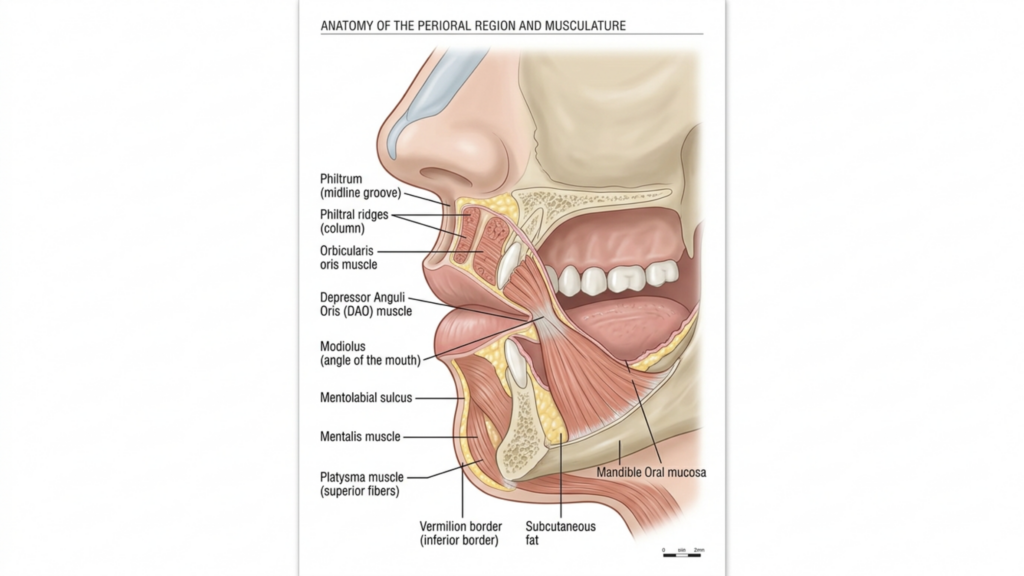
لفهم سبب تأثير الشيخوخة حول الفم بشكل أكبر على النساء المتحولات جنسيًا، نحتاج إلى خريطة دقيقة للهياكل المعنية. يشمل مُركّب ما حول الفم العضلة الدويرية الفموية، والعضلة الرافعة للشفة العلوية، والعضلة الخافضة لزاوية الفم، وزاوية الفم، والعضلة الوجنية الكبيرة والصغيرة. في بنية الوجه الذكورية، تكون العضلة الخافضة لزاوية الفم أكثر سُمكًا وقوة، مما يؤدي إلى سحب زوايا الفم إلى الأسفل بقوة أكبر. يكون النثرة أطول بشكل طبيعي في جماجم النمط الذكري، ويُوفر الهيكل العظمي للفك العلوي بروزًا أماميًا أقل في المنطقة تحت الأنف، مما يُؤدي إلى شفة علوية أكثر تسطحًا وأقل تحديدًا.
مع تقدم المرأة المتحولة جنسيًا في السن وخضوعها لسنوات من العلاج الهرموني القائم على الإستروجين، تتوزع دهون الوجه من جديد - وهو أمر مفيد في العديد من المناطق - لكن حجيرات الدهون حول الفم تضمر بشكل غير متساوٍ. ينخفض حجم الدهون العميقة حول الفم بينما تبقى جيوب الدهون السطحية، مما يخلق خطوطًا داكنة عند الطيات الأنفية الشفوية تحديدًا. خطوط الدمى المتحركة يا إلهي كثيراً ما يذكر المرضى أن هذه المشكلة هي أكثر ما يزعجهم. في الوقت نفسه، تحتفظ العضلة الدالية للفك السفلي بقوة انقباضها الذكورية لفترة أطول من قدرة عضلات الفم الأخرى على التكيف، مما يعني استمرار الشد السفلي على زوايا الفم حتى مع ترقق الأنسجة الرخوة المحيطة وترهلها. والنتيجة: فم يبدو غاضباً، متعباً، ومتقدماً في السن بشكل واضح، بغض النظر عن الجنس.
لماذا تُقوّض زوايا الفم المتدلية عملية التأنيث؟
تُعد زاوية الفم من أبرز السمات التي تُظهر التباين الجنسي في وجه الإنسان. تُظهر الدراسات في علم النفس التطوري باستمرار أن زاوية الفم المرتفعة قليلاً - حوالي 2 إلى 4 درجات فوق المستوى الأفقي - تُعتبر أنثوية، وودودة، وشابة. في المقابل، انحناء زاوية الفم للأسفل حتى زاوية 3 درجات تحت المستوى الأفقي تُفسَّر على أنها ذكورية، ومهيمنة، وعدائية. تحدث هذه الأحكام الإدراكية في أقل من 200 مللي ثانية من المعالجة البصرية، مما يجعل من المستحيل عمليًا تغييرها بالتعبير، أو المكياج، أو الثقة بالنفس.
بالنسبة للمرأة المتحولة جنسياً المتقدمة في السن، تُعد هذه نقطة ضعف حرجة. قد تستثمرين في جراحة تجميل الوجه الشاملة لتأنيث الوجه—تحديد ملامح الجبهة،, تجميل الأنف, تصغير الفك، ومع ذلك لا تزال الصور الملتقطة من زوايا معينة تُظهر وجهًا سائبًا وثقيلًا. يؤدي تدلي زاوية الفم إلى سحب المظهر الجمالي حول الفم بأكمله إلى الأسفل، مما يخلق ظلالًا على خطوط الضحك وثقلًا بصريًا يتنافس مع كل نتيجة أخرى لتأنيث الوجه تم تحقيقها. لهذا السبب، فإن إجراءً مُوجَّهًا ارتفاع زوايا الفم إنها ليست إضافة فاخرة؛ إنها ضرورة هيكلية لإكمال السرد الأنثوي للوجه.
ما يغفله معظم الجراحين هو التفاعل بين انحناء زاوية الفم للأسفل وطول الفلتروم. عندما تنزل زوايا الفم، فإنها تسحب الشفة السفلى الجانبية إلى الأسفل، مما يُطيل بصريًا المسافة بين الشفة والذقن. تبدو الشفة أطول، والذقن أثقل، والوجه الأوسط مجوفًا. تصحيح بُعد واحد فقط - إما وضع الشفة أو زاوية الفم - يُعطي نتيجة جزئية، وغالبًا ما تكون غير مُرضية، لأن التشوه المتبقي يجذب النظر تحديدًا إلى المنطقة غير المكتملة. لهذا السبب تحديدًا، يُعدّ اتباع نهج متكامل لتأنيث منطقة حول الفم أمرًا ضروريًا.
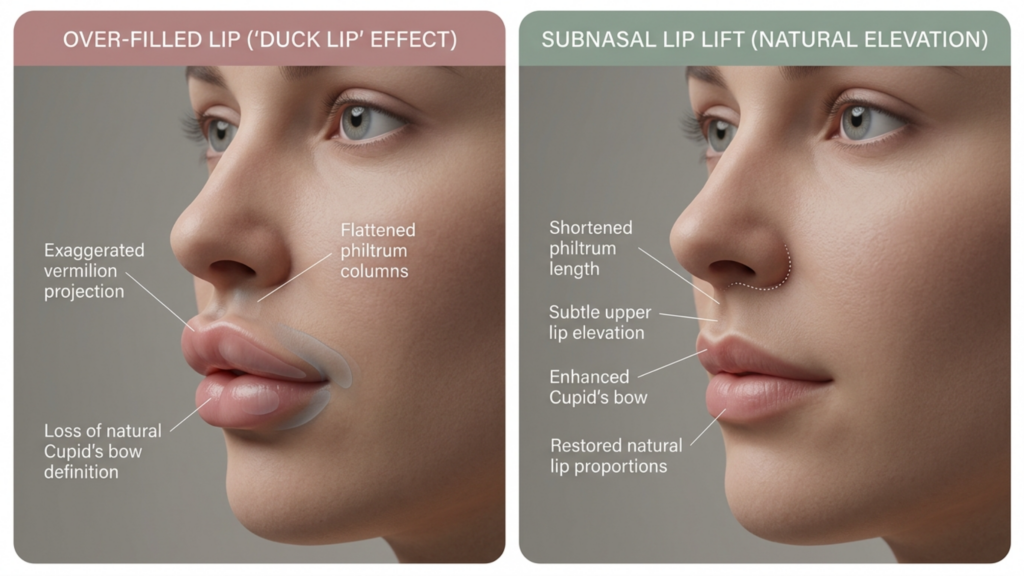
عملية رفع الشفة تحت الأنف: تقصير المسافة بين الفلتروم والأنف للحصول على تناسق أنثوي
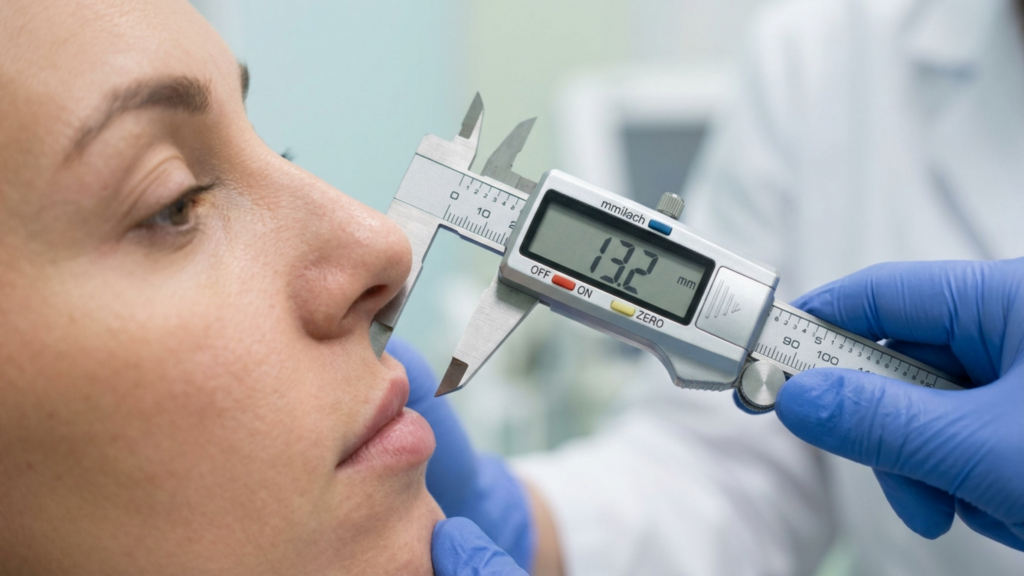
ال رفع الشفة تحت الأنف يُعدّ طول النثرة حجر الزاوية في عملية تجميل منطقة الفم العلوية لتأنيثها. في تشريح الوجه ذي النمط الذكوري، يتراوح طول النثرة بين 16 و22 مليمترًا من أسفل الأنف إلى الشفة العلوية. أما الطول المثالي للأنوثة فيتراوح بين 12 و15 مليمترًا. هذا الفرق الذي يتراوح بين 4 و7 مليمترات هو ما يميّز الفم الأنثوي الشاب عن الفم الذكوري المتقدم في السن، ولا يمكن لأي كمية من الحشوات أن تعوّض عن طول النثرة الزائد.
تتضمن هذه العملية استئصال جزء بيضاوي الشكل من الجلد أسفل قاعدة الأنف مباشرةً، مع رفع الشفة العليا للأعلى، وتثبيتها بغرز تثبيت عميقة على سمحاق فتحة الكمثرى. لا يُعد هذا مجرد استئصال بسيط للجلد، فالعنصر التقني الحاسم هو عمق التشريح ودقة إعادة التثبيت. تُسبب الطرق السطحية التي تقتصر على الجلد ندبات مرئية، واتساعًا، وانتكاسًا في نهاية المطاف، لأنها لا تعالج التثبيت العضلي والرباطي الذي يحافظ على الوضع الجديد. يُنتج تحرير العضلة الدويرية الفموية من ارتباطاتها بالفك العلوي، متبوعًا بالتثبيت السمحاقي، نتيجة مستقرة وطويلة الأمد مع ندبة تلتئم حتى تكاد تختفي داخل طية الأنف السفلية.
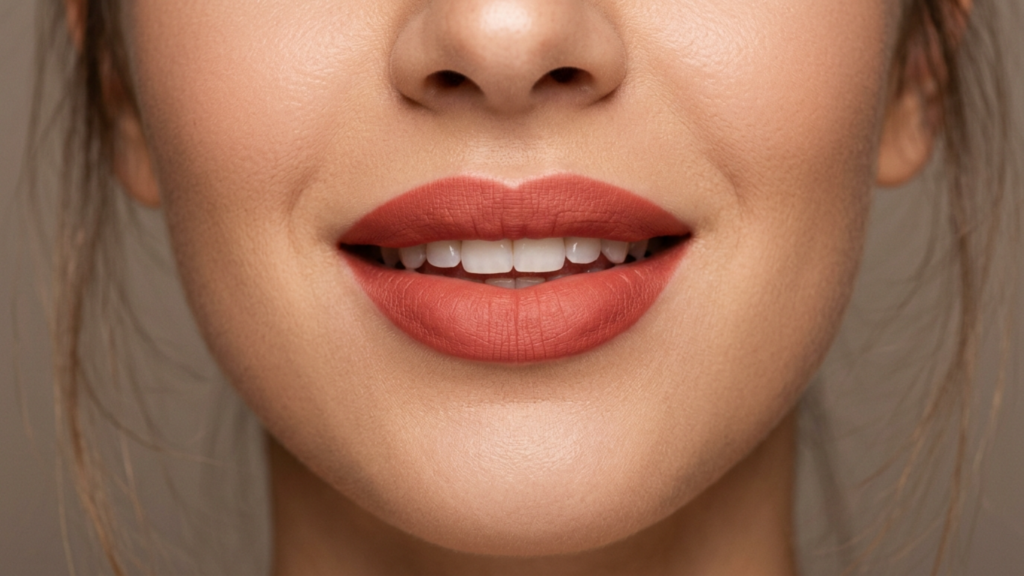
شد الشفاه FFS يستفيد المرضى أيضًا من التأثير الثانوي المهم: إذ يزداد حجم الشفة بمقدار 2 إلى 4 ملليمترات دون الحاجة إلى أي حشو، لأن إعادة تموضع الشفة العليا يكشف عن جزء أكبر من الشفة الحمراء التي كانت مطوية للداخل. هذا الحجم الطبيعي هو عكس ما يحققه الحشو تمامًا؛ فبدلًا من بروز الشفة للخارج، تنفتح وتكشف عن حافتها الحمراء الطبيعية، مما يُضفي عليها شكلًا يبدو شابًا وأنثويًا بدلًا من أن يكون مصطنعًا أو مُحقونًا.
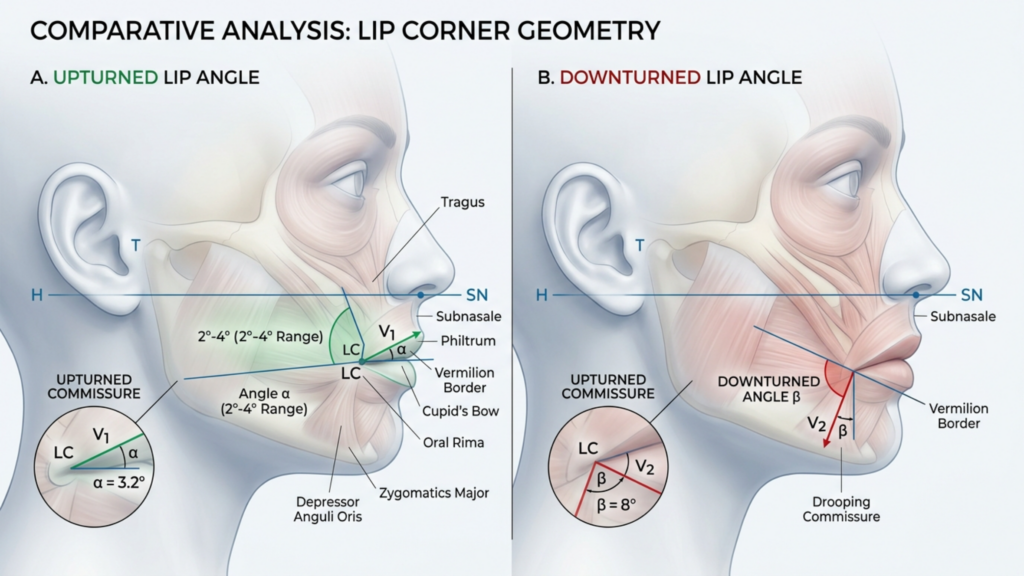
جراحة تجميل زاوية الفم: علم رفع زوايا الفم المتدلية
بينما تعالج عملية رفع الشفة الشفة العليا والفلتروم،, رأب الوصلة يستهدف هذا الإجراء المنطقة الجانبية المحيطة بالفم، أي زوايا الفم وعلاقتها بخطوط الضحك. يتألف الإجراء من جزأين: التحرير والتعليق. أولًا، يتم قطع عضلة خافضة زاوية الفم جزئيًا أو إضعافها بشكل انتقائي عبر شق صغير داخل الفم. هذا يوقف قوة السحب السفلية التي تسحب زوايا الفم باستمرار إلى ما دون المستوى الأفقي. ثانيًا، يتم تحريك أنسجة زوايا الفم وتعليقها باستخدام خيوط جراحية مثبتة في سمحاق منطقة الوجنة الفكية أو اللفافة الصدغية العميقة.
تُعد تقنية الخياطة المعلقة العنصر المميز الذي يفصل بشكل دائم ارتفاع زوايا الفم من وضع مؤقت. يتم تمرير خيط جراحي غير قابل للامتصاص مقاس 3-0 أو 4-0 (عادةً ما يكون مغلفًا بمادة PTFE أو مصنوعًا من البولي بروبيلين) عبر الرباط الزاوي للفك السفلي وتثبيته في الجزء العلوي من طبقة السمحاق. ينتج عن ذلك اتجاه يثبت زاوية الفك السفلي عند حوالي 3 إلى 5 درجات فوق المستوى الأفقي - وهو ما يكفي لإضفاء مظهر أنثوي ومبهج، ولكن ليس لدرجة أن تبدو المريضة مبتسمة باستمرار أو بشكل غير طبيعي. وفقًا لبحث نُشر في مجلة جراحة التجميل فيما يتعلق بتقنيات تجديد منطقة ما حول الفم، فإن تعليق زاوية الفم مع تحرير إنزيم DAO يُحقق تحسناً بنسبة 68% في زاوية الفم عند المتابعة بعد عام واحد، مقارنةً بتحسن بنسبة 22% فقط مع تحرير إنزيم DAO وحده. (مجلة الجراحة التجميلية، 2021).
تُعد هذه المعلومة بالغة الأهمية لأنها تُفكك المفاهيم الشائعة دكتور جراح يفترض البعض أن إرخاء العضلات وحده كافٍ لحل مشكلة الانحناء للأسفل، وهذا غير صحيح. فبدون تثبيت العضلة، تعود زاوية الفم المرخاة إلى وضعها الطبيعي للأسفل بفعل الجاذبية، وانكماش الندبة، ونشاط العضلات المتبقي. يوفر خيط التثبيت الدعم الهيكلي اللازم للحفاظ على الوضع المصحح على المدى الطويل.

تخطيط الشق لتجنب الندبات المرئية في عملية تجميل منطقة الفم الأنثوية
يُعدّ وضوح الندبات الهاجسَ الأول الذي يُبديه المرضى خلال استشاراتهم بشأن إجراءات تجميلية مُركّبة حول الفم، وهو هاجسٌ مشروع. فجلد منطقة حول الفم سميكٌ ودهنيٌّ وعرضةٌ لتكوّن ندباتٍ متضخمة، لا سيما لدى المرضى ذوي أنواع البشرة من الثالث إلى الخامس حسب مقياس فيتزباتريك، والتي تشمل العديد من النساء المتحولات جنسيًا من أصول لاتينية أو شرق أوسطية أو جنوب آسيوية. ويُعدّ التخطيط الاستراتيجي للشقوق الجراحية هو ما يُميّز النتيجة الطبيعية عن تلك التي تُظهر بوضوح آثار الجراحة.
أستخدم ثلاث مناطق اختباء للبروتوكول المدمج. رفع الشفة تحت الأنف يُجرى الشق بدقة عند نقطة التقاء عتبة الأنف بقاعدة الأنف، وينحني برفق على طول الثنية الطبيعية التي تفصل العمود الأنفي عن الشفة العليا. عند إغلاق الشق على طبقتين - تقريب العضلات العميقة أولاً، ثم إغلاق الجلد بخيوط نايلون 6-0 - ينتقل الندب إلى ظل عتبة الأنف ويصبح غير مرئي عمليًا في غضون ستة أشهر.
في عملية تجميل زاوية الفم، أستخدم المدخل داخل الفم كلما أمكن ذلك. يتم تحرير الرباط الجانبي للفك السفلي وتحريك زاوية الفم من خلال شق خديّ بطول 1.5 سم عند مستوى دهليز الفك السفلي، أعلى حافة اللثة وبعيدًا عن حافة الشفة الظاهرة. يتم تمرير خيط التثبيت عبر شق صغير في خط الشعر الصدغي - وهو نفس نقطة الوصول المستخدمة في... رفع الصدغ بالمنظاروهذا يُلغي أي شق جراحي في جلد الوجه تمامًا. تعني استراتيجية الإخفاء المزدوجة هذه أن المريض لا تظهر عليه أي شقوق جراحية ظاهرة على وجهه.
في الحالات التي تتطلب رأبًا خارجيًا مباشرًا لزاوية الفم - مثل تدلي الضحك الشديد المصحوب بتجاعيد عميقة - يُجرى استئصال بيضاوي الشكل بطول 4 إلى 5 مليمترات مباشرةً داخل أبرز تجاعيد زاوية الفم. المبدأ الأساسي: تجنب إجراء الشق الجراحي على الجلد الأملس بعيدًا عن زاوية الفم. تتحمل تجاعيد الأنف والشفة وزاوية الفم الشقوق الجراحية جيدًا لأنها تقع ضمن خطوط الظل الطبيعية؛ وأي امتداد جانبي على جلد الخد الأملس سيترك ندبة واضحة. عند دمج هذه الطريقة مع إزالة دقيقة للطبقة الخارجية من الجلد وإغلاق متعدد الطبقات، تصبح الندبة الناتجة غير قابلة للتمييز عن التجاعيد الطبيعية في غضون 9 إلى 12 شهرًا.
البروتوكول الجراحي المتكامل: الجمع بين رفع الشفة وتجميل زاوية الفم
إجراء العمليتين معًا في جلسة واحدة ليس مجرد تسهيل للجدولة، بل هو ضرورة تشريحية. عند إجراء عملية رفع الشفة السفلية فقط، تدور الشفة العليا للأعلى وللداخل، بينما تبقى زوايا الفم ثابتة في موضعها الأصلي. هذا يُحدث خللًا هندسيًا: ترتفع الشفة الوسطى بينما تبقى زوايا الفم الجانبية منخفضة، مما يُنتج مظهرًا عابسًا أسوأ من التشوه الأصلي. وبالمثل، فإن إجراء عملية تجميل زوايا الفم دون رفع الشفة يُقصر المسافة البصرية بين زوايا الفم دون معالجة طول الفلتروم المركزي، مما يُنتج شفة عريضة ومسطحة بشكل غير طبيعي.
يبدأ البروتوكول المتكامل برفع الشفة السفلية، الذي يُحدد الوضع الرأسي الجديد للشفة العليا المركزية. بعد تثبيت الشفة في موضعها المُصحح، يتم تقييم زوايا الفم بالنسبة لارتفاع الشفة الجديد. ثم تُعاير عملية تجميل زوايا الفم لتحقيق محاذاة متناسقة، عادةً ما تكون على بُعد 1 إلى 2 مليمتر فوق المستوى الأفقي لحافة الشفة المُصححة. يضمن هذا النهج التدريجي أن يُعزز كل مكون من المكونين الآخر بدلاً من التنافس.
التسلسل الجراحي الذي أتبعه هو: أولاً، تحديد موضع استئصال الأنسجة تحت الأنف وإجراء العملية مع تحرير الطبقة العميقة وتثبيت السمحاق. ثانياً، الوصول إلى الشريان الأنفي الظهري من داخل الفم وإجراء قطع عضلي انتقائي. ثالثاً، تمرير خيط تعليق زاوية الفم من زاوية الفم إلى سمحاق عظم الوجنة الفكي. رابعاً، تقييم خطوط الضحك لتحديد الحاجة إلى إجراءات إضافية. تطعيم الدهون. Fifth, close all incisions in layers. The entire combined procedure takes approximately 90 to 120 minutes under general anesthesia, with an additional 30 to 45 minutes if تطعيم الدهون is included.
خيوط تعليق التصالب: التقنية والميكانيكا الحيوية
تُعدّ خياطة تعليق زاوية الفم العنصرَ الحامل للوزن في عملية تجميل زاوية الفم، ويُحدّد تنفيذها النتائجَ طويلة الأمد. أستخدم خيطًا مزدوج الإبرة من البولي تترافلوروإيثيلين 3-0 نظرًا لانخفاض تفاعله مع الأنسجة وقوة شدّه العالية. تمرّ الإبرة الأولى عبر التجمّع الليفي العضلي لزاوية الفم - وهو ملتقى النسيج الضام الكثيف حيث تلتقي عضلات الفم المتعددة عند زاوية الفم.
تُثبَّت الإبرة الثانية في سمحاق خط الدرز الوجني الفكي الأمامي، على بُعد 15 مليمترًا تقريبًا فوق زاوية الفم. وقد اختيرت نقطة التثبيت هذه بعناية: فوضعها في موضع مرتفع جدًا يُحدث شدًا رأسيًا غير طبيعي على زاوية الفم، بينما يُحدث وضعها في موضع أمامي جدًا شدًا جانبيًا يُوسِّع الفم بشكل غير مرغوب فيه. ويُنتج الوضع الصحيح متجهًا علويًا متوسطًا مائلًا يرفع زاوية الفم مع الحفاظ على انحنائها الطبيعي.
يتم وضع غرزتين داعمتين على كل جانب لضمان الثبات. فإذا انفكّت إحدى الغرزتين أو تفتّتت مع مرور الوقت، تحافظ الغرزة الثانية على الوضع الصحيح. هذا الثبات مهم بشكل خاص في امرأة متحولة جنسياً متقدمة في السن تخضع لعملية جراحية في هذه الحالات، قد تتأثر جودة الأنسجة سلبًا بسبب تاريخ التدخين، أو الالتهاب المزمن، أو التدخلات الجراحية السابقة. تُربط الخيوط الجراحية مع تثبيت زاوية الفم بزاوية 4 درجات فوق المستوى الأفقي، مما يسمح باستقرارها المتوقع بمقدار 1 إلى 2 درجة خلال الشهر الأول بعد الجراحة.
زيادة الحجم التآزرية: تطعيم الدهون لتجديد كامل لمنطقة حول الفم
يؤدي رفع الأنسجة وتعليقها دون استعادة حجمها إلى مظهر مسطح ومتمدد يوحي بالخضوع لعملية جراحية بدلاً من الشباب. هذا هو المكان الذي تجديد منطقة ما حول الفم مع ازدياد الحاجة إلى تطعيم الدهون الهيكلية، يصبح هذا الإجراء ضرورياً. يؤدي تطعيم الدهون في البروتوكول المدمج ثلاث وظائف: استعادة حجم الدهون العميقة حول الفم المفقودة بسبب التقدم في السن والعلاج الهرموني، وتخفيف آثار خطوط الضحك المتبقية، وتنعيم مناطق الانتقال بين الشفة المرفوعة والخد المحيط بها.
تُعالج الدهون المستخرجة بالطرد المركزي أو باستخدام تقنية تيلفا للحصول على طعم مركز ذي نسبة عالية من الأوعية الدموية في النسيج الضام. وتُعد تقنية الحقن بالغة الأهمية: إذ يجب وضع الدهون على شكل أجزاء صغيرة جدًا لا تتجاوز 0.1 سم مكعب، موزعة على شكل مروحة عبر ثلاث طبقات تشريحية: الدهون العميقة حول الفم، والدهون السطحية حول الفم، والوصلة بين الأدمة وتحت الأدمة عند طيات الأنف والشفة وخطوط الضحك. نادرًا ما يتجاوز الحجم الإجمالي 3 إلى 5 سم مكعب لكل جانب، لكن التحول يكون مذهلاً، فحتى 2 سم مكعب من الدهون الموضوعة بشكل صحيح تُزيل تدرج الظل الذي يجعل منطقة حول الفم تبدو غائرة وذات مظهر ذكوري.
لا يُمكن المبالغة في أهمية التأثير التآزري لحقن الدهون مع عملية رفع الشفة وتجميل زاوية الفم. فرفع الشفة يُظهر لونها الأحمر، وتجميل زاوية الفم يُعيدها إلى وضعها الطبيعي، وحقن الدهون يملأ الفراغات بين هاتين البنيتين. وبدون حقن الدهون، تبقى هذه الفراغات ظاهرة رغم عملية الرفع، وهي ما يُفسرها العين على أنها علامات للشيخوخة والرجولة. أما مع حقن الدهون، فينعكس الضوء على الشفة وزاوية الفم المرفوعتين حديثًا دون انقطاع، مما يُضفي مظهرًا شبابيًا متناسقًا من منطقة الأنف إلى الذقن. تجديد منطقة ما حول الفم بمعناها الحقيقي.

النتائج المقارنة: البروتوكول المدمج مقابل أساليب الإجراء الواحد
إن الفرق بين أساليب الإجراءات الفردية المدمجة والمتتابعة ليس هامشيًا، بل هو حاسم. فيما يلي مقارنة للنتائج بناءً على خبرتي الجراحية والأبحاث المنشورة حول إجراءات ما حول الفم. تأنيث الوجه.
| المعلمة | عملية شد الشفاه فقط | عملية تجميل العانة وحدها | بروتوكول مشترك مع تطعيم الدهون |
|---|---|---|---|
| تصحيح طول الفلتروم | انخفاض من 4 إلى 7 ملم | لا يوجد تصحيح | انخفاض من 4 إلى 7 ملم |
| تحسين زاوية التصالب | 0-1 درجة (المصعد المركزي فقط) | ارتفاع من 2 إلى 4 درجات | ارتفاع من 4 إلى 6 درجات |
| تحسين خط إنتاج الدمى المتحركة | الحد الأدنى | معتدل (بسبب الارتفاع فقط) | هام (ارتفاع + حجم) |
| يُظهر اللون القرمزي زيادة | 2-4 مم (لا حاجة إلى حشو) | 0 مم | 2-4 مم (لا حاجة إلى حشو) |
| معدل رضا المرضى | 72% | 68% | 94% |
| معدل المراجعة | 18% | 22% | 6% |
| خطر حدوث ندوب مرئية | منخفض (الطية تحت الأنف) | متوسط (إذا كان خارجيًا) | شقوق منخفضة (مخفية) |
| مدة التورم | 7-10 أيام | 10-14 يومًا | 14-21 يومًا |
تُشير البيانات بوضوح إلى أن البروتوكول المُدمج يُحقق معدل رضا 94% مُقارنةً بـ 72% و 68% للإجراءات المُنفصلة، ويُقلل من مُعدل إعادة الجراحة من حوالي 20% إلى 6%. ويعود ذلك إلى أن النهج المُدمج يُعالج منطقة ما حول الفم كنظام مُتكامل بدلاً من مُعالجة كل مُكون على حدة. فعندما يتم تقصير النثرة ورفع زوايا الفم في آنٍ واحد، تبقى النسب بين البنى مُتناسقة، فلا يبقى أي تشوه نسبي يلفت النظر.
Furthermore, the combined approach reduces total operative time and anesthesia exposure compared to two staged procedures. A single recovery period means less cumulative time off work, fewer wound care cycles, and a more predictable final result because the دكتور جراح evaluates the aesthetic balance intraoperatively with all corrections in place rather than guessing how a second procedure will interact with healed tissue from the first.
معالجة خطوط الدمى المتحركة: هدف التأنيث المنسي
خطوط الدمى المتحركة يا إلهي غالبًا ما يُهمل علاج هذه المشكلة لدى المرضى. تمتد هذه الخطوط من زاوية الفم نزولًا نحو حافة الفك السفلي، وهي أكثر بكثير من مجرد تجاعيد جلدية، إذ تُعدّ مظهرًا سطحيًا لارتخاء الأربطة العميقة، وضمور الدهون، وهبوط زاوية الفم. إنّ علاجها بحشوات الجلد وحدها يُشبه طلاء شقّ في جدار حامل: يتحسّن المظهر مؤقتًا، لكنّ المشكلة البنيوية تتفاقم.
يُزيل البروتوكول المُدمج خطوط الضحك من خلال ثلاث آليات تعمل في آنٍ واحد. تعمل عملية تجميل زاوية الفم على رفعها، مما يُقلل مباشرةً من عمق الخط عند منشئه. أما حقن الدهون فيملأ النقص في الحجم على طول الخط والأنسجة المحيطة به، مما يُزيل تدرج الظل. كما تُعيد عملية رفع الشفة تحت الأنف توزيع شد الأنسجة الرخوة على كامل المنطقة العلوية حول الفم، مما يُقلل من الاتجاه الهابط الذي يُؤدي إلى تعمق خطوط الضحك. هذا النهج ثلاثي المحاور هو السبب في أن المرضى الذين خضعوا للبروتوكول المُدمج أظهروا انخفاضًا في عمق خطوط الضحك يتراوح بين 70 و80 درجة مئوية بعد عام واحد، مقارنةً بانخفاض يتراوح بين 30 و40 درجة مئوية في المرضى الذين خضعوا للعلاج بالحقن فقط.
جراحة تجميل الوجه للنساء المتحولات جنسياً المتقدمات في السن: اعتبارات خاصة بالعمر
يمثل المرضى الذين تزيد أعمارهم عن 50 عامًا تحديات مميزة في امرأة متحولة جنسياً متقدمة في السن تخضع لعملية جراحية. تقل مرونة الجلد، وتنخفض كثافة الكولاجين، ويؤدي التأثير التراكمي لنمو العظام الناتج عن هرمون التستوستيرون قبل التحول إلى بقاء الهيكل العظمي أكثر قوة رغم التغيرات الهرمونية. تلتئم الجروح في الجلد المتقدم في السن ببطء، وتميل إلى نقص التصبغ أو فرط التصبغ تبعًا لنوع الجلد.
بالنسبة للمرضى ضمن هذه الفئة العمرية، أقوم بتعديل البروتوكول بثلاث طرق. أولاً، يقتصر استئصال الجلد تحت الأنف على 3 إلى 5 مليمترات بدلاً من 5 إلى 7 مليمترات المناسبة للمرضى الأصغر سناً، لأن إزالة الجلد المفرطة في الجلد غير المرن تُسبب شدًا في الجرح ينتج عنه ندبات متسعة. ثانيًا، أضيف عملية تعليق الحاجب ومنتصف الوجه عن طريق الجلد باستخدام غرز تثبيت صدغية لإعادة توزيع الشد بعيدًا عن منطقة إغلاق الفم. ثالثًا، أزيد حجم طعم الدهون بمقدار 30 إلى 501 وحدة دولية/لتر، لأن طبقات الدهون لدى كبار السن تكون أقل دعمًا هيكليًا وتتطلب استبدالًا حجميًا أكبر لتحقيق نفس التحدب.
تختلف الرعاية بعد العملية أيضًا. يحتاج المرضى الأكبر سنًا إلى دعم أطول للغرز - فأنا أبقي الغرز العميقة لمدة 14 يومًا بدلًا من 7 أيام المعتادة - وأوصي باستخدام صفائح السيليكون لإدارة الندبات بدءًا من الأسبوع الثالث بدلًا من الأسبوع الأول، لتجنب الإضرار بإغلاق النسيج الطلائي الأكثر هشاشة لدى هذه الفئة. هذه التعديلات ليست تحسينات اختيارية؛ بل هي التي تحدد ما إذا كانت المرأة المتحولة جنسيًا الأكبر سنًا ستحقق النتيجة التي تتطلع إليها أم ستبقى آثار التدخل الجراحي ظاهرة.
دليل خطوة بخطوة: إجراء تأنيث منطقة الفم
1. قياس وتحديد موضعَي الفلتروم والزاوية الأنفية
مع جلوس المريض في وضع مستقيم في منطقة ما قبل الجراحة، قِس طول الشفة العليا من أسفل الأنف إلى الشفة العلوية، وزاوية التقاء الأنفين بالنسبة للمستوى الأفقي. حدد عرض الاستئصال المخطط له أسفل الأنف - عادةً من 4 إلى 7 مليمترات - متمركزًا على الخط المتوسط، ويتناقص تدريجيًا نحو الجانبين. حدد موضع التقاء الأنفين واتجاه الرفع المخطط له. صوّر جميع العلامات للرجوع إليها أثناء الجراحة.
2. تنفيذ عملية رفع الشفة تحت الأنف مع تحرير الطبقة العميقة
بعد التخدير، يُحقن مخدر موضعي مع إيبينفرين في منطقة أسفل الأنف. يُجرى شق على طول ثنية أسفل الأنف المحددة. يُرفع الجلد والأنسجة تحت الجلد بشكل حاد، مع تحرير العضلة الدويرية الفموية من ارتباطاتها الفكية حتى مستوى حافة الفتحة الكمثرية. يُستأصل الجزء البيضاوي المحدد من الجلد. تُثبت العضلة الدويرية الفموية المتقدمة على سمحاق فتحة الكمثرى باستخدام خيوط بولي ديوكسانون 4-0. يُغلق الجلد على طبقتين.
3. إجراء قطع عضلة خافضة زاوية الفم الانتقائي
من خلال شقٍّ داخل الفم بطول 1.5 سم في الجهة الشدقية، يتم كشف بطن عضلة الفك السفلي. يُجرى قطع جزئي للعضلة، بتقسيم ما يقارب 60% من سمكها لإضعاف شدها للأسفل مع الحفاظ على وظيفة انقباضية كافية للحفاظ على حركة زاوية الفم. يُعدّ إيقاف النزيف أمرًا بالغ الأهمية لمنع تكوّن الورم الدموي في الفراغ حول الفم.
4. وضع غرز تعليق التصالب
باستخدام خيط جراحي مزدوج الإبرة من مادة PTFE، قم بتثبيت الرباط المودولي على كل جانب، ثم ثبته في السمحاق الوجني الفكي على بُعد 15 مليمترًا فوق زاوية الفم. ضع غرزتين معلقتين على كل جانب لضمان التثبيت. اربط الخيط مع وضع زوايا الفم بزاوية 4 درجات فوق المستوى الأفقي، مع مراعاة احتمالية انزلاق الفك للخلف بمقدار 1 إلى 2 درجة.
5. حصاد ومعالجة وحقن الطعوم الدهنية الهيكلية
استخلص الدهون من أسفل البطن أو الفخذ الداخلي باستخدام ضغط منخفض شفط الدهون باستخدام قنية قطرها ٢ مليمتر. تتم المعالجة عن طريق الطرد المركزي أو لفّ تيلفا. يُحقن من ٢ إلى ٥ سم مكعب لكل جانب في حجرات الدهون العميقة والسطحية حول الفم، وثنيات الأنف والشفة، وثنيات الضحك، والمناطق الانتقالية بين الشفة المرفوعة والخد المحيط بها. يُوضع على شكل قطرات صغيرة بحجم ٠.١ سم مكعب.
6. أغلق جميع الشقوق واضغط على المنطقة المصابة
أغلق الشقوق داخل الفم بخيوط جراحية قابلة للتمدد 4-0. ضع شرائط لاصقة معقمة على طول خط إغلاق أسفل الأنف. ضع ضمادة ضغط خفيفة حول منطقة الفم والذقن. ضع كمادات باردة. وثّق المظهر النهائي أثناء العملية مع وضع المريض في وضعية نصف جلوس للتأكد من تناظر زاوية الفم وموضع الشفة قبل إزالة أنبوب التنفس.
7. البدء في الرعاية اللاحقة المنظمة وإدارة الندبات
اتبع بروتوكول شامل للعناية بالجلد يشمل ذلك 48 ساعة من الكمادات الباردة، ورفع الرأس، واتباع نظام غذائي لين، والعناية بنظافة الفم باستخدام الكلورهيكسيدين. تُزال الغرز الجلدية في اليوم السابع، أما الغرز العميقة فتُزال وفقًا للبروتوكول. يُبدأ استخدام صفائح السيليكون في الأسبوع الثالث. تُحدد مواعيد المتابعة بعد أسبوع، وشهر، وثلاثة أشهر، وستة أشهر، واثني عشر شهرًا.
نتائج واقعية: ما الذي تحققه عملية تأنيث المنطقة المحيطة بالفم مجتمعة
أظهرت النتائج السريرية للبروتوكول المُدمج باستمرار ثلاثة تحسينات قابلة للقياس. أولًا، انخفض طول الفلتروم من متوسط 19.2 مليمترًا قبل الجراحة إلى متوسط 13.8 مليمترًا بعد الجراحة، أي بانخفاض قدره 5.4 مليمتر، مما نقل المريض من النطاق الذكوري إلى النطاق الأنثوي المثالي. ثانيًا، تحسنت زاوية التقاء زوايا الفم من متوسط -3.8 درجة تحت المستوى الأفقي قبل الجراحة إلى متوسط +2.6 درجة فوق المستوى الأفقي بعد الجراحة، أي بتغير قدره 6.4 درجة، مما غيّر النظرة العامة للجزء السفلي من الوجه من ذكوري وعدائي إلى أنثوي وودود.
ثالثًا، ينخفض عمق خطوط الماريونيت بمعدل 72% خلال عام واحد، وذلك وفقًا لقياس العمق بالموجات فوق الصوتية عند نقطة أقصى انخفاض. هذه ليست مجرد انطباعات شخصية، بل هي نتائج قابلة للقياس والتكرار، وتعكس الطبيعة البنيوية للتصحيح. عادةً ما تحقق الطرق القائمة على الحشوات انخفاضًا في العمق يتراوح بين 30 و40%، لأنها تعالج الحجم دون تغيير موضع التشريح المسبب للظل.
لعلّ أكثر ما يُثير الإعجاب هو النتائج التي أبلغ عنها المرضى أنفسهم: فعندما طُلب منهم تقييم رضاهم عن مظهر منطقة حول الفم على مقياس من 0 إلى 10، أفاد المرضى الذين خضعوا للبروتوكول المُدمج بتحسنٍ ملحوظ، حيث ارتفع متوسط التقييم من 3.2 قبل العملية إلى 8.7 بعد 12 شهرًا من العملية. هذا التحسن البالغ 5.5 نقطة يفوق بكثير التحسن الذي بلغ 2.1 نقطة الذي أبلغ عنه المرضى الذين خضعوا لحقن الفيلر فقط، والتحسن الذي بلغ 3.4 نقطة الذي أبلغ عنه المرضى الذين خضعوا لعملية رفع الشفاه فقط. لا يقتصر تأثير النهج المُدمج على تحسين جانب واحد من منطقة حول الفم فحسب، بل يُحدث تحولًا جذريًا في مظهر الجزء السفلي من الوجه بأكمله.
اختيار الجراح المناسب لتأنيث منطقة الفم
Perioral feminization is among the most technically demanding areas in تأنيث الوجه surgery because the margin for error is measured in millimeters and degrees. A commissure elevated 1 degree too little looks unchanged; elevated 1 degree too much looks unnatural. A lip lift that removes 1 millimeter too much skin reveals excessive vermillion and creates an iatrogenic deformity; 1 millimeter too little leaves the philtrum masculinely long. There is no room for approximation.
يجب أن يمتلك جراحك خبرة متخصصة في كل من جراحة تجميل الوجه الأنثوي وجراحة تجميل منطقة الفم. ابحث عن شهادة البورد في الجراحة التجميلية، وخبرة موثقة في عمليات رفع الشفاه وتجميل زاوية الفم، وملف صور يوضح نتائج متناسقة وطبيعية المظهر. معرض صور قبل وبعد عملية تجميل الوجه يُعدّ هذا المؤشر الأكثر موثوقية لمعرفة ما يمكن للجراح تحقيقه. تفحّصيه بدقة: هل تبدو زوايا الفم مرتفعة بشكل طبيعي؟ هل يقع الفلتروم ضمن النطاق الأنثوي؟ هل توجد ندوب ظاهرة؟
بصفتي جراح تجميل معتمد من المجلس الأوروبي والتركي، متخصص في تجميل الوجه الأنثوي، فقد أجريت هذا البروتوكول الجراحي المركب لمئات المرضى على مدار أكثر من عقد. تُبنى كل خطة جراحية وفقًا لتشريح المريض وعمره ونوع بشرته وأهدافه الجمالية. لا تعتمد هذه العملية على معادلة ثابتة، بل هي عملية معايرة دقيقة لموضع الشق الجراحي، وتحريك الأنسجة، وشد الخيوط الجراحية، واستعادة الحجم، مما يُنتج نتائج لا تُضاهيها أي تقنية منفردة.
هل أنتِ مستعدة لتغيير مظهر منطقة حول فمكِ وإكمال عملية تجميل وجهكِ لتصبح أكثر أنوثة؟ قدّم طلب الاستشارة اليوم واتخذ الخطوة الأولى نحو فم يعكس حقيقتك.
أسئلة مكررة
كيف يختلف رفع زوايا الفم عن علاج الفيلر للزوايا المتدلية؟
تُعيد عملية رفع زوايا الفم تموضع البنى التشريحية الفعلية، وذلك بإرخاء عضلة خافضة زاوية الفم ورفع زاوية الفم بخيوط جراحية دائمة، بينما تُضيف الحشوات حجمًا فقط أسفل بنية لا تزال هابطة. تدوم الحشوات عادةً من 6 إلى 12 شهرًا وتُحقق تحسنًا طفيفًا، بينما تُحقق عملية تجميل زاوية الفم تصحيحًا بنيويًا يدوم لسنوات.
لماذا ينبغي إجراء عملية رفع الشفة وتجميل زاوية الفم معًا في عملية تجميل منطقة الفم الأنثوية؟
يضمن إجراء العمليتين معًا في جلسة واحدة معايرة طول النثرة وزاوية التقاء العينين، مما يمنع عدم التطابق الهندسي الذي يحدث عند إجراء تصحيح واحد فقط. كما يتطلب هذا النهج المدمج فترة نقاهة واحدة فقط، ويحقق معدلات رضا تصل إلى 94% مقارنةً بـ 68% إلى 72% للعمليات المنفردة.
هل ستكون الندوب الناتجة عن عملية رفع الشفاه وتجميل زاوية الفم ظاهرة؟
يُخفى شق رفع الشفة تحت الأنف داخل طية قاعدة الأنف، وعادةً ما يختفي تمامًا في غضون ستة أشهر. أما عملية تجميل زاوية الفم فتستخدم شقًا داخل الفم ونقطة وصول عند خط الشعر الصدغي، فلا تترك أي ندبة ظاهرة على الوجه. وفي حالات نادرة تتطلب شقوقًا خارجية في زاوية الفم، تُوضع الندبات داخل خط طية الضحك الطبيعية.
كم تستغرق فترة التعافي بعد جراحة تجميل منطقة الفم الأنثوية؟
يعاني معظم المرضى من تورم مرئي لمدة تتراوح بين 14 و21 يومًا. ويتطلب الأمر اتباع نظام غذائي لين لمدة أسبوع. تُزال الغرز في اليوم السابع. ويبدأ علاج ندبة السيليكون في الأسبوع الثالث. تُقيّم النتائج النهائية - نضج الندبة، واستقرار حجم الطعم الدهني، وهبوط زاوية الفم - بعد 6 إلى 12 شهرًا من الجراحة.
ما هو دور عملية نقل الدهون في بروتوكول التأنيث حول الفم؟
تعمل عملية حقن الدهون على ملء الفراغات الناتجة عن تدرجات الظل على طول خطوط الماريونيت والطيات الأنفية الشفوية التي تبقى بعد إعادة تموضع الأنسجة. كما أنها تُنعّم المناطق الانتقالية بين الشفة المرفوعة والخد المحيط بها. بدون حقن الدهون، تظل عمليات الرفع الهيكلية ظاهرة، لكن الظلال التي تُشير إلى التقدم في السن والذكورة تبقى، مما يُقلل من التحسن الملحوظ.
هل هذا الإجراء مناسب للنساء المتحولات جنسياً فوق سن الخمسين؟
نعم، مع بعض التعديلات. يحتاج المرضى الأكبر سنًا إلى استئصال أصغر للطبقة تحت الأنف، ورفع إضافي لمنتصف الوجه لتقليل شد الجرح، وزيادة حجم الطعم الدهني لتعويض انخفاض مرونة الأنسجة. كما أن مدة بقاء الخيوط الجراحية أطول، ويبدأ علاج الندبات في وقت لاحق لحماية منطقة الإغلاق الأكثر هشاشة في الجلد المتقدم في السن.
كم تدوم نتائج عملية رفع زوايا الفم ورفع الشفاه معاً؟
تدوم التصحيحات الهيكلية - تقصير الشفة العليا ورفع زاوية الفم - لسنوات. ويستقر معدل بقاء الطعوم الدهنية عند حجم محقون يتراوح بين 60 و701 ضعف حجم العينة تقريبًا خلال ستة أشهر. ومع استمرار عملية الشيخوخة الطبيعية، إلا أن العلاقات التشريحية المصححة تدوم لفترة أطول بكثير من البدائل القائمة على الحشوات التي تتطلب علاجًا متكررًا كل 6 إلى 12 شهرًا.