
تأنيث الوجه تمثل جراحة تجميل الوجه رحلةً بالغة التعقيد والخصوصية، تُتيح مسارًا تحويليًا للأفراد الساعين إلى مواءمة مظهرهم الخارجي مع هويتهم الأنثوية المُؤكدة. يتجاوز هذا المجال شديد التخصص ضمن جراحة الوجه والجمجمة التجميلية مجرد التحسينات الجمالية، إذ يتطلب نهجًا دقيقًا وفرديًا يُراعي الاختلافات العميقة والفطرية في تشريح الوجه البشري. ويُعدّ المبدأ الأساسي الذي يُوجّه نجاح هذه الجراحة هو... تأنيث الوجه يكمن جوهر الأمر في فهم أن كل وجه فريد من نوعه، ولا يمتلك جميع الوجوه نفس مجموعة السمات الذكورية التي يجب معالجتها. لذا، فإن منهجية "مقاس واحد يناسب الجميع" غير كافية بطبيعتها لتحقيق نتائج مثالية وطبيعية المظهر ومرضية للغاية. بدلاً من ذلك، تتطلب العملية استراتيجية جراحية مصممة خصيصًا لكل مريض، تُراعي بدقة بنية الهيكل العظمي والأنسجة الرخوة الفريدة لديه، والتي تمثل تفاعلاً معقدًا بين الاستعداد الوراثي وعوامل النمو وتأثيرات الهرمونات.
سيتناول هذا الدليل الشامل الدور الحاسم لتشريح الوجه المميز في تحديد التدخلات والتقنيات الجراحية الدقيقة المستخدمة خلال جراحة الوجه والفكين، مسلطًا الضوء على كيف يُثمر التقدير الدقيق للسمات الفردية عن تحول شخصي وفعال حقًا. سنستكشف كيف يتعامل الجراحون الخبراء مع المشهد المعقد للاختلافات في الوجه والجمجمة بين الجنسين، والتي تتراوح من الخطوط الدقيقة للحاجب إلى زوايا الفك الأكثر وضوحًا، وكيف تُؤثر هذه الفروق التشريحية بشكل مباشر على اختيار وتنفيذ الإجراءات المؤنثة. الهدف ليس مجرد تخفيف السمات الذكورية الواضحة، بل أيضًا نحت مظهر وجه متماسك ومتوازن يعكس الهوية الجنسية للفرد بشكل أصيل، مما يُعزز الصحة النفسية، ويخفف من اضطراب الهوية الجنسية، ويُسهّل التأكيد الاجتماعي (بارنيت وآخرون، ٢٠٢٣).
سيُسلِّط هذا البحث الضوء على أدوات التشخيص المتقدمة، مثل التصوير ثلاثي الأبعاد عالي الدقة وأنظمة التخطيط الجراحي الافتراضي المتطورة، التي تُمكِّن الجراحين من إنشاء مخطط تفصيلي ثلاثي الأبعاد لوجه المريض. يُتيح هذا التكامل التكنولوجي مستوى غير مسبوق من الدقة في وضع الاستراتيجيات قبل الجراحة، مما يسمح بمحاكاة النتائج ووضع أدلة جراحية مُخصَّصة. علاوةً على ذلك، سندرس كيفية دمج التقنيات الجراحية المختلفة، التي تشمل تعديلات العظام - التي تُعالج البنية الأساسية للوجه - وتحسينات الأنسجة الرخوة - التي تُضفي اللمسات النهائية الدقيقة - بشكل تآزري لتحقيق نتيجة متناغمة تحافظ على المظهر الطبيعي مع تحقيق مظهر أنثوي عميق.
ستتناول المناقشة الاعتبارات الحاسمة المتعلقة بإدارة توقعات المرضى، وضمان استنادها إلى الواقعية الجراحية، وفهم التحديات الفريدة التي تفرضها الاختلافات التشريحية الكبيرة. كما سنؤكد على الأهمية القصوى لاختيار أخصائي ذي خبرة واسعة وفهم عميق لكل من المبادئ الجمالية وإعادة بناء الجمجمة والوجه المعقدة. في نهاية المطاف، يهدف هذا التحليل المفصل إلى تسليط الضوء على التفاعل العميق بين تشريح الوجه الفردي والفن الجراحي، كاشفًا كيف أن النهج الشخصي العميق ليس مفيدًا فحسب، بل هو حجر الزاوية في تحقيق نتائج تحويلية ودائمة وذات تأثير عميق في تجميل الوجه الأنثوي. فهم التقنيات المحددة، مثل رأب الذقن يُعدّ تعديل شكل الذقن أمرًا بالغ الأهمية لفهم عمق هذا التخصص. فالقدرة على تغيير بروز الذقن وارتفاعه وعرضه تسمح بتغيير جذري في مظهر الوجه، محولةً سمة ذكورية نموذجية إلى سمة تتناغم مع ملامح وجه أكثر نعومة وأنوثة.الدكتور MFO, ، 2025أ).

جدول المحتويات
فهم المخطط: التشريح الأساسي لتأنيث الوجه
قبل البدء بأي تدخل جراحي، يُعدّ الفهم العميق لتشريح وجه المريضة الأساسي أمرًا بالغ الأهمية. تأنيث الوجه الماهر دكتور جراح يُقيّم هذا الفحص بدقة التفاعل المعقد بين بنية العظام الأساسية وبنية الأنسجة الرخوة التي تعلوها. يُعد هذا التقييم الشامل بالغ الأهمية لأن الاختلافات الجوهرية في نسب الهيكل العظمي وتوزيع الأنسجة الرخوة تُعتبر من المحددات الرئيسية للجنس المُدرك. على سبيل المثال، تُساهم معالم هيكلية محددة، مثل منطقة ما بين الحاجبين، وبروز الجبهة، وزاوية الفك السفلي، بشكل كبير في هذه الفروقات.
عادةً ما تتضمن ملامح الوجه الذكورية بروزًا أكبر في الحاجبين، وخط فك أعرض وأكثر استقامة، وذقنًا أكبر وأكثر بروزًا للأمام، وملامح أنف مميزة بجسر أعلى ودوران أقل للأعلى عند طرفه. في المقابل، تتميز ملامح الوجه الأنثوية بجبهة أكثر نعومة، وخط فك أكثر استدارة، وذقن رقيق، وأنف أصغر وأكثر دقة. مع ذلك، يختلف مدى بروز هذه الملامح اختلافًا كبيرًا بين الأفراد نظرًا لعوامل وراثية وعرقية ونمائية (الرادادي، 2021). إن إدراك هذه الفروق التشريحية الدقيقة ليس مجرد خطوة ملاحظة، بل هو شرط أساسي لوضع خطة جراحية فعالة ومصممة خصيصًا لكل فرد. هذه الدقة تمنع ظهور مظهر مصطنع أو "خاضع لعملية جراحية"، مما يضمن نتائج طبيعية ومتناسقة مع جمال كل فرد الفريد.
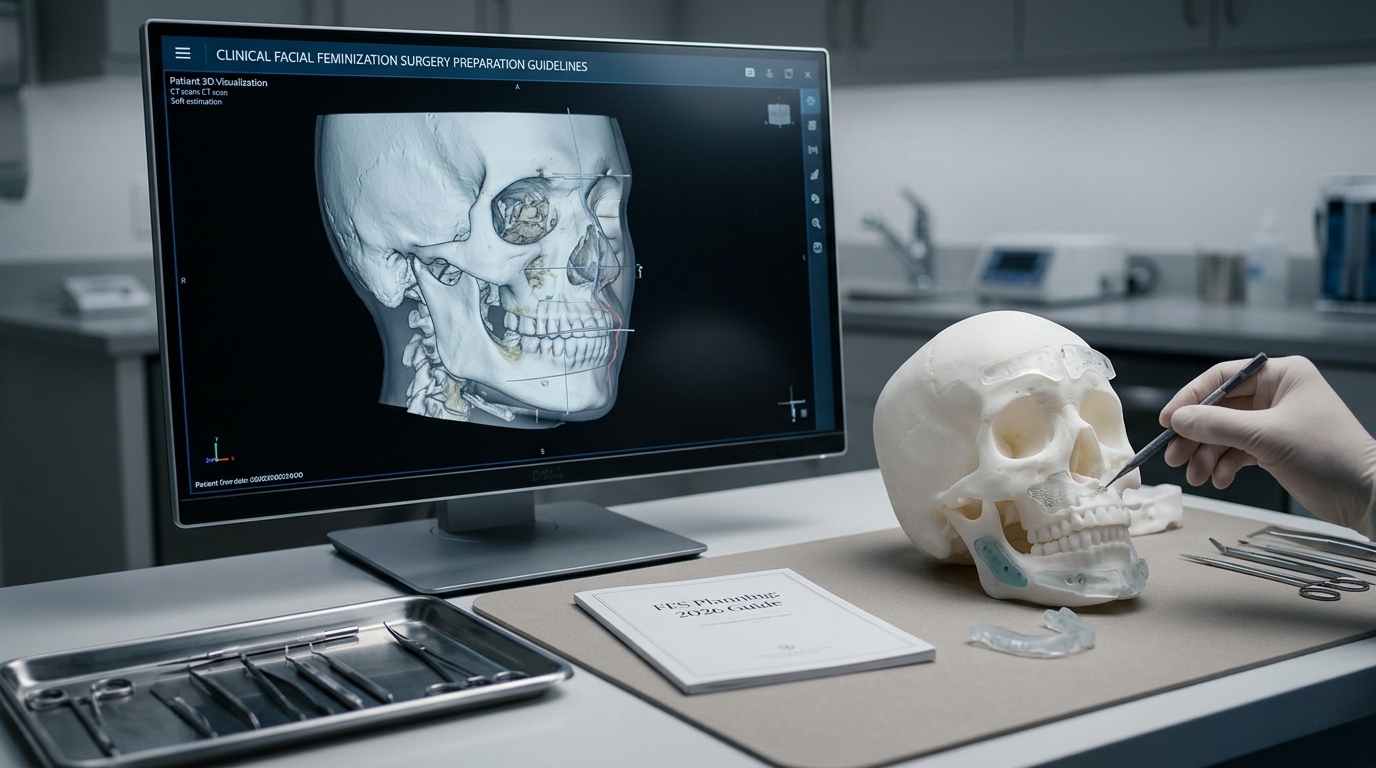
للحصول على هذه الخريطة التشريحية التفصيلية، تلعب تقنيات التصوير التشخيصي المتقدمة دورًا لا غنى عنه. تُستخدم فحوصات التصوير المقطعي المحوسب ثلاثي الأبعاد (3D CT) بشكل متكرر، مما يوفر إعادة بناء ثلاثية الأبعاد عالية الدقة للهيكل العظمي والأنسجة الرخوة الفريدة للمريض. تُتيح هذه الفحوصات رؤيةً لا مثيل لها لكثافة العظام، وتهوية الجيوب الأنفية، ومسارات الأعصاب، والخطوط الدقيقة لهيكل الوجه (بارنيت وآخرون، 2023). تُستخدم هذه البيانات بعد ذلك بالتزامن مع برامج التخطيط الجراحي الافتراضي (VSP)، مما يسمح للجراحين بقياس الهياكل الموجودة بدقة ومحاكاة التعديلات الجراحية المحتملة. تُمكّن القدرة على إجراء عمليات قطع العظام الافتراضية والتنبؤ بتغطية الأنسجة الرخوة من تحقيق مستوى غير مسبوق من الدقة في تخطيط كل خطوة من خطوات الجراحة.
إلى جانب الصور الثابتة، تُدمج أيضًا تقييمات ديناميكية لحركة الأنسجة الرخوة، ومرونة الجلد، ونشاط العضلات. يُعد فهم الاختلافات في سُمك الأنسجة ومرونتها، على سبيل المثال، أمرًا بالغ الأهمية لتوقع كيفية إعادة تشكيل الأنسجة الرخوة المُغطية بعد عمليات تصغير أو تكبير العظام. يضمن هذا التقييم الديناميكي اندماج التغييرات المُؤنثة، وخاصة تلك التي تشمل خط الفك والذقن، بسلاسة مع الأنسجة الرخوة المحيطة، مما يتجنب التحولات غير الطبيعية. يوفر الجمع بين الفحص البدني الشامل والتصوير المتقدم ما يلي: دكتور جراح من خلال فهم شامل لملامح وجه المريض، مما يمكنهم من صياغة استراتيجية تجميلية أنثوية سليمة تشريحياً ومتناغمة جمالياً، تتجاوز المثل العليا العامة لتحقيق نتائج أصيلة للفرد.

الغوص الإقليمي العميق: التأثير التشريحي على تقنيات التأنيث المحددة
الجبهة وحواف محجر العين: نحت أساس أنثوي
يُعدّ الثلث العلوي من الوجه، الذي يشمل الجبهة وحواف الحجاج، منطقةً أساسيةً لتحديد الجنس. وتُعتبر الاختلافات في عظم الجبهة والحافة فوق الحجاج (عظم الحاجب) من أبرز السمات التي تُميّز بين الجنسين. غالبًا ما تتميز الجباه الذكورية ببروز الحاجب، وحاجب أثقل وأكثر استقامةً بالنسبة لحافة الحجاج العلوية، وجبهة متراجعة للخلف. ويُحدّد حجم الجيب الجبهي وسماكة جداره الأمامي بشكلٍ كبيرٍ مدى إمكانية تصغيره. في المقابل، تتميز الجباه الأنثوية عادةً بمحيطٍ أكثر نعومةً واستدارةً، وملامح وجهٍ أكثر استقامةً، وحواجب مقوسة أعلى، تقع فوق حافة الحجاج (بارنيت وآخرون، 2023). يمكن أن تختلف درجة بروز عظم الجبهة بشكلٍ كبيرٍ بين الأفراد، مما يؤثر بشكلٍ مباشرٍ على مدى تعقيد التدخل الجراحي واختياره، وبالتالي يستلزم اتباع نهجٍ مُخصّصٍ للغاية.
تؤثر هذه الاختلافات التشريحية بشكل مباشر على اختيار شد الجبين تُصنّف الإجراءات بشكل أساسي إلى ثلاثة أنواع: النوع الأول (الحلاقة)، والنوع الثاني (الدمج)، والنوع الثالث (التراجع). بالنسبة للأفراد ذوي جدار الجيب الجبهي الأمامي السميك نسبيًا وبروز الحاجب الأقل وضوحًا، قد يكون إجراء النوع الأول، الذي يتضمن كشط أو حلاقة العظم البارز مباشرةً، كافيًا للحصول على انتقال أكثر سلاسة. هذه التقنية أقل توغلاً وتتميز بفترة نقاهة أسرع. مع ذلك، عندما يكون عظم الجيب الجبهي أرق أو يكون بروز الحاجب بارزًا بشكل ملحوظ، غالبًا ما يكون من الضروري اتباع نهج أكثر شمولًا لتحقيق مظهر أنثوي مناسب دون المساس بالسلامة الهيكلية أو التسبب في نتائج تجميلية سلبية.
تتضمن عملية تجميل الجمجمة من النوع الثالث، والمعروفة أيضًا باسم تراجع الجيب الجبهي، إزالة الجدار الأمامي للجيب الجبهي بعناية، وإعادة تشكيله بدقة، ثم إعادة تثبيته في موضع أكثر انخفاضًا وتناسقًا مع ملامح الوجه الأنثوية (بارنيت وآخرون، 2023). تتيح هذه التقنية الترميمية درجة أكبر من التصغير وتأثيرًا أنثويًا أعمق، مما يُغير بشكل جذري محيط منطقة فوق الحجاج ويحقق الانحناء المحدب المطلوب للجبهة الأنثوية. تتطلب هذه العملية دقة متناهية، إذ تشمل العمل حول تراكيب دقيقة وضمان إعادة تشكيل متناظرة. بعد العملية، يندمج الجزء العظمي المُعاد تثبيته مع العظم المحيط، مما يوفر نتيجة مستقرة ودائمة.
بالاشتراك مع شد الجبين, تُجرى عملية تحديد محيط محجر العين بشكل متكرر لتعزيز مظهر الوجه العلوي الأنثوي. في الوجوه ذات الملامح الذكورية، قد تبدو الحواف العظمية حول محجر العين أثقل وأكثر حدة، مما يُلقي بظلال تُضفي على العينين مظهرًا ذكوريًا. من خلال تنعيم هذه الحواف وتدويرها بعناية، تبدو العينان أكبر وأكثر انفتاحًا وأقل ظلًا، مما يُساهم في الحصول على نظرة أكثر رقة وجاذبية. يُعدّ التنفيذ الدقيق لهذه التعديلات، خاصةً بالقرب من التراكيب الحيوية كالعصب فوق الحجاجي والعصب فوق البكرة، أمرًا بالغ الأهمية لتجنب أي قصور حسي. كما أن المهارة الجراحية في تجنب مسارات هذه الأعصاب ضرورية للحفاظ على راحة المريض ومنع حدوث مضاعفات طويلة الأمد.
بالإضافة إلى ذلك، يُؤخذ في الاعتبار موضع خط الشعر الطبيعي وأي هبوط موجود في الحاجبين عند اختيار تقنيات رفع الحاجبين. قد يُختار شق تاجي يمتد عبر فروة الرأس لتحقيق تقدم ملحوظ في خط الشعر مع تحديد ملامح الجبهة، بينما يُمكن لعملية رفع الحاجبين بالمنظار، باستخدام شقوق أصغر داخل خط الشعر، تحقيق رفع الحاجبين مع تغيير طفيف في خط الشعر، خاصةً عندما لا يكون خفض خط الشعر هدفًا أساسيًا. وقد برز التخطيط الجراحي الافتراضي، كما فصّله بارنيت وآخرون (2023)، كأداة لا غنى عنها، إذ يسمح للجراحين بتصوّر النتائج المرجوة بدقة وتخطيط عمليات قطع العظم بدقة مُحسّنة، مما يُقلل بشكل كبير من وقت العملية ويُقلل من المضاعفات مثل الاستئصال الزائد أو إصابة الأعصاب. يضمن هذا التخطيط الدقيق قبل الجراحة اندماج الملامح المُعدّلة بسلاسة مع بقية الوجه، مما يُوفر جمالية متناسقة وأنثوية مميزة للجزء العلوي من الوجه. يُعد التفاعل بين هذه الإجراءات التجميلية للجزء العلوي من الوجه أمرًا بالغ الأهمية، حيث يُمكن أن تُؤثر التغييرات في منطقة ما بشكل كبير على مظهر منطقة أخرى، مما يتطلب نهجًا متكاملًا وشاملًا.
منتصف الوجه والخدين: نحت النعومة والإبراز
يلعب منتصف الوجه، الذي يتحدد بشكل بارز بعظم الوجنة والأنسجة الرخوة التي تغطيه، دورًا محوريًا في إدراك أنوثة الوجه وشبابه. توجد اختلافات كبيرة في بروز منتصف الوجه ومحيطه بين ملامح الوجه الذكورية والأنثوية. غالبًا ما يتميز منتصف الوجه الذكوري بعظام وجنة مسطحة ذات بروز أمامي أقل، مما يُسهم في شكل وجه أقل مثلثية. وهذا قد يُعطي مظهرًا أكثر صرامة أو زاوية. في المقابل، تتميز الخدود الأنثوية عادةً بأقواس وجنة أعلى وأكثر بروزًا للأمام، مما يخلق تحدبًا مرغوبًا فيه ويُسهم في محيط وجه أكثر نعومة وشبابًا، وغالبًا ما يكون على شكل قلب (بارنيت وآخرون، 2023). كما يختلف توزيع وحجم الدهون تحت الجلد، بما في ذلك وسادة دهون الخد ودهون الخدين، بشكل كبير، مما يؤثر بشكل أكبر على المظهر العام لمنتصف الوجه. ويُساعد التقييم الدقيق لهذه العوامل في توجيه الاستراتيجية الجراحية.
تختلف الاستراتيجيات الجراحية لتأنيث منتصف الوجه بشكل كبير، وتعتمد على البنية التشريحية الحالية للمريضة والشكل الجمالي المطلوب. عندما يكون هناك بروز غير كافٍ في الوجنة أو يكون منتصف الوجه مسطحًا بشكل طبيعي،, تكبير الخد يُنصح به غالبًا. ويمكن تحقيق ذلك بطرق مختلفة. تطعيم الدهون, تُقدم هذه التقنية، التي تتضمن استخلاص الدهون من مناطق أخرى في جسم المريض (مثل البطن أو الفخذين) عن طريق شفط الدهون، ومعالجتها، ثم حقنها في الخدين، حلاً طبيعياً. توفر هذه التقنية تكبيراً ناعماً وطبيعياً، ويمكنها في الوقت نفسه تحسين جودة الجلد المغطي. وتُعد حيوية طعوم الدهون أمراً بالغ الأهمية للحصول على نتائج طويلة الأمد.
كبديل، يمكن زرع غرسات اصطناعية مصممة خصيصًا، مصنوعة عادةً من مواد متوافقة حيويًا مثل السيليكون، فوق عظام الوجنتين لتوفير حجم وتحديد دائمين. تُصمم هذه الغرسات مسبقًا أو تُصنع حسب الطلب بناءً على تخطيط جراحي افتراضي ثلاثي الأبعاد لمطابقة الملامح المطلوبة بدقة (بارنيت وآخرون، 2023). توفر الغرسات المصممة خصيصًا تكبيرًا يمكن التنبؤ به ومستقرًا، خاصةً في حالات نقص الهيكل العظمي الكبير. تطعيم الدهون وتعتمد عملية زراعة الغرسات على درجة التكبير المطلوبة، وتوفر الدهون اللازمة للتبرع، ورغبة المريضة. وتهدف كلتا التقنيتين إلى إبراز محيط الخدين بشكل أكثر جاذبية وجمالاً، مما يساهم في إضفاء مظهر شبابي وأنثوي.
في المقابل، في حالات نادرة حيث تكون عظام الخدين عريضة بشكل مفرط أو بارزة بزاوية تُضفي عليها مظهرًا ذكوريًا، قد يلجأ الجراح إلى تصغير قوس الوجنتين لتخفيف عرض منتصف الوجه. علاوة على ذلك، يؤثر توزيع دهون الخدين - وهي طبقة دهنية عميقة تقع داخل الخد - على امتلاء الوجه. بالنسبة للأفراد ذوي الوجه السفلي الممتلئ والمستدير الذي يُقلل من جمالية الوجه الأنثوية، قد يُنظر في إزالة طبقة دهون الخدين لخلق منطقة أسفل الوجنتين أكثر تحديدًا وتجويفًا، مما يُعزز مظهر عظام الخدين العلوية. يُساعد هذا التصغير المُستهدف للدهون على نحت منتصف وجه أكثر دقة وتناسقًا، مع إبراز عظام الخدين.
يتيح التفاعل الدقيق بين هذه الإجراءات إنشاء "منحنى أوجي" - وهو منحنى S مزدوج رشيق يمتد من الصدغ إلى الخد، مما يدل بوضوح على خدود شابة وأنثوية. عند الجمع بين إجراءات الأنف والخد، كما هو موضح في الدكتور MFO (2025c)، يُعد التخطيط التشريحي التآزري أمرًا بالغ الأهمية نظرًا للترابط بين جماليات الأنف ومنتصف الوجه. فعلى سبيل المثال، قد يُظهر الأنف البارز بشكل مفرط منتصف الوجه وكأنه متراجع، بينما تُساهم عظام الخدين البارزة بشكل جيد في تحقيق توازن بصري للأنف. لذلك، تُؤثر التعديلات في أحد هذين الجانبين بشكل كبير على إدراك الجانب الآخر، مما يتطلب نهجًا متكاملًا لتحقيق تناغم شامل للوجه وتحول طبيعي المظهر. تكبير الخد, فعلى سبيل المثال، يمكن أن يؤدي ذلك إلى تغيير كبير في الطول والشكل المتصور للأنف، مما يسلط الضوء على أهمية التخطيط الشامل.
الأنف: تحقيق أبعاد دقيقة
يُعدّ الأنف، الذي يقع في منتصف الوجه، سمةً أساسيةً تؤثر بشكلٍ كبيرٍ على توازن ملامح الوجه والجنس المُدرَك. تتسم هياكل الأنف بتنوعٍ هائل، إلا أن أنماطًا مُحددةً تُسهم في تحديد الجنس. غالبًا ما تتميز الأنوف الذكورية بجسر أنفي أعرض، ونتوءٍ ظهريٍّ أكثر بروزًا، وفتحات أنفٍ أوسع (قاعدة الأنف)، وطرف أنفي أقل استدارةً للأعلى، وأحيانًا يميل للأسفل. تُضفي هذه الخصائص مظهرًا قويًا، وأحيانًا قاسيًا. في المقابل، تتميز الأنوف الأنثوية عادةً بحجمٍ أصغر، وجسر أنفي أضيق، وظهرٍ أنفيٍّ أكثر نعومةً أو مُقعّرًا قليلًا، وطرف أنفيٍّ أكثر دقةً ومائلًا قليلًا للأعلى، مما يُسهم في زاوية أنفية شفوية أكثر انفراجًا (بارنيت وآخرون، 2023). يتطلب تحقيق هذه التغييرات الدقيقة، ولكن المؤثرة، فهمًا دقيقًا لتشريح الأنف ومهاراتٍ متقدمة. تجميل الأنف التقنيات.
يتطلب هذا الطيف الواسع من تشريح الأنف مجموعة شاملة من تجميل الأنف تقنيات تجميل الوجه لتأنيثه. يُعدّ تصغير حدبة الأنف إجراءً شائعًا، يتضمن إزالة دقيقة أو كشطًا للعظم والغضروف الزائدين على طول جسر الأنف لخلق مظهر أكثر نعومة ورقة. في الوقت نفسه، يُساعد تضييق عظام الأنف من خلال عمليات قطع العظم (قطع عظمي مُتحكّم به) على تقليل العرض الكلي لجسر الأنف، مما يُساهم في مظهر أكثر دقة. يُعدّ تحديد موضع هذه القطع العظمية والتحكم بها أمرًا حيويًا لتجنب زعزعة استقرار هرم الأنف. تُعدّ تقنيات تجميل طرف الأنف أساسية لتأنيث طرف الأنف؛ وتتضمن هذه التقنيات إعادة تشكيل دقيقة للغضاريف الجانبية السفلية من خلال الاستئصال والخياطة والتطعيم لجعل الطرف أصغر حجمًا وأكثر تحديدًا ومُدارًا للأعلى بشكل مناسب (بارنيت وآخرون، 2023). يمكن إجراء تصغير قاعدة الأنف لتضييق فتحتي الأنف الواسعتين بشكل مفرط، والتي قد تكون سمة ذكورية، مما يضمن تناسب قاعدة الأنف مع طرف الأنف وجسره بعد تأنيثهما. تتمثل الأهداف المحددة في إنشاء أنف يتناغم مع الجبهة والوجه الأوسط المعاد تشكيلهما حديثًا، وتجنب المظهر العدواني أو المصطنع بشكل مفرط، وبالتالي ضمان جمالية متوازنة للوجه.
يُفضّل إجراء عملية تجميل الأنف المفتوحة، التي تعتمد على شق صغير عبر العمود الأنفي وشقوق داخلية، في عمليات تجميل الوجه لتأنيثه، وذلك لما توفره من سهولة الوصول والرؤية إلى الهيكل العظمي والغضروفي. يسمح هذا للجراح بالتحكم بدقة في البنى وتحقيق أهداف تجميلية محددة، مثل تقليم الحاجز الأنفي السفلي لرفع طرف الأنف (بارنيت وآخرون، 2023). تتطلب العلاقة المعقدة بين مكونات الأنف العظمية والغضروفية جراحًا ذا مهارة عالية لتحقيق نتائج مستقرة وجميلة. كما يُعد الحفاظ على دعامة الحاجز الأنفي والصمامات الأنفية أمرًا بالغ الأهمية للحفاظ على وظائف الجهاز التنفسي، مما يمنع حدوث مشاكل شائعة بعد عملية تجميل الأنف.
علاوة على ذلك، يلعب الغلاف النسيجي الرخو، الذي يتألف من الجلد والدهون تحت الجلد والعضلات، دورًا هامًا في النتيجة النهائية؛ إذ يحدد سمكه ومرونته مدى سهولة ظهور التغييرات الكامنة. ويُعدّ مراعاة التروية الدموية للأنف، وخاصةً من فروع الشرايين العينية والوجهية، والتعصيب من العصب ثلاثي التوائم، أمرًا بالغ الأهمية لتقليل المضاعفات مثل النزيف أو التغيرات الحسية. والهدف النهائي هو نحت أنف يتناسب بشكل متناغم مع ملامح الوجه الأنثوية، مما يعزز ثقة المريض بنفسه وراحته الاجتماعية (د. م. ف. أ.، 2025ب). ويضمن هذا التوازن أن يظل الأنف، رغم مظهره الأنثوي، متناسبًا وطبيعيًا ضمن سياق وجه كل فرد.
خط الفك والذقن: تنعيم الجزء السفلي من الوجه
الثلث السفلي من الوجه، وخاصةً خط الفك والذقن، هما مؤشران رئيسيان على ازدواجية الشكل الجنسي، ويساهمان بشكل كبير في تحديد الجنس المُدرَك. عادةً ما تكون خطوط الفك لدى الرجال أوسع وأكثر مربعًا وأكثر حدة، وغالبًا ما تتميز بزوايا فكية سفلية بارزة وحافة مائلة خارجية أكثر سمكًا. يمكن أن يكون الذقن في الوجوه الرجالية أوسع أو مربعًا أو بارزًا بشكل مفرط، مما يُسهم في مظهر وجهي سفلي قوي، وأحيانًا حاد. على العكس من ذلك، تكون خطوط الفك لدى النساء أضيق وأكثر استدارة، وغالبًا ما تُظهر شكل حرف V أنيقًا أو شكلًا بيضاويًا بزوايا أكثر نعومة. عادةً ما يكون الذقن لدى النساء أكثر رقة، مع عرض وبروز أقل، مما يُسهم في مظهر وجهي سفلي أكثر دقة (بارنيت وآخرون، ٢٠٢٣).
تتضمن الاستراتيجيات الجراحية لتأنيث خط الفك والذقن تعديلات عظمية دقيقة ومُصممة خصيصًا. يُعدّ تصغير زاوية الفك السفلي إجراءً أساسيًا يهدف إلى تنعيم الجزء الخلفي من الفك. يتضمن هذا الإجراء كشط أو استئصال جزء من العظم عند زوايا الفك البارزة بعناية، مما يحوّل الشكل المربع إلى انتقال أكثر سلاسة وانسيابية من الأذن إلى الذقن. غالبًا ما يُجرى هذا الإجراء من خلال شقوق داخل الفم لتجنب الندوب الخارجية الظاهرة، مما يسمح بقطع العظم وتحديد الشكل بدقة مع تقليل الضرر الذي قد يلحق بالبنى الحيوية مثل العصب السنخي السفلي (بارنيت وآخرون، 2023). يتم التخطيط لمدى إزالة العظم بعناية باستخدام التصوير ثلاثي الأبعاد لضمان التناظر والحصول على أفضل تحديد للشكل.
إعادة تشكيل الذقن، أو رأب الذقن, تُعنى هذه العملية بشكل مباشر بحجم الذقن وبروزه وشكله، وتلعب دورًا حاسمًا في تجميل الجزء السفلي من الوجه (د. م. ف. أ.، 2025أ). في تجميل الوجه، غالبًا ما يكون الهدف هو تقليل عرض الذقن، وتقصير ارتفاعه إذا كان طويلًا جدًا، و/أو إعادة تشكيله إلى شكل أكثر استدارة أو مدبب، وذلك حسب النتيجة المرجوة للمريضة وبنية وجهها. التقنية الأساسية لتجميل الذقن بشكل ملحوظ هي عملية تجميل الذقن الانزلاقية. تتضمن هذه العملية إجراء قطع عظمي أفقي في عظم الذقن، مما يسمح بإعادة تموضع الجزء السفلي بدقة. يمكن تحريكه للخلف (تراجع) لتقليل البروز، وللأعلى (تقليل الارتفاع) لتقصيره، وتضييقه بشكل طفيف للحصول على مظهر جانبي أكثر رقة (د. م. ف. أ.، 2025أ). بعد ذلك، يتم تثبيت الجزء المُعاد تموضعه بصفائح ومسامير صغيرة من التيتانيوم لضمان التئام مستقر ويمكن التنبؤ به (بارنيت وآخرون، 2023).
بالنسبة للذقن التي تتطلب تغييرات طفيفة في العرض أو البروز دون الحاجة إلى إعادة تموضع واسعة، يمكن إجراء عملية تجميل الذقن العظمية (تحديد/تصغير عظم الذقن). تستخدم هذه التقنية أدوات خاصة لكشط ونحت العظم الموجود، مما يؤدي إلى تضييق الذقن وتدويره أو تنعيم الزوايا الحادة (د. م. ف. أو، 2025أ). ورغم أنها أقل توغلاً من عملية تجميل الذقن الانزلاقية، إلا أنها أنسب لإجراء تحسينات بسيطة. أما تقنية أخرى، وهي قطع عظم جناح الذقن، فهي أكثر تعقيدًا وأقل شيوعًا في عمليات التجميل الأنثوية الأولية، ولكن يمكن تكييفها لإعادة تشكيل ثلاثية الأبعاد معقدة، أو لمعالجة عدم التناسق، أو في حالات المراجعة التي تتطلب معالجة عظمية واسعة. يتم تجنب استخدام الغرسات، المصنوعة عادةً من السيليكون، في عمليات تجميل الذقن الأنثوية الأولية، لأن وظيفتها الرئيسية هي التكبير، وهو ما يتعارض غالبًا مع أهداف التصغير في عمليات التجميل الأنثوية. تنطوي عمليات الزرع على مخاطر المظهر غير الطبيعي أو العدوى أو الإزاحة، مما يجعل تقنيات إعادة تشكيل العظام مفضلة للحصول على نتائج طبيعية وطويلة الأمد في جراحة تجميل الوجه (دكتور إم إف أو، 2025 أ).
غالبًا ما يتوج دمج هذه الإجراءات بجراحة "خط V"، التي تجمع بين تصغير زاوية الفك السفلي وتجميل الذقن لخلق مظهر أنثوي أكثر تناسقًا للجزء السفلي من الوجه. في بعض الحالات، قد يُنظر أيضًا في تصغير عضلة الماضغة، إما جراحيًا أو عن طريق حقن البوتوكس، للأفراد الذين يعانون من تضخم عضلات الفك مما يُسهم في زيادة عرض الجزء السفلي من الوجه. ينتج عن التأثير المُجتمع لهذه التدخلات المُخطط لها بعناية، مظهرٌ أكثر رشاقة وتناسقًا وأنوثة للجزء السفلي من الوجه، مما يُوازن بين الملامح المُعدلة في الجزء العلوي والمتوسط من الوجه (د. م. ف. أ.، 2025ب). يتطلب تحقيق شكل V متناسق تخطيطًا دقيقًا لضمان تكامل جميع مكونات الجزء السفلي من الوجه بسلاسة.
القصبة الهوائية: خط رقبة أكثر سلاسة
بروز الحنجرة، المعروف باسم تفاحة آدم، هو سمة جنسية ثانوية بارزة تظهر وتزداد وضوحًا خلال فترة البلوغ عند الذكور نتيجة لتضخم الغضروف الدرقي وزاويته الحادة. قد يُشكل وجودها مصدرًا هامًا لاضطراب الهوية الجنسية لدى العديد من المتحولات جنسيًا، نظرًا لكونها سمة بارزة تدل مباشرةً على ملامح رقبة ذكورية. تُعدّ عملية تجميل غضروف الحنجرة، والمعروفة أيضًا باسم جراحة تجميل غضروف الحنجرة، إجراءً بسيطًا وفعالًا للغاية لتأنيث المظهر، مصمم خصيصًا لتقليل حجم وبروز تفاحة آدم (بارنيت وآخرون، 2023). يركز هذا الإجراء على إعادة تشكيل الغضروف للحصول على رقبة أكثر نعومة وأنوثة. ويتم تحديد مدى التصغير بعناية لتحقيق الأهداف الجمالية دون التأثير على وظيفة الصوت.
تتضمن هذه العملية عادةً إجراء شق عرضي صغير وخفي في ثنية الجلد الطبيعية في الرقبة، غالبًا في منتصف المسافة بين ثنية تحت الذقن والزاوية العنقية، لتقليل ظهور أي ندبة ناتجة. من خلال هذا الشق، يقوم الجراح بحلاقة الجزء الأكثر بروزًا من غضروف الغدة الدرقية بعناية، مما يقلل من بروزه ويخلق محيطًا أكثر نعومة للرقبة. يتم توخي عناية فائقة للحفاظ على حافة الغضروف أعلى من مستوى الحبال الصوتية لتحقيق الاستقرار، والأهم من ذلك، لتجنب إتلاف الحبال الصوتية نفسها، والتي تقع خلف الغضروف مباشرة (بارنيت وآخرون، 2023). يضمن هذا النهج الدقيق الحفاظ على الوظيفة الصوتية. في حين أن حلق القصبة الهوائية هو في المقام الأول تعديل للغضروف، وهو شكل من أشكال الأنسجة الهيكلية، إلا أنه يؤثر بشكل كبير على المظهر العام للرقبة ومظهرها، مما يساهم في الحصول على صورة ظلية أكثر أنوثة وتخفيف مصدر مهم لاضطراب الهوية الجنسية.
التعافي من عملية حلاقة القصبة الهوائية أسرع عمومًا من جراحات العظام الأكثر شمولاً، حيث يزول معظم التورم الحاد وعدم الراحة في غضون بضعة أسابيع. قد يعاني المرضى من بعض التغيرات الصوتية المؤقتة أو شعور بالضيق فورًا بعد الجراحة، ولكن عادةً ما تختفي هذه التغيرات مع تقدم الشفاء. في بعض الحالات، يمكن إجراء استئصال الدهون تحت الذقن وجراحة شد عضلات الرقبة (شد عضلات الرقبة) في وقت واحد لتحسين مظهر الرقبة المرغوب فيه بشكل أكبر وتحقيق أقصى قدر من شد الجلد، وخاصةً لدى المرضى الأكبر سنًا حيث يكون ترهل الجلد مصدر قلق أكبر (بارنيت وآخرون، 2023). بالنسبة للعديد من الأفراد، يوفر الحصول على خط رقبة أكثر نعومة راحة نفسية هائلة، مما يسمح لهم بالشعور بمزيد من الراحة والثقة في مظهرهم، وخاصةً عند ارتداء ملابس تكشف الرقبة. يقدم هذا الإجراء المحدود نسبيًا تأثيرًا كبيرًا على التأكيد العام على النوع الاجتماعي من خلال معالجة إحدى أكثر السمات الذكورية وضوحًا في منطقة الرأس والرقبة.

دمج التقنيات لتحقيق التأنيث الشامل: فن التآزر
نادراً ما تتضمن عملية تجميل الوجه الأنثوي الحقيقية إجراءً واحداً. بل هي أشبه بسيمفونية متقنة من التدخلات الجراحية المنسقة، حيث يُخطط لكل منها بدقة متناهية لتُكمل الأخرى وتُراعي بشكل شامل التشريح الفريد للمريضة. يعمل الجراح الماهر كمهندس معماري، يُنسق سلسلة من التعديلات - بدءاً من إعادة هيكلة العظام الأساسية وصولاً إلى تحسينات دقيقة في الأنسجة الرخوة - لتحقيق نتيجة متوازنة ومتناغمة وأنثوية بشكل طبيعي. يضمن هذا النهج المتكامل أن تكون النتيجة النهائية متماسكة ومتوافقة مع هوية المريضة الجنسية، بدلاً من أن تكون مجموعة من التغييرات المنعزلة وغير المترابطة. يُعد التناغم بين الإجراءات أمراً بالغ الأهمية، إذ أن تغيير أحد مكونات الوجه يؤثر حتماً على إدراك وجماليات الملامح المجاورة والبعيدة. وتظهر نتيجة فنية حقيقية عندما تُعتبر جميع أجزاء الوجه وحدة متكاملة، تتحرك بشكل طبيعي مع التعبير والعاطفة.
على سبيل المثال، لا يُضفي تصغير بروز الحاجبين مظهرًا أنثويًا على الجبهة فحسب، بل يُكبّر العينين بصريًا أيضًا، مما يجعل تأثير عملية تجميل الأنف البسيطة أكثر وضوحًا. وبالمثل، تُوفّر إجراءات إعادة تشكيل خط الفك والذقن، وخاصةً عملية تجميل الذقن الانزلاقية للبروز والتصغير العمودي (د. م. ف. أ، 2025أ)، قاعدةً أضيق، تتداخل فوقها الأنسجة الرخوة برقةٍ أكبر، مما يُعزز تأثير تكبير الخدين ورفع الشفاه. إنّ التسلسل المدروس والجمع بين هذه التقنيات هو ما يرتقي بتأنيث الوجه من مجرد تعديل جراحي إلى شكل فني راقٍ. غالبًا ما يُؤدي هذا التأثير التآزري إلى نتائج تفوق مجموع نتائج الإجراءات الفردية، مما يخلق جمالية أنثوية متماسكة بشكل طبيعي تبدو وكأنها كانت موجودة دائمًا.
يتأثر اختيار النهج الجراحي المُعتمد على مراحل (إجراء عدة عمليات جراحية على فترات زمنية) بشكل كبير بالتعقيد التشريحي للحالة، والحالة الصحية العامة للمريض، وتفضيلاته الشخصية. وبينما يوفر الإجراء الجراحي في مرحلة واحدة ميزة فترة النقاهة الواحدة، وغالبًا ما يُحقق وفورات كبيرة في التكاليف، إلا أن سلامة المريض تبقى الأولوية القصوى. تشير الدراسات إلى أن زيادة عدد العمليات الجراحية التي تُجرى في كل جلسة تخدير لدى مرضى تجميل الوجه الأنثوي لا يُنبئ بالضرورة بارتفاع معدلات المضاعفات، مما يُشير إلى إمكانية إجراء عمليات جراحية شاملة ومُخططة جيدًا في مرحلة واحدة بأمان تحت إشراف طبي مُناسب (بارنيت وآخرون، 2023). ومع ذلك، يتطلب ذلك اختيارًا دقيقًا للمريض وتقييمًا صارمًا قبل الجراحة لضمان قدرته على تحمل مدة جراحية أطول.
مع ذلك، بالنسبة للأفراد ذوي الاحتياجات الجراحية المكثفة، أو الذين يعانون من أمراض مصاحبة خطيرة، أو الذين يفضلون التعافي من التدخلات الجراحية الصغيرة على مراحل، قد يكون اتباع نهج تدريجي أكثر ملاءمة. في مثل هذه الحالات، تُعطى الأولوية عادةً لإجراءات الأنسجة الصلبة الهيكلية، مثل إرجاع الجيوب الأنفية الأمامية، وتحديد محيط فوق الحجاج، وتصغير خط الفك، وتجميل الأنف، تليها إجراءات الأنسجة الرخوة اللاحقة، مثل شد الوجه، وشد الرقبة، وتجميل الجفون، لا سيما لدى المرضى الأكبر سنًا حيث يُعد ترهل الجلد عاملًا مهمًا (بارنيت وآخرون، 2023). يضمن هذا التسلسل الاستراتيجي إرساء التغييرات الهيكلية الأساسية قبل تحسين الأنسجة الرخوة المحيطة بها، مما يُحسّن النتائج الجمالية والوظيفية على حد سواء. وبغض النظر عن استراتيجية المراحل، فإن الهدف الأسمى هو تحقيق تكامل سلس، حيث يُساهم كل تعديل جراحي بتناغم في تحديد ملامح الوجه الأنثوية النهائية. يضمن هذا النهج المُصمم خصيصًا مراعاة كل جانب من جوانب التحول وتنفيذه بعناية، مما يؤدي إلى نتائج مُرضية للغاية وطبيعية المظهر.
التخطيط قبل الجراحة والتقدم التكنولوجي للدقة
يعتمد نجاح جراحة تجميل الوجه المتقدمة لتأنيثه، لا سيما في الحالات التي تنطوي على اختلافات تشريحية كبيرة، بشكل حاسم على التخطيط الشامل والدقيق قبل الجراحة. وقد شهدت هذه المرحلة الحاسمة ثورةً هائلةً مع دمج أحدث تقنيات التصوير والتقنيات الافتراضية، مما يوفر مستوىً غير مسبوق من الدقة والقدرة على التنبؤ. يوفر التصوير عالي الدقة، مثل التصوير المقطعي المحوسب ذي الحزمة المخروطية (CBCT) والتصوير المقطعي المحوسب القياسي (CT)، بيانات تشريحية ثلاثية الأبعاد مفصلة لجمجمة المريض والأنسجة الرخوة المحيطة بها (بارنيت وآخرون، 2023). تلتقط تقنيات التصوير المتقدمة هذه التفاصيل الدقيقة والفريدة لبنية الجمجمة والوجه لكل مريض، مما يوفر مخططًا رقميًا للتدخل الجراحي.
تُعدّ هذه البيانات التفصيلية ضرورية للغاية لتشخيص دقيق للاختلافات الهيكلية الموجودة، بما في ذلك نقص حجم العظام، وعدم التناسق الطفيف، وسوء وضعية أجزاء الوجه، والتقييم الدقيق للبنى الأساسية الحيوية مثل مسارات الأعصاب والجيوب الأنفية. يشكّل الفهم الدقيق المُستمد من هذه الصور الأساس الذي تُبنى عليه الاستراتيجية الجراحية بأكملها، مما يسمح للجراحين برسم خريطة دقيقة للتشريح الحالي وتحديد جميع المناطق التي تتطلب تصحيحًا أو تكبيرًا. على سبيل المثال، يُعدّ التصوير التفصيلي لمسار العصب الذقني أمرًا بالغ الأهمية لإجراء عملية تجميل الذقن بأمان، مما يقلل من خطر التنميل بعد العملية (د. م. ف. أ، 2025أ). تُفيد هذه الرؤية التشخيصية العميقة كل خطوة لاحقة من عملية التخطيط، مما يضمن أن يكون النهج الجراحي فعالًا وآمنًا.
استنادًا إلى هذه البيانات التصويرية الغنية، أصبحت أنظمة التخطيط الجراحي الافتراضي ثلاثي الأبعاد أدوات لا غنى عنها في عمليات تجميل الوجه الأنثوية المعاصرة. يتضمن هذا التخطيط استيراد بيانات التصوير المقطعي المحوسب (CT) أو التصوير المقطعي المحوسب المخروطي (CBCT) للمريض إلى برامج متخصصة، حيث يتم إنشاء نموذج رقمي ثلاثي الأبعاد دقيق للوجه والجمجمة. ضمن هذه البيئة الافتراضية المتطورة، يستطيع الجراحون التخطيط بدقة لكل عملية قطع عظمي، ووضع طعم عظمي، وتحديد موضع الزرعات المخصصة. تتيح هذه المنصة الرقمية محاكاة سيناريوهات جراحية متنوعة، مما يمكّن الجراحين من تعديل حركات أجزاء العظام افتراضيًا، وتحسين الملامح، وتصور النتائج الجمالية والوظيفية المحتملة قبل إجراء أي شقوق جراحية فعلية. تضمن عملية التخطيط التكرارية هذه قياسًا دقيقًا لعمليات تصغير أو تكبير العظام، مما يضمن توافق الملامح النهائية ليس فقط مع مبادئ التجميل الأنثوي، بل أيضًا مع احتياجات المريض الترميمية الخاصة. على سبيل المثال، يمكن تصميم أدوات القطع وقوالب الحفر المخصصة افتراضيًا ثم طباعتها ثلاثية الأبعاد، والتي تُستخدم أثناء الجراحة لتنفيذ عمليات قطع العظم المخطط لها بدقة فائقة، مما يقلل من الأخطاء البشرية ويعزز دقة الجراحة (بارنيت وآخرون، 2023). تتيح تقنية التخطيط الجراحي الافتراضي (VSP) إمكانية التصور المسبق للتغيرات الطفيفة في بروز الذقن وارتفاعه، وهو أمر بالغ الأهمية لتحقيق أفضل نتائج في جراحة تجميل الذقن.
إلى جانب التخطيط الافتراضي، يُقدّم الدور المتنامي للذكاء الاصطناعي في التشكيل ثلاثي الأبعاد قبل الجراحة مزيدًا من التطورات. إذ يُمكن لبرامج الذكاء الاصطناعي، مثل DeepSurface AI، إنشاء نماذج ثلاثية الأبعاد لوجه المريض، والتي يُمكن تعديلها في الوقت الفعلي لعرض النتائج الجراحية المُحتملة لمختلف مناطق الوجه (بارنيت وآخرون، 2023). ورغم أن هذا المجال لا يزال قيد التطوير ويتطلب المزيد من البحث، إلا أن هذه التقنية تحمل إمكانات هائلة لمواءمة توقعات المريض مع الإمكانيات الجراحية الواقعية، وتعزيز التواصل الفعال بين المريض والجراح بشأن الأهداف المرجوة. تُساعد هذه الأداة في سد الفجوة بين الإمكانيات الجراحية وتصورات المريض، مما يضمن فهمًا مشتركًا للتحول المتوقع.
علاوة على ذلك، تُعزز أنظمة الملاحة أثناء الجراحة دقة العملية الجراحية. تُشبه هذه الأنظمة، التي غالبًا ما تُشبه نظام تحديد المواقع العالمي (GPS) للجراح، نظام تحديد المواقع العالمي (GPS)، حيث تتعقب بدقة موضع الأدوات الجراحية في الوقت الفعلي بالنسبة لتشريح المريض والنموذج الافتراضي المُخطط له مسبقًا. يضمن هذا التحقق المستمر من موضع الأدوات وإعادة تموضع العظام التزام الجراحة بالخطة الافتراضية بدقة، حتى في الحالات المعقدة ذات التشوهات التشريحية أو غير النمطية. تُعد هذه التقنية ذات قيمة خاصة في مناطق مثل الفك والذقن، حيث تُعد دقة قطع العظام أمرًا بالغ الأهمية لتحقيق التناسق والبروز المطلوب. إن دمج التصوير المتقدم والتخطيط الجراحي الافتراضي وأنظمة الملاحة أثناء الجراحة لا يُحسّن بشكل كبير دقة وسلامة وكفاءة جراحة تجميل الوجه فحسب، بل يُعزز أيضًا بشكل كبير إمكانية التنبؤ بالنتائج، مما يؤدي في النهاية إلى زيادة رضا المرضى والحصول على نتائج طبيعية المظهر.
الاعتبارات والتحديات أثناء الجراحة في إجراءات التأنيث المعقدة
تُشكّل جراحة تجميل الوجه الأنثوي المعقدة، لا سيما للمرضى الذين يعانون من اختلافات هيكلية كبيرة أو خضعوا لتدخلات جراحية سابقة، مجموعة فريدة من الاعتبارات والتحديات أثناء العملية. تتطلب هذه الظروف ليس فقط مهارة جراحية استثنائية، بل أيضًا قدرة كبيرة على التكيف وفهمًا عميقًا للاختلافات التشريحية. على عكس الإجراءات التجميلية الروتينية، غالبًا ما تنطوي هذه الحالات على تشريح مُعدّل أو غير نمطي، مما قد يُخفي المعالم الجراحية الطبيعية ويزيد بشكل كبير من تعقيد التشريح ومعالجة العظام. يجب أن يكون الجراح مُستعدًا للتعامل مع النتائج غير المتوقعة وتعديل الاستراتيجية المُخطط لها مُسبقًا في الوقت الفعلي مع الحفاظ على أهداف التجميل الأنثوي الشاملة. تُعدّ القدرة على التكيف مع الحفاظ على المبادئ الجمالية سمة مميزة للجراح الخبير.
يُعدّ الحفاظ على البنى العصبية الوعائية الحيوية وإدارتها بدقة من أهم التحديات. فالعصب الوجهي وفروعه الدقيقة العديدة، المسؤولة عن تعابير الوجه، تكون عرضة للخطر بشكل خاص أثناء عمليات التشريح الواسعة للأنسجة الرخوة وإعادة تشكيل العظام في مناطق مثل منتصف الوجه وخط الفك. وبالمثل، قد تتعرض فروع العصب ثلاثي التوائم، المسؤول عن الإحساس، للخطر، مما قد يؤدي إلى خدر مؤقت أو دائم أو تغير في الإحساس. ويكتسب هذا الأمر أهمية خاصة أثناء عملية تجميل الذقن، حيث يخرج العصب الذقني من الفك السفلي (د. م. ف. أ، 2025أ). إن المعرفة الدقيقة بالاختلافات التشريحية في مسارات الأعصاب، والتي قد تحدث كما أوضح الرادادي (2021)، إلى جانب التقنية الجراحية الدقيقة، أمر بالغ الأهمية للحفاظ على وظيفة الأعصاب وتقليل مخاطر شلل الوجه أو فقدان الإحساس. ويمكن أن يكون الاستخدام الحكيم لمراقبة الأعصاب أثناء الجراحة أداة لا غنى عنها، حيث يوفر معلومات فورية تساعد في تحديد هذه البنى الدقيقة وحمايتها أثناء عمليات التشريح المعقدة.
تتزايد المخاوف المتعلقة بالأوعية الدموية أيضًا في حالات إعادة البناء والتأنيث الشامل. قد تعاني الأنسجة التي تعرضت لندوب ناجمة عن جراحات سابقة أو لصدمات من ضعف في إمداد الدم، مما يزيد من خطر نخر الصفائح، وتأخر التئام الجروح، أو النزيف المفرط أثناء العملية. يُعد التشريح الدقيق والمُحكم، والتعامل اللطيف مع الأنسجة، ووقف النزيف بدقة أمرًا بالغ الأهمية للحفاظ على الشبكة الوعائية الدقيقة. عند استخدام طعوم عظمية كبيرة، فإن ضمان كفاية الأوعية الدموية في منطقة المتلقي أمر بالغ الأهمية لبقاء الطعوم ونجاح دمجها. في الحالات التي يكون فيها إمداد الدم ضعيفًا للغاية، قد تكون هناك حاجة لتقنيات متخصصة مثل طعوم العظام الوعائية، حيث يتم زرع جزء من العظم مع الشريان والوريد المغذيين وإعادة توصيلهما باستخدام تقنيات الجراحة المجهرية. يمثل هذا قمة براعة إعادة البناء، ولكنه يزيد أيضًا بشكل كبير من وقت العملية والمتطلبات الفنية.
تُعدّ إدارة الاختلافات التشريحية المتأصلة عقبةً كبيرةً أخرى. وكما يؤكد الرادادي (2021)، فإنّ الاختلافات التشريحية تُعدّ من السمات الطبيعية، ولكنها قد تؤثر بشكل كبير على نتائج الممارسة السريرية. لا توجد حالتان متطابقتان من حالات نقص أو ازدواج الشكل في عظام الوجه، مما يتطلب من الجراحين تكييف تقنياتهم بشكل ديناميكي مع كل حالة على حدة. في حين أن التخطيط الجراحي الافتراضي المتقدم يوفر خارطة طريق متينة، إلا أن واقع حقل الجراحة قد يُظهر انحرافات تشريحية غير متوقعة. وهذا يستلزم وجود جراح ذي خبرة واسعة في جراحة الجمجمة والوجه والجراحة الترميمية، قادر على اتخاذ قرارات سريعة ومدروسة، مع إمكانية الانحراف عن الخطة الأولية إذا لزم الأمر، دون المساس بالسلامة أو الأهداف الجمالية. عوامل مثل كثافة العظام غير المتوقعة، أو وجود نسيج ندبي ليفي، أو تشريح الجيوب الأنفية غير المعتاد، كلها عوامل قد تؤثر على دقة تنفيذ عمليات قطع العظام واستقرار استراتيجيات تثبيت الصفائح. لذلك، يجب أن يكون الجراح بارعًا في الالتزام بالخطة والارتجال بأمان وفعالية.
علاوة على ذلك، يتطلب تحقيق تناسق دقيق وخطوط متناغمة في وجه قد يكون مشوهًا بالفعل تقييمًا مستمرًا أثناء العملية، يشمل غالبًا فحصًا بصريًا وجسًا متكررًا لضمان توازن عمليات تصغير أو رفع أو تكبير العظام وتوافقها مع أهداف التجميل الأنثوي. قد يؤدي حجم العمل المعقد والمتشابك بين العظام والأنسجة الرخوة إلى إطالة مدة العملية، مما يزيد بدوره من المخاطر المرتبطة بالتخدير العام وفترة نقاهة المريض. لذا، يُعدّ وجود فريق جراحي عالي التنسيق، وأدوات جراحية فعّالة، واختيار دقيق للمريض بناءً على تقييم شامل قبل العملية، من المتطلبات الأساسية للتغلب بنجاح على هذه التعقيدات أثناء العملية وتحقيق نتائج مثالية وآمنة ومُغيّرة. يضمن هذا النهج المتكامل أن تُساهم جميع ملامح الوجه في مظهر متناسق وأنثوي طبيعي.
التعافي بعد الجراحة والإدارة طويلة الأمد: رعاية التحول
تُعدّ فترة ما بعد الجراحة التي تلي جراحة تجميل الوجه الشاملة لتأنيثه، لا سيما عند إجراء تعديلات معقدة على العظام والأنسجة الرخوة، فترةً حرجةً تتطلب عنايةً فائقةً وصبرًا وخطة إدارة مُحكمة. عادةً ما تكون فترة التعافي من العمليات الجراحية الواسعة أطول وأكثر صعوبةً مقارنةً بالتدخلات التجميلية العادية، نظرًا للدرجة الكبيرة من معالجة العظام وإعادة تشكيل الأنسجة، واحتمالية حدوث تورم وكدمات شديدة. يجب إعداد المرضى جيدًا لهذه المرحلة، مع إدراك أن المظهر بعد الجراحة مباشرةً سيتغير بشكل ملحوظ على مدى أسابيع وأشهر. تُعدّ التوقعات الواقعية للتعافي أمرًا بالغ الأهمية لرضا المريض وراحته النفسية.
بعد الجراحة مباشرةً، يتوقع المرضى تورمًا وكدماتٍ وانزعاجًا شديدًا في الوجه. يُعدّ التورم استجابةً فسيولوجيةً شبه عالمية للصدمات الجراحية، وعادةً ما يكون أكثر وضوحًا في الأيام القليلة الأولى إلى أسبوع بعد الجراحة، ثم يهدأ تدريجيًا على مدار عدة أسابيع إلى أشهر. قد يستغرق الشفاء التام من التورم المتبقي، وخاصةً في مناطق العمل العظمي المهم أو الترقيع، ما يصل إلى عام أو أكثر حتى تظهر ملامحه النهائية بالكامل. وبالمثل، تزول الكدمات، عادةً في غضون أسبوعين إلى أربعة أسابيع، مع تغيرات في اللون من الأسود المائل للأرجواني إلى الأصفر المخضر قبل أن تتلاشى تمامًا. تُعد إدارة الألم أمرًا بالغ الأهمية، وعادةً ما يتم تحقيقها من خلال مزيج من المسكنات الموصوفة والأدوية المضادة للالتهابات والتطبيق الدقيق للكمادات الباردة، مما يساعد على تقليل التورم وتخفيف الانزعاج. قد تمتد فترة الإقامة في المستشفى لعدة أيام، وخاصةً بعد عمليات قطع العظم المعقدة أو زرع الطعوم الكبيرة، مما يسمح بمراقبة دقيقة للعلامات الحيوية، والكشف المبكر عن المضاعفات المحتملة مثل الورم الدموي أو العدوى، والسيطرة الفعالة على الألم.
تُصمم تعليمات الرعاية ما بعد الجراحة خصيصًا لكل إجراء جراحي. بالنسبة للأفراد الذين يخضعون لعمليات قطع عظم الفك أو الذقن، مثل عملية تجميل الذقن الانزلاقية، يُنصح عادةً باتباع نظام غذائي لين أو سائل لعدة أسابيع لتجنب إجهاد أجزاء العظم الملتئمة والشقوق داخل الفم (د. م.ف.و، 2025أ). تُعد العناية الفائقة بنظافة الفم، والتي غالبًا ما تتضمن استخدام غسولات الفم المضادة للميكروبات، أمرًا بالغ الأهمية لمنع العدوى في تجويف الفم. تكون قيود النشاط صارمة في الأسابيع الأولى؛ حيث يُنصح المرضى بتجنب الأنشطة المجهدة، ورفع الأثقال، وأي شيء قد يرفع ضغط الدم أو يُجهد هياكل الوجه الملتئمة. تدريجيًا، تزداد مستويات النشاط مع تقدم التعافي وبعد موافقة الفريق الجراحي. يُوصى بشدة برفع الرأس، حتى أثناء النوم، لعدة أسابيع لتحسين تصريف السائل اللمفاوي وتقليل التورم. قد يُوصى أيضًا بالعلاج الطبيعي أو تدليك التصريف اللمفاوي اللطيف في المراحل اللاحقة من التعافي للمساعدة في تسريع زوال التورم وتحسين مرونة الأنسجة الرخوة، مما يضمن مسار تعافي أكثر سلاسة.
تنطوي عمليات إعادة البناء المعقدة بطبيعتها على مضاعفات محتملة تتجاوز تلك التي تحدث في جراحة التجميل العادية. ورغم أن الجراحين يستخدمون تقنيات دقيقة للحد من هذه المضاعفات، إلا أن الوعي والمتابعة الدقيقة أمران أساسيان. قد يؤدي امتصاص الطعم العظمي، حيث يمتص الجسم جزءًا من العظم الذاتي المزروع، إلى فقدان جزئي للشكل أو الحجم، مما يستدعي أحيانًا إجراء جراحة تصحيحية. أما بالنسبة للغرسات الاصطناعية، فتشمل المخاطر المحتملة انكشاف الغرسة أو الإصابة بالعدوى، مما قد يؤثر سلبًا على اندماجها، وفي الحالات الشديدة قد يتطلب إزالتها. وعلى الرغم من ندرة حدوث عدم التئام أو التئام خاطئ في عمليات قطع العظم، إلا أنه قد يحدث إذا لم تلتئم أجزاء العظم بشكل صحيح، مما قد يؤدي إلى عدم تناسق مستمر أو مشاكل وظيفية، وغالبًا ما يتطلب الأمر إجراء جراحة تصحيحية إضافية. ويمكن أن يظهر تلف الأعصاب، على الرغم من الجهود المبذولة للحفاظ عليها أثناء العملية، بعد العملية على شكل خدر مستمر، أو تغير في الإحساس (وخز، تنميل)، أو في حالات نادرة، ضعف حركي، يؤثر بشكل خاص على تعابير الوجه (د. م. ف. أ.، 2025أ). يجب إبلاغ المرضى بشكل كامل بهذه المخاطر المحتملة.
تُعدّ توقعات الاستقرار على المدى الطويل جانبًا بالغ الأهمية في إرشاد المريض. فبينما يُوفّر إعادة تشكيل العظام على نطاق واسع في جراحة تجميل الوجه أساسًا ثابتًا ودائمًا، تستمر بنية الوجه في الخضوع لعمليات الشيخوخة الطبيعية. وقد تستدعي التغيرات في الأنسجة الرخوة الناتجة عن التقدم في السن، أو تقلبات الوزن، أو استمرار العلاج الهرموني، إجراء تعديلات طفيفة أو تحسينات غير جراحية بعد سنوات من الجراحة الأولية. لذا، تُعدّ مواعيد المتابعة المنتظمة ضرورية لمراقبة سلامة عملية إعادة البناء على المدى الطويل، ومعالجة أي مخاوف قد تظهر، وضمان رضا المريض على المدى الطويل. ويُشكّل الالتزام بالرعاية المستمرة والتوقعات الواقعية على المدى الطويل عنصرين أساسيين في رحلة تجميل الوجه الناجحة والدائمة. فالتحول الأولي خطوة هامة، لكن الرعاية المستمرة تضمن ديمومة النتائج وتناسقها.
الترميم الوظيفي والجمالي: نتائج شاملة تتجاوز المظهر
يتجاوز الهدف الأسمى لجراحة تجميل الوجه المتقدمة لتأنيثه، لا سيما عند معالجة التشوهات الهيكلية الشديدة في الوجه الناتجة عن تشوهات خلقية أو إصابات أو اختلافات نمائية معقدة، مجرد التحول الجمالي. فبينما يُعدّ التوافق البصري بين الملامح الخارجية وهوية الفرد الجنسية أمرًا بالغ الأهمية، فإن استعادة وظائف الوجه المثلى بشكل شامل لا تقل أهمية. بالنسبة للمرضى الذين يعانون من قصور وظيفي سابق، تُتيح جراحة تجميل الوجه لتأنيثه فرصة قيّمة لاستعادة أو تحسين القدرات الفسيولوجية الحيوية في آنٍ واحد، مما يُحسّن جودة حياتهم بشكل عام ويُسهّل تفاعلهم الاجتماعي. ويضمن هذا التركيز المزدوج أن يشعر المريض بتأكيد هويته بصريًا ووظيفيًا.
يمكن أن تتنوع الإعاقات الوظيفية في مثل هذه الحالات المعقدة وتؤثر بشكل كبير على الحياة اليومية. قد تشمل هذه الإعاقات صعوبات في المضغ بسبب سوء محاذاة الفك الشديد أو خلل المفصل الصدغي الفكي، والتي يمكن معالجتها من خلال قطع عظم الفك السفلي والعلوي الدقيق الذي لا يُضفي مظهرًا أنثويًا على خط الفك فحسب، بل يُعيد أيضًا إطباق الأسنان السليم. يمكن تخفيف ضعف البصر أو انزعاج العين الناتج عن ديستوبيا الحجاج (وضع العينين في غير موضعهما) أو سوء وضع الحافة تحت الحجاج من خلال إعادة بناء دقيقة لمنطقة الحجاج، مما يوفر دعمًا وحماية أفضل للعينين. يمكن تصحيح ضعف التنفس، الذي غالبًا ما يكون نتيجة انسداد أنفي شديد أو انحراف الحاجز الأنفي أو نقص تنسج منتصف الوجه، من خلال عملية تجميل الأنف الشاملة التي تُحسّن تدفق الهواء الأنفي مع خلق مظهر أنفي أكثر دقة في الوقت نفسه (بارنيت وآخرون، 2023). يمكن أيضًا تحسين إعاقات الكلام، التي تنشأ أحيانًا بسبب التشريح غير الطبيعي للفم أو البلعوم المرتبط بالاختلافات الهيكلية، بعد الجراحة العظمية التصحيحية في الفك ومنتصف الوجه.
لذا، فإنّ نجاح عملية تجميل الوجه لتأنيثه في هذه الحالات المتقدمة يتحدد بتحقيق مزيج متناغم من الجمال الأنثوي الراقي والتعافي الوظيفي القوي والمستدام. وتلعب جراحة العظام الدقيقة، التي تشمل عمليات قطع العظام المعقدة، والاستخدام الاستراتيجي للطعوم العظمية الذاتية، وزراعة الغرسات المصممة خصيصًا، دورًا أساسيًا ومباشرًا في إعادة بناء الدعم الهيكلي المناسب لهذه البنى الوجهية الحيوية. فعلى سبيل المثال، لا يقتصر تصحيح عدم تناسق الفك السفلي على نحت خط فك أكثر نعومة وتناسقًا فحسب، بل يُعيد أيضًا، وبشكل حاسم، إطباق الأسنان السليم وكفاءة المضغ، مما يُتيح تغذية أفضل وراحة أكبر. كما يُمكن لجراحة تجميل الذقن، بالإضافة إلى تأنيث مظهرها، تحسين زاوية الذقن والرقبة، وهو أمرٌ مُرضٍ من الناحية الجمالية ويُساهم في الشعور بالراحة والتوازن (د. م. ف. أ.، 2025أ).
يُحسّن ترميم حواف محجر العين ومنطقة منتصف الوجه مجال الرؤية ويوفر حماية أفضل للعينين، بينما تُحسّن عملية تجميل الأنف المدروسة، بالإضافة إلى إضفاء مظهر أنفي أكثر رقة، تدفق الهواء الأنفي ووظائف الجهاز التنفسي بشكل فعّال (بارنيت وآخرون، 2023). كما يُساهم دمج تقنيات إدارة الأنسجة الرخوة الدقيقة في تحسين كلا النتيجتين. ويضمن إعادة توزيع الجلد والعضلات والدهون بدقة فوق الهيكل العظمي المُعاد تشكيله انتقالات طبيعية المظهر ويُقلل من الآثار الجراحية الظاهرة، مما يُساهم في مظهر متناسق يتحرك بانسيابية مع تعابير الوجه. كما يُمكن لحقن الدهون الذاتية، بالإضافة إلى فوائده الجمالية المتمثلة في إضافة حجم أنثوي إلى مناطق مثل الخدين والشفتين، أن يُحسّن بشكل كبير جودة الأنسجة الموضعية، ويُخفي العيوب الطفيفة، ويُحتمل أن يُعزز التروية الدموية، مما يُساهم بشكل أكبر في تحقيق تكامل وظيفي وجمالي دائم. يُؤكد هذا النهج الشامل على التأثير العميق لجراحة تجميل الوجه الأنثوي على الصحة البدنية والنفسية.
يُسهم التخطيط الدقيق قبل الجراحة، باستخدام التخطيط الجراحي الافتراضي ثلاثي الأبعاد عالي الدقة والتوجيه أثناء الجراحة، إسهامًا كبيرًا في تحقيق هذا الهدف المزدوج. فمن خلال التحديد الدقيق لحركات العظام، والتنبؤ بإعادة تشكيل الأنسجة الرخوة، ورسم خرائط مواقع الطعوم، يُمكن للجراحين تحسين المظهر الجمالي الأنثوي والسلامة الهيكلية اللازمة لاستعادة الوظيفة. وتُظهر مقاييس النتائج المُبلغ عنها من قِبل المرضى باستمرار أن الأفراد الذين يخضعون لتأنيث الوجه الشامل يُحققون فوائد نفسية كبيرة، بما في ذلك انخفاض كبير في اضطراب الهوية الجنسية، وتحسين تقدير الذات، وصورة الجسم (بارنيت وآخرون، ٢٠٢٣). ومع ذلك، في حالات إعادة البناء، غالبًا ما تُضاعف هذه المكاسب النفسية من خلال التأثير التحويلي لاستعادة الوظائف المفقودة أو التي لم تكن موجودة من قبل، مما يُعزز جودة الحياة بشكل عام، ويعزز الاستقلالية، ويُسهّل الاندماج بثقة أكبر في المجتمع. إن القدرة المذهلة لجراحة إعادة بناء الأنوثة الحديثة على نحت وجه أنثوي من الناحية الجمالية ووظيفي بالكامل في وقت واحد تمثل قمة الممارسة الجراحية المعاصرة لجراحة الوجه والجمجمة والتأكيد على الجنس، مما يوفر نتائج تغير حياة حقيقية لأولئك الذين يواجهون أعمق التحديات التشريحية.
اختيار المتخصص: الاختيار الحاسم للتأنيث المعقد
يُعدّ قرار الخضوع لجراحة تجميل الوجه المتقدمة لتأنيثه، لعلاج التشوهات الهيكلية الشديدة في الوجه، قرارًا بالغ الأهمية، يستلزم اختيار جراح متخصص ذي خبرة استثنائية. تتطلب هذه الحالات المعقدة مستوىً من الخبرة يتجاوز بكثير نطاق جراح التجميل العام، أو حتى الجراح الذي يقتصر عمله على تجميل الوجه. لذا، لا يُمكن المبالغة في أهمية اختيار جراح يتمتع بكفاءة مزدوجة، متجذرة في كلٍ من إجراءات تجميل الوجه الروتينية وتجميل الوجه والفكين المعقدة. يمتلك هذا الجراح المتخصص فهمًا لا مثيل له لتشريح الجمجمة والوجه المعقد، والميكانيكا الحيوية لإعادة تشكيل العظام والتئامها، وتقنيات إعادة البناء المتقدمة، بما في ذلك جراحة الأوعية الدموية الدقيقة عند الحاجة إلى ترقيع الأنسجة المتضررة (د. م.ف.و، 2025ب). تُعدّ مهاراته الشاملة ضرورية للتعامل مع أصعب الحالات التشريحية.
يتمتع هؤلاء الجراحون المتخصصون بمهارة عالية في معالجة العيوب الهيكلية الكبيرة، وتصحيح التشوهات الخلقية أو المكتسبة الشديدة، وإعادة بناء وحدات الوجه المتضررة بدقة متناهية. والأهم من ذلك، أن هذه الخبرة المزدوجة تعني أن الجراح لا يقتصر فهمه على كيفية ابتكار ملامح أنثوية جذابة فحسب، بل يمتلك أيضًا المعرفة الأساسية والمهارة التقنية اللازمة لإعادة بناء هيكل وجه مستقر ووظيفي من نقطة بداية متضررة أو ناقصة بشكل كبير. ويشمل ذلك براعة فائقة في إجراء عمليات قطع العظام المعقدة بدقة متناهية، وتطبيق تقنيات متقدمة لتطعيم العظام باستخدام الأنسجة الذاتية أو المواد الاصطناعية المصممة خصيصًا، والزرع المتقن للغرسات المصممة خصيصًا لاستعادة الحجم والبروز المفقودين. غالبًا ما يشمل تدريبهم مزيجًا من الجراحة التجميلية، وجراحة الفم والوجه والفكين، والتدريب التخصصي في جراحة الجمجمة والوجه، مما يوفر لهم مجموعة مهارات قوية للتعامل مع أصعب الحالات التشريحية. تُعد هذه الخلفية الواسعة ضرورية لضمان النجاح الجمالي والوظيفي، خاصة في إجراءات مثل تجميل الذقن، حيث تعتبر عمليات قطع العظام الدقيقة وإعادة التموضع أمرًا أساسيًا (دكتور إم إف أو، 2025 أ).
علاوة على ذلك، يتمتع جراح التجميل الترميمي المثالي بخبرة واسعة في استخدام أحدث التقنيات التي تعزز الدقة والسلامة. ويشمل ذلك إتقان أنظمة التخطيط الجراحي الافتراضي ثلاثي الأبعاد عالية الدقة، والقدرة على تصميم واستخدام أدوات التوجيه الجراحي وقوالب الحفر المخصصة، والكفاءة في استخدام أنظمة الملاحة أثناء الجراحة (بارنيت وآخرون، 2023). تضمن قدرتهم على الاستفادة من هذه الأدوات المتقدمة دقة جراحية مثالية، وتقليل المخاطر المحتملة، وزيادة إمكانية التنبؤ بالنتائج، لا سيما في الحالات التي تتميز بتشوهات أو تشوهات تشريحية. وبالإضافة إلى المهارة التقنية، يُظهر الأخصائي الأكثر فعالية نهجًا يركز بشكل كبير على المريض. ويتضمن ذلك إجراء استشارات شاملة ومتعاطفة لفهم أهداف المريض الفريدة، ومخاوفه الخاصة، واحتياجاته النفسية فهمًا كاملًا. وهم ملتزمون بتوفير توقعات واقعية بشأن العملية الجراحية، ودقائق فترة التعافي، والنتائج المحتملة على المدى الطويل، وهو أمر بالغ الأهمية نظرًا للتعقيدات الكامنة وفترات التعافي الطويلة في حالات الجراحة الترميمية. يضمن هذا النهج الشامل ثقة المريض وتحقيق أفضل النتائج.
يُعدّ التحقق من مؤهلات الجراح، بما في ذلك حصوله على شهادة البورد في التخصصات الجراحية ذات الصلة، وسجله الحافل بالنجاحات في حالات إعادة بناء الوجه المعقدة، خطوةً أساسيةً للمرضى المحتملين. كما أن استشارة جراح يعمل ضمن فريق متعدد التخصصات أو يتعاون معه، والذي قد يضم جراحي الفم، وأخصائيي تقويم الأسنان، وأخصائيي الصحة النفسية، يضمن اتباع نهج شامل ومتكامل في الرعاية، يُعنى بجميع جوانب صحة المريض. في نهاية المطاف، يُعدّ اختيار جراح ذي خبرة واسعة ومؤهلات فريدة العاملَ الأهم في تحقيق نتائج آمنة وفعّالة وجمالية مُذهلة ودائمة في جراحة تجميل الوجه المتقدمة، مما يمنح المرضى الثقة بأن احتياجاتهم المعقدة في أيدٍ أمينة. هذا الاختيار يُؤثر بشكلٍ كبير على مسار الجراحة بأكمله وآثارها طويلة الأمد.

الاستنتاج: الدور الحاسم للاستراتيجية التشريحية الفردية
تُعدّ رحلة جراحة تجميل الوجه لتأنيثه عمليةً شخصيةً للغاية ومنظمةً بدقة، تتشكل بشكلٍ فريدٍ وفقًا لبنية وجه كل فرد. وكما أوضح هذا الاستكشاف الشامل، فإن تحقيق نتائج طبيعية ومتناغمة ودائمة في عملية التأنيث يتطلب أكثر بكثير من مجرد اتباع نهج عام؛ فهو يستلزم فهمًا دقيقًا للاختلافات الدقيقة والظاهرة في بنية الهيكل العظمي والأنسجة الرخوة التي تُحدد جنس الوجه. إن القدرة على التقييم والتخطيط والتنفيذ الدقيق للتعديلات الجراحية بناءً على البصمة البيولوجية الفريدة للمريض هي السمة المميزة للنتائج التحويلية والناجحة حقًا. تضمن هذه الاستراتيجية الفردية أن تكون التغييرات المُؤنثة ليست مُرضيةً من الناحية الجمالية فحسب، بل تندمج أيضًا بسلاسة مع تناغم وجه المريض بشكل عام، مما يعكس هويته الحقيقية.
لقد تعمّقنا في دراسة كيفية تأثير الاختلافات في عظم الجبهة وحواف محجر العين على تقنيات تحديد ملامح الجبهة، وكيف يؤثر بروز منتصف الوجه على استراتيجيات تكبير أو تصغير الخدين، وكيف يوجه الهيكل الغضروفي والعظمي المعقد للأنف إجراءات تجميل الأنف الدقيقة. وبالمثل، تتطلب الأشكال المتنوعة للفك السفلي والذقن إعادة تشكيل خط الفك والذقن بشكل فردي للغاية، حيث توفر تقنيات تجميل الذقن، مثل تجميل الذقن الانزلاقي وتجميل الذقن العظمي، تحكمًا دقيقًا في البروز والارتفاع والعرض (د. م. ف. أ، 2025أ). ويتطلب بروز الحنجرة تصغيرًا دقيقًا. كل تعديل من هذه التعديلات الموضعية، عند النظر إليه بشكل منفصل، يساهم في إضفاء مظهر أنثوي، لكن قوتها الحقيقية تكمن في تكاملها التآزري. هذا المنظور الشامل ضروري لخلق مظهر وجه متناسق وأنثوي طبيعي.
أحدثت التطورات في التخطيط قبل الجراحة، ولا سيما دمج التصوير ثلاثي الأبعاد عالي الدقة وأنظمة التخطيط الجراحي الافتراضي، ثورةً في هذا المجال، إذ مكّنت الجراحين من وضع مخططات تفصيلية للغاية للتحول المطلوب. يعزز هذا التضافر التكنولوجي الدقة، ويقلل المخاطر، ويحسّن القدرة على التنبؤ، محولًا الحالات المعقدة من مجرد تخمينات إلى حلول هندسية دقيقة. وتؤكد التحديات التي تواجه الجراحين أثناء الجراحة، مثل الحفاظ الدقيق على البنى العصبية الوعائية والتكيف الديناميكي مع الاختلافات التشريحية، على الطبيعة الدقيقة لهذه العمليات، وتبرز الدور الحاسم للخبرة الجراحية العميقة. علاوة على ذلك، تتطلب فترة التعافي بعد الجراحة، والتي غالبًا ما تكون طويلة ومكثفة، خطة إدارة شاملة تركز على المريض لضمان الشفاء الأمثل والاستقرار على المدى الطويل، مع مراعاة خاصة للشعور بعدم الراحة والخدر بعد عمليات مثل تجميل الذقن (د. م. ف. أ، 2025أ). وتُعد إدارة توقعات المريض طوال هذه الرحلة أمرًا بالغ الأهمية لتحقيق الرضا التام.
إلى جانب التعديلات الجمالية، يشمل تجميل الوجه الأنثوي الناجح استعادة أو تحسين وظائف الوجه الحيوية، ومعالجة أي قصور محتمل في المضغ والرؤية والتنفس. هذا التركيز المزدوج على الشكل والوظيفة يضمن للمريض ليس فقط الحصول على مظهر خارجي متناسق مع هويته، بل أيضًا تجربة تحسن ملحوظ في جودة حياته بشكل عام (د. م.ف.و، 2025أ). يُعد اختيار جراح متخصص للغاية، يتمتع بخبرة واسعة في كل من تجميل الوجه الأنثوي وإعادة بناء الفكين المعقدة، القرار الأكثر أهمية للأفراد الذين يخوضون هذه التجربة. فمهاراته الفريدة، التي تجمع بين الرؤية الفنية والفهم التشريحي العميق، لا غنى عنها للتعامل مع تعقيدات الحالات المتقدمة وتحقيق نتائج آمنة وذات جمالية رائعة. لذلك، يُعد اختيار الخبير أمرًا بالغ الأهمية.
في نهاية المطاف، تُعدّ جراحة تجميل الوجه لتأنيثه، لا سيما عند تصميمها خصيصًا لتناسب بنية كل فرد، تأكيدًا قويًا للهوية، وتعزيزًا للثقة بالنفس، ومنحًا شعورًا أعمق بالأصالة. إنها دليل على التطور المستمر للعلوم والتقنيات الجراحية، إذ تُتيح فرصًا تُغيّر حياة من يسعون إلى التناغم بين جوهرهم الداخلي ومظهرهم الخارجي. وسيستمر الالتزام الدائم بالدقة والرعاية الشخصية والنتائج الشاملة في تمييز هذا المجال الحيوي والمؤثر، مانحًا الأمل ونتائج ملموسة لعدد لا يُحصى من الأفراد. يُعدّ التواصل مع أخصائي معتمد ذي خبرة واسعة الخطوة الأولى الحاسمة نحو تحقيق تحوّل متناغم ومُؤكّد لهويتك. لا تتردد في طلب استشارات شاملة لفهم الرحلة المُصممة خصيصًا لك.
أسئلة مكررة
لماذا يعتبر تشريح الوجه الفردي مهمًا جدًا في التخطيط لجراحة تأنيث الوجه؟
يُعدّ تشريح الوجه الفردي أمرًا بالغ الأهمية، فكل وجه فريد من نوعه، باختلاف تركيبات العظام وتوزيعات الأنسجة الرخوة. تضمن الاستراتيجية الجراحية المُخصصة، المُصممة خصيصًا لهذه الفروقات التشريحية الدقيقة، نتائج تأنيث طبيعية ومتناسقة وفعالة، على عكس النهج العام.
ما هو الدور الذي تلعبه التصوير ثلاثي الأبعاد والتخطيط الجراحي الافتراضي في تخصيص إجراءات تأنيث الوجه؟
يوفر التصوير ثلاثي الأبعاد، مثل التصوير المقطعي المحوسب، مخططًا تفصيليًا لبنية الهيكل العظمي والأنسجة الرخوة للمريض. ويتيح برنامج التخطيط الجراحي الافتراضي للجراحين محاكاة الإجراءات، وقياس التعديلات بدقة، وتصميم أدلة مخصصة، مما يعزز بشكل كبير دقة الجراحة وسلامتها وإمكانية التنبؤ بها.
كيف تتفاعل تعديلات العظام وإجراءات الأنسجة الرخوة بشكل تآزري في تأنيث الوجه؟
تعديلات العظام (مثل تحديد ملامح الجبهة،, تصغير الفكتُحدث هذه العمليات تغييرات أساسية، مُعيدَةً تعريفَ بنية الوجه. ثم تُحسِّن إجراءات الأنسجة الرخوة (مثل تجميل الأنف، وتكبير الخدين، ورفع الشفاه) هذه الملامح، وتُضيف حجماً، وتُحسِّن تعابير الوجه. ويضمن هذا التناغم بينها مظهراً متناسقاً ومتوازناً وأنثوياً طبيعياً.
ما هي بعض التحديات الحرجة التي تواجهك أثناء جراحات تأنيث الوجه المعقدة؟
تشمل التحديات الحفاظ الدقيق على البنى العصبية الوعائية الحيوية (مثل أعصاب الوجه)، وإدارة إمدادات الدم الضعيفة في الأنسجة المتندبة، والتكيف مع الاختلافات التشريحية غير المتوقعة، وضمان تناسق دقيق. تتطلب هذه التحديات مهارة جراحية وقدرة فائقة على التكيف.
ما هو نوع التعافي الذي يمكن توقعه بعد جراحة تأنيث الوجه الواسعة؟
عادةً ما تتضمن فترة التعافي من العمليات الجراحية الكبيرة تورمًا وكدمات وشعورًا بعدم الراحة، والتي تتلاشى تدريجيًا على مدى أسابيع إلى شهور. وقد يستغرق زوال التورم تمامًا والتئام العظام عامًا أو أكثر. ويُعدّ الالتزام بالرعاية ما بعد الجراحة، بما في ذلك الراحة ورفع الرأس واتباع نظام غذائي لين، أمرًا بالغ الأهمية. وتشمل الاعتبارات الخاصة بجراحة تجميل الذقن التنميل المؤقت والقيود الغذائية (د. م. ف. أ.، 2025أ).
إلى جانب الجانب الجمالي، ما هي الفوائد الأخرى التي تقدمها جراحة تأنيث الوجه؟
إلى جانب المحاذاة الجمالية، يمكن لجراحة تأنيث الوجه أن تُحسّن أو تُعيد بشكل ملحوظ وظائف الوجه الحيوية، مثل المضغ والرؤية والتنفس، خاصةً في حالات القصور الهيكلي السابق. يُحسّن هذا التركيز المزدوج جودة الحياة بشكل عام، ويُخفف الضيق النفسي، ويُعزز الثقة الاجتماعية.
ما هي المؤهلات التي يجب البحث عنها في الجراح لتأنيث الوجه المعقد؟
في الحالات المعقدة، يُنصح بالاستعانة بجراح يتمتع بكفاءة عالية في كلٍ من عمليات تجميل الوجه الروتينية للذكورة وإعادة بناء الفكين المعقدة. يجب أن يمتلك هذا الجراح خبرة واسعة، وشهادة البورد في التخصصات ذات الصلة، وسجلًا حافلًا بالإنجازات، وخبرة في التقنيات المتقدمة مثل التخطيط الجراحي الافتراضي ثلاثي الأبعاد. كما يجب أن يتبنى نهجًا يركز على المريض (د. م.ف.و، 2025ب).
فهرس
- الردادي، أ. (2021). مراجعة أدبيات الاختلافات التشريحية: الأهمية السريرية، ونهج التعريف، واستراتيجيات التدريس. كوريوس, 13(٤)، هـ١٤٤٥١. https://pmc.ncbi.nlm.nih.gov/articles/PMC8117423/
- بارنيت، إس إل، تشوي، جيه، أيلو، سي، وبرادلي، جيه بي (2023). جراحة تأنيث الوجه: الاختلافات التشريحية، والتخطيط قبل الجراحة، والتقنيات، والاعتبارات الأخلاقية. الطب (كاوناس), 59(12)، 2070. https://pmc.ncbi.nlm.nih.gov/articles/PMC10744788/
- د. إم إف أو. (2025أ، 12 فبراير). تحسين الأنوثة: عملية تجميل الذقن في جراحة تأنيث الوجه (FFS). https://www.dr-mfo.com/genioplasty-in-facial-feminization-surgery/
- د. إم إف أو. (2025ب، 13 أكتوبر). جراحة إعادة بناء الوجه المتقدمة (FFS): تقنيات جراحية لعيوب هيكل الوجه الشديدة. https://www.dr-mfo.com/advanced-reconstructive-ffs-surgical-techniques/
- د. إم إف أو. (2025ج، 4 يوليو). اعتبارات تشريحية رئيسية لإجراءات الأنف والخد المشتركة في جراحة الوجه والفكين للمتحولين جنسياً. https://www.dr-mfo.com/combined-nose-cheek-ffs-anatomical-considerations/
- مكتبة كلاريتي الصحية. (2025، 5 مارس). المظاهر العظمية لمتلازمة الوجه الفخذي. https://my.klarity.health/orthopedic-manifestations-of-femoral-facial-syndrome/