А что, если самая эффективная подтяжка бровей в Феминизация лица Операция не требует фиксации, подвесных устройств и специальной процедуры подтяжки? Хирурги обычно назначают эндоскопическую подтяжку бровей одновременно с другими процедурами. контурирование лба, предполагая, что брови нуждаются в независимом поднятии. Однако клинические наблюдения выявляют противоречащее интуиции явление: Обратная связь по контурированию надглазничного края и положению бровей. Достигается геометрическое поднятие бровей на 2–4 миллиметра только за счет уменьшения костной ткани. Удаление выступающего надглазничного края изменяет механический каркас под бровью, а вышележащие мягкие ткани перераспределяются вдоль новых доступных векторов, создавая видимый эффект подтяжки без какой-либо отдельной операции по подтяжке.
Этот механизм ставит под сомнение традиционную аддитивную модель эстетики бровей. феминизация лица.Пациенты и хирурги часто считают, что чем больше процедур, тем лучше результаты. Однако, когда уменьшение надглазничного края При удалении кости, выступающей под бровью, мягкие ткани перераспределяются вверх вдоль новой контурной плоскости. Это перераспределение создает ощутимое и измеримое поднятие бровей. В этой статье дается точное биомеханическое объяснение того, как удаление кости поднимает брови, когда эндоскопическая подтяжка бровей становится излишней, а когда она остается клинически необходимой.
Оглавление
Биомеханика контурирования супраорбитального края и обратная связь по положению бровей
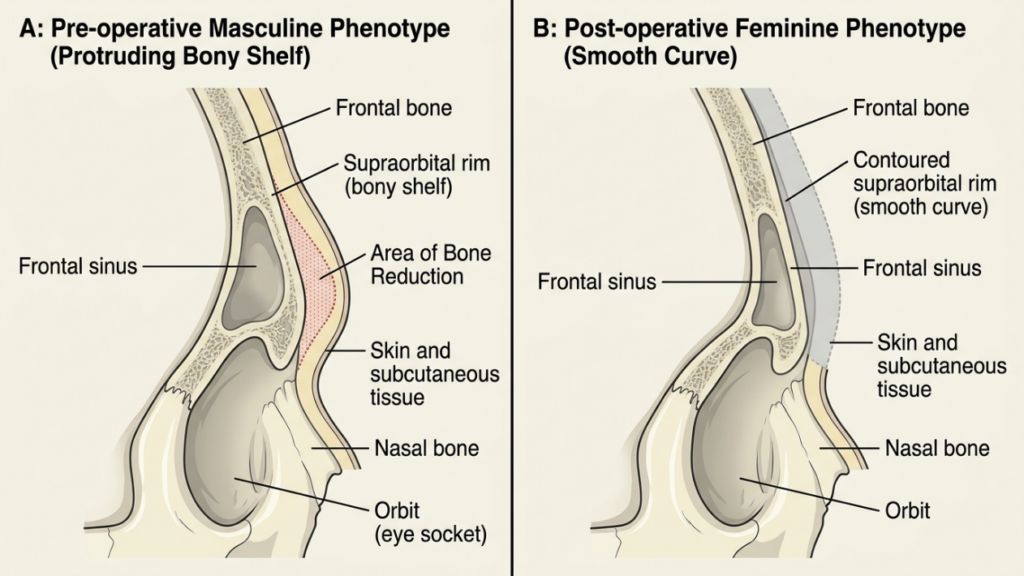
Надглазничный край лба у биологически мужского организма выступает вперед и вниз, образуя костный выступ, который затеняет верхнее веко и опускает положение бровей. Этот выступ создает механическую точку опоры для мягких тканей бровей. Круговая мышца глаза, мышца, сморщивающая бровь, и жировая подушечка надбровной дуги свисают с этого края, как ткань с края полки. Когда выступ сильно выступает, ткань свисает ниже.
контурирование супраорбитального края устраняет этот передне-нижний выступ. врач хирург Уменьшение костной ткани с помощью боров, рашпилей или остеотомии позволяет сформировать край брови, превратив выступающий выступ в более гладкую, смещенную назад женственную кривую. Когда эта костная полка исчезает, точка опоры мягких тканей смещается назад и немного вверх. Мягкие ткани надбровной дуги, ранее натянутые на выступающий гребень, теперь следуют новому контуру и располагаются в более высоком вертикальном положении относительно глазного яблока.
Представьте, что вы втягиваете внутрь стойку палатки. Ткань палатки не опускается; она разглаживается и поднимается вдоль нового вектора. Действует тот же принцип. перераспределение мягких тканей над измененной формой лобной кости. Доктор Мехмет Фатих Окьяй, сертифицированный специалист по пластической хирургии Европейского и Турецкого советов, регулярно наблюдает это геометрическое возвышение в своей практике. До После Галерея FFS пациенты, которые проходят контурирование лба с помощьюодновременно с подтяжкой бровей.
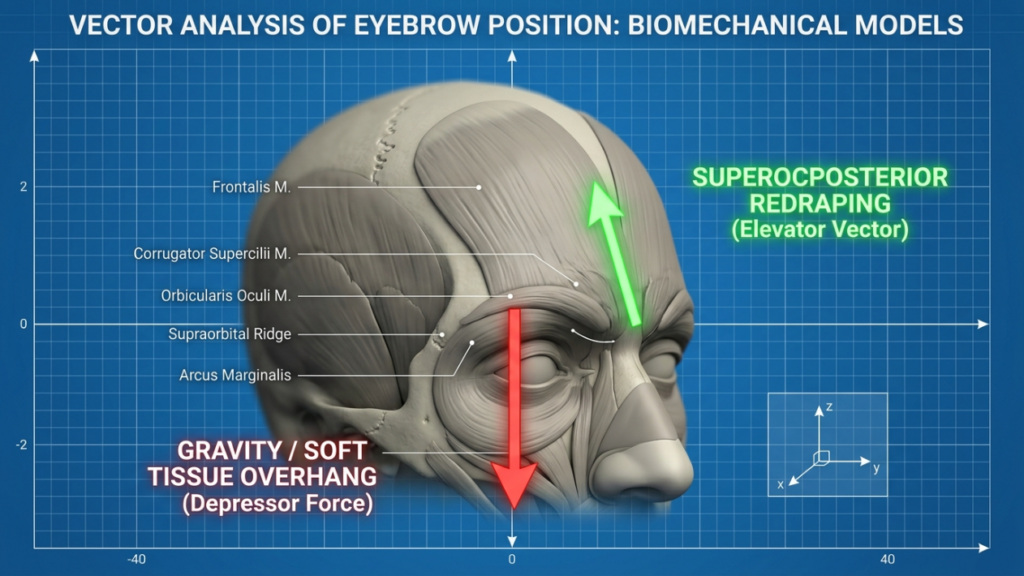
Векторный анализ: как уменьшение костной ткани геометрически приподнимает надбровную дугу.
Для понимания физики необходимо анализировать векторы сил. До операции выступающий надглазничный край создает две основные силы, действующие на бровь. Во-первых, вектор вращения вниз создаваемое силой тяжести, действующей на мягкотканную массу, свисающую с переднего края хряща. Во-вторых, вектор заднего смещения вызвано давлением веса ткани на костный выступ.
Когда врач хирург При выполнении редукции края глазницы оба вектора резко меняются. Вектор вращения вниз уменьшается, поскольку ткань больше не свисает с выступа, наклоненного вниз. Вместо этого новый плавный женственный контур создает вектор перераспределения в верхне-задней проекции.Мягкие ткани скользят по этой новой поверхности, и бровь визуально поднимается. Клинические измерения подтверждают поднятие брови на 2–4 миллиметра после изолированной коррекции контура края брови, что задокументировано в рецензируемой литературе по черепно-лицевой хирургии. (NCBI, 2018).
Это поднятие происходит за счет трех взаимосвязанных механизмов. Во-первых, удаление кости устраняет нижний выступ, который механически тянул бровь вниз. Во-вторых, рассечение надкостницы при корональном доступе освобождает мышцы, опускающие бровь, уменьшая их нисходящее воздействие на бровь. В-третьих, послеоперационная рубцовая контрактура вдоль реконструированной кости создает естественную подвеску, которая удерживает мягкие ткани в более высоком положении.
Количественная оценка векторного сдвига
Опытные хирурги могут оценить ожидаемый эффект подтяжки бровей, исходя из степени уменьшения края бровей. В типичной ситуации, когда мужчина меняет пол с мужчины на женщину. контурирование лба, Хирург удаляет от 3 до 7 миллиметров переднего костного выступа в области надглазничного края. Каждый миллиметр удаленного костного выступа соответствует приблизительно 0,5–0,7 миллиметрам вертикального подъема брови за счет геометрического векторного смещения. Это соотношение зависит от индивидуальной толщины мягких тканей, эластичности кожи и угла резецированной кости.
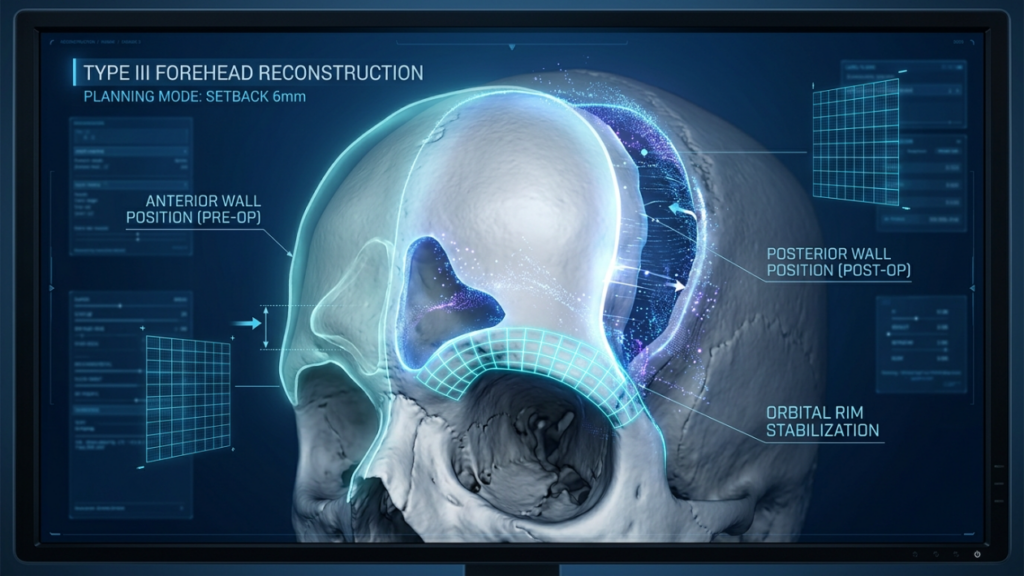
Динамика перераспределения мягких тканей после репозиции края глазницы
Перераспределение мягких тканей представляет собой определяющий механизм, лежащий в основе ощутимого эффекта подтяжки бровей после коррекции костных контуров. Эта концепция повторяет то, что происходит во время традиционной процедуры. подтяжка лицаКогда вы перемещаете нижележащую структуру, вышележащая оболочка принимает форму нового ландшафта. В отличие от подтяжка лица, однако, уменьшение края глазницы Это изменяет структуру кости, а не непосредственно перемещает мягкие ткани, однако визуальный результат напоминает подтяжку.
На эффективность восстановления мягких тканей после коррекции контуров межбровья влияют несколько факторов. У пациентов с более тонким слоем подкожной жировой ткани обычно наблюдается более выраженное восстановление, поскольку меньше тканевой массы, способной противостоять изменению положения. И наоборот, у пациентов с толстыми жировыми подушечками межбровья может наблюдаться менее заметное поднятие, поскольку более плотный тканевой слой сопротивляется движению.
Хирургический подход также влияет на динамику перераспределения тканей. Бикорональный разрез с широкой поднадкостничной диссекцией освобождает весь мягкотканный покров лба от костных прикреплений. Это освобождение позволяет тканям свободно перераспределяться по новому контуру. Напротив, разрез по линии роста волос с ограниченной диссекцией может не обеспечить адекватного освобождения, что приводит к менее выраженному изменению положения бровей. Доктор Мехмет Фатих Окьяй подчеркивает, что качество периостального освобождения напрямую коррелирует со степенью пассивного подъема бровей, достигаемого за счет Контурирование лба один.
Послеоперационный отек первоначально маскирует эффект подтяжки. В течение первых трех недель отек смещает брови вниз, создавая иллюзию отсутствия подтяжки. По мере того, как отек спадает в период с третьей по восьмую неделю, брови постепенно поднимаются, занимая новое геометрическое положение. Пациенты должны понимать этот временной промежуток, чтобы избежать преждевременного беспокойства по поводу положения своих бровей.
Феминизация лба без отдельной подтяжки: доказательства и результаты.
Клинические данные все чаще подтверждают наблюдение, что изолированная коррекция контуров надглазничного края приводит к измеримому подъему бровей. Возможно, наиболее убедительные данные получены в результате ретроспективного анализа пациентов с феминизацией лица, которым проводилась коррекция контуров лба без одновременной эндоскопической подтяжки бровей.
Знаковое исследование, анализирующее положение бровей после контурирования лба III типа, показало, что среднее поднятие бровей через шесть месяцев после операции составило 2,8 миллиметра, достигнутое без какой-либо фиксации или подвешивания бровей. (NCBI, 2018).Это открытие примечательно, поскольку оно количественно подтверждает то, что опытные хирурги, специализирующиеся на феминизации лица, давно наблюдали: одно лишь уменьшение объема костной ткани приподнимает брови.
Биомеханическое объяснение простое. Удаление нижнего костного выступа устраняет анатомическую структуру, которая механически заставляла бровь опускаться. Как только это препятствие исчезает, естественная эластичность тканей и силы послеоперационного заживления направляют бровь вверх. Подтяжка надкостницы, происходящая во время созревания рубца, дополнительно поддерживает это поднятие, создавая стабильный долгосрочный результат.
Сравнительные данные: только контурирование оправы против комбинированных процедур.
В приведенной ниже таблице обобщены сравнительные результаты, основанные на хирургическом подходе и клинических наблюдениях в случаях феминизации лица:
| Хирургический подход | Средняя высота надбровной дуги (мм) | Дополнительные шрамы | Увеличение времени выполнения операции | Риск осложнений |
|---|---|---|---|---|
| Изолированное контурирование обода | от 2,0 до 4,0 | Никаких (только коронарный разрез) | Исходный уровень | Низкий |
| Контурирование век + эндоскопическая подтяжка бровей | 3,5–6,0 | Височные разрезы | +45 до 60 минут | Умеренная степень тяжести (повреждение нервов, асимметрия) |
| Эндоскопическая подтяжка бровей (только подтяжка бровей) | от 1,5 до 3,0 | Височные разрезы | +30–45 минут | Умеренный (риск рецидива) |
| Контурирование края века + эндоскопическая подтяжка височной области | от 3,0 до 5,5 | Височные разрезы | +40–55 минут | Умеренный |
Полученные данные показывают, что изолированная коррекция контура бровей позволяет добиться значительного подъема бровей без увеличения времени операции, образования рубцов и риска осложнений, связанных с одновременными эндоскопическими процедурами. Доктор Мехмет Фатих Окьяй, член Европейского совета по пластической, реконструктивной и эстетической хирургии с 2018 года, использует эти данные для индивидуального планирования хирургического вмешательства для каждого пациента, как это задокументировано на Кто такой доктор МФО?.

Степень птоза бровей: когда одной лишь контурной коррекции недостаточно.
Не все брови одинаково реагируют на геометрическую подтяжку, достигаемую за счет контурирования края глазницы. Критически важным фактором является степень предоперационного птоза бровей. Пациенты с легким птозом, когда бровь располагается на уровне или вблизи верхнего края глазницы, неизменно достигают удовлетворительного подъема только за счет уменьшения объема кости. Преобладающая сила, опускающая бровь, у этих пациентов обусловлена костным нависанием, а не внутренней слабостью тканей.
Однако, птоз бровей Ситуация, превышающая умеренную степень тяжести, говорит об обратном. Когда бровь значительно опускается ниже верхнего края глазницы из-за возрастной дряблости тканей, гравитационного опущения мягких тканей или хронического ослабления лобной мышцы, уменьшение костной ткани не может полностью решить проблему. Коррекция контура края глазницы удаляет костный выступ, но удлиненный мягкотканный покров не обладает достаточной эластичностью, чтобы самостоятельно вернуться в молодое положение.
Для того чтобы отличить структурное углубление бровей, вызванное выступающим краем, от истинного птоза, вызванного слабостью мягких тканей, необходима тщательная предоперационная оценка. Выполнение редукции края бровей у пациента с выраженным птозом мягких тканей приводит к созданию феминизированного контура лба, но оставляет брови эстетически низкими, создавая дисгармонию между гладким костным контуром и положением опущенных мягких тканей.

Эндоскопическая подтяжка бровей: действительно необходима или излишняя?
Этот вопрос лежит в основе планирования хирургического вмешательства. Подтяжка бровей в рамках FFS.Ответ полностью зависит от индивидуальных особенностей пациента. Давать общие рекомендации за или против одновременной эндоскопической подтяжки бровей — значит чрезмерно упрощать клиническую реальность.
Ан эндоскопическая подтяжка бровей Этот тезис становится излишним, когда одновременно выполняются три условия. Во-первых, у пациента наблюдается выступающий надглазничный край, создающий значительный костный нависание. Во-вторых, у пациента хорошая эластичность кожи и минимальный истинный птоз мягких тканей бровей. В-третьих, пациенту около пятидесяти лет, и дряблость тканей еще не стала доминирующей депрессорной силой.
У этих отдельных пациентов одной лишь контурной пластики бровей достаточно для поднятия бровей на 2–4 миллиметра за счет смещения геометрического вектора и перераспределения мягких тканей. Добавление эндоскопической подтяжки бровей обеспечивает лишь незначительное дополнительное поднятие на 1–2 миллиметра, но при этом сопряжено с рисками, включая повреждение височного нерва, асимметричную фиксацию, расширение височных рубцов и увеличение времени операции.
И наоборот, эндоскопическая подтяжка бровей становится действительно необходимой, когда хирург выявляет любой из следующих признаков: значительную асимметрию бровей, превышающую 2 миллиметра между сторонами, истинный птоз мягких тканей с избытком кожи на верхнем веке, латеральное опущение бровей, которое невозможно исправить с помощью контурирования края века, или пациентов старше пятидесяти лет с явной дряблостью тканей. В этих сценариях геометрическая подтяжка, достигаемая за счет редукции костной ткани, не может компенсировать дефицит мягких тканей, и эндоскопическая процедура становится функционально необходимой.
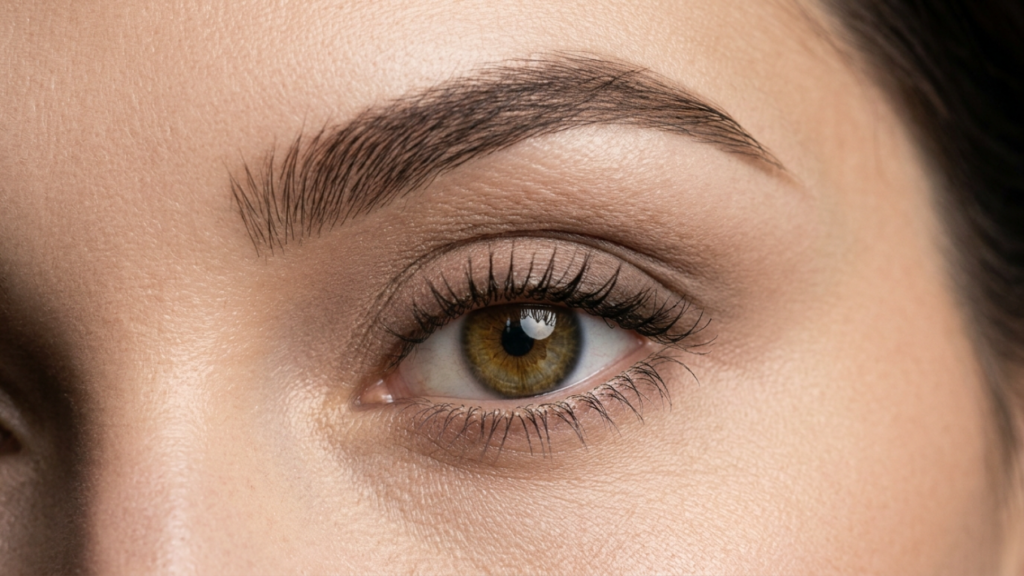
Эстетика формы бровей: как контурирование формирует женственную архитектуру бровей.
Помимо вертикального положения, эстетика дуги брови В значительной степени это зависит от лежащей в основе костной архитектуры. Мужской надглазничный край создает более плоскую, тяжелую бровь, которая расположена низко и выступает вперед. Женская дуга брови поднимается более круто от медиальной части к центру брови, достигает пика приблизительно на латеральном лимбусе радужной оболочки и плавно сужается к бокам.
Коррекция контура края брови напрямую влияет на эту дугу, изменяя костную основу под бровью. Когда хирург более агрессивно уменьшает медиальный и центральный надглазничный край, бровь наиболее заметно поднимается в центральной части, естественным образом создавая вершину женской дуги. Медиальная редукция устраняет тяжелый межбровный контур, который сглаживает бровь медиально, в то время как сохранение латерального края обеспечивает поддержку латеральной части брови.
Эта техника дифференцированного уменьшения позволяет хирургу формировать форму дуги брови путем избирательного удаления костной ткани. Агрессивное уменьшение центрального края приподнимает центральную часть брови сильнее, чем медиальный или латеральный сегменты, создавая естественную дугу. Симметричное уменьшение медиального и центрального сегментов обеспечивает более плавный и равномерный подъем, подходящий для пациентов, предпочитающих менее выраженную дугу брови.
Понимание Обратная связь по контурированию надглазничного края и положению бровей. Это позволяет хирургу предсказуемо контролировать форму бровей за счет целенаправленной резекции кости, а не полагаться исключительно на эндоскопические фиксирующие устройства. Такой подход дает результаты, которые выглядят и двигаются естественно, поскольку изменяется форма лежащей в основе структурной опоры, а не она подвешивается извне.
Динамика мягких тканей периорбитальной области во время редукции костной ткани
Периорбитальная область характеризуется наиболее сложным взаимодействием мягких тканей в верхней части лица. Понимание этой динамики позволяет понять, почему одна лишь коррекция контура бровей приподнимает брови и когда требуется дополнительное вмешательство.
Мягкотканный покров брови состоит из пяти различных слоев: кожи, подкожной жировой ткани, круговой мышцы глаза, ретроорбикулярной жировой ткани и надкостницы. Каждый слой по-разному реагирует на уменьшение объема костной ткани. Кожа пассивно принимает новый контур, движимая эластичностью и натяжением. Круговая мышца глаза, играющая важную роль в опускании брови, частично освобождается во время поднадкостничной диссекции, используемой для контурирования края брови.
Жировая подушка ретроорбикулярной мышцы глаза перераспределяется в соответствии с новой костной поверхностью. Когда надглазничный край выступает за края глазницы, эта жировая подушка скапливается спереди, создавая избыток объема бровей, который визуально утяжеляет их. После коррекции контура края глазницы гладкая костная поверхность позволяет жировой подушке опуститься дальше назад, уменьшая избыток объема передней части брови и создавая иллюзию дополнительного подъема.
При стандартном бикорональном подходе к контурированию лба частично рассекаются мышцы corrugator supercilii, которые оттягивают бровь медиально и вниз. Это рассечение обеспечивает дополнительное поднятие брови в медиальном направлении на 1–2 миллиметра независимо от эффекта уменьшения костной ткани.
Долгосрочная стабильность геометрической коррекции формы бровей.
И пациенты, и хирурги задаются вопросом, сохраняется ли эффект геометрической подтяжки бровей, достигаемый за счет контурирования края бровей, с течением времени. Эти опасения вполне обоснованы: процедуры на мягких тканях, такие как эндоскопическая подтяжка бровей, исторически характеризуются высоким уровнем рецидивов (до 30 процентов в течение двух лет) из-за нарушения фиксации и перераспределения силы тяжести.
Однако геометрический подъем, достигаемый за счет контурирования края брови, демонстрирует превосходную долговременную стабильность, поскольку механизм основан на постоянных структурных изменениях, а не на временной фиксации мягких тканей. После удаления кости она не может восстановиться. Мягкотканный покров навсегда принимает форму нового скелетного ландшафта. Данные клинического наблюдения через двенадцать месяцев и более подтверждают, что подъем брови после контурирования края брови остается стабильным, при этом в большинстве случаев отмечается рецидив менее чем на 0,5 миллиметра.
Рубцовая ткань, образующаяся между надкостницей и измененной формой кости в процессе заживления, дополнительно стабилизирует положение бровей. Эта биологическая фиксация заменяет необходимость в хирургических крепежных элементах, таких как винты, анкеры или швы, используемые при эндоскопической подтяжке бровей. Фактически, организм создает собственную постоянную внутреннюю систему фиксации.
Прогнозирование результатов: отбор пациентов для коррекции формы бровей только контуром.
Выбор подходящего кандидата для коррекции контура век без одновременной подтяжки бровей требует систематической оценки. Следующая схема поможет в принятии клинических решений, основанных на анатомических и индивидуальных особенностях пациента.
Оцените величину костного выступа.
Оцените данные компьютерной томографии или трехмерной реконструкции, чтобы количественно определить переднюю проекцию края надглазничной области относительно плоскости роговицы. Края, выступающие вперед более чем на 6 миллиметров, обычно создают значительное углубление бровей, а их уменьшение приводит к заметному поднятию бровей. Пациенты с проекцией менее 4 миллиметров получают минимальный геометрический подъем только за счет уменьшения.
Измерьте истинный птоз бровей.
Оцените расстояние от нижнего края брови до верхнего края глазницы в состоянии покоя. Пациенты с птозом менее 3 миллиметров неизменно достигают удовлетворительного подъема за счет одной лишь коррекции контура края глазницы. Пациентам с истинным птозом более 5 миллиметров почти всегда требуются дополнительные процедуры подтяжки, независимо от проведенного уменьшения костной ткани.
Оцените положение боковой части брови.
Боковая часть надбровной дуги располагается на линии височного сращения, где надглазничный край соединяется с височной фасцией. Коррекция контура края брови в основном затрагивает медиальную и центральную части, поскольку уменьшение объема кости концентрируется в этой зоне. Боковое опущение надбровной дуги редко поддается коррекции путем уменьшения объема медиальной и центральной кости, и часто требуется височная подтяжка, когда боковая часть брови значительно опускается.
Хирургическая техника: Максимальное увеличение геометрического подъема при коррекции контуров век.
Хирургическая техника коррекции контура бровей напрямую влияет на степень пассивного подъема бровей. Хирурги, понимающие геометрические принципы, могут корректировать схему резекции кости, чтобы максимизировать эффект подтяжки бровей.
В первую очередь следует уделить внимание уменьшению нижнего края века. Нижний выступ надглазничного края создает наиболее сильный вектор нисходящей силы, воздействующий на бровь. Агрессивное уменьшение этого нижнего края приводит к наибольшему геометрическому подъему брови. Уменьшение поверхности верхнего края сглаживает контур лба, но вносит меньший вклад в подъем брови, чем удаление нижнего края.
Во-вторых, необходимо создать плавную переходную зону между контурированным краем и сводом глазницы. Резкий скачок на краю глазницы может привести к неровностям мягких тканей и уменьшить эффект редрапирования. Постепенное сужение зоны удаления кости в сторону верхнего края глазницы обеспечивает плавное скольжение мягких тканей вдоль новой поверхности.
В-третьих, одновременно следует устранить выступание межбровной области. Надбровные бугорки, характерные для мужского лба, выступают между средними линиями бровей. Уменьшение этих бугорков снимает эффект опускания средней линии бровей, позволяя средней линии бровей естественным образом приподниматься.
Важные технические аспекты
Хирург должен соблюдать целостность передней и задней стенок лобной пазухи. Чрезмерное уменьшение передней стенки может привести к проникновению в полость пазухи, тогда как недостаточное уменьшение не позволит добиться адекватного контурирования. Контурирование лба III типа с отступом стенки пазухи и реконструкцией с помощью костного трансплантата, как описано в литературе по черепно-лицевой хирургии, обеспечивает наиболее комплексный подход при выраженном выпячивании надглазничного края и позволяет добиться наибольшего геометрического подъема бровей. (NCBI, 2018).
Гемостаз во время процедуры также влияет на перераспределение тканей. Чрезмерная каутеризация периорбитальных тканей может вызвать чрезмерную контрактуру рубцов, которая тянет бровь в непредсказуемых направлениях. Тщательная техника биполярной каутеризации сохраняет здоровье окружающих тканей и способствует предсказуемому, симметричному перераспределению тканей.
Когда следует комбинировать процедуры: эндоскопическая височная подтяжка в качестве вспомогательного метода.
Вместо того чтобы сразу прибегать к эндоскопической подтяжке бровей, рассмотрите следующие варианты: эндоскопическая височная подтяжка В качестве целенаправленного дополнительного метода, когда требуется приподнять боковую часть брови. Подтяжка височной области воздействует на внешний край брови без манипуляций с внутренней частью брови, что уже эффективно справляется с контурированием края брови.
Этот избирательный подход позволяет избежать чрезмерного воздействия на медиальную и центральную часть брови, где одной лишь контурной пластики достаточно для адекватного подъема, и целенаправленно воздействует на латеральный сегмент, где уменьшение объема кости оказывает минимальное воздействие. Подтяжка височной области увеличивает время операции примерно на 20-30 минут и выполняется через небольшие разрезы, скрытые в линии роста волос, что делает ее менее рискованным дополнительным методом по сравнению с полной эндоскопической подтяжкой бровей.
Доктор Мехмет Фатих Окьяй, обладающий обширным опытом в хирургии феминизации лица, работает в клинике Dr.MFO. Анталия, В ходе обследования проводится стандартная оценка необходимости отдельного лечения боковой части брови на основе предоперационной фотографии и трехмерного КТ-анализа. Такой индивидуальный подход позволяет избежать ненужных процедур и связанных с ними рисков.
Пошаговая инструкция: Как приподнять брови с помощью контурирования края века.
Выполните следующие практические шаги, чтобы максимально подчеркнуть геометрическую форму бровей во время Обратная связь по контурированию надглазничного края и положению бровей. процедуры:
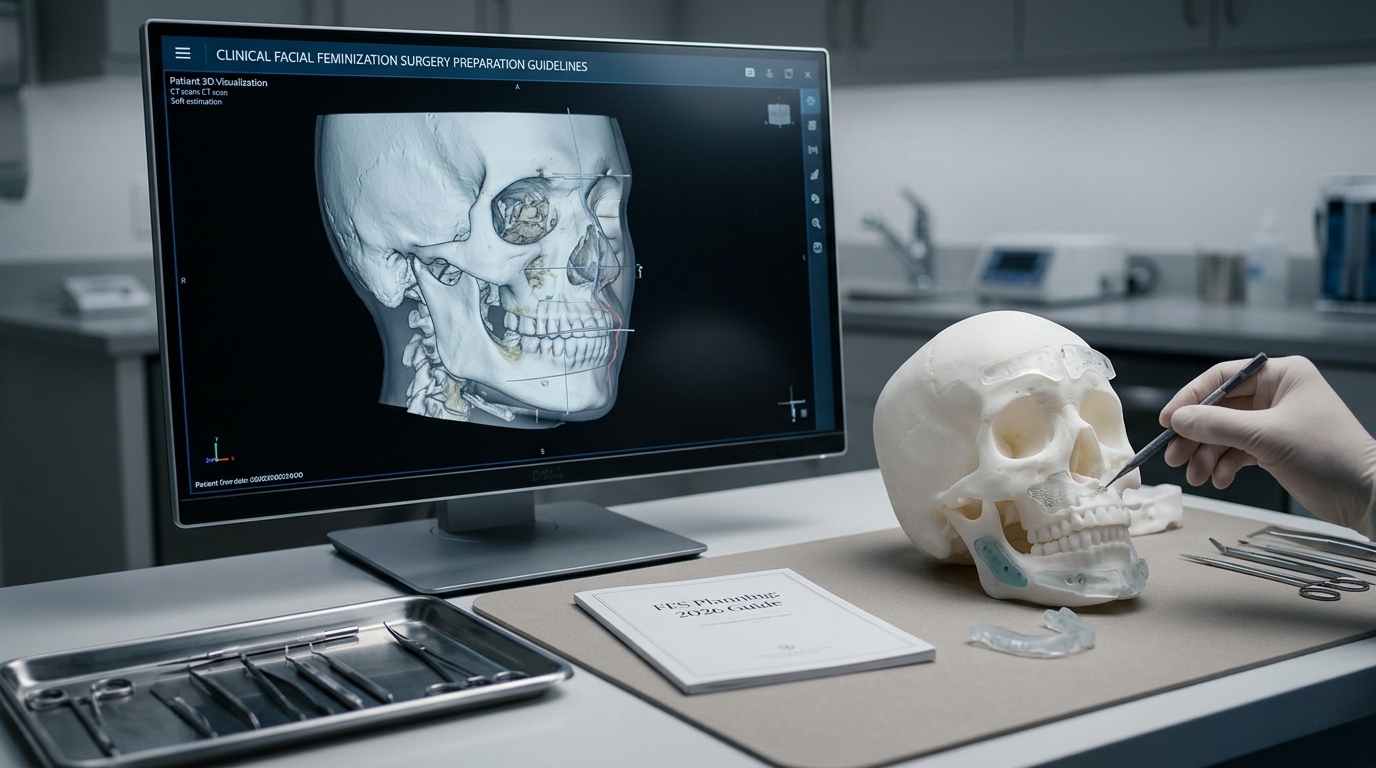
- Количественно оценить Передняя проекция надглазничного края с использованием трехмерной КТ-реконструкции с измерениями относительно плоскости роговицы до операции.
- Мера Предоперационное положение бровей от нижнего края брови до верхнего края глазницы в медиальной, центральной и латеральной точках для установления исходного уровня для послеоперационного сравнения.
- Дизайн Зона редукции костной ткани с акцентом на нижний край брови, где удаление создает наиболее сильный вектор перераспределения в верхне-заднем направлении для геометрического поднятия бровей.
- Выполнять Обширная субпериостальная диссекция через корональный доступ с высвобождением прикреплений мышцы corrugator и procerus для максимального эффекта пассивного перераспределения мягких тканей.
- Уменьшать Сначала нижний край века, затем контур плавно сужается кверху, переходя в лобную кость, создавая плавную женственную кривую, которая способствует естественному скольжению мягких тканей.
- Оценивать Интраоперационное определение положения бровей после контурирования и закрытия надкостницы, сравнение визуального положения с предоперационными фотографиями для определения необходимости дополнительного эндоскопического вмешательства.
- Документ Положение бровей после операции отслеживалось через один, три, шесть и двенадцать месяцев для контроля траектории геометрического подъема и подтверждения долгосрочной стабильности результата.
Готовы узнать, можно ли улучшить положение бровей только с помощью контурирования края века? Подайте заявку Пройдите сегодня индивидуальную консультацию хирурга.
Часто задаваемые вопросы
Что такое контурирование супраорбитального края и обратная связь по положению бровей?
Коррекция контура надглазничного края и обратная связь о положении бровей описывают биомеханический феномен, при котором уменьшение выступающего костного края над глазом приводит к перераспределению мягких тканей брови вдоль нового, более плавного контура, обеспечивая геометрическое поднятие бровей на 2–4 миллиметра без отдельной процедуры подтяжки.
Как удаление костной ткани позволяет подтянуть бровь без проведения косметической подтяжки?
Удаление нижнего костного выступа надглазничного края устраняет структурный нависающий элемент, который механически опускает бровь. Затем мягкие ткани перекрывают более гладкую, расположенную кзади поверхность кости, следуя вектору вверх-вниз, что создает видимое и измеримое поднятие брови.
В каких случаях необходима одновременная эндоскопическая подтяжка бровей?
Эндоскопическая подтяжка бровей становится необходимой при наличии у пациента значительного истинного птоза мягких тканей, превышающего 5 миллиметров, выраженного опущения бровей в стороны, асимметрии бровей более чем на 2 миллиметра между сторонами или дряблости тканей, обычно наблюдаемой у пациентов старше 50 лет.
Насколько можно приподнять брови только с помощью контурирования века?
Клинические измерения показывают, что изолированная коррекция контура надглазничного края приводит к подъему бровей на 2–4 миллиметра. Каждый миллиметр удаленного костного выступа соответствует приблизительно 0,5–0,7 миллиметрам вертикального подъема бровей за счет механизма геометрического векторного смещения.
Эффект от коррекции контура бровей, выражающийся в поднятии верхней губы, является постоянным?
Да, геометрическая подтяжка бровей с помощью контурирования края брови демонстрирует превосходную долговременную стабильность по сравнению с эндоскопической подтяжкой бровей. Поскольку кость удаляется навсегда, мягкие ткани навсегда принимают форму нового скелета, при этом сообщается о рецидиве менее чем на 0,5 миллиметра.
Почему сразу после операции по коррекции контура бровей кажется, что брови опущены?
Послеоперационный отек временно смещает брови вниз в течение первых трех недель после операции. По мере спада отека в период с третьей по восьмую неделю брови постепенно поднимаются, занимая новое геометрическое положение. Пациентам следует подождать не менее трех месяцев, прежде чем оценивать окончательное положение бровей.
В чём разница между структурным опущением бровей и истинным птозом бровей?
Структурное опущение бровей возникает, когда выступающий надглазничный край механически смещает брови вниз, и хорошо поддается коррекции только контура края. Истинный птоз связан с фактической дряблостью мягких тканей и их опущением, что требует дополнительных процедур подтяжки, поскольку уменьшение костной ткани не может восстановить эластичность обвисших тканей.