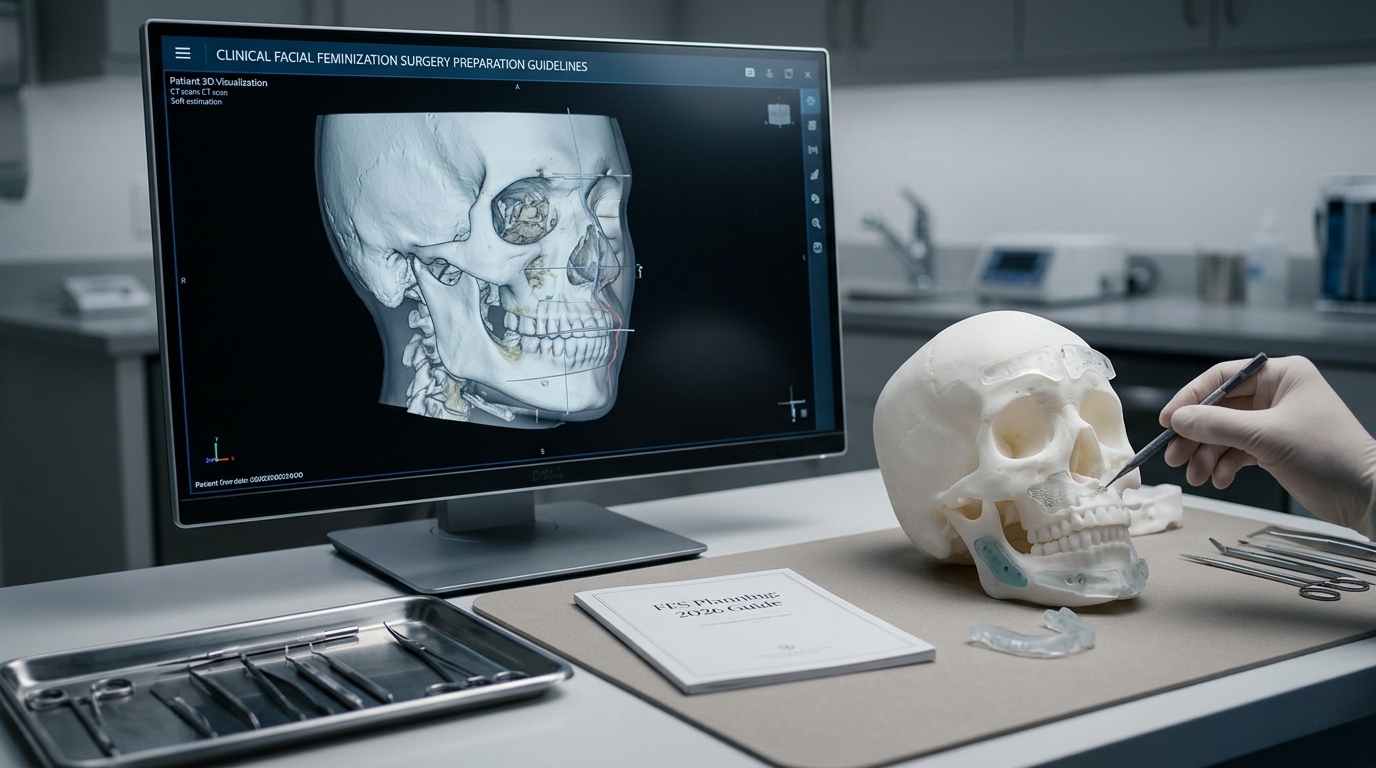

E se il lifting delle sopracciglia più potente in Femminilizzazione facciale L'intervento chirurgico non richiede fissazione, dispositivi di sospensione o procedure di sollevamento dedicate? I chirurghi programmano di routine un lifting endoscopico delle sopracciglia insieme rimodellamento della fronte, presupponendo che il sopracciglio necessiti di un sollevamento indipendente. Tuttavia, le osservazioni cliniche rivelano un fenomeno controintuitivo: Contornatura del bordo sovraorbitale e feedback sulla posizione delle sopracciglia È possibile ottenere un sollevamento geometrico del sopracciglio da 2 a 4 millimetri mediante la sola riduzione ossea. La rimozione del prominente bordo sovraorbitale modifica l'impalcatura meccanica sottostante il sopracciglio e i tessuti molli sovrastanti si ridistribuiscono lungo vettori di nuova formazione, creando un effetto lifting visibile senza necessità di un intervento chirurgico di lifting separato.
Questo meccanismo sfida il modello additivo convenzionale per l'estetica delle sopracciglia in femminilizzazione facciale.I pazienti e i chirurghi spesso credono che più procedure equivalgano a risultati migliori.Tuttavia, quando riduzione del bordo sovraorbitale Rimodellando la sporgenza ossea che si estende sotto il sopracciglio, il rivestimento dei tessuti molli si ridistribuisce superiormente lungo un nuovo piano di contorno. Tale ridistribuzione genera un sollevamento del sopracciglio percepito e misurabile. Questo articolo fornisce una precisa spiegazione biomeccanica di come la rimozione ossea sollevi il sopracciglio, quando un lifting endoscopico del sopracciglio diventa superfluo e quando rimane clinicamente necessario.
Sommario
La biomeccanica del rimodellamento del bordo sovraorbitale e il feedback sulla posizione delle sopracciglia
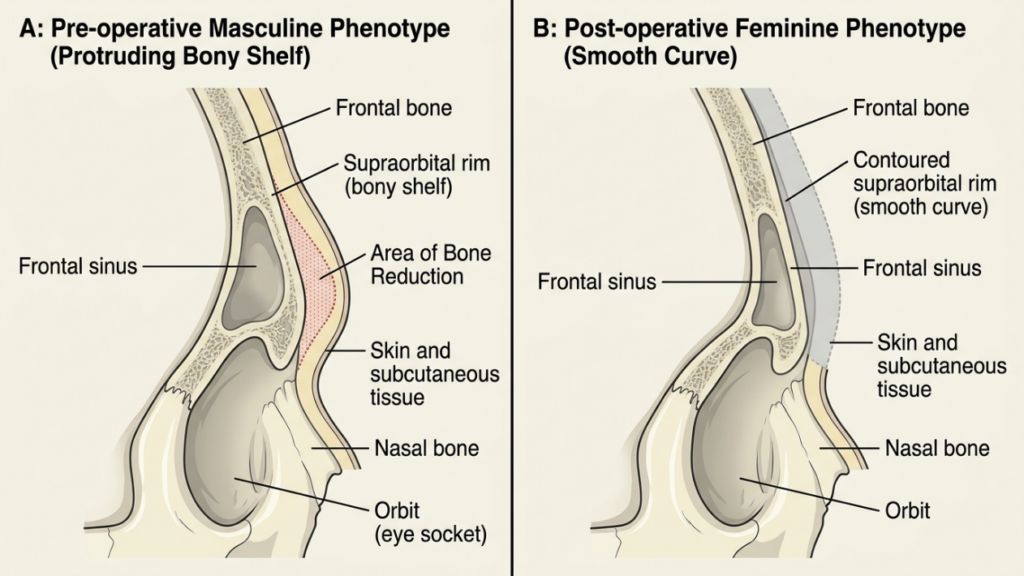
Il bordo sovraorbitale nella fronte biologicamente maschile si proietta anteriormente e inferiormente, formando una sporgenza ossea che ombreggia la palpebra superiore e abbassa la posizione visiva del sopracciglio. Questa sporgenza crea un punto di ancoraggio meccanico per i tessuti molli del sopracciglio. Il muscolo orbicolare dell'occhio, il muscolo corrugatore del sopracciglio e il cuscinetto adiposo galeale si adagiano su questo bordo come un tessuto sul bordo di una mensola. Quando la sporgenza è accentuata, il tessuto pende più in basso.
Contornatura del bordo sovraorbitale rimuove quella proiezione antero-inferiore. chirurgo Si riduce l'osso utilizzando frese, raspe o osteotomie, scolpendo il bordo da una sporgenza prominente in una curva femminile più liscia e arretrata posteriormente. Quando quella sporgenza ossea scompare, il punto di ancoraggio dei tessuti molli si sposta posteriormente e leggermente superiormente. L'involucro di tessuto molle del sopracciglio, precedentemente teso su una cresta prominente, ora segue il nuovo contorno e si posiziona verticalmente più in alto rispetto al bulbo oculare.
Immaginate di tirare verso l'interno un palo da tenda. Il tessuto della tenda non cade; si distende e si solleva lungo il nuovo vettore. Lo stesso principio governa rimodellamento dei tessuti molli sopra l'osso frontale rimodellato. Il dottor Mehmet Fatih Okyay, specialista in chirurgia plastica certificato a livello europeo e turco, osserva regolarmente questo sollevamento geometrico nel suo Galleria FFS prima e dopo pazienti sottoposti a contorno della fronte consenza un lifting delle sopracciglia simultaneo.
Analisi vettoriale: come la riduzione ossea solleva geometricamente il sopracciglio
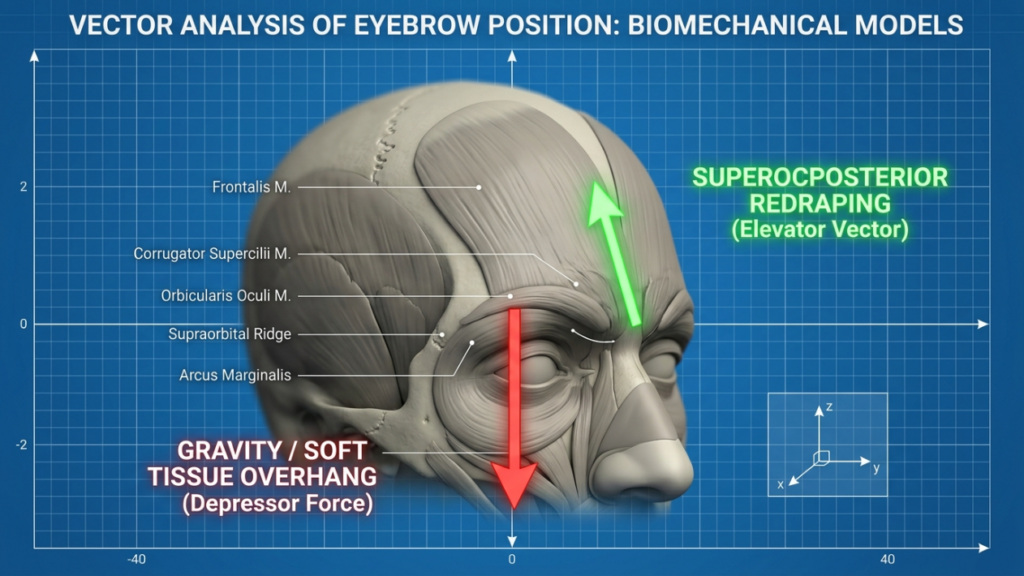
Comprendere la fisica richiede l'analisi dei vettori di forza. Prima dell'intervento chirurgico, il prominente bordo sovraorbitale crea due forze dominanti sul sopracciglio. In primo luogo, una vettore di rotazione verso il basso generato dalla gravità che agisce sulla massa di tessuto molle che pende dal bordo anteriore. In secondo luogo, un vettore di spostamento posteriore causato dal peso del tessuto che preme contro la prominenza ossea.
Quando il chirurgo esegue la riduzione del bordo orbitale, entrambi i vettori cambiano drasticamente. Il vettore di rotazione verso il basso diminuisce perché il tessuto non si drappeggia più su una sporgenza che si inclina inferiormente. Invece, il nuovo contorno femminile liscio crea un vettore di ridisegno superoposteriore.Il tessuto molle scorre lungo questa nuova superficie e il sopracciglio si solleva visivamente. Le misurazioni cliniche confermano un sollevamento del sopracciglio da 2 a 4 millimetri in seguito al rimodellamento isolato del bordo, documentato nella letteratura craniofacciale peer-reviewed. (NCBI, 2018).
Questo sollevamento avviene attraverso tre meccanismi interconnessi. In primo luogo, la rimozione dell'osso elimina la sporgenza inferiore che tirava meccanicamente il sopracciglio verso il basso. In secondo luogo, il rilascio del periostio durante l'approccio coronale libera i muscoli depressori del sopracciglio, riducendo la loro trazione verso il basso. In terzo luogo, la contrattura cicatriziale postoperatoria lungo l'osso rimodellato crea una sospensione naturale che mantiene i tessuti molli in una posizione più elevata.
Quantificazione dello spostamento vettoriale
I chirurghi esperti possono stimare il sollevamento del sopracciglio previsto in base al grado di riduzione del bordo. In un tipico intervento da uomo a donna rimodellamento della fronte, Il chirurgo rimuove da 3 a 7 millimetri di sporgenza ossea anteriore a livello del bordo sovraorbitale. Ogni millimetro di sporgenza ossea rimossa si traduce in circa 0,5-0,7 millimetri di elevazione verticale del sopracciglio attraverso lo spostamento vettoriale geometrico. Questo rapporto dipende dallo spessore individuale dei tessuti molli, dall'elasticità della pelle e dall'angolo dell'osso resecato.
Dinamiche di rimodellamento dei tessuti molli dopo la riduzione del bordo orbitario
Il rimodellamento dei tessuti molli rappresenta il meccanismo determinante alla base del sollevamento percepito delle sopracciglia dopo il rimodellamento osseo. Il concetto rispecchia ciò che accade durante un intervento tradizionale. lifting: quando si riposiziona la struttura sottostante, l'involucro sovrastante si adatta al nuovo paesaggio.A differenza di un lifting, Tuttavia, riduzione del bordo orbitale Modifica l'osso anziché riposizionare direttamente i tessuti molli, eppure il risultato visivo è simile a quello di un lifting.
Diversi fattori influenzano l'efficacia con cui i tessuti molli si rimodellano dopo un intervento di rimodellamento del contorno del naso. I pazienti con strati di grasso sottocutaneo più sottili in genere presentano un rimodellamento più marcato perché vi è meno massa tissutale a resistere allo spostamento di posizione. Al contrario, i pazienti con cuscinetti adiposi glabellari spessi possono notare un sollevamento più lieve, poiché l'involucro tissutale più pesante oppone resistenza al movimento.
Anche l'approccio chirurgico influisce sulla dinamica del rimodellamento. Un'incisione bicoronale con ampia dissezione sottoperiostea libera l'intero involucro di tessuto molle della fronte dai suoi attacchi ossei. Questo rilascio consente al tessuto di rimodellarsi liberamente sul nuovo contorno. Al contrario, un'incisione all'attaccatura dei capelli con dissezione limitata potrebbe non fornire un rilascio adeguato, con conseguente riposizionamento del sopracciglio meno evidente. Il Dr. Mehmet Fatih Okyay sottolinea che la qualità del rilascio periostale è direttamente correlata al grado di sollevamento passivo del sopracciglio ottenuto attraverso Contorno della fronte solo.
L'edema post-operatorio inizialmente maschera l'effetto di rimodellamento. Durante le prime tre settimane, il gonfiore spinge il sopracciglio verso il basso, creando l'illusione che non sia avvenuto alcun lifting. Man mano che l'edema si risolve, tra la terza e l'ottava settimana, il sopracciglio risale gradualmente fino a raggiungere la sua nuova posizione geometrica. I pazienti devono comprendere questa tempistica per evitare un'ansia prematura riguardo alla posizione del loro sopracciglio.
Femminilizzazione della fronte senza lifting separato: evidenze e risultati.
Le evidenze cliniche supportano sempre più l'osservazione che il rimodellamento isolato del bordo sovraorbitale produce un sollevamento misurabile delle sopracciglia. Forse i dati più convincenti provengono da analisi retrospettive di pazienti con FFS che si sono sottoposte a rimodellamento della fronte senza procedure concomitanti di lifting endoscopico delle sopracciglia.
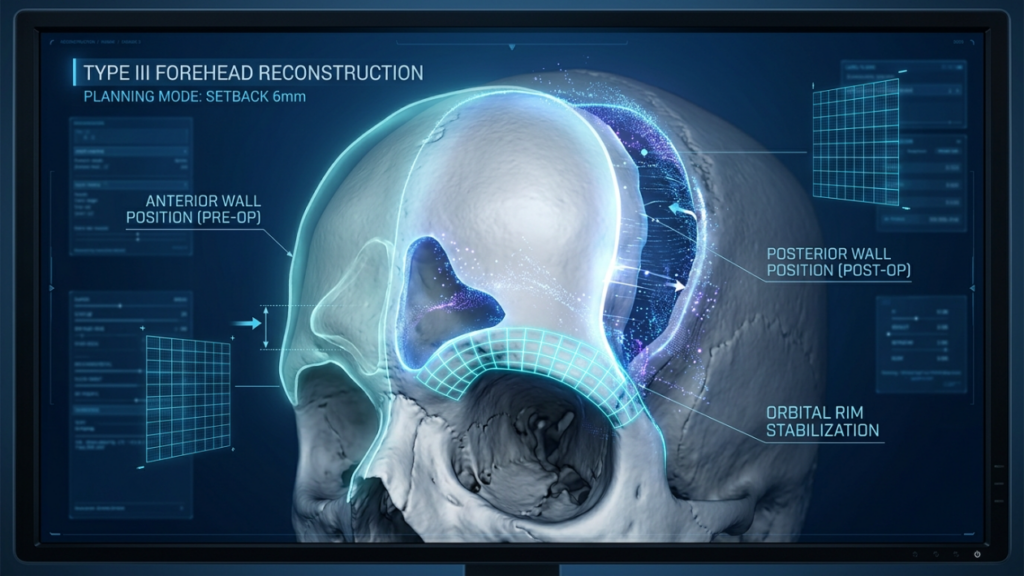
Uno studio fondamentale che ha analizzato la posizione postoperatoria delle sopracciglia dopo un intervento di rimodellamento della fronte di tipo III ha dimostrato che l'elevazione media delle sopracciglia era di 2,8 millimetri a sei mesi dall'intervento, ottenuta senza alcun fissaggio o sospensione delle sopracciglia. (NCBI, 2018).Questo risultato è notevole perché quantifica ciò che i chirurghi FFS esperti osservano da tempo: la sola riduzione ossea solleva il sopracciglio.
La spiegazione biomeccanica è semplice. La rimozione della sporgenza ossea inferiore elimina la struttura anatomica che costringeva meccanicamente il sopracciglio in una posizione depressa. Una volta scomparso questo ostacolo, l'elasticità naturale dei tessuti e le forze di guarigione post-operatoria guidano il sopracciglio verso l'alto. Il rassodamento del periostio che si verifica durante la maturazione della cicatrice supporta ulteriormente questo sollevamento, creando un risultato stabile a lungo termine.
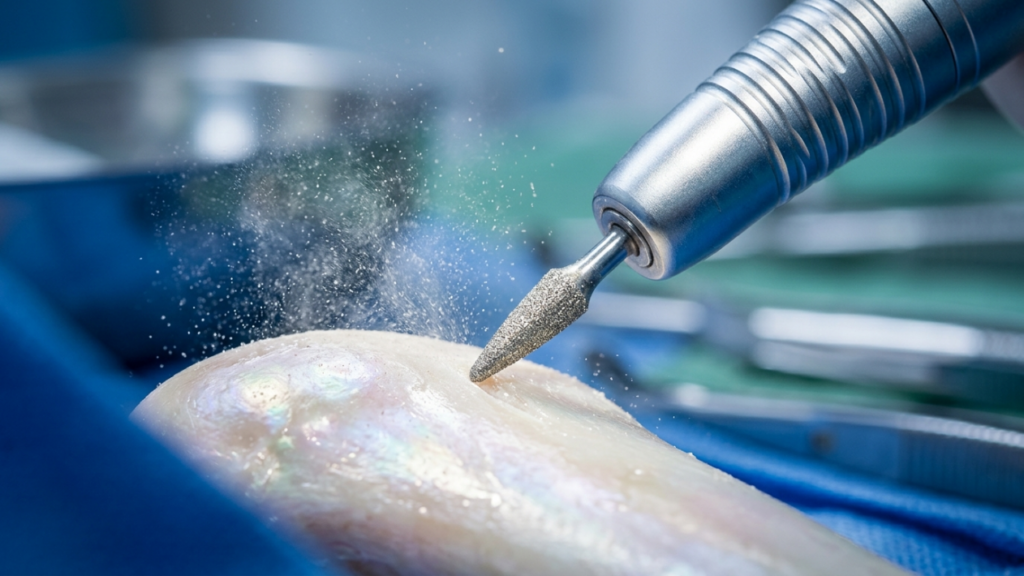
Dati comparativi: modellamento del cerchione da solo rispetto a procedure combinate
La tabella seguente riassume i risultati comparativi basati sull'approccio chirurgico e sulle osservazioni cliniche relative a casi di femminilizzazione facciale:
| Approccio chirurgico | Altezza media delle sopracciglia (mm) | Cicatrici aggiuntive | Aumento del tempo operativo | Rischio di complicanze |
|---|---|---|---|---|
| Contornatura isolata del bordo | Da 2,0 a 4,0 | Nessuna (solo incisione coronale) | Linea di base | Basso |
| Rimodelamento del bordo sopraccigliare + Lifting endoscopico delle sopracciglia | Da 3,5 a 6,0 | Incisioni temporali | +45 a 60 minuti | Moderato (lesione nervosa, asimmetria) |
| Solo lifting endoscopico del sopracciglio | Da 1,5 a 3,0 | Incisioni temporali | +30 a 45 minuti | Moderato (rischio di recidiva) |
| Rimodelamento del bordo vascolare + sollevamento endoscopico della regione temporale | Da 3,0 a 5,5 | Incisioni temporali | +40 a 55 minuti | Moderare |
I dati rivelano che il rimodellamento isolato del bordo sopraccigliare consente un significativo sollevamento del sopracciglio senza i tempi operatori aggiuntivi, le cicatrici e il rischio di complicanze associati alle procedure endoscopiche concomitanti. Il Dr. Mehmet Fatih Okyay, membro dell'European Board of Plastic, Reconstructive and Aesthetic Surgery dal 2018, utilizza queste evidenze per guidare la pianificazione chirurgica individualizzata per ogni paziente, come documentato su Chi è il dottor MFO?.

Gravità della ptosi del sopracciglio: quando il contouring da solo non basta
Non tutte le sopracciglia rispondono allo stesso modo al sollevamento geometrico derivante dal rimodellamento del bordo orbitario. Il fattore determinante è il grado di ptosi preoperatoria del sopracciglio. I pazienti con ptosi lieve, in cui il sopracciglio si trova a livello o in prossimità del bordo orbitario superiore, ottengono costantemente un sollevamento soddisfacente con la sola riduzione ossea. La forza depressoria dominante in questi pazienti deriva dalla sporgenza ossea piuttosto che dalla lassità intrinseca dei tessuti.
Tuttavia, ptosi del sopracciglio Un grado di gravità superiore a quello moderato racconta una storia diversa. Quando il sopracciglio è sceso significativamente al di sotto del bordo orbitario superiore a causa della lassità tissutale legata all'età, della discesa dei tessuti molli dovuta alla gravità o dell'indebolimento cronico del muscolo frontale, la riduzione ossea non può risolvere completamente il problema. Il rimodellamento del bordo rimuove la sporgenza ossea, ma l'involucro allungato dei tessuti molli non ha l'elasticità necessaria per riposizionarsi autonomamente in una posizione giovanile.
Distinguere tra depressione strutturale del sopracciglio causata da un bordo prominente e vera ptosi causata da lassità dei tessuti molli richiede un'attenta valutazione preoperatoria. Eseguire la riduzione del bordo in una paziente con grave ptosi dei tessuti molli produce un contorno della fronte femminilizzato ma lascia il sopracciglio esteticamente basso, creando una disarmonia tra il contorno osseo liscio e la posizione depressa dei tessuti molli.

Lifting endoscopico delle sopracciglia: davvero necessario o superfluo?
Questa domanda è al centro della pianificazione chirurgica per Lifting delle sopracciglia FFS.La risposta dipende interamente da fattori specifici del paziente. Fornire una raccomandazione generica a favore o contro il lifting endoscopico del sopracciglio concomitante semplifica eccessivamente la realtà clinica.
UN lifting endoscopico delle sopracciglia Diventa superfluo quando si verificano contemporaneamente tre condizioni. In primo luogo, il paziente presenta un bordo sovraorbitale prominente che crea una significativa sporgenza ossea. In secondo luogo, il paziente ha una buona elasticità cutanea e una ptosi del sopracciglio minima. In terzo luogo, il paziente ha meno di circa cinquant'anni, età in cui la lassità tissutale non è ancora diventata la forza depressoria dominante.
In questi pazienti selezionati, il solo rimodellamento del bordo sopraccigliare genera un sollevamento del sopracciglio di 2-4 millimetri grazie allo spostamento del vettore geometrico e al rimodellamento dei tessuti molli. L'aggiunta di un lifting endoscopico del sopracciglio fornisce solo un sollevamento aggiuntivo marginale di 1-2 millimetri, introducendo al contempo rischi quali lesioni del nervo temporale, fissazione asimmetrica, cicatrici temporali allargate e tempi operatori più lunghi.
Al contrario, il lifting endoscopico del sopracciglio diventa realmente necessario quando il chirurgo individua una delle seguenti condizioni: asimmetria significativa del sopracciglio superiore a 2 millimetri tra i due lati, vera ptosi dei tessuti molli con eccesso di cute nella palpebra superiore, discesa laterale del sopracciglio non correggibile con il rimodellamento del bordo palpebrale, oppure pazienti di età superiore ai cinquant'anni con lassità tissutale dimostrabile. In questi casi, il sollevamento geometrico derivante dalla riduzione ossea non è sufficiente a compensare il deficit dei tessuti molli e la procedura endoscopica diventa funzionalmente necessaria.
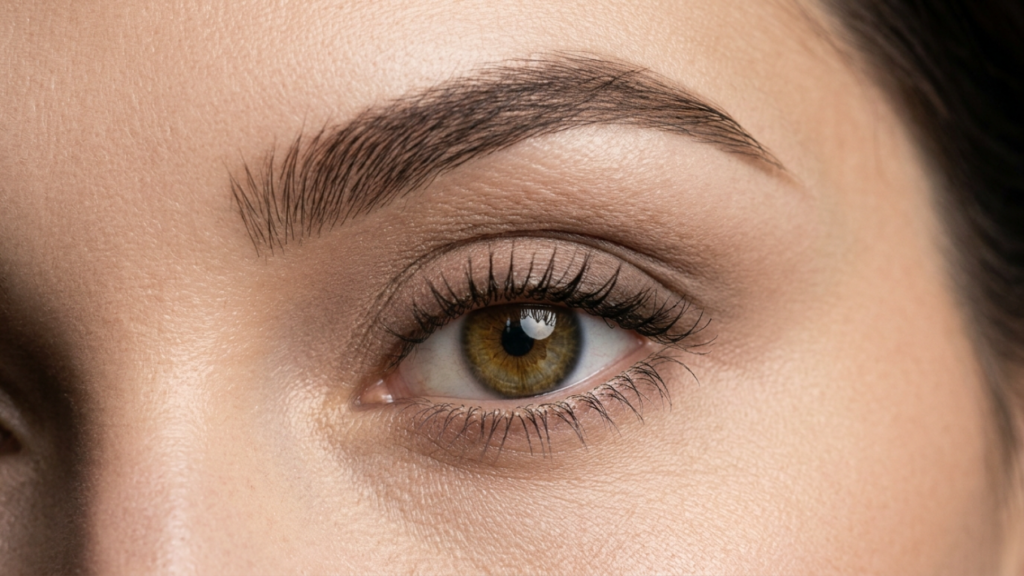
Estetica dell'arcata sopraccigliare: come il contouring modella l'architettura femminile delle sopracciglia.
Oltre la posizione verticale, estetica dell'arcata sopraccigliare dipendono fondamentalmente dall'architettura ossea sottostante. Il bordo sovraorbitale maschile crea un sopracciglio più piatto e pesante, che si posiziona in basso e si proietta in avanti. L'arco sopracciliare femminile si innalza più ripidamente dalla parte mediale a quella centrale del sopracciglio, raggiunge il suo apice approssimativamente al limbus laterale dell'iride e si assottiglia gradualmente lateralmente.
Il rimodellamento del bordo sovraorbitale influenza direttamente quest'arco modificando il substrato osseo sottostante il sopracciglio. Quando il chirurgo riduce in modo più aggressivo il bordo sovraorbitale mediale e centrale, il sopracciglio si solleva maggiormente nella porzione centrale, creando naturalmente l'arco apicale tipico del décolleté femminile. La riduzione mediale corregge il contorno glabellare prominente che appiattisce il sopracciglio medialmente, mentre la preservazione del bordo laterale mantiene il supporto laterale del sopracciglio.
Questa tecnica di riduzione differenziale consente al chirurgo di modellare la forma dell'arco sopraccigliare attraverso la rimozione selettiva dell'osso. Una riduzione aggressiva del bordo centrale solleva la parte centrale del sopracciglio più dei segmenti mediali o laterali, generando un arco naturale. Una riduzione mediale e centrale simmetrica crea un sollevamento più delicato e uniforme, adatto ai pazienti che preferiscono un sopracciglio meno arcuato.
Comprensione Contornatura del bordo sovraorbitale e feedback sulla posizione delle sopracciglia Consente al chirurgo di controllare in modo prevedibile la forma delle sopracciglia attraverso una resezione ossea mirata, anziché affidarsi esclusivamente a dispositivi di fissaggio endoscopici. Questo approccio produce risultati dall'aspetto e dal movimento naturali, poiché il supporto strutturale sottostante viene rimodellato anziché sospeso esternamente.
Dinamica dei tessuti molli periorbitali durante la riduzione ossea
La regione periorbitale presenta le interazioni dei tessuti molli più complesse della parte superiore del viso. Comprendere queste dinamiche chiarisce perché il solo rimodellamento del contorno sopraccigliare sia sufficiente a sollevare il sopracciglio e quando, al contrario, si renda necessario un intervento aggiuntivo.
Il rivestimento di tessuti molli del sopracciglio è costituito da cinque strati distinti: cute, tessuto adiposo sottocutaneo, muscolo orbicolare dell'occhio, tessuto adiposo retro-orbicolare e periostio. Ogni strato reagisce in modo diverso alla riduzione ossea. La cute si adatta passivamente al nuovo contorno, grazie alla sua elasticità e tensione. Il muscolo orbicolare dell'occhio, un importante depressore del sopracciglio, si rilascia parzialmente durante la dissezione sottoperiostea utilizzata per il rimodellamento del bordo sopraccigliare.
Il cuscinetto adiposo retro-orbicolare dell'occhio si ridistribuisce in base alla nuova superficie ossea. Quando il bordo sovraorbitale sporge, questo cuscinetto adiposo si accumula anteriormente, creando un eccesso di volume che appesantisce visivamente il sopracciglio. Dopo il rimodellamento del bordo, la superficie ossea liscia permette al cuscinetto adiposo di posizionarsi più posteriormente, riducendo l'eccesso di volume anteriore del sopracciglio e creando l'illusione di una maggiore elevazione.
I muscoli corrugatori del sopracciglio, che tirano il sopracciglio medialmente e inferiormente, vengono parzialmente rilasciati durante l'approccio bicoronale standard per il rimodellamento della fronte. Questo rilascio contribuisce a un ulteriore sollevamento mediale del sopracciglio di 1-2 millimetri, indipendentemente dall'effetto di riduzione ossea.
Stabilità a lungo termine dell'elevazione geometrica del sopracciglio
Sia i pazienti che i chirurghi si chiedono se il lifting geometrico del sopracciglio ottenuto con il rimodellamento del contorno sopraccigliare sia duraturo nel tempo. La preoccupazione è legittima: le procedure sui tessuti molli, come il lifting endoscopico del sopracciglio, storicamente presentano tassi di recidiva che possono raggiungere il 30% a due anni, a causa del cedimento della fissazione e della ridistribuzione gravitazionale.
Tuttavia, il sollevamento geometrico ottenuto con il rimodellamento del bordo sopraccigliare dimostra una stabilità a lungo termine superiore, poiché il meccanismo si basa su un cambiamento strutturale permanente piuttosto che su una sospensione temporanea dei tessuti molli. Una volta rimosso l'osso, questo non può ricrescere. L'involucro dei tessuti molli si adatta permanentemente al nuovo profilo scheletrico. I dati di follow-up clinico a dodici mesi e oltre confermano che l'elevazione del sopracciglio ottenuta con il rimodellamento del bordo sopraccigliare rimane stabile, con una recidiva inferiore a 0,5 millimetri riportata nella maggior parte delle casistiche.
Il tessuto cicatriziale che si forma tra il periostio e l'osso rimodellato durante la fase di guarigione stabilizza ulteriormente la posizione del sopracciglio. Questa fissazione biologica sostituisce la necessità di dispositivi di sospensione chirurgica come viti, ancore o suture utilizzate nei lifting endoscopici del sopracciglio. In pratica, il corpo crea il proprio sistema di fissazione interna permanente.
Previsione dei risultati: selezione dei pazienti per il lifting del sopracciglio con solo rimodellamento
La selezione del candidato ideale per il rimodellamento del contorno labiale senza lifting simultaneo del sopracciglio richiede una valutazione sistematica. Il seguente schema guida il processo decisionale clinico sulla base di variabili anatomiche e specifiche del paziente.
Valutare l'entità della sporgenza ossea
Valutare la TAC o la ricostruzione tridimensionale per quantificare la proiezione anteriore del bordo sovraorbitale rispetto al piano corneale. I bordi che proiettano più di 6 millimetri anteriormente creano in genere una significativa depressione del sopracciglio e la loro riduzione produce un notevole sollevamento del sopracciglio. I pazienti con una proiezione inferiore a 4 millimetri ottengono un sollevamento geometrico minimo dalla sola riduzione.
Misurare la vera ptosi del sopracciglio
Valutare la distanza tra il bordo inferiore del sopracciglio e il bordo orbitario superiore a riposo. I pazienti con una ptosi inferiore a 3 millimetri ottengono costantemente un sollevamento soddisfacente con il solo rimodellamento del bordo orbitario. I pazienti con una ptosi vera superiore a 5 millimetri richiedono quasi sempre procedure di sollevamento aggiuntive, indipendentemente dalla riduzione ossea effettuata.
Valutare la posizione laterale del sopracciglio
La porzione laterale del sopracciglio si trova in corrispondenza della linea di fusione temporale, dove il bordo sovraorbitale incontra la fascia temporale. Il rimodellamento del bordo interessa principalmente la porzione mediale e centrale del sopracciglio, poiché la riduzione ossea si concentra in questa zona. La ptosi laterale del sopracciglio raramente risponde alla riduzione ossea mediale e centrale, rendendo spesso necessario un lifting temporale quando la porzione laterale è significativamente cadente.
Tecnica chirurgica: massimizzazione del sollevamento geometrico durante il rimodellamento del bordo
La tecnica chirurgica per il rimodellamento del contorno sopraccigliare influisce direttamente sul grado di sollevamento passivo del sopracciglio ottenuto. I chirurghi che comprendono i principi geometrici possono adattare il loro schema di resezione ossea per massimizzare l'effetto lifting del sopracciglio.
Innanzitutto, dare priorità alla riduzione del bordo inferiore del contorno sopracciliare. Il bordo inferiore del contorno sopracciliare crea la forza vettoriale verso il basso più forte sul sopracciglio. Una riduzione aggressiva di questo bordo inferiore si traduce nel massimo sollevamento geometrico del sopracciglio. La riduzione della superficie del bordo superiore leviga il contorno della fronte, ma contribuisce meno al sollevamento del sopracciglio rispetto alla rimozione del bordo inferiore.
In secondo luogo, è necessario creare una zona di transizione graduale tra il bordo sagomato e il tetto orbitario. Un brusco dislivello al margine del bordo orbitario può creare irregolarità dei tessuti molli e ridurre l'effetto di rimodellamento. La graduale riduzione della quantità di osso rimosso verso il bordo orbitario superiore garantisce che l'involucro dei tessuti molli scorra agevolmente lungo la nuova superficie.
In terzo luogo, è necessario intervenire contemporaneamente sulla prominenza glabellare. Le protuberanze glabellari che caratterizzano la fronte maschile sporgono tra le sopracciglia mediali. Riducendo queste protuberanze si elimina l'effetto depressore delle sopracciglia mediali, consentendo a queste ultime di sollevarsi naturalmente.
Considerazioni tecniche critiche
Il chirurgo deve rispettare le pareti anteriore e posteriore del seno frontale. Una riduzione eccessiva della parete anteriore rischia di penetrare nella cavità sinusale, mentre una riduzione inadeguata non consente di ottenere un contorno soddisfacente. Il rimodellamento della fronte di tipo III con arretramento della parete del seno e ricostruzione con innesto osseo, come descritto nella letteratura craniofacciale, rappresenta l'approccio più completo per la grave prominenza del bordo sovraorbitale e genera il massimo sollevamento geometrico del sopracciglio. (NCBI, 2018).
L'emostasi durante la procedura influenza anche il rimodellamento del sopracciglio. Una cauterizzazione eccessiva dei tessuti periorbitali può causare un'eccessiva contrazione cicatriziale, che tira il sopracciglio in direzioni imprevedibili. Una meticolosa tecnica di cauterizzazione bipolare preserva la salute dei tessuti circostanti e favorisce un rimodellamento prevedibile e simmetrico.
Quando combinare le procedure: il sollevamento temporale endoscopico come procedura aggiuntiva
Invece di optare per un lifting completo del sopracciglio endoscopico, si consideri il sollevamento temporale endoscopico come trattamento mirato aggiuntivo quando è necessario sollevare la parte laterale del sopracciglio. Il lifting temporale agisce sulla parte esterna del sopracciglio senza manipolare la parte mediale, che il rimodellamento del contorno sopraccigliare gestisce già efficacemente.
Questo approccio selettivo evita il sovratrattamento della parte mediale e centrale del sopracciglio, dove il solo rimodellamento produce un sollevamento adeguato, concentrandosi invece specificamente sul segmento laterale, dove la riduzione ossea ha un effetto minimo. Il lifting temporale aggiunge circa 20-30 minuti di tempo operatorio e crea piccole incisioni nascoste all'interno dell'attaccatura dei capelli, rendendolo un complemento a minor rischio rispetto al lifting endoscopico completo del sopracciglio.
Il dottor Mehmet Fatih Okyay, con la sua vasta esperienza nella chirurgia di femminilizzazione facciale presso la clinica Dr.MFO a Adalia, valuta di routine se la parte laterale del sopracciglio necessita di un trattamento indipendente sulla base di fotografie preoperatorie e analisi TC tridimensionale. Questo approccio individualizzato evita procedure non necessarie e i rischi ad esse associati.
Guida passo passo: come sollevare le sopracciglia con il contouring del bordo
Segui questi passaggi pratici per massimizzare l'elevazione geometrica delle sopracciglia durante Contornatura del bordo sovraorbitale e feedback sulla posizione delle sopracciglia procedure:
- Quantificare Proiezione anteriore del bordo sovraorbitale mediante ricostruzione TC tridimensionale con misurazioni relative al piano corneale prima dell'intervento chirurgico.
- Misura Posizione preoperatoria del sopracciglio, dal margine inferiore al bordo orbitario superiore, nei punti mediale, centrale e laterale, per stabilire la linea di base per il confronto postoperatorio.
- Progetto la zona di riduzione ossea con particolare attenzione al bordo inferiore, dove la rimozione genera il vettore di rimodellamento superoposteriore più forte per l'elevazione geometrica del sopracciglio.
- Eseguire Ampia dissezione sottoperiostea attraverso l'approccio coronale, con rilascio delle inserzioni del corrugatore e del procerus per massimizzare l'effetto di ridistribuzione passiva dei tessuti molli.
- Ridurre Iniziate dal bordo inferiore, quindi assottigliate il contorno verso l'alto fino all'osso frontale, creando una curva femminile armoniosa che favorisce lo scorrimento naturale dei tessuti molli.
- Valutare Posizione intraoperatoria del sopracciglio dopo il rimodellamento e la chiusura del periostio, confrontando la posizione visiva con le fotografie preoperatorie per determinare se è necessario un ulteriore intervento endoscopico.
- Documento Valutazione della posizione del sopracciglio nel periodo postoperatorio a uno, tre, sei e dodici mesi, al fine di monitorare la traiettoria geometrica di elevazione e confermare la stabilità a lungo termine del risultato.
Sei pronta a scoprire se la posizione delle tue sopracciglia può migliorare semplicemente con il contouring del contorno sopraccigliare? Invia la tua candidatura Oggi stesso potrete ricevere una valutazione chirurgica personalizzata.
Domande frequenti
Che cos'è il rimodellamento del bordo sovraorbitale e il feedback sulla posizione delle sopracciglia?
Il rimodellamento del bordo sovraorbitale e il feedback sulla posizione del sopracciglio descrivono il fenomeno biomeccanico per cui la riduzione del prominente bordo osseo sopra l'occhio fa sì che i tessuti molli del sopracciglio sovrastanti si ridistribuiscano lungo un nuovo contorno più liscio, producendo un sollevamento geometrico del sopracciglio da 2 a 4 millimetri senza un intervento di lifting separato.
Come si può sollevare il sopracciglio rimuovendo l'osso senza ricorrere a un intervento di lifting?
La rimozione della sporgenza ossea inferiore del bordo sovraorbitale elimina la struttura sporgente che abbassa meccanicamente il sopracciglio. Il tessuto molle si ridistribuisce quindi sulla superficie ossea più liscia e posizionata posteriormente, seguendo un vettore superoposteriore che crea un sollevamento del sopracciglio visibile e misurabile.
Quando è necessario un lifting endoscopico del sopracciglio concomitante?
Un lifting endoscopico del sopracciglio si rende necessario quando il paziente presenta una ptosi significativa dei tessuti molli superiore a 5 millimetri, una pronunciata discesa laterale del sopracciglio, un'asimmetria del sopracciglio superiore a 2 millimetri tra i due lati o la lassità dei tessuti, tipicamente riscontrabile nei pazienti di età superiore ai 50 anni.
Quanto sollevamento delle sopracciglia si può ottenere con la sola contornatura del contorno?
Le misurazioni cliniche dimostrano che il rimodellamento isolato del bordo sovraorbitale produce un sollevamento del sopracciglio da 2 a 4 millimetri. Ogni millimetro di sporgenza ossea rimossa si traduce in un sollevamento verticale del sopracciglio di circa 0,5-0,7 millimetri attraverso il meccanismo di spostamento vettoriale geometrico.
L'effetto di sollevamento delle sopracciglia ottenuto con il contouring del contorno è permanente?
Sì, il lifting geometrico del sopracciglio ottenuto mediante rimodellamento del contorno del contorno sopraccigliare dimostra una stabilità a lungo termine superiore rispetto ai lifting endoscopici. Poiché l'osso viene rimosso in modo permanente, il tessuto molle si adatta in modo permanente al nuovo profilo scheletrico, con una recidiva riportata inferiore a 0,5 millimetri.
Perché il sopracciglio appare abbassato subito dopo un intervento di rimodellamento del contorno sopraccigliare?
L'edema post-operatorio spinge temporaneamente il sopracciglio verso il basso durante le prime tre settimane successive all'intervento. Man mano che il gonfiore si risolve, tra la terza e l'ottava settimana, il sopracciglio risale gradualmente fino a raggiungere la sua nuova posizione geometrica. I pazienti dovrebbero attendere almeno tre mesi prima di valutare la posizione definitiva del sopracciglio.
Qual è la differenza tra depressione strutturale del sopracciglio e vera ptosi del sopracciglio?
La depressione strutturale del sopracciglio si verifica quando un bordo sovraorbitale prominente spinge meccanicamente il sopracciglio verso il basso e risponde bene al solo rimodellamento del bordo. La vera ptosi comporta un'effettiva lassità e discesa dei tessuti molli, che richiede ulteriori procedure di lifting poiché la riduzione ossea non può ripristinare l'elasticità dei tessuti cadenti.