
Феминизация лица Хирургия лица и шеи (FFS) представляет собой чрезвычайно сложный и глубоко личный процесс, предлагающий трансформационный путь для людей, стремящихся привести свою внешность в соответствие со своей утвержденной женской идентичностью. Эта узкоспециализированная область черепно-лицевой и пластической хирургии выходит за рамки простых эстетических улучшений, требуя тщательного, индивидуального подхода, учитывающего глубокие и присущие человеческой анатомии вариации. Фундаментальный принцип, лежащий в основе успешного хирургического вмешательства, заключается в следующем: феминизация лица Суть в том, что нет двух одинаковых лиц, и они не обладают одинаковым набором мужских черт, которые необходимо корректировать. Поэтому методология “один размер подходит всем” по своей сути не подходит для достижения оптимальных, естественных и по-настоящему удовлетворительных результатов. Вместо этого процесс требует индивидуальной хирургической стратегии, тщательно адаптированной к уникальной скелетной и мягкотканной архитектуре каждого пациента, которая представляет собой сложное взаимодействие генетической предрасположенности, факторов развития и влияния гормонов.
В этом всеобъемлющем руководстве подробно рассматривается важнейшая роль особенностей анатомии лица в формировании точных хирургических вмешательств и техник, используемых в рамках FFS, подчеркивая, как тонкое понимание индивидуальных особенностей приводит к по-настоящему персонализированной и эффективной трансформации. Мы рассмотрим, как опытные хирурги ориентируются в сложном ландшафте краниофациальных различий между полами, которые варьируются от едва заметных контуров бровей до более выраженных углов челюсти, и как эти анатомические нюансы непосредственно влияют на выбор и выполнение феминизирующих процедур. Цель состоит не только в том, чтобы смягчить явно маскулинные черты, но и в формировании целостного и сбалансированного внешнего вида лица, достоверно отражающего гендерную идентичность человека, тем самым улучшая психологическое благополучие, смягчая гендерную дисфорию и способствуя социальному утверждению (Barnett et al., 2023).
В этом исследовании будут рассмотрены передовые диагностические инструменты, такие как 3D-визуализация высокого разрешения и сложные системы виртуального хирургического планирования, позволяющие хирургам создавать детальный трёхмерный макет лица пациента. Эта технологическая интеграция обеспечивает беспрецедентный уровень точности предоперационной стратегии, позволяя моделировать результаты и создавать индивидуальные хирургические шаблоны. Кроме того, мы рассмотрим, как различные хирургические методики, включая как костные модификации, затрагивающие фундаментальный каркас лица, так и коррекцию мягких тканей, которая обеспечивает деликатные завершающие штрихи, синергетически интегрируются для достижения гармоничного результата, сохраняющего естественность и при этом обеспечивающего глубокую феминизацию.
В ходе обсуждения будут рассмотрены важнейшие аспекты управления ожиданиями пациентов, обеспечения их соответствия хирургическому реализму и понимания уникальных проблем, связанных со значительными анатомическими вариациями. Мы также подчеркнем первостепенную важность выбора высококвалифицированного специалиста, обладающего глубоким пониманием как эстетических принципов, так и сложных методов краниофациальной реконструкции. В конечном итоге, этот подробный анализ призван осветить глубокое взаимодействие между индивидуальной анатомией лица и хирургическим мастерством, показав, как глубоко персонализированный подход не только полезен, но и является краеугольным камнем преобразующих, долгосрочных и глубоко значимых результатов феминизации лица. Будут рассмотрены конкретные методики, такие как... гениопластика Для коррекции формы подбородка крайне важно оценить глубину этой специализации. Возможность изменять проекцию, высоту и ширину подбородка позволяет кардинально изменить восприятие лица, преобразуя типично мужскую черту в ту, которая гармонирует с более мягким, женственным профилем.Доктор МФО, 2025а).

Оглавление
Понимание концепции: основополагающая анатомия феминизации лица
Перед началом любого хирургического вмешательства крайне важно глубокое понимание анатомии лица пациента. Профессиональная феминизация лица врач хирург Тщательно оценивается сложное взаимодействие нижележащих костных и вышележащих мягких тканей. Эта всесторонняя оценка имеет решающее значение, поскольку присущие различия в пропорциях скелета и распределении мягких тканей являются ключевыми факторами, определяющими воспринимаемый пол. Например, такие специфические ориентиры скелета, как глабелла, лобный выступ и угол нижней челюсти, вносят значительный вклад в эти различия.
Как правило, мужские черты лица часто характеризуются более выраженными надбровными дугами, более широкой и квадратной линией челюсти, большим и более выступающим вперед подбородком, а также отчетливым профилем носа, отличающимся более высокой переносицей и меньшим подъемом кончика. В отличие от этого, женские черты лица характеризуются более гладким лбом, более сужающейся линией челюсти, изящным подбородком и меньшим, более утонченным носом. Однако степень выраженности этих черт значительно варьируется у разных людей из-за генетических, этнических и факторов развития (Alraddadi, 2021). Распознавание этих индивидуальных анатомических нюансов — это не просто этап наблюдения, а основополагающее условие для разработки действительно индивидуального и эффективного хирургического плана. Такая точность предотвращает искусственный или “прооперированный” вид, гарантируя, что результаты будут естественными и соответствовать уникальной красоте человека.
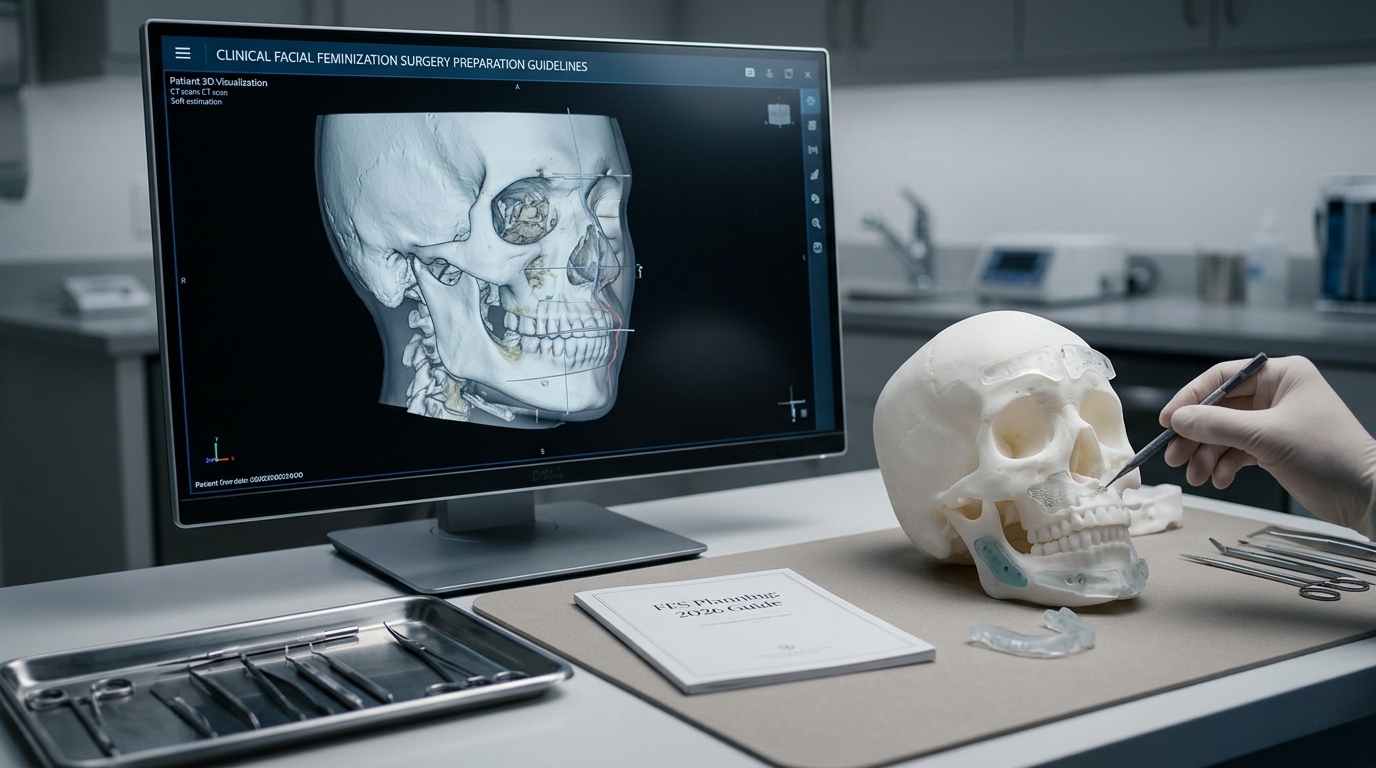
Для получения этой подробной анатомической схемы незаменимую роль играет современная диагностическая визуализация. Часто используются трехмерные компьютерные томографические (3D КТ) снимки, обеспечивающие высокоразрешенную трехмерную реконструкцию уникальной скелетной и мягкотканной архитектуры пациента. Эти снимки предлагают беспрецедентный обзор плотности костной ткани, пневматизации пазух, нервных путей и точных контуров лицевого скелета (Barnett et al., 2023). Затем эти данные используются в сочетании с программным обеспечением виртуального хирургического планирования (VSP), что позволяет хирургам точно измерять существующие структуры и моделировать потенциальные хирургические модификации. Возможность выполнения виртуальных остеотомий и прогнозирования состояния мягких тканей обеспечивает беспрецедентный уровень точности при планировании каждого этапа операции.
Помимо статических изображений, в оценку также включаются динамические исследования подвижности мягких тканей, эластичности кожи и мышечной активности. Понимание изменений толщины и эластичности тканей, например, имеет решающее значение для прогнозирования того, как будут перестраиваться вышележащие мягкие ткани после уменьшения или увеличения костной ткани. Эта динамическая оценка гарантирует, что феминизирующие изменения, особенно те, которые касаются линии челюсти и подбородка, плавно интегрируются с окружающими мягкими тканями, избегая неестественных переходов. Сочетание комплексного физического обследования и современных методов визуализации обеспечивает врач хирург Благодаря целостному пониманию особенностей лица пациента, они могут разработать стратегию феминизации, которая будет одновременно анатомически правильной и эстетически гармоничной, выходя за рамки общих идеалов и достигая результатов, которые будут соответствовать индивидуальности каждого.

Глубокое региональное исследование: влияние анатомических особенностей на конкретные методы феминизации
Лоб и веки глазниц: создание женственной основы
Верхняя треть лица, включающая лоб и края глазниц, является основной областью для определения пола. Вариации лобной кости и надглазничного гребня (надбровной кости) являются одними из наиболее значимых половых диморфных признаков. Мужские лбы часто характеризуются выраженным выступом надбровных дуг, более тяжелыми и горизонтально расположенными бровями относительно верхнего края глазницы, а также запрокинутым назад лбом. Объем лобной пазухи и толщина ее передней стенки существенно определяют степень возможного уменьшения. В отличие от этого, женские лбы обычно характеризуются более гладким, округлым контуром, более вертикально ориентированным профилем и более высокими, изогнутыми над краем глазницы бровями (Barnett et al., 2023). Степень выступания лобной кости может значительно варьироваться у разных людей, напрямую влияя на сложность и выбор хирургического вмешательства, что требует индивидуального подхода.
Эти анатомические вариации напрямую влияют на выбор контурирование лба Процедуры, в основном, подразделяются на типы 1 (шлифовка), 2 (комбинированные) и 3 (смещение). Для людей с относительно толстой передней стенкой лобной пазухи и менее выраженным выступом надбровной дуги может быть достаточно процедуры типа 1, включающей прямую шлифовку или шлифовку выступающей кости, для создания более плавного перехода. Эта техника менее инвазивна и обеспечивает более быстрое восстановление. Однако, когда кость лобной пазухи тоньше или выступ надбровной дуги значительно выражен, часто требуется более обширный подход для достижения адекватной феминизации без ущерба для структурной целостности или создания неблагоприятных эстетических результатов.
Краниопластика 3-го типа, также известная как репозиция лобной пазухи, включает в себя аккуратное удаление передней стенки лобной пазухи, ее тщательное изменение формы и последующее прикрепление в более углубленном и феминизированном положении (Barnett et al., 2023). Эта реконструктивная техника позволяет добиться большей степени редукции и более выраженного феминизирующего эффекта, коренным образом изменяя надглазничный контур и достигая желаемой выпуклой кривизны женского лба. Точность, необходимая для этой процедуры, чрезвычайно высока, поскольку она включает в себя работу с деликатными структурами и обеспечение симметричного изменения формы. После операции прикрепленный костный сегмент интегрируется с окружающей костью, обеспечивая стабильный и долговечный результат.
совместно с контурирование лбаНаряду с контурированием лба, часто выполняется контурирование края глазницы для дальнейшего усиления феминизации верхней части лица. На мужских лицах костные края вокруг глазниц могут выглядеть более массивными и угловатыми, часто отбрасывая тени, которые придают глазам мужественный вид. Тщательно сглаживая и закругляя эти края, глаза кажутся больше, более открытыми и менее затененными, что способствует более мягкому и располагающему взгляду. Точное выполнение этих модификаций, особенно вблизи критически важных структур, таких как надглазничный и надблоковый нервы, имеет первостепенное значение для предотвращения сенсорных нарушений. Хирургическое мастерство в избегании этих нервных путей имеет решающее значение для обеспечения комфорта пациента и предотвращения долгосрочных осложнений.
Кроме того, естественное положение линии роста волос и наличие опущения бровей будут определять выбор методики подтяжки бровей. Для значительного выдвижения линии роста волос в сочетании с контурированием лба может быть выбран коронарный разрез, проходящий по всей длине кожи головы, тогда как эндоскопическая подтяжка бровей с использованием меньших разрезов в пределах линии роста волос позволяет добиться подъема бровей с минимальным изменением линии роста волос, особенно если опускание линии роста волос не является основной целью. Виртуальное хирургическое планирование, подробно описанное Барнеттом и др. (2023), стало незаменимым инструментом, позволяющим хирургам точно визуализировать желаемые результаты и планировать остеотомии с повышенной точностью, значительно сокращая время операции и минимизируя осложнения, такие как чрезмерное иссечение или повреждение нервов. Это тщательное предоперационное картирование гарантирует, что измененные контуры органично интегрируются с остальной частью лица, обеспечивая гармоничную и отчетливо женственную эстетику верхней части лица. Взаимодействие между этими процедурами для верхней части лица имеет решающее значение, поскольку изменения в одной области могут существенно повлиять на восприятие другой, что требует комплексного и целостного подхода.
Средняя часть лица и щеки: придание мягкости и рельефности
Средняя часть лица, четко очерченная скуловым комплексом и покрывающими его мягкими тканями, играет ключевую роль в восприятии женственности и молодости лица. Существуют значительные различия в проекции и контуре средней части лица между мужской и женской физиогномикой. Мужская средняя часть лица часто характеризуется более плоскими скулами с меньшей передней проекцией, что способствует менее треугольной форме лица. Это может придавать более строгий или угловатый вид. В отличие от этого, женские щеки обычно характеризуются более высокими, расположенными более спереди скуловыми дугами, создавая желаемую выпуклость и способствуя более мягкому, молодому и часто “сердцевидному” контуру лица (Barnett et al., 2023). Распределение и объем подкожного жира, включая скуловую жировую подушку и щечный жир, также значительно различаются, дополнительно влияя на общий вид средней части лица. Тщательная оценка этих факторов определяет хирургическую стратегию.
Хирургические стратегии феминизации средней части лица строго индивидуальны и зависят от анатомических особенностей пациента и желаемого эстетического результата. При недостаточном выступе скул или естественно более плоской средней части лица, увеличение щек Часто рекомендуется. Этого можно добиться различными методами. Аутологичный пересадка жира, Методика, которая включает в себя забор жира из других областей тела пациента (например, живота или бедер) с помощью липосакции, его обработку и последующее введение в щеки, предлагает естественное решение. Эта техника обеспечивает мягкое, естественное увеличение объема и одновременно может улучшить качество кожи над ним. Жизнеспособность жировых трансплантатов имеет решающее значение для долгосрочных результатов.
В качестве альтернативы, на скулы можно установить индивидуально изготовленные аллопластические имплантаты, как правило, из биосовместимых материалов, таких как силикон, для обеспечения постоянного объема и четкости контуров. Эти имплантаты либо разрабатываются заранее, либо изготавливаются на заказ на основе виртуального 3D-планирования хирургического вмешательства для точного соответствия желаемым контурам (Barnett et al., 2023). Индивидуально изготовленные имплантаты обеспечивают предсказуемое и стабильное увеличение объема, особенно при значительных дефектах скелета. Выбор между пересадка жира Выбор имплантатов зависит от желаемой степени увеличения объема, наличия донорского жира и предпочтений пациента. Обе методики направлены на создание более выразительного и эстетически привлекательного контура щек, что способствует молодому и женственному внешнему виду.
И наоборот, в редких случаях, когда скулы чрезмерно широкие или имеют выраженный мужской угол наклона, хирург может рассмотреть возможность уменьшения скуловой дуги, чтобы смягчить ширину средней части лица. Кроме того, распределение щечного жира — глубокого жирового слоя, расположенного в области щек, — может влиять на полноту лица. Для людей с более полной, округлой нижней частью лица, которая снижает женственность, может быть рассмотрено удаление щечного жирового слоя для создания более четко очерченной и впалой подскуловой области, что улучшит внешний вид более высоких скул. Это целенаправленное уменьшение жира помогает сформировать более изящную и контурную среднюю часть лица, подчеркивая скулы.
Деликатное взаимодействие этих процедур позволяет создать “оджи-кривую” — изящный двойной S-образный контур от виска до щеки, который очень характерен для молодых, женственных щек. При сочетании процедур на носу и щеках, как было отмечено, Доктор МФО (2025c) Синергетическое анатомическое планирование имеет решающее значение из-за взаимозависимости эстетики носа и средней части лица. Например, чрезмерно выступающий нос может сделать среднюю часть лица впалой, в то время как хорошо выраженные скулы могут визуально сбалансировать нос. Поэтому изменения в одной области глубоко влияют на восприятие другой, требуя комплексного подхода для достижения общей гармонии лица и действительно естественного результата. Точный вектор увеличение щек, Например, это может существенно изменить воспринимаемую длину и форму носа, подчеркивая важность целостного планирования.
Нос: достижение изящных пропорций
Нос, расположенный по центру лица, является важнейшей чертой, существенно влияющей на общий баланс лица и восприятие пола. Носовые структуры отличаются огромным разнообразием, однако различные их формы способствуют гендерной идентичности. Мужские носы часто имеют более широкую переносицу, более выраженный горбинку на спинке, более широкие ноздри (у основания крыльев носа) и менее повернутый вверх, а иногда даже выступающий вниз кончик носа. Эти характеристики могут придавать носу сильный, иногда резкий вид. В отличие от них, женские носы обычно характеризуются меньшим общим размером, более узкой переносицей, более мягким или слегка вогнутым профилем спинки и более утонченным, слегка приподнятым кончиком носа, что способствует более тупому носогубному углу (Barnett et al., 2023). Достижение этих тонких, но значимых изменений требует экспертного понимания анатомии носа и продвинутых знаний. ринопластика техники.
Этот широкий спектр анатомических особенностей носа требует всестороннего применения ринопластика Широкий спектр анатомии носа требует применения комплексного набора методов ринопластики при феминизации лица. Уменьшение горбинки на спинке носа — распространенная процедура, включающая аккуратное удаление или шлифовку избытка кости и хряща вдоль переносицы для создания более гладкого и изящного профиля. Одновременно сужение носовых костей с помощью остеотомий (контролируемых костных разрезов) помогает уменьшить общую ширину переносицы, способствуя более утонченному внешнему виду. Точное расположение и контроль этих остеотомий имеют решающее значение для предотвращения дестабилизации носовой пирамиды. Методы пластики кончика носа играют ключевую роль в феминизации кончика носа; они включают в себя тщательное изменение формы нижних латеральных хрящей с помощью иссечений, швов и трансплантатов, чтобы сделать кончик носа меньше, более четким и соответствующим образом повернутым вверх (Barnett et al., 2023). Уменьшение основания крыльев носа может быть выполнено для сужения чрезмерно широких ноздрей, что может быть мужской чертой, при этом необходимо обеспечить пропорциональность основания носа феминизированному кончику и переносице. Конкретные цели заключаются в создании носа, гармонирующего с вновь сформированным контуром лба и средней части лица, избегая чрезмерно агрессивного или искусственного вида, тем самым обеспечивая сбалансированную эстетику лица.
Открытый подход к ринопластике, использующий небольшой разрез поперек колумеллы и внутренние разрезы, часто предпочтителен при феминизации лица благодаря оптимальному доступу и видимости нижележащего скелетного и хрящевого каркаса. Это позволяет хирургу точно манипулировать структурами и достигать конкретных целей феминизации, таких как коррекция каудальной части перегородки для поворота кончика носа вверх (Barnett et al., 2023). Сложная взаимосвязь между костными и хрящевыми компонентами носа требует от хирурга высокой квалификации для достижения стабильных и эстетически привлекательных результатов. Тщательное сохранение поддержки перегородки и носовых клапанов также имеет решающее значение для поддержания дыхательной функции и предотвращения распространенных проблем после ринопластики.
Кроме того, мягкие ткани, включающие кожу, подкожный жир и мышцы, играют значительную роль в конечном результате; их толщина и эластичность определяют, насколько легко будут выявляться скрытые изменения. Учет кровоснабжения носа, в первую очередь от ветвей глазной и лицевой артерий, а также иннервации тройничным нервом, имеет решающее значение для минимизации осложнений, таких как кровотечение или изменения чувствительности. Конечная цель — создать нос, гармонично сочетающийся с общими феминизированными чертами лица, что улучшит самовосприятие пациентки и ее социальный комфорт (Dr. MFO, 2025b). Этот баланс гарантирует, что нос, будучи феминизированным, останется пропорциональным и естественным в уникальном контексте лица каждой пациентки.
Линия подбородка и челюсти: смягчение нижней части лица
Нижняя треть лица, особенно линия челюсти и подбородок, являются основными индикаторами полового диморфизма и вносят значительный вклад в воспринимаемый пол. Мужские линии челюсти, как правило, шире, квадратнее и угловатее, часто с выступающими углами нижней челюсти и более толстым наружным косым гребнем. Подбородок на мужских лицах может быть шире, квадратнее или чрезмерно выступающим, что способствует сильному, иногда тупому, внешнему виду нижней части лица. Напротив, женские линии челюсти, как правило, уже, более сужающиеся и часто демонстрируют изящную V-образную форму или овальный контур с более мягкими углами. Подбородок на женских лицах, как правило, более тонкий, с меньшей шириной и выступом, что способствует утонченному профилю нижней части лица (Barnett et al., 2023).
Хирургические стратегии феминизации линии челюсти и подбородка включают тщательно подобранные костные модификации. Уменьшение угла нижней челюсти является ключевой процедурой, предназначенной для смягчения задней части челюсти. Это включает в себя аккуратное удаление или резекцию части кости в выступающих углах челюсти, преобразуя квадратный контур в более плавный, сужающийся переход от уха к подбородку. Эта процедура часто выполняется через внутриротовые разрезы (внутри рта), чтобы избежать видимых внешних рубцов, что позволяет проводить точную остеотомию и контурирование, минимизируя при этом повреждение жизненно важных структур, таких как нижний альвеолярный нерв (Barnett et al., 2023). Объем удаления кости тщательно планируется с использованием 3D-визуализации для обеспечения симметрии и оптимального контурирования.
Коррекция формы подбородка, или гениопластикаКоррекция формы подбородка, или гениопластика, напрямую воздействует на размер, проекцию и форму подбородка, играя решающую роль в феминизации нижней части лица (Dr. MFO, 2025a). При феминизации лица целью часто является уменьшение ширины подбородка, сокращение его вертикальной высоты, если он чрезмерно длинный, и/или придание ему более заостренной или округлой формы, в зависимости от желаемого результата пациента и существующей анатомии. Основной методикой для значительной феминизации подбородка является скользящая гениопластика. Эта процедура включает в себя выполнение горизонтальной остеотомии (разреза кости) в подбородочной кости, что позволяет точно переместить нижнюю часть. Ее можно сместить назад (рецессия) для уменьшения проекции, вверх (вертикальное уменьшение) для уменьшения высоты и слегка сузить для создания более изящного профиля (Dr. MFO, 2025a). Затем перемещенный сегмент фиксируется небольшими титановыми пластинами и винтами для обеспечения стабильного и предсказуемого заживления (Barnett et al., 2023).
Для подбородков, требующих в первую очередь более тонких изменений ширины или проекции без обширного перемещения, может быть выполнена костная гениопластика (коррекция/уменьшение контура подбородочной кости). Эта техника использует специальные боры для обработки и моделирования существующей кости, сужения и закругления подбородка или сглаживания угловатости (Dr. MFO, 2025a). Хотя она менее инвазивна, чем скользящая гениопластика, она больше подходит для незначительных коррекций. Другая техника, остеотомия крыла подбородка, более сложна и реже используется при первичной феминизации, но может быть адаптирована для сложной 3D-коррекции, устранения асимметрии или в случаях повторных операций, когда требуется обширная манипуляция костью. Имплантаты, как правило, силиконовые, обычно избегаются при первичной феминизирующей гениопластике, поскольку их основная функция — увеличение, что часто противоречит целям уменьшения при феминизации. Имплантаты несут в себе риски неестественного внешнего вида, инфекции или смещения, поэтому для достижения естественных и долговременных результатов в феминизации лица предпочтительны методы коррекции костной ткани (Dr. MFO, 2025a).
Интеграция этих процедур часто завершается операцией по созданию “V-образной линии”, которая сочетает в себе уменьшение угла нижней челюсти и гениопластику для создания значительно более сужающегося и женственного силуэта нижней части лица. В некоторых случаях может быть также рассмотрено уменьшение жевательных мышц, хирургическим путем или с помощью инъекций ботулотоксина, для лиц с гипертрофированными (увеличенными) челюстными мышцами, способствующими чрезмерной ширине нижней части лица. Совокупный эффект этих тщательно спланированных вмешательств приводит к более изящной, гармоничной и отчетливо женственной нижней части лица, уравновешивая черты, измененные в верхней и средней частях лица (Dr. MFO, 2025b). Достижение гармоничной V-образной формы требует тщательного планирования, чтобы обеспечить бесшовную интеграцию всех компонентов нижней части лица.
Трахея: более плавный вырез
Гортанный выступ, обычно называемый адамовым яблоком, является характерным вторичным половым признаком, который развивается и становится более заметным в период полового созревания у мальчиков из-за увеличения и острого угла щитовидного хряща. Его наличие может быть значительным источником гендерной дисфории для многих трансгендерных женщин, поскольку это хорошо заметная особенность, сразу указывающая на мужской профиль шеи. Хирургическая коррекция трахеи, также известная как хондроларингопластика, — это простая, но очень эффективная феминизирующая процедура, специально разработанная для уменьшения размера и выступа адамова яблока (Barnett et al., 2023). Эта процедура направлена на коррекцию контуров хряща для достижения более гладкой, женственной формы шеи. Степень уменьшения тщательно определяется для достижения эстетических целей без ущерба для голосовой функции.
Процедура обычно включает в себя небольшой, незаметный поперечный разрез в естественной складке кожи на шее, часто посередине между подбородочной складкой и шейно-подбородочным углом, чтобы минимизировать видимость любого образующегося рубца. Через этот разрез хирург аккуратно сбривает наиболее выступающую часть щитовидного хряща, уменьшая его выступ и создавая более гладкий, мягкий контур шеи. Особое внимание уделяется сохранению края хряща над уровнем голосовых связок для стабилизации и, что особенно важно, во избежание повреждения самих голосовых связок, которые расположены сразу за хрящом (Barnett et al., 2023). Такой тщательный подход гарантирует сохранение голосовой функции. Хотя сбривание трахеи представляет собой, прежде всего, модификацию хряща, который является формой скелетной ткани, оно существенно влияет на общий вид шеи и профиля, способствуя формированию более женственного силуэта и устраняя значительную причину дисфории.
Восстановление после трахеальной брекет-системы, как правило, происходит быстрее, чем после более обширных операций на костях, при этом наиболее острые отёки и дискомфорт проходят в течение нескольких недель. Пациенты могут испытывать временные изменения голоса или ощущение стянутости сразу после операции, но они обычно проходят по мере заживления. В некоторых случаях иссечение подбородочного жира и платизмопластика (подтяжка мышц шеи) могут проводиться одновременно для дальнейшего улучшения желаемого силуэта шеи и достижения максимальной подтяжки кожи, особенно у пожилых пациентов, у которых дряблость кожи вызывает большую озабоченность (Barnett et al., 2023). Для многих людей достижение более гладкой линии шеи приносит огромное психологическое облегчение, позволяя им чувствовать себя более комфортно и уверенно в своей внешности, особенно в одежде, открывающей шею. Эта относительно ограниченная процедура оказывает значительное влияние на общее гендерное утверждение, обращаясь к одной из самых заметных мужских черт области головы и шеи.

Интеграция методов целостной феминизации: искусство синергии
Истинная феминизация лица редко включает в себя одну единственную процедуру. Вместо этого, это сложная симфония скоординированных хирургических вмешательств, каждое из которых тщательно спланировано таким образом, чтобы дополнять другие и целостно учитывать уникальную анатомию пациентки. Опытный хирург выступает в роли архитектора, координируя ряд модификаций — от фундаментальной реструктуризации костей до тонких улучшений мягких тканей — для достижения сбалансированного, гармоничного и естественно женственного результата. Такой интегрированный подход гарантирует, что общий результат будет целостным и соответствующим гендерной идентичности пациентки, а не набором изолированных, разрозненных изменений. Синергия между процедурами имеет первостепенное значение, поскольку изменение одного компонента лица неизбежно влияет на восприятие и эстетику соседних и отдаленных черт. По-настоящему художественный результат достигается, когда все части лица рассматриваются как единое целое, естественно двигаясь вместе с выражением и эмоциями.
Например, уменьшение выступа надбровных дуг не только феминизирует лоб, но и визуально увеличивает глаза, делая эффект от тонкой ринопластики еще более выраженным. Аналогично, процедуры по коррекции линии челюсти и подбородка, особенно скользящая гениопластика для увеличения проекции и вертикального уменьшения (Dr. MFO, 2025a), обеспечивают более узкую основу, на которую более деликатно ложатся мягкие ткани, усиливая эффект увеличения скул и подтяжки губ. Продуманная последовательность и сочетание этих техник превращают феминизацию лица из простой хирургической коррекции в изысканное искусство. Этот синергетический эффект часто дает результаты, превосходящие сумму отдельных процедур, создавая естественную, гармоничную женскую эстетику, которая выглядит так, будто она всегда присутствовала.
Выбор между одноэтапным и поэтапным подходом (множество операций, выполняемых в течение определенного времени) в значительной степени зависит от анатомической сложности случая, общего состояния здоровья пациента и личных предпочтений. Хотя одноэтапная процедура обеспечивает удобство одного периода восстановления и часто значительную экономию средств, безопасность пациента остается главным приоритетом. Исследования показывают, что увеличение количества процедур, выполняемых за один сеанс анестезии у пациентов, перенесших феминизацию лица, не обязательно предсказывает более высокий уровень осложнений, что свидетельствует о том, что хорошо спланированные, комплексные одноэтапные подходы могут безопасно применяться при наличии соответствующей медицинской оценки (Barnett et al., 2023). Однако это требует тщательного отбора пациентов и строгой предоперационной оценки, чтобы убедиться, что пациент может перенести более длительное хирургическое вмешательство.
Однако для пациентов с обширными хирургическими потребностями, значительными сопутствующими заболеваниями или тех, кто предпочитает восстанавливаться после небольших вмешательств последовательно, поэтапный подход может быть более целесообразным. В таких случаях часто отдается приоритет структурным процедурам на твердых тканях, таким как смещение лобной пазухи назад, контурирование надглазничной области, сужение линии челюсти и ринопластика, за которыми следуют последующие процедуры на мягких тканях, такие как подтяжка лица, подтяжка шеи и блефаропластика, особенно у пациентов старшего возраста, где следует учитывать дряблость кожи (Barnett et al., 2023). Такая стратегическая последовательность гарантирует, что основные изменения скелета будут проведены до уточнения вышележащих мягких тканей, тем самым оптимизируя как эстетические, так и функциональные результаты. Независимо от стратегии поэтапного подхода, главная цель состоит в достижении бесшовной интеграции, где каждая хирургическая модификация гармонично способствует окончательному женственному контуру лица. Такой индивидуальный подход гарантирует, что каждый аспект трансформации тщательно продуман и выполнен, что приводит к глубоко удовлетворительным и естественным результатам.
Предоперационное планирование и технологические достижения для повышения точности
Успех сложных операций по феминизации лица, особенно в случаях значительных анатомических вариаций, критически зависит от всестороннего и точного предоперационного планирования. Этот важнейший этап претерпел глубокую революцию благодаря интеграции передовых методов визуализации и виртуальных технологий, обеспечивающих беспрецедентный уровень точности и предсказуемости. Высокоразрешающая визуализация, такая как конусно-лучевая компьютерная томография (КЛКТ) и стандартная компьютерная томография (КТ), предоставляет подробные трехмерные анатомические данные черепа пациента и покрывающих его мягких тканей (Barnett et al., 2023). Эти передовые методы визуализации позволяют запечатлеть уникальные особенности черепно-лицевой структуры каждого пациента, предоставляя цифровой план хирургического вмешательства.
Эти детальные данные абсолютно необходимы для точной диагностики существующих скелетных аномалий, включая дефицит объема костной ткани, незначительные асимметрии, неправильное положение сегментов лица, а также для точной оценки критически важных нижележащих структур, таких как нервные пути и пазухи. Детальное понимание, полученное на основе этих изображений, составляет фундаментальную основу всей хирургической стратегии, позволяя хирургам тщательно составить карту существующей анатомии и точно определить все области, требующие коррекции или увеличения. Например, детальная визуализация пути подбородочного нерва имеет решающее значение для безопасной гениопластики, минимизируя риск послеоперационного онемения (Dr. MFO, 2025a). Это глубокое диагностическое понимание лежит в основе каждого последующего этапа процесса планирования, обеспечивая эффективность и безопасность хирургического подхода.
Основываясь на этих обширных данных визуализации, трехмерные системы виртуального хирургического планирования (VSP) стали незаменимыми инструментами в современной феминизации лица. VSP включает в себя импорт данных КТ или КЛКТ пациента в специализированное программное обеспечение, где создается точная трехмерная цифровая модель лица и черепа. В этой сложной виртуальной среде хирурги могут тщательно планировать каждую остеотомию (разрез кости), размещение костного трансплантата и позиционирование имплантата. Эта цифровая платформа позволяет моделировать различные хирургические сценарии, давая хирургам возможность виртуально корректировать движения костных сегментов, уточнять контуры и визуализировать потенциальные эстетические и функциональные результаты до выполнения каких-либо физических разрезов. Этот итеративный процесс планирования обеспечивает точное измерение уменьшения или увеличения костной ткани, гарантируя, что окончательные контуры соответствуют не только принципам феминизации, но и конкретным реконструктивным потребностям пациента. Например, можно виртуально спроектировать и впоследствии распечатать на 3D-принтере индивидуальные направляющие для резки и шаблоны для сверления, которые затем используются интраоперативно для выполнения запланированных остеотомий с исключительной точностью, тем самым минимизируя человеческие ошибки и повышая хирургическую точность (Barnett et al., 2023). Виртуальная визуализация позволяет предварительно оценить незначительные изменения проекции и высоты подбородка, что имеет решающее значение для оптимальных результатов гениопластики.
Помимо виртуального планирования, растущая роль искусственного интеллекта (ИИ) в предоперационном морфинге открывает дальнейшие возможности. Программное обеспечение на основе ИИ, такое как DeepSurface AI, может генерировать трехмерные морфы лица пациента, которые затем можно корректировать в режиме реального времени для демонстрации потенциальных результатов операции в различных областях лица (Barnett et al., 2023). Хотя эта технология все еще находится в стадии развития и требует дальнейших исследований, она обладает огромным потенциалом для согласования ожиданий пациента с реалистичными хирургическими возможностями, способствуя более эффективной коммуникации между пациентом и хирургом относительно желаемых целей. Этот инструмент помогает преодолеть разрыв между хирургическими возможностями и восприятием пациента, обеспечивая общее понимание ожидаемой трансформации.
Более того, интраоперационные навигационные системы еще больше повышают точность во время самой операции. Эти системы, часто сравниваемые с GPS для хирурга, отслеживают точное положение хирургических инструментов в режиме реального времени относительно анатомии пациента и предварительно спланированной виртуальной модели. Непрерывная проверка правильности размещения инструментов и репозиции костей гарантирует точное соответствие операции виртуальному плану, даже в сложных случаях с искаженной или атипичной анатомией. Эта технология особенно ценна в таких областях, как челюсть и подбородок, где точные разрезы костей имеют решающее значение для достижения симметрии и желаемой проекции. Сочетание передовых методов визуализации, виртуального хирургического планирования и интраоперационных навигационных систем не только значительно повышает точность, безопасность и эффективность операций по феминизации лица, но и существенно улучшает предсказуемость результатов, в конечном итоге приводя к большей удовлетворенности пациентов и достижению максимально естественного результата.
Интраоперационные аспекты и проблемы при сложных процедурах феминизации
Выполнение сложных операций по феминизации лица, особенно у пациентов со значительными скелетными аномалиями или ранее перенесших вмешательства, представляет собой уникальный и сложный набор интраоперационных задач и проблем. Эти обстоятельства требуют не только исключительного хирургического мастерства, но и значительной адаптивности, а также глубокого понимания анатомических особенностей. В отличие от более рутинных эстетических процедур, эти случаи часто связаны с сильно измененной или атипичной анатомией, которая может скрывать нормальные хирургические ориентиры и значительно усложнять препарирование и манипуляции с костями. Хирург должен быть готов к неожиданным находкам и корректировать заранее спланированную стратегию в режиме реального времени, сохраняя при этом основные цели феминизации. Способность адаптироваться, не нарушая эстетических принципов, является отличительной чертой опытного хирурга.
Одна из важнейших задач заключается в тщательном ведении и сохранении жизненно важных нейрососудистых структур. Лицевой нерв и его многочисленные тонкие ветви, контролирующие мимику, особенно уязвимы во время обширной диссекции мягких тканей и изменения формы костей в таких областях, как средняя часть лица и линия челюсти. Аналогично, ветви тройничного нерва, отвечающие за чувствительность, также могут подвергаться риску, что потенциально может привести к временному или постоянному онемению или изменению чувствительности. Это особенно актуально во время гениопластики, где подбородочный нерв выходит из нижней челюсти (Dr. MFO, 2025a). Точное знание анатомических вариаций нервных путей, которые могут возникать, как подчеркивает Альраддади (2021), в сочетании с тщательной хирургической техникой имеет решающее значение для сохранения функции нерва и минимизации риска паралича лицевого нерва или сенсорных нарушений. Разумное использование интраоперационного мониторинга нерва может служить бесценным инструментом, обеспечивая обратную связь в режиме реального времени, помогая идентифицировать и защищать эти тонкие структуры во время сложных диссекций.
Сосудистые проблемы также обостряются в случаях реконструктивной пластики и обширной феминизации. Ткани, имеющие рубцы после предыдущих операций или подвергшиеся травме, могут иметь нарушенное кровоснабжение, что увеличивает риск некроза лоскута, замедленного заживления раны или чрезмерного интраоперационного кровотечения. Тщательное, контролируемое препарирование, бережное обращение с тканями и тщательный гемостаз имеют первостепенное значение для сохранения нежной сосудистой сети. При использовании крупных костных трансплантатов обеспечение адекватной васкуляризации ложа реципиента абсолютно необходимо для приживаемости трансплантата и успешной интеграции. В случаях с серьезным нарушением кровоснабжения могут потребоваться специализированные методы, такие как васкуляризированные костные трансплантаты, при которых сегмент кости трансплантируется вместе с питающими его артерией и веной и воссоединяется с помощью микрохирургической техники. Это представляет собой вершину реконструктивного мастерства, но также значительно увеличивает время операции и технические требования.
Управление присущими анатомическим особенностям вариациями является еще одной серьезной проблемой. Как подчеркивает Альраддади (2021), анатомические вариации являются нормой, но могут существенно влиять на результаты клинической практики. Нет двух одинаковых случаев дефицита или диморфизма лицевого скелета, что требует от хирургов динамической адаптации своих методов к уникальным особенностям. Хотя передовое виртуальное планирование хирургических вмешательств обеспечивает надежную дорожную карту, реальность операционного поля все еще может представлять непредвиденные анатомические отклонения. Это требует от хирурга обширного опыта в черепно-лицевой и реконструктивной хирургии, способного принимать обоснованные и быстрые решения, потенциально отклоняясь от первоначального плана при необходимости, без ущерба для безопасности или эстетических целей. Такие факторы, как неожиданно высокая плотность костной ткани, наличие фиброзной рубцовой ткани или необычная анатомия пазух, могут влиять на точность выполнения остеотомий и стабильность стратегий фиксации пластинами. Поэтому хирург должен уметь как придерживаться плана, так и безопасно и эффективно импровизировать.
Кроме того, достижение точной симметрии и гармоничных контуров лица, которое может быть уже искажено, требует непрерывной интраоперационной оценки, часто включающей многократный визуальный осмотр и пальпацию для обеспечения сбалансированности и соответствия феминизации при уменьшении, перемещении или увеличении костной ткани целям операции. Огромный объем и сложность комбинированной работы с костной и мягкой тканью могут привести к увеличению времени операции, что, в свою очередь, повышает риски, связанные с общей анестезией и общим восстановлением пациента. Поэтому высоко скоординированная хирургическая бригада, эффективный инструментарий и тщательный отбор пациентов на основе всесторонней предоперационной оценки являются необходимыми условиями для успешного преодоления этих интраоперационных сложностей и достижения оптимальных, безопасных и преобразующих результатов. Интегрированный подход гарантирует, что все черты лица способствуют созданию целостного и естественно женственного образа.
Послеоперационное восстановление и долгосрочное лечение: поддержка трансформации
Послеоперационный период после комплексной операции по феминизации лица, особенно после сложных модификаций костной и мягкой ткани, является критическим и требует тщательного ухода, терпения и хорошо структурированного плана лечения. Восстановление после обширных процедур, как правило, более длительное и может быть более интенсивным по сравнению со стандартными эстетическими вмешательствами, учитывая значительную степень манипуляций с костями, изменение формы тканей и потенциальную возможность сильного отека и синяков. Пациенты должны быть тщательно подготовлены к этому периоду, понимая, что внешний вид сразу после операции будет значительно меняться в течение недель и месяцев. Реалистичные ожидания относительно восстановления имеют решающее значение для удовлетворенности пациента и его психологического благополучия.
Сразу после операции пациенты могут ожидать появления значительного отека лица, синяков и дискомфорта. Отёк – практически универсальная физиологическая реакция на хирургическую травму и, как правило, наиболее выражен в первые несколько дней или неделю после операции, постепенно спадая в течение нескольких недель или месяцев. Полное разрешение остаточного отека, особенно в зонах значительной костной терапии или трансплантации, может занять до года или даже больше, прежде чем окончательные контуры приобретут окончательный вид. Синяки также проходят, обычно в течение 2–4 недель, меняя цвет с пурпурно-чёрного на зеленовато-жёлтый, прежде чем полностью исчезнут. Купирование боли имеет решающее значение и обычно достигается путём сочетания назначенных анальгетиков, противовоспалительных препаратов и регулярного применения холодных компрессов, которые помогают минимизировать отёк и облегчить дискомфорт. Госпитализация может длиться несколько дней, особенно после сложных остеотомий или пересадки больших трансплантатов, что позволяет тщательно контролировать жизненно важные показатели, своевременно выявлять потенциальные осложнения, такие как гематома или инфекция, и эффективно контролировать боль.
Конкретные инструкции по послеоперационному уходу разрабатываются с учетом проведенных процедур. Пациентам, перенесшим остеотомию челюсти или подбородка, например, скользящую гениопластику, часто назначают мягкую или жидкую диету на несколько недель, чтобы предотвратить чрезмерную нагрузку на заживающие костные сегменты и внутриротовые разрезы (Dr. MFO, 2025a). Тщательная гигиена полости рта, часто включающая использование антимикробных ополаскивателей, имеет первостепенное значение для предотвращения инфекции в полости рта. В первые недели действуют строгие ограничения активности; пациентам рекомендуется избегать интенсивных физических нагрузок, подъема тяжестей и всего, что может повысить кровяное давление или создать нагрузку на заживающие структуры лица. Постепенно уровень активности повышается по мере выздоровления и получения разрешения от хирургической бригады. В течение нескольких недель настоятельно рекомендуется приподнимать голову, даже во время сна, для оптимизации лимфодренажа и уменьшения отека. На более поздних стадиях выздоровления может быть рекомендована физиотерапия или мягкий лимфодренажный массаж, чтобы ускорить исчезновение отека и улучшить эластичность мягких тканей, обеспечивая более плавный процесс восстановления.
Сложные реконструктивные процедуры по своей природе сопряжены с потенциальными осложнениями, выходящими за рамки стандартной эстетической хирургии. Хотя хирурги используют тщательные методы для минимизации этих осложнений, осведомленность и тщательный мониторинг имеют важное значение. Резорбция трансплантата, когда часть пересаженной аутологичной кости может реабсорбироваться организмом, может привести к частичной потере контура или объема, что иногда требует повторной операции. В случае аллопластических имплантатов потенциальные риски включают обнажение имплантата или инфекцию, что может нарушить его интеграцию и в тяжелых случаях потребовать удаления. Несращение или неправильное сращение остеотомий, хотя и редкое явление, может произойти, если сегменты кости не срастаются должным образом, потенциально приводя к стойкой асимметрии или функциональным проблемам, часто требующим дальнейшей хирургической коррекции. Повреждение нервов, несмотря на тщательные интраоперационные меры по сохранению, может проявляться после операции в виде стойкого онемения, изменения чувствительности (покалывание, ощущение «мурашек») или, в редких случаях, двигательной слабости, особенно влияющей на мимику (Dr. MFO, 2025a). Пациенты должны быть полностью информированы об этих потенциальных рисках.
Ожидания относительно долгосрочной стабильности являются важнейшим аспектом консультирования пациентов. Хотя обширная коррекция костной ткани при феминизации обеспечивает стабильную и долговечную основу, структуры лица продолжают подвергаться естественным процессам старения. Изменения мягких тканей, вызванные старением, колебаниями веса или продолжающейся гормональной терапией, могут потребовать незначительных коррекций или нехирургической коррекции спустя годы после первоначальной операции. Поэтому регулярные контрольные осмотры необходимы для мониторинга долгосрочной целостности реконструкции, решения любых возникающих проблем и обеспечения устойчивой удовлетворенности пациентов. Приверженность постоянному уходу и реалистичные долгосрочные ожидания являются жизненно важными компонентами успешного и долгосрочного процесса феминизации лица. Первоначальная трансформация — это важный шаг, но постоянный уход обеспечивает долговечность и гармонию результатов.
Функциональное и эстетическое восстановление: комплексные результаты, выходящие за рамки внешнего вида
Главная цель передовой хирургии феминизации лица, особенно при лечении серьезных дефектов лицевого скелета, вызванных врожденными аномалиями, травмами или сложными особенностями развития, выходит далеко за рамки простой эстетической трансформации. Хотя визуальное соответствие внешних черт гендерной идентичности человека имеет первостепенное значение, не менее важным является комплексное восстановление оптимальной функции лица. Для пациентов с уже существующими функциональными нарушениями хирургия феминизации предоставляет уникальную возможность одновременно восстановить или улучшить жизненно важные физиологические возможности, тем самым повышая общее качество жизни и способствуя более беспрепятственному социальному взаимодействию. Такой двойной подход гарантирует, что пациент получит как визуальное, так и функциональное подтверждение своей идентичности.
Функциональные нарушения в таких сложных случаях могут быть разнообразными и существенно влиять на повседневную жизнь. К ним могут относиться трудности с жеванием (пережевыванием пищи) из-за сильного смещения челюстей или дисфункции височно-нижнечелюстного сустава (ВНЧС), которые можно устранить с помощью точной остеотомии нижней и верхней челюстей, которая не только феминизирует линию подбородка, но и восстанавливает правильную окклюзию зубов. Нарушенное зрение или глазной дискомфорт, возникающие из-за орбитальной дистопии (смещения глаз) или неправильного положения подглазничного края, можно облегчить с помощью тщательной реконструкции глазной области, обеспечивающей лучшую поддержку и защиту глаз. Нарушенное дыхание, часто являющееся следствием сильной носовой обструкции, искривления перегородки носа или гипоплазии средней части лица, можно исправить с помощью комплексной ринопластики, которая улучшает носовой воздушный поток и одновременно создает более изящный вид носа (Barnett et al., 2023). Речевые нарушения, иногда возникающие из-за аномальной анатомии полости рта или глотки, связанной с различиями в строении скелета, также могут устраниться после корректирующей костной хирургии в области челюсти и средней части лица.
Таким образом, по-настоящему успешный результат феминизации лица в этих сложных случаях определяется синергетическим достижением как высокоженственной эстетики, так и устойчивого, долговременного функционального восстановления. Сложная работа с костями, включающая сложные остеотомии, стратегическое использование аутологичных костных трансплантатов и установку имплантатов по индивидуальному заказу, играет непосредственную и основополагающую роль в восстановлении надлежащей скелетной поддержки этих важных структур лица. Например, коррекция аномалий нижней челюсти не только формирует более мягкую, сужающуюся линию челюсти, но и критически важно восстанавливает правильную окклюзию зубов и эффективность жевания, обеспечивая лучшее питание и комфорт. Гениопластика, помимо феминизации подбородка, также может улучшить угол между подбородком и шеей, что эстетически привлекательно и может способствовать ощущению комфорта и баланса (Dr. MFO, 2025a).
Реконструкция орбитальных краев и средней части лица улучшает поле зрения и обеспечивает лучшую защиту глаз, а продуманная ринопластика, помимо создания более изящного вида носа, активно улучшает носовой поток воздуха и функцию дыхания (Barnett et al., 2023). Интеграция точных методов управления мягкими тканями еще больше улучшает оба результата. Точное перераспределение кожи, мышц и жира по вновь сформированному скелетному каркасу обеспечивает естественные переходы и минимизирует видимые следы хирургического вмешательства, способствуя гармоничному внешнему виду, который естественно меняет выражение лица. Аутологичная трансплантация жира, помимо эстетических преимуществ в виде добавления женского объема в такие области, как щеки и губы, также может значительно улучшить качество местных тканей, замаскировать незначительные неровности и потенциально улучшить васкуляризацию, что дополнительно способствует устойчивой функциональной и эстетической интеграции. Этот комплексный подход подчеркивает глубокое влияние FFS на физическое и психологическое благополучие.
Тщательное предоперационное планирование, включающее в себя виртуальное хирургическое 3D-планирование высокого разрешения и интраоперационную навигацию, вносит значительный вклад в достижение этой двойной цели. Точно определяя движения костей, прогнозируя перекладку мягких тканей и картируя места расположения трансплантатов, хирурги могут оптимизировать как феминизирующую эстетику, так и структурную целостность, необходимую для восстановления функции. Результаты, сообщаемые пациентами, неизменно демонстрируют, что лица, проходящие комплексную феминизацию лица, испытывают значительные психологические преимущества, включая значительное снижение гендерной дисфории, повышение самооценки и улучшение восприятия собственного тела (Barnett et al., 2023). Однако в случаях реконструктивных операций эти психологические преимущества часто усугубляются преобразующим воздействием восстановления утраченных или никогда не имевшихся функций, что дополнительно улучшает общее качество жизни, способствует большей независимости и облегчает более уверенную интеграцию в общество. Удивительная способность современной реконструктивной феминизирующей хирургии одновременно формировать лицо, которое эстетически женственно и полностью функционально, представляет собой вершину современной краниофациальной и гендерно-утверждающей хирургической практики, предлагая поистине кардинально меняющие жизнь результаты для тех, кто сталкивается с самыми серьезными анатомическими проблемами.
Выбор специалиста: решающий выбор для комплексной феминизации
Решение о проведении сложной реконструктивной операции по феминизации лица при тяжелых дефектах лицевого скелета имеет колоссальное значение и требует выбора высококвалифицированного и исключительно опытного хирурга. Присущая этим случаям сложность требует уровня экспертизы, выходящего далеко за рамки компетенции общего пластического хирурга или даже того, чья практика сосредоточена исключительно на эстетической феминизации. Поэтому первостепенное значение выбора хирурга с двойной квалификацией — глубоко укоренившегося как в рутинных процедурах феминизации лица, так и в сложных челюстно-лицевых реконструкциях — невозможно переоценить. Такой специалист обладает непревзойденным пониманием сложной краниофациальной анатомии, биомеханики ремоделирования и заживления костей, а также передовых реконструктивных методов, включая микрососудистую хирургию, когда для поврежденных тканей показаны васкуляризированные трансплантаты (Dr. MFO, 2025b). Его всесторонний набор навыков необходим для решения самых сложных анатомических задач.
Эти высококвалифицированные хирурги умеют работать с обширными дефектами скелета, корректировать выраженные врожденные или приобретенные асимметрии и точно восстанавливать поврежденные лицевые структуры. Крайне важно, что эта двойная экспертиза означает, что хирург не только понимает, как создавать эстетически привлекательные женские контуры, но и обладает фундаментальными знаниями и техническими навыками для восстановления стабильного и функционального лицевого каркаса из значительно поврежденного или дефицитного исходного состояния. Это включает в себя глубокое мастерство в выполнении сложных остеотомий с высокой точностью, применении передовых методов костной трансплантации с использованием аутологичных тканей или индивидуально подобранных аллопластических материалов, а также экспертное использование индивидуальных имплантатов для восстановления утраченного объема и проекции. Их подготовка часто включает в себя сочетание пластической хирургии, челюстно-лицевой хирургии и специализированной подготовки по черепно-лицевой хирургии, обеспечивая надежный набор навыков для самых сложных анатомических ситуаций. Этот обширный опыт жизненно важен для обеспечения как эстетического, так и функционального успеха, особенно в таких процедурах, как гениопластика, где точные разрезы и репозиция кости имеют ключевое значение (Dr. MFO, 2025a).
Кроме того, идеальный хирург, специализирующийся на реконструктивной феминизации, должен обладать исключительными знаниями в использовании передовых технологий, повышающих точность и безопасность. Это включает в себя владение системами виртуального хирургического планирования (VSP) высокого разрешения в 3D, умение разрабатывать и использовать индивидуальные хирургические направляющие и шаблоны для сверления, а также владение интраоперационными навигационными системами (Barnett et al., 2023). Умение использовать эти передовые инструменты обеспечивает оптимальную точность хирургического вмешательства, минимизирует потенциальные риски и максимизирует предсказуемость результатов, особенно в случаях с искаженной или атипичной анатомией. Помимо технических навыков, наиболее эффективный специалист должен демонстрировать глубоко ориентированный на пациента подход. Это включает в себя проведение тщательных и чутких консультаций для полного понимания уникальных целей, конкретных проблем и психологических потребностей пациента. Он должен стремиться к формированию реалистичных ожиданий относительно хирургического процесса, нюансов восстановления и потенциальных долгосрочных результатов, что особенно важно, учитывая присущую реконструктивным операциям сложность и длительные периоды восстановления. Такой комплексный подход обеспечивает уверенность пациента и оптимальные результаты.
Проверка квалификации хирурга, включая сертификацию по соответствующим хирургическим специальностям и обширное портфолио, демонстрирующее успешные результаты в сложных реконструктивных случаях, является важным шагом для потенциальных пациентов. Консультация с хирургом, работающим в составе или сотрудничающим с многопрофильной командой, в которую могут входить челюстно-лицевые хирурги, ортодонты и специалисты в области психического здоровья, дополнительно обеспечивает целостный и комплексный подход к лечению, учитывающий все аспекты благополучия пациента. В конечном итоге, выбор такого высококвалифицированного и опытного хирурга является наиболее важным фактором для достижения безопасных, функциональных, эстетически значимых и долгосрочных результатов в современной реконструктивной хирургии феминизации лица, обеспечивая пациентам уверенность в том, что их сложные потребности находятся в руках экспертов. Этот выбор оказывает глубокое влияние на весь хирургический процесс и его долгосрочные последствия.

Заключение: решающая роль индивидуальной анатомической стратегии
Путь к феминизации лица — это глубоко личный и тщательно спланированный процесс, уникально формирующийся с учетом индивидуальных особенностей анатомии лица каждого человека. Как показало это всестороннее исследование, достижение естественных, гармоничных и долговременных результатов феминизации требует гораздо большего, чем просто общий подход; он предполагает глубокое понимание тонких и явных различий в скелетных и мягкотканных структурах, определяющих гендерную принадлежность лица. Способность точно оценивать, планировать и выполнять хирургические модификации, основываясь на уникальной биологической модели пациента, является залогом действительно преобразующих и успешных результатов. Эта индивидуальная стратегия гарантирует, что феминизирующие изменения будут не только эстетически привлекательными, но и органично впишутся в общую гармонию лица пациента, отражая его истинную индивидуальность.
Мы подробно рассмотрели, как вариации лобной кости и орбитальных краев определяют конкретные методы контурирования лба, как проекция средней части лица влияет на стратегии увеличения или уменьшения скул, и как сложный хрящевой и костный каркас носа направляет деликатные процедуры ринопластики. Аналогично, разнообразные формы нижней челюсти и подбородка требуют высокоиндивидуализированной коррекции линии челюсти и подбородка, при этом такие методы гениопластики, как скользящая и костная гениопластика, обеспечивают точный контроль над проекцией, высотой и шириной (Dr. MFO, 2025a). Выступание гортани требует тщательного уменьшения. Каждая из этих региональных модификаций, рассматриваемая изолированно, способствует феминизации, но их истинная сила проявляется в синергетической интеграции. Этот целостный подход имеет решающее значение для создания гармоничного и естественно женственного облика лица.
Достижения в предоперационном планировании, в частности интеграция высокоразрешающей 3D-визуализации и систем виртуального хирургического планирования, произвели революцию в этой области, позволив хирургам создавать высокодетализированные планы желаемой трансформации. Эта технологическая синергия повышает точность, минимизирует риски и оптимизирует предсказуемость, превращая сложные случаи из сложных предположений в точно разработанные решения. Интраоперационные сложности, такие как тщательное сохранение нейрососудистых структур и динамическая адаптация к анатомическим вариациям, подчеркивают сложность этих процедур и указывают на критическую роль глубокого хирургического опыта. Кроме того, послеоперационное восстановление, часто длительное и интенсивное, требует комплексного и ориентированного на пациента плана лечения для обеспечения оптимального заживления и долгосрочной стабильности, с особым учетом дискомфорта и онемения после таких процедур, как гениопластика (Dr. MFO, 2025a). Управление ожиданиями пациента на протяжении всего этого процесса имеет первостепенное значение для общей удовлетворенности.
Помимо эстетических изменений, успешная феминизация лица по своей сути включает в себя восстановление или улучшение жизненно важных функций лица, устранение потенциальных нарушений, связанных с жеванием, зрением и дыханием. Этот двойной акцент на форме и функции гарантирует, что пациент не только получит внешний вид, соответствующий его личности, но и значительно улучшит общее качество жизни. Выбор высококвалифицированного хирурга, обладающего глубокими знаниями как в области феминизации лица, так и в сложной челюстно-лицевой реконструкции, является наиболее важным решением для тех, кто встает на этот путь. Его уникальные навыки, сочетающие художественное видение с глубоким пониманием анатомии, незаменимы для решения сложных случаев и достижения безопасных и эстетически значимых результатов (Dr. MFO, 2025b).
В конечном счете, операция по феминизации лица, особенно если она адаптирована к уникальным анатомическим особенностям каждого человека, является мощным подтверждением собственной идентичности, укрепляет уверенность в себе и обеспечивает более глубокое чувство подлинности. Это свидетельство непрерывного развития хирургической науки и искусства, предлагающее возможности, меняющие жизнь тех, кто стремится к гармонии между своим внутренним «я» и внешним обликом. Неизменная приверженность точности, индивидуальному подходу и комплексным результатам будет и впредь определять эту важную и преобразующую область, даря надежду и ощутимые результаты бесчисленному количеству людей. Обращение к сертифицированному специалисту с большим опытом — это первый важный шаг к реализации по-настоящему гармоничной и позитивной трансформации. Не стесняйтесь обращаться за всесторонней консультацией, чтобы понять индивидуальный путь, который вас ждет.
Часто задаваемые вопросы
Почему индивидуальная анатомия лица так важна при планировании операции по феминизации лица?
Индивидуальная анатомия лица имеет решающее значение, поскольку каждое лицо уникально, с разной структурой костей и распределением мягких тканей. Индивидуальная хирургическая стратегия, разработанная с учётом этих анатомических особенностей, обеспечивает максимально естественный, гармоничный и эффективный результат феминизации в отличие от стандартного подхода.
Какую роль играют 3D-визуализация и виртуальное хирургическое планирование в индивидуализации процедур феминизации лица?
3D-визуализация, такая как КТ, позволяет получить детальную картину строения скелета и мягких тканей пациента. Программное обеспечение для виртуального хирургического планирования позволяет хирургам моделировать процедуры, точно измерять изменения и разрабатывать индивидуальные направляющие, значительно повышая точность, безопасность и предсказуемость хирургических вмешательств.
Как модификации костей и процедуры на мягких тканях синергетически взаимодействуют при феминизации лица?
Модификация костей (например, коррекция контура лба, уменьшение челюсти) обеспечивают фундаментальные изменения, переопределяя структуру лица. Затем процедуры на мягких тканях (например, ринопластика, увеличение скул, подтяжка губ) уточняют эти контуры, добавляют объем и улучшают мимику. Их синергетическое сочетание обеспечивает гармоничный, сбалансированный и естественно женственный внешний вид.
С какими критическими проблемами приходится сталкиваться во время сложных операций по феминизации лица?
К сложным задачам относятся тщательное сохранение жизненно важных нейроваскулярных структур (например, лицевых нервов), контроль нарушенного кровоснабжения в рубцовых тканях, адаптация к неожиданным анатомическим изменениям и обеспечение точной симметрии. Всё это требует исключительного хирургического мастерства и способности к адаптации.
Какого восстановления можно ожидать после обширной операции по феминизации лица?
Восстановление после сложных хирургических вмешательств обычно сопровождается значительным отеком, синяками и дискомфортом, которые постепенно проходят в течение нескольких недель или месяцев. Полное исчезновение отека и заживление костей может занять до года и более. Соблюдение послеоперационного режима, включая покой, приподнятое положение головы и мягкую диету, имеет решающее значение. Особые моменты, которые следует учитывать при гениопластике, включают временное онемение и ограничения в питании (Dr. MFO, 2025a).
Помимо эстетики, какие еще преимущества дает операция по феминизации лица?
Помимо эстетического выравнивания, феминизирующая хирургия лица может значительно улучшить или восстановить жизненно важные функции лица, такие как жевание, зрение и дыхание, особенно при наличии уже имеющихся скелетных дефектов. Этот двойной подход улучшает общее качество жизни, снижает психологический дискомфорт и способствует большей социальной уверенности.
Какую квалификацию следует искать при выборе хирурга для проведения сложной феминизации лица?
В сложных случаях следует обратиться к хирургу, обладающему двойной квалификацией как в рутинной феминизации лица, так и в сложной челюстно-лицевой реконструкции. Такой специалист должен иметь обширный опыт, сертификацию по соответствующим специальностям, внушительное портфолио результатов и экспертные знания в области передовых технологий, таких как виртуальное 3D-планирование хирургических операций. Он также должен демонстрировать пациентоориентированный подход (Dr. MFO, 2025b).
Библиография
- Альраддади, А. (2021). Обзор литературы по анатомическим вариациям: клиническое значение, подход к идентификации и стратегии обучения. Куреус, 13(4), e14451. https://pmc.ncbi.nlm.nih.gov/articles/PMC8117423/
- Барнетт, С.Л., Чоу, Дж., Айелло, К. и Брэдли, Дж.П. (2023). Хирургическая феминизация лица: анатомические различия, предоперационное планирование, методики и этические аспекты. Медицина (Каунас), 59(12), 2070. https://pmc.ncbi.nlm.nih.gov/articles/PMC10744788/
- Доктор МФО. (2025a, 12 февраля). Усовершенствование женственности: Гениопластика в хирургии феминизации лица (FFS). https://www.dr-mfo.com/genioplasty-in-facial-feminization-surgery/
- Доктор МФО. (2025b, 13 октября). Расширенная реконструктивная FFS: хирургические методы лечения серьезных дефектов лицевого скелета. https://www.dr-mfo.com/advanced-reconstructive-ffs-surgical-techniques/
- Доктор МФО. (2025c, 4 июля). Ключевые анатомические особенности комбинированных операций на носу и щеках у трансгендерных пациентов с FFS. https://www.dr-mfo.com/combined-nose-cheek-ffs-anatomical-considerations/
- Библиотека здравоохранения Klarity. (5 марта 2025 г.). Ортопедические проявления бедренно-лицевого синдрома. https://my.klarity.health/orthopedic-manifestations-of-femoral-facial-syndrome/