
В эстетической медицине постоянно происходит эволюция, появляется новая терминология, которая часто размывает границы между хирургическими и нехирургическими вмешательствами. Среди наиболее часто запрашиваемых и неправильно понимаемых терминов — “Хирургия миндалевидного глаза”" и "“Подтяжка век "лисий глаз".Хотя обе процедуры направлены на удлинение и подтяжку век, они принципиально различаются по своим анатомическим целям, методикам, долгосрочному результату и структурам лица, на которые они воздействуют. Понимание этих различий крайне важно для всех, кто рассматривает возможность улучшения внешности, поскольку выбор неправильной процедуры может привести к неудовлетворительным результатам, которые не будут гармонировать с вашей уникальной костной структурой.
Путаница часто возникает из-за трендов в социальных сетях, где эти термины используются взаимозаменяемо для описания соблазнительного, приподнятого взгляда, популяризированного моделями и знаменитостями. Однако с медицинской точки зрения процедура «миндалевидный взгляд» обычно включает в себя создание более выраженного латерального угла глаза (внешнего уголка глаза), часто требующего хирургической кантопластики. В отличие от этого, «подтяжка лисьих глаз» часто является неправильным названием для нехирургической процедуры, использующей нитевой лифтинг или филлеры для создания временной подтяжки. В этом руководстве мы проанализируем клинические реалии обеих процедур, сравнивая хирургический спектр от блефаропластики до кантопластики с временной механической подтяжкой, обеспечиваемой нитями PDO и инъекционными препаратами.
При выборе между операцией по коррекции формы глаз необходимо учитывать множество факторов. миндалевидные глазаПроцедура коррекции формы глаз (например, изменение формы глаз) может показаться сложной. Обе процедуры приобрели огромную популярность, но понимание того, какой вариант лучше всего подходит вашим чертам лица и эстетическим целям, имеет решающее значение для достижения естественных и гармоничных результатов.
— AB Пластическая хирургия Корея

Оглавление
Определение эстетики: анатомия миндалевидного и лисьего глаза.
Чтобы понять суть процедур, необходимо сначала определить анатомию формы глаза. “Миндальный глаз” характеризуется сбалансированным соотношением ширины и высоты, при этом внешний уголок (латеральный кантус) расположен немного выше внутреннего уголка (медиальный кантус). Это создает мягко вытянутую форму, напоминающую миндаль. “Лисий глаз” — более выраженная версия, характеризующаяся резким наклоном латерального кантуса, более острым внешним уголком и часто втягиванием нижнего века, чтобы обнажить большую часть склеры (белой части глаза), создавая кошачий вид.
Структурные различия определяют хирургический подход. Для достижения миндалевидной формы часто требуется подтяжка латеральной кантальной связки, чтобы подтянуть внешний уголок глаза вверх и немного наружу. Для достижения эффекта «лисьих глаз» часто требуется более агрессивная латеральная кантопластика в сочетании с латеральной подтяжкой бровей, поскольку брови должны поддерживать подтянутую кожу века. Без коррекции положения бровей подтяжка «лисьих глаз» может привести к напряженному, неестественному виду, известному как «просвечивание склеры», когда белок глаза виден под радужной оболочкой, что часто связано со старением или параличом лицевого нерва.
Роль латеральной кантальной сухожилии
Латеральная связка угла глаза является точкой прикрепления наружного века к латеральному краю глазницы (кости). У многих восточноазиатских типов глаз место прикрепления связки расположено ниже, что способствует более округлой и безобидной форме глаз. Для визуального удлинения глаза врач хирург Необходимо отделить это сухожилие от нижнего места прикрепления и прикрепить его выше на краю глазницы. Это основная механическая функция латеральной кантопластики. Однако чрезмерная резекция или неправильное прикрепление могут привести к округлению угла глаза, асимметрии или вывороту века (экстропиону).
Разница между едва заметным миндалевидным глазом и выразительным «лисьим глазом» заключается в направлении воздействия. При миндалевидной подтяжке обычно слегка подтягивается латеральный угол глаза вверх и вбок. Подтяжка «лисьего глаза» требует почти строго вертикального направления воздействия, что предполагает значительное иссечение кожи с латеральной части верхнего века и часто с височной области. Именно поэтому эффект «лисьего глаза» редко достигается одними лишь нехирургическими методами без существенного анатомического компромисса.

Хирургические методы: кантопластика и блефаропластика
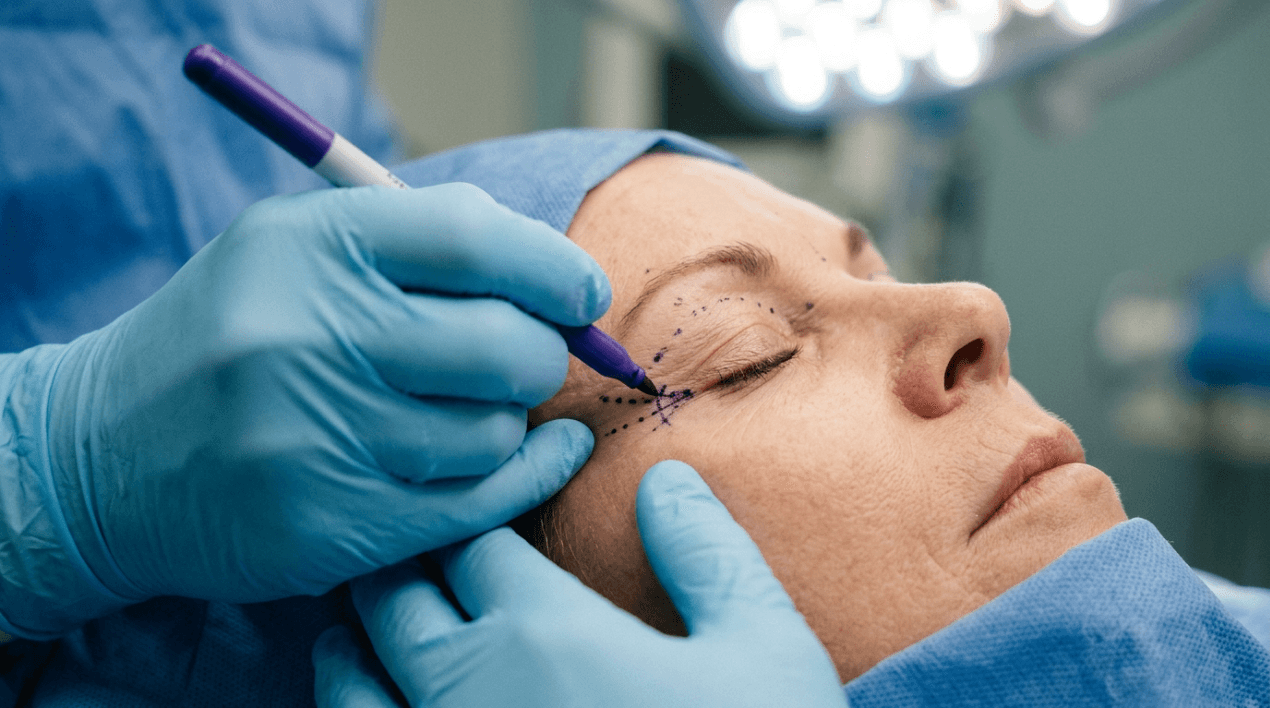
Хирургическая коррекция формы века обеспечивает наиболее стойкие и анатомически правильные результаты. Основным методом достижения этого является сочетание блефаропластики (операции на веках) и кантопластики. Верхняя блефаропластика удаляет избыток кожи и жира с верхнего века, создавая складку “двойного века”, которая часто является необходимым условием для эстетики «лисьих глаз». Без четко выраженной супратарзальной складки приподнятая боковая кожа может складываться, скрывая удлинение века.
Подтяжка век в стиле «лисьи глаза» — это нехирургическая косметическая процедура, призванная придать глазам более подтянутый, вытянутый и миндалевидный вид, похожий на изящный, угловатый взгляд, часто встречающийся у моделей и знаменитостей.
— Пластическая хирургия Wave
Золотым стандартом перманентной подтяжки век является модифицированная латеральная кантопластика с кантопексией. Эта процедура включает небольшой разрез в области латерального угла глаза. врач хирург Определяется местоположение латерального кантального сухожилия, оно освобождается и перемещается в более верхнюю и латеральную точку на краю глазницы. Затем накладываются швы для фиксации сухожилия (кантопексия), и обрезается латеральная кожа века. Эта процедура инвазивна и требует местной или общей анестезии, но результаты являются постоянными и воздействуют на нижележащую скелетную структуру.
| Процедура | Анатомия цели | Расположение разреза | Анестезия | Восстановление |
| Латеральная кантопластика | Латеральная связка угла глаза, край глазницы | Латеральный угол глаза (внешний уголок глаза) | Местная анестезия с седацией | 7-10 дней (отек/синяки) |
| Верхняя блефаропластика | Кожа верхнего века, жировые подушечки | Естественная линия складки | Местный | 5-7 дней (снятие швов) |
| Кантопексия | Латеральное кантальное сухожилие (укрепление) | Конъюнктивальный или наружный | Местный | 3-5 дней (минимум) |
| Эндоскопическая височная пластика | Височно-теменная фасция, бровь | Кожа головы/Виски | Общие/Местные | 10-14 дней (ощущение подтяжки) |
Анатомические ограничения хирургии
Не каждому типу лица подходит радикальная подтяжка век в форме «лисьих глаз». Пациентам с неглубокими орбитальными краями (костной глазницей) может не хватать структурной поддержки для надежной фиксации верхнего латерального угла глаза, что приводит к рецидиву или дистопии угла глаза (аномальному положению). И наоборот, пациенты с глубоко посаженными глазами и выступающими надбровными дугами (надглазничными гребнями) могут обнаружить, что подтяжка век в форме «лисьих глаз» усугубляет массивность бровей, делая глаза визуально меньше, а не более открытыми.
По этим анатомическим причинам, миндаль Глазная хирургия — это Часто считается более безопасным вариантом для лиц без высокого, выступающего надбровного дуги. Создает иллюзию длины без вертикальной подтяжки, сохраняя естественную архитектуру век. По сути, это латеральная кантопластика, которая расширяет глаз в горизонтальном направлении, а не поднимает его вертикально. Это особенно эффективно для глаз с естественной круглой формой или эпикантальными складками (кожная складка во внутреннем уголке глаза), которые можно одновременно скорректировать с помощью эпикантопластики.

Безоперационная подтяжка век типа «лисьи глаза»: нити и инъекции.
Рост популярности тренда “лисьи глаза” во многом был обусловлен нехирургическими методами, в частности, подтяжкой лица нитями PDO и дермальными филлерами. Эти процедуры предлагают временное решение для пациентов, которые сомневаются в хирургическом вмешательстве или хотят добиться незначительного улучшения. Однако они имеют существенные ограничения в отношении степени подтяжки и продолжительности эффекта.
‘'В Доктор МФО, Мы понимаем, что спор о ‘миндалевидном глазе’ и ‘лисьем глазе’ по сути сводится к выбору между едва заметным, постоянным анатомическим расширением и драматической структурной подтяжкой. Для создания эффекта ’лисьего глаза’ часто требуется фиксация латеральной связки угла глаза к краю глазницы — хирургическая манипуляция, которую нехирургические нити просто не могут безопасно воспроизвести в долгосрочной перспективе.’
— Клиническая точка зрения доктора МФО
Нитевые лифтинги PDO: механическая подвеска
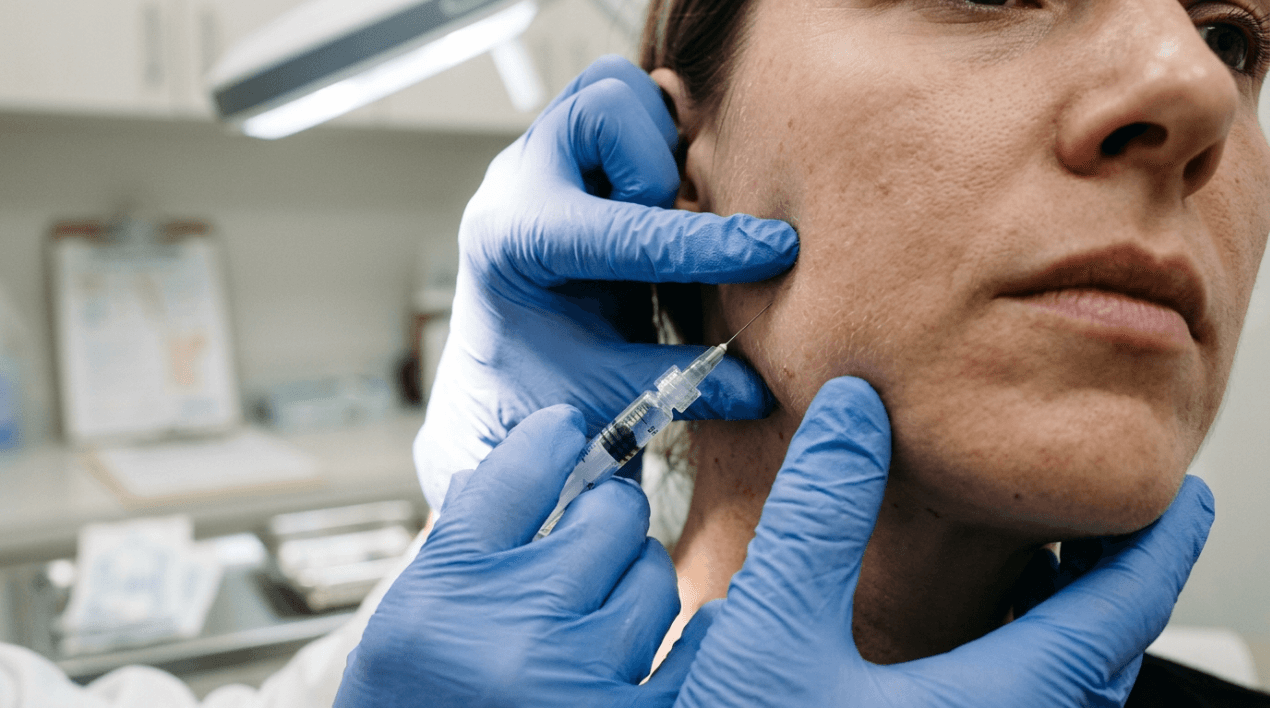
Полидиоксаноновые (PDO) нити — это рассасывающиеся шовные материалы, вводимые под кожу для механического подтягивания латеральной части века и височной области вверх. Часто используются нити с насечками для фиксации подкожной ткани, обеспечивающие лифтинг-эффект, который достигает пика через 1-2 месяца и сохраняется до 6-12 месяцев. Хотя нити PDO эффективны при незначительном обвисании, они не могут изменить положение латеральной связки угла глаза. Они просто подвешивают кожу и поверхностную фасцию. Со временем, по мере рассасывания нитей и оседания ткани, эффект «лисьего глаза» исчезает.
Риски, связанные с нитевым лифтингом, включают обрыв нитей, видимость нитей под кожей, инфекцию и асимметрию. В деликатной латеральной области глаза неправильное размещение нитей может повредить круговую мышцу глаза или скуловую ветвь лицевого нерва, что приведет к временной или постоянной асимметрии. Поэтому нитевой лифтинг лучше всего подходит пациентам с хорошей эластичностью кожи, которые хотят получить “предварительный” результат операции, а не постоянные изменения.
Ботокс и филлеры: подход к контурированию
Безоперационная коррекция контуров глаз в стиле “лисьи глаза” в значительной степени основана на использовании нейромодуляторов (ботокс) и филлеров на основе гиалуроновой кислоты. Ботокс вводится в круговую мышцу глаза (в частности, в латеральные волокна), а иногда и в мышцу, опускающую бровь. Расслабление латеральной части круговой мышцы уменьшает натяжение века вниз, позволяя лобной мышце (лобной мышце) более эффективно поднимать кончик брови. Это создает легкий латеральный подъем и миндалевидную форму «кошачьих глаз».
Филлеры используются для придания объема височной области и кончику брови. Впадина в височной ямке может создавать впечатление тяжести и отсутствия поддержки у латерального века. Введение филлера в височную область обеспечивает поддержку латеральной части брови снизу, придавая ей приподнятый вид. Часто это сочетается с введением филлера в латеральный угол глаза для маскировки видимости склеры. Однако этот подход воздействует на мягкие ткани, а не на кость или сухожилия, что делает его временной фиксацией, а не структурным изменением. Результаты обычно сохраняются 4-6 месяцев.
Сравнительный анализ: продолжительность жизни, риски и затраты.
При выборе между операцией на миндалевидном глазе и подтяжкой век по типу «лисьего глаза» необходимо учитывать соотношение необратимости и инвазивности. Хирургическая кантопластика — единственный метод, обеспечивающий постоянное изменение скелетного и мягкотканного каркаса глаза. Нехирургические методы требуют тщательного ухода и ограничены эластичностью кожи и структурой костной ткани.
‘Достижение эстетики ‘лисьих глаз’ включает в себя один из трех различных клинических подходов: хирургическая кантопластика/подтяжка бровей (постоянный эффект), подтяжка нитями PDO (временная механическая подтяжка) или ботокс и филлеры (тонкая нехирургическая коррекция контуров). В этом руководстве сравниваются продолжительность эффекта, риски и стоимость (от 500 до 8000 фунтов стерлингов) каждого метода, чтобы помочь вам решить, какой подход подходит именно вам’.’
— Eyes Defined
| Метод | Долголетие | Время восстановления | Ключевые риски | Предполагаемый диапазон стоимости |
| Хирургическая кантопластика | Постоянный | 1-2 недели (видимый отек) | Асимметрия, рубцевание, выворот века, округление уголков глаз | 3000–8000 фунтов стерлингов ($4000–$10000) |
| Подтяжка нитями PDO | 6-12 месяцев | 1-3 дня (незначительные синяки) | Обрыв нитей, инфекция, асимметрия, сморщивание | 500–1500 фунтов стерлингов ($650 – $2000) |
| Ботокс и филлеры | 3-6 месяцев | Нет (следов от иглы) | Эффект Тиндаля (филлеры), гиперрелаксация (ботокс), сосудистая окклюзия | 300–800 фунтов стерлингов ($400 – $1000) |
| Хирургия миндалевидного глаза | Постоянный | 7-10 дней | Горизонтальное укорочение, рубцовая контрактура | 2500–6000 фунтов стерлингов ($3200–$7500) |
Анализ затрат и выгод
Хотя нехирургические варианты на первый взгляд кажутся дешевле, совокупные затраты за 3-5 лет часто превышают единовременную стоимость операции. Пациент, выбравший ежегодный нитевой лифтинг (1000 фунтов стерлингов в год), потратит 5000 фунтов стерлингов за пять лет, не добившись структурных изменений, сравнимых с хирургической кантопластикой стоимостью 4000 фунтов стерлингов. Кроме того, послеоперационное восстановление предполагает однократный период реабилитации, в то время как нехирургические методы лечения, хотя и не требуют восстановительного периода, предполагают многократные визиты и не оставляют времени на отдых.
Профили рисков также значительно различаются. Хирургические осложнения, как правило, связаны с заживлением и анестезией, но устраняются однократно. Нехирургические осложнения могут иметь кумулятивный характер; например, повторные инъекции филлера в носослезную борозду или латеральный угол глаза могут привести к «усталости» филлера, когда кожа растягивается или филлер мигрирует, создавая неестественный вид. Сосудистая окклюзия — редкий, но серьезный риск при инъекционных процедурах, тогда как хирургические риски, как правило, локализованы в области операции.
Подходящая форма лица: какая процедура подходит именно вам?
Выбор между подтяжкой миндалевидных и лисьих век во многом зависит от существующей архитектуры вашего лица. Процедура, которая гармонично смотрится на лице сердцевидной формы, может выглядеть неестественно на квадратном или круглом лице. Цель любой коррекции формы глаз — сбалансировать трети и пятые части лица, а не изолировать глаза.
Круглые лица
Круглое лицо выигрывает от удлинения, создающего иллюзию более стройной структуры лица. Операция по коррекции миндалевидного макушки, направленная на горизонтальное расширение, может помочь удлинить лицо. Однако подтяжка век в форме «лисьих глаз», которая делает упор на вертикальное поднятие, может подчеркнуть округлость щек, если не сопровождается контурированием лица (например, уменьшение челюсти или увеличение скул). Для круглых лиц часто предпочтительнее деликатная латеральная кантопластика, чем радикальная подтяжка век в стиле «лисьи глаза».
Квадратные грани
Квадратные лица, характеризующиеся выраженной линией челюсти и угловатыми чертами, могут выдержать эффектную подтяжку век в форме «лисьих глаз». Острые углы внешнего уголка глаза дополняют угловатость челюсти. Хирургическая подтяжка век в форме «лисьих глаз» с латеральной подтяжкой бровей может создать поразительную кошачью симметрию, которая уравновешивает массивную нижнюю часть лица. Миндалевидная пластика век на квадратном лице может выглядеть слишком мягкой, не обеспечивая достаточного контраста с выраженной челюстью.
Длинные/овальные лица
Для длинных или овальных лиц цель состоит в том, чтобы избежать чрезмерного увеличения вертикальной высоты. Подтяжка век в форме «лисьих глаз», которая агрессивно приподнимает брови, может еще больше удлинить лицо, что обычно нежелательно. Вместо этого, процедура подтяжки век в форме миндалевидного глаза, которая добавляет горизонтальную ширину, может сбалансировать длину лица. Латеральная кантопластика в сочетании с деликатной подтяжкой средней части лица часто является идеальным сочетанием в данном случае, сохраняя форма глаз св горизонтальной плоскости лица.
Глубоко посаженные глаза против выразительных глаз
Выступающие глаза (глаза, расположенные выдвинутыми вперед относительно края глазницы) являются отличными кандидатами для подтяжки век типа “лисьи глаза”, поскольку обладают достаточной структурной поддержкой для проведения боковой подтяжки. Однако чрезмерная подтяжка может привести к обнажению слишком большой склеры. Глубоко посаженные глаза (глаза, расположенные в глубине глазницы) лучше подходят для миндалевидной пластики. Подтяжка век типа «лисьи глаза» на глубоко посаженных глазах чревата созданием «скелетного» вида, когда натяжение век создает эффект впалости. В данном случае, пересадка жира В сочетании с латеральной кантопластикой часто рекомендуется именно такой подход.
Протоколы послеоперационного ухода и восстановления
Независимо от выбранной процедуры, послеоперационный уход определяет конечный эстетический результат. Хирургическая кантопластика требует строгой гигиены для предотвращения инфекции в месте бокового разреза. Пациентам необходимо избегать ношения контактных линз в течение как минимум 4-6 недель и использовать специальные мази для предотвращения контрактуры рубцов.
Лечение отеков и рубцов
Для уменьшения отека глазницы в течение первых двух недель обязательно нужно спать с приподнятой головой. Холодные компрессы помогают, но они не должны непосредственно соприкасаться с кожей, чтобы избежать обморожения. При хирургической подтяжке глаз миндалевидной формы или «лисьих глаз» уход за рубцами обычно включает наложение силиконовых гелевых пластин на латеральный угол глаза после снятия швов. Защита от солнца крайне важна, так как воздействие УФ-излучения может затемнить латеральный рубец, сделав его видимым.
Восстановление после нехирургических процедур происходит быстрее, но требует соблюдения других мер предосторожности. После подтяжки нитями PDO пациентам необходимо избегать чрезмерных движений лица (жевание твердой пищи, преувеличенная улыбка) в течение двух недель, чтобы предотвратить смещение нитей. При использовании филлеров массаж, как правило, не рекомендуется, за исключением случаев коррекции неровностей, а пациентам следует избегать приема препаратов, разжижающих кровь, чтобы минимизировать образование синяков.
Долгосрочное техническое обслуживание
Результаты хирургического вмешательства необратимы, но процесс старения продолжается. Подтяжка век в стиле «лисьи глаза» не останавливает опущение бровей или потерю объема лица. Пациентам может потребоваться нехирургическое поддержание эффекта через 5-10 лет после операции, например, инъекции ботокса для коррекции положения бровей или филлеров для запавших висков, чтобы сохранить оптимальную эстетику. В свою очередь, пациентам, не нуждающимся в хирургическом вмешательстве, необходимо проходить коррекцию каждые 4-6 месяцев для поддержания результата.
Часто задаваемые вопросы
Операция по коррекции формы миндалевидного глаза — это то же самое, что и подтяжка века по типу «лисьего глаза»?
Нет, это разные процедуры. Операция по коррекции формы миндалевидного глаза обычно подразумевает латеральную кантопластику, которая расширяет глаз по горизонтали, придавая ему мягкую, вытянутую форму. Подтяжка века по типу «лисьего глаза» обычно подразумевает вертикальную подтяжку латерального угла глаза и брови для создания выразительного, кошачьего наклона, часто достигаемого с помощью хирургической кантопластики или нехирургической нитевой подтяжки.
Можно ли добиться эффекта «лисьих глаз» без хирургического вмешательства?
Да, нехирургические методы, такие как подтяжка бровей нитями PDO и ботокс, могут временно создать эффект «лисьих глаз». Нитевая подтяжка механически удерживает кожу, а ботокс расслабляет мышцы, тянущие брови вниз. Однако эти результаты временные (3-12 месяцев) и не могут сравниться со структурными изменениями, достигаемыми при хирургической кантопластике.
Каков период восстановления после хирургической коррекции формы глаз?
Период восстановления варьируется в зависимости от процедуры. После латеральной кантопластики обычно требуется 7-10 дней для спада значительного отека и синяков. После верхней блефаропластики восстановление обычно занимает 5-7 дней. Следует избегать контактных линз и макияжа для глаз в течение как минимум 4-6 недель после операции.
Результаты операции по коррекции формы миндалевидного глаза являются постоянными?
Да, хирургическая кантопластика обеспечивает стойкие результаты за счет перемещения латеральной связки угла глаза. Однако естественный процесс старения будет продолжать влиять на окружающую кожу и ткани с течением времени.
Кому подходит подтяжка век по методу Фокса?
Идеальные кандидаты должны обладать хорошей эластичностью кожи, выраженным надбровным дугом и желанием добиться заметной боковой подтяжки. Кандидаты должны иметь здоровые глаза без сильной сухости или обвисания век, которые могут осложнить процедуру.
Какие риски связаны с нехирургической подтяжкой век (Fox Eye Lifts)?
К рискам относятся миграция или видимость нитей, инфекция в месте инъекции, асимметрия и синяки. При подтяжке век филлерами существует риск окклюзии сосудов при попадании инъекции в кровеносный сосуд, хотя это редкость при выполнении процедуры опытным специалистом.
Покрывает ли страховка операции по коррекции «миндалевидного глаза» или «лисьего глаза»?
В целом, нет. Эти процедуры считаются косметическими. Однако, если блефаропластика проводится по медицинским показаниям (например, из-за ухудшения зрения), часть процедуры может быть покрыта страховкой, но конкретная кантопластика для эстетического расширения обычно не покрывается.
Как выбрать между миндалевидной и лисьей формой глаз?
Ваша естественная анатомия лица. Миндалевидная форма подходит тем, кто хочет добиться легкого удлинения и баланса. Лисья форма подходит тем, у кого угловатые черты лица и кто желает добиться заметной подтяжки. Консультация с пластическим хирургом необходима для анализа вашей костной структуры и мягких тканей.
Библиография
- Очерченные глаза. (без даты). Тренд на "лисьи глаза": все подробности Вам нужно Узнайте больше о подтяжке век Fox Eye Lift.. Источник: https://www.eyesdefined.com/fox-eye-trend-everything-you-need-to-know-about-the-fox-eye-lift/
- AB Пластическая хирургия Корея. (без даты). Миндалевидная форма глаз против лисичьей формы: руководство по выбору от AB Plastic Surgery.. Источник: https://abplasticsurgerykorea.com/ab-blog/almond-eyeshape-vs-foxy-eyeshape-a-selection-guide-by-ab-plastic-surgery
- Волнообразная пластическая хирургия. (без даты). Что такое нитевой лифтинг «лисьи глаза»?. Источник: https://waveplasticsurgery.com/what-is-a-fox-eye-thread-lift/
- Доктор МФО. (без даты). Хирургия кошачьих глаз. Получено из https://dr-mfo.com/cat-eyes-surgery
- Американское общество пластических хирургов. (nd). Блефаропластика. Источник: https://www.plasticsurgery.org/cosmetic-procedures/blepharoplasty
- Джамиль, В. (2023). Эстетическая хирургия глаз: методики кантопластики и блефаропластики.. Журнал эстетической хирургии, 43(4), 450-462. DOI: 10.1093/asj/sjad012