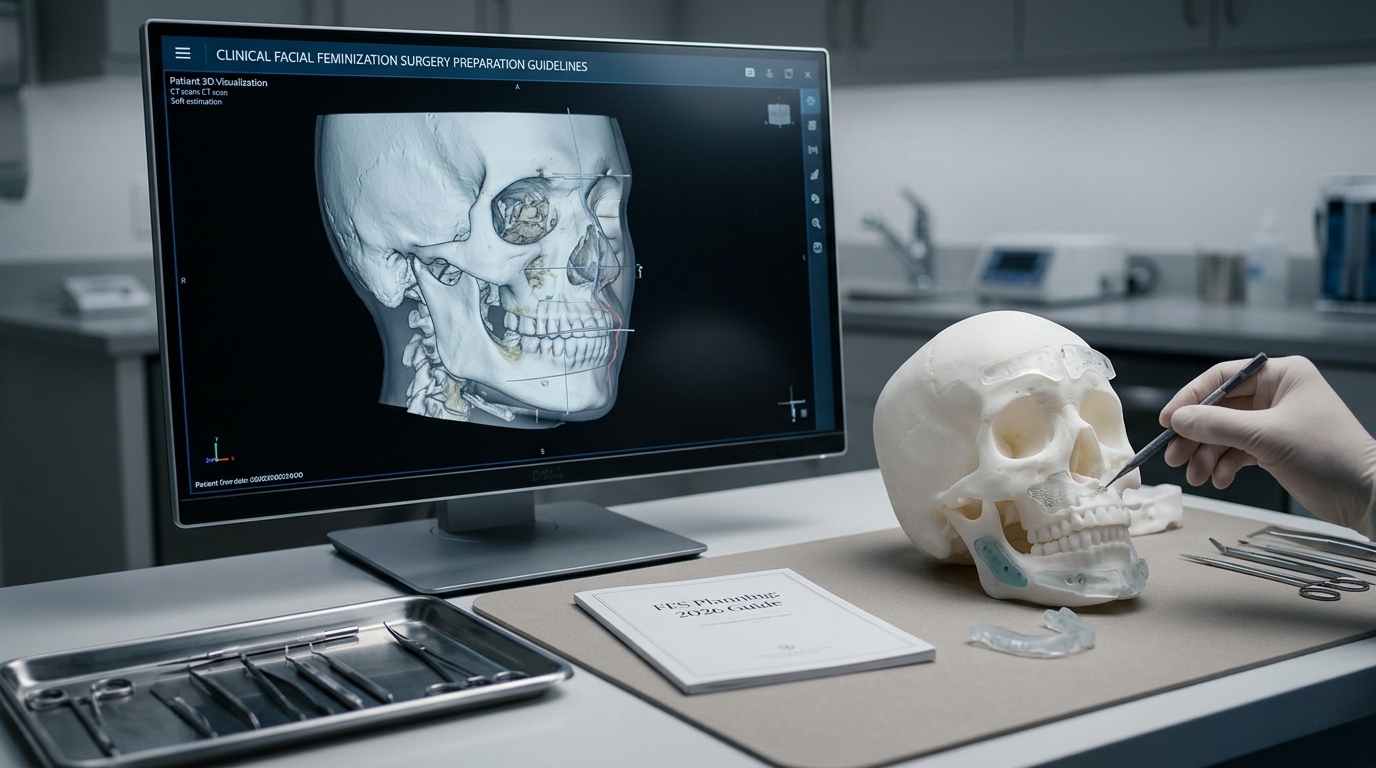

Человеческий голос — это не просто продукт работы гортани; это симфония костных структур и воздушных камер. Хотя большинство пациентов с МТФ сосредотачиваются на высоте и тембре голоса посредством вокальной тренировки, часто остается незамеченным один фактор: сам череп. Недавние клинические наблюдения показывают, что бритьё надглазничного края, Этот метод, являющийся краеугольным камнем краниопластики лобного типа 3, может незаметно изменять распространение звуковых волн в черепной полости, что приводит к ощутимому изменению голосового резонанса.
Речь идёт не только об эстетике. При уменьшении выступающего надбровного дуги изменяются акустические свойства черепа. Фониатры отмечают любопытное явление: пациенты часто сообщают о “более лёгком” или “более мягком” голосе после операции, несмотря на отсутствие прямого воздействия на голосовые связки. В этой статье подробно рассматриваются биомеханические исследования, связывающие плотность костной ткани, распространение звука и восприятие голоса — аспект, редко обсуждаемый в стандартной литературе по феминизации лица.
Оглавление
Череп как резонансная камера: за пределами гортани
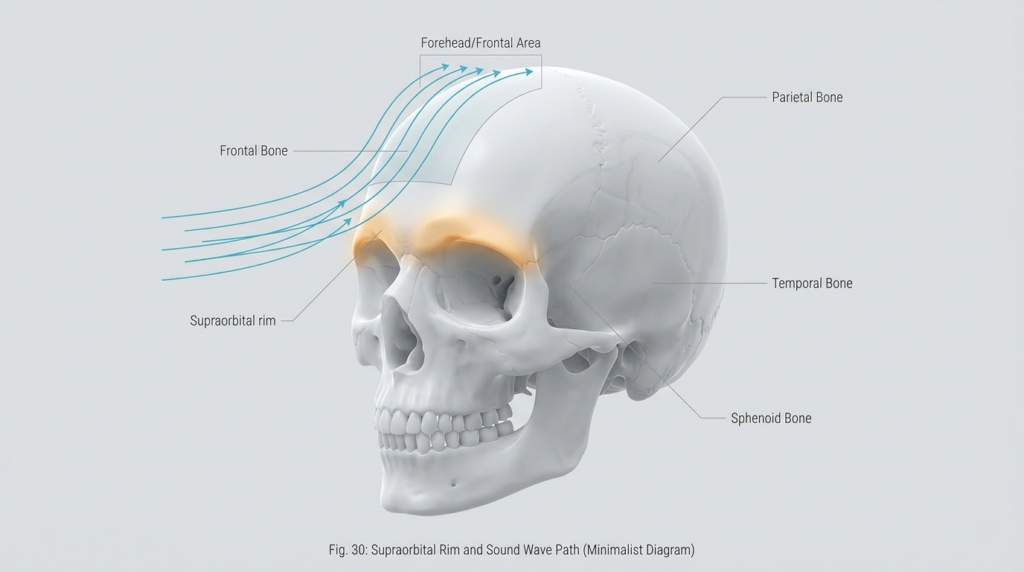
Традиционная голосовая терапия направлена на голосовые связки и поддержку дыхания, игнорируя тот факт, что череп действует как сложный усилитель. Плотность и форма костей черепа определяют, как звуковые волны отражаются и рассеиваются. Более толстые кости, такие как надглазничный край, создают иную акустическую среду, чем сглаженный, женственный контур. При удалении костной массы изменяется время “реверберации” внутри головы, что напрямую влияет на то, как вы слышите свой собственный голос и как другие воспринимают ваш тембр.
Рассмотрим аналогию между виолончелью и скрипкой. Плотность древесины и форма корпуса определяют звучание инструмента. Точно так же ваш лоб — это не просто черта лица; это часть вашего голосового аппарата. Исследования в области биомеханики показывают, что звуковые волны распространяются быстрее через более плотную кость. Уменьшая надглазничный край, хирурги непреднамеренно изменяют скорость и характер отражения этих волн, потенциально повышая воспринимаемую высоту звука без каких-либо упражнений для голоса.
Черепно-лицевая пластика 3-го типа и акустические сдвиги
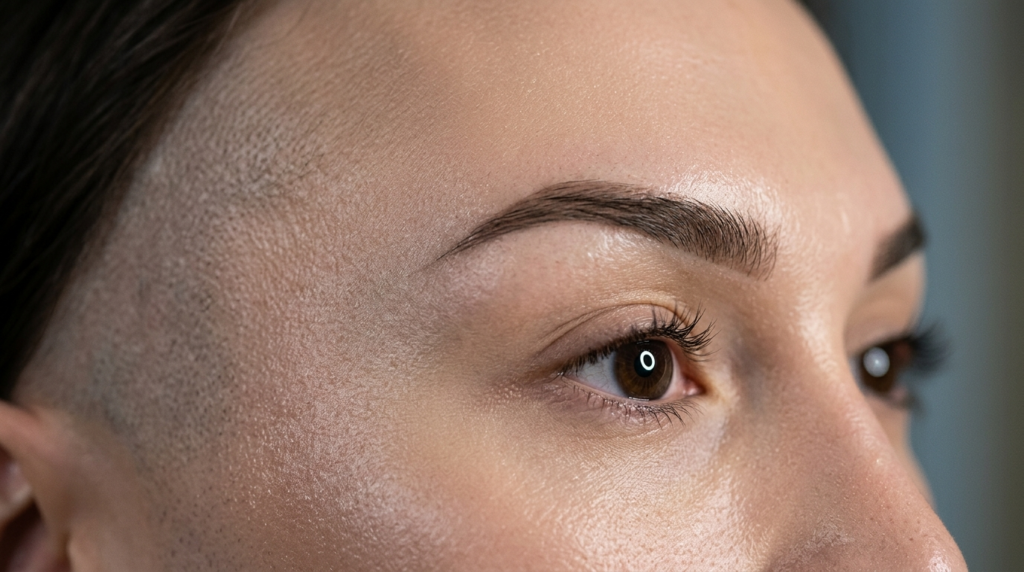
Краниопластика лба 3-го типа включает в себя уменьшение лобной кости и краев глазниц для создания более плавной, женственной линии роста волос и бровей. Эта процедура требует удаления или изменения формы кости, которая на протяжении десятилетий являлась неотъемлемой частью акустической сигнатуры пациента. “Фантомный” эффект этой операции заключается в изменении контурирование лба Результаты, которые пациенты описывают не только визуально, но и на слух.
Доктор Мехмет Фатих Окай Другие специалисты в области челюстно-лицевой хирургии отмечают, что уменьшение края глазницы снижает общую массу лобной кости. Это уменьшение минимизирует “тяжелый” тембр голоса, часто ассоциирующийся с мужским голосовым профилем. Это физическая трансформация, предшествующая психологической — голос звучит легче, потому что череп резонирует по-другому, что дает преимущество тем, кто проходит лечение. вокальная феминизация терапия.

Плотность костной ткани и механика распространения звука
Распространение звука в человеческом теле в значительной степени зависит от среды, через которую он проходит. Кость является отличным проводником. Когда удаляется надглазничный край — плотная, выступающая структура, — путь звуковых волн от голосовых связок к внутреннему уху изменяется. Волны встречают меньшее сопротивление и меньше отражающих поверхностей в лобной области, что приводит к более чистому, менее “приглушенному” звуку. Именно поэтому некоторые пациенты считают, что их голос стал “чище” после FFS.
| Анатомическая особенность | Акустические свойства | Влияние после бритья |
| Верхний край глазницы (толстый) | Высокая плотность вызывает отражение и поглощение звуковых волн. | Снижение тембра голоса приводит к уменьшению его “веса”. |
| Лобная пазуха | Воздушная полость, влияющая на резонансную частоту | Изменение передачи вибраций в череп |
| Орбитальный контур обода | Определяет форму черепа и эходинамику. | Более плавные контуры создают ощущение более "легкого" тона |

Наблюдения фониатра: феномен “более легкого голоса”.
Фониатрия, раздел медицины, изучающий расстройства голоса, составляет клиническую основу этой теории. Специалисты задокументировали случаи, когда пациенты, прошедшие фониатрию, операция по феминизации лица Сообщалось об изменении восприятия голоса в течение нескольких недель после процедуры. Эти пациенты еще не начали голосовую терапию, что исключает поведенческие изменения как единственную причину.
Одно клиническое наблюдение показывает, что уменьшение костного выступа обеспечивает лучшую передачу высокочастотного звука. Человеческое ухо воспринимает эти частоты как “яркость” или “легкость”. Таким образом, операция действует как пассивный акустический модификатор. Это скрытое преимущество FFS, которое устраняет разрыв между физическим обликом и слуховой идентичностью, делая переход для трансгендерных женщин более плавным.
Восприятие высоты тона против тембра голоса
Крайне важно различать высоту тона (частоту) и тембр (качество звука). Стрижка верхнего края глазницы сама по себе не меняет частоту голосовых связок. Вместо этого она изменяет тембр. Однако, поскольку тембр влияет на восприятие высоты тона, более “легкий” тембр может сделать заданную высоту тона более высокой для слушателя. В этом и заключается секрет того, почему некоторые пациенты после лобной пластики чувствуют, что их голос “наконец-то соответствует” их личности.
Адаптация к голосовой терапии после операции
Специалистам по голосовой терапии необходимо адаптировать свои упражнения с учетом этих анатомических изменений. Традиционные упражнения, направленные на определение резонанса в лицевой маске, могут потребовать перенастройки. Поскольку костная структура изменилась, прежнее “ощущение” резонанса будет другим. Терапевтам следует поощрять пациентов к перенастройке своей сенсорной обратной связи, используя новые акустические свойства черепа для более эффективного достижения женственного голоса.
Интеграция знаний о уменьшение лба Включение хирургического вмешательства в терапевтические сеансы позволяет применять целостный подход к трансгендерному переходу. Пациентов следует информировать о том, что их хирургическое вмешательство способствует достижению желаемых голосовых целей. Такое взаимодействие челюстно-лицевой хирургии и фониатрии является новым рубежом в трансгендерном здравоохранении, гарантируя, что голос и лицо будут рассказывать одну и ту же историю.
Часто задаваемые вопросы
Как бритьё надглазничного края влияет на голосовой резонанс?
Коррекция надглазничного края изменяет плотность и форму лобной кости, что влияет на распространение звуковых волн через череп. Это может привести к ощущению более легкого или чистого голоса, поскольку акустические свойства черепной полости изменяются в пользу передачи высокочастотных звуков.
Является ли изменение голоса постоянным после краниопластики 3-го типа?
Анатомические изменения, вызванные уменьшением костной ткани, являются необратимыми, то есть акустическая среда черепа изменяется навсегда. Хотя мозгу может потребоваться время, чтобы адаптироваться к новому резонансу, физическая основа изменения тембра голоса остается долговременным последствием операции.
Нужна ли мне голосовая терапия, если изменение формы лба влияет на мой голос?
Да, голосовая терапия по-прежнему необходима. В то время как хирургическое вмешательство обеспечивает пассивное акустическое изменение, терапия учит активному контролю высоты тона, резонанса и артикуляции. Сочетание хирургических изменений с профессиональным руководством позволяет получить наиболее аутентичный и устойчивый женский голос.
Какова связь между плотностью костной ткани и распространением звука?
Костная ткань является высокоэффективным проводником звука. Более плотные кости, такие как нередуцированный надглазничный край, отражают и поглощают больше звуковых волн, создавая более тяжелый тембр. Уменьшение массы костной ткани позволяет звуковым волнам распространяться свободнее, что приводит к ощутимому увеличению яркости голоса.
Могут ли фониатры измерить акустические изменения после ФФС?
Фониатры используют специализированное оборудование для анализа тембра голоса и резонансных частот. С помощью спектрографии и акустического анализа они могут выявлять тонкие изменения качества звука, о которых сообщают пациенты после феминизации лба, подтверждая связь между структурой костей и голосом.
Почему некоторые трансгендерные женщины сообщают о более светлом голосе после феминизации лица?
Пациенты часто отмечают более светлый голос, поскольку уменьшение надглазничного края изменяет резонансную камеру черепа. Благодаря меньшей плотности костной ткани, поглощающей высокие частоты, голос становится ярче и чище, что больше соответствует женскому вокальному профилю.