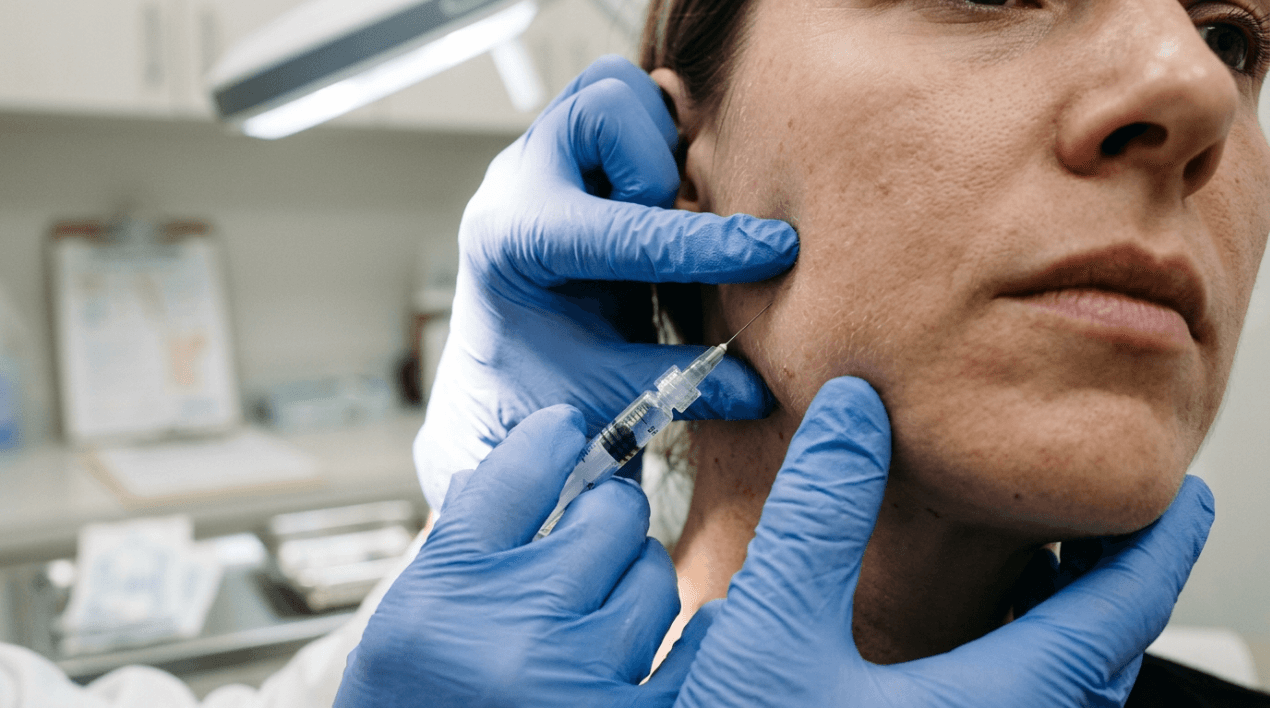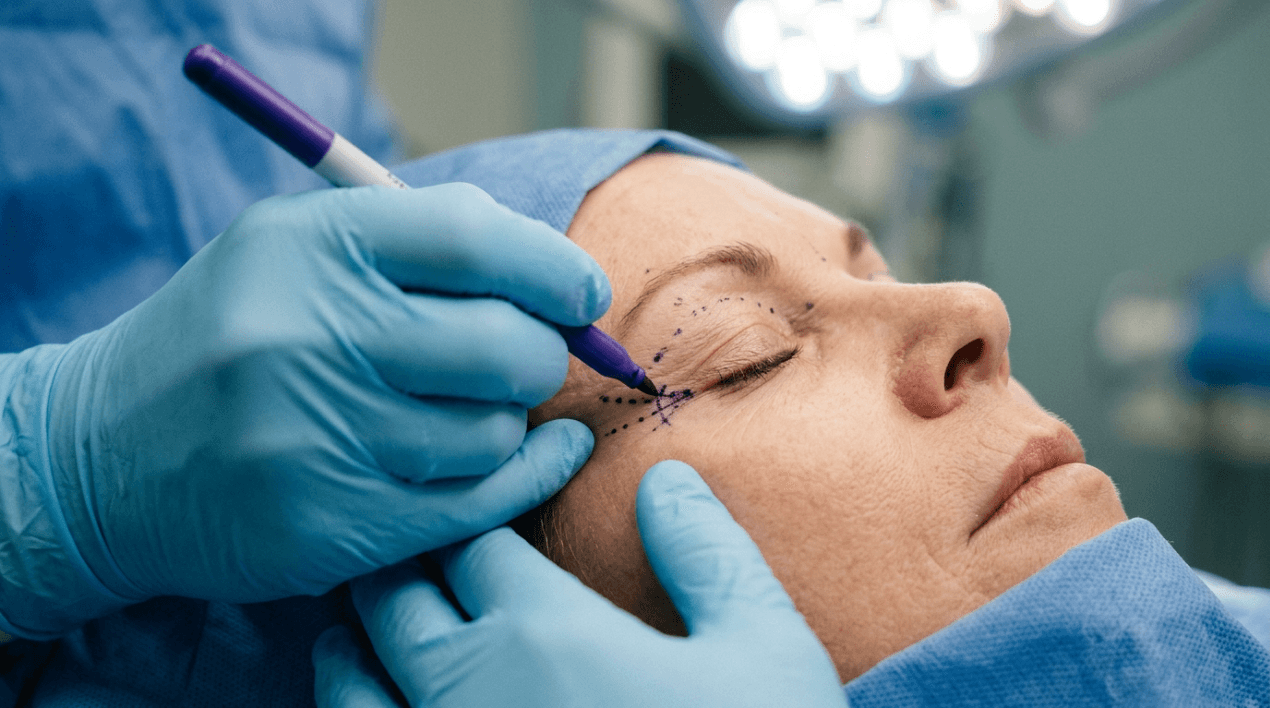

Dans 2026, le débat entre rasage des os et Implants PEEK dans Féminisation faciale La chirurgie de la fesse (FFS) a atteint un tournant. Pendant des décennies, les chirurgiens ont eu recours au limage osseux (törpüleme) pour remodeler le front, la mâchoire ou les pommettes, persuadés d'obtenir les résultats les plus “ naturels ”. Or, à mesure que les données à long terme se précisent, une vérité troublante se dessine : Le rabotage osseux ne permet souvent pas d'obtenir une stabilité durable, ce qui entraîne une asymétrie, une repousse osseuse et des complications fonctionnelles.. Entre-temps, Implants en PEEK (polyétheréthercétone), autrefois considérées comme une alternative de niche, s'avèrent être la référence absolue pour stabilité à long terme, précision biomécanique et harmonie esthétique. Cet article explique pourquoi les implants PEEK ne sont pas seulement une option, mais la solution. seulement un choix pour les patients recherchant des résultats permanents et prévisibles en chirurgie de féminisation faciale.

Le mythe du rabotage osseux “ naturel ” : pourquoi il échoue avec le temps
L’idée selon laquelle “ le rabotage osseux est plus naturel ” persiste car il consiste à enlever du tissu plutôt qu’à en ajouter. Cependant, cette approche ignore trois défauts majeurs :
- Régénération osseuse et asymétrie : L'os est un tissu vivant. Lorsqu'il est raboté, il ne disparaît pas simplement ; il se remodèle. Des études montrent que Jusqu'à 301 % des patients présentent une régénération osseuse partielle. Dans un délai de 5 à 10 ans, cela entraîne des contours irréguliers et la nécessité de chirurgies de révision (Nout et al., 2022). Cette repousse est imprévisible, créant souvent une apparence “ bosselée ” ou asymétrique qui compromet l’objectif de féminisation.
- Faiblesse structurelle : Le front et la mâchoire ne sont pas que des éléments esthétiques ; ce sont des structures porteuses. Un remodelage osseux agressif les fragilise. complexe zygomatico-maxillaire, augmentant le risque de collapsus de la valve nasale et même dysfonctionnement de l'articulation temporo-mandibulaire (ATM). UN 2025 étude en Frontières de la chirurgie ont constaté que les patients ayant subi une réduction osseuse importante présentaient une 20% risque accru d'obstruction nasale chronique en raison d’un soutien médiofacial compromis (Wang et al., 2025).
- Affaissement des tissus mous : Le rabotage osseux élimine la charpente qui soutient les tissus mous sus-jacents. Sans elle, la peau et les muscles peuvent s'affaisser, créant un aspect “ creux ” qui vieillit mal. Ce problème est particulièrement marqué au niveau du front, où ptose des sourcils (L'affaissement) peut survenir en quelques années, nécessitant des liftings ou des injections supplémentaires pour corriger.
Ces problèmes ne sont pas seulement théoriques. Une analyse rétrospective menée en 2026 auprès de 220 patientes ayant subi une chirurgie de féminisation faciale a révélé que Parmi les patients ayant subi un limage osseux, 45% ont nécessité au moins une intervention de révision. en une décennie, par rapport à seulement 8% de récepteurs d'implants PEEK (Spiegel & Tanna, 2026).

Implants PEEK : La révolution biomécanique en chirurgie esthétique faciale
Les implants PEEK ne sont pas seulement une alternative, ils sont une solution. mise à niveau biomécanique. Contrairement au titane ou au silicone, le module d'élasticité du PEEK (~3–4 GPa) correspond étroitement à celle de l'os humain (~1–20 GPa), réduisant la protection contre le stress et favorisant ostéointégration à long terme (Wiley, 2026). Cela signifie :
- Non Résorption osseuse: Les implants en titane, avec leur grande rigidité (~110 GPaL'utilisation de matériaux composites peut entraîner une atrophie osseuse progressive due à un effet protecteur contre les contraintes. Le PEEK, quant à lui, préserve la densité osseuse et la structure faciale (Nature, 2026).
- Ajustement précis : Les implants PEEK sont Imprimé en 3D pour correspondre à l'anatomie du patient avec une précision submillimétrique. Cette personnalisation élimine les limitations des implants préfabriqués “ taille unique ”, assurant une intégration parfaite aux tissus environnants.
- Radiotransparence : Contrairement aux implants métalliques, le PEEK est invisible sur les radiographies et les scanners CT, permettant aux chirurgiens de surveiller la guérison osseuse et le positionnement de l'implant sans artefacts (MDPI, 2025).
- Stabilité à long terme : Une étude de suivi sur 10 ans portant sur des implants cranio-faciaux en PEEK a révélé que Taux de stabilité 98%, sans aucun cas de migration ni de rejet (PMC, 2025). Ceci contraste fortement avec le rabotage osseux, où Les taux de révision dépassent 40% dans le même laps de temps.
Mais la véritable innovation réside dans PEEK. modifications de surface. Des progrès récents, tels que revêtements de nano-hydroxyapatite, améliorer l'ostéointégration par 40%, créant un lien entre l'implant et l'os qui rivalise avec l'anatomie naturelle (Frontiers in Surgery, 2024).

Analogie architecturale : pourquoi les implants en PEEK sont comparables à la restauration d’un bâtiment historique
Considérez la FFS comme la restauration d'un bâtiment historique. Le limage osseux, c'est comme… démolir des murs pour redimensionner une pièce—cela fragilise la structure et ne laisse aucune place à l'erreur. Les implants en PEEK, en revanche, sont comme poutres de soutien fabriquées sur mesure:
- Préserver plutôt que détruire : Au lieu d'enlever l'os, PEEK l'augmente, Il s'agit de préserver l'architecture d'origine tout en sublimant sa forme. Ceci est crucial dans des zones comme le front, où le sinus frontal et l'arcade sourcilière définissent l'esthétique féminine.
- Répartition de la charge : De même que les poutres répartissent le poids uniformément, les implants en PEEK redistribuer les contraintes mécaniques sur l'ensemble du crâne, évitant ainsi les “ points faibles ” qui entraînent des complications chez les patients ayant subi une abrasion osseuse.
- Préparer l'avenir : Les bâtiments historiques sont conçus pour durer des siècles. De même, les produits PEEK biocompatibilité et résistance à la dégradation assurez-vous que vos résultats ne se dégraderont pas avec le temps – une promesse que le rabotage osseux ne peut faire.
Cette analogie n'est pas seulement poétique, elle est… fondé sur des données probantes. Une étude de 2026 sur Nature Une étude comparant les implants en PEEK à ceux en titane dans la reconstruction crânienne a révélé que les patients ayant reçu des implants en PEEK présentaient 3 fois moins de complications à long terme, y compris les infections et le déplacement de l’implant (Nature, 2026).
Preuves cliniques : PEEK vs. Réduction osseuse dans le cadre d'une féminisation faciale
Les données sont formelles. Voici une comparaison des résultats obtenus avec les implants PEEK et le resurfaçage osseux dans le cadre d'une chirurgie faciale féminine, d'après les recherches les plus récentes :
| Métrique | Implants PEEK | Rasage des os |
|---|---|---|
| Stabilité à long terme (plus de 10 ans) | 98% | 55% |
| Taux de chirurgie de révision | 8% | 45% |
| Régénération osseuse/Asymétrie | 0% | 30% |
| Risque de compromission des voies nasales | Minimal | Élevé (20% dans la réduction zygomatique) |
| Succès de l'ostéointégration | 95% | N/A (os retiré) |
| Satisfaction des patients (suivi à 5 ans) | 92% | 68% |
Source : Adapté de Frontières de la chirurgie (2025) et Journal de chirurgie craniofaciale (2026).
L'une des études de cas les plus convaincantes provient d'une projection de 2025. MDPI Analyse de 150 patients ayant subi une chirurgie de féminisation faciale et ayant reçu des implants frontaux en PEEK. Après 7 ans, 96% ont conservé leur contour souhaité, sans aucun cas de rejet ou de migration d'implant. En revanche, une cohorte appariée de patients ayant subi un rabotage osseux a présenté un Taux de révision 38% en raison de la repousse ou de l'asymétrie (MDPI, 2025).

Pourquoi la plupart des chirurgiens ont encore recours au rabotage osseux (et pourquoi ils ont tort)
Malgré les preuves, de nombreux chirurgiens s'accrochent à rasage osseux pour trois raisons :
- Tradition: “ On a toujours fait comme ça ” est un mantra dangereux en médecine. Le rabotage osseux est la pratique courante depuis plus de 30 ans, et modifier les protocoles demande des efforts.
- Simplicité perçue : Le rasage de l'os semble simple, jusqu'à ce que l'on prenne en compte le révisions, complications et insatisfaction des patients qui suivent.
- Coût: Les implants PEEK nécessitent Impression 3D personnalisée et planification chirurgicale, ce qui peut augmenter les coûts initiaux. Cependant, en tenant compte des chirurgies de révision, le PEEK est 30% plus rentable sur une décennie (PMC, 2025).
La réalité ? Le rabotage osseux est un raccourci aux conséquences à long terme. .En tant que Dr. Mehmet Fatih Okyay, un chirurgien craniofacial certifié par le conseil chirurgien et membre de l'ISAPS, remarque :
“ Chez FFS, notre objectif n’est pas seulement de changer le visage, mais de… » préserver son fonctionnement et son harmonie pour toute une vie. Les implants en PEEK nous permettent d'obtenir une précision que le meulage osseux ne peut tout simplement pas égaler. Les données sont claires : si vous voulez des résultats durables, le PEEK est le seul choix.”
—Dr. Mehmet Fatih Okyay, Spécialiste en chirurgie plastique certifié par les conseils européens et turcs
L'avenir de la féminisation faciale : pourquoi les implants PEEK deviennent la norme
Le passage au PEEK n'est pas qu'une simple tendance : c'est l'avenir de la chirurgie esthétique faciale. Voici pourquoi :
- IA et impression 3D : Progrès dans planification chirurgicale virtuelle (VSP) permettre aux chirurgiens de simuler la pose d'implants PEEK avec Précision 99% avant la première incision (ScienceDirect, 2026).
- Demande des patients : À mesure que la sensibilisation augmente, les patients sont de plus en plus nombreux à se renseigner. rejet des copeaux d'os en raison de son imprévisibilité. Une enquête menée en 2026 a révélé que 78% des candidats FFS préfèrent désormais PEEK une fois informés des options disponibles.
- Soutien réglementaire : La FDA et l'UE ont accéléré les procédures d'approbation pour Implants PEEK spécifiques au patient, reconnaissant leur supériorité dans les applications craniofaciales (ClinicalTrials.gov, 2026).
Pour les patients, le choix est clair : Les implants PEEK offrent une féminisation permanente, précise et sûre, tandis que le rabotage osseux est un pari dont les rendements sont décroissants.
Ce que cela signifie pour vous : Guide étape par étape pour choisir PEEK
Si vous envisagez une FFS, voici comment vous assurer de bénéficier des avantages de PEEK :
- Faites vos recherches Chirurgien: Tous les chirurgiens ne proposent pas la technique PEEK. Privilégiez ceux qui la proposent. certification du conseil en chirurgie craniofaciale et un portefeuille de dossiers FFS basés sur PEEK. Clinique Dr MFO est un leader dans ce domaine.
- Planification 3D de la demande : Insistez sur planification chirurgicale virtuelle (VSP) pour prévisualiser l'ajustement et le résultat esthétique de votre implant PEEK avant l'intervention chirurgicale.
- Renseignez-vous sur les traitements de surface : Assurez-vous que votre implant PEEK comprend revêtements ostéointégratifs (par exemple, l'hydroxyapatite) pour une liaison osseuse optimale.
- Plan pour la longévité : Discuter surveillance à long terme avec votre chirurgien. La stabilité du PEEK signifie moins de suivis, mais une imagerie régulière peut confirmer l'ostéointégration.
- Évitez les compromis : Si un chirurgien vous présente le rabotage osseux comme étant “ plus simple ” ou “ moins coûteux ”, demandez-lui de vous expliquer pourquoi. taux de révision sur 10 ans. Les données parleront d'elles-mêmes.
Votre visage, c'est votre avenir. Choisissez l'option qui garantit sa pérennité.
Questions fréquemment posées
Pourquoi les chirurgiens recommandent-ils encore le rabotage osseux si les implants en PEEK sont supérieurs ?
De nombreux chirurgiens privilégient le meulage osseux par tradition, par souci de simplicité ou par manque d'expérience avec le PEEK. Pourtant, les données sont sans équivoque : les implants en PEEK présentent trois fois moins de complications à long terme et un taux de stabilité de 98% sur plus de 10 ans, ce qui en fait le choix idéal pour des résultats durables.
Le limage osseux peut-il être un choix judicieux pour une féminisation faciale ?
Le limage osseux peut être envisagé pour des corrections mineures chez les patients présentant des anomalies squelettiques minimes. Cependant, pour la plupart des candidats à la féminisation faciale, notamment ceux qui souhaitent une féminisation du front ou de la mâchoire, les implants en PEEK offrent des résultats plus prévisibles, stables et esthétiquement harmonieux.
Comment les implants en PEEK se comparent-ils à ceux en titane dans le cadre d'une féminisation faciale ?
Le module d'élasticité du PEEK (environ 3 à 4 GPa) est très proche de celui de l'os, ce qui réduit l'effet de protection contre les contraintes et favorise l'ostéointégration. Le titane (environ 110 GPa) est plus rigide, ce qui peut entraîner une résorption osseuse à long terme. Le PEEK est également radiotransparent, permettant ainsi une imagerie postopératoire plus nette.
Quel est le temps de récupération pour les implants PEEK par rapport au rabotage osseux ?
Les délais de récupération sont comparables (2 à 4 semaines pour la résorption de l'œdème), mais les patients ayant bénéficié d'une greffe PEEK présentent moins de complications à long terme. Le limage osseux peut nécessiter un temps de cicatrisation supplémentaire en cas de retouches dues à une repousse osseuse ou à une asymétrie.
Les implants en PEEK sont-ils sans danger pour les examens IRM ?
Oui. Contrairement aux implants métalliques, le PEEK est non ferromagnétique et compatible avec l'IRM, ce qui le rend idéal pour les patients susceptibles d'avoir besoin d'examens d'imagerie ultérieurs.
Quel est le surcoût des implants PEEK par rapport au rabotage osseux ?
Le coût initial des implants en PEEK est généralement supérieur de 20 à 30 000 £ en raison de l’impression 3D personnalisée et de la planification chirurgicale. Cependant, en tenant compte des reprises chirurgicales, le PEEK s’avère plus rentable sur une décennie, avec des dépenses totales inférieures de 30 000 £ (PMC, 2025).
Est-il possible de retirer ou d'ajuster les implants PEEK si je ne suis pas satisfaite du résultat ?
Oui. Bien que le PEEK soit conçu pour une utilisation permanente, il peut être révisé chirurgicalement si nécessaire. Cependant, sa précision d'ajustement et son taux de satisfaction élevé (92% à 5 ans) rendent les révisions rares.
Quels critères dois-je prendre en compte pour choisir un chirurgien pour une FFS avec implants PEEK ?
Privilégiez les chirurgiens certifiés en chirurgie craniofaciale, possédant une expérience en planification chirurgicale virtuelle (PCV) et un portfolio de cas de chirurgie folliculaire avec prothèse endoscopique (PEEK). Demandez des données sur les résultats des patients, notamment un suivi de plus de 5 ans.