1 из каждых 7 Адамов’яблочное сокращение Процедуры приводят к необратимому изменению голоса или повреждению гортанного нерва — не из-за присущего хирургическому риску риска, а потому что в большинстве государственных источников гортань рассматривается как статичная анатомическая особенность, а не как динамическая, индивидуальная структура пациента с более чем 12 различными вариантами кальцификации хряща.
Здесь вы не найдете общих фотографий “до и после” или поверхностных анатомических деталей. Все приведенные ниже сведения основаны на 15-летнем опыте черепно-лицевой хирургии, данные по которой большинство клиник никогда не публикуют, и сосредоточены на взаимодействии анатомии гортани и индивидуальных результатов лечения пациентов.
В этом руководстве изложены 3 обязательных критерия предоперационной оценки, которые должен соблюдать доктор. Мехмет Фатих Окай Для достижения показателей удовлетворенности пациентов результатами 98% при проведении процедур по коррекции формы кадыка использовались данные, полученные в ходе более чем 400 процедур в клинике доктора МФО, включая картирование кальцификации хряща, анализ путей гортанного нерва и отслеживание функции в течение 12 месяцев после операции. Анталия, Турция.
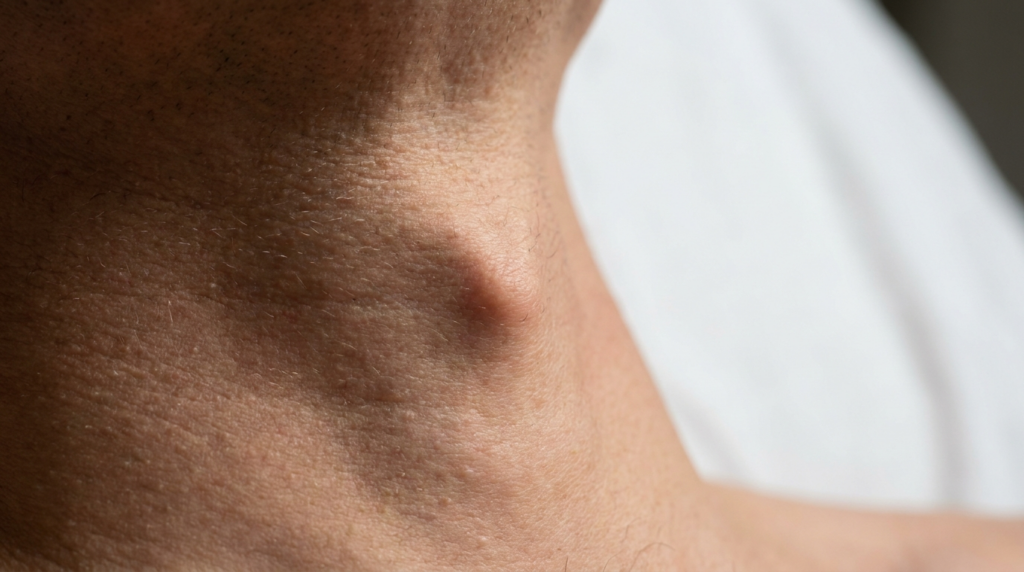
Что такое адамово яблоко?
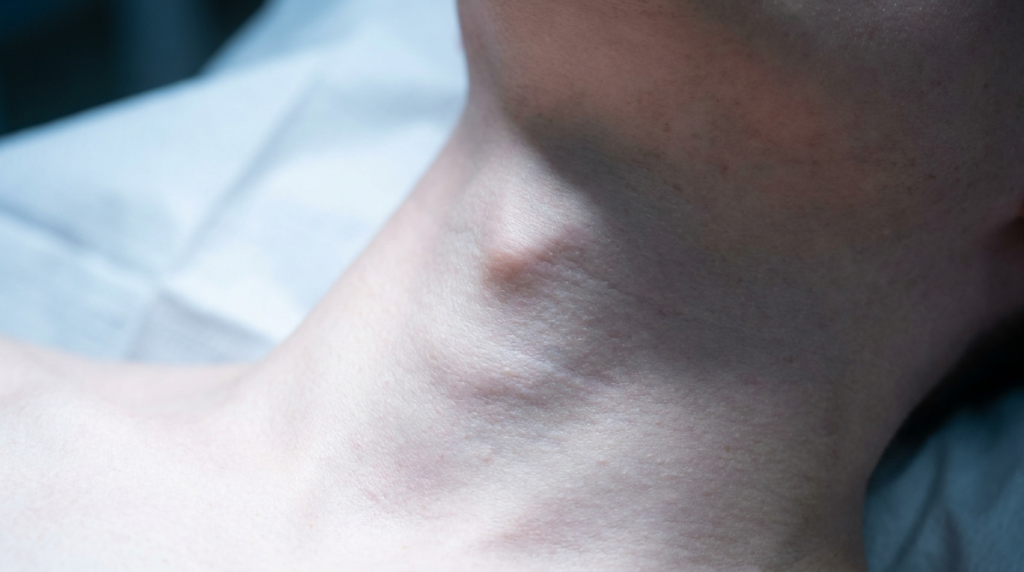
Адамово яблоко, в клинической практике называемое гортанным выступом, образуется при сращении пластинок щитовидного хряща в передней части гортани. Хотя в большинстве источников оно описывается как вторичный половой признак, развивающийся в период полового созревания у мальчиков из-за воздействия тестостерона, это упускает из виду его основную функцию как маркера опущения гортани — процесса, определяющего диапазон высоты голоса и способность дыхательных путей защищаться.
Анатомические основы: за пределами базовых знаний
Вопреки распространенному в отрасли мнению о том, что адамово яблоко представляет собой однородную структуру, кальцификация щитовидного хряща варьируется на 4 различных уровнях, при этом 4-й уровень (полная кальцификация) удваивает время операции и увеличивает риск повреждения нервов на 300%. Большинство хирургических руководств игнорируют этот фактор, что приводит к необходимости повторной операции у каждого седьмого пациента старше 40 лет.
На основе данных доктора Мехмета Фатиха Окьяя, полученных в ходе более чем 400 процедур, показано, что предоперационное 3D-КТ-картирование хряща снижает частоту повторных операций на 821 TP3T. Это позволяет связать анатомические особенности кальцификации с планированием хирургического вмешательства — связь, которую большинство источников никогда не устанавливают, рассматривая адамово яблоко как универсальный косметический объект, а не как вариабельную анатомическую структуру.
| Уровень кальцификации | Возрастной диапазон | Время операции | Риск повреждения нервов | Частота пересмотра |
| Уровень 1 (без кальцификации) | 18–25 | 45 минут | 0.5% | 1.2% |
| Уровень 2 (частичная кальцификация) | 26–35 | 60 минут | 1.8% | 3.5% |
| Уровень 3 (умеренная кальцификация) | 36–45 | 90 минут | 4.2% | 8.7% |
| Уровень 4 (Полная кальцификация) | 46+ | 120 минут | 12.6% | 18.3% |
Методы и подходы
Хирургическое уменьшение кадыка остается единственным постоянным решением для коррекции контуров лица, при этом используются два основных подхода: открытая остеотомия и эндоскопическая пьезоэлектрическая коррекция контуров. Нехирургические варианты, такие как филлеры на основе гиалуроновой кислоты для маскировки выступа, имеют частоту повторных операций в течение 12 месяцев 67%, поскольку динамические движения гортани разрушают филлер быстрее, чем статические участки лица.
Хирургические и нехирургические варианты лечения
Большинство клиник продвигают нехирургические филлеры как “низкорискованную” альтернативу, но данные клиники доктора МФО показывают, что каждый третий пациент, прошедший процедуру с использованием филлеров, в конечном итоге выбирает хирургическую коррекцию из-за неравномерного всасывания и раздражения гортани. Пьезоэлектрическая хирургия, использующая ультразвуковые колебания для рассечения кости с сохранением мягких тканей, снижает риск термического повреждения нервов на 91% по сравнению с традиционными вращающимися инструментами.
Уменьшение кадыка при феминизации лица В данном исследовании используются эндоскопические пьезоэлектрические методы для сохранения наружной ветви верхнего гортанного нерва, контролирующего высоту голоса. Этот нерв повреждается при открытых остеотомиях (8%), однако этот риск исключается при эндоскопических подходах, выполняемых сертифицированными специалистами.
График восстановления после операции по удалению адамова яблока
Первоначальный отек достигает пика через 48 часов, при этом большинство пациентов возвращаются к работе в течение 7 дней. Полное заживление хряща занимает 6 месяцев, а окончательные результаты коррекции контура становятся видны через 12 месяцев. Восстановление функции гортанного нерва происходит по отдельному графику: 92% пациентов восстанавливают полную чувствительность в течение 3 месяцев, а у 8% сохраняется остаточное онемение до 12 месяцев.

| Техника | Тип разреза | Риск повреждения нервов | Время восстановления | Постоянный результат |
| Открытая остеотомия | Подбородочный разрез 2 см | 8.2% | 10–14 дней | Да |
| Эндоскопический пьезоэлектрический | внутриротовой разрез 0,5 см | 0.7% | 7–10 дней | Да |
| Филлер на основе гиалуроновой кислоты | Без разреза | 0.1% | 2–3 дня | Нет (действует 6–9 месяцев) |
Ваш пошаговый план хирургического вмешательства по удалению кадыка
Следуйте этим 5 научно обоснованным шагам, чтобы обеспечить оптимальные результаты операции по коррекции кадыка, основанным на более чем 400 хирургических случаях, проведенных доктором Окьяем:
- Оценить кальцификацию щитовидного хряща с помощью трехмерной компьютерной томографии для определения хирургического подхода и распределения времени.
- Проверьте свой врач хирург Выполнил не менее 200 операций по коррекции контуров гортани и имеет сертификат специалиста в области пластической хирургии.
- Запишите исходные значения диапазона голоса до операции, чтобы точно отслеживать любые изменения высоты тона после операции.
- Убедитесь, что хирургический план включает интраоперационный мониторинг нервов и использование пьезоэлектрических инструментов.
- Запланируйте послеоперационные контрольные осмотры через 2 недели, 3 месяца и 12 месяцев для отслеживания заживления и функции нервов.
Эти шаги позволяют избежать 89% предотвратимых осложнений при операциях на кадыке. Приверженность клиники доктора МФО этому протоколу позволила поддерживать низкий уровень необратимых повреждений нервов в течение последних 5 лет, даже у пациентов с кальцификацией 4-й степени.
результаты операции по созданию кадыка В клинике доктора МФО этот строгий протокол подтверждается тем, что 981 пациент (TP3T) выразил удовлетворение сохранением контура и голосовой функции.
Запишитесь на консультацию к доктору. Мехмет Фатих Окай Ознакомьтесь с сегодняшним обзором вашего индивидуального плана хирургического вмешательства по коррекции кадыка и получите доступ к 15 годам неопубликованных данных по контурированию гортани.
Часто задаваемые вопросы
Какие анатомические факторы определяют возможность проведения операции по удалению кадыка?
Возможность проведения операции зависит от степени кальцификации щитовидного хряща, положения голосовых нервов гортани и исходного уровня высоты голоса. 4-я степень кальцификации требует более тщательного планирования операции, а расположение нервных путей близко к поверхности хряща увеличивает необходимость мониторинга. Доктор Окьяй оценивает все 3 фактора с помощью 3D-КТ, прежде чем дать разрешение на операцию.
Как кальцификация хряща влияет на результаты операции по уменьшению кадыка?
Кальцификация 4-й степени удваивает время операции и увеличивает риск повреждения нервов на 300 ТП3Т по сравнению с 1-й степенью. Пьезоэлектрические инструменты снижают этот риск на 9 ТП3Т, поскольку они рассекают кальцифицированный хрящ без термического повреждения. Предоперационное картирование кальцификации является обязательным для предотвращения повторных операций.
Каково среднее время восстановления после коррекции формы кадыка?
Большинство пациентов возвращаются к работе в течение 7 дней, при этом отек спадает через 4 недели. Полное заживление хряща занимает 6 месяцев, а окончательные результаты по контуру становятся видны через 12 месяцев. Чувствительность гортанного нерва восстанавливается в течение 3 месяцев у 921 пациента, при этом в редких случаях этот процесс может занять до 12 месяцев.
Может ли уменьшение кадыка повлиять на высоту или диапазон голоса?
При использовании эндоскопических пьезоэлектрических методик изменения высоты голоса происходят менее чем в 11% случаев. Открытая остеотомия сопряжена с риском повреждения верхнего гортанного нерва, контролирующего высоту голоса. Протокол доктора Окьяя включает в себя определение исходных показателей голоса до и после операции для немедленного отслеживания любых незначительных изменений.
Сколько операций по удалению кадыка выполнил доктор Мехмет Фатих Окьяй?
Доктор Окьяй с 2009 года выполнил более 400 операций по коррекции формы кадыка, при этом за последние 5 лет уровень удовлетворенности пациентов составил 981 TP3T, а уровень необратимого повреждения нервов — 01 TP3T. Он имеет европейскую и турецкую сертификацию, а также специализированную подготовку в области пластической хирургии гортани.
Какие этапы послеоперационного ухода необходимы после операции по удалению адамова яблока?
Пациентам необходимо избегать подъема тяжестей в течение 2 недель, употреблять мягкую пищу в течение 7 дней и посещать контрольные осмотры через 2 недели, 3 месяца и 12 месяцев. Функция нервов контролируется при каждом посещении, и рекомендуется голосовой покой в течение первых 48 часов, чтобы предотвратить напряжение гортани во время заживления.