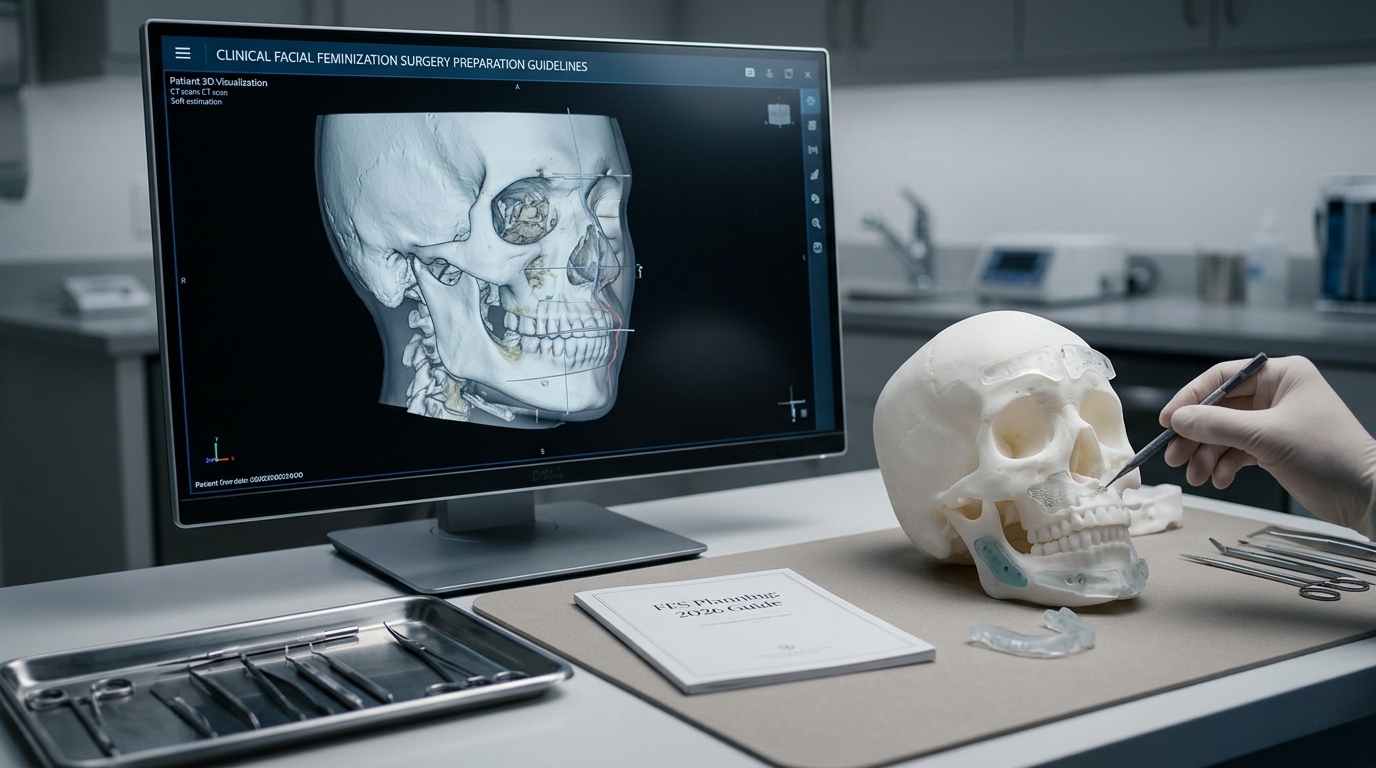

Yüz Feminizasyonu Yüz ve Çene Cerrahisi (FFS), dış görünüşlerini onaylanmış kadın kimlikleriyle uyumlu hale getirmek isteyen bireyler için dönüştürücü bir yol sunan, son derece karmaşık ve kişisel bir yolculuğu temsil eder. Kraniyofasiyal ve plastik cerrahi içindeki bu son derece uzmanlaşmış alan, salt estetik iyileştirmelerin ötesine geçerek, insan yüz anatomisindeki derin ve doğal farklılıkları dikkate alan titiz ve bireyselleştirilmiş bir yaklaşım gerektirir. Başarılı bir FFS'yi yönlendiren temel ilke şudur: yüz feminizasyonu İki yüzün birbirinin aynı olmadığı ve her birinin aynı erkeksi özelliklere sahip olmadığı anlayışı esastır. Bu nedenle, "tek beden herkese uyar" yaklaşımı, en uygun, doğal görünümlü ve son derece tatmin edici sonuçlar elde etmek için yetersizdir. Bunun yerine, süreç, her hastanın kendine özgü iskelet ve yumuşak doku yapısına titizlikle uyarlanmış, kişiye özel bir cerrahi strateji gerektirir; bu yapı, genetik yatkınlık, gelişimsel faktörler ve hormonal etkilerin karmaşık bir etkileşiminden oluşur.
Bu kapsamlı rehber, FFS sırasında kullanılan hassas cerrahi müdahaleleri ve teknikleri şekillendirmede belirgin yüz anatomisinin kritik rolünü inceleyecek ve bireysel özelliklerin nüanslı bir şekilde değerlendirilmesinin nasıl gerçekten kişiselleştirilmiş ve etkili bir dönüşümle sonuçlandığını vurgulayacaktır. Uzman cerrahların, kaşların ince hatlarından çenenin daha belirgin açılarına kadar uzanan cinsiyetler arasındaki karmaşık kraniyofasiyal farklılıklar manzarasında nasıl yol aldıklarını ve bu anatomik nüansların feminizasyon prosedürlerinin seçimini ve uygulanmasını nasıl doğrudan etkilediğini inceleyeceğiz. Amaç, yalnızca açıkça erkeksi özellikleri yumuşatmak değil, aynı zamanda bireyin cinsiyet kimliğini gerçekçi bir şekilde yansıtan, tutarlı ve dengeli bir yüz görünümü oluşturmak, böylece psikolojik refahı artırmak, cinsiyet disforisini hafifletmek ve sosyal onaylanmayı kolaylaştırmaktır (Barnett ve ark., 2023).
Bu araştırma, cerrahların hastanın yüzünün ayrıntılı, üç boyutlu bir taslağını oluşturmasını sağlayan yüksek çözünürlüklü 3B görüntüleme ve gelişmiş sanal cerrahi planlama sistemleri gibi gelişmiş tanı araçlarını vurgulayacaktır. Bu teknolojik entegrasyon, ameliyat öncesi strateji belirlemede benzeri görülmemiş bir hassasiyet düzeyi sağlayarak simüle edilmiş sonuçlara ve özelleştirilmiş cerrahi kılavuzlara olanak tanır. Ayrıca, yüzün temel iskeletini ele alan kemik modifikasyonları ve hassas son rötuşları sağlayan yumuşak doku iyileştirmelerini kapsayan çeşitli cerrahi tekniklerin, doğallığı korurken derin bir feminizasyon sağlayan uyumlu bir sonuç üretmek için nasıl sinerjik olarak entegre edildiğini inceleyeceğiz.
Bu tartışma, hasta beklentilerini yönetmede, bunların cerrahi gerçekçiliğe dayanmasını sağlamada ve önemli anatomik varyasyonların ortaya koyduğu benzersiz zorlukları anlamada yer alan kritik hususlara kadar uzanacaktır. Ayrıca, hem estetik prensipleri hem de karmaşık kraniyofasiyal rekonstrüksiyonu derinlemesine anlayan son derece deneyimli bir uzmanın seçilmesinin büyük önemini vurgulayacağız. Sonuç olarak, bu ayrıntılı analiz, bireysel yüz anatomisi ile cerrahi sanat arasındaki derin etkileşimi aydınlatmayı ve son derece kişiselleştirilmiş bir yaklaşımın sadece faydalı değil, aynı zamanda dönüştürücü, kalıcı ve son derece etkili yüz feminizasyon sonuçlarının temel taşı olduğunu ortaya koymayı amaçlamaktadır. Örneğin, belirli teknikleri anlamak, genioplasti Çene şekillendirme konusunda bilgi sahibi olmak, bu uzmanlığın derinliğini anlamak için çok önemlidir. Çenenin çıkıntısını, yüksekliğini ve genişliğini değiştirme yeteneği, yüz algısında dramatik bir değişime olanak tanıyarak, tipik olarak erkeksi bir özelliği daha yumuşak, daha kadınsı bir profille uyumlu hale getirir.Dr.MFO, 2025a).

İçindekiler
Mavi Kopyayı Anlamak: Yüz Feminizasyonunun Temel Anatomisi
Herhangi bir cerrahi müdahaleye başlamadan önce, hastanın temel yüz anatomisinin derinlemesine anlaşılması son derece önemlidir. Yetenekli bir yüz feminizasyonu uzmanı, Cerrah Altta yatan kemik ve üstteki yumuşak doku yapılarının karmaşık etkileşimini titizlikle değerlendirir. Bu kapsamlı değerlendirme kritik öneme sahiptir çünkü iskelet oranlarındaki ve yumuşak doku dağılımındaki doğal farklılıklar, algılanan cinsiyetin temel belirleyicileridir. Örneğin, glabella, frontal çıkıntı ve mandibula açısı gibi belirli iskeletsel işaret noktaları bu ayrımlara önemli ölçüde katkıda bulunur.
Tipik olarak, erkeksi yüz özellikleri genellikle daha belirgin bir kaş kemiği, daha geniş ve kare bir çene hattı, daha büyük ve öne doğru çıkıntılı bir çene ve daha yüksek bir burun köprüsü ve daha az yukarı doğru dönme ile karakterize edilen belirgin bir burun profili içerir. Buna karşılık, kadınsı yüz özellikleri daha düz bir alın, daha sivri bir çene hattı, narin bir çene ve daha küçük, daha zarif bir burun ile kendini gösterir. Bununla birlikte, bu özelliklerin ifade derecesi, genetik, etnik ve gelişimsel faktörler nedeniyle bireyler arasında önemli ölçüde farklılık gösterir (Alraddadi, 2021). Bu bireysel anatomik nüansları tanımak sadece gözlemsel bir adım değil, gerçekten kişiye özel ve etkili bir cerrahi plan oluşturmanın temel ön koşuludur. Bu hassasiyet, yapay veya "ameliyatlı" bir görünümü önleyerek sonuçların doğal ve bireyin benzersiz güzelliğiyle uyumlu olmasını sağlar.
Bu ayrıntılı anatomik planı elde etmek için, gelişmiş tanısal görüntüleme vazgeçilmez bir rol oynamaktadır. Üç boyutlu bilgisayarlı tomografi (3D BT) taramaları sıklıkla kullanılmakta olup, hastanın benzersiz iskelet ve yumuşak doku mimarisinin yüksek çözünürlüklü, üç boyutlu bir rekonstrüksiyonunu sağlamaktadır. Bu taramalar, kemik yoğunluğu, sinüs pnömatizasyonu, sinir yolları ve yüz iskeletinin kesin konturları hakkında eşsiz bir görünüm sunmaktadır (Barnett vd., 2023). Bu veriler daha sonra sanal cerrahi planlama (VSP) yazılımıyla birlikte kullanılarak cerrahların mevcut yapıları hassas bir şekilde ölçmelerine ve potansiyel cerrahi değişiklikleri simüle etmelerine olanak tanır. Sanal osteotomiler gerçekleştirme ve yumuşak doku örtüsünü tahmin etme yeteneği, ameliyatın her adımını planlamada benzeri görülmemiş bir hassasiyet düzeyi sağlar.
Statik görüntülerin ötesinde, yumuşak doku hareketliliği, cilt elastikiyeti ve kas aktivitesinin dinamik değerlendirmeleri de dahil edilmektedir. Örneğin, doku kalınlığı ve elastikiyetindeki varyasyonları anlamak, kemik küçültme veya büyütme işlemlerinden sonra üstteki yumuşak dokuların nasıl yeniden şekilleneceğini öngörmek için çok önemlidir. Bu dinamik değerlendirme, özellikle çene hattı ve çeneyi içeren kadınsılaştırma değişikliklerinin, doğal olmayan geçişlerden kaçınarak, çevredeki yumuşak dokularla sorunsuz bir şekilde bütünleşmesini sağlar. Kapsamlı fiziksel muayene ve gelişmiş görüntüleme kombinasyonu, Cerrah Hastanın yüz yapısını bütüncül bir anlayışla ele alarak, genel ideallerin ötesine geçip bireye özgü sonuçlar elde etmeyi amaçlayan, hem anatomik olarak doğru hem de estetik açıdan uyumlu bir feminizasyon stratejisi formüle etmelerini sağlar.

Bölgesel Derinlemesine İnceleme: Belirli Feminizasyon Teknikleri Üzerindeki Anatomik Etki
Alın ve Göz Çevresi Çerçeveleri: Kadınsı Bir Temel Oluşturmak
Yüzün üst üçte birlik kısmı, alın ve göz çukuru kenarlarını kapsayan bölge, cinsiyetin belirlenmesinde önemli bir rol oynar. Alın kemiği ve supraorbital çıkıntı (kaş kemiği) varyasyonları, en önemli cinsel dimorfik özellikler arasındadır. Erkek alınlarında genellikle belirgin bir kaş çıkıntısı, üst göz çukuru kenarına göre daha ağır ve yatay konumlanmış bir kaş ve geriye doğru çekilmiş bir alın bulunur. Altta yatan frontal sinüs hacmi ve ön duvarının kalınlığı, olası küçültmenin kapsamını önemli ölçüde belirler. Buna karşılık, kadın alınları tipik olarak daha pürüzsüz, daha yuvarlak bir kontur, daha dikey yönelimli bir profil ve göz çukuru kenarının üzerinde konumlanmış, daha yüksek kavisli kaşlarla karakterize edilir (Barnett vd., 2023). Alın çıkıntısının derecesi bireyler arasında önemli ölçüde değişebilir ve bu da cerrahi müdahalenin karmaşıklığını ve seçimini doğrudan etkileyerek son derece kişiselleştirilmiş bir yaklaşım gerektirir.
Bu anatomik farklılıklar, seçimi doğrudan etkiler. alın şekillendirme Bu işlemler, öncelikle Tip 1 (tıraşlama), Tip 2 (kombinasyon) veya Tip 3 (geri çekme) teknikleri olarak sınıflandırılır. Nispeten kalın bir ön frontal sinüs duvarına ve daha az belirgin bir çıkıntıya sahip bireyler için, çıkıntılı kemiğin doğrudan törpülenmesini veya tıraşlanmasını içeren bir Tip 1 prosedürü, daha yumuşak bir geçiş oluşturmak için yeterli olabilir. Bu teknik daha az invazivdir ve daha hızlı bir iyileşme sağlar. Bununla birlikte, frontal sinüs kemiği daha ince olduğunda veya kaş çıkıntısı önemli ölçüde belirgin olduğunda, yapısal bütünlüğü tehlikeye atmadan veya olumsuz estetik sonuçlar yaratmadan yeterli feminizasyon elde etmek için genellikle daha kapsamlı bir yaklaşım gereklidir.
Tip 3 kranioplasti, diğer adıyla frontal sinüs geri çekme, frontal sinüsün ön duvarının dikkatlice çıkarılmasını, titizlikle yeniden şekillendirilmesini ve ardından daha geriye çekilmiş ve kadınsı bir pozisyonda yeniden birleştirilmesini içerir (Barnett vd., 2023). Bu rekonstrüktif teknik, daha büyük bir küçültme derecesi ve daha derin bir kadınsılaştırma etkisi sağlayarak, supraorbital konturu temelden değiştirir ve kadınsı bir alın için istenen dışbükey eğriliği elde eder. Bu işlem için gereken hassasiyet çok büyüktür, çünkü hassas yapılar etrafında çalışmayı ve simetrik yeniden şekillendirmeyi sağlamayı içerir. Ameliyat sonrası, yeniden birleştirilen kemik parçası çevredeki kemikle bütünleşerek istikrarlı ve kalıcı bir sonuç sağlar.
Bununla bağlantılı olarak alın şekillendirme, Göz çevresi kontürlemesi, üst yüz bölgesinin daha da kadınsılaştırılması için sıklıkla yapılır. Erkeksi yüzlerde, göz çukurlarının etrafındaki kemik kenarları daha ağır ve daha köşeli görünebilir ve genellikle gözleri erkeksi gösteren gölgeler oluşturabilir. Bu kenarları dikkatlice düzleştirip yuvarlaklaştırarak, gözler daha büyük, daha açık ve daha az gölgeli görünür, bu da daha yumuşak ve davetkar bir bakışa katkıda bulunur. Bu modifikasyonların, özellikle supraorbital ve supratroklear sinirler gibi kritik yapılara yakın bölgelerde, duyusal eksiklikleri önlemek için hassas bir şekilde uygulanması çok önemlidir. Bu sinir yollarından kaçınmada cerrahi beceri, hasta konforunu korumak ve uzun vadeli komplikasyonları önlemek için çok önemlidir.
Ek olarak, doğal saç çizgisi konumu ve mevcut kaş sarkması, kaş kaldırma tekniklerinin seçiminde yol gösterici olacaktır. Alın kontürlemesiyle birlikte belirgin saç çizgisi ilerlemesi için kafa derisi boyunca uzanan koronal bir kesi tercih edilebilirken, saç çizgisi içindeki daha küçük kesiler kullanılarak yapılan endoskopik kaş kaldırma, özellikle saç çizgisinin alçalması birincil amaç olmadığında, minimal saç çizgisi değişikliğiyle kaş yükseltme sağlayabilir. Barnett ve ark. (2023) tarafından ayrıntılı olarak açıklanan sanal cerrahi planlama, cerrahların istenen sonuçları hassas bir şekilde görselleştirmelerine ve osteotomileri daha yüksek doğrulukla planlamalarına olanak tanıyan, ameliyat süresini önemli ölçüde azaltan ve aşırı rezeksiyon veya sinir hasarı gibi komplikasyonları en aza indiren vazgeçilmez bir araç olarak ortaya çıkmıştır. Bu titiz ameliyat öncesi haritalama, değiştirilen konturların yüzün geri kalanıyla kusursuz bir şekilde bütünleşmesini sağlayarak uyumlu ve belirgin bir şekilde kadınsı üst yüz estetiği sunar. Bu üst yüz prosedürleri arasındaki etkileşim kritiktir, çünkü bir alandaki değişiklikler diğerinin algısını önemli ölçüde etkileyebilir ve entegre ve bütünsel bir yaklaşım gerektirir.

Orta Yüz ve Yanaklar: Yumuşaklık ve Çıkıntıyı Şekillendirme
Yüz ortası, belirgin bir şekilde elmacık kemiği (zigomatik kemik) kompleksi ve üzerindeki yumuşak dokularla tanımlanır ve yüzün kadınsı ve genç görünümünün algılanmasında çok önemli bir rol oynar. Erkek ve kadın yüz tipleri arasında yüz ortasının çıkıntısı ve konturunda önemli farklılıklar vardır. Erkek yüz ortaları genellikle daha düz, daha az öne doğru çıkıntılı zigomatik kemiklere sahiptir ve bu da daha az üçgen bir yüz şekline katkıda bulunur. Bu, daha sert veya köşeli bir görünüm verebilir. Buna karşılık, kadın yanakları tipik olarak daha yüksek, daha öne doğru konumlanmış zigomatik kemerlerle karakterize edilir; bu da arzu edilen bir dışbükeylik yaratır ve daha yumuşak, daha genç ve genellikle "kalp şeklinde" bir yüz konturuna katkıda bulunur (Barnett vd., 2023). Elmacık kemiği yağ yastığı ve yanak yağı da dahil olmak üzere deri altı yağın dağılımı ve hacmi de önemli ölçüde değişir ve genel yüz ortası görünümünü daha da etkiler. Bu faktörlerin dikkatli bir şekilde değerlendirilmesi cerrahi stratejiye rehberlik eder.
Orta yüz feminizasyonuna yönelik cerrahi stratejiler, hastanın mevcut anatomik yapısına ve istenen estetiğe bağlı olarak büyük ölçüde kişiselleştirilmiştir. Elmacık kemiği çıkıntısı yetersiz olduğunda veya orta yüz doğal olarak daha düz olduğunda, yanak büyütme sıklıkla önerilir. Bu, çeşitli yöntemlerle elde edilebilir. Otolog yağ aşısı, Hastanın vücudunun diğer bölgelerinden (örneğin karın veya uyluklardan) liposuction yoluyla yağ alınmasını, işlenmesini ve ardından yanaklara enjekte edilmesini içeren bu yöntem, doğal bir çözüm sunmaktadır. Bu teknik, yumuşak ve doğal görünümlü bir dolgunlaştırma sağlarken aynı zamanda üstteki cildin kalitesini de iyileştirebilir. Yağ greftlerinin canlılığı, uzun vadeli sonuçlar için çok önemlidir.
Alternatif olarak, genellikle silikon gibi biyouyumlu malzemelerden yapılan özel alloplastik implantlar, kalıcı hacim ve belirginlik sağlamak için elmacık kemiklerinin üzerine yerleştirilebilir. Bu implantlar, istenen konturlara tam olarak uyması için 3 boyutlu sanal cerrahi planlamaya dayalı olarak önceden tasarlanmış veya özel olarak üretilmiştir (Barnett vd., 2023). Özel implantlar, özellikle önemli iskelet eksiklikleri için öngörülebilir ve istikrarlı bir büyütme sağlar. yağ aşısı ve implantlar, istenen büyütme derecesine, donör yağın bulunabilirliğine ve hasta tercihine bağlıdır. Her iki teknik de daha belirgin ve estetik açıdan hoş bir yanak konturu oluşturmayı, genç ve kadınsı bir görünüme katkıda bulunmayı amaçlar.
Öte yandan, elmacık kemiklerinin aşırı geniş veya belirgin bir şekilde erkeksi açıda olduğu nadir durumlarda, cerrah orta yüz genişliğini yumuşatmak için zigomatik kemer küçültme işlemini düşünebilir. Ayrıca, yanak içindeki derin bir yağ yastığı olan bukkal yağın dağılımı, yüz dolgunluğunu etkileyebilir. Kadınsı estetiği bozan daha dolgun, yuvarlak bir alt yüze sahip bireyler için, daha belirgin ve çukur bir submalar bölgesi oluşturmak ve daha yüksek elmacık kemiklerinin görünümünü iyileştirmek amacıyla bukkal yağ yastığı çıkarılması düşünülebilir. Bu hedefli yağ azaltma işlemi, daha rafine ve konturlu bir orta yüz şekillendirmeye yardımcı olarak elmacık kemiklerini vurgular.
Bu işlemler arasındaki hassas etkileşim, şakaktan yanağa uzanan zarif, çift S şeklinde bir kontur olan "ogee eğrisi"nin oluşturulmasını sağlar ve bu, genç ve kadınsı yanakların önemli bir göstergesidir. Burun ve yanak işlemleri birleştirildiğinde, Dr.MFO (2025c), burun ve orta yüz estetiğinin birbirine bağımlılığı nedeniyle sinerjik anatomik planlama kritik öneme sahiptir. Örneğin, aşırı belirgin bir burun, orta yüzün geri çekilmiş görünmesine neden olabilirken, iyi çıkıntılı elmacık kemikleri burnu görsel olarak dengeleyebilir. Bu nedenle, bir alandaki değişiklikler diğerinin algısını derinden etkiler ve genel yüz uyumunu ve gerçekten doğal görünümlü bir dönüşümü sağlamak için entegre bir yaklaşım gerektirir. Kesin vektör yanak büyütme, Örneğin, burun uzunluğunun ve şeklinin algılanan şeklini önemli ölçüde değiştirebilir ve bu da bütüncül planlamanın önemini vurgular.
Burun: Hassas Oranlara Ulaşmak
Yüzün merkezinde yer alan burun, genel yüz dengesini ve algılanan cinsiyeti önemli ölçüde etkileyen kritik bir özelliktir. Burun yapıları son derece çeşitlidir, ancak farklı kalıplar cinsiyet tanımına katkıda bulunur. Erkek burunları genellikle daha geniş bir burun köprüsü, daha belirgin bir sırt kamburu, daha geniş burun delikleri (kanat tabanı) ve daha az yukarı doğru dönmüş, hatta bazen aşağı doğru çıkıntı yapan bir burun ucu ile karakterize edilir. Bu özellikler güçlü, bazen sert bir görünüm kazandırabilir. Buna karşılık, kadın burunları tipik olarak daha küçük bir genel boyut, daha dar bir köprü, daha yumuşak veya hafif içbükey bir sırt profili ve daha rafine, hafif yukarı doğru kalkık bir burun ucu ile karakterize edilir; bu da daha geniş bir nazalolabial açıya katkıda bulunur (Barnett vd., 2023). Bu ince ama etkili değişiklikleri elde etmek, burun anatomisi konusunda uzman bir anlayış ve ileri düzey bilgi gerektirir. burun estetiği teknikler.
Burun anatomisinin bu geniş yelpazesi kapsamlı bir yelpazeyi gerektirir burun estetiği Yüz feminizasyonu sırasında kullanılan teknikler. Burun sırtı çıkıntısının azaltılması yaygın bir işlemdir ve daha pürüzsüz, daha zarif bir profil oluşturmak için burun köprüsü boyunca fazla kemik ve kıkırdağın dikkatlice çıkarılmasını veya törpülenmesini içerir. Eş zamanlı olarak, osteotomiler (kontrollü kemik kesimleri) yoluyla burun kemiklerinin daraltılması, burun köprüsünün genel genişliğini azaltmaya yardımcı olur ve daha rafine bir görünüme katkıda bulunur. Bu osteotomilerin hassas yerleştirilmesi ve kontrolü, burun piramidinin destabilize edilmesini önlemek için hayati önem taşır. Burun ucu plasti teknikleri, burun ucunu feminize etmek için çok önemlidir; bunlar, ucu daha küçük, daha belirgin ve uygun şekilde yukarı doğru döndürülmüş hale getirmek için eksizyonlar, dikişler ve greftler yoluyla alt lateral kıkırdakların titizlikle yeniden şekillendirilmesini içerir (Barnett vd., 2023). Aşırı geniş burun deliklerini daraltmak için kanat tabanı küçültme işlemi yapılabilir; bu, erkeksi bir özellik olabilir ve burun tabanının feminize edilmiş uç ve köprü ile orantılı olmasını sağlar. Buradaki asıl amaç, yeni şekillendirilen alın ve orta yüzle uyumlu bir burun oluşturmak, aşırı agresif veya yapay bir görünümden kaçınmak ve böylece dengeli bir yüz estetiği sağlamaktır.
Burun köprüsü boyunca küçük bir kesi ve iç kesiler kullanılarak yapılan açık rinoplasti yaklaşımı, altta yatan iskelet ve kıkırdak yapısına optimum erişim ve görünürlük sağladığı için yüz feminizasyonunda sıklıkla tercih edilir. Bu, cerrahın yapıları hassas bir şekilde manipüle etmesine ve yukarı doğru burun ucu rotasyonu için kaudal septumun düzeltilmesi gibi belirli feminizasyon hedeflerine ulaşmasına olanak tanır (Barnett vd., 2023). Burun kemik ve kıkırdak bileşenleri arasındaki karmaşık ilişki, istikrarlı ve estetik açıdan hoş sonuçlar elde etmek için son derece yetenekli bir cerrah gerektirir. Septum desteğinin ve burun valflerinin dikkatli bir şekilde korunması, solunum fonksiyonunu korumak ve rinoplasti sonrası sık görülen sorunları önlemek için de çok önemlidir.
Ayrıca, deri, deri altı yağ dokusu ve kaslardan oluşan yumuşak doku örtüsü, nihai sonuçta önemli bir rol oynar; kalınlığı ve esnekliği, altta yatan değişikliklerin ne kadar kolay ortaya çıkacağını belirler. Burun damar beslenmesinin, özellikle oftalmik ve fasiyal arterlerin dallarından ve trigeminal sinirden gelen innervasyonun dikkate alınması, kanama veya duyusal değişiklikler gibi komplikasyonları en aza indirmek için çok önemlidir. Nihai amaç, genel olarak kadınsılaştırılmış yüz özellikleriyle uyumlu bir oranda bir burun şekillendirmek ve hastanın öz algısını ve sosyal rahatlığını artırmaktır (Dr. MFO, 2025b). Bu denge, burun kadınsılaştırılmış olsa da, bireyin benzersiz yüz yapısı içinde orantılı ve doğal görünmesini sağlar.
Çene Hattı ve Çene: Alt Yüzün Yumuşatılması
Yüzün alt üçte biri, özellikle çene hattı ve çene ucu, cinsel dimorfizmin temel göstergeleridir ve algılanan cinsiyete önemli ölçüde katkıda bulunur. Erkeksi çene hatları tipik olarak daha geniş, daha kare ve daha köşelidir, sıklıkla belirgin alt çene açıları ve daha kalın bir dış eğik sırt ile sunulur. Erkeksi yüzlerdeki çene daha geniş, daha kare veya aşırı belirgin olabilir ve güçlü, bazen künt, alt yüz görünümüne katkıda bulunur. Tersine, kadınsı çene hatları genellikle daha dar, daha koniktir ve sıklıkla daha yumuşak açılara sahip zarif bir V şekli veya oval kontur sergiler. Kadınsı yüzlerdeki çene tipik olarak daha narindir, daha az genişlik ve çıkıntıya sahiptir ve rafine bir alt yüz profiline katkıda bulunur (Barnett ve ark., 2023).
Çene hattını ve çeneyi kadınsılaştırmaya yönelik cerrahi stratejiler, titizlikle tasarlanmış kemik modifikasyonlarını içerir. Mandibular açı küçültme, arka çene hattını yumuşatmak için tasarlanmış önemli bir işlemdir. Bu işlem, belirgin çene açılarındaki kemiğin bir kısmının dikkatlice tıraşlanmasını veya rezeksiyonunu içerir ve kare bir konturu, kulaktan çeneye doğru daha düzgün, daha incelen bir geçişe dönüştürür. Bu işlem, görünür dış yara izlerinden kaçınmak için genellikle ağız içi kesiler (ağız içinden) yoluyla yapılır ve alt alveolar sinir gibi hayati yapılara verilen hasarı en aza indirirken hassas osteotomi ve konturlama sağlar (Barnett vd., 2023). Kemik çıkarılma miktarı, simetri ve optimum konturlama sağlamak için 3 boyutlu görüntüleme kullanılarak dikkatlice planlanır.
Çene şekillendirme veya genioplasti, Çenenin boyutunu, çıkıntısını ve şeklini doğrudan ele alan bu işlem, alt yüz feminizasyonunda çok önemli bir rol oynar (Dr. MFO, 2025a). Yüz feminizasyonunda amaç genellikle çene genişliğini azaltmak, aşırı uzunsa dikey yüksekliğini kısaltmak ve/veya hastanın istediği sonuca ve mevcut anatomisine bağlı olarak daha sivri veya yuvarlak bir şekle dönüştürmektir. Önemli çene feminizasyonu için birincil teknik kaydırma genioplastisidir. Bu işlem, çene kemiğinde yatay bir osteotomi (kemik kesimi) yapılmasını içerir ve alt kısmın hassas bir şekilde yeniden konumlandırılmasına olanak tanır. Çıkıntıyı azaltmak için geriye (geriye çekme), yüksekliği kısaltmak için yukarı (dikey küçültme) ve daha zarif bir profil oluşturmak için incelikle daraltılabilir (Dr. MFO, 2025a). Yeniden konumlandırılan segment daha sonra stabil ve öngörülebilir iyileşme için küçük titanyum plakalar ve vidalarla sabitlenir (Barnett vd., 2023).
Çene genişliğinde veya çıkıntısında daha ince değişiklikler gerektiren ve kapsamlı yeniden konumlandırma gerektirmeyen durumlarda, kemik genioplastisi (çene kemiği şekillendirme/küçültme) uygulanabilir. Bu teknik, mevcut kemiği tıraşlamak ve şekillendirmek için özel frezeler kullanır, çeneyi daraltır ve yuvarlaklaştırır veya açısallıkları düzeltir (Dr. MFO, 2025a). Kaydırma genioplastisine göre daha az invaziv olmakla birlikte, küçük düzeltmeler için daha uygundur. Bir diğer teknik olan çene kanadı osteotomisi, daha karmaşıktır ve birincil feminizasyonda daha az yaygındır, ancak karmaşık 3 boyutlu yeniden şekillendirme, asimetrileri giderme veya kapsamlı kemik manipülasyonunun gerekli olduğu revizyon vakalarında uyarlanabilir. Genellikle silikondan yapılan implantlar, birincil feminizasyon genioplastisinde genellikle kaçınılır, çünkü ana işlevleri büyütmedir ve bu da genellikle feminizasyonun küçültme hedeflerine aykırıdır. İmplantlar, doğal olmayan görünüm, enfeksiyon veya yerinden oynama riskleri taşıdığından, FFS'de doğal ve uzun süreli sonuçlar için kemik şekillendirme teknikleri tercih edilmektedir (Dr. MFO, 2025a).
Bu işlemlerin entegrasyonu genellikle, alt yüz silüetini önemli ölçüde daha ince ve kadınsı hale getirmek için mandibular açı küçültme ve genioplastiyi birleştiren bir "V-şekilli" ameliyatla sonuçlanır. Bazı durumlarda, aşırı alt yüz genişliğine katkıda bulunan hipertrofik (büyümüş) çene kaslarına sahip bireyler için, cerrahi olarak veya botulinum toksin enjeksiyonları yoluyla masseter kası küçültme de düşünülebilir. Bu dikkatlice planlanmış müdahalelerin birleşik etkisi, üst ve orta yüzdeki değiştirilmiş özellikleri dengeleyen, daha zarif, uyumlu ve belirgin bir şekilde kadınsı bir alt yüzle sonuçlanır (Dr. MFO, 2025b). Uyumlu bir V şekli elde etmek, alt yüzün tüm bileşenlerinin kusursuz bir şekilde entegre olmasını sağlamak için titiz bir planlama gerektirir.
Trakea: Daha Pürüzsüz Bir Boyun Çizgisi
Adem elması olarak da bilinen gırtlak çıkıntısı, tiroid kıkırdağının büyümesi ve keskin açısı nedeniyle erkek ergenliği sırasında gelişen ve daha belirgin hale gelen ayrı bir ikincil cinsel özelliktir. Varlığı, birçok trans kadın için önemli bir cinsiyet disforisi kaynağı olabilir, çünkü erkeksi bir boyun profilini hemen gösteren oldukça görünür bir özelliktir. Trakeal tıraş, diğer adıyla kondrolaringoplasti, Adem elmasının boyutunu ve çıkıntısını azaltmak için özel olarak tasarlanmış, basit ancak oldukça etkili bir kadınlaştırma işlemidir (Barnett vd., 2023). Bu işlem, daha pürüzsüz, daha kadınsı bir boyun elde etmek için kıkırdağı şekillendirmeye odaklanır. Ses fonksiyonunu tehlikeye atmadan estetik hedeflere ulaşmak için küçültme derecesi dikkatlice belirlenir.
İşlem genellikle boyundaki doğal bir deri kıvrımında, genellikle submental kıvrım ile servikomental açı arasındaki orta noktada, küçük ve göze çarpmayan bir enine kesi yapılmasını içerir; böylece oluşabilecek herhangi bir yara izinin görünürlüğü en aza indirilir. Cerrah bu kesi yoluyla tiroid kıkırdağının en belirgin kısmını dikkatlice tıraşlayarak çıkıntısını azaltır ve boynun daha pürüzsüz, daha yumuşak bir konturunu oluşturur. Stabilizasyon için ses tellerinin seviyesinin üstünde bir kıkırdak kenarının korunmasına ve en önemlisi kıkırdağın hemen arkasında bulunan ses tellerinin kendilerine zarar verilmemesine büyük özen gösterilir (Barnett ve ark., 2023). Bu titiz yaklaşım ses fonksiyonunun korunmasını sağlar. Öncelikle iskelet dokusunun bir formu olan kıkırdağın bir modifikasyonu olmasına rağmen, trakeal tıraşlama boynun ve profilin genel görünümünü derinden etkiler, daha kadınsı bir silüete katkıda bulunur ve önemli bir disfori kaynağını hafifletir.
Trakeal tıraştan iyileşme genellikle daha kapsamlı kemik prosedürlerinden daha hızlıdır ve çoğu akut şişlik ve rahatsızlık birkaç hafta içinde geçer. Hastalar ameliyattan hemen sonra bazı geçici ses değişiklikleri veya gerginlik hissi yaşayabilirler, ancak bunlar genellikle iyileşme ilerledikçe düzelir. Bazı durumlarda, istenen boyun silüetini daha da geliştirmek ve özellikle cilt gevşekliğinin daha büyük bir endişe kaynağı olduğu yaşlı hastalarda maksimum cilt sıkılaştırması elde etmek için submental yağ eksizyonu ve platismaplasti (boyun kası sıkılaştırma) eş zamanlı olarak gerçekleştirilebilir (Barnett ve ark., 2023). Birçok kişi için daha pürüzsüz bir boyun çizgisi elde etmek büyük bir psikolojik rahatlama sağlar ve özellikle boynu açıkta bırakan kıyafetler giydiklerinde kendilerini daha rahat ve özgüvenli hissetmelerini sağlar. Bu nispeten sınırlı prosedür, baş ve boyun bölgesinin en görünür erkeksi özelliklerinden birini ele alarak genel cinsiyet onaylaması üzerinde önemli bir etki sunar.

Bütünsel Feminizasyon için Bütünleştirici Teknikler: Sinerji Sanatı
Gerçek yüz feminizasyonu nadiren tek bir işlemle gerçekleşir. Bunun yerine, her biri diğerlerini tamamlayacak ve hastanın benzersiz anatomisine bütünsel olarak hitap edecek şekilde titizlikle planlanmış, koordineli cerrahi müdahalelerin karmaşık bir senfonisidir. Yetenekli cerrah, temel kemik yeniden yapılandırmasından ince yumuşak doku iyileştirmelerine kadar bir dizi modifikasyonu yöneten bir mimar gibi hareket ederek dengeli, uyumlu ve doğal olarak kadınsı bir sonuç elde eder. Bu bütünleşik yaklaşım, genel sonucun izole, bağlantısız değişiklikler koleksiyonu olmaktan ziyade, hastanın cinsiyet kimliğiyle uyumlu ve tutarlı olmasını sağlar. İşlemler arasındaki sinerji çok önemlidir, çünkü bir yüz bileşeninin değiştirilmesi kaçınılmaz olarak bitişik ve uzak özelliklerin algısını ve estetiğini etkiler. Yüzün tüm parçaları, ifade ve duyguyla doğal olarak hareket eden birleşik bir bütün olarak ele alındığında, gerçekten sanatsal bir sonuç ortaya çıkar.
Örneğin, kaş çıkıntısının azaltılması sadece alnı kadınsılaştırmakla kalmaz, aynı zamanda gözleri optik olarak daha büyük göstererek, hafif bir rinoplastinin etkisini daha da belirgin hale getirir. Benzer şekilde, çene hattı ve çene şekillendirme işlemleri, özellikle çıkıntı ve dikey küçültme için kaydırma genioplastisi (Dr. MFO, 2025a), yumuşak dokuların daha zarif bir şekilde yerleştiği daha dar bir temel sağlar ve yanak dolgunlaştırma ve dudak kaldırma işlemlerinin etkisini artırır. Bu tekniklerin özenli sıralaması ve kombinasyonu, yüz kadınlaştırmasını sadece cerrahi bir değişiklikten sofistike bir sanat formuna yükseltir. Bu sinerjik etki, genellikle bireysel işlemlerin toplamından daha büyük sonuçlar verir ve her zaman var olmuş gibi görünen doğal olarak uyumlu bir kadınsı estetik yaratır.
Tek aşamalı bir yaklaşım ile aşamalı bir yaklaşım (zaman içinde gerçekleştirilen birden fazla ameliyat) arasındaki tercih, vakanın anatomik karmaşıklığına, hastanın genel fiziksel sağlığına ve kişisel tercihlerine büyük ölçüde bağlıdır. Tek aşamalı bir işlem, tek bir iyileşme dönemi kolaylığı ve genellikle önemli maliyet tasarrufu sağlarken, hasta güvenliği en büyük öncelik olmaya devam etmektedir. Çalışmalar, yüz feminizasyonu hastalarında anestezi seansı başına gerçekleştirilen işlem sayısının artmasının, komplikasyon oranlarının mutlaka artacağını öngörmediğini, iyi planlanmış, kapsamlı tek aşamalı yaklaşımların uygun tıbbi değerlendirme altında güvenle uygulanabileceğini göstermektedir (Barnett vd., 2023). Bununla birlikte, bu, hastanın daha uzun bir cerrahi süreyi tolere edebileceğinden emin olmak için dikkatli hasta seçimi ve titiz bir ameliyat öncesi değerlendirme gerektirir.
Ancak, kapsamlı cerrahi ihtiyaçları olan, önemli tıbbi komorbiditeleri bulunan veya daha küçük müdahalelerden sırayla iyileşmeyi tercih eden bireyler için aşamalı bir yaklaşım daha uygun olabilir. Bu gibi durumlarda, frontal sinüs geri çekme, supraorbital kontürleme, çene hattı inceltme ve rinoplasti gibi yapısal sert doku işlemlerine öncelik verilir, ardından özellikle cilt gevşekliğinin dikkate alındığı yaşlı hastalarda yüz germe, boyun germe ve blefaroplasti gibi yumuşak doku işlemleri yapılır (Barnett vd., 2023). Bu stratejik sıralama, üstteki yumuşak dokuları iyileştirmeden önce temel iskelet değişikliklerinin oluşturulmasını sağlayarak hem estetik hem de fonksiyonel sonuçları optimize eder. Aşama stratejisinden bağımsız olarak, genel amaç, her cerrahi modifikasyonun nihai kadınsı yüz konturuna uyumlu bir şekilde katkıda bulunduğu kusursuz bir entegrasyon elde etmektir. Bu kişiye özel yaklaşım, dönüşümün her yönünün dikkatlice değerlendirilmesini ve uygulanmasını sağlayarak son derece tatmin edici ve doğal görünümlü sonuçlar elde edilmesini sağlar.
Ameliyat Öncesi Planlama ve Hassasiyet İçin Teknolojik Gelişmeler
Özellikle önemli anatomik varyasyonlar içeren vakalarda, ileri yüz feminizasyon cerrahisinin başarısı, kapsamlı ve hassas ameliyat öncesi planlamaya kritik derecede bağlıdır. Bu kritik aşama, en son görüntüleme yöntemlerinin ve sanal teknolojilerin entegrasyonuyla büyük bir devrim geçirerek, benzeri görülmemiş bir doğruluk ve öngörülebilirlik düzeyi sunmaktadır. Konik Işınlı Bilgisayarlı Tomografi (CBCT) ve standart Bilgisayarlı Tomografi (CT) taramaları gibi yüksek çözünürlüklü görüntüleme, hastanın kafatası ve üzerindeki yumuşak dokuların ayrıntılı üç boyutlu anatomik verilerini sağlar (Barnett vd., 2023). Bu gelişmiş görüntüleme teknikleri, her hastanın kraniyofasiyal yapısının benzersiz inceliklerini yakalayarak, cerrahi müdahale için dijital bir plan sunar.
Bu ayrıntılı veriler, kemik hacmi eksiklikleri, ince asimetriler, yüz segmentlerinin yanlış konumlanması ve sinir yolları ve sinüs boşlukları gibi kritik altta yatan yapıların hassas bir şekilde değerlendirilmesi de dahil olmak üzere mevcut iskelet farklılıklarının doğru teşhisi için kesinlikle gereklidir. Bu görüntülerden elde edilen ayrıntılı anlayış, tüm cerrahi stratejinin üzerine inşa edildiği temel taşı oluşturarak cerrahların mevcut anatomiyi titizlikle haritalamasına ve düzeltme veya büyütme gerektiren tüm alanları belirlemesine olanak tanır. Örneğin, mental sinir yolunun ayrıntılı görselleştirilmesi, ameliyat sonrası uyuşma riskini en aza indirerek güvenli genioplasti için kritik öneme sahiptir (Dr. MFO, 2025a). Bu derin tanısal bilgi, planlama sürecinin her sonraki adımını bilgilendirerek cerrahi yaklaşımın hem etkili hem de güvenli olmasını sağlar.
Bu zengin görüntüleme verilerinden yola çıkarak, üç boyutlu sanal cerrahi planlama (VSP) sistemleri, çağdaş yüz feminizasyonunda vazgeçilmez araçlar haline gelmiştir. VSP, hastanın BT veya CBCT verilerinin özel bir yazılıma aktarılmasını içerir; burada yüz ve kafatasının hassas bir 3 boyutlu dijital modeli oluşturulur. Bu gelişmiş sanal ortamda, cerrahlar her osteotomiyi (kemik kesimi), kemik grefti yerleştirmeyi ve özel implant konumlandırmayı titizlikle planlayabilirler. Bu dijital platform, çeşitli cerrahi senaryoların simülasyonuna olanak tanıyarak cerrahların herhangi bir fiziksel kesi yapmadan önce kemik segmenti hareketlerini sanal olarak ayarlamalarına, konturları iyileştirmelerine ve potansiyel estetik ve fonksiyonel sonuçları görselleştirmelerine olanak tanır. Bu yinelemeli planlama süreci, kemik küçültme veya büyütme işlemlerinin hassas ölçümünü sağlayarak, nihai konturların yalnızca feminizasyon prensipleriyle değil, aynı zamanda hastanın özel rekonstrüktif ihtiyaçlarıyla da uyumlu olmasını garanti eder. Örneğin, özelleştirilmiş kesme kılavuzları ve delme şablonları sanal olarak tasarlanabilir ve daha sonra 3 boyutlu yazıcıda basılabilir; bunlar daha sonra planlanan osteotomileri olağanüstü bir doğrulukla gerçekleştirmek için ameliyat sırasında kullanılır, böylece insan hatası en aza indirilir ve cerrahi hassasiyet artırılır (Barnett vd., 2023). VSP, çene çıkıntısı ve yüksekliğindeki ince değişikliklerin önceden görselleştirilmesine olanak tanır; bu da optimal genioplasti sonuçları için kritik öneme sahiptir.
Sanal planlamanın ötesinde, ameliyat öncesi yüz şekillendirmede yapay zekanın (YZ) ortaya çıkan rolü daha fazla ilerleme sunmaktadır. DeepSurface AI gibi YZ tabanlı yazılımlar, hastanın yüzünün üç boyutlu şekillerini oluşturabilir ve bu şekiller daha sonra çeşitli yüz bölgelerinde potansiyel cerrahi sonuçları göstermek için gerçek zamanlı olarak ayarlanabilir (Barnett vd., 2023). Henüz gelişmekte olan ve daha fazla araştırma gerektiren bir alan olmasına rağmen, bu teknoloji, hasta beklentilerini gerçekçi cerrahi olasılıklarla uyumlu hale getirme ve hasta ile cerrah arasında istenen hedefler konusunda daha etkili iletişimi teşvik etme konusunda muazzam bir potansiyele sahiptir. Bu araç, cerrahi olasılıklar ile hasta algıları arasındaki boşluğu kapatmaya yardımcı olarak, beklenen dönüşüm konusunda ortak bir anlayış sağlar.
Dahası, ameliyat içi navigasyon sistemleri, gerçek ameliyat sırasında hassasiyeti daha da artırır. Cerrah için bir GPS'e benzetilen bu sistemler, cerrahi aletlerin tam konumunu hastanın anatomisine ve önceden planlanmış sanal modele göre gerçek zamanlı olarak takip eder. Alet yerleştirme ve kemik yeniden konumlandırmasının bu sürekli doğrulanması, ameliyatın, bozuk veya atipik anatomiye sahip karmaşık vakalarda bile sanal plana tam olarak uymasını sağlar. Bu teknoloji, simetri ve istenen çıkıntıyı elde etmek için hassas kemik kesimlerinin kritik olduğu çene ve çene altı gibi bölgelerde özellikle değerlidir. Gelişmiş görüntüleme, sanal cerrahi planlama ve ameliyat içi navigasyon sistemlerinin birleşimi, yüz feminizasyon ameliyatının doğruluğunu, güvenliğini ve verimliliğini önemli ölçüde artırmakla kalmaz, aynı zamanda sonuçların öngörülebilirliğini de önemli ölçüde artırarak nihayetinde daha yüksek hasta memnuniyetine ve son derece doğal görünümlü sonuçlara yol açar.
Karmaşık Feminizasyon Prosedürlerinde Ameliyat Sırasında Dikkat Edilmesi Gerekenler ve Karşılaşılan Zorluklar
Özellikle önemli iskeletsel varyasyonları veya önceki müdahaleleri olan hastalarda karmaşık yüz feminizasyon ameliyatlarının gerçekleştirilmesi, benzersiz ve zorlu bir dizi ameliyat içi husus ve zorluk sunmaktadır. Bu durumlar, yalnızca olağanüstü cerrahi beceri değil, aynı zamanda önemli bir uyum yeteneği ve anatomik varyasyonların derinlemesine anlaşılmasını da gerektirir. Daha rutin estetik işlemlerden farklı olarak, bu vakalar genellikle normal cerrahi işaret noktalarını gizleyebilen ve diseksiyon ve kemik manipülasyonunun karmaşıklığını önemli ölçüde artırabilen, oldukça değişmiş veya atipik anatomi içerir. Cerrah, beklenmedik bulgularla başa çıkmaya ve genel feminizasyon hedeflerini korurken önceden planlanmış stratejiyi gerçek zamanlı olarak ayarlamaya hazır olmalıdır. Estetik prensipleri korurken uyum sağlama yeteneği, uzman bir cerrahın ayırt edici özelliğidir.
En kritik zorluklardan biri, hayati nörovasküler yapıların titizlikle yönetilmesi ve korunmasıdır. Yüz ifadelerini kontrol eden fasiyal sinir ve onun çok sayıda hassas dalı, özellikle orta yüz ve çene hattı gibi bölgelerde kapsamlı yumuşak doku diseksiyonu ve kemik yeniden şekillendirme sırasında oldukça savunmasızdır. Benzer şekilde, duyudan sorumlu trigeminal sinirin dalları da risk altında olabilir ve bu durum geçici veya kalıcı uyuşukluğa veya duyu bozukluğuna yol açabilir. Bu durum, mental sinirin mandibula'dan çıktığı genioplasti sırasında özellikle önemlidir (Dr. MFO, 2025a). Alraddadi'nin (2021) vurguladığı gibi, sinir yollarındaki anatomik varyasyonların kesin bilgisi, titiz cerrahi teknikle birleştiğinde, sinir fonksiyonunu korumak ve yüz felci veya duyu kaybı risklerini en aza indirmek için çok önemlidir. Ameliyat içi sinir izlemenin akıllıca kullanımı, karmaşık diseksiyonlar sırasında bu hassas yapıları belirlemeye ve korumaya yardımcı olmak için gerçek zamanlı geri bildirim sağlayan paha biçilmez bir araç olarak hizmet edebilir.
Vasküler endişeler, rekonstrüktif ve geniş feminizasyon vakalarında da artmaktadır. Önceki ameliyatlardan yara izi bırakmış veya travmaya maruz kalmış dokuların kanlanması bozulmuş olabilir ve bu da flep nekrozu, gecikmiş yara iyileşmesi veya aşırı intraoperatif kanama riskini artırabilir. Hassas vasküler ağın korunması için dikkatli ve kontrollü diseksiyon, nazik doku kullanımı ve titiz hemostaz çok önemlidir. Büyük kemik greftleri kullanıldığında, alıcı yatağın yeterli vaskülaritesinin sağlanması, greftin hayatta kalması ve başarılı bir şekilde entegre olması için kesinlikle kritik öneme sahiptir. Kanlanması ciddi şekilde bozulmuş durumlarda, bir kemik segmentinin besleyici atardamar ve toplardamarıyla birlikte nakledildiği ve mikrocerrahi teknikler kullanılarak yeniden bağlandığı vaskülarize kemik greftleri gibi özel teknikler gerekebilir. Bu, rekonstrüktif sanatın zirvesini temsil eder, ancak aynı zamanda ameliyat süresini ve teknik gereksinimleri önemli ölçüde artırır.
Anatomik varyasyonların yönetimi de önemli bir engel teşkil etmektedir. Alraddadi'nin (2021) vurguladığı gibi, anatomik varyasyonlar normal sunumlardır ancak klinik uygulama sonuçlarını büyük ölçüde etkileyebilirler. Yüz iskelet yetersizliği veya dimorfizminin hiçbir iki vakası birbirinin aynısı değildir ve cerrahların tekniklerini benzersiz sunuma dinamik olarak uyarlamalarını gerektirir. Gelişmiş sanal cerrahi planlama sağlam bir yol haritası sağlarken, ameliyat alanının gerçekliği yine de öngörülemeyen anatomik sapmalar sunabilir. Bu, kraniyofasiyal ve rekonstrüktif cerrahide geniş deneyime sahip, gerekirse ilk plandan saparak, güvenlik veya estetik hedeflerden ödün vermeden bilinçli ve hızlı kararlar verebilen bir cerraha ihtiyaç duyulmasını gerektirir. Beklenmeyen kemik yoğunluğu, lifli skar dokusunun varlığı veya alışılmadık sinüs anatomisi gibi faktörler, osteotomilerin hassas bir şekilde uygulanmasını ve plak fiksasyon stratejilerinin stabilitesini etkileyebilir. Bu nedenle, cerrah hem plana bağlı kalma hem de güvenli ve etkili bir şekilde doğaçlama yapma konusunda yetenekli olmalıdır.
Ayrıca, zaten deforme olmuş bir yüzde hassas simetri ve uyumlu konturlar elde etmek, kemik küçültme, ilerletme veya büyütme işlemlerinin dengeli ve kadınsılaştırma hedefleriyle uyumlu olmasını sağlamak için genellikle tekrarlanan görsel muayene ve palpasyon içeren sürekli ameliyat içi değerlendirme gerektirir. Kemik ve yumuşak doku çalışmalarının hacmi ve karmaşıklığı, ameliyat sürelerinin uzamasına yol açabilir; bu da genel anestezi ve genel hasta iyileşmesiyle ilgili riskleri artırır. Bu nedenle, son derece koordineli bir cerrahi ekip, verimli aletler ve kapsamlı bir ameliyat öncesi değerlendirmeye dayalı akıllıca hasta seçimi, bu ameliyat içi karmaşıklıkların üstesinden başarıyla gelmek ve optimal, güvenli ve dönüştürücü sonuçlar elde etmek için temel ön koşullardır. Bütünleşik yaklaşım, tüm yüz özelliklerinin uyumlu ve doğal olarak kadınsı bir görünüme katkıda bulunmasını sağlar.
Ameliyat Sonrası İyileşme ve Uzun Vadeli Yönetim: Dönüşümü Beslemek
Özellikle karmaşık kemik ve yumuşak doku modifikasyonlarının yapıldığı kapsamlı yüz feminizasyon ameliyatlarını takip eden ameliyat sonrası dönem, titiz bakım, sabır ve iyi yapılandırılmış bir yönetim planı gerektiren kritik bir dönemdir. Kapsamlı işlemlerin iyileşme süreci, önemli ölçüde kemik manipülasyonu, doku yeniden şekillendirmesi ve olası yoğun şişlik ve morarma nedeniyle, standart estetik müdahalelere kıyasla genellikle daha uzun ve daha yoğun olabilir. Hastalar, ameliyat sonrası görünümün haftalar ve aylar içinde önemli ölçüde değişeceğini anlayarak bu yolculuğa iyice hazırlanmalıdır. İyileşme için gerçekçi beklentiler, hasta memnuniyeti ve psikolojik iyilik hali için çok önemlidir.
Ameliyattan hemen sonra hastalar yüzlerinde belirgin şişlik, morarma ve rahatsızlık hissedebilirler. Şişlik, cerrahi travmaya karşı neredeyse evrensel bir fizyolojik tepkidir ve genellikle ameliyattan sonraki ilk birkaç gün ila bir hafta içinde en belirgindir ve birkaç hafta ila aylar içinde kademeli olarak azalır. Özellikle önemli kemik çalışması veya greftleme yapılan bölgelerde kalan şişliğin tamamen çözülmesi, nihai hatların tamamen ortaya çıkması için bir yıl veya daha uzun sürebilir. Morarma da benzer şekilde genellikle 2 ila 4 hafta içinde kaybolur ve morumsu siyahtan yeşilimsi sarıya döner, ardından tamamen kaybolur. Ağrı yönetimi çok önemlidir ve genellikle reçeteli ağrı kesiciler, antienflamatuar ilaçlar ve şişliği en aza indirmeye ve rahatsızlığı hafifletmeye yardımcı olan dikkatli soğuk kompres uygulaması kombinasyonuyla sağlanır. Hastanede kalış, özellikle karmaşık osteotomilerden veya büyük greft yerleştirmelerinden sonra birkaç gün sürebilir; bu da hayati belirtilerin yakından izlenmesine, hematom veya enfeksiyon gibi olası komplikasyonların erken teşhisine ve etkili ağrı kontrolüne olanak tanır.
Ameliyat sonrası özel bakım talimatları, yapılan işlemlere göre uyarlanır. Çene veya çene kemiği osteotomisi (örneğin kaydırma genioplastisi) geçiren kişiler için, iyileşmekte olan kemik segmentlerine ve ağız içi kesilere aşırı stres binmesini önlemek amacıyla birkaç hafta boyunca yumuşak veya sıvı diyet önerilir (Dr. MFO, 2025a). Ağız boşluğunda enfeksiyonu önlemek için, genellikle antimikrobiyal ağız gargaraları içeren titiz ağız hijyeni çok önemlidir. İlk haftalarda aktivite kısıtlamaları sıkıdır; hastalara yorucu aktivitelerden, ağır kaldırmaktan ve kan basıncını yükseltebilecek veya iyileşmekte olan yüz yapılarına stres uygulayabilecek her şeyden kaçınmaları tavsiye edilir. İyileşme ilerledikçe ve cerrahi ekip tarafından onay verildikçe, aktivite seviyeleri kademeli olarak artırılır. Lenfatik drenajı optimize etmek ve şişliği azaltmak için, uyku sırasında bile başın yükseltilmesi birkaç hafta boyunca şiddetle tavsiye edilir. İyileşmenin ilerleyen aşamalarında, şişliğin giderilmesini hızlandırmak ve yumuşak doku esnekliğini artırmak, daha sorunsuz bir iyileşme süreci sağlamak için fizik tedavi veya nazik lenfatik drenaj masajları da önerilebilir.
Karmaşık rekonstrüktif prosedürler, standart estetik cerrahiye kıyasla potansiyel komplikasyonları da beraberinde getirir. Cerrahlar bunları azaltmak için titiz teknikler kullanırken, farkındalık ve dikkatli izleme şarttır. Nakledilen otolog kemiğin bir kısmının vücut tarafından yeniden emilmesiyle oluşan greft rezorpsiyonu, kısmi kontur veya hacim kaybına yol açabilir ve bazen revizyon gerektirebilir. Alloplastik implantlar için potansiyel riskler arasında implantın açığa çıkması veya enfeksiyonu yer alır; bu durum implant entegrasyonunu tehlikeye atabilir ve ciddi vakalarda çıkarılmasını gerektirebilir. Osteotomilerin kaynamaması veya yanlış kaynaması, nadir olmakla birlikte, kemik segmentlerinin düzgün bir şekilde iyileşmemesi durumunda ortaya çıkabilir ve kalıcı asimetriye veya fonksiyonel sorunlara yol açabilir, genellikle daha fazla cerrahi düzeltme gerektirir. Ameliyat sırasında dikkatli koruma çabalarına rağmen, sinir hasarı ameliyat sonrası dönemde kalıcı uyuşma, duyu değişikliği (karıncalanma, iğne batması hissi) veya nadir durumlarda özellikle yüz ifadelerini etkileyen motor güçsüzlük olarak kendini gösterebilir (Dr. MFO, 2025a). Hastalar bu potansiyel riskler konusunda tam olarak bilgilendirilmelidir.
Uzun vadeli istikrar beklentileri, hasta danışmanlığının çok önemli bir yönüdür. Feminizasyon cerrahisinde yapılan kapsamlı kemik yeniden şekillendirmesi istikrarlı ve kalıcı bir temel sağlarken, yüz yapıları doğal yaşlanma süreçlerinden geçmeye devam eder. Yaşlanma, kilo dalgalanmaları veya devam eden hormonal tedaviye bağlı yumuşak doku değişiklikleri, ilk ameliyattan yıllar sonra küçük revizyonlar veya cerrahi olmayan rötuşlar gerektirebilir. Bu nedenle, rekonstrüksiyonun uzun vadeli bütünlüğünü izlemek, ortaya çıkan endişeleri gidermek ve hasta memnuniyetinin devamlılığını sağlamak için düzenli takip randevuları şarttır. Devam eden bakıma bağlılık ve gerçekçi uzun vadeli beklentiler, başarılı ve kalıcı bir yüz feminizasyon yolculuğunun hayati bileşenleridir. İlk dönüşüm önemli bir adımdır, ancak devam eden bakım sonuçların uzun ömürlülüğünü ve uyumunu sağlar.
Fonksiyonel ve Estetik Restorasyon: Görünümün Ötesinde Kapsamlı Sonuçlar
Özellikle doğuştan gelen anomaliler, travma veya karmaşık gelişimsel farklılıklardan kaynaklanan ciddi yüz iskeleti yetersizliklerini ele alırken, ileri düzey yüz feminizasyon cerrahisinin temel amacı, salt estetik dönüşümün çok ötesine uzanır. Dış özelliklerin bireyin cinsiyet kimliğiyle görsel olarak uyumlu hale getirilmesi son derece önemli olsa da, optimal yüz fonksiyonunun kapsamlı bir şekilde restore edilmesi de aynı derecede önemlidir. Önceden var olan fonksiyonel bozuklukları olan hastalar için, feminizasyon cerrahisi süreci, hayati fizyolojik yetenekleri eş zamanlı olarak yeniden kazanma veya iyileştirme, böylece genel yaşam kalitelerini artırma ve daha sorunsuz sosyal etkileşimi kolaylaştırma konusunda önemli bir fırsat sunar. Bu ikili odak, hastanın kimliğinin hem görsel hem de fonksiyonel olarak onaylanmasını deneyimlemesini sağlar.
Bu tür karmaşık vakalardaki işlevsel bozukluklar çeşitli olabilir ve günlük yaşamı önemli ölçüde etkileyebilir. Bunlar arasında, şiddetli çene hizasızlığına bağlı çiğneme zorlukları veya temporomandibular eklem (TME) disfonksiyonu yer alabilir ve bu sorunlar, yalnızca çene hattını feminize etmekle kalmayıp aynı zamanda uygun diş oklüzyonunu da geri kazandıran hassas mandibular ve maksiller osteotomilerle ele alınabilir. Orbital distopi (gözlerin yanlış yerleşimi) veya infraorbital kenarın malpozisyonundan kaynaklanan görme bozukluğu veya göz rahatsızlığı, orbital bölgenin titiz bir şekilde yeniden yapılandırılmasıyla hafifletilebilir ve bu da gözler için daha iyi destek ve koruma sağlar. Genellikle şiddetli burun tıkanıklığı, septum deviasyonu veya orta yüz hipoplazisinin bir sonucu olan solunum bozukluğu, burun hava akışını iyileştirirken aynı zamanda daha hassas bir burun görünümü yaratan kapsamlı bir rinoplasti ile düzeltilebilir (Barnett ve ark., 2023). İskeletsel uyumsuzluklara bağlı anormal oral veya faringeal anatomiden kaynaklanan konuşma bozukluklarında da çene ve orta yüz bölgesinde yapılan düzeltici kemik cerrahisi sonrasında iyileşmeler görülebilmektedir.
Bu nedenle, bu ileri vakalarda gerçekten başarılı bir yüz feminizasyonu sonucu, hem son derece kadınsı estetik görünümün hem de sağlam ve kalıcı fonksiyonel iyileşmenin sinerjik başarısıyla tanımlanır. Karmaşık osteotomileri, otolog kemik greftlerinin stratejik kullanımını ve özel implant yerleştirmelerini kapsayan detaylı kemik çalışması, bu kritik yüz yapıları için uygun iskelet desteğinin yeniden oluşturulmasında doğrudan ve temel bir rol oynar. Örneğin, mandibular uyumsuzlukların düzeltilmesi sadece daha yumuşak, daha sivri bir çene hattı oluşturmakla kalmaz, aynı zamanda doğru diş oklüzyonunu ve çiğneme verimliliğini de önemli ölçüde geri kazandırarak daha iyi beslenme ve konfor sağlar. Genioplasti, çenenin görünümünü kadınsılaştırmanın ötesinde, estetik açıdan hoş olan ve konfor ve denge hissine katkıda bulunabilen çene-boyun açısını da iyileştirebilir (Dr. MFO, 2025a).
Göz çevresi ve orta yüzün yeniden yapılandırılması, görüş alanını iyileştirir ve gözler için daha iyi koruma sağlar; özenli rinoplasti ise daha zarif bir burun görünümü yaratmanın ötesinde, burun hava akışını ve solunum fonksiyonunu aktif olarak iyileştirir (Barnett vd., 2023). Hassas yumuşak doku yönetimi tekniklerinin entegrasyonu, her iki sonucu da daha da iyileştirir. Yeni şekillendirilmiş iskelet yapısı üzerine deri, kas ve yağın doğru bir şekilde yeniden yerleştirilmesi, doğal görünümlü geçişler sağlar ve görünür cerrahi izleri en aza indirerek, ifadeyle doğal olarak hareket eden uyumlu bir görünüme katkıda bulunur. Otolog yağ grefti, yanaklar ve dudaklar gibi bölgelere kadınsı hacim kazandırmanın estetik faydalarının ötesinde, lokal doku kalitesini önemli ölçüde iyileştirebilir, küçük düzensizlikleri kamufle edebilir ve potansiyel olarak vaskülariteyi artırarak kalıcı fonksiyonel ve estetik entegrasyona daha fazla katkıda bulunabilir. Bu kapsamlı yaklaşım, yüz feminizasyon ameliyatının hem fiziksel hem de psikolojik iyilik hali üzerindeki derin etkisinin altını çizmektedir.
Yüksek çözünürlüklü 3B sanal cerrahi planlama ve intraoperatif navigasyondan yararlanan titiz preoperatif planlama, bu ikili hedefe ulaşılmasına büyük ölçüde katkıda bulunur. Kemik hareketlerini hassas bir şekilde tanımlayarak, yumuşak doku yeniden örtülmesini tahmin ederek ve greft yerleşimlerini haritalayarak, cerrahlar hem feminize edici estetiği hem de restore edilmiş işlev için gerekli yapısal bütünlüğü optimize edebilirler. Hasta tarafından bildirilen sonuç ölçümleri, kapsamlı yüz feminizasyonu geçiren bireylerin cinsiyet disforisinde önemli bir azalma, öz saygıda artış ve gelişmiş beden imajı dahil olmak üzere önemli psikolojik faydalar yaşadığını tutarlı bir şekilde göstermektedir (Barnett ve ark., 2023). Bununla birlikte, rekonstrüktif vakalarda, bu psikolojik kazanımlar genellikle kaybedilen veya hiç sahip olunmayan işlevlerin yeniden kazanılmasının dönüştürücü etkisiyle birleşerek genel yaşam kalitesini daha da artırır, daha fazla bağımsızlığı teşvik eder ve topluma daha güvenli bir şekilde entegre olmayı kolaylaştırır. Modern rekonstrüktif feminizasyon cerrahisinin, aynı anda hem estetik açıdan kadınsı hem de tam işlevsel bir yüz şekillendirme konusundaki olağanüstü yeteneği, çağdaş kraniyofasiyal ve cinsiyet onaylayan cerrahi uygulamasının zirvesini temsil ediyor ve en derin anatomik zorluklarla karşı karşıya kalanlara gerçek anlamda hayat değiştiren sonuçlar sunuyor.
Uzman Seçimi: Karmaşık Feminizasyon İçin Kritik Seçim
Şiddetli yüz iskeleti yetersizlikleri için ileri rekonstrüktif yüz feminizasyon cerrahisi geçirme kararı, son derece önemli olup, yüksek uzmanlık ve olağanüstü deneyime sahip bir cerrah seçimi gerektirmektedir. Bu vakaların doğasında var olan karmaşıklık, genel bir plastik cerrahın veya hatta pratiği yalnızca estetik feminizasyona odaklanmış bir cerrahın kapsamının çok ötesine uzanan bir uzmanlık seviyesi gerektirir. Bu nedenle, hem rutin yüz feminizasyon prosedürlerinde hem de karmaşık maksillofasiyal rekonstrüksiyonda derin köklere sahip, çift yetkinliğe sahip bir cerrah seçmenin önemi abartılamaz. Böyle bir uzman, karmaşık kraniyofasiyal anatomi, kemik yeniden şekillenmesi ve iyileşmesinin biyomekaniği ve vaskülerize greftlerin yetersiz dokular için endike olduğu durumlarda mikrocerrahi dahil olmak üzere ileri rekonstrüktif teknikler konusunda eşsiz bir anlayışa sahiptir (Dr. MFO, 2025b). Kapsamlı beceri seti, en zorlu anatomik senaryolarda yol almak için gereklidir.
Bu son derece uzmanlaşmış cerrahlar, büyük iskelet defektlerini yönetme, ciddi doğuştan veya sonradan edinilmiş asimetrileri düzeltme ve hasar görmüş yüz ünitelerini hassas bir şekilde yeniden yapılandırma konusunda yeteneklidirler. Önemli olan, bu çift uzmanlık, cerrahın sadece estetik açıdan hoş kadınsı hatlar oluşturmayı bilmekle kalmayıp, aynı zamanda önemli ölçüde hasar görmüş veya yetersiz bir başlangıç noktasından istikrarlı ve fonksiyonel bir yüz iskeleti yeniden inşa etmek için temel bilgi ve teknik beceriye sahip olduğu anlamına gelir. Bu, karmaşık osteotomileri hassasiyetle gerçekleştirme, otolog doku veya özelleştirilmiş alloplastik materyaller kullanarak gelişmiş kemik greftleme tekniklerini uygulama ve kaybedilen hacmi ve çıkıntıyı geri kazandırmak için özel implantların uzmanlıkla yerleştirilmesinde derin bir yeterliliği içerir. Eğitimleri genellikle plastik cerrahi, ağız ve çene cerrahisi ve özel kraniyofasiyal uzmanlık eğitiminin bir karışımını içerir ve en zorlu anatomik durumlar için güçlü bir beceri seti sağlar. Bu kapsamlı geçmiş, özellikle hassas kemik kesimleri ve yeniden konumlandırmanın anahtar olduğu genioplasti gibi prosedürlerde hem estetik hem de fonksiyonel başarıyı sağlamak için hayati önem taşır (Dr. MFO, 2025a).
Ayrıca, ideal bir rekonstrüktif feminizasyon cerrahı, hassasiyeti ve güvenliği artıran en son teknolojileri kullanma konusunda son derece yetkin olmalıdır. Bu, yüksek çözünürlüklü 3 boyutlu sanal cerrahi planlama (VSP) sistemlerinde uzmanlığı, özel cerrahi kılavuzlar ve delme şablonları tasarlama ve kullanma yeteneğini ve intraoperatif navigasyon sistemlerinde yetkinliği içerir (Barnett vd., 2023). Bu gelişmiş araçlardan yararlanma kapasiteleri, özellikle bozuk veya atipik anatomi ile karakterize edilen senaryolarda, optimum cerrahi doğruluğu sağlar, potansiyel riskleri en aza indirir ve sonuçların öngörülebilirliğini en üst düzeye çıkarır. Teknik becerinin ötesinde, en etkili uzman, son derece hasta merkezli bir yaklaşım sergileyecektir. Bu, bireyin benzersiz hedeflerini, özel endişelerini ve psikolojik ihtiyaçlarını tam olarak anlamak için kapsamlı ve empatik konsültasyonlar yapmayı içerir. Cerrahi süreç, iyileşmenin incelikleri ve potansiyel uzun vadeli sonuçlar hakkında gerçekçi beklentiler sunmaya kararlıdırlar; bu, rekonstrüktif vakaların doğasında var olan karmaşıklıklar ve uzun iyileşme süreleri göz önüne alındığında özellikle hayati önem taşır. Bu kapsamlı yaklaşım, hasta güvenini ve optimum sonuçları sağlar.
Ameliyatı düşünen hastalar için, ilgili cerrahi uzmanlık alanlarında kurul onaylı sertifikaya sahip olması ve zorlu rekonstrüktif vakalarda başarılı sonuçlar gösteren kapsamlı bir portföyü de içeren cerrahın yetkinliğini doğrulamak çok önemlidir. Ağız cerrahları, ortodontistler ve ruh sağlığı uzmanlarını da içerebilecek multidisipliner bir ekip içinde çalışan veya iş birliği yapan bir cerrahla görüşmek, hastanın iyiliğinin tüm yönlerini ele alan bütüncül ve kapsamlı bir bakım yaklaşımını daha da güvence altına alır. Sonuç olarak, bu kadar deneyimli ve benzersiz niteliklere sahip bir cerrahın seçimi, ileri rekonstrüktif yüz feminizasyon cerrahisinde güvenli, fonksiyonel, estetik açıdan dönüştürücü ve kalıcı sonuçlar elde etmede en kritik faktördür ve hastalara karmaşık ihtiyaçlarının uzman ellerde olduğuna dair güven verir. Bu seçim, tüm cerrahi yolculuğu ve kalıcı etkilerini derinden etkiler.

Sonuç: Bireyselleştirilmiş Anatomik Stratejinin Kritik Rolü
Yüz feminizasyon cerrahisi yolculuğu, her bireyin kendine özgü yüz anatomisi tarafından şekillendirilen, son derece kişisel ve titizlikle planlanmış bir süreçtir. Bu kapsamlı incelemenin altını çizdiği gibi, feminizasyonda doğal, uyumlu ve kalıcı sonuçlar elde etmek, genelleştirilmiş bir yaklaşımdan çok daha fazlasını gerektirir; yüz cinsiyetini tanımlayan iskelet ve yumuşak doku yapılarındaki ince ve açık farklılıkların karmaşık bir şekilde anlaşılmasını gerektirir. Bir hastanın benzersiz biyolojik planına göre cerrahi değişiklikleri hassas bir şekilde değerlendirme, planlama ve uygulama yeteneği, gerçekten dönüştürücü ve başarılı sonuçların ayırt edici özelliğidir. Bu bireyselleştirilmiş strateji, feminizasyon değişikliklerinin sadece estetik açıdan hoş olmakla kalmayıp, aynı zamanda hastanın genel yüz uyumuyla kusursuz bir şekilde bütünleşmesini ve gerçek kimliğini yansıtmasını sağlar.
Alın kemiği ve göz çukuru kenarlarındaki varyasyonların, alın kontürleme tekniklerini nasıl belirlediğini, orta yüz çıkıntısının yanak büyütme veya küçültme stratejilerini nasıl etkilediğini ve burnun karmaşık kıkırdak ve kemik yapısının hassas rinoplasti işlemlerini nasıl yönlendirdiğini inceledik. Benzer şekilde, alt çene ve çenenin çeşitli biçimleri, kaydırma ve kemiksel genioplasti gibi genioplasti teknikleriyle çıkıntı, yükseklik ve genişlik üzerinde hassas kontrol sağlayan, son derece kişiselleştirilmiş çene hattı ve çene şekillendirmesini gerektirir (Dr. MFO, 2025a). Gırtlak çıkıntısı dikkatli bir şekilde küçültülmeyi gerektirir. Bu bölgesel değişikliklerin her biri, tek başına ele alındığında, kadınsılaşmaya katkıda bulunur, ancak gerçek güçleri sinerjik entegrasyonlarından ortaya çıkar. Bu bütünsel bakış açısı, uyumlu ve doğal olarak kadınsı bir yüz görünümü yaratmak için çok önemlidir.
Ameliyat öncesi planlamadaki gelişmeler, özellikle yüksek çözünürlüklü 3 boyutlu görüntüleme ve sanal cerrahi planlama sistemlerinin entegrasyonu, cerrahların istenen dönüşümün son derece ayrıntılı planlarını oluşturmasına olanak tanıyarak alanı devrim niteliğinde değiştirdi. Bu teknolojik sinerji, hassasiyeti artırır, riskleri en aza indirir ve öngörülebilirliği optimize ederek karmaşık vakaları zorlu tahminlerden hassas bir şekilde tasarlanmış çözümlere dönüştürür. Nörovasküler yapıların titizlikle korunması ve anatomik varyasyonlara dinamik adaptasyon gibi ameliyat içi zorluklar, bu prosedürlerin zorlu doğasını vurgular ve derin cerrahi deneyimin kritik rolünü ortaya koyar. Dahası, genellikle uzun süren ve yoğun olan ameliyat sonrası iyileşme, optimal iyileşme ve uzun vadeli istikrarı sağlamak için kapsamlı ve hasta merkezli bir yönetim planı gerektirir; özellikle genioplasti gibi prosedürlerden sonra ortaya çıkan rahatsızlık ve uyuşukluk durumları dikkate alınmalıdır (Dr. MFO, 2025a). Bu süreç boyunca hasta beklentilerini yönetmek, genel memnuniyet için çok önemlidir.
Estetik değişikliklerin ötesinde, başarılı yüz feminizasyonu, çiğneme, görme ve solunumla ilgili potansiyel bozuklukları ele alarak, hayati yüz fonksiyonlarının restorasyonunu veya iyileştirilmesini de kapsar. Şekil ve fonksiyona verilen bu çifte önem, hastanın yalnızca kimliğiyle uyumlu bir dış görünüm elde etmesini değil, aynı zamanda genel yaşam kalitesinde önemli bir iyileşme yaşamasını da sağlar (Dr. MFO, 2025a). Hem yüz feminizasyonu hem de karmaşık maksillofasiyal rekonstrüksiyon konusunda derin uzmanlığa sahip, son derece uzmanlaşmış bir cerrah seçimi, bu yolculuğa çıkan bireyler için en kritik karardır. Sanatsal vizyonu derin bir anatomik anlayışla birleştiren benzersiz beceri seti, ileri vakaların inceliklerinde yol almak ve hem güvenli hem de estetik açıdan etkileyici sonuçlar sunmak için vazgeçilmezdir. Bu nedenle, uzman seçimi çok önemlidir.
Sonuç olarak, özellikle bireyin benzersiz anatomisine göre uyarlanmış yüz feminizasyon ameliyatı, kimliğin güçlü bir şekilde onaylanması, özgüvenin artırılması ve daha derin bir özgünlük duygusunun sağlanması anlamına gelir. Cerrahi bilim ve sanatın sürekli evriminin bir kanıtı olan bu ameliyat, iç benliği ile dış görünüşü arasında uyum arayanlar için hayat değiştiren olanaklar sunmaktadır. Hassasiyete, kişiselleştirilmiş bakıma ve kapsamlı sonuçlara olan sürekli bağlılık, bu hayati ve dönüştürücü alanı tanımlamaya devam edecek ve sayısız birey için umut ve somut sonuçlar sağlayacaktır. Gerçekten uyumlu ve onaylayıcı bir dönüşümü gerçekleştirmenin ilk kritik adımı, kapsamlı deneyime sahip, alanında uzman bir cerrahla görüşmektir. Sizi bekleyen özel yolculuğu anlamak için kapsamlı konsültasyonlar almaktan çekinmeyin.
Sıkça Sorulan Sorular
Yüz feminizasyon cerrahisinin planlanmasında bireysel yüz anatomisi neden bu kadar önemlidir?
Her yüz, farklı kemik yapıları ve yumuşak doku dağılımlarıyla benzersiz olduğundan, bireysel yüz anatomisi hayati önem taşır. Bu özel anatomik nüanslara göre uyarlanmış kişiselleştirilmiş bir cerrahi strateji, genel bir yaklaşımın aksine, en doğal, uyumlu ve etkili feminizasyon sonuçlarını garanti eder.
Yüz feminizasyon prosedürlerinin kişiselleştirilmesinde 3D görüntüleme ve sanal cerrahi planlamanın rolü nedir?
BT taramaları gibi 3B görüntüleme, hastanın iskelet ve yumuşak doku mimarisinin ayrıntılı bir planını sunar. Sanal cerrahi planlama yazılımı, cerrahların prosedürleri simüle etmelerine, değişiklikleri hassas bir şekilde ölçmelerine ve özel kılavuzlar tasarlamalarına olanak tanıyarak cerrahi hassasiyeti, güvenliği ve öngörülebilirliği önemli ölçüde artırır.
Yüz feminizasyonunda kemik modifikasyonları ve yumuşak doku prosedürleri sinerjik olarak nasıl etkileşime girer?
Kemik modifikasyonları (örneğin, alın kontürleme, çene küçültmeTemel değişiklikleri sağlayarak yüz çerçevesini yeniden tanımlarlar. Yumuşak doku işlemleri (örneğin, rinoplasti, yanak dolgunlaştırma, dudak kaldırma) daha sonra bu konturları iyileştirir, hacim kazandırır ve ifadeleri güçlendirir. Bu işlemlerin sinerjik kombinasyonu, uyumlu, dengeli ve doğal olarak kadınsı bir görünüm sağlar.
Karmaşık yüz feminizasyon ameliyatları sırasında karşılaşılan kritik zorluklar nelerdir?
Hayati nörovasküler yapıların (yüz sinirleri gibi) titizlikle korunması, yara izli dokulardaki kan akışının bozulmasının yönetilmesi, beklenmedik anatomik değişikliklere uyum sağlanması ve hassas simetri sağlanması gibi zorluklar, olağanüstü cerrahi beceri ve uyum gerektirir.
Kapsamlı yüz feminizasyon ameliyatından sonra nasıl bir iyileşme süreci beklenebilir?
Kapsamlı ameliyatlardan sonra iyileşme süreci genellikle önemli şişlik, morarma ve rahatsızlık içerir ve bunlar haftalar ila aylar içinde kademeli olarak azalır. Şişliğin tamamen geçmesi ve kemik iyileşmesi bir yıl veya daha fazla sürebilir. Dinlenme, başın yüksekte tutulması ve yumuşak bir diyet de dahil olmak üzere ameliyat sonrası bakıma uyulması çok önemlidir. Genioplasti için özel hususlar arasında geçici uyuşma ve diyet kısıtlamaları yer almaktadır (Dr. MFO, 2025a).
Yüz feminizasyon cerrahisinin estetiğin ötesinde başka hangi faydaları vardır?
Estetik hizalamanın yanı sıra, yüz feminizasyon cerrahisi, özellikle mevcut iskeletsel eksikliklerde, çiğneme, görme ve nefes alma gibi hayati yüz fonksiyonlarını önemli ölçüde iyileştirebilir veya geri kazandırabilir. Bu ikili odak noktası, genel yaşam kalitesini artırır, psikolojik sıkıntıyı azaltır ve daha fazla sosyal güven sağlar.
Karmaşık yüz feminizasyonu için bir cerrahta hangi nitelikler aranmalıdır?
Karmaşık vakalar için, hem rutin yüz feminizasyonu hem de karmaşık maksillofasiyal rekonstrüksiyon konusunda çift uzmanlığa sahip bir cerrah arayın. Bu uzmanın kapsamlı deneyime, ilgili uzmanlık alanlarında kurul sertifikasına, güçlü bir sonuç portföyüne ve 3D sanal cerrahi planlama gibi ileri teknolojilerde uzmanlığa sahip olması gerekir. Ayrıca hasta merkezli bir yaklaşım sergilemelidir (Dr. MFO, 2025b).
Bibliyografya
- Alraddadi, A. (2021). Anatomik Varyasyonların Literatür Taraması: Klinik Önemi, Tanımlama Yaklaşımı ve Öğretim Stratejileri. Cureus, 13(4), e14451. https://pmc.ncbi.nlm.nih.gov/articles/PMC8117423/
- Barnett, SL, Choe, J., Aiello, C. ve Bradley, JP (2023). Yüz Feminizasyon Cerrahisi: Anatomik Farklılıklar, Ameliyat Öncesi Planlama, Teknikler ve Etik Hususlar. Tıp (Kaunas), 59(12), 2070. https://pmc.ncbi.nlm.nih.gov/articles/PMC10744788/
- Dr. MFO. (2025a, 12 Şubat). Kadınsılığı Arıtmak: Yüz Feminizasyon Cerrahisinde (FFS) Genioplasti. https://www.dr-mfo.com/genioplasty-in-facial-feminization-surgery/
- Dr. MFO. (2025b, 13 Ekim). Gelişmiş Rekonstrüktif FFS: Şiddetli Yüz İskelet Eksiklikleri İçin Cerrahi Teknikler. https://www.dr-mfo.com/advanced-reconstructive-ffs-surgical-techniques/
- Dr. MFO. (2025c, 4 Temmuz). Transgender FFS'de Kombine Burun ve Yanak Prosedürleri için Temel Anatomik Hususlar. https://www.dr-mfo.com/combined-nose-cheek-ffs-anatomical-considerations/
- Klarity Sağlık Kütüphanesi. (2025, 5 Mart). Femoral-Fasiyal Sendromun Ortopedik Görünümleri. https://my.klarity.health/orthopedic-manifestations-of-femoral-facial-syndrome/