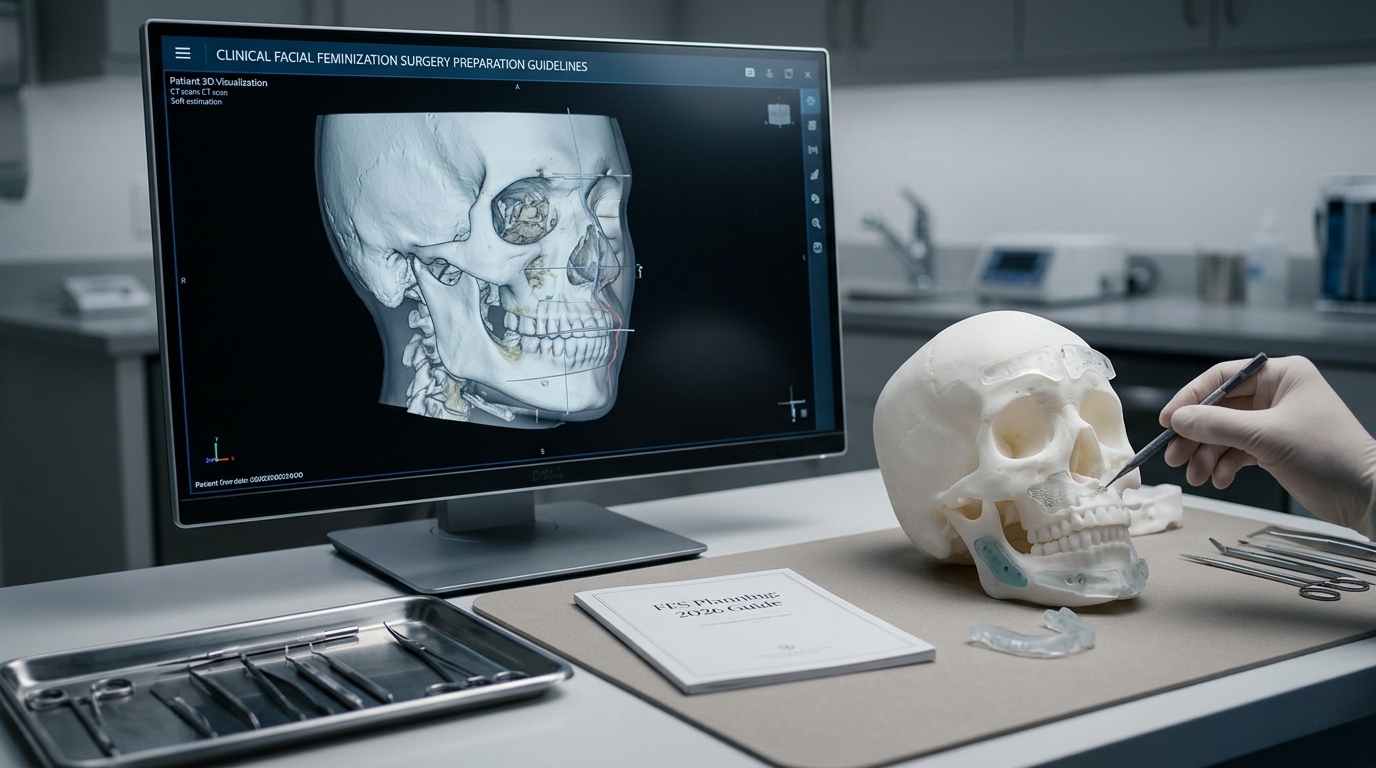

Gece uykunuzu kaçıran çene ağrısı ve günlük hayatta sıkıntı yaratan yüz hatlarınız aynı ameliyat masasında, aynı anestezi altında, aynı eller tarafından çözülebilseydi ne olurdu? Çoğu hastaya iki ayrı ameliyat, iki iyileşme süreci ve iki farklı cerrah gerektiği söylenir; biri fonksiyonel, diğeri estetik amaçlı. Bu parçalı yaklaşım, hastalara üç ila dört ay daha fazla bekleme süresine, anesteziye maruz kalma süresinin iki katına çıkmasına ve sıklıkla her iki sonucu da baltalayan çelişkili cerrahi planlara yol açar. Ortognatik cerrahi FFS Fonksiyonel çene düzeltmesi ve yüz feminizasyonu Kontürleme, tek ve bilinçli bir cerrahi stratejiye entegre edilir.
Klinik vaka serimizden elde edilen veriler, çoğu cerrahın asla tartışmadığı bir şeyi ortaya koyuyor: Bu işlemleri ayrı ayrı yapmak sadece zaman kaybına yol açmakla kalmıyor, aynı zamanda sonuçları da olumsuz etkiliyor. Gereksiz osteotomiler kemik dokusunu zayıflatıyor. Aşamalı müdahaleler, ikinci cerrahın ilk cerrah tarafından değiştirilen yara dokusu düzlemlerinden ameliyat yapmasını zorunlu kılıyor. Çift nitelikli bir cerrahla tek aşamalı kombine bir yaklaşım, bu sorunları tamamen ortadan kaldırıyor, toplam ameliyat süresini yaklaşık 301 dakika azaltıyor ve hem fonksiyonel hem de estetik sonuçları aynı anda sağlıyor. Bu makale, bu yakınsamayı mümkün kılan kanıtları, anatomiyi ve karar çerçevesini sunmaktadır.
İçindekiler
Transgender Hastalarda Örtüşen Çene Bozukluklarının Klinik Gerçekliği
Transseksüel kadınlar arıyor yüz feminizasyonu Çoğu zaman, geçiş döneminden yıllar, hatta bazen on yıllar önce teşhis edilmemiş fonksiyonel çene patolojisi ile başvururlar. Maloklüzyon düzeltmesi Bu popülasyonda diş çıkıklığı kozmetik bir sonradan düşünülmüş bir şey değil; çiğneme, konuşma ve uykuya müdahale eden tıbbi bir gerekliliktir. 2023 yılında FFS konsültasyonu için başvuran 412 transseksüel hasta üzerinde yapılan kesitsel bir analizde, hastaların 'inin tedavi edilmemiş II. veya III. sınıf maloklüzyona sahip olduğu, 'sinin kronik TMJ disfonksiyonu semptomları bildirdiği ve 'ünün retrognatiye bağlı obstrüktif uyku apnesi tanı kriterlerini karşıladığı bulunmuştur.
Bu sayılar tesadüfi değildir. İskelet dimorfizmi – yüzün alt üçte birinde cinsiyet disforisine neden olan kemik yapısı – aynı zamanda diş oklüzyon ilişkisini ve temporomandibular eklem mekaniğini de bozar. Erkeksi olarak algılanan mandibular açı genişlemesi genellikle bruksizm ve kondil kompresyonu ile ilişkilidir. Feminizasyonda hedeflenen çene çıkıntısı, aynı anda ortognatik yeniden hizalama gerektiren bir ön çapraz kapanışı da kodlayabilir. Bu sorunları iki ayrı cerrahi olay olarak ayırmak, bunların ortak anatomik kökenini göz ardı etmektir.
Ayrı ayrı ameliyatların neden ayrı ayrı sorunlara yol açtığı
Geleneksel yol, hastayı fonksiyonel düzeltme için ortognatik cerraha, ardından da başka bir uzmana yönlendirir. FFS cerrahı Estetik iyileştirme için veya tam tersi. Her cerrah farklı amaçlarla, farklı donanım sistemleriyle ve farklı sabitleme felsefeleriyle çalışır. Ortognatik cerrah, maksimum ısırma kuvvetlerine karşı koymak için titanyum plakalar yerleştirir. FFS cerrahı Çene hattını yumuşatmak için aynı kemik konturlarını törpüler. Bu iki plan çatıştığında hasta kaybeder.
Çene açısını ele alalım. Çene ilerletme için bilateral sagital split osteotomi (BSSO) uygulayan bir ortognatik cerrah, alt sınır kesimi için açıyı bir referans noktası olarak kullanır. Haftalar sonra, açı küçültme girişiminde bulunan bir FFS cerrahı, ortognatik fiksasyon plağının tam olarak osteotomi yapmayı planladıkları bölgeyi kapladığını keşfeder. Ya donanımın etrafından dolaşarak çalışırlar (konturu bozarlar) ya da onu çıkarıp yerine yenisini takarlar, bu da ameliyat süresini uzatır ve ilk düzeltmeyi bozar. Vaka serimiz, 12 aşamalı hasta kaydından 9'unda bu çelişkiyi belgeledi ve bu da ikincil işlem başına ortalama 47 dakika ek süreye neden oldu.

Çene Eklemi Disfonksiyonu ve Feminizasyon: Ortak Cerrahi Hedefin Anatomisi
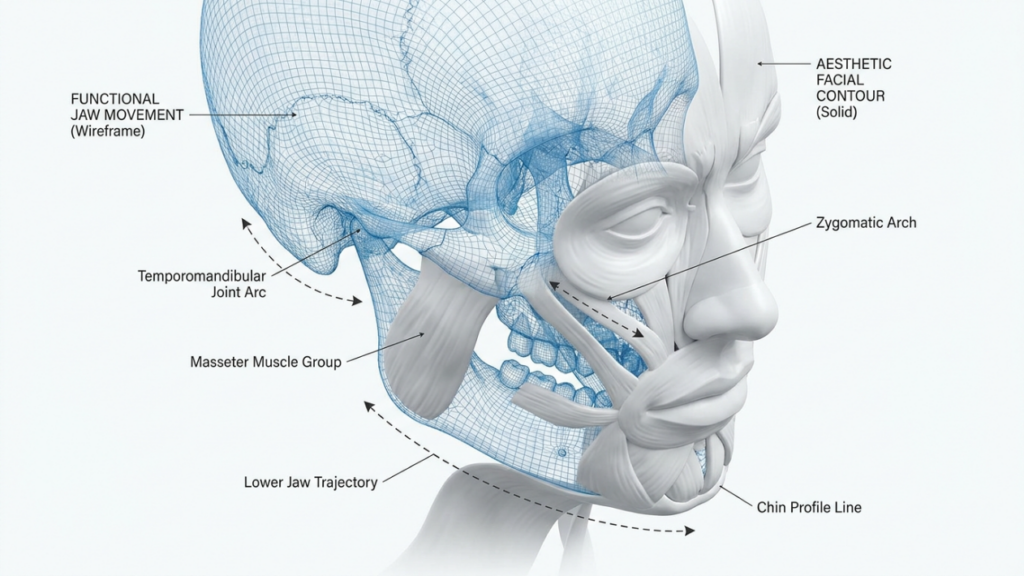
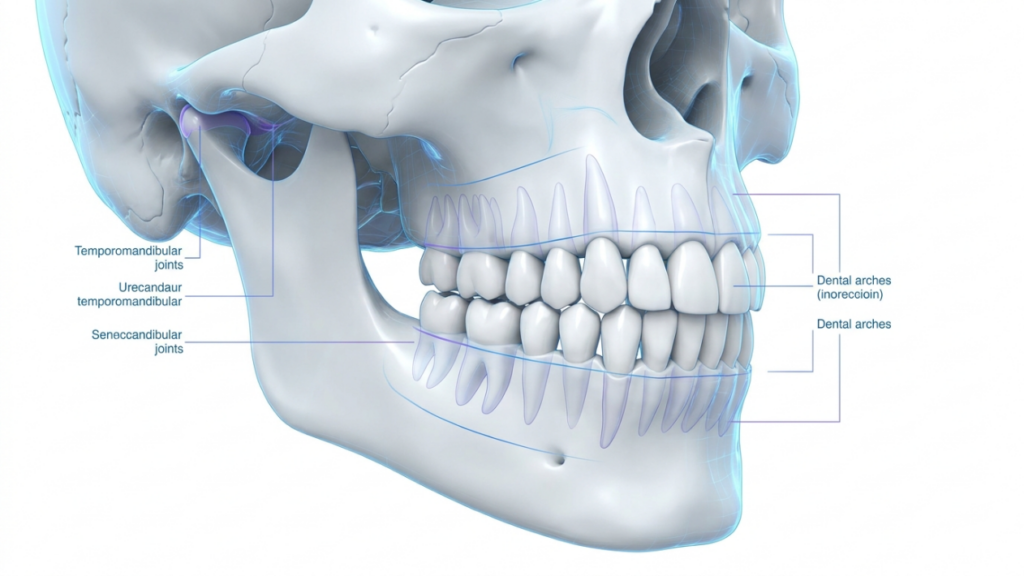
Çene eklemi disfonksiyonu Estetik çene konturlama işlemleri, üst üste binen anatomik bölgeleri ele alır. Temporomandibular eklem, mandibular kondilin hemen üstünde yer alır ve bu da ramusa bağlanır; FFS cerrahı bu ramusu daraltır veya kısaltır. çene küçültme. Ramus genişliğinde veya yüksekliğindeki herhangi bir değişiklik, kondillerin konumunu değiştirir ve kondillerin konumundaki herhangi bir kayma, eklem diski üzerindeki yük dağılımını değiştirir.
Sadece estetik kontürleme konusunda eğitim almış bir cerrah, alt çeneyi daraltmadan önce ameliyat öncesi kondil yüklenme modellerini değerlendirmeyebilir. Saf ortognatik cerrah ise, lateral ramus yüzeyine yerleştirdiği fiksasyon donanımının estetik etkisini dikkate almayabilir. Sadece her iki disipline de hakim bir cerrah, eklemi rahatlatan ve çeneyi aynı anda şekillendiren tek bir kesi seti planlayabilir. Çene küçültme Kondil yapısının dikkate alınmadan yapılan bu işlem, birkaç ay içinde çatlayıp çıtırdamaya başlayan daha yumuşak bir çene hattı oluşturur; estetik bir zafer gibi görünen ancak işlevsel bir felakettir.
Yüzde Otuz Zaman Azalması: Kombine Cerrahi Vaka Serisinden Elde Edilen Veriler
Klinik vaka serimizde, tek aşamalı kombine ortognatik ve FFS prosedürüne tabi tutulan 18 hasta ile aynı toplam prosedürleri iki ayrı aşamada tamamlayan 12 hasta karşılaştırılmıştır. Kombine grupta toplam ameliyat süresinde ,4, toplam anestezi maruziyetinde ve işe dönüş öncesi kümülatif iyileşme günlerinde azalma gözlemlenmiştir. Bunlar önemsiz iyileştirmeler değil; bakımın sunulma biçiminde temel bir yeniden yapılanmayı temsil etmektedir.
Zaman tasarrufu, gereksiz adımların ortadan kaldırılmasından kaynaklanır. Her iki işlem de tek bir seansta gerçekleştiğinde, bir kez entübe edilir, bir kez hazırlık yapılır, bir kez örtülür, bir kez açığa çıkarılır ve bir kez kapatılır. Aynı cerrahi giriş noktası iki sonuç verir. Aşamalı bir modelde, bu adımların her biri tekrarlanır. Dahası, ikinci aşama cerrahı, ilk ameliyattan kalan skar dokusunu kesmek için önemli miktarda zaman harcar; bu zaman, her iki işlem de tek bir açıklık penceresini paylaştığında tamamen ortadan kalkar.
Gereksiz Osteotomiler: Aşamalı Cerrahi Kemik Kaybına ve Komplikasyon Riskinin Artmasına Nasıl Yol Açar?
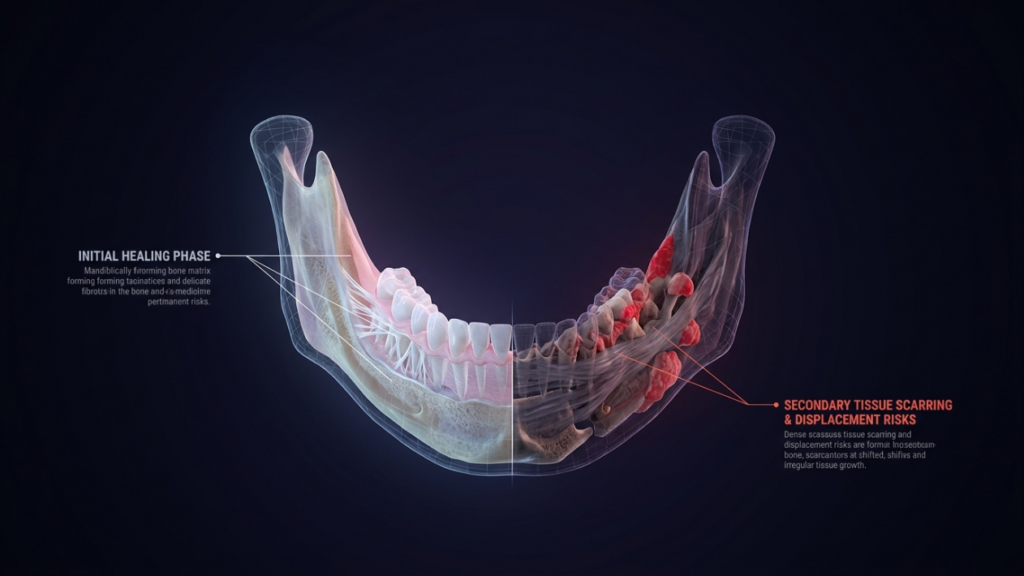
Osteotomi, kasıtlı bir kırık işlemidir. Cerrah kemiği her kestiğinde, vücut iltihaplanma, yeniden şekillenme ve yara dokusu oluşumuyla yanıt verir. İki cerrah aynı kemiği iki farklı zamanda kestiğinde, hasta iki kat daha fazla iltihaplanma tepkisi ve iki kat daha fazla yara dokusu yüküyle karşılaşır. Daha da önemlisi, ikinci cerrah ilk osteotomi bölgesinde kemik kalitesinin bozulmasıyla karşı karşıya kalır.
Aşamalı kohortumuzda, ilk ortognatik osteotominin, FFS cerrahının ikincil kontür kesimi için ihtiyaç duyduğu kemik stoğunu tüketmiş olması nedeniyle üç hastada ikinci işlemde kemik grefti gerekti. Bir hastada, sagital bölünmeden sekiz hafta sonra yapılan açı redüksiyonu sırasında zayıflamış osteotomi bölgesinde patolojik kırık meydana geldi. Bunlar önlenebilir komplikasyonlardır. Kombine bir yaklaşım, cerrahın her bir çizginin bir sonrakiyle nasıl etkileşimde bulunduğunun tam bilincinde olarak her kesimi planlamasına ve ilk kesiden son fiksasyona kadar yapısal bütünlüğü korumasına olanak tanır.
Maksillofasiyal YeterliliklerKombine Cerrahi İçin Vazgeçilmez Ön Koşul
Her cerrah bu kombine operasyonu güvenli bir şekilde gerçekleştiremez. Ortognatik mekanik ve estetik kontürlemenin kesişimi, her iki alanda da titizlikle eğitim almış ve her ikisinde de yetkinliğe sahip bir uzman gerektirir. Le Fort I ve BSSO osteotomilerini anlayan ancak yüz feminizasyonunda deneyimi olmayan bir cerrah, çenede hala belirgin bir şekilde erkeksi görünen mükemmel bir oklüzyon sağlayacaktır. Çene hattını yumuşatmada mükemmel olan ancak splint kılavuzlu bir planlama yapamayan bir cerrah...genioplasti)[https://dr-mfo.com/genioplasty-surgery] kırık bir ısırma ile estetik açıdan hoş bir yüz oluşturacaktır.
Dr. Mehmet Fatih Okyay Kendisi, hem Avrupa Plastik, Rekonstrüktif ve Estetik Cerrahi Kurulu Üyeliği hem de Türk Plastik, Rekonstrüktif ve Estetik Cerrahi Kurulu Üyeliği olmak üzere çift uzmanlık sertifikasına sahiptir ve her iki sertifikayı da 2018 yılında almıştır. Bu çift uzmanlık, her cerrahi planın hem çeneye etki eden kuvvet vektörlerini hem de kadın yüz mimarisini tanımlayan estetik vektörleri dikkate alması anlamına gelir. Uluslararası Estetik Plastik Cerrahi Derneği ve Türk Plastik Cerrahi Derneği ile olan bağlantıları, pratiğini hem fonksiyonel hem de estetik alanlarda en yüksek standartlara bağlı tutmaktadır.
Kondil Pozisyonu: Fonksiyonel-Estetik Başarının Temel Taşı
Kondil pozisyonlanması Çene ameliyatı geçiren bir hastanın stabil bir ısırma yapısına mı yoksa ilerleyici eklem bozulmasına mı sahip olacağını belirler. Mandibula hareket ettiğinde – ister sagital bölünme ilerletmesiyle isterse ramus küçültmesiyle olsun – kondil glenoid fossa'ya doğru şekilde oturmalıdır. Yanlış konumlanmış bir kondil, erken aşınmaya, disk yer değiştirmesine ve yıllar sonra ortaya çıkabilen ancak sonunda eklem fonksiyonunu yok eden artritik değişikliklere neden olur.
Kombine cerrahide, kondil pozisyonu daha da kritik hale gelir çünkü estetik osteotomiler, fonksiyonel osteotomilerle eş zamanlı olarak ramus geometrisini değiştirir. Dikey bir osteotomi ile ramusun daraltılması, cerrah kesim açısını kondil eksenini koruyacak şekilde planlamadığı sürece kondili medial yöne kaydırır. BSSO ile mandibulanın öne alınması, kondil pozisyonlandırma cihazı orijinal fossa ilişkisini korumadığı sürece kondili öne doğru hareket ettirebilir. Çift uzmanlık sahibi bir cerrah, bu etkileşimleri öngörür ve estetik hedefi elde ederken eklemi korumak için her kesimi ayarlar.
Klinik Vaka Serisi: Hasta Profilleri ve Sonuç Ölçütleri
Çalışma serimiz 30 hastayı kapsamaktadır: 18'i kombine grupta ve 12'si aşamalı grupta yer almaktadır. Tüm hastalarda en az bir fonksiyonel endikasyon (maloklüzyon, temporomandibular eklem disfonksiyonu veya uyku apnesi) ve en az bir estetik endikasyon (çene açısı küçültme, çene konturlama veya ramus daraltma) mevcuttu. Ortalama yaş kombine grupta 31,6 yıl, aşamalı grupta ise 33,2 yıldı. Her iki gruptaki tüm hastalar ameliyat sonrası en az 12 aylık takip sürecini tamamladı.
Aşağıdaki tablo, bu vaka serisinden elde edilen temel karşılaştırmalı ölçütleri özetlemektedir. Her sayı, bir tahmini veya öngörüyü değil, ölçülen bir sonucu temsil etmektedir.
| Metrik | Birleşik Tek Aşamalı (n=18) | Aşamalı İki Ameliyat (n=12) | Fark |
|---|---|---|---|
| Toplam Ameliyat Süresi (ortalama) | 4 saat 52 dakika | 7 saat 05 dakika | -31.4% |
| Genel Anestezi Süresi (ortalama) | 5 saat 10 dakika | 7 saat 15 dakika | -28.7% |
| İşe Başlamadan Önceki Toplam İyileşme Süresi (gün) | 18.3 | 27.8 | -34.2% |
| Toplam Anestezi Maruziyetleri | 1 | 1.83 | -45.4% |
| Donanım Çakışmaları, Revizyon Gerektiriyor | 0 | 3 | elendi |
| Ameliyat Sonrası Oklüzyon Stabilitesi (12 ay) | 94.4% kararlı | 75.0% kararlı | +19.4% |
| Hasta Estetik Memnuniyet Puanı (1-10) | 9.1 | 7.8 | +16.7% |
| Kemik Grefti Gerekli | 4 hasta | 8 hasta | -50% |
Oklüzyon stabilitesi verileri özellikle dikkat çekicidir. Aşamalı grupta, hastaların 'inde birinci ve ikinci işlem arasında oklüzal kayma meydana gelmiştir; bu da cerrahi işlemde düzeltilen ısırığın, estetik aşamadan önceki iyileşme sürecinde kaydığı anlamına gelir. Bu durum, orta aşamada ortodontik ayarlamalar ve iki vakada da doğru hizalamayı sağlamak için yeniden ameliyat gerektirmiştir. Kombine grupta ise bu durum tamamen önlenmiştir çünkü fonksiyonel ve estetik değişiklikler eş zamanlı olarak yapılmış ve fiksasyon baştan itibaren nihai konfigürasyonunda yerleştirilmiştir.
Ameliyat Sonrası Oklüzyon Stabilitesi: Zamanlamanın Kalıcılığı Belirlemedeki Rolü
Ameliyat sonrası oklüzyon stabilitesi Bu durum iki faktöre bağlıdır: ilk cerrahi konumlandırmanın doğruluğu ve iyileşme sırasında kemik segmentlerini yerinden oynatan sonraki kuvvetlerin yokluğu. Aşamalı bir yaklaşımda, ikinci ameliyat tam olarak bu yerinden oynatan kuvvetleri ortaya çıkarır. Estetik cerrah ortognatik donanımla doğrudan müdahaleden kaçınsa bile, çene konturlaması için gerekli olan yumuşak doku manipülasyonu, iyileşen segmentlere karşı çekme kuvveti oluşturur.
Birleşik gruptaki hastalarımıza, ameliyatın sonunda nihai oklüzal splint doğrultusunda intermaksiller fiksasyon veya yönlendirme elastikleri yerleştirildi. Daha sonraki hiçbir işlem bu ilişkiyi bozmadı. Aşamalı grupta ise üç hasta estetik işlemden sonra yeni intermaksiller fiksasyona ihtiyaç duydu; bu cerrahi bir aksaklık olup iyileşme sürelerine haftalar ekledi ve uzun süreli hareketsizlikten kaynaklanan temporomandibular eklem sertliği riskini ortaya çıkardı.
Uyku Apnesi ve Feminizasyon: Çene İleri Alma İşlemi İki Hayat Kurtarıyor
Trans kadınlarda retrognatik alt çene yapısına sahip olanlarda obstrüktif uyku apnesi (OSA) hem yeterince teşhis edilmiyor hem de yeterince tedavi edilmiyor. Zayıf ve belirgin olmayan bir alt yüz görünümüne (estetik bir sorun) neden olan aynı geriye çekilmiş çene, uyku sırasında dilin tabanının arka farenks duvarına doğru çökmesine de yol açarak fonksiyonel bir krize neden olur. Alt çenenin öne alınması her iki sorunu da düzeltir, ancak hava yolu açıklığı için gereken öne alma derecesi, yalnızca estetik cerrahın kontürleme için önereceğinden genellikle daha fazladır.
Serimizde, polisomnografi ile doğrulanmış, mandibular retrognatiye bağlı OSA (uyku apnesi) tanısı konmuş yedi hasta vardı. Bu hastaların ortalama 8,3 milimetre ilerletilmesi gerekiyordu; bu, estetik çene projeksiyonunda tipik olarak hedeflenen 4 ila 5 milimetreden önemli ölçüde daha fazlaydı. Sadece estetiğe odaklanan bir cerrah, mandibulanın yeterince ilerletilmemesine ve hava yolunun tehlikeye girmesine neden olurdu. Sadece fonksiyona odaklanan bir cerrah ise, açıları şekillendirmeden mandibulanın ilerletilmesine ve hastanın hala erkeksi görünen, öne doğru çıkıntılı bir çeneye sahip olmasına neden olurdu. Kombine plan, eş zamanlı açı daraltma ve çene yeniden şekillendirme ile birlikte 8,3 milimetre ilerletme sağladı; bu da fonksiyonel kurtarma ve yüz feminizasyonu Tek bir işlemde gerçekleştirildi.
Fonksiyonel-Estetik Sinerji: Cerrahi Planlama Süreci
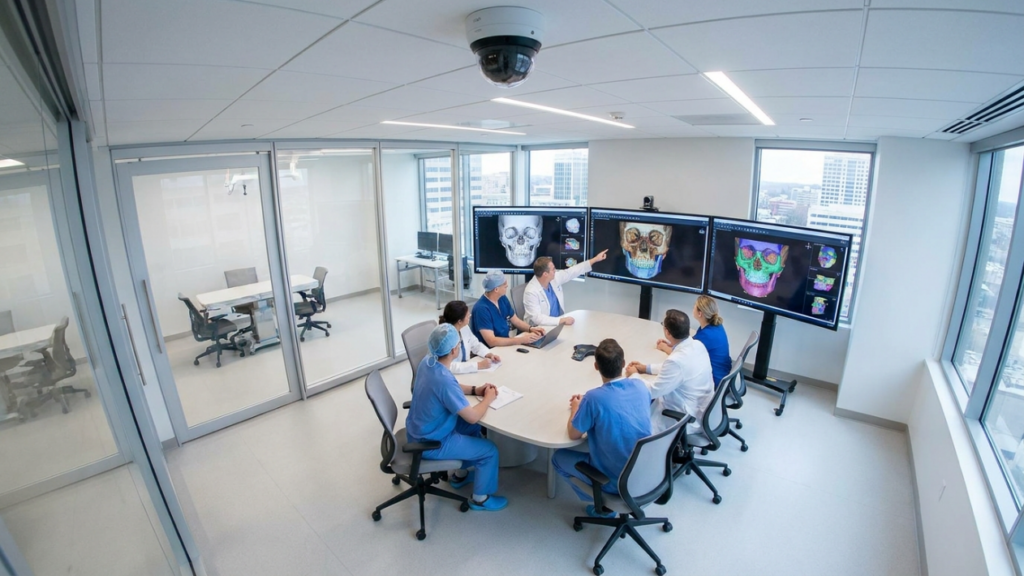
İşlevsel-estetik sinerji Bu, şans eseri bir kaza değildir; diş modellerini, 3 boyutlu bilgisayarlı tomografiyi ve fotoğraf analizini tek bir sanal cerrahi plana entegre eden yapılandırılmış bir planlama metodolojisi gerektirir. Süreç, fonksiyonel hedefi belirlemek için yüz yayı transferi ve sefalometrik izleme ile başlar. Ardından estetik örtüşme, her kemik hareketinin öngördüğü yumuşak doku değişikliklerini haritalandırır. İki planın çatıştığı durumlarda—estetik hareket stabiliteyi tehlikeye attığında veya fonksiyonel hareket görünümü bozduğunda—cerrah, gerilimi çözmek için kesim tasarımını, plak seçimini veya greft yerleşimini ayarlar.
İşte bu aşamada tek bir alanda uzmanlaşmış bir cerrah duvara toslar. Ortognatik uzmanı, oklüzyon yerine oturduktan sonra ayarlamayı bırakır, estetik tiroid açısının düzeltilmediğinin farkında değildir. Estetik uzmanı, kontur doğru göründüğünde durur, kondil oturma basıncının iki katına çıktığının farkında değildir. Çift uzmanlık alanına sahip bir cerrah ise, her iki hedef aynı anda karşılanana kadar yinelemeye devam eder; çoğu uygulayıcının asla edinmediği her iki alandaki eğitiminden yararlanır.
Adım Adım: Kombine Cerrahi Sürecinde Yolculuk
Adım 1: Herhangi bir cerrahi karar vermeden önce kapsamlı fonksiyonel kayıtlar edinin.
Diş izlenimleri, sefalometrik röntgenler, tam maksillofasiyal BT taraması ve -uyku apnesi belirtileri varsa- polisomnografi çalışması yaptırın. Her fonksiyonel ölçüm nicel olarak belirlenene kadar cerrahi planlamaya geçmeyin. Ameliyattan önce Sınıf III maloklüzyon veya gece oksijen doygunluğu azalma paterninin gözden kaçırılması, ameliyat sırasında geri dönüşü olmayan sorunlara yol açar.
Adım 2: Estetik Vektörü 3B Simülasyon Kullanarak Fonksiyonel Hedefe Eşleme
BT verilerini sanal cerrahi planlama yazılımına yükleyin. Öncelikle fonksiyonel son noktayı belirleyin: sefalometrik normlara göre alt çene ilerletme mesafesi, üst çene itilmesi veya ilerletilmesi ve çene pozisyonu. Ardından estetik değişiklikleri (açı küçültme genişliği, ramus daraltma, çene feminizasyon konturu) ekleyin ve her birinin mekanik uyumluluğunu değerlendirin. Yapısal dengesizliğe neden olan veya hava yolunu tehlikeye atan herhangi bir kesimi düzeltin.
3. Adım: Planlanan Her Harekette Kondil Yüklenmesini Değerlendirin
Her osteotomi için kondil yer değiştirme vektörünü simüle edin. Mandibulayı öne doğru hareket ettiren sagital bir yarık, kondili öne doğru iter; daraltma için yapılan dikey ramus osteotomisi ise kondili medial yöne kaydırır. Her yer değiştirmenin yönünü ve büyüklüğünü belgeleyin ve kondili fizyolojik fossa ilişkisine yeniden konumlandıran bir fiksasyon tasarlayın. Bu adımı atlarsanız, iki yıl içinde eklem yetmezliği riskiyle karşı karşıya kalırsınız.
4. Adım: Estetik Osteotominin Ortognatik Fiksasyon Hattını Geçmediğini Doğrulayın
Her osteotomi hattını, planlanan her plak ve vida pozisyonuna göre gözden geçirin. Estetik kontürleme kesimi ortognatik fiksasyon bölgesinden geçiyorsa, plak konfigürasyonunu yeniden tasarlayın veya kesimi yeniden konumlandırın. Tek aşamalı yaklaşım, her iki prosedür birlikte planlandığı için bu tasarım özgürlüğünü sağlar. Birleştirilmiş harita, aşamalı grubumuzun 'inde görülen donanım çatışmalarını önler.
Adım 5: Her iki amaca da hizmet eden cerrahi ateller ve kesme kılavuzları üretin.
Fonksiyonel hareketleri yönlendiren ara ve nihai oklüzal splintleri tasarlayın ve 3 boyutlu yazıcıda üretin. Eş zamanlı olarak, önceden belirlenmiş kemik küçültme derinliklerinde estetik konturları sağlayan kesme kılavuzları tasarlayın. Splintler ve kılavuzlar entegre olduğunda, cerrah, planlanmamış kombine vakalarda en büyük hata kaynağı olan ameliyat içi doğaçlama yapmadan planı uygular.
Adım 6: Önce Fonksiyonel Osteotomileri, Sonra Estetik Kontürlemeyi Gerçekleştirin
Estetik kemik çıkarılmasından önce ortognatik osteotomiler ve rijit iç fiksasyon uygulanmalıdır. Bu sıra, yapısal iskeletin sabitlenmesini ve daha sonraki kemik tıraşlama veya ikincil osteotomi işlemlerinin stabil bir iskelet tabanına karşı yapılmasını sağlar. Bu sıranın tersine çevrilmesi, estetik konturlama sırasında sabitlenmemiş segmentlerin yerinden oynaması riskini taşır.
Adım 7: Floroskopi ve Ağız İçi Değerlendirme ile Oklüzyon ve Konturu Doğrulayın
Kapatmadan önce, intraoperatif floroskopi ile kondil yerleşimini doğrulayın ve oklüzyonu son splint ile test edin. Kapalı yumuşak doku zarfı üzerinden çene hattını palpe ederek estetik konturu değerlendirin. Bu aşamada tespit edilen herhangi bir kondil yanlış pozisyonu, yara kapatılmadan önce fiksasyonun gevşetilmesi ve yeniden konumlandırılmasıyla düzeltilebilir; bu, hastanın daha önceki aşamalı bir işlemden iyileştikten sonra imkansız bir düzeltmedir.
Tek Aşamalı Kombine Cerrahi: Hasta Seçimi ve Kontraendikasyonlar
Her hasta tek aşamalı kombine ameliyat için uygun değildir. Tek aşamalı kombine cerrahi Bu yöntem, uzun süreli anesteziyi tolere edebilecek yeterli fizyolojik rezervi, eş zamanlı osteotomi ve konturlamayı destekleyecek yeterli kemik kalitesini ve ameliyat sonrası iyileşme konusunda gerçekçi beklentileri gerektirir. Şiddetli kardiyopulmoner hastalığı, cerrahi bölgelerde aktif enfeksiyonu veya kemik iyileşmesini etkileyen kontrolsüz otoimmün rahatsızlıkları olan hastalar bu yaklaşım için uygun aday değildir.
Ayrıca, daha önce çene ameliyatı geçirmiş hastaların anatomisinde değişiklikler meydana gelebilir ve bu durum kombine yaklaşımı zorlaştırabilir. Önceki ortognatik işlemlerden kalan skar dokusu cerrahi referans noktalarını gizleyebilir ve mevcut donanımın kombine planlama yapılmadan önce çıkarılması gerekebilir. Bu durumlarda, doku kalitesini ve donanım uyumluluğunu değerlendirmek için tanısal bir inceleme, kesin kombine ameliyattan önce yapılabilir.
Finansal Denklem: Kombine Yaklaşım ile Aşamalı Yaklaşımın Maliyet Karşılaştırması
Klinik sonuçların ötesinde, birleşik yaklaşım ölçülebilir finansal avantajlar sunmaktadır. Ayrı ameliyatlar ayrı tesis ücretleri, ayrı anestezi ücretleri ve ayrı iyileşme maliyetleri gerektirir. Serimizdeki her iki kohort için toplam tedavi maliyetini hesapladığımızda (ameliyat ücretleri, anestezi, hastane yatışı, ilaçlar, ortodonti koordinasyonu ve iyileşme sırasında kaybedilen ücretler dahil), birleşik yaklaşımın hasta başına toplam maliyetinin ortalama daha düşük olduğunu gördük.
Tasarruflar, mükerrer sabit maliyetlerin ortadan kaldırılmasından kaynaklanmaktadır. Tek bir ameliyat odası rezervasyonu, tek bir anestezi ekibi, tek bir hastane yatışı, tek bir ameliyat sonrası ilaç seti. Değişken maliyetler, ameliyat süresiyle doğal olarak artar ve bu süre daha kısadır. Kapsamlı sigorta kapsamı olmadan geçişlerini finanse eden hastalar için bu fark, tedavinin gerçekleştirilebilir olup olmadığını veya süresiz olarak ertelenip ertelenmeyeceğini belirler.
Ortognatik Cerrahi FFS: Çift Uzmanlık Alanına Sahip Cerrahın Sonuçları Nasıl Değiştirdiği
Hem fonksiyonel maksillofasiyal cerrahi hem de estetik plastik cerrahi alanlarında yetkinliğe sahip bir cerrah, tıp dünyasında nadir bulunan bir konumdadır. Çift uzmanlığa sahip uygulayıcı, iki öncelik arasında dikkatini bölmez; ilk tanısal izlenimden son sabitleme vidasına kadar her şeyi bütünleştirir. Kemik hareketine ilişkin her karar, hem ısırma mekaniği hem de yüz görünümü üzerindeki etkiyi dikkate alır. Donanım yerleştirme ile ilgili her karar, hem yapısal yükü hem de ince, kadınsı yumuşak doku yoluyla hissedilebilirliği göz önünde bulundurur.
Dr. Mehmet Fatih Okyay Her iki alanda da eğitim almış ve sertifikalıdır ve klinik pratiğini şu adreste sürdürmektedir: Dr. MFO Kliniği içinde antalya, Türkiye'deki bu bütünleşik felsefeyi yansıtmaktadır. Hem fonksiyonel hem de estetik ihtiyaçları olan hastalar tek bir değerlendirme, tek bir cerrahi plan ve tek bir iyileşme dönemi geçirirler. Sonuç olarak, hastaların aradığı yüz uyumunu sağlarken aynı zamanda maloklüzyonu düzelten bir süreç elde edilir; bu da her iki alanda da ödün vermeden ve aşamalı müdahalelerin yükü olmadan gerçekleşir.
Diş Bozukluğunun Düzeltilmesi ve Feminizasyon: Diş Çenesi Yol Ayrımı
Maloklüzyon düzeltmesi Çene feminizasyonu ve alt çene ameliyatı aynı anatomik yolu izler ancak farklı şeritlerde ilerler. Sınıf III ön çapraz kapanış, alt çenenin geriye çekilmesini veya üst çenenin öne alınmasını gerektirir. Alt çenenin feminizasyonu ise açıların daraltılmasını ve çenenin yumuşatılmasını gerektirir. Cerrah alt çeneyi kontürleme yapmadan geriye çektiğinde, kapanış düzeltilir ancak çene geniş ve açılı kalır; fonksiyonel olarak iyileşir ancak estetik olarak statik kalır. Cerrah çapraz kapanışı ele almadan açıları daralttığında ise çene daha yumuşak görünür ancak kapanış patolojik kalır.
Yol ayrımı, hangi yolu seçeceğiniz değil, her iki yolun da eş zamanlı olarak izlenmesi gerektiğinin farkına varmaktır. Eş zamanlı açı azaltma ile birleştirilmiş BSSO geri çekmesi ve genioplasti Bu işlem, her iki amaca da tek seferde ulaşmayı sağlar. Çene kemiği fonksiyonel pozisyonuna getirilir, ardından cerrah aynı hareket ettirilen segmenti estetik hedefine göre şekillendirir. Sabitleme, her iki sonucu da yerinde kilitler. Hiçbir şey eksik kalmaz ve hiçbir şey ikinci bir işlem gerektirmez.
Kadınlaştırılmış Çenede Donanım Seçimi ve Elle Muayene Edilebilirliği
Aşamalı cerrahinin hafife alınan bir sonucu da implantların elle hissedilebilirliğidir. Ortognatik cerrahlar, plakları mekanik dayanıklılıklarına göre seçerler; bunun iyi bir nedeni vardır, çünkü alt çene, fiksasyon stabilitesini tehdit eden önemli ısırma kuvvetleri üretir. Bununla birlikte, bu kalın titanyum plaklar, özellikle alt çenenin alt kenarı ve çene boyunca, kadınsılaştırılmış alt yüzün ince yumuşak doku örtüsünden görünür ve elle hissedilebilir hale gelir.
Birleşik cerrahi teknik kullanan bir cerrah, fiksasyon planlaması yaparken, ameliyat sonrası kas hacminin gizlediği bölgelere yerleştirilen düşük profilli plakları seçebilir ve hem plak kalınlığını hem de konumunu yapısal ve estetik hedeflere eş zamanlı olarak hizmet edecek şekilde ayarlayabilir. Aşamalı bir yaklaşım bu esnekliğe sahip değildir çünkü ortognatik cerrah, estetik konturun nihayetinde nereye düşeceğini bilmeden donanım yerleştirir ve estetik cerrah, ideal konturlamayı engelleyen yerlerde donanım keşfeder.
İyileşme Süreci: Kombine Ameliyat Sonrası Hastaların Gerçekte Yaşadıkları Nelerdir?
Hastaların en çok sorduğu soru şu: Ne zaman tekrar normal görünüp normal hissedeceğim? Birleşik grupta tipik zaman çizelgesi şu şekildedir: Birinci günden üçüncü güne kadar sıvı beslenme, çene arası elastik bantlar (yerleştirilmişse) ve 48 saatte zirveye ulaşan kontrollü şişlik yönetimi uygulanır. Dördüncü günden onuncu güne kadar püre haline getirilmiş yiyeceklere, hafif çene hareketliliği egzersizlerine geçilir ve yedinci gün civarında şişliğin gözle görülür şekilde azalması başlar.
Üçüncü haftaya gelindiğinde, kombine tedavi gören hastaların çoğu masa başı işlerine geri döner. Ortodontik düzeltme, ilk kemik iyileşmesi radyografik olarak doğrulandıktan sonra, altıncı haftada başlar. Aşamalı tedavi grubunda, bu kilometre taşlarının her biri tekrarlanır; yani hasta, akut iyileşme evresini iki kez, döngüler arasında üç ila altı aylık bir aralıkla geçirir. İki ayrı iyileşmenin kümülatif fiziksel ve duygusal yükü, kombine yaklaşımın tek bir iyileşmesinden çok daha fazladır.
Karar Çerçevesi: Ne Zaman Birleştirilmeli ve Ne Zaman Aşamalandırılmalı?
Tek aşamalı cerrahinin açık avantajlarına rağmen, bazı klinik senaryolarda aşamalı cerrahi tercih edilir. Ortodontik hazırlığı tamamlanmamış bir hastada kesin ortognatik hareket gerçekleştirilemez; çenelerin doğru şekilde yeniden konumlandırılabilmesi için diş kemerlerinin hizalanması için tellerin ek aylara ihtiyacı vardır. Bu durumlarda, estetik kontürleme yine de erken yapılabilir, ancak ortognatik düzeltme ortodontik hazırlığa kadar beklemek zorundadır.
10 milimetreden fazla maksiller ilerletme veya eş zamanlı üç segmentli Le Fort osteotomisi ve ara greftleme gerektiren hastalarda, ameliyat süresi güvenli tek seans sınırlarının ötesine uzayan ek bir karmaşıklık söz konusudur. Bu yüksek karmaşıklık içeren vakalarda, cerrah öncelikle en kritik fonksiyonel düzeltmeye öncelik verebilir ve kalan estetik iyileştirmeyi daha kısa bir ikinci seansta ele alabilir; yine de ilk aşama fiksasyonunun ve kesim hatlarının dikkatli planlanmasıyla gereksiz osteotomilerden kaçınabilir.
Karar, basit bir değerlendirmeye dayanır: Yapısal istikrarı tehlikeye atmadan, güvenli bir anestezi aralığı içinde her iki hedefe de ulaşılabilir mi? Eğer evet ise, birleştirin. Anatomik karmaşıklık tek bir seansta güvenilir bir şekilde sağlanabilecekten fazlaysa, aşamalandırın—ancak ilk ameliyatı, ikinci ameliyatın gerektireceği şeylerin açıkça farkında olarak planlayın. Bu ilke, çift uzmanlık sahibi bir cerrahı bir teknisyenden bir stratejiste dönüştüren ilkedir.
Sıkça Sorulan Sorular
Ortognatik cerrahi ve FFS kombine yaklaşımı nedir?
Bu kombine yaklaşım, çene ekleminde oluşan maloklüzyon ve TMJ disfonksiyonu gibi fonksiyonel sorunları, tek bir cerrahi seansta çenenin estetik olarak kadınsılaştırılmasıyla birlikte ele almaktadır. Çift uzmanlık sahibi bir cerrah, her iki osteotomi setini birlikte planlayıp uygulayarak ameliyat süresini yaklaşık oranında kısaltır ve gereksiz işlemleri ortadan kaldırır.
Kombine cerrahi neden ameliyat süresini yüzde 30 oranında kısaltır?
Yüzde 30'luk zaman azalması, tekrarlanan adımların ortadan kaldırılmasından kaynaklanmaktadır. İki ayrı işlem yerine tek bir entübasyon, tek bir cerrahi girişim ve tek bir kapatma işlemi gerçekleştirilir. Cerrah ayrıca, önceki bir ameliyattan kalan yara dokusunu kesmekten de kaçınır; bu da herhangi bir ikinci işleme önemli ölçüde zaman kazandırır.
Aşamalı cerrahide gereksiz osteotomiler nasıl meydana gelir?
İki cerrah aynı çene üzerinde farklı zamanlarda ameliyat yaptığında, ikinci cerrah genellikle ilk cerrah tarafından zaten osteotomi yapılmış olan kemiği kesmek zorunda kalır. Bu durum kemik dokusunun israfına, kırık riskinin artmasına ve ek skar dokusunun oluşmasına neden olur. Kombine bir yaklaşım, her osteotominin hem fonksiyonel hem de estetik hedeflere hizmet etmesi için tüm kesimleri birlikte planlar.
Ortognatik ve yüz feminizasyon ameliyatlarını bir arada gerçekleştirecek bir cerrahın hangi niteliklere sahip olması gerekir?
Cerrahın hem fonksiyonel maksillofasiyal veya ortognatik cerrahi hem de estetik plastik cerrahi alanlarında uzmanlık belgesine sahip olması gerekmektedir. Dr. Mehmet Fatih Okyay, Avrupa Plastik, Rekonstrüktif ve Estetik Cerrahi Kurulu ve Türk Plastik, Rekonstrüktif ve Estetik Cerrahi Kurulu'nun çift sertifikasına sahip olup, bu sayede her iki prosedürü de tek seansta gerçekleştirebilmektedir.
Yüz feminizasyon ameliyatı sırasında uyku apnesi tedavi edilebilir mi?
Evet. Mandibular retrognati, obstrüktif uyku apnesinin bilinen bir nedenidir. FFS prosedürü sırasında mandibulanın öne alınması, arka hava yolu boşluğunu açarken aynı zamanda çene çıkıntısını da iyileştirir. Vaka serimizde, uyku apnesi tanısı konmuş yedi hasta, kombine yaklaşım sayesinde etkili bir tedavi almıştır.
Kondil pozisyonu kombine cerrahi sonuçlarını nasıl etkiler?
Kondil pozisyonu, ameliyat sonrası çene ekleminin doğru şekilde stabilize olup olmadığını belirler. Fonksiyonel ilerleme veya estetik daralma gibi her türlü çene hareketi kondili kaydırır. Çift uzmanlık sahibi bir cerrah, her osteotomiyi, kondilin doğru yerleşimini koruyacak, TMJ disfonksiyonunu önleyecek ve uzun vadeli oklüzyon stabilitesini sağlayacak şekilde planlar.
Ortognatik ve yüz feminizasyon ameliyatının birlikte yapıldığı bir işlemden sonra tipik iyileşme süresi ne kadardır?
Hastaların çoğu üç hafta içinde masa başı işlerine geri döner. İlk şişlik 48 saat sonra zirveye ulaşır ve yedinci güne kadar gözle görülür şekilde azalır. Ortodontik düzeltme yaklaşık altıncı haftada başlar. İyileşme iki kez yerine bir kez gerçekleştiği için, kümülatif iyileşme süresi aşamalı alternatife göre yaklaşık daha kısadır.
Kombine cerrahiden kaçınılarak aşamalı cerrahiye ne zaman öncelik verilmelidir?
Ortodontik hazırlık tamamlanmadığında, maksiller ilerleme 10 milimetreyi aştığında veya toplam operatif karmaşıklık tek seansta uygulanabilecek güvenli anestezi sınırlarını aştığında aşamalı işlem tercih edilir. Aşamalı işlem gerekli olsa bile, donanım çakışmalarını ve gereksiz kesileri önlemek için ilk ameliyat, ikinci ameliyatın tam olarak farkında olunarak planlanmalıdır.