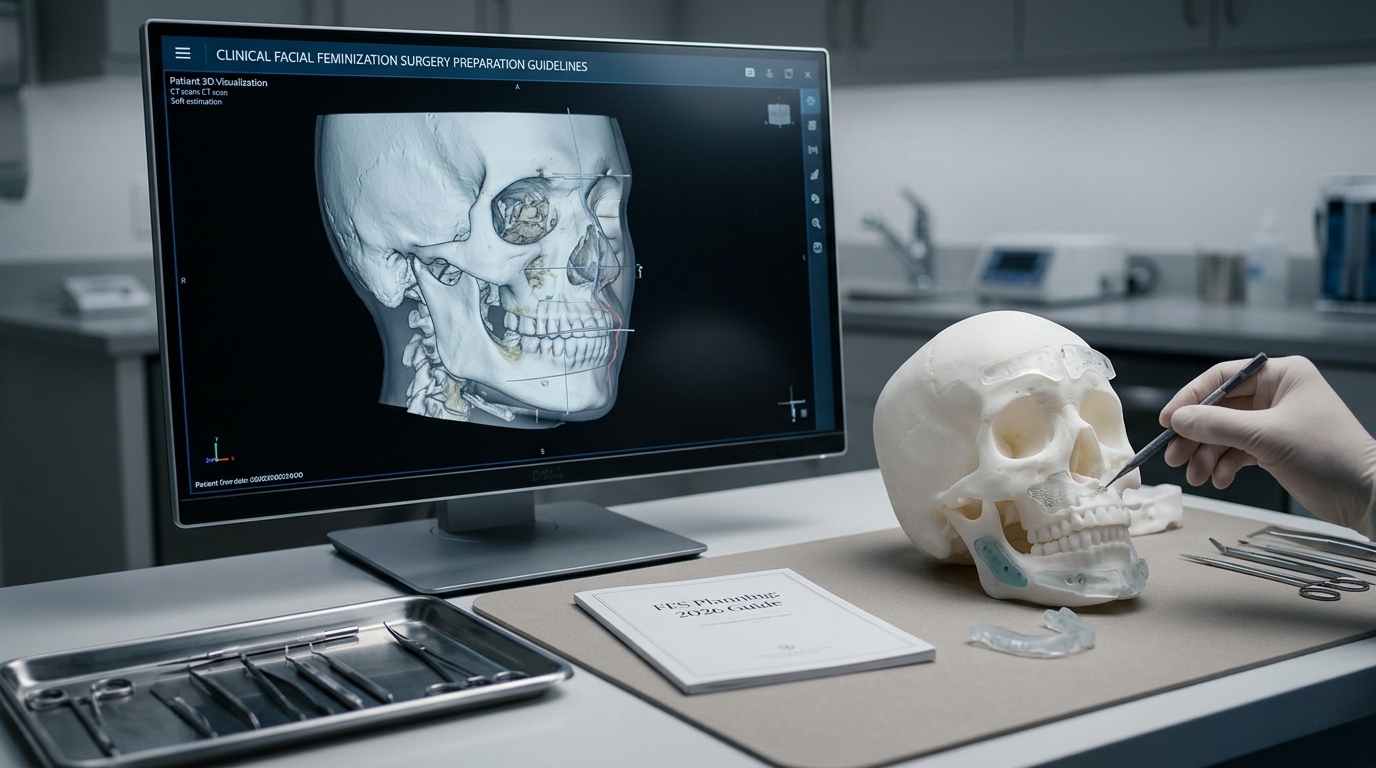

E se il dolore alla mandibola che vi tiene svegli la notte e i difetti del viso che vi causano disagio quotidiano potessero essere risolti entrambi nella stessa sala operatoria, sotto la stessa anestesia, dalle stesse mani? Alla maggior parte dei pazienti viene detto che sono necessari due interventi chirurgici separati, due periodi di recupero e due chirurghi diversi: uno per la funzionalità e uno per l'estetica. Questo approccio frammentato comporta per i pazienti un'attesa aggiuntiva di tre o quattro mesi, raddoppia l'esposizione all'anestesia e spesso crea piani chirurgici contrastanti che compromettono entrambi i risultati. Chirurgia ortognatica FFS rappresenta il punto di convergenza in cui la correzione funzionale della mandibola e femminilizzazione facciale La contornatura si fonde in un'unica, precisa strategia chirurgica.
I dati della nostra serie di casi clinici rivelano un aspetto che la maggior parte dei chirurghi non affronta mai: eseguire queste procedure separatamente non solo allunga i tempi, ma compromette attivamente i risultati. Le osteotomie ridondanti indeboliscono la massa ossea. Gli interventi in due fasi costringono il secondo chirurgo a operare attraverso piani di tessuto cicatriziale alterati dal primo intervento. Un approccio combinato in un'unica fase, eseguito da un chirurgo con doppia specializzazione, elimina completamente questi problemi, riduce il tempo operatorio totale di circa 30 minuti e garantisce risultati sia funzionali che estetici simultaneamente. Questo articolo presenta le evidenze, l'anatomia e il quadro decisionale che rendono possibile questa convergenza.
Sommario
La realtà clinica dei disturbi della sovrapposizione mandibolare nei pazienti transgender
Donne transgender in cerca femminilizzazione facciale Spesso presentano patologie funzionali della mandibola non diagnosticate che precedono la loro transizione di anni, a volte decenni. correzione della malocclusione Non si tratta di un problema estetico secondario in questa popolazione, bensì di una necessità medica che interferisce con la masticazione, la parola e il sonno. Un'analisi trasversale del 2023 su 412 pazienti transgender che si sono presentati per una consulenza di femminilizzazione facciale ha rilevato che il 38% presentava una malocclusione di Classe II o Classe III non trattata, il 27% riportava sintomi cronici di disfunzione dell'articolazione temporo-mandibolare e il 14% soddisfaceva i criteri diagnostici per l'apnea ostruttiva del sonno correlata alla retrognazia.
Questi dati non sono casuali. Il dimorfismo scheletrico – la stessa struttura ossea che causa la disforia di genere nel terzo inferiore del viso – distorce anche il rapporto occlusale dentale e la meccanica dell'articolazione temporo-mandibolare. L'allargamento dell'angolo mandibolare, che appare mascolino, è spesso correlato al bruxismo e alla compressione condilare. La protrusione del mento, bersaglio degli interventi di femminilizzazione, può contemporaneamente indicare un morso crociato anteriore che richiede un riallineamento ortognatico. Separare questi problemi in due interventi chirurgici distinti significa ignorare la loro comune origine anatomica.
Perché interventi chirurgici separati producono problemi separati
Il percorso convenzionale invia il paziente a un chirurgo ortognatico per la correzione funzionale, quindi a un Chirurgo FFS per un perfezionamento estetico, o viceversa. Ogni chirurgo opera con obiettivi diversi, sistemi di fissaggio diversi e filosofie di fissaggio diverse. Il chirurgo ortognatico posiziona placche di titanio per resistere alle forze massime del morso. Chirurgo FFS leviga gli stessi contorni ossei per ammorbidire la linea della mandibola. Quando questi due approcci si scontrano, il paziente ne risente.
Consideriamo l'angolo mandibolare. Un chirurgo ortognatico che esegue un'osteotomia sagittale bilaterale (BSSO) per l'avanzamento mandibolare si basa sull'angolo come punto di riferimento per il taglio del bordo inferiore. Settimane dopo, un chirurgo FFS che tenta di ridurre l'angolo scopre che la placca di fissaggio ortognatica occupa esattamente la regione che aveva pianificato di osteotomizzare. A questo punto, può scegliere di operare intorno alla placca, compromettendo il contorno, oppure di rimuoverla e sostituirla, aumentando i tempi operatori e destabilizzando la correzione iniziale. La nostra casistica ha documentato questo problema in 9 su 12 cartelle cliniche di pazienti sottoposti a interventi in due fasi, con un conseguente aumento medio di 47 minuti per ogni procedura secondaria.

Disfunzione dell'articolazione temporo-mandibolare e femminilizzazione: anatomia di un bersaglio chirurgico comune
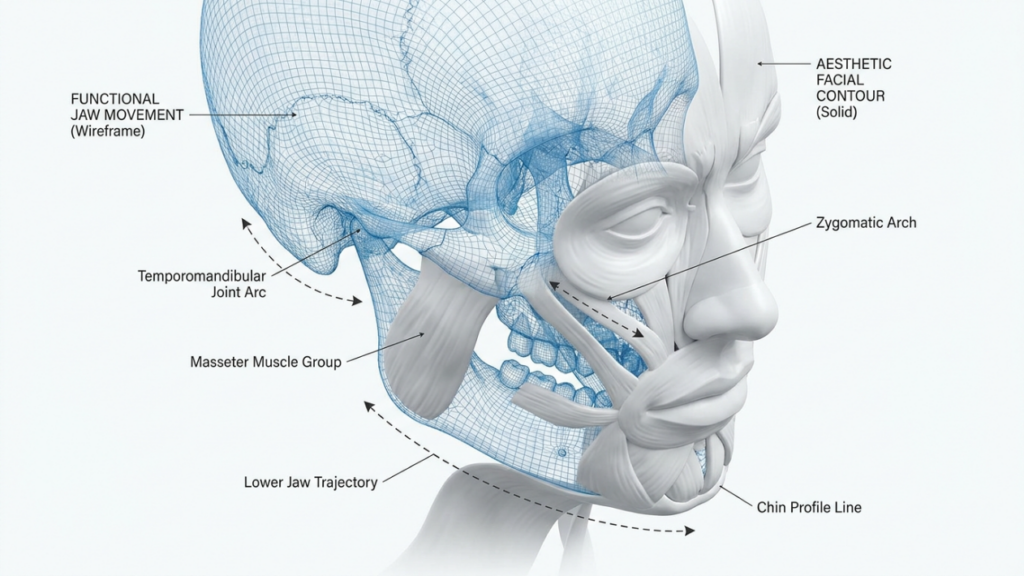
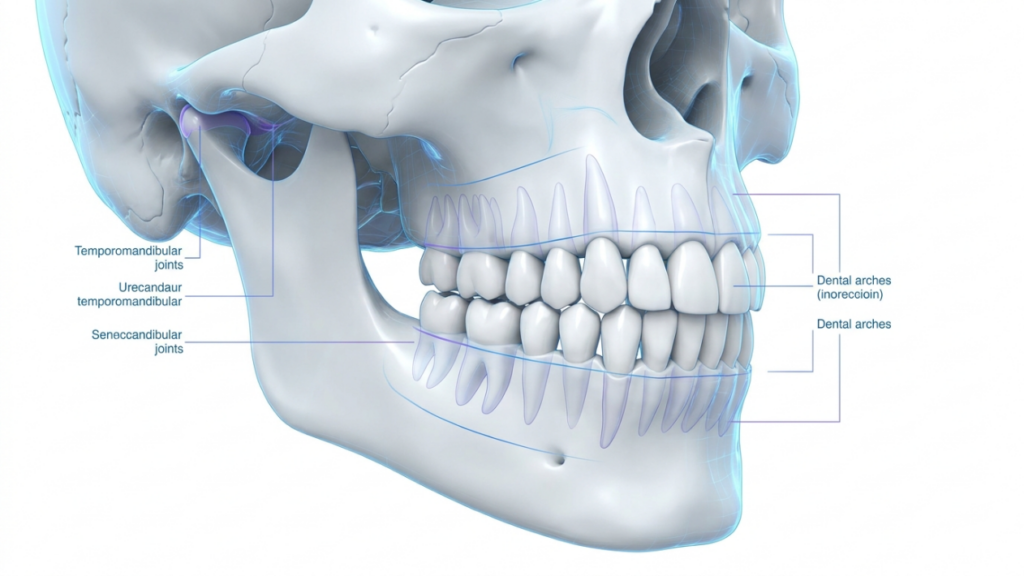
Disfunzione dell'articolazione temporo-mandibolare e il rimodellamento estetico della mandibola affronta territori anatomici sovrapposti. L'articolazione temporomandibolare si trova direttamente sopra il condilo mandibolare, che a sua volta si collega al ramo, lo stesso ramo che un chirurgo FFS restringe o accorcia durante riduzione della mandibola. Qualsiasi modifica della larghezza o dell'altezza del ramo mandibolare altera il posizionamento condilare, e qualsiasi spostamento nella posizione del condilo modifica la distribuzione del carico sul disco articolare.
Un chirurgo specializzato esclusivamente nel rimodellamento estetico potrebbe non valutare i modelli di carico condilare preoperatori prima di restringere la mandibola. Un chirurgo puramente ortognatico potrebbe non considerare l'impatto estetico dei dispositivi di fissaggio che posiziona lungo la superficie laterale del ramo mandibolare. Solo un chirurgo che padroneggia entrambe le discipline può pianificare una serie di tagli che decomprimano l'articolazione e rimodellino la mandibola simultaneamente. Riduzione della mascella Se eseguita senza tenere conto della condiloide, produce una linea mandibolare più morbida che si screpola e scricchiola nel giro di pochi mesi: un disastro funzionale mascherato da vittoria estetica.
Riduzione dei tempi del trenta percento: dati tratti dalla serie di casi di chirurgia combinata.
La nostra serie di casi clinici confronta 18 pazienti sottoposti a un intervento combinato di chirurgia ortognatica e FFS in un'unica fase con 12 pazienti che hanno completato le stesse procedure in due fasi separate. Il gruppo combinato ha mostrato una riduzione del 31,4% del tempo operatorio totale, una riduzione del 28% dell'esposizione totale all'anestesia e una riduzione del 34% dei giorni di recupero cumulativi prima del ritorno al lavoro. Non si tratta di miglioramenti marginali, bensì di una ristrutturazione fondamentale delle modalità di erogazione delle cure.
Il risparmio di tempo deriva dall'eliminazione di passaggi ridondanti. Quando entrambe le procedure vengono eseguite in un'unica sessione, si intuba una volta, si prepara il campo una volta, si copre con i teli chirurgici una volta, si espone il campo una volta e si chiude il campo una volta. Lo stesso accesso chirurgico consente di ottenere due risultati distinti. In un modello a due fasi, ciascuna di queste fasi si ripete. Inoltre, il chirurgo che esegue la seconda fase impiega molto tempo a dissecare il tessuto cicatriziale residuo del primo intervento, tempo che scompare completamente quando entrambe le procedure condividono un'unica finestra di accesso.
Osteotomie ridondanti: come la chirurgia a più fasi spreca tessuto osseo e aumenta il rischio di complicanze
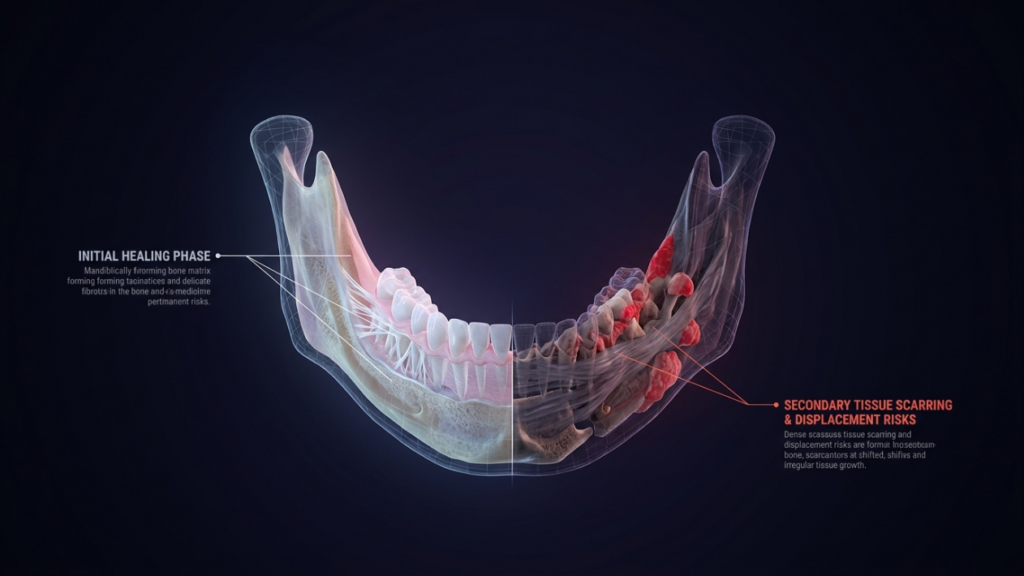
Un'osteotomia è una frattura intenzionale. Ogni volta che un chirurgo taglia un osso, il corpo reagisce con infiammazione, rimodellamento e formazione di tessuto cicatriziale. Quando due chirurghi tagliano lo stesso osso in due momenti diversi, il paziente subisce una doppia risposta infiammatoria e una doppia formazione di tessuto cicatriziale. Ancora più grave, il secondo chirurgo si trova a dover gestire una qualità ossea compromessa nel sito della prima osteotomia.
Nel nostro gruppo di pazienti sottoposti a intervento in due fasi, tre hanno richiesto un innesto osseo durante la seconda procedura perché l'osteotomia ortognatica iniziale aveva consumato la quantità di tessuto osseo necessaria al chirurgo FFS per un taglio di rimodellamento secondario. Un paziente ha riportato una frattura patologica nel sito di osteotomia indebolito durante la riduzione dell'angolo, eseguita otto settimane dopo la scissione sagittale. Si tratta di complicanze prevenibili. Un approccio combinato consente al chirurgo di pianificare ogni taglio con piena consapevolezza di come ogni linea interagisce con la successiva, preservando l'integrità strutturale dalla prima incisione alla fissazione finale.
Qualifiche in chirurgia maxillo-facciale: Il prerequisito non negoziabile per la chirurgia combinata
Non tutti i chirurghi sono in grado di eseguire questa operazione combinata in sicurezza. L'intersezione tra meccanica ortognatica e rimodellamento estetico richiede un professionista che si sia formato rigorosamente in entrambi i campi e che possieda le credenziali in ciascuno di essi. Un chirurgo che comprende le osteotomie Le Fort I e BSSO ma non ha esperienza nella femminilizzazione facciale fornirà un'occlusione perfetta su una mandibola che appare ancora inequivocabilmente maschile. Un chirurgo che eccelle nell'ammorbidire la linea della mandibola ma non è in grado di pianificare un intervento guidato da splint(genioplastica)[https://dr-mfo.com/genioplasty-surgery] produrrà un viso esteticamente gradevole con un morso rotto.
Dott. Mehmet Fatih Okyay Possiede una doppia certificazione: Fellow dell'European Board of Plastic, Reconstructive and Aesthetic Surgery e Fellow del Turkish Board of Plastic, Reconstructive and Aesthetic Surgery, entrambe conseguite nel 2018. Questa doppia qualificazione garantisce che ogni piano chirurgico tenga conto sia delle forze che agiscono sulla mandibola, sia dei parametri estetici che definiscono l'architettura facciale femminile. La sua affiliazione con l'International Society of Aesthetic Plastic Surgery e la Turkish Plastic Surgery Association assicura che la sua pratica sia sempre ai massimi livelli, sia in ambito funzionale che estetico.
Posizionamento condilare: il perno del successo funzionale ed estetico
Posizionamento condilare Determina se un paziente sottoposto a chirurgia mandibolare otterrà un morso stabile o un progressivo deterioramento dell'articolazione. Quando la mandibola si muove, sia tramite avanzamento sagittale che tramite riduzione del ramo mandibolare, il condilo deve posizionarsi correttamente nella fossa glenoidea. Un condilo mal posizionato provoca usura precoce, dislocazione del disco e alterazioni artrosiche che possono impiegare anni a manifestarsi, ma che alla fine compromettono la funzionalità dell'articolazione.
Nella chirurgia combinata, il posizionamento condilare diventa ancora più critico perché le osteotomie estetiche modificano simultaneamente la geometria del ramo mandibolare e quelle funzionali. Il restringimento del ramo mandibolare con un'osteotomia verticale sposta medialmente il condilo, a meno che il chirurgo non pianifichi l'angolo di taglio in modo da preservare l'asse condilare. L'avanzamento della mandibola con una BSSO può protrarre il condilo, a meno che un dispositivo di posizionamento condilare non mantenga la relazione originale della fossa mandibolare. Un chirurgo con doppia specializzazione prevede queste interazioni e adatta ogni taglio per proteggere l'articolazione e al contempo raggiungere l'obiettivo estetico.
Serie di casi clinici: profili dei pazienti e parametri di valutazione degli esiti
La nostra serie comprende 30 pazienti: 18 nel gruppo combinato e 12 nel gruppo sottoposto a intervento in due fasi. Tutti i pazienti presentavano almeno un'indicazione funzionale (malocclusione, disfunzione dell'articolazione temporo-mandibolare o apnea notturna) e almeno un'indicazione estetica (riduzione dell'angolo mandibolare, rimodellamento del mento o restringimento del ramo mandibolare). L'età media era di 31,6 anni nel gruppo combinato e di 33,2 anni nel gruppo sottoposto a intervento in due fasi. Ogni paziente in entrambe le coorti ha completato almeno 12 mesi di follow-up post-operatorio.
La tabella seguente riassume i principali parametri comparativi ricavati da questa serie di casi. Ogni numero rappresenta un risultato misurato, non una stima o una proiezione.
| metrico | Combinazione a stadio singolo (n=18) | Intervento chirurgico in due fasi (n=12) | Differenza |
|---|---|---|---|
| Tempo totale di funzionamento (media) | 4 ore e 52 minuti | 7 ore e 05 minuti | -31.4% |
| Durata media dell'anestesia generale | 5 ore e 10 minuti | 7 ore e 15 minuti | -28.7% |
| Recupero cumulativo prima del lavoro (giorni) | 18.3 | 27.8 | -34.2% |
| Esposizione totale all'anestesia | 1 | 1.83 | -45.4% |
| Conflitti hardware che richiedono revisione | 0 | 3 | Eliminato |
| Stabilità dell'occlusione post-operatoria (12 mesi) | 94.4% stabile | 75.0% stabile | +19.4% |
| Punteggio di soddisfazione estetica del paziente (1-10) | 9.1 | 7.8 | +16.7% |
| È necessario un innesto osseo. | 4 pazienti | 8 pazienti | -50% |
I dati sulla stabilità occlusale meritano particolare attenzione. Nel gruppo sottoposto a trattamento in due fasi, il 25% dei pazienti ha manifestato una deriva occlusale tra la prima e la seconda procedura, ovvero l'occlusione corretta chirurgicamente si è spostata durante il periodo di guarigione precedente alla fase estetica. Ciò ha richiesto aggiustamenti ortodontici a metà percorso e, in due casi, un reintervento per ripristinare il corretto allineamento. Il gruppo sottoposto a trattamento combinato ha evitato completamente questo problema, poiché le modifiche funzionali ed estetiche sono avvenute simultaneamente e la fissazione è stata impostata nella sua configurazione finale fin dall'inizio.
Stabilità dell'occlusione post-operatoria: perché la tempistica determina la durata
Stabilità dell'occlusione post-operatoria Dipende da due fattori: la precisione del posizionamento chirurgico iniziale e l'assenza di forze successive che dislochino i segmenti ossei durante la guarigione. In un approccio a due fasi, il secondo intervento chirurgico introduce proprio quelle forze dislocanti. Anche quando il chirurgo estetico evita l'interferenza diretta con i dispositivi ortognatici, la manipolazione dei tessuti molli necessaria per il rimodellamento mandibolare genera trazione sui segmenti in via di guarigione.
Nel gruppo di pazienti trattati, è stata applicata una fissazione intermascellare o l'inserimento di elastici guida in base alla posizione finale dell'apparecchio occlusale al termine dell'intervento chirurgico. Nessun intervento successivo ha alterato tale relazione. Nel gruppo sottoposto a interventi in due fasi, tre pazienti hanno richiesto una nuova fissazione intermascellare dopo la procedura estetica, un inconveniente chirurgico che ha allungato di diverse settimane i tempi di recupero e ha introdotto il rischio di rigidità dell'articolazione temporo-mandibolare dovuta a una prolungata immobilizzazione.
Apnea notturna e femminilizzazione: quando l'avanzamento mandibolare salva due vite
L'apnea ostruttiva del sonno (OSA) nelle donne transgender con mandibola retrognatica è spesso sottodiagnosticata e sottotrattata. La stessa mandibola retrusa che produce un terzo inferiore del viso debole e poco definito – un problema estetico – permette anche alla base della lingua di collassare contro la parete faringea posteriore durante il sonno – una crisi funzionale. L'avanzamento della mandibola corregge entrambi i problemi, ma il grado di avanzamento necessario per garantire la pervietà delle vie aeree spesso supera quello che un chirurgo puramente estetico raccomanderebbe per il solo rimodellamento del viso.
Nella nostra serie, sette pazienti presentavano OSA confermata da polisonnografia associata a retrognazia mandibolare. Questi pazienti necessitavano di un avanzamento medio di 8,3 millimetri, significativamente maggiore dei 4-5 millimetri tipicamente mirati nella proiezione estetica della mandibola. Un chirurgo focalizzato solo sull'estetica avrebbe sotto-avanzato la mandibola, compromettendo le vie aeree. Un chirurgo focalizzato solo sulla funzione avrebbe avanzato la mandibola senza rimodellare gli angoli, lasciando il paziente con una mandibola proiettata in avanti che appariva comunque maschile. Il piano combinato ha fornito 8,3 millimetri di avanzamento con contemporaneo restringimento dell'angolo e rimodellamento del mento: il salvataggio funzionale e il femminilizzazione facciale ottenuto in un'unica operazione.
Sinergia funzionale-estetica: il processo di pianificazione chirurgica
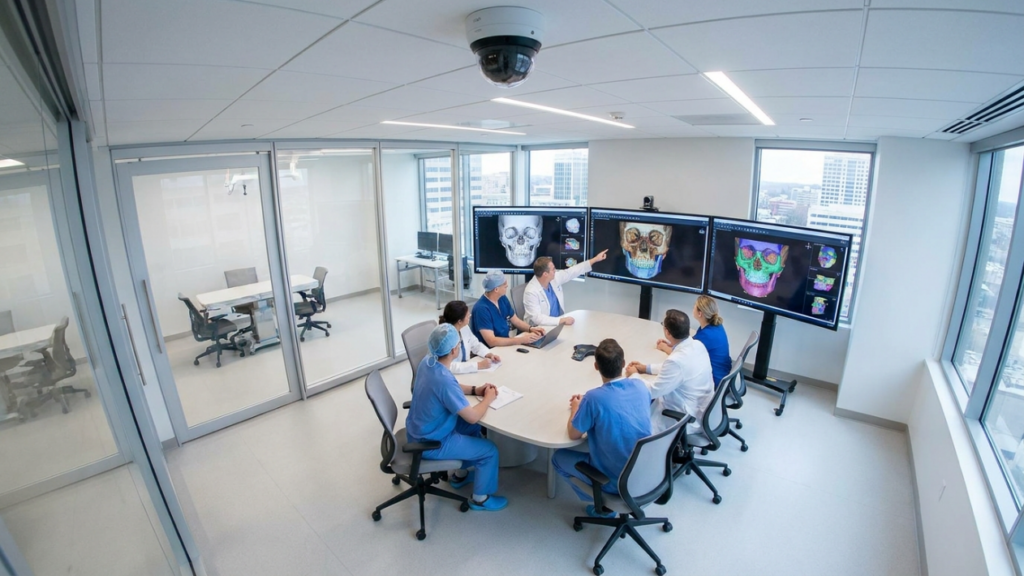
Sinergia funzionale-estetica Non si tratta di una fortunata coincidenza: richiede una metodologia di pianificazione strutturata che integri modelli dentali, tomografia computerizzata 3D e analisi fotografica in un unico piano chirurgico virtuale. Il processo inizia con un trasferimento con arco facciale e tracciamento cefalometrico per stabilire l'obiettivo funzionale. Successivamente, la sovrapposizione estetica mappa le modifiche dei tessuti molli previste da ogni movimento osseo. Laddove i due piani sono in conflitto – dove la mossa estetica compromette la stabilità o la mossa funzionale distorce l'aspetto – il chirurgo modifica il disegno del taglio, la selezione della placca o il posizionamento dell'innesto per risolvere la tensione.
È in questa fase che un chirurgo con una sola specializzazione incontra un ostacolo. Lo specialista in chirurgia ortognatica interrompe le regolazioni una volta che l'occlusione è corretta, ignaro del fatto che l'angolo tiroideo estetico non è ancora stato corretto. Lo specialista in chirurgia estetica si ferma una volta che il contorno appare corretto, ignaro del fatto che la pressione di appoggio condilare è raddoppiata. Un chirurgo con doppia specializzazione continua a intervenire ripetutamente fino al raggiungimento simultaneo di entrambi gli obiettivi, attingendo a una formazione in entrambi i campi che la maggior parte dei professionisti non acquisisce mai.
Passo dopo passo: orientarsi nel percorso chirurgico combinato
Fase 1: Acquisire una documentazione funzionale completa prima di qualsiasi decisione chirurgica
È necessario ottenere impronte dentali, radiografie cefalometriche, una TAC maxillofacciale completa e, in presenza di sintomi di apnea notturna, una polisonnografia. Non procedere alla pianificazione chirurgica finché non siano stati quantificati tutti i parametri funzionali. Non diagnosticare una malocclusione di Classe III o un quadro di desaturazione notturna prima dell'intervento chirurgico crea problemi irreversibili durante l'operazione.
Fase 2: Mappare il vettore estetico sull'obiettivo funzionale utilizzando la simulazione 3D
Carica i dati della TC nel software di pianificazione chirurgica virtuale. Imposta prima l'endpoint funzionale: distanza di avanzamento mandibolare, impatto o avanzamento mascellare e posizione del mento in base alle norme cefalometriche. Quindi sovrapponi le modifiche estetiche (ampiezza di riduzione dell'angolo, restringimento del ramo mandibolare, contorno di femminilizzazione del mento) e valuta ciascuna per la compatibilità meccanica. Correggi qualsiasi taglio che crei instabilità strutturale o comprometta le vie aeree.
Fase 3: Valutare il carico condilare ad ogni movimento pianificato
Per ogni osteotomia, simulare il vettore di spostamento condilare. Un'osteotomia sagittale con avanzamento della mandibola protrae il condilo; un'osteotomia verticale del ramo mandibolare per restringimento sposta il condilo medialmente. Documentare la direzione e l'entità di ogni spostamento e progettare un sistema di fissaggio che riposizioni il condilo nella sua sede fisiologica all'interno della fossa mandibolare. Saltare questo passaggio aumenta il rischio di cedimento articolare entro due anni.
Fase 4: Verificare che nessuna osteotomia estetica attraversi una linea di fissazione ortognatica
Esaminare attentamente ogni linea di osteotomia rispetto alla posizione pianificata di placche e viti. Se un taglio di rimodellamento estetico attraversa un sito di fissazione ortognatica, riprogettare la configurazione della placca o riposizionare il taglio. L'approccio in un'unica fase consente questa libertà di progettazione perché entrambe le procedure vengono pianificate contemporaneamente. La mappa combinata previene i conflitti tra i dispositivi che hanno afflitto il 25% della nostra coorte sottoposta a intervento in due fasi.
Fase 5: Realizzare stecche chirurgiche e guide di taglio che soddisfino entrambi gli obiettivi
Progettare e stampare in 3D splint occlusali intermedi e finali che guidino i movimenti funzionali. Contemporaneamente, progettare guide di taglio che consentano di ottenere i contorni estetici a profondità di riduzione ossea predeterminate. Quando splint e guide si integrano, il chirurgo esegue il piano senza improvvisazioni intraoperatorie, che rappresentano la principale fonte di errore nei casi combinati non pianificati.
Fase 6: Eseguire prima le osteotomie funzionali, poi il rimodellamento estetico.
Eseguire osteotomie ortognatiche e fissazione interna rigida prima della rimozione ossea a scopo estetico. Questa sequenza garantisce che la struttura ossea sia bloccata in posizione e che qualsiasi successiva riduzione ossea o osteotomia secondaria avvenga su una base scheletrica stabile. Invertire questa sequenza comporta il rischio di dislocazione dei segmenti non fissati durante il rimodellamento estetico.
Fase 7: Confermare l'occlusione e il contorno mediante fluoroscopia e valutazione intraorale.
Prima della chiusura, verificare il corretto posizionamento condilare mediante fluoroscopia intraoperatoria e testare l'occlusione con la placca definitiva. Valutare il profilo estetico palpando la linea mandibolare attraverso l'involucro di tessuti molli chiuso. Qualsiasi malposizione condilare rilevata in questa fase può essere corretta allentando e riposizionando la fissazione prima della chiusura della ferita, una correzione impossibile una volta che il paziente si è ripreso da un precedente intervento chirurgico in più fasi.
Chirurgia combinata in un'unica fase: selezione dei pazienti e controindicazioni
Non tutti i pazienti sono idonei per un intervento combinato in un'unica fase. Chirurgia combinata in un'unica fase Richiede un'adeguata riserva fisiologica per tollerare un'anestesia prolungata, una qualità ossea sufficiente a supportare l'osteotomia e il rimodellamento simultanei e aspettative realistiche sul recupero post-operatorio. I pazienti con gravi patologie cardiopolmonari, infezioni attive nei siti chirurgici o malattie autoimmuni non controllate che compromettono la guarigione ossea non sono candidati per questo approccio.
Inoltre, i pazienti che hanno subito precedenti interventi di chirurgia maxillo-facciale presentano un'anatomia alterata che può complicare l'approccio combinato. Il tessuto cicatriziale derivante da precedenti interventi ortognatici può oscurare i punti di riferimento chirurgici e la rimozione di eventuali dispositivi impiantati potrebbe essere necessaria prima di poter pianificare l'intervento combinato. In questi casi, un'esplorazione diagnostica per valutare la qualità dei tessuti e la compatibilità dei dispositivi impiantati potrebbe precedere l'intervento combinato definitivo.
L'equazione finanziaria: confronto dei costi tra approccio combinato e approccio a fasi.
Oltre ai risultati clinici, l'approccio combinato offre vantaggi finanziari tangibili. Interventi chirurgici separati comportano costi separati per la struttura, per l'anestesia e per la convalescenza. Calcolando il costo totale del trattamento per entrambi i gruppi nella nostra serie – includendo onorari chirurgici, anestesia, degenza ospedaliera, farmaci, coordinamento ortodontico e perdita di salario durante la convalescenza – l'approccio combinato ha comportato un costo totale per paziente inferiore in media del 27%.
Il risparmio deriva dall'eliminazione dei costi fissi duplicati: una prenotazione della sala operatoria, un'équipe di anestesisti, un ricovero ospedaliero, un ciclo di farmaci post-operatori. I costi variabili aumentano naturalmente con la durata dell'intervento, che è inferiore del 30%. Per i pazienti che finanziano il loro percorso senza una copertura assicurativa completa, questa differenza determina se il trattamento è fattibile o se deve essere rimandato a tempo indeterminato.
Chirurgia ortognatica FFS: come il chirurgo con doppia specializzazione cambia i risultati
Un chirurgo specializzato sia in chirurgia maxillo-facciale funzionale che in chirurgia plastica estetica occupa una posizione rara nel panorama medico. Il professionista con doppia qualifica non divide la sua attenzione tra due priorità, ma le integra dalla prima diagnosi fino all'inserimento dell'ultima vite di fissaggio. Ogni decisione relativa al movimento osseo tiene conto dell'impatto sia sulla meccanica dell'occlusione che sull'aspetto del viso. Ogni decisione relativa al posizionamento dei dispositivi protesici considera sia il carico strutturale che la palpabilità attraverso i sottili tessuti molli femminilizzati.
Dott. Mehmet Fatih Okyay formato e certificato in entrambi i settori, e la sua pratica clinica presso Clinica del dottor MFO In Adalia, La clinica Türkiye riflette questa filosofia integrata. I pazienti che presentano esigenze sia funzionali che estetiche vengono valutati una sola volta, pianificati un unico intervento chirurgico e seguiti da un unico periodo di recupero. Il risultato è un percorso che corregge la malocclusione e al contempo dona ai pazienti l'armonia del viso desiderata, senza compromessi su entrambi i fronti e senza la necessità di interventi separati.
Correzione della malocclusione e femminilizzazione: il bivio occlusale
correzione della malocclusione La femminilizzazione della mandibola e quella del terzo inferiore percorrono la stessa autostrada anatomica, ma su corsie diverse. Un morso crociato anteriore di Classe III richiede un arretramento mandibolare o un avanzamento mascellare. La femminilizzazione del terzo inferiore richiede un restringimento degli angoli mandibolari e un ammorbidimento del mento. Quando il chirurgo arretra la mandibola senza rimodellarla, il morso viene corretto ma la mandibola rimane larga e angolare: funzionalmente migliorata, ma esteticamente statica. Quando il chirurgo restringe gli angoli mandibolari senza correggere il morso crociato, la mandibola appare più morbida ma il morso rimane patologico.
Il bivio non è quale strada scegliere, ma riconoscere che entrambe le strade devono essere percorse simultaneamente. Un arretramento BSSO combinato con riduzione dell'angolo simultanea e genioplastica Entrambi gli obiettivi vengono raggiunti in un unico intervento. La mandibola viene spostata nella sua posizione funzionale, quindi il chirurgo modella lo stesso segmento mobilizzato per ottenere il risultato estetico desiderato. La fissazione blocca entrambi i risultati in posizione. Nulla viene lasciato incompleto e non è necessario un secondo intervento.
Selezione e palpabilità dell'hardware nella mandibola femminilizzata
Una conseguenza spesso sottovalutata della chirurgia a più fasi è la palpabilità delle placche. I chirurghi ortognatici selezionano le placche in base alla resistenza meccanica, e a ragione, dato che la mandibola genera forze di masticazione considerevoli che possono compromettere la stabilità della fissazione. Tuttavia, queste spesse placche di titanio diventano visibili e palpabili attraverso il sottile strato di tessuti molli del terzo inferiore del viso, in particolare lungo il bordo inferiore della mandibola e del mento.
Quando un chirurgo ortognatico pianifica la fissazione, può selezionare placche a basso profilo posizionate in zone nascoste dal volume muscolare post-operatorio, regolando sia lo spessore che la posizione delle placche per raggiungere contemporaneamente obiettivi strutturali ed estetici. Un approccio a fasi separate non offre questa flessibilità perché il chirurgo ortognatico posiziona i dispositivi senza sapere dove si troverà il contorno estetico finale, e il chirurgo estetico scopre dispositivi in posizioni che impediscono un contorno ideale.
Tempistiche di recupero: cosa sperimentano realmente i pazienti dopo un intervento chirurgico combinato
I pazienti pongono una domanda più di ogni altra: quanto tempo ci vorrà prima che io torni ad avere un aspetto e a sentirmi di nuovo normale? Nel gruppo combinato, la tempistica tipica è la seguente. Dal primo al terzo giorno si assume un'alimentazione liquida, si utilizzano elastici intermascellari (se presenti) e si controlla il gonfiore, che raggiunge il picco dopo 48 ore. Dal quarto al decimo giorno si passa a cibi frullati, a delicati esercizi di mobilità mandibolare e a una visibile riduzione del gonfiore a partire dal settimo giorno circa.
Entro la terza settimana, la maggior parte dei pazienti sottoposti a trattamento combinato torna a un lavoro sedentario. Il perfezionamento ortodontico inizia alla sesta settimana, una volta confermata radiograficamente la guarigione ossea iniziale. Nel gruppo sottoposto a trattamento a fasi, ciascuna di queste tappe si ripete, il che significa che il paziente attraversa la fase di recupero acuto due volte, con un intervallo di tre-sei mesi tra i due cicli. Il costo cumulativo, sia fisico che emotivo, di due recuperi separati supera di gran lunga il singolo recupero previsto dall'approccio combinato.
Quadro decisionale: quando combinare e quando procedere per fasi
Nonostante gli evidenti vantaggi della chirurgia in un'unica fase, alcuni scenari clinici rendono preferibile la suddivisione in più fasi. Un paziente la cui preparazione ortodontica non è completa non può sottoporsi a un movimento ortognatico definitivo: gli apparecchi ortodontici necessitano di ulteriori mesi per allineare le arcate dentali prima che le mascelle possano essere riposizionate con precisione. In questi casi, il rimodellamento estetico può comunque essere eseguito precocemente, ma la correzione ortognatica deve attendere la completa preparazione ortodontica.
I pazienti che necessitano di un avanzamento mascellare superiore a 10 millimetri o di un'osteotomia di Le Fort a tre segmenti simultanea con innesto interposizionale presentano una maggiore complessità che estende i tempi operatori oltre i limiti di sicurezza di una singola seduta. In questi casi ad alta complessità, il chirurgo può dare priorità alla correzione funzionale più critica e occuparsi del restante perfezionamento estetico in una seconda seduta più breve, evitando comunque osteotomie superflue grazie a un'attenta pianificazione della fissazione e delle linee di taglio della prima fase.
La decisione si basa su una semplice valutazione: è possibile raggiungere entrambi gli obiettivi entro un intervallo di anestesia sicuro senza compromettere la stabilità strutturale? In caso affermativo, si procede con un unico intervento. Se la complessità anatomica supera le possibilità di un singolo intervento, si procede con due fasi, ma pianificando il primo intervento con la piena consapevolezza di ciò che richiederà il secondo. Questo è il principio che trasforma un chirurgo con doppia specializzazione da un tecnico a uno stratega.
Domande frequenti
Che cos'è l'approccio combinato FFS in chirurgia ortognatica?
L'approccio combinato affronta i problemi funzionali della mandibola, come la malocclusione e la disfunzione dell'articolazione temporo-mandibolare, insieme alla femminilizzazione estetica della mandibola in un'unica seduta chirurgica. Un chirurgo con doppia specializzazione pianifica ed esegue entrambe le serie di osteotomie contemporaneamente, riducendo i tempi operatori di circa il 30% ed eliminando procedure superflue.
Perché un intervento chirurgico combinato riduce i tempi operatori del 30%?
La riduzione del 30% dei tempi deriva dall'eliminazione delle fasi duplicate. Si esegue una sola intubazione, un solo accesso chirurgico e una sola sutura, anziché due. Il chirurgo evita inoltre di dissecare il tessuto cicatriziale derivante da un precedente intervento, operazione che allungherebbe notevolmente i tempi di qualsiasi eventuale procedura secondaria.
Come si verificano le osteotomie ridondanti nella chirurgia a più fasi?
Quando due chirurghi operano sulla stessa mandibola in momenti diversi, il secondo chirurgo spesso deve tagliare un osso già osteotomizzato dal primo. Questo comporta uno spreco di tessuto osseo, aumenta il rischio di fratture e genera ulteriore tessuto cicatriziale. Un approccio combinato pianifica tutti i tagli simultaneamente, in modo che ogni osteotomia persegua sia obiettivi funzionali che estetici.
Quali qualifiche deve possedere un chirurgo per interventi combinati di chirurgia ortognatica e di femminilizzazione del viso?
Il chirurgo deve essere in possesso della certificazione di specializzazione sia in chirurgia maxillo-facciale funzionale o ortognatica, sia in chirurgia plastica estetica. Il Dott. Mehmet Fatih Okyay è in possesso della doppia certificazione di Fellow dell'European Board e del Turkish Board of Plastic, Reconstructive and Aesthetic Surgery, che lo abilita a eseguire entrambe le procedure in un'unica seduta.
È possibile trattare l'apnea notturna durante un intervento di femminilizzazione facciale?
Sì. La retrognazia mandibolare è una causa riconosciuta di apnea ostruttiva del sonno. L'avanzamento della mandibola durante un intervento di chirurgia di femminilizzazione del viso (FFS) apre lo spazio aereo posteriore migliorando al contempo la proiezione mandibolare. Nella nostra casistica, sette pazienti con apnea del sonno confermata hanno ricevuto un trattamento efficace grazie all'approccio combinato.
In che modo il posizionamento condilare influisce sui risultati degli interventi chirurgici combinati?
Il posizionamento del condilo determina se l'articolazione temporo-mandibolare si stabilizza correttamente dopo l'intervento chirurgico. Qualsiasi movimento della mandibola, sia esso di avanzamento funzionale o di restringimento estetico, sposta il condilo. Un chirurgo con doppia specializzazione pianifica ogni osteotomia in modo da mantenere un corretto posizionamento del condilo, prevenendo la disfunzione dell'articolazione temporo-mandibolare e garantendo la stabilità occlusale a lungo termine.
Qual è il tempo di recupero tipico dopo un intervento combinato di chirurgia ortognatica e FFS?
La maggior parte dei pazienti riprende un lavoro sedentario entro tre settimane. Il gonfiore iniziale raggiunge il picco dopo 48 ore e si riduce visibilmente entro il settimo giorno. Il perfezionamento ortodontico inizia intorno alla sesta settimana. Poiché il recupero avviene in un'unica seduta anziché in due, il periodo di guarigione complessivo è circa il 34% più breve rispetto all'alternativa a fasi.
Quando è opportuno evitare la chirurgia combinata a favore della stadiazione?
La suddivisione in più fasi è preferibile quando la preparazione ortodontica è incompleta, quando l'avanzamento mascellare supera i 10 millimetri o quando la complessità complessiva dell'intervento supera i limiti di sicurezza dell'anestesia in una singola seduta. Anche quando la suddivisione in più fasi è necessaria, il primo intervento deve essere pianificato tenendo pienamente conto del secondo, al fine di prevenire interferenze tra i dispositivi e tagli superflui.