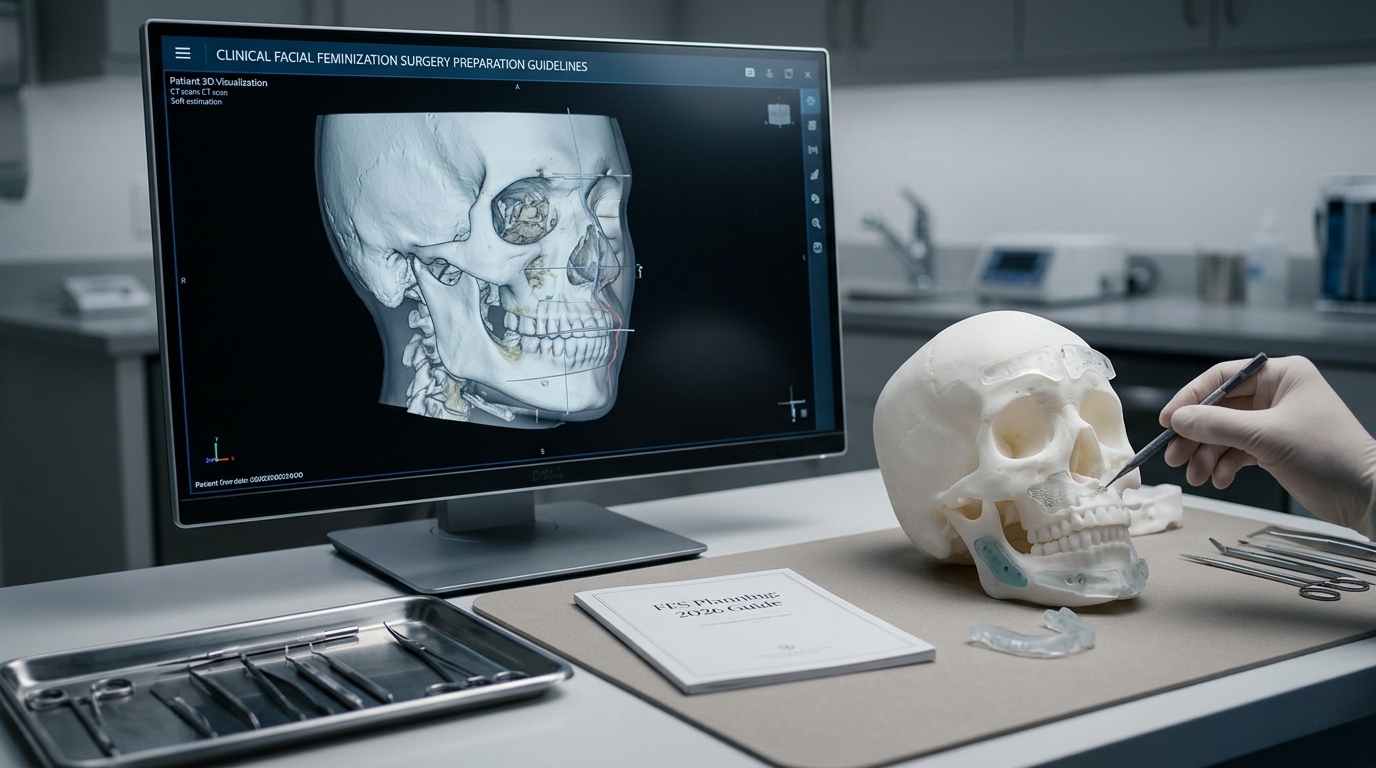

Chez les hommes qui recherchent une mâchoire plus masculine et mieux définie, la largeur et la projection de la mandibule jouent un rôle primordial dans l'harmonie du visage. Une mâchoire étroite ou fuyante peut adoucir les traits, atténuant l'angularité associée à l'esthétique masculine. chirurgie de masculinisation du visage, Deux principales techniques chirurgicales permettent d'élargir la mâchoire : les implants mandibulaires sur mesure et l'ostéotomie mandibulaire (chirurgie d'élargissement de la mâchoire). Bien que toutes deux visent à embellir le tiers inférieur du visage, elles diffèrent fondamentalement par leurs mécanismes biologiques, leur complexité chirurgicale, le déroulement de la convalescence et leurs résultats à long terme. Comprendre ces différences est essentiel pour les personnes envisageant une masculinisation du visage, car le choix entre implants et ostéotomie détermine non seulement le résultat esthétique, mais aussi l'intégrité structurelle du squelette facial.
Le choix entre implants sur mesure et ostéotomie est souvent influencé par l'importance de l'augmentation nécessaire, la structure osseuse existante du patient et la permanence souhaitée du résultat. Les implants sur mesure offrent une solution moins invasive pour augmenter l'angle et le corps de la mandibule, grâce à l'utilisation de matériaux biocompatibles pour sculpter le contour de la mâchoire. À l'inverse, l'ostéotomie mandibulaire consiste en la séparation chirurgicale de la mandibule afin d'élargir physiquement la mâchoire inférieure ; cette intervention exige une planification précise et souvent une collaboration orthodontique. Ce guide analysera les aspects cliniques de ces deux approches, en comparant les différentes techniques chirurgicales, des implants sur mesure en silicone et en PEEK aux modifications structurelles induites par l'ostéotomie sagittale et l'ostéogenèse par distraction.
Lorsqu'on envisage un élargissement de la mâchoire pour affiner le visage, le choix entre implants sur mesure et ostéotomie n'est pas seulement esthétique, mais aussi structurel. Les implants reposent sur l'os et mettent en valeur la silhouette, tandis que l'ostéotomie modifie l'os lui-même, altérant ainsi la structure faciale de l'intérieur. La décision dépend de la maturité squelettique du patient, de l'élargissement souhaité et de sa tolérance au temps de convalescence.
— Perspective clinique du Dr MFO

Table des matières
Définir l'esthétique : l'architecture de la mâchoire masculine
La mâchoire masculine se caractérise par sa largeur, son angulosité et un angle goniaque bien défini (l'angle postéro-inférieur de la mandibule). En esthétique faciale, la largeur de la mandibule par rapport aux pommettes et au front détermine la masculinité perçue du visage. Une mandibule étroite crée un visage effilé, en forme de cœur, souvent associé à des traits plus doux, tandis qu'une mandibule large donne un visage carré et robuste. L'objectif de la chirurgie d'élargissement de la mâchoire est d'augmenter la dimension transversale du tiers inférieur du visage, et plus précisément le corps et l'angle de la mandibule, afin de créer un rapport harmonieux avec les tiers supérieur et moyen du visage.
Anatomiquement, la mandibule se compose du corps (partie horizontale) et de la branche montante (partie verticale). L'angle goniaque marque leur jonction. Chez de nombreuses personnes souhaitant une masculinisation, la mandibule est sous-développée en largeur ou ne présente pas la projection postérieure marquée caractéristique d'une mâchoire forte. Les implants sur mesure sont conçus pour envelopper l'angle et le corps de la mandibule, augmentant ainsi le volume de sa surface externe. L'ostéotomie, quant à elle, cible la structure osseuse elle-même. En coupant et en repositionnant les segments osseux, chirurgien peut augmenter la largeur de l'arcade mandibulaire, élargissant ainsi la structure osseuse qui soutient les tissus mous et les muscles du bas du visage.
Le rôle de l'angle mandibulaire dans la masculinité
L'angle mandibulaire est le point d'ancrage du muscle masséter, principal muscle de la mastication. Un angle proéminent et ouvert crée une ombre le long de la mâchoire, renforçant l'impression de force et de largeur. féminisation faciale Dans le cadre d'une chirurgie esthétique du visage (FFS), cet angle est souvent réduit pour adoucir les traits. À l'inverse, dans le cadre d'une masculinisation, l'augmentation de cet angle est essentielle. Les implants sur mesure sont généralement placés dans le plan sous-périosté (sous le muscle mais au-dessus de l'os) au niveau de l'angle et du corps de la mandibule. Ils sont conçus pour reproduire la courbure naturelle de la mâchoire, assurant une transition harmonieuse du menton à l'oreille.
Cependant, les implants ont leurs limites quant à l'élargissement qu'ils peuvent apporter sans créer un aspect artificiel et volumineux. Une épaisseur excessive de l'implant peut entraîner un amincissement des tissus mous et rendre visibles les bords de l'implant. L'ostéotomie permet un élargissement plus naturel car l'os lui-même est élargi. Lors d'un élargissement de la mandibule par ostéotomie, le muscle masséter est détaché puis réinséré sur la nouvelle position osseuse. Ceci augmente non seulement la largeur du squelette, mais permet également au muscle de s'adapter, préservant ainsi le volume et la fonction naturels de la mâchoire. Cette intégration biologique est un avantage majeur de la chirurgie osseuse par rapport à l'augmentation alloplastique.
Voies chirurgicales : implants sur mesure ou ostéotomie mandibulaire
Les implants mandibulaires sur mesure sont généralement fabriqués en silicone de qualité médicale, en polyéthylène (PEEK) ou en polyéthylène poreux (Medpor). Le processus commence par une tomodensitométrie 3D du crâne du patient. À l'aide de la conception assistée par ordinateur (CAO), chirurgien L'ingénieur conçoit un implant parfaitement adapté à l'anatomie du patient. L'intervention se déroule par des incisions intra-orales, évitant ainsi les cicatrices externes. Le chirurgien crée une loge sous-périostée et fixe l'implant à l'aide de vis pour prévenir tout déplacement. L'intervention est généralement plus courte qu'une ostéotomie et se pratique souvent sous anesthésie générale.
Les implants sur mesure offrent un résultat esthétique prévisible et une période de convalescence plus courte. Ils sont idéaux pour les patients souhaitant une augmentation modérée (5 à 10 mm) et désirant éviter la complexité de la consolidation osseuse. Cependant, il s'agit de corps étrangers présentant des risques d'infection, de déplacement et de contracture capsulaire à long terme. Pour des augmentations de largeur importantes, l'ostéotomie demeure la technique de référence pour modifier la structure du visage.
— Perspective clinique du Dr MFO
L'ostéotomie mandibulaire est une intervention plus invasive qui consiste à sectionner la mandibule pour repositionner ses segments. La technique la plus courante pour l'élargissement est l'ostéotomie sagittale (OS), où la branche montante est sectionnée verticalement et le corps mandibulaire horizontalement, permettant ainsi de déplacer le segment inférieur (portant les dents) vers l'extérieur. Pour un élargissement significatif de la mâchoire, on recourt souvent à l'ostéogenèse par distraction. Cette technique consiste à sectionner l'os et à fixer un dispositif externe ou interne qui écarte progressivement les segments osseux sur plusieurs semaines, stimulant ainsi la croissance de nouvel os dans l'espace créé. Elle permet des gains de largeur importants (10 à 20 mm) impossibles à obtenir avec des implants.
| Procédure | Anatomie de la cible | Emplacement de l'incision | Anesthésie | Récupération |
| Implants de mâchoire sur mesure | Angle et corps de la mandibule | Intra-oral (à l'intérieur de la bouche) | Général | 1 à 2 semaines (gonflement/ecchymoses) |
| Ostéotomie sagittale | Branche et corps de la mandibule | Intra-oral (à l'intérieur de la bouche) | Général | 4 à 6 semaines (guérison osseuse) |
| Ostéogenèse par distraction | Corps mandibulaire | Intra-oral/Externe | Général | 3 à 6 mois (Distraction et consolidation) |
| Génioplastie (Menton) | Protubérance mentale | Intra-oral | Général/Local | 2 à 3 semaines (gonflement) |
Les contraintes anatomiques des implants
Bien que les implants sur mesure soient polyvalents, leur utilisation est limitée par l'enveloppe des tissus mous. La peau et les muscles recouvrant la mâchoire doivent être suffisamment épais pour dissimuler l'implant sans bords visibles ni palpabilité. Chez les patients ayant une peau fine ou peu de tissu adipeux sous-cutané, les implants peuvent paraître artificiels et être durs au toucher. De plus, les implants ne corrigent pas l'occlusion dentaire. En cas de mâchoire étroite ou de malocclusion, l'élargissement de la mâchoire par implants peut aggraver les problèmes dentaires et entraîner un mauvais alignement des dents.
À l'inverse, l'ostéotomie permet de corriger simultanément l'occlusion dentaire. Lors d'une ostéotomie sagittale, le chirurgien peut avancer ou déplacer la mâchoire inférieure vers l'extérieur pour corriger une malocclusion de classe III (prognathisme) tout en élargissant la mâchoire. Ce double avantage fait de l'ostéotomie le choix privilégié des patients présentant des problèmes d'occlusion fonctionnels et esthétiques. Cependant, l'ostéotomie nécessite une période de cicatrisation plus longue. L'os doit se consolider avant que le patient puisse mastiquer normalement, et le port d'un appareil orthodontique est souvent nécessaire avant et après l'intervention pour aligner les dents.
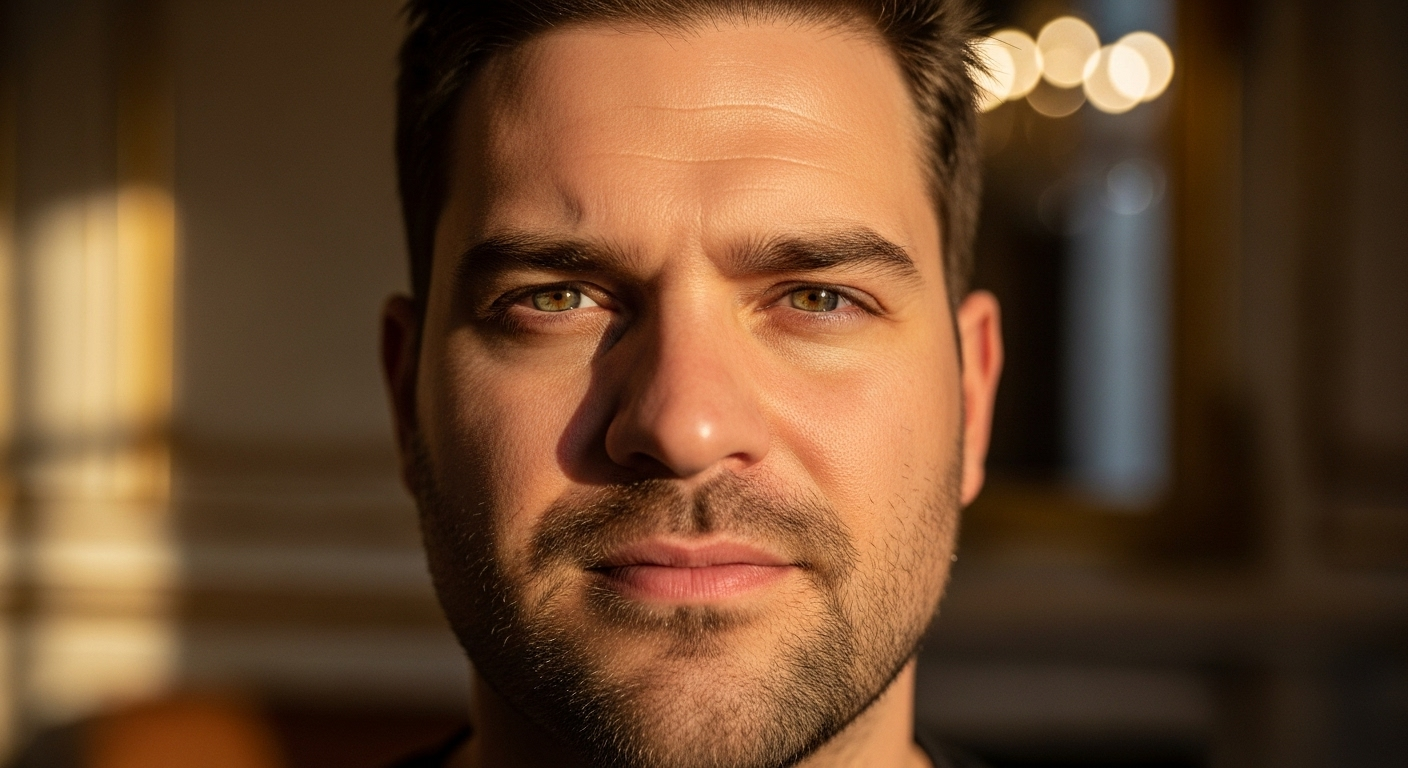
Analyse comparative : longévité, risques et coûts
Lorsqu'il s'agit de choisir entre des implants sur mesure et une ostéotomie, il convient de prendre en compte le caractère invasif de l'intervention et la permanence de la solution. Les implants sur mesure sont permanents car ils restent en place indéfiniment, mais ils sont soumis au vieillissement des tissus environnants. L'ostéotomie, quant à elle, induit une modification structurelle permanente du squelette, qui ne se dégrade pas avec le temps, même si les tissus mous continuent de vieillir naturellement.
‘ Les implants sur mesure offrent un résultat esthétique prévisible et une période de convalescence plus courte. Ils sont idéaux pour les patients qui souhaitent une augmentation modérée (5 à 10 mm) et éviter la complexité de la consolidation osseuse. Cependant, ce sont des corps étrangers qui comportent des risques d'infection, de déplacement et de contracture capsulaire à long terme. Pour des augmentations de largeur importantes, l'ostéotomie reste la technique de référence pour modifier la structure du visage. ’
— Perspective clinique du Dr MFO
| Méthode | Longévité | Le temps de récupération | Principaux risques | Fourchette de coûts estimée |
| Implants de mâchoire sur mesure | Corps étranger permanent | 2 à 4 semaines (cicatrisation des tissus mous) | Infection, déplacement, palpabilité, contracture capsulaire | 4 000 £ – 8 000 £ ($5 000 – $10 000) |
| Ostéotomie sagittale | Permanent (guérison osseuse) | 6 à 8 semaines (consolidation osseuse) | Lésions nerveuses (engourdissement), consolidation vicieuse, infection, récidive | 8 000 £ – 15 000 £ ($10 000 – $18 000) |
| Ostéogenèse par distraction | Permanent (nouvel os) | 3 à 6 mois (guérison complète) | Défaillance du dispositif, asymétrie, infection au niveau des points d'insertion des broches | 10 000 £ – 20 000 £ ($12 000 – $25 000) |
| Génioplastie (Menton) | Permanent (Os) | 2 à 3 semaines | Rechute, lésion nerveuse, asymétrie | 3 000 £ – 6 000 £ ($3 750 – $7 500) |
L'analyse coûts-avantages
Bien que les implants sur mesure semblent moins chers au départ, le coût cumulatif des éventuelles révisions ou complications peut faire grimper la facture. Il peut être nécessaire de retirer ou de remplacer les implants en cas d'infection ou d'insatisfaction esthétique. L'ostéotomie, bien que plus onéreuse initialement, offre généralement une solution définitive. Son coût comprend les honoraires du chirurgien, l'anesthésie, l'hospitalisation et souvent les frais d'orthodontie. Cependant, l'amélioration fonctionnelle de l'occlusion et de la mastication représente un avantage considérable, au-delà de l'aspect esthétique.
Les profils de risque diffèrent considérablement. Les complications chirurgicales liées à l'ostéotomie sont généralement associées à la consolidation osseuse et à la fonction nerveuse. Le nerf alvéolaire inférieur, qui traverse la mandibule, peut être étiré pendant l'intervention, entraînant une hypoesthésie temporaire ou permanente de la lèvre inférieure et du menton. Il s'agit d'un risque connu de l'ostéotomie mandibulaire. Les complications implantaires sont généralement d'ordre tissulaire : infection, déplacement ou réaction au corps étranger. Aucune de ces interventions n'est sans risque, et le choix dépend souvent de la tolérance du patient à certains types de complications.
Adaptation à la forme du visage : Quelle procédure convient le mieux à votre anatomie ?
Le choix entre implants et ostéotomie dépend fortement de l'architecture faciale existante et du degré de modification souhaité. Une intervention harmonieuse sur un visage allongé peut paraître disproportionnée sur un visage rond. L'objectif de l'élargissement de la mâchoire est d'équilibrer les tiers et les cinquièmes du visage, créant ainsi une silhouette carrée et masculine.
Visages ronds et ovales
Les visages ronds bénéficient d'angles marqués qui créent l'illusion d'une structure plus fine et mieux définie. Les implants sur mesure sont souvent suffisants pour les visages ronds, car ils permettent d'ajouter de la largeur et un angle goniaque prononcé sans modifier drastiquement la hauteur du visage. Cependant, si le visage est également court verticalement, une combinaison d'élargissement de la mâchoire et de génioplastie d'avancement (pour allonger le menton) peut s'avérer nécessaire. L'ostéotomie est généralement réservée aux visages ronds nécessitant une modification structurelle importante ou la correction d'une mandibule rétrogénienne.
Visages longs et étroits
Les visages longs nécessitent une gestion attentive de leur largeur afin d'éviter de les allonger davantage. Les implants sur mesure, ciblant l'angle postérieur (angle gonial) plutôt que le corps du visage, permettent d'élargir la mâchoire sans ajouter un volume horizontal excessif au niveau du tiers moyen du visage. L'ostéotomie, notamment l'ostéogenèse par distraction, peut élargir la mâchoire de manière significative. Toutefois, si la hauteur du visage est déjà importante, un abaissement de la mâchoire (impaction) peut s'avérer nécessaire en complément de l'élargissement. Une planification précise est indispensable pour éviter un aspect “ long et large ”.
Faces carrées et angulaires
Les visages carrés aux mâchoires prononcées ont souvent une apparence masculine, mais peuvent souhaiter une amélioration. Les implants sur mesure sont idéaux pour ajouter subtilement de la largeur et de la définition à une mâchoire déjà carrée. L'ostéotomie est rarement nécessaire pour les visages carrés, sauf en cas d'asymétrie squelettique spécifique ou de prognathisme important nécessitant une correction. Chez ces patients, l'intervention se concentre souvent sur le menton (génioplastie) afin d'équilibrer la largeur de la mâchoire.
Asymétrie et défauts structurels
Les patients présentant une asymétrie faciale, comme une microsomie hémifaciale ou des déformations post-traumatiques, sont de meilleurs candidats à l'ostéotomie. Les implants sur mesure peuvent masquer partiellement l'asymétrie, mais ne corrigent pas la dysharmonie squelettique sous-jacente. L'ostéotomie permet au chirurgien de déplacer les segments osseux indépendamment, corrigeant ainsi l'asymétrie en trois dimensions. L'ostéogenèse par distraction est particulièrement efficace pour les malformations congénitales où la mandibule est sous-développée d'un côté ou des deux.

Protocoles de soins et de rétablissement postopératoires
Quelle que soit la technique choisie, les soins postopératoires déterminent le résultat esthétique final et minimisent les complications. La convalescence après une chirurgie maxillo-faciale exige le strict respect des restrictions alimentaires et des protocoles d'hygiène. La complexité de la convalescence varie considérablement selon qu'il s'agisse d'implants ou d'ostéotomie.
Gestion de l'enflure et régime alimentaire
Pour les implants sur mesure, l'œdème atteint son maximum entre 48 et 72 heures et diminue significativement en deux semaines. Les patients suivent généralement un régime liquide ou mou pendant une à deux semaines afin de ne pas exercer de pression sur les incisions intra-orales. Les compresses froides contribuent à réduire l'œdème, mais elles doivent être appliquées avec précaution pour éviter toute pression sur les implants. Il est impératif de dormir la tête surélevée pendant la première semaine afin de réduire l'œdème orbitaire et facial.
La convalescence après une ostéotomie est plus exigeante. L'œdème peut persister de 4 à 6 semaines. Les patients suivent généralement un régime liquide strict pendant 2 à 4 semaines, puis une alimentation molle pendant 4 semaines supplémentaires. La mastication est strictement interdite pendant la phase de consolidation osseuse afin d'éviter le déplacement des fragments osseux. Dans le cas d'une ostéogenèse par distraction, les patients doivent faire pivoter le dispositif de distraction quotidiennement selon le protocole du chirurgien, ce qui requiert une hygiène rigoureuse pour prévenir toute infection au niveau des points d'insertion des broches (en cas d'utilisation d'un dispositif externe).
Maintenance et fonctionnement à long terme
Les résultats de l'ostéotomie sont permanents, mais les muscles masticateurs (masséter et temporal) doivent être rééduqués. Après l'intervention, l'occlusion dentaire se modifie et le port d'un appareil orthodontique est souvent nécessaire pendant 6 à 12 mois pour l'ajuster. La kinésithérapie peut être recommandée pour restaurer la mobilité et la force complètes de la mâchoire.
Les implants sur mesure nécessitent moins d'entretien à long terme. Une fois la cicatrisation terminée, les implants sont stables, mais il est important d'éviter tout traumatisme au niveau de la mâchoire. Des examens dentaires réguliers sont essentiels pour s'assurer que les implants n'affectent pas la santé bucco-dentaire. Contrairement à l'ostéotomie, les implants ne modifient pas l'occlusion ; un traitement orthodontique est donc rarement nécessaire, sauf en cas de problèmes dentaires préexistants. Cependant, le processus de vieillissement se poursuit ; la diminution du volume facial avec l'âge peut rendre les implants plus visibles et nécessiter, le cas échéant, une intervention. greffe de graisse ou des injections de produits de comblement dans les zones environnantes pour conserver un aspect naturel.
Questions fréquemment posées
Quelle est la principale différence entre les implants maxillaires et l'ostéotomie ?
Les implants mandibulaires sont des matériaux synthétiques placés sur l'os pour en augmenter le volume, tandis que l'ostéotomie consiste à couper et repositionner l'os lui-même pour élargir la mâchoire. Les implants sont moins invasifs et la convalescence est plus courte, mais l'ostéotomie permet une modification structurelle et peut corriger les problèmes d'occlusion.
Est-il possible d'obtenir une mâchoire masculine sans chirurgie ?
Les options non chirurgicales, comme les injections de comblement, peuvent temporairement redonner du volume à la mâchoire, mais elles ne peuvent reproduire la netteté des contours ni l'élargissement significatif obtenus par la chirurgie. Pour des modifications structurelles permanentes, une intervention chirurgicale est nécessaire.
Quel est le temps de récupération après une chirurgie d'élargissement de la mâchoire ?
La durée de la convalescence varie selon l'intervention. Les implants sur mesure nécessitent généralement 2 à 4 semaines pour la cicatrisation des tissus mous. L'ostéotomie sagittale requiert 6 à 8 semaines pour la consolidation osseuse, tandis que l'ostéogenèse par distraction peut prendre de 3 à 6 mois pour une consolidation complète.
Les résultats d'une chirurgie d'élargissement de la mâchoire sont-ils permanents ?
Oui, les implants sur mesure et l'ostéotomie offrent tous deux des résultats permanents. Les implants restent en place indéfiniment, tandis que l'ostéotomie permet une consolidation osseuse définitive. Cependant, le vieillissement naturel finira par affecter les tissus mous environnants.
Qui est un bon candidat pour des implants de mâchoire sur mesure ?
Les candidats idéaux présentent une bonne élasticité cutanée, des objectifs esthétiques modérés (augmentation de 5 à 10 mm) et aucune occlusion dentaire significative. Ils doivent être en bonne santé et avoir des attentes réalistes quant aux limites des implants.
Quels sont les risques liés à une ostéotomie mandibulaire ?
Les risques comprennent un engourdissement temporaire ou permanent de la lèvre inférieure et du menton (lésion nerveuse), une infection, une consolidation osseuse vicieuse et une récidive. Il existe également un risque de troubles de l'articulation temporo-mandibulaire (ATM).
L'assurance couvre-t-elle la chirurgie d'élargissement de la mâchoire ?
En général, non. Il s'agit d'interventions considérées comme esthétiques. Cependant, si une ostéotomie est pratiquée pour corriger un problème d'occlusion fonctionnelle (malocclusion de classe III), une partie de l'intervention peut être prise en charge par l'assurance maladie, mais la composante esthétique d'élargissement ne l'est généralement pas.
Comment choisir entre implants et ostéotomie ?
Tenez compte de vos objectifs esthétiques, de votre budget et de votre tolérance au temps de convalescence. Les implants conviennent aux améliorations modérées et permettent une récupération plus rapide. L'ostéotomie est la meilleure option pour des augmentations importantes de la largeur des dents, la correction de problèmes d'occlusion ou la correction d'une asymétrie squelettique. Une consultation avec un chirurgien maxillo-facial est indispensable.
Bibliographie
- Dr MFO. (nd). Chirurgie de masculinisation du visage. Récupéré de https://dr-mfo.com/facial-masculinization-surgery
- Dr MFO. (nd). Réduction de la mâchoire. Récupéré de https://dr-mfo.com/jaw-reduction
- Dr. MFO. (s.d.). Implant de menton. Récupéré de https://dr-mfo.com/chin-implant
- Pratique de la chirurgie plastique. (2023). Avancées soins du visage personnalisés Implants : Matériaux et conception. Extrait de https://www.plasticsurgerypractice.com
- Journal de chirurgie buccale et maxillo-faciale. (2022). Ostéotomie sagittale pour élargissement mandibulaire : résultats à long terme. DOI : 10.1016/j.joms.2022.01.015
- Société américaine des chirurgiens plasticiens. (sd). Implants de mâchoire. Extrait de https://www.plasticsurgery.org/cosmetic-procedures/jaw-implants
- Journal international de chirurgie buccale et maxillo-faciale. (2021). Ostéogenèse par distraction dans l'asymétrie faciale : une revue systématique. DOI : 10.1016/j.ijom.2021.02.008