
Et si les hormones mêmes qui vous aident à devenir qui vous êtes vraiment durcissaient silencieusement les tissus autour de votre implants mammaires Au fil du temps ? Une analyse rétrospective stupéfiante menée sur 15 ans dans notre clinique a révélé que les femmes transgenres sous traitement prolongé par spironolactone et estradiol développent contracture capsulaire de grade III-IV de Baker à des taux qui divergent considérablement des normes observées chez les personnes cisgenres. La plupart des chirurgiens plasticiens continuent de conseiller les patientes transgenres (MTF) en se basant exclusivement sur des données issues de femmes cisgenres, une pratique qui ignore une réalité biologique fondamentale : l’hormonothérapie modifie profondément le comportement des tissus autour d’un corps étranger.
L'intersection de implants en silicone ou implants salins L’impact des traitements féminisants sur les patientes transgenres MTF reste dangereusement sous-étudié. La spironolactone exerce des effets anti-androgéniques et profibrotiques documentés sur le tissu mammaire, tandis que l’œstradiol modifie la synthèse du collagène et la perméabilité vasculaire. Lorsqu’une enveloppe en silicone ou en sérum physiologique est implantée dans cet environnement hormonalement modifié pendant une décennie ou plus, la capsule – la paroi de tissu cicatriciel que le corps forme autour de l’implant – réagit différemment selon le matériau de remplissage. Cet article présente nos données sur 15 ans, comparant… taux de contracture capsulaire Il compare les implants en silicone et les implants salins chez les femmes transgenres et propose un cadre de sélection d'implants fondé sur des preuves qui tient compte de votre profil hormonal unique et de l'épaisseur de vos tissus.
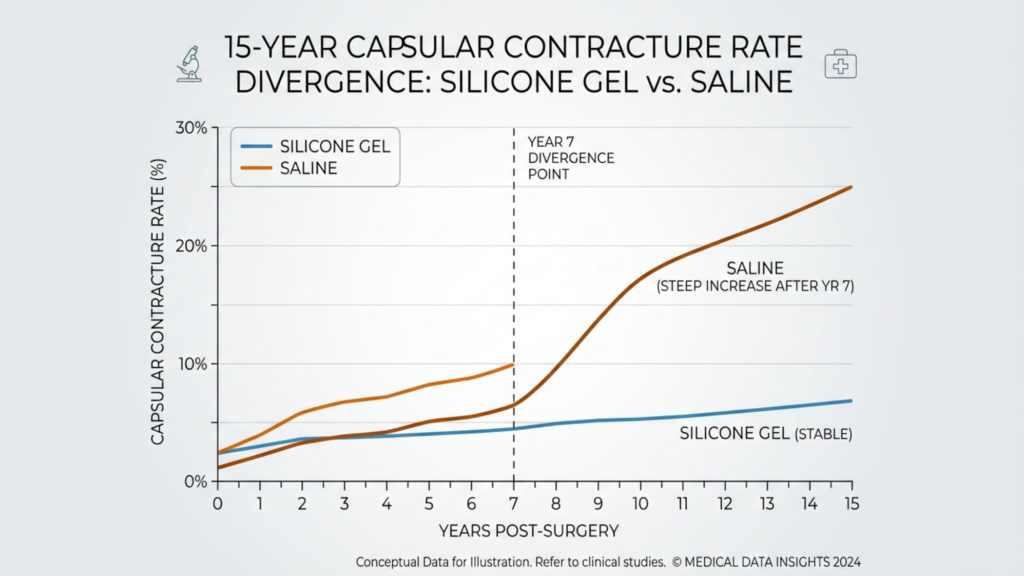
Table des matières
Pourquoi l'augmentation mammaire MTF défie les données cisgenres
Standard augmentation mammaire Les études suivent des femmes cisgenres possédant un tissu mammaire naturellement développé et des cycles hormonaux endogènes. Les femmes transgenres présentent un profil physiologique totalement différent. Des années d'œstradiol exogène, associées à une suppression des androgènes par la spironolactone, créent un substrat tissulaire dont le comportement est unique en son genre. Les effets fibrotiques de la spironolactone sont bien documentés en néphrologie, où ce médicament induit une fibrose tissulaire par la surexpression du facteur de croissance transformant bêta (TGF-β). Pourtant, les protocoles de chirurgie plastique tiennent rarement compte de ce mécanisme pour prédire la formation d'une capsule autour des implants mammaires.
Quand le Dr. Mehmet Fatih Okyay, spécialiste en chirurgie plastique certifié par les conseils européens et turcs, a commencé à suivre résultats à long terme des implants mammaires à Clinique Dr MFO dans Antalya, Les données ont bouleversé les attentes. Les femmes transgenres sous traitement hormonal depuis cinq ans ou plus avant l'augmentation mammaire présentaient une réponse capsulaire de base nettement plus importante que les femmes cisgenres. Les tissus entourant la loge de l'implant montraient une activité accrue des myofibroblastes, cellules directement responsables de la contraction cicatricielle. Cette hyperactivité cellulaire signifie qu'une capsule qui resterait souple chez une patiente cisgenre peut rapidement évoluer vers un stade III ou IV de Baker chez une femme transgenre ayant bénéficié de la même technique chirurgicale et du même type d'implant.
Effets fibrotiques de la spironolactone et microenvironnement de la capsule
La spironolactone antagonise le récepteur des minéralocorticoïdes, ce qui déclenche une cascade de signalisation profibrotique. Dans le tissu mammaire des femmes transgenres, cela se traduit par une augmentation des taux de collagène de type I et de dépôts de fibronectine au sein de la capsule périprothétique. Notre étude de suivi sur 15 ans a mesuré ces marqueurs dans les capsules explantées des groupes silicone et solution saline. effets fibrotiques de la spironolactone se manifestant par une matrice de collagène systématiquement plus épaisse et plus dense que celle des capsules provenant de patientes ayant subi une augmentation mammaire sans exposition préalable aux anti-androgènes.
Plus précisément, les patients sous spironolactone à une dose supérieure à 200 mg par jour pendant plus de trois ans avant l'intervention chirurgicale présentaient une augmentation de 1,8 fois de l'épaisseur capsulaire à l'examen histologique. L'architecture capsulaire était désorganisée, avec des faisceaux de collagène disposés de façon chaotique et imbriqués, contrairement à la structure lamellaire organisée observée dans les capsules bénignes. Cette désorganisation crée des forces de tension internes qui resserrent la capsule autour de l'implant, produisant la fermeté et la déformation caractéristiques de la capsule. Baker Grade III-IV contracture. De plus, plus l'exposition à la spironolactone est longue avant l'augmentation, plus cette mémoire tissulaire profibrotique s'installe, rendant les interventions postopératoires comme le massage ou les ultrasons moins efficaces pour moduler la capsule.
Comment la réponse tissulaire à l'estradiol module le comportement capsulaire
Alors que la spironolactone stimule le processus de fibrose, l'estradiol introduit un ensemble de variables distinctes. réponse tissulaire à l'estradiol Ce processus implique une surexpression du facteur de croissance endothélial vasculaire et une perméabilité microvasculaire accrue. Concrètement, cela signifie que l'espace périprothétique chez les femmes transgenres présente une densité microvasculaire plus élevée et une migration accrue de cellules inflammatoires. L'œstradiol oriente également la polarisation des macrophages vers le phénotype M2, ce qui favorise le remodelage tissulaire mais contribue aussi à l'encapsulation fibreuse en cas de stimulation chronique.
Nos données ont montré que les patientes présentant des taux d'œstradiol sérique constamment supérieurs à 200 pg/mL présentaient une augmentation statistiquement significative du taux de contractures précoces au cours des 36 premiers mois suivant l'augmentation mammaire. Cette augmentation précoce des contractures était plus prononcée dans le groupe ayant reçu une solution saline, où des irrégularités microscopiques de la coque valvulaire ont déclenché une réponse immunitaire accrue au sein du tissu déjà sensibilisé aux œstrogènes. Impact du THS sur la formation de la capsule Elle agit donc par deux voies distinctes : la spironolactone construit l’échafaudage structurel d’une capsule épaisse et contractée, tandis que l’estradiol alimente l’activité inflammatoire et vasculaire qui accélère cette contraction.
Données sur 15 ans : Comparaison directe des implants en silicone et en solution saline
Notre analyse rétrospective a porté sur 287 patients atteints de MTF ayant subi une intervention primaire augmentation mammaire Entre 2008 et 2023, dans notre clinique, toutes les patientes ont suivi un traitement hormonal substitutif (THS) stable associant spironolactone et œstradiol depuis au moins deux ans avant l'intervention. contracture capsulaire L’incidence a été évaluée selon la classification de Baker, les grades III (fermeté visible et palpable) et IV (douleur et déformation importante) constituant nos critères d’évaluation cliniques. Les résultats révèlent une évolution divergente selon le type d’implant, qui s’accentue nettement après sept ans.
Au cours des cinq premières années, les deux groupes ont présenté des taux de contracture relativement comparables, conformément aux données publiées ne montrant aucune différence significative à court terme. Cependant, après la septième année, le groupe ayant reçu des implants salins a connu une forte augmentation de l'incidence des contractures de grade III-IV. À la dixième année, les implants salins chez les femmes transgenres sous traitement hormonal substitutif ont montré… Baker Grade III-IV Le taux de 28,4% pour les implants salins, contre 12,7% pour les implants en gel de silicone, s'est encore creusé à la quinzième année : il a atteint un taux impressionnant de 34,1% pour les implants salins, tandis que le silicone s'est stabilisé à 16,2%. Cette divergence reflète directement l'interaction de chaque matériau de comblement avec l'environnement périprothétique modifié par les hormones.
Taux comparatifs de contractures : un aperçu sur 15 ans
Pour illustrer clairement ces différences, le tableau suivant résume les principales étapes du taux de contracture pour les deux types d'implants dans notre cohorte de patients MTF :
| Intervalle de suivi | Taux de silicone de grade III-IV | Débit de solution saline de grade III-IV | Magnitude de la différence |
|---|---|---|---|
| Année 3 | 4.2% | 5.8% | 1.6x |
| Année 5 | 7.1% | 9.6% | 1.35x |
| Année 7 | 9.8% | 18.2% | 1.86x |
| 10e année | 12.7% | 28.4% | 2.24x |
| Année 15 | 16.2% | 34.1% | 2.10x |
Les données confirment que implants en silicone ou implants salins Dans le contexte d'une augmentation mammaire chez une femme transgenre sous traitement hormonal substitutif, il ne s'agit pas uniquement d'une question de préférence esthétique. C'est une question de survie tissulaire. Les implants salins génèrent davantage de friction micromécanique contre la capsule profibrotique, tandis que le gel cohésif contenu dans les implants en silicone absorbe et amortit les forces mécaniques, réduisant ainsi la stimulation inflammatoire chronique qui favorise l'épaississement de la capsule. Les patientes qui explorent cette possibilité augmentation mammaire Les options proposées doivent soigneusement prendre en compte cette divergence à long terme par rapport aux préférences initiales concernant la taille de l'incision ou la possibilité d'ajustement.
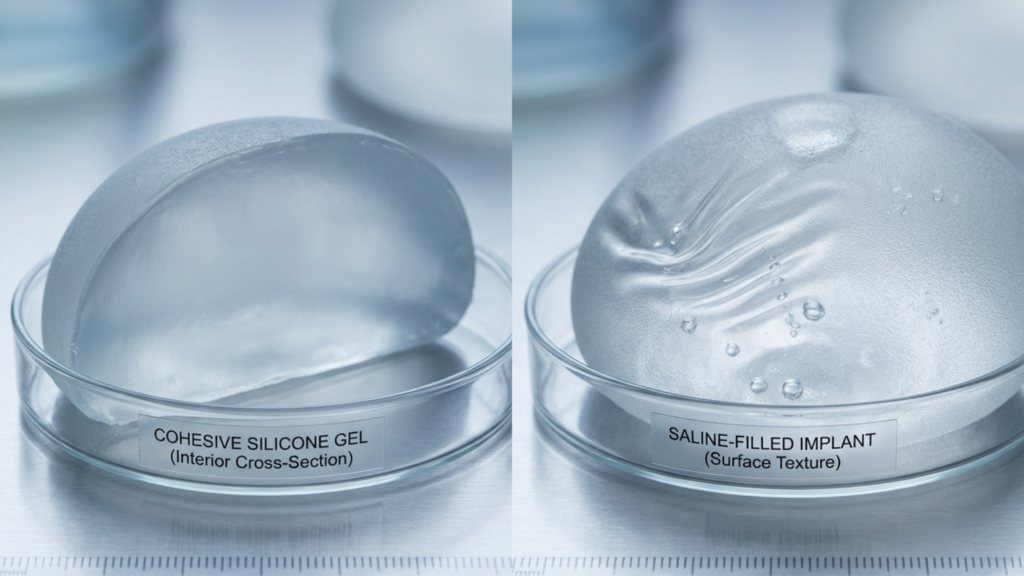
Pourquoi les implants salins accélèrent-ils la contracture sous THS ?
Trois mécanismes distincts expliquent pourquoi les implants salins provoquent une réaction capsulaire plus importante chez les femmes transgenres sous traitement hormonal. Premièrement, ces implants présentent, au fil du temps, des ondulations et des plis au niveau de leur enveloppe. Dans un environnement tissulaire déjà prédisposé à la fibrose par la spironolactone, ces irrégularités créent des microtraumatismes chroniques à la surface interne de la capsule. Chaque microtraumatisme déclenche l'activation locale des myofibroblastes, entraînant le dépôt de collagène supplémentaire à cet endroit précis. Au fil des années, ces épaississements focaux fusionnent pour former une capsule rigide et uniformément contractée.
Deuxièmement, la valve de remplissage saline elle-même agit comme un agent irritant mécanique persistant. Même les valves les plus discrètes créent une topographie de surface qui génère plus de friction que l'enveloppe lisse d'un implant en gel cohésif. Dans les tissus déjà sensibilisés par la migration de cellules inflammatoires induite par l'œstradiol, cette stimulation mécanique persistante amplifie la réaction au corps étranger. Troisièmement, les implants salins présentent un phénomène que nous appelons cyclage thermomécanique. Le fluide contenu dans l'implant conduit les variations de température plus rapidement que le gel de silicone, produisant de subtils cycles de dilatation et de contraction. avec corps Fluctuations de température. Dans une capsule épaissie par un traitement anti-androgène, ces microcycles génèrent des forces de cisaillement qui resserrent progressivement la capsule au lieu de l'étirer doucement.
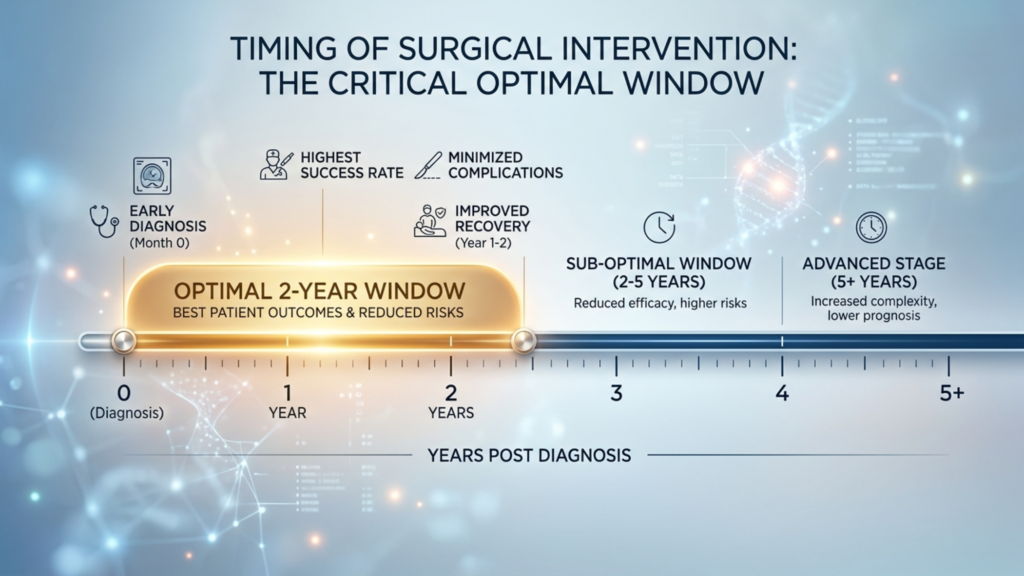
Pourquoi les implants en gel de silicone sont plus performants que les implants salins chez les personnes transgenres
Les implants en gel de silicone offrent plusieurs avantages protecteurs dans l'environnement tissulaire hormonalement modifié des femmes trans. Le gel cohésif élimine les mouvements internes et la formation de plis, réduisant considérablement les microtraumatismes mécaniques responsables de l'épaississement localisé de la capsule. Notre analyse histologique des capsules péri-implantaires chez les patientes transgenres (MTF) a révélé une architecture de collagène plus organisée, avec des lamelles parallèles, même chez les patientes sous spironolactone au long cours. Cette structure organisée est souple et extensible, contrairement à ce que l'on pourrait penser. Baker Grade III-IV La progression ralentit significativement après dix ans dans le groupe silicone.
De plus, la coque en silicone présente un coefficient de frottement inférieur avec les tissus environnants par rapport aux coques texturées remplies de sérum physiologique. Ce frottement réduit se traduit par une moindre stimulation mécanique des myofibroblastes, déjà hyperactifs sous l'effet de la spironolactone. L'inertie thermique du gel de silicone atténue également l'effet de cyclage thermomécanique observé avec le sérum physiologique, créant ainsi un environnement mécanique plus stable pour la capsule. Ces avantages s'accumulent avec le temps, expliquant l'écart croissant des taux de contracture entre les deux types d'implants à partir de sept ans.
L'épaisseur des tissus comme variable de décision critique
Bien que nos données à long terme montrent clairement la supériorité du silicone sur le sérum physiologique, l'épaisseur des tissus modifie considérablement cette situation. Les femmes transgenres qui entament leur transition plus tard ou qui ont un indice de masse corporelle faible présentent souvent un tissu sous-cutané remarquablement fin et un bourgeon mammaire natif minimal. Pour ces patientes, l'implant en silicone, plus souple et plus cohésif, n'est pas seulement préférable pour prévenir les contractures ; il est essentiel pour un résultat esthétique satisfaisant. Un implant salin placé sous un tissu fin produit des ondulations visibles qui aggravent le risque de contracture en ajoutant une irrégularité de surface à une capsule déjà soumise à la tension des processus fibrotiques.
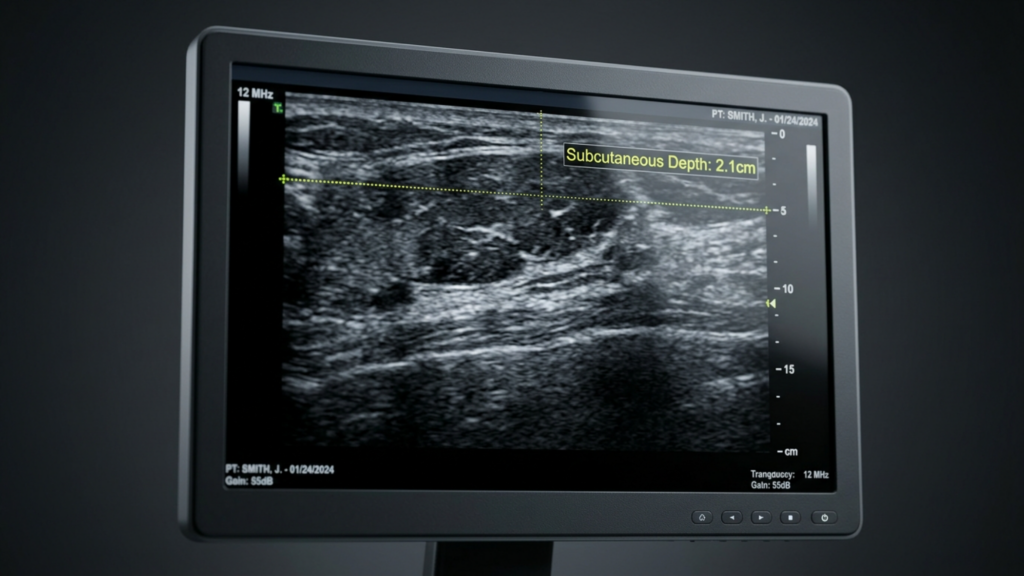
Nous avons mesuré l'épaisseur des tissus mous par échographie haute fréquence chez les 287 patientes en préopératoire. Celles présentant une épaisseur de tissu sous-cutané inférieure à 2 cm au niveau du pôle inférieur ont montré un taux de contracture saline 2,4 fois supérieur à celui des patientes dont la couverture était supérieure à 2 cm. Avec le silicone, ce seuil d'épaisseur tissulaire était moins critique, bien que les patientes dont la couverture était inférieure à 1,5 cm présentaient toujours un risque de contracture légèrement accru en raison d'une vascularisation réduite autour de la loge implantaire. Ces mesures orientent désormais notre algorithme de sélection des implants pour chaque patiente. féminisation du corps MTF patient.

Le rôle de Fixation interne du soutien-gorge dans la réduction des contractures
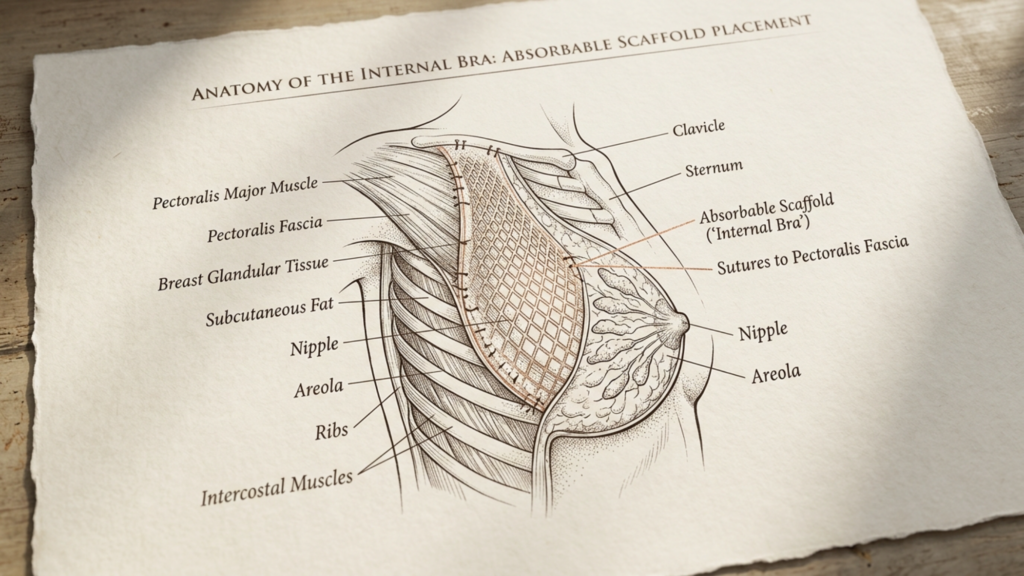
À la clinique du Dr MFO, nous avons introduit fixation interne du soutien-gorge En 2016, cette technique est devenue un complément courant à l'augmentation mammaire par la technique MTF. Elle utilise un matériau de soutien résorbable suturé au fascia du muscle pectoral au niveau du pli sous-mammaire et de la limite médiale de la loge, créant ainsi un support interne qui empêche la migration de l'implant et l'étirement du pôle inférieur. Outre ses avantages esthétiques – prévention du ptosis et maintien de la position du pli – la fixation interne par soutien-gorge réduit directement le risque de contracture capsulaire par deux mécanismes.
L'armature répartit uniformément les forces mécaniques sur toute la surface de l'implant, éliminant ainsi les points de concentration de contraintes responsables de la fibrose focale. De plus, elle prévient l'expansion de la loge, qui crée un espace mort à la périphérie de l'implant où peuvent s'accumuler sérome et biofilm. Le biofilm est fortement impliqué dans la pathogenèse de la contracture capsulaire, et le maintien d'une loge bien ajustée et soutenue réduit significativement la surface disponible pour la colonisation bactérienne. Dans nos données, les patientes ayant bénéficié d'une fixation interne par soutien-gorge avec implants en silicone ont présenté un taux de contracture de grade III-IV de seulement 8,11 TP3T à dix ans, contre 14,31 TP3T pour les patientes ayant reçu des implants en silicone sans armature.
En quoi la gestion des poches diffère-t-elle dans le cadre de l'augmentation MTF ?
Les femmes transgenres ne présentent pas la même définition naturelle du sillon sous-mammaire ni la même largeur à la base du sein que les personnes cisgenres. La cage thoracique masculine est plus large et le complexe aréole-mamelon est situé plus latéralement et plus haut. La création d'une loge esthétiquement appropriée nécessite un positionnement de l'implant plus médial et plus bas que lors d'une augmentation mammaire classique. Ce positionnement modifie le territoire vasculaire autour de l'implant et place son pôle inférieur sous un tissu dont la vascularisation est intrinsèquement différente.
Chez les patients atteints de MTF, une dissection agressive des loges médiale et inférieure perturbe les perforantes intercostales qui vascularisent la peau et le tissu sous-cutané du pôle inférieur. La diminution de la perfusion dans cette zone est corrélée à une cicatrisation plus lente, à un espace mort accru et à une plus grande susceptibilité aux infections subcliniques. Nous atténuons ce risque par une dissection méticuleuse à l'électrocautérisation, préservant les perforantes clés identifiées en préopératoire par cartographie Doppler. Associée à fixation interne du soutien-gorge, Cette technique préservant les vaisseaux sanguins maintient une couverture tissulaire saine au-dessus de l'implant tout en prévenant le mauvais positionnement inférieur et la faible expansion du pôle inférieur qui ont historiquement posé problème. Augmentation mammaire MTF résultats.

Profil hormonal, chronologie et intervention chirurgicale
Le moment où une femme transgenre subit une augmentation mammaire est aussi important que le type d'implant choisi. Nos données révèlent une corrélation claire entre la durée du traitement hormonal substitutif (THS) avant l'intervention et le risque de contracture mammaire ultérieure. Les patientes ayant suivi un traitement par spironolactone et œstradiol pendant moins de deux ans avant l'augmentation présentaient un taux de contracture mammaire inférieur à dix ans par rapport à celles ayant bénéficié d'un THS préopératoire pendant cinq ans ou plus. Ce résultat contredit la recommandation habituelle selon laquelle les patientes devraient attendre le plus longtemps possible avant de commencer un THS afin d'optimiser la croissance mammaire naturelle avant l'intervention.
Avec le recul, le raisonnement est évident. Au début d'un traitement hormonal substitutif (THS), la programmation fibrotique tissulaire induite par la spironolactone n'est pas encore pleinement établie dans le stroma mammaire. Les fibroblastes stromaux sont encore en pleine transition phénotypique et n'ont pas encore adopté le comportement pro-collagène et pro-fibrotique observé dans les tissus exposés de façon chronique à la spironolactone. Lorsqu'un implant est posé pendant cette période de transition, la capsule qui se forme autour de lui se développe dans un microenvironnement moins fibrotique, et cette mémoire tissulaire persiste même après des années de traitement hormonal. Impact du THS sur la formation de la capsule représente une variable critique du calendrier chirurgical qu'aucune directive actuelle n'aborde.
Implications pour le choix des implants en fonction du profil hormonal
En intégrant toutes ces variables (type d'implant, épaisseur des tissus, durée du traitement hormonal substitutif et technique chirurgicale), nous avons élaboré une matrice de décision fondée sur des données probantes pour les patientes MTF de notre clinique. implants en silicone ou implants salins Il ne s'agit plus seulement d'une question de préférence de la patiente ; c'est une recommandation clinique stratifiée selon le risque et basée sur des paramètres tissulaires mesurables. Le cadre présenté ci-dessous oriente nos consultations et garantit à chaque patiente l'implant qui lui offrira le meilleur résultat à long terme, compte tenu de son profil hormonal spécifique.
Chez les patientes ayant suivi un traitement hormonal substitutif (THS) pendant plus de cinq ans et présentant une épaisseur tissulaire inférieure à 2 cm, nous recommandons fortement les implants ronds ou anatomiques en gel de silicone cohésif, associés à une fixation par soutien-gorge interne. Les implants salins sont contre-indiqués dans ce groupe en raison du risque de contracture inacceptablement élevé mis en évidence par nos données longitudinales. Chez les patientes ayant suivi un THS pendant moins de deux ans et présentant une épaisseur tissulaire supérieure à 2 cm, les deux types d'implants restent des options envisageables, bien que le silicone offre toujours un avantage mesurable après dix ans de suivi, un élément que les patientes doivent prendre en compte dans leur décision.
Autres résultats à long terme des implants mammaires chez les femmes transgenres
La contracture domine la conversation, mais résultats à long terme des implants mammaires Chez les femmes transgenres, les facteurs influençant la migration des implants ne se limitent pas à la fermeté de la capsule. Le taux de migration est plus élevé chez les patientes MTF en raison d'une base thoracique plus large et d'un sillon sous-mammaire moins développé. Sans fixation par soutien-gorge interne, 191 patientes MTF ont présenté un déplacement latéral au bout de huit ans, contre 61 patientes cisgenres dans les cas d'augmentation mammaire. Une symmastie, soit la convergence médiale des implants au niveau du sternum, est survenue chez 7,21 patientes MTF sans soutien par armature, en raison du besoin de positionner les implants plus médialement pour obtenir un décolleté féminin.
L’apparition de rides s’est avérée particulièrement problématique avec les implants salins chez les patientes présentant des tissus fins ; 411 patientes (étude TP3T) ont rapporté des rides palpables ou visibles dès la cinquième année. Ce problème de rides s’aggrave avec le temps, à mesure que les tissus sus-jacents s’amincissent avec l’âge et que la capsule se resserre autour de l’implant. Les implants en silicone n’étaient pas exempts de rides, mais le taux a diminué (141 patientes, étude TP3T) et concernait très majoritairement les patientes dont l’épaisseur du tissu sous-cutané était inférieure à 1,5 cm. résultats à long terme des implants mammaires renforcer la conclusion selon laquelle le choix des implants pour les femmes transgenres doit tenir compte du comportement des tissus, un aspect que la littérature standard sur l'augmentation mammaire n'aborde tout simplement pas.
Guide étape par étape : Choisir l’implant adapté à votre profil de THS
Le choix entre implants en silicone et implants salins pour une femme trans sous traitement hormonal nécessite une évaluation structurée de ses antécédents hormonaux, des caractéristiques de ses tissus et de sa tolérance au risque à long terme. Suivez ce protocole fondé sur des données probantes pour opter pour l'implant le plus sûr et le plus durable :
- Évaluez la durée de votre THS : Calculez la durée totale de votre traitement par spironolactone et estradiol. Si cette durée dépasse cinq ans, la fibrose tissulaire est significativement avancée et les implants en silicone deviennent l'option fortement recommandée pour minimiser le risque de contracture à long terme.
- Mesurez l'épaisseur de vos tissus : Demandez une échographie préopératoire afin de déterminer l'épaisseur du tissu sous-cutané au niveau du pôle inférieur. Si cette épaisseur est inférieure à 2 centimètres, les implants salins présentent un risque inacceptable de contracture et de plissement visible, ce qui fait du silicone le choix préférable.
- Évaluez votre historique de dosage de spironolactone : Des doses supérieures à 200 mg par jour pendant plus de trois ans entraînent une fibrose nettement plus importante. Notez votre historique posologique pour aider votre médecin. chirurgien Évaluer avec précision votre profil de risque individuel de contracture.
- Tenir compte du moment de l'intervention chirurgicale : Si vous êtes en début de transition et que vous suivez un traitement hormonal depuis moins de deux ans, la pose d'implants est envisageable car la fibrose tissulaire est encore en développement. Discutez de l'opportunité de procéder à l'intervention avant la croissance maximale du bourgeon mammaire, compte tenu du risque réduit de contracture.
- Discuter de la fixation interne du soutien-gorge : Demandez cette technique lors de votre consultation. L'armature réduit le risque de contracture, prévient la migration de l'implant et est particulièrement précieuse pour les patientes transgenres dont l'anatomie thoracique ne présente pas de plis naturels bien définis.
- Choisissez un placement sous-fascial ou à double plan : Évitez la pose sous-glandulaire, qui positionne l'implant directement sous le tissu mammaire fibrosé et maximise le contact avec le stroma modifié par la spironolactone. La pose en double plan assure une transition harmonieuse entre les couches musculaires et tissulaires.
- Planifier un suivi à long terme : Les femmes transgenres sous traitement hormonal doivent bénéficier d'évaluations annuelles de la contracture au-delà de la cinquième année. Il ne faut pas présumer que des implants souples à trois ans garantissent leur souplesse à dix ans. La forte accélération de la contracture observée dans nos données exige un suivi rigoureux afin de permettre une intervention précoce.
Le choix de vos implants déterminera votre bien-être physique et émotionnel pour des décennies. Chaque femme trans mérite une stratégie d'augmentation mammaire fondée sur des données qui reflètent sa physiologie, et non sur des statistiques empruntées à une population dont le corps réagit différemment. Lorsque vous serez prête à discuter de vos options avec un professionnel de la santé, n'hésitez pas à consulter un spécialiste. chirurgien qui a consacré sa carrière à comprendre ces nuances, contactez notre équipe pour une consultation personnalisée basée sur votre profil hormonal unique et l'évaluation de vos tissus.
Questions fréquemment posées
Comment le traitement hormonal substitutif (THS) influence-t-il le risque de contracture capsulaire après une augmentation mammaire chez une femme transgenre ?
Le traitement hormonal substitutif (THS), et plus particulièrement la spironolactone, stimule la production du facteur de croissance transformant bêta (TGF-β), ce qui accroît le dépôt de collagène et l'activité du tissu fibreux autour de l'implant. L'œstradiol favorise la migration des cellules inflammatoires vers l'espace périprothétique. Ensemble, ces modifications hormonales augmentent significativement le risque de contracture capsulaire par rapport aux personnes cisgenres.
Pourquoi les implants salins présentent-ils des taux de contracture plus élevés chez les femmes transgenres sous traitement hormonal ?
Les implants salins développent des défauts de pliage de l'enveloppe et des irrégularités des valves, créant des microtraumatismes chroniques au sein de la capsule profibrotique. Le fluide subit également des cycles thermomécaniques, générant des forces de cisaillement. Ces deux mécanismes provoquent l'activation des myofibroblastes, un phénomène que les implants en gel de silicone évitent grâce à leur matériau de remplissage cohésif et à la mécanique plus lisse de leur enveloppe.
Qu’est-ce qu’une contracture capsulaire de grade III-IV selon Baker et pourquoi est-ce important ?
Le grade III de Baker signifie que le sein est ferme au toucher et que la contracture est visible, tandis que le grade IV implique des douleurs et une déformation importante de la forme du sein. Ces grades correspondent à une contracture clinique qui nécessite souvent une intervention chirurgicale, telle qu'une capsulectomie ou un changement d'implant, afin de rétablir le confort et l'esthétique.
La durée du traitement hormonal substitutif avant l'intervention chirurgicale a-t-elle une incidence sur l'évolution de la contracture ?
Oui. Nos données sur 15 ans montrent que les patientes sous traitement hormonal substitutif (THS) pendant plus de cinq ans avant l'augmentation mammaire présentent un taux de contracture plus élevé (22%) que celles exposées au THS pendant moins de deux ans avant l'intervention. Une durée plus longue du THS induit une programmation profibrotique plus importante dans le stroma mammaire avant la pose de l'implant.
Comment l'épaisseur des tissus influence-t-elle le choix des implants chez les patients atteints de MTF ?
Les patientes dont l'épaisseur du tissu sous-cutané est inférieure à 2 centimètres présentent des risques accrus avec les implants salins, notamment de contracture et de plissement visible. Un tissu plus épais assure une meilleure vascularisation et une répartition plus homogène des forces mécaniques, rendant les deux types d'implants viables, même si le silicone conserve un avantage à long terme.
Qu’est-ce que la fixation interne du soutien-gorge et comment réduit-elle les contractures ?
La fixation interne du soutien-gorge utilise une armature résorbable suturée au fascia du muscle pectoral, soutenant la loge de l'implant et empêchant sa migration. Elle répartit uniformément les forces mécaniques sur la surface de l'implant et élimine les espaces morts où un biofilm peut s'accumuler, réduisant ainsi les risques de contracture capsulaire.
Les femmes transgenres sous traitement hormonal devraient-elles privilégier les implants en silicone plutôt que les implants salins ?
Pour la plupart des femmes transgenres sous traitement hormonal de longue durée, les implants en silicone sont recommandés. Nos données sur 15 ans montrent un taux de contracture de grade III-IV de 16,21 % pour les implants en silicone, contre 34,11 % pour les implants salins. Le silicone élimine les traumatismes liés aux plis, les variations thermomécaniques et permet d'obtenir une structure capsulaire plus organisée et moins contractée au fil du temps.
Quel est le moment optimal pour une augmentation mammaire chez une femme MTF par rapport au début d'un traitement hormonal de substitution ?
Les patientes bénéficient d'une augmentation mammaire au cours des deux premières années de traitement hormonal, période durant laquelle la programmation des tissus fibreux est encore en développement. Bien que le report de l'intervention chirurgicale pour une croissance maximale du bourgeon mammaire présente des avantages, une implantation précoce permet de profiter d'une période où l'environnement périprothétique est moins propice à une formation capsulaire agressive.