
Par 2026, La chirurgie plastique avancée à l'échelle mondiale est devenue une compétition à enjeux élevés entre Corée du Sud et la Turquie. Séoul a longtemps été la référence en matière d'innovation esthétique, mais Istanbul a rapidement comblé son retard, alliant une infrastructure médicale de pointe à des coûts bien moindres.
Il reste néanmoins une question cruciale que la plupart des patients négligent : si vous prévoyez des interventions complexes et à fort impact comme… féminisation faciale, Qu’il s’agisse de remodelage osseux ou de chirurgie d’affirmation de genre, quel pays offre réellement l’expérience la plus sûre et la plus axée sur le patient ?
Il ne suffit pas de comparer les prix ou la réputation des hôpitaux. Il est essentiel d'examiner attentivement l'infrastructure clinique, l'expertise chirurgicale et le suivi post-opératoire, surtout lorsque la précision est primordiale. Ci-dessous, nous analysons le quartier de Gangnam à Séoul, véritable pôle technologique, le système de tourisme médical d'Istanbul et les risques cachés dont les cliniques parlent rarement d'emblée. Si vous êtes au début de votre projet, prenez le temps de consulter notre guide. liste de contrôle complète pour le tourisme médical aussi.
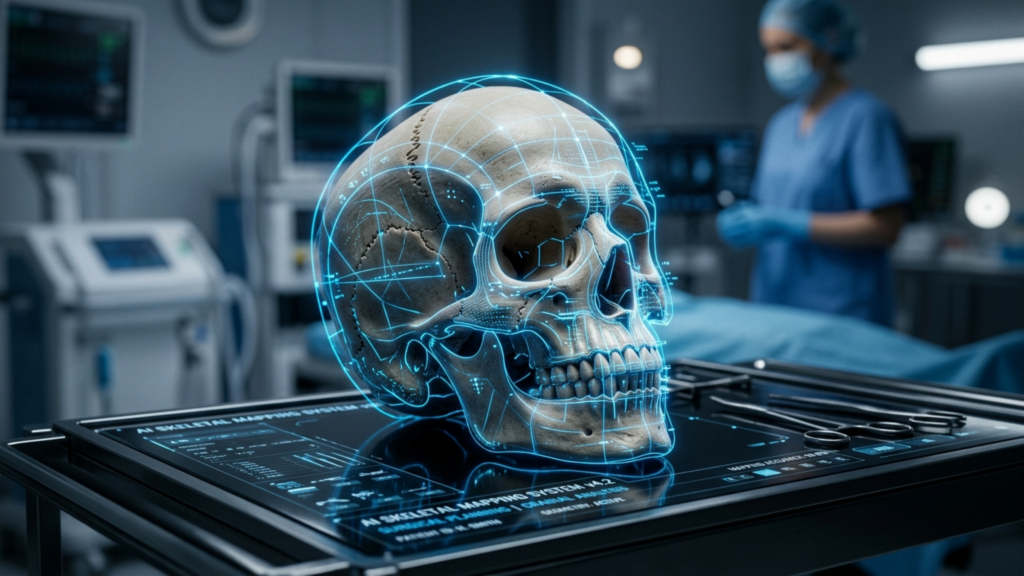
Table des matières
L'avantage technologique : la précision de Séoul contre l'innovation d'Istanbul
Le principal atout de la Corée du Sud réside dans son intégration technologique poussée. Pénétrez dans n'importe quelle clinique de pointe du quartier de Gangnam à Séoul, et vous y trouverez des systèmes de planification chirurgicale 3D pilotés par l'IA, des assistants robotisés et l'imagerie peropératoire en temps réel. (Recherche publiée dans) PRS Global Open Les données montrent qu'environ 891 millions de procédures de remodelage osseux du visage à Séoul utilisent désormais la planification par IA, réduisant ainsi les erreurs humaines d'environ 40 millions par rapport aux méthodes traditionnelles. Pour des procédures comme féminisation faciale (FFS) – où un seul millimètre modifie à la fois l’esthétique et la fonction de base – ce degré de précision change tout.
Istanbul, cependant, rattrape rapidement son retard. Les centres les plus réputés combinent l'intelligence artificielle aux techniques endoscopiques pour minimiser les incisions et accélérer la convalescence. Le véritable domaine d'excellence de la Turquie réside dans la médecine régénérative. Des techniques comme la greffe de nanofat et le lipofilling enrichi en cellules souches sont désormais courantes dans les établissements de pointe, favorisant une cicatrisation tissulaire plus rapide et un résultat parfaitement naturel. Cela fait une réelle différence dans des interventions comme… féminisation du corps, où la santé des tissus compte autant que le travail structurel sous-jacent.
Infrastructure clinique : sécurité, normes et expertise des chirurgiens
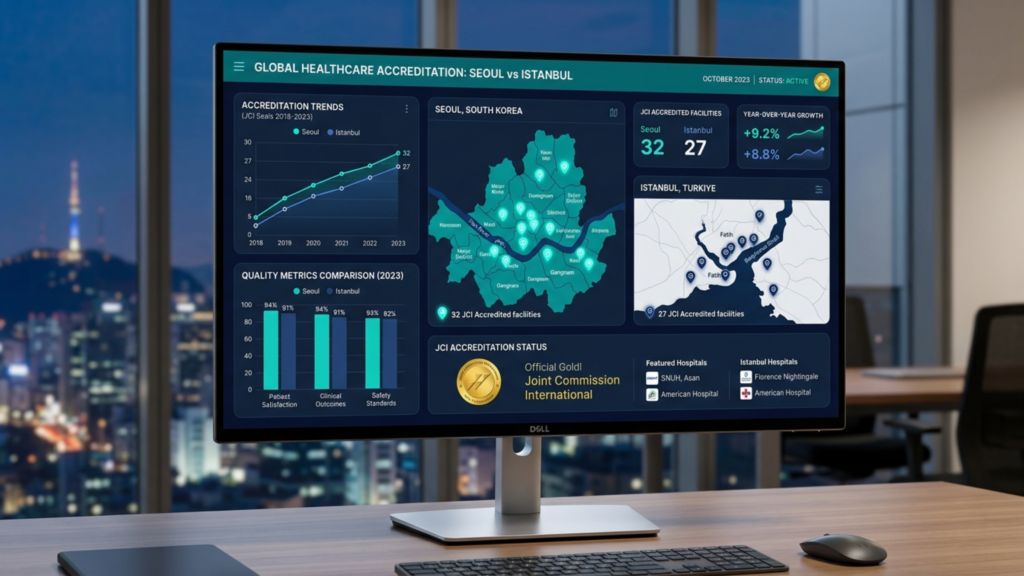
En matière de sécurité, la Corée du Sud s'appuie sur un contrôle centralisé strict. Ministère coréen de la Santé et du Bien-être Elle impose une accréditation officielle aux cliniques de chirurgie plastique, appuyée par des audits annuels qui examinent en détail le contrôle des infections, l'équipement d'urgence et les qualifications des médecins.
La Turquie fonctionne selon un modèle d'hôpital privé où l'accréditation de l'organisme compétent Commission mixte internationale (JCI) est volontaire, bien que courant dans les établissements de premier plan. Les données proviennent de Société internationale de chirurgie plastique et esthétique (ISAPS) Il est à noter que les cliniques turques accréditées par la JCI signalent un taux de complications inférieur de 221 % pour les interventions complexes telles que… génioplastie et rhinoplastie par rapport aux centres non accrédités. Les taux de complications globaux restent faibles dans les deux régions, se situant autour de 1,8% à Séoul et de 1,5% dans les établissements turcs accrédités par la JCI.
L'expérience chirurgicale influence également le vécu du patient. Les chirurgiens sud-coréens excellent en esthétique faciale est-asiatique. Les spécialistes turcs, quant à eux, sont souvent formés aux traditions chirurgicales européennes et moyen-orientales. Cette perspective plus large constitue un atout majeur pour les patients internationaux souhaitant une masculinisation du visage (FMS) ou féminisation du corps, où les variations ethniques et les nuances structurelles exigent une approche flexible. Consultez notre analyse approfondie sur personnalisation de la chirurgie faciale d'affirmation de genre Pour en savoir plus.
L’expérience du tourisme médical : coût, commodité et sensibilité culturelle
L'infrastructure du tourisme médical en Turquie fonctionne à merveille. Des destinations comme Istanbul et Antalya Nous proposons des forfaits tout compris couvrant tout, de l'intervention elle-même à l'hébergement à l'hôtel, en passant par les transferts aéroport et les coordinateurs de soins personnels. augmentation mammaire En Turquie, les interventions coûtent généralement de 601 à 701 TP3T de moins qu'à Séoul, sans compromis sur la qualité des soins. De nombreuses cliniques spécialisées proposent des forfaits de transformation complets axés sur l'affirmation de genre, incluant les bilans préopératoires, les frais chirurgicaux, les soins postopératoires et des séjours de convalescence de luxe, pour un prix bien inférieur à celui pratiqué en Occident ou en Corée du Sud.
En Corée du Sud, la rapidité et l'efficacité technique sont primordiales. Les cliniques de Gangnam gèrent couramment les consultations et les opérations dans des délais très courts, ce qui est idéal si vous souhaitez une prise en charge rapide. Cependant, les barrières linguistiques et les différences culturelles peuvent s'avérer difficiles à surmonter pour les patients non asiatiques. Les établissements turcs, dotés d'équipes multilingues dédiées, offrent souvent un environnement plus chaleureux et un meilleur soutien émotionnel aux patients qui subissent des transformations importantes comme la féminisation faciale ou la mastectomie.
Tendances en matière de volume : quel pays traite le plus de cas complexes ?
La Corée du Sud domine le monde en termes de volume d'interventions, avec plus d'un million d'opérations esthétiques par an. Cependant, la Turquie a connu une forte augmentation des interventions chirurgicales avancées entre 2023 et 2026, ce qui a orienté la demande mondiale vers d'autres domaines spécialisés. Si Séoul reste la destination de choix pour la chirurgie des paupières supérieures, rhinoplastie, et réduction de la mâchoire, Istanbul est devenue une destination de choix pour les soins d'affirmation de genre, le remodelage corporel et la reconstruction faciale complexe.
Un rapport de l'American Society of Plastic Surgeons (ASPS) indique que la Turquie réalise désormais environ 351 millions d'interventions de féminisation faciale (FFS) à l'échelle mondiale, dépassant ainsi les centres traditionnels comme la Thaïlande et le Brésil. Cette tendance s'explique en grande partie par l'approche holistique des soins en Turquie : les cliniques intègrent un accompagnement psychologique, un soutien hormonal et un suivi post-opératoire à long terme directement dans leurs programmes chirurgicaux. À l'inverse, la pratique clinique à Séoul reste fortement axée sur le perfectionnement esthétique.
Sécurité des patients : les risques non dits et comment les éviter
Bien que les deux pays offrent des soins de classe mondiale, ils présentent des risques opérationnels distincts. En Corée du Sud, le nombre élevé de patients entraîne parfois une surcharge de travail pour les équipes chirurgicales. Une enquête du Korea JoongAng Daily a établi un lien entre 121 complications survenues dans des cliniques de Gangnam et ce phénomène. chirurgien La fatigue causée par des opérations à la chaîne. En Turquie, la principale préoccupation n'est pas chirurgien La charge de travail est importante, mais il s'agit plutôt de cliniques à bas prix non accréditées qui rognent sur l'équipement de sécurité pour proposer des prix incroyablement bas.
Pour vous protéger, gardez à l'esprit ces quelques conseils pratiques :
- Confirmer l'accréditation officielle auprès de la JCI en Turquie ou du ministère de la Santé en Corée du Sud.
- Vérifiez les certifications spécifiques de votre médecin et son expérience concernant l'intervention chirurgicale que vous souhaitez effectuer, en particulier pour les interventions délicates comme la féminisation faciale.
- Demandez directement aux cliniques leurs taux de complications documentés pour l'intervention que vous prévoyez.
- Évitez les formules rigides et standardisées qui ne tiennent pas compte de votre anatomie personnelle.
- Assurez-vous que votre clinique propose des soins infirmiers post-opératoires 24h/24 et 7j/7 ainsi qu'une assistance à distance claire une fois rentré chez vous. Vous pouvez consulter notre guide de récupération post-opératoire pour les voyages pour des conseils de suivi supplémentaires.
Verdict : Quel pays choisir ?
Votre décision dépendra en fin de compte de vos objectifs esthétiques personnels, de votre budget et du type de soutien souhaité.
Envisagez la Corée du Sud si :
- Vous souhaitez une planification chirurgicale basée sur l'IA de pointe et une précision technique maximale.
- Votre intervention se concentre sur les caractéristiques faciales des Asiatiques de l'Est, comme le remodelage de la mâchoire en forme de V ou la création de doubles paupières.
- Vous préférez un processus clinique rapide et efficace, avec des séjours hospitaliers brefs.
Envisagez la Turquie si :
- Vous recherchez une chirurgie d'affirmation de genre, une féminisation faciale importante ou un remodelage corporel complet.
- Vous appréciez un environnement inclusif et respectueux des différences culturelles, avec un personnel multilingue.
- Vous souhaitez intégrer des options régénératives comme le lipofilling par cellules souches pour favoriser la récupération.
- Vous préférez un environnement de convalescence luxueux à un coût global nettement inférieur.
Vos prochaines étapes : un plan d'action pour 2026
Si vous êtes prêt à commencer à planifier votre voyage, voici une approche structurée :
- Définissez votre objectif principal : Précisez si vous souhaitez des ajustements esthétiques subtils ou une transformation complète affirmant votre identité de genre.
- Présélectionner les établissements accrédités : Privilégiez exclusivement les centres médicaux agréés et disposant de références de sécurité documentées.
- Planifiez des consultations virtuelles : Parlez directement aux chirurgiens en charge du patient, examinez des cas avant-après similaires à votre anatomie initiale et renseignez-vous sur leurs taux de complications spécifiques.
- Organisez votre voyage et votre convalescence : Accordez-vous de nombreux moments de détente. Les villes côtières comme Antalya Ou encore, des centres historiques comme Istanbul offrent des cadres de convalescence paisibles, tandis que Gangnam vous place en plein cœur du quartier médical animé de Séoul.
- Mettre en place un suivi à long terme : Assurez-vous que votre équipe chirurgicale propose des consultations de suivi virtuelles une fois que vous serez rentré(e) chez vous, y compris la coordination de toute hormonothérapie en cours ou de tout suivi médical de routine.
Questions fréquemment posées
Qu’est-ce qui fait de la Turquie une option intéressante pour les chirurgies d’affirmation de genre par rapport à la Corée du Sud ?
Les cliniques turques adoptent souvent une approche plus globale et holistique des soins d'affirmation de genre. Elles associent la chirurgie à un suivi hormonal, un soutien psychologique et des soins post-opératoires personnalisés. Les chirurgiens turcs possèdent également une vaste expérience des différentes caractéristiques anatomiques à travers le monde, ce qui facilite la planification de procédures de féminisation corporelle ou de FFS hautement individualisées.
Comment le plastique coûts de chirurgie comparer la Turquie et la Corée du Sud ?
Les interventions en Turquie sont généralement de 601 à 701 000 TTC moins chères qu'en Corée du Sud, sans pour autant compromettre la qualité des soins. Une féminisation faciale complète (FFS) qui coûte entre 10 000 et 15 000 TTC en Turquie peut facilement dépasser 30 000 TTC à Séoul. Les forfaits tout compris proposés en Turquie incluent également l'hébergement, les transferts et les soins postopératoires.
Quels sont les principaux risques associés aux cliniques à fort volume d'activité en Corée du Sud ?
Le principal problème des cliniques à forte activité de Gangnam est l'épuisement professionnel des chirurgiens. Le rythme soutenu des interventions peut entraîner une fatigue chirurgicale. Vous pouvez minimiser ce risque en vous renseignant sur le nombre d'interventions pratiquées quotidiennement par votre chirurgien et en vérifiant son accréditation auprès du ministère coréen de la Santé.
Pourquoi l'accréditation JCI est-elle importante pour les cliniques en Turquie ?
L'accréditation JCI atteste qu'une clinique privée respecte des normes internationales rigoureuses en matière de sécurité, de stérilisation et de gestion des urgences. Les établissements accrédités JCI présentent des taux de complications nettement inférieurs lors d'interventions complexes par rapport à leurs concurrents non accrédités.
Comment la sensibilité culturelle influence-t-elle l'expérience du patient ?
Les cliniques turques accueillent un grand nombre de touristes médicaux internationaux, proposant des équipes multilingues et un accompagnement personnalisé. En Corée du Sud, les barrières linguistiques et les différences culturelles peuvent parfois donner l'impression d'une simple formalité aux patients étrangers, notamment lors d'interventions délicates.
Quelles sont les options de médecine régénérative disponibles en Turquie ?
Les meilleures cliniques turques intègrent régulièrement la greffe de nanofat, le lipofilling enrichi en cellules souches et le PRP (plasma riche en plaquettes) à leurs protocoles chirurgicaux. Ces traitements favorisent une cicatrisation tissulaire plus rapide, atténuent les cicatrices visibles et permettent d'obtenir des contours plus harmonieux et naturels lors des interventions sur le visage et le corps.
Comment puis-je vérifier les qualifications d'un chirurgien dans l'un ou l'autre pays ?
En Turquie, vérifiez les certifications européennes et turques. En Corée du Sud, assurez-vous que le médecin est certifié par le ministère coréen de la Santé et du Bien-être. Consultez systématiquement des exemples avant/après correspondant à votre point de départ anatomique.
À quel type de soins post-opératoires dois-je m'attendre ?
En Turquie, les cliniques haut de gamme proposent des séjours de convalescence dédiés, une assistance infirmière 24h/24 et un suivi virtuel régulier. En Corée du Sud, les cliniques assurent une prise en charge post-opératoire immédiate et efficace ; toutefois, il est conseillé de vérifier et d’organiser un suivi à distance à long terme avant votre voyage.