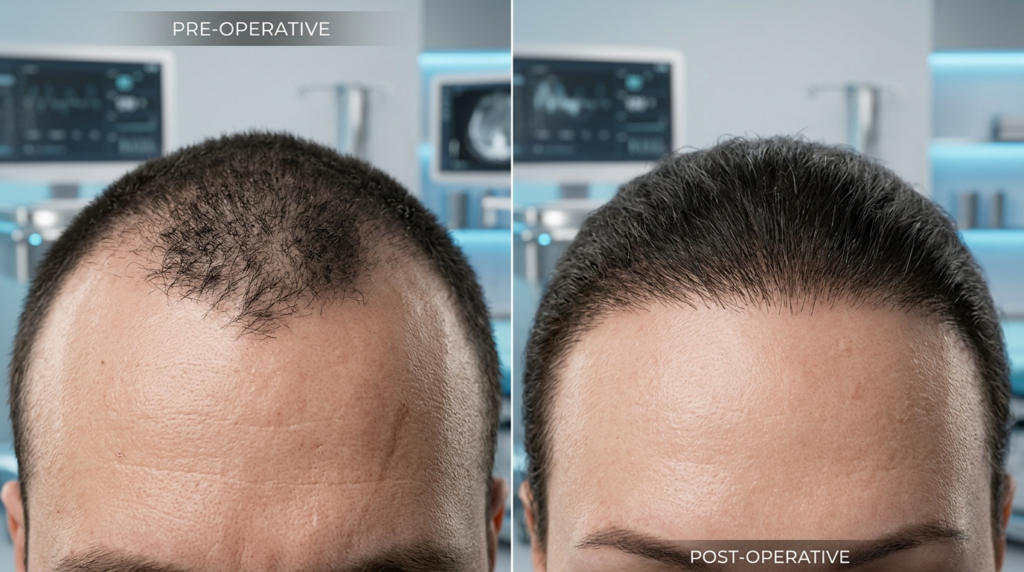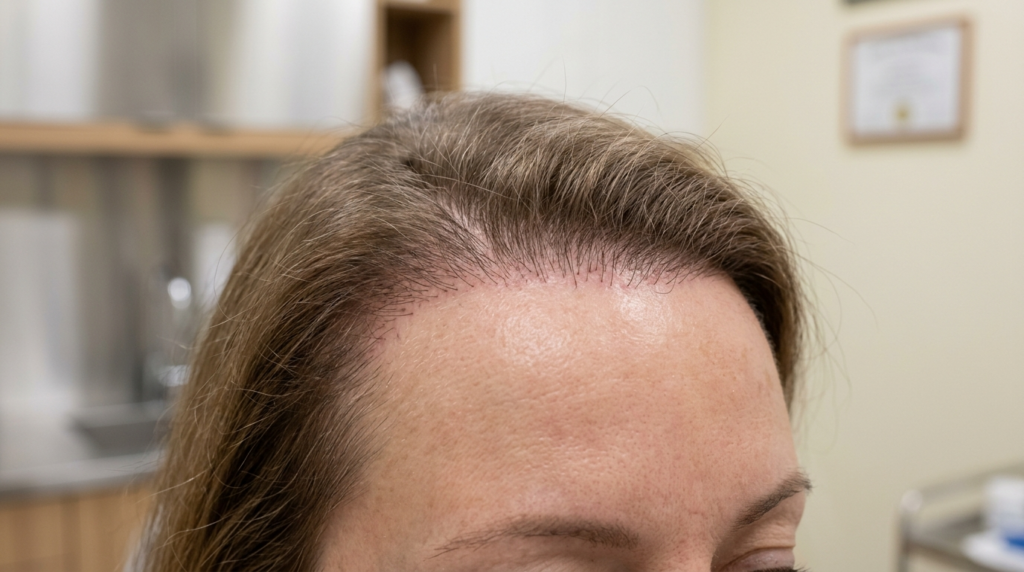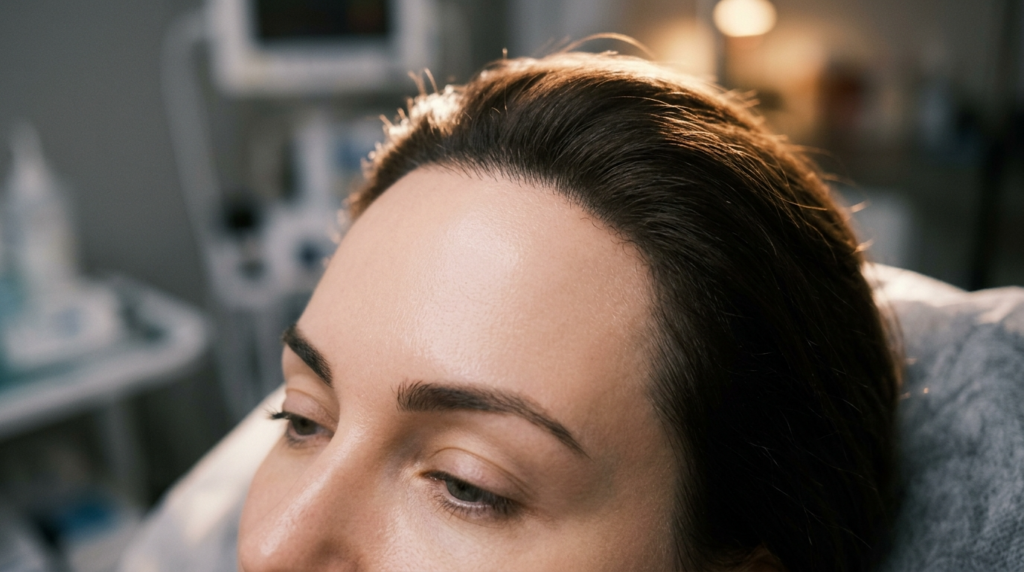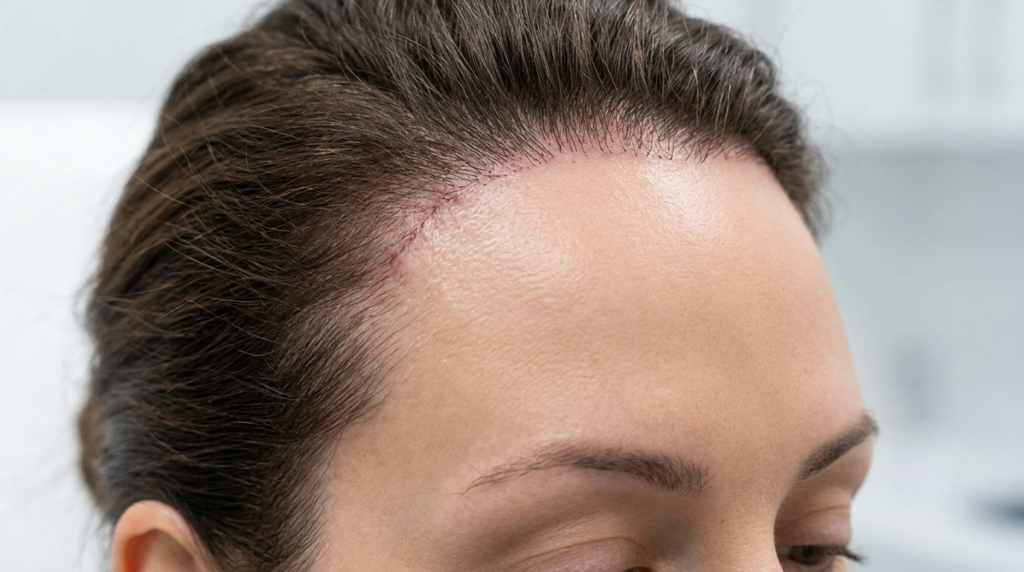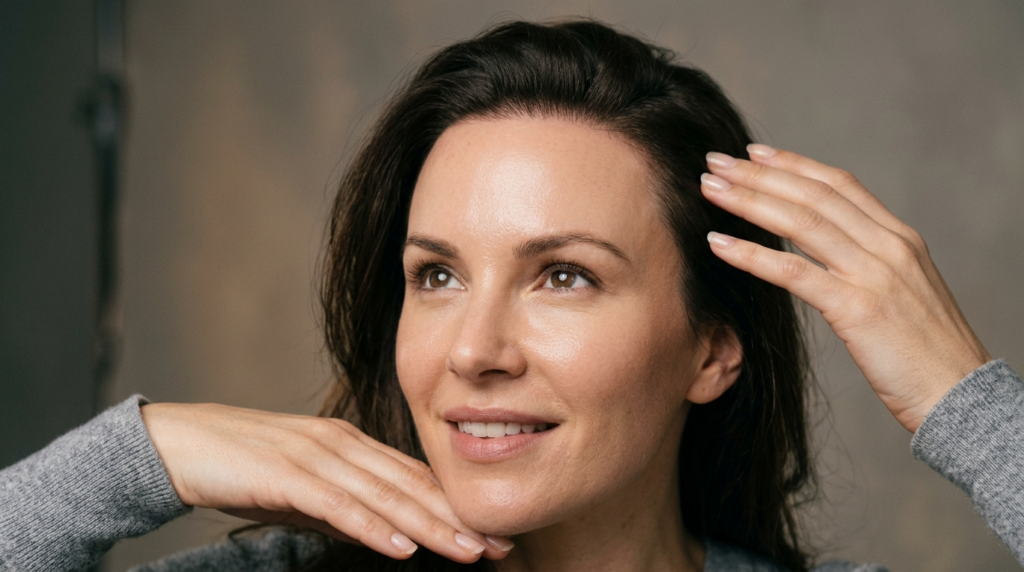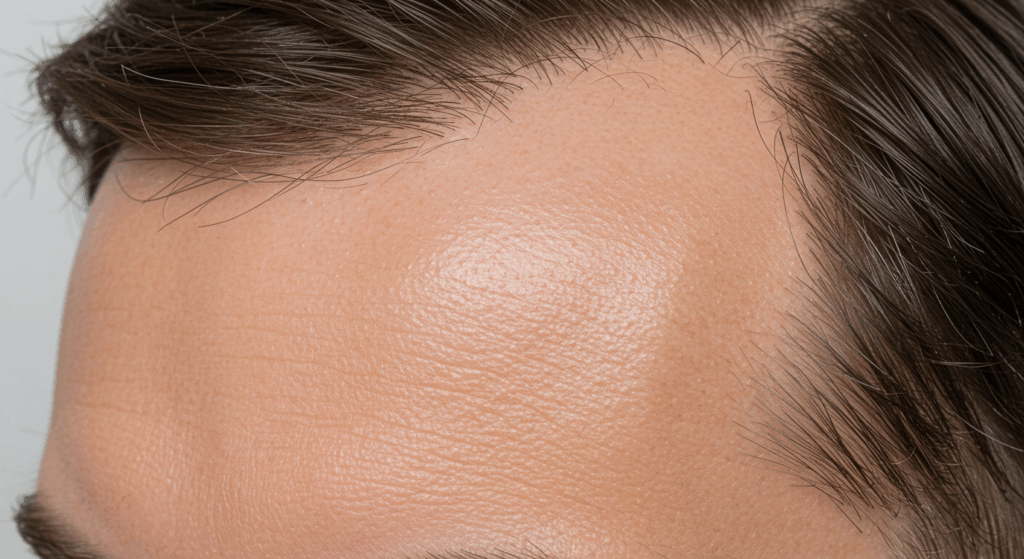

Представьте, что вы потратили тысячи долларов и месяцы на восстановление, а потом, посмотрев в зеркало, увидели линию роста волос, которая явно “искусственная” или, что еще хуже, — участки волос, которые так и не отросли. Это не редкий кошмар; это реальность для многих. 1 из 5 пересадка волос пациентов у которых возникают осложнения, начиная от неестественной линии роста волос и заканчивая полным отторжением трансплантата (Международное общество хирургии восстановления волос, 2025). Шокирующая правда? Большинство этих неудач происходят не из-за невезения, а из-за технических ошибок, которых можно было избежать, плохого планирования операции и недостаточного понимания того, что делает линию роста волос естественной.. Если вы рассматриваете возможность пересадка волос, В этом руководстве будут раскрыты скрытые подводные камни, о которых вам не расскажут в клиниках, и показано, как обеспечить успех вашей процедуры там, где другие терпят неудачу.
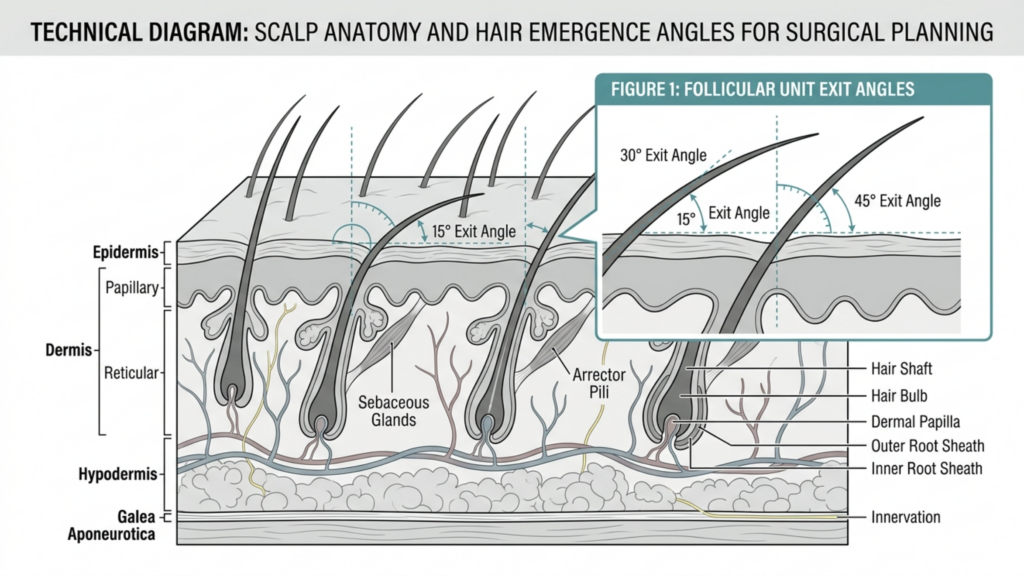
Обещания против реальности: что вам не рассказывают об успешности пересадки волос
Клиники заявляют о показателях успешности 95% и выше, но эти цифры вводят в заблуждение. А что же правда? Только 601 пациент, прошедший процедуру TP3T, достиг обещанной плотности и естественности кожи. (Журнал косметической дерматологии, 2025). Остальные сталкиваются с такими осложнениями, как:
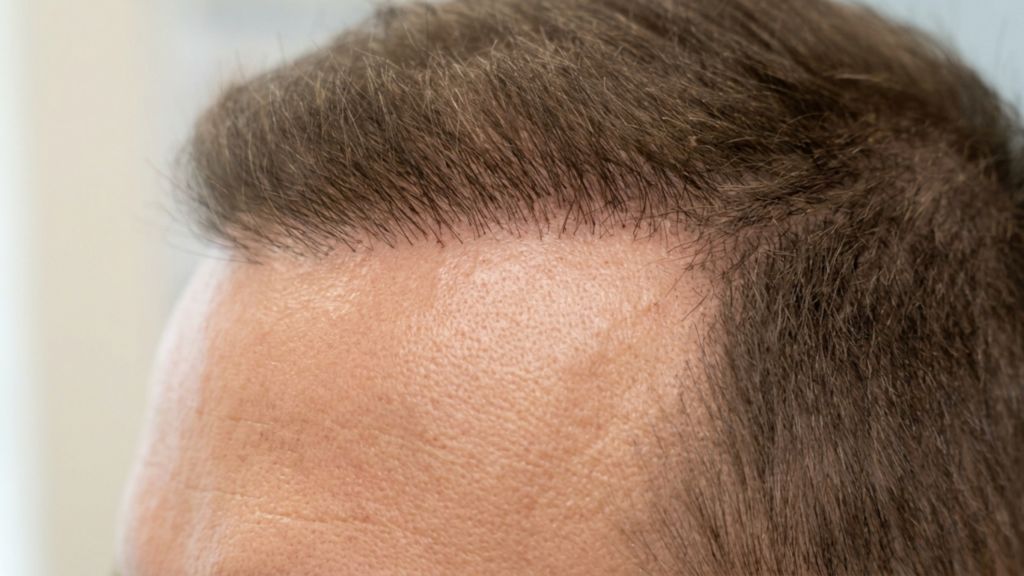
- Неестественная линия роста волосЛиния роста волос, которая слишком прямая, слишком низкая или лишена неровностей, характерных для естественного роста волос.
- Неправильный угол наклона: Трансплантаты имплантируются под неправильным углом, из-за чего волосы неестественно торчат или плотно прилегают к коже головы.
- Низкий уровень выживаемостиДо 301 TP3T трансплантатов не приживаются из-за неправильного обращения, обезвоживания или травмы во время имплантации.
- Некроз и рубцеваниеЧрезмерное извлечение кожного семени или неправильная техника разреза могут привести к необратимому повреждению донорской области.
- Потери от шокаВременное (а иногда и постоянное) выпадение имеющихся волос вследствие травмы, полученной в результате процедуры.
Почему это происходит? Ответ кроется в три критических этапа пересадки волос—каждый из них сопряжен со своими рисками, о которых большинство пациентов узнают только тогда, когда уже слишком поздно.
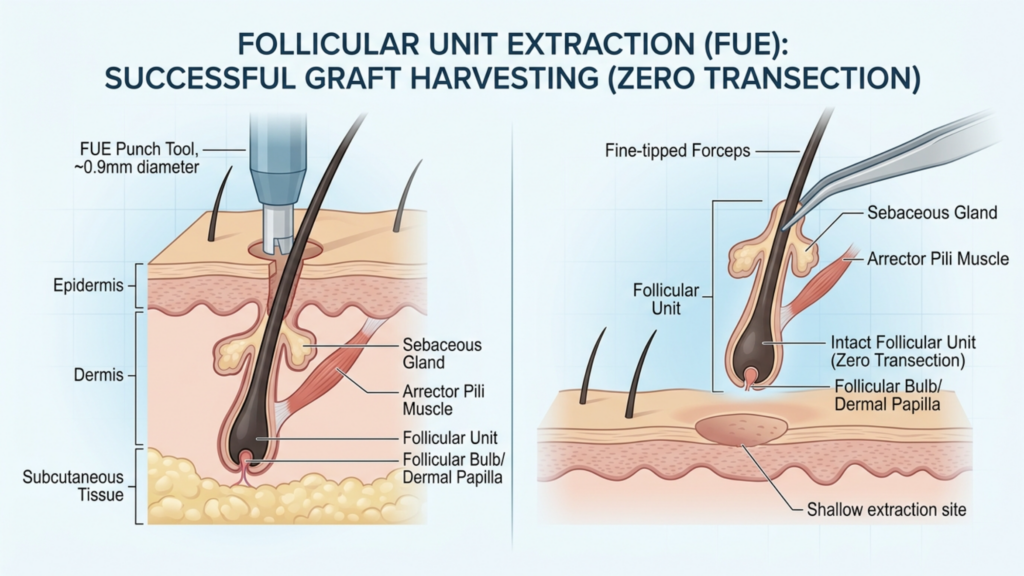
Этап 1: Извлечение — на этом этапе большинство трансплантатов погибают, даже не успев прижиться.
Первый этап пересадки волос — извлечение трансплантатов из донорской зоны — это то, где до 40% отказов возникают по причине (Дерматологическая хирургия, 2025). Клиники часто экономят на этом, что приводит к необратимым последствиям.
Дискуссия о методах FUE и FUT: почему техника важнее, чем вы думаете.
Экстракция фолликулярных единиц (FUE) считается золотым стандартом благодаря минимальному образованию рубцов, но это также метод, при котором пересечение трансплантата—Повреждение волосяного фолликула во время экстракции — наиболее вероятное явление. Исследования показывают, что Неопытные техники рассекают до 15% трансплантатов. Во время FUE они становятся бесполезными еще до имплантации (Пластическая и реконструктивная хирургия, 2025). Трансплантация фолликулярных единиц (FUT), хотя и более инвазивная процедура, часто обеспечивает более высокие показатели приживаемости трансплантата при выполнении опытным специалистом. врач хирург. В чём подвох? В большинстве клиник для удаления зубов используют техников, а не хирургов.— мера экономии, которая резко увеличивает количество отказов.
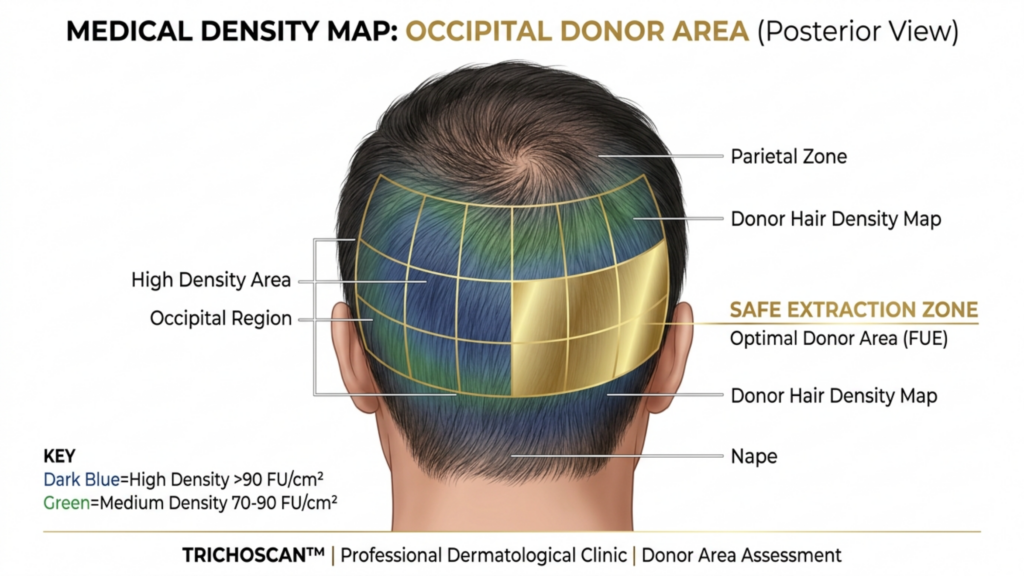
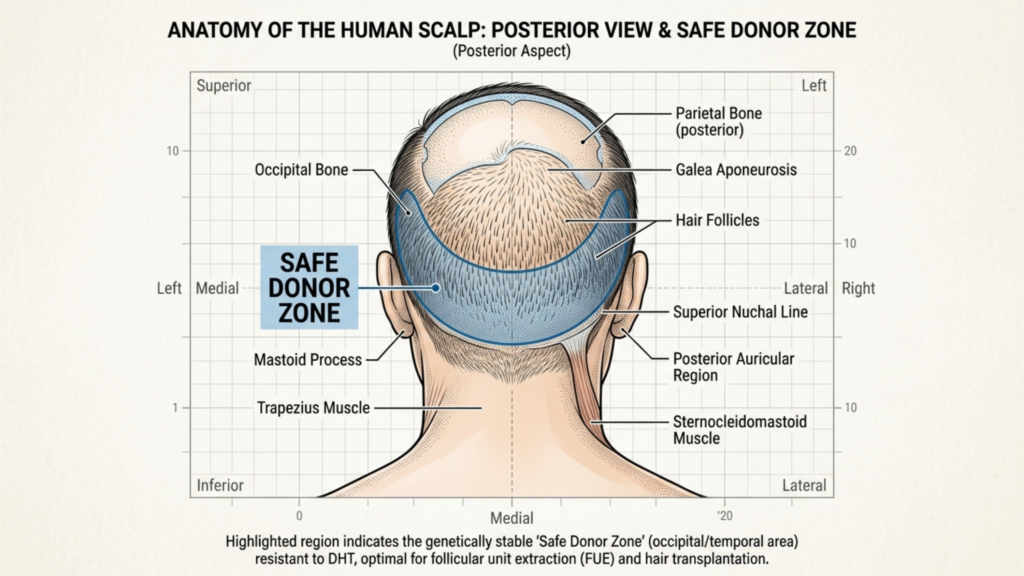
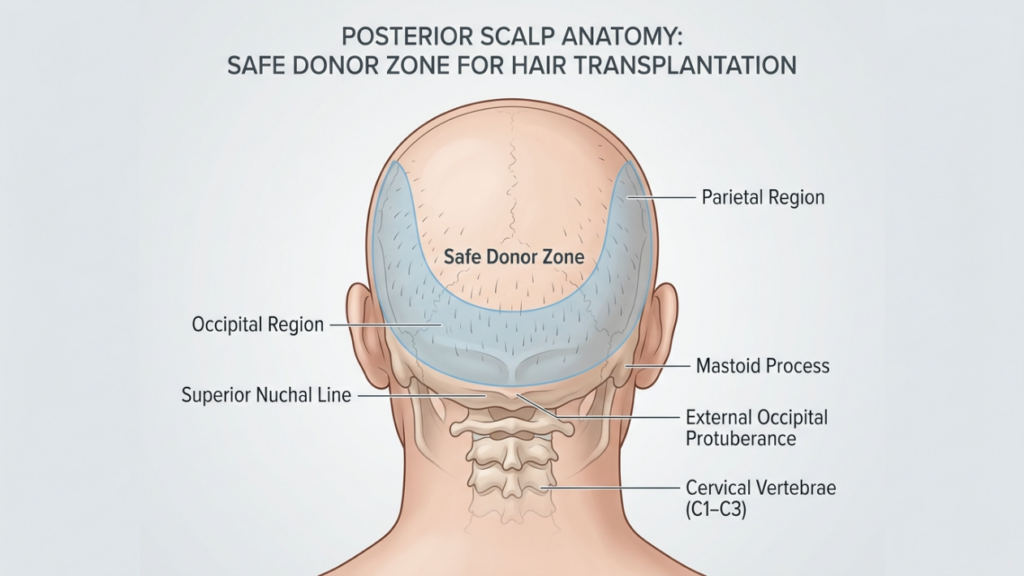
Ловушка донорской зоны: чрезмерный забор донорского материала и образование необратимых рубцов.
Ещё одна серьёзная ошибка заключается в следующем: чрезмерная добыча—Извлечение слишком большого количества трансплантатов из донорской зоны может привести к:
- Истончение донорской зоны, из-за этого он выглядит пятнистым или полупрозрачным.
- Некроз (отмирание тканей), если места извлечения расположены слишком близко друг к другу, что приводит к нарушению кровоснабжения.
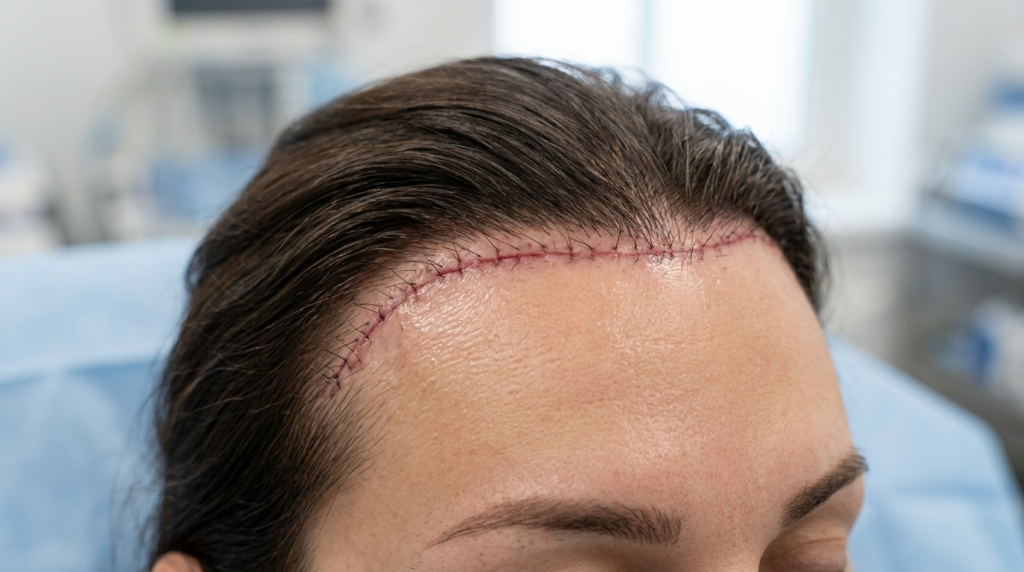
- Постоянные рубцы Это заметно даже при короткой стрижке.
Исследование 2025 года в Журнал дерматологических наук обнаружили, что 1 из 10 пациентов У пациентов, перенесших FUE-трансплантацию, наблюдалось необратимое повреждение донорской зоны из-за чрезмерного забора материала. Решение? Ограничение количества прививок до 25–30 на см² и обеспечение того, чтобы процедуру выполнял хирург, а не техник.
Катастрофа обезвоживания: почему трансплантаты погибают до имплантации
После извлечения трансплантаты становятся хрупкими. Каждая минута, проведенная вне тела, снижает их шансы на выживание на 1%. (Международный форум по пересадке волос, 2025). Многие клиники оставляют трансплантаты открытыми для воздуха или в неоптимальных условиях хранения, что приводит к обезвоживанию и гибели клеток. Идеальный протокол?
- Трансплантаты следует хранить в гипотермический (4°C) солевой раствор для замедления метаболизма и сохранения жизнеспособности.
- Имплантацию следует начать. в течение 1–2 часов извлечение с целью максимизации выживаемости.
- Трансплантаты ни в коем случае нельзя трогать пинцетом — только... щадящие, не травмирующие инструменты чтобы избежать раздавливания.
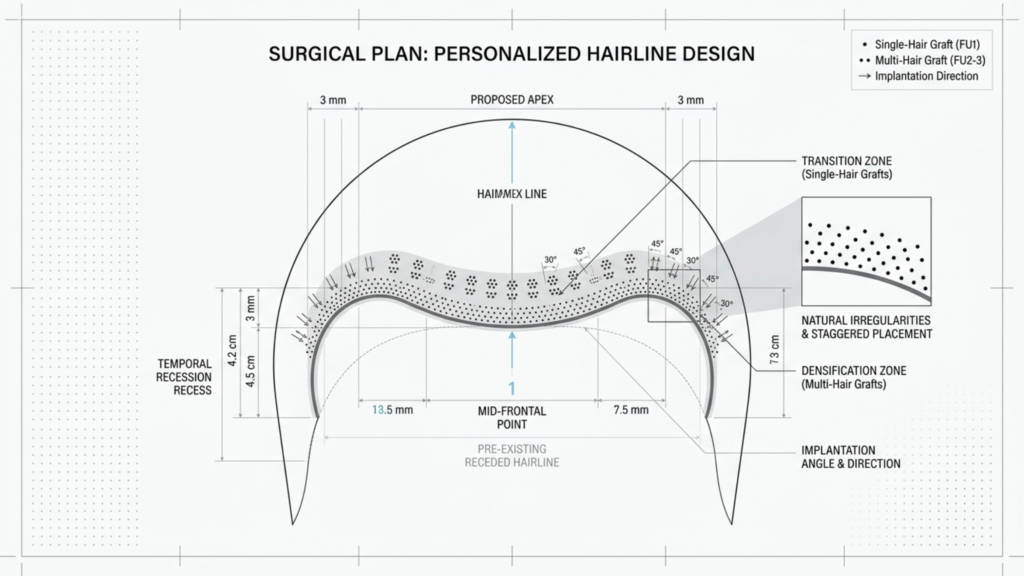
Этап 2: Имплантация — момент зарождения неестественной линии роста волос.
Даже если трансплантаты приживутся после извлечения, Неправильная техника имплантации может испортить всю процедуру.. Два главных виновника? Ошибки углового позиционирования и неестественный дизайн линии роста волос.
Кризис угла наклона волос: почему ваши волосы торчат, как зубная щетка
Волосы не растут прямо из кожи головы — они выходят из неё на определённом участке. угол 10–45°, В зависимости от региона. Когда трансплантаты имплантируются под неправильным углом, возникает эффект “кукольных волос”, когда волосы неестественно торчат. Исследование 2025 года показало, что... Журнал эстетической хирургии обнаружили, что 40% неудовлетворительных результатов пересадки волос Причиной были неправильные углы наклона. Как это исправить?
- Линия роста волос на лбуУгол 10–20°, с небольшим наклоном вперед.
- Средняя часть головыУгол 20–30°, с переходом в более вертикальное направление.
- КоронаУгол 30–45°, с вихревым рисунком для естественного течения.
Катастрофа в дизайне линии роста волос: почему большинство пересаженных волос выглядят неестественно.
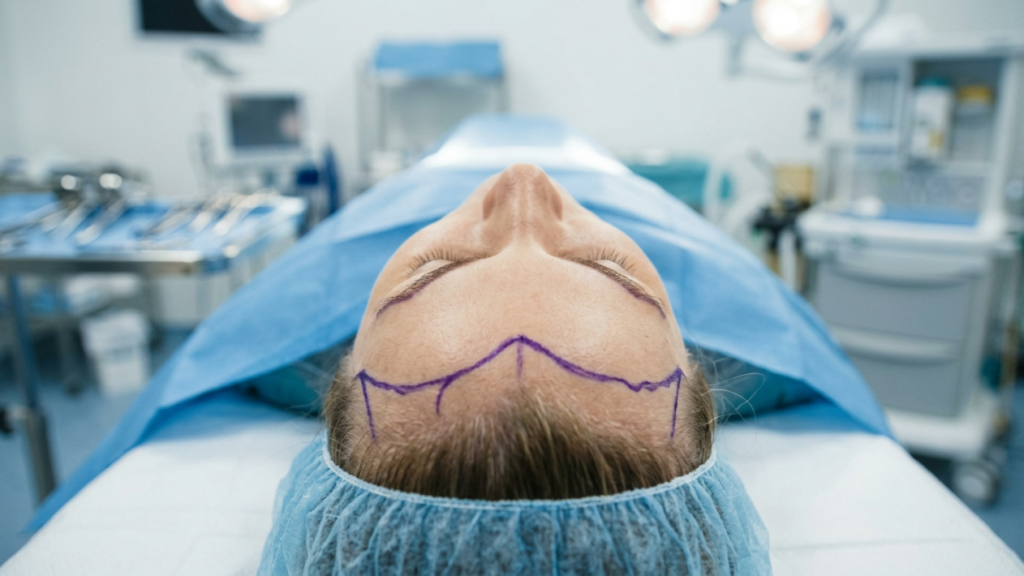
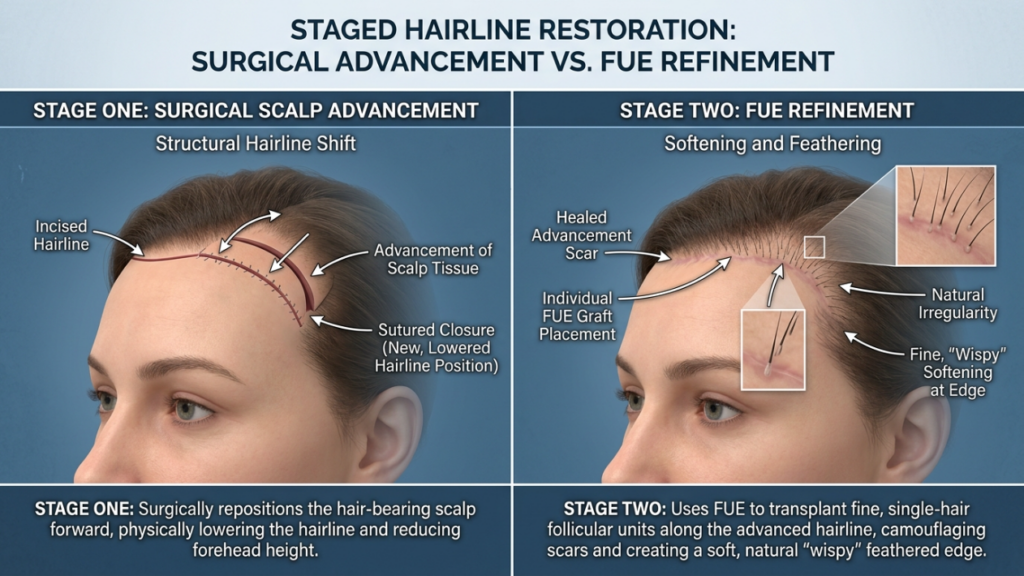
Естественная линия роста волос не прямая — она неровная, с микронеровности, пересадка отдельных волосков спереди и постепенное увеличение густоты. Однако во многих клиниках создаются следующие проблемы:
- Прямая линия роста волос, как у куклы Барби. которые прямо кричат: “Это пересадка”.”
- Слишком низкая линия роста волос которые выглядят неестественно по мере старения пациента.
- Переуплотненная плотность в лобной зоне, что приводит к “закупорке” сетчатки.
Решение? Индивидуальный дизайн линии роста волос на основе:
- Симметрия и пропорции лица.
- Высота линии роста волос, соответствующая возрасту (у пациентов старшего возраста она выше, чтобы учесть возможное выпадение волос в будущем).
- Постепенный переход плотности волос: отдельные волоски в передней части головы и несколько волосков в задней.
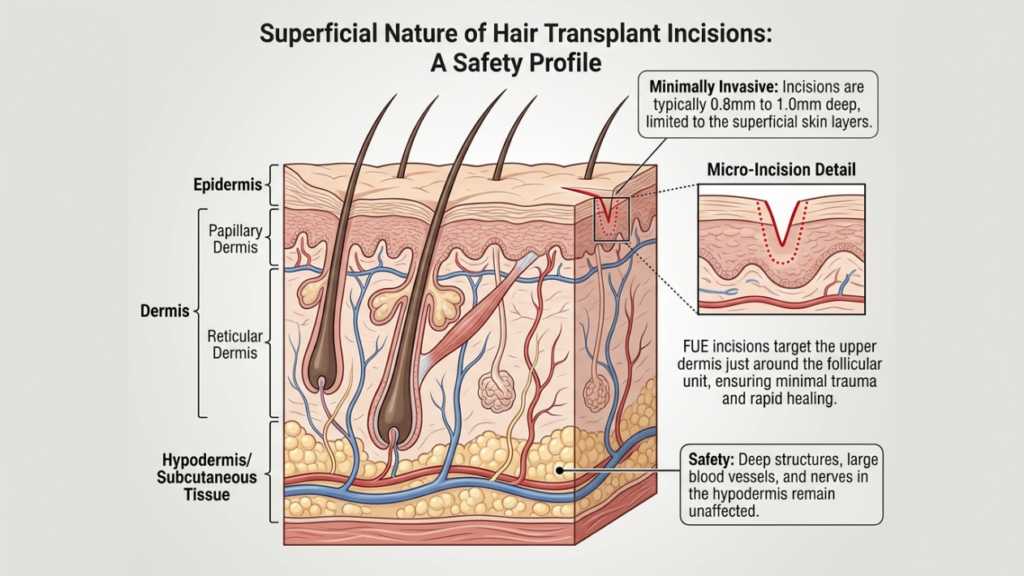
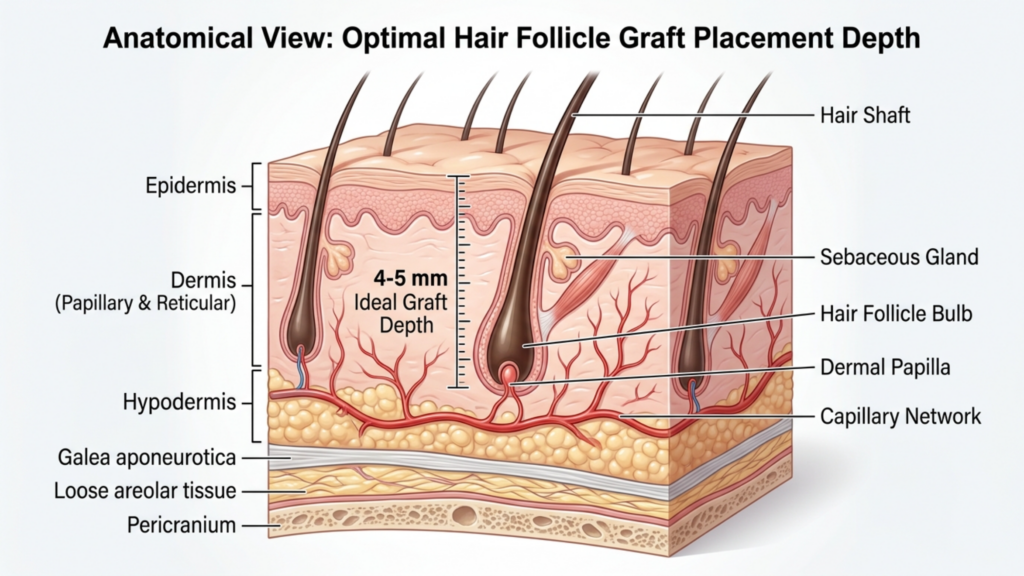
Проблема глубины прививки: почему некоторые трансплантаты никогда не приживаются.
Трансплантаты имплантированы слишком поверхностно или слишком глубоко. не получит надлежащего кровотока, что приводит к низкой выживаемости. Идеальная глубина?
- 4–5 мм под поверхностью кожи, обеспечивая расположение луковицы в слое дермы, где кровоснабжение наиболее обильное.
- Избегать подкожное введение (слишком глубоко), что приводит к кислородному голоданию трансплантатов.
Фаза 3: Восстановление — где происходят шоковые потери и инфекции.
Даже идеально выполненная трансплантация может дать сбой во время восстановления. Две самые большие угрозы? Потери от шока и инфекция.
Выпадение волос в результате шока: тихий убийца уже имеющихся волос.
Потери от шока—Временное (а иногда и постоянное) выпадение имеющихся волос — влияет на 30% пациентов (Международный журнал трихологии, 2025). Это вызвано травмой кожи головы во время имплантации и чаще встречается в:
- Пациенты с тонкие или миниатюрные волосы.
- Те, кто проходит плотная упаковка (слишком много трансплантатов в одной области).
- Пациенты, которые курит или имеет плохое кровообращение.
Стратегии профилактики включают в себя:
- Предоперационный миноксидил для укрепления существующих волос.
- Избегайте плотной упаковки. в местах с тонкими волосами.
- Послеоперационная PRP (плазма, обогащенная тромбоцитами) для ускорения заживления.
Инфекция и некроз: когда трансплантация становится опасной
Инфекции возникают в 5–10% трансплантации волос (Дерматологическая хирургия, 2025), часто из-за плохой гигиены или неправильного послеоперационного ухода. Без лечения инфекции могут привести к:
- Фолликулит (воспаление волосяных фолликулов).
- Абсцессы (полости, заполненные гноем).
- Некроз (отмирание тканей) в тяжелых случаях.
Для профилактики необходимо:
- Антибиотикопрофилактика (антибиотики до и после операции).
- Стерильный послеоперационный уход, включая бережное мытье и избегание прикосновения к коже головы.
- Регулярные последующие осмотры следить за признаками инфекции.
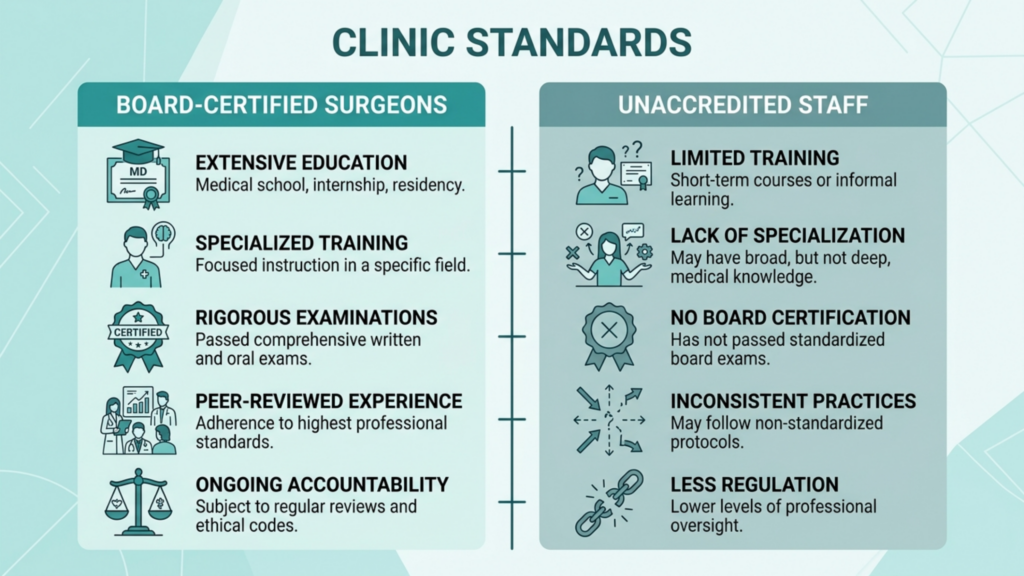
Дилемма «хирург против техника»: почему ваш выбор может решить исход операции.
Вот горькая правда: В большинстве клиник по пересадке волос для таких важных этапов, как извлечение и имплантация волос, используются техники, а не хирурги.. Хотя это и снижает затраты, это значительно увеличивает риск:
- Пересечение трансплантата (Обрезание фолликулов во время экстракции).
- Неправильный угол наклона и контроль глубины. во время имплантации.
- Чрезмерная эксплуатация из донорской зоны.
- Неестественный дизайн линии роста волос из-за отсутствия художественного образования.
Исследование 2025 года в Пластическая и реконструктивная хирургия обнаружили, что У пациентов, которым проводили операцию хирурги, показатель выживаемости трансплантата был на 25% выше. по сравнению с теми, которые обрабатывались техниками. Какой вывод? Настаивайте на том, чтобы каждый этап вашей операции выполнял сертифицированный хирург.—не просто надзор.

Как распознать неудачную пересадку волос, прежде чем станет слишком поздно.
Если вы подумываете о пересадке волос, вот как это сделать. не стать очередной статистической жертвой:
Тревожные сигналы в ходе консультаций
- Обсуждение рисков отсутствует.Опытный хирург объяснит такие осложнения, как шоковое выпадение волос, инфекция и неестественная линия роста волос.
- Гарантированная плотностьНи один хирург не может гарантировать выживаемость трансплантата 100% — остерегайтесь ложных обещаний.
- Техники, выполняющие хирургические операцииНастаивайте на том, чтобы удалением и имплантацией занимался хирург.
- Фотографии «до» и «после» отсутствуют. реальных пациентов (или только сильно отредактированные изображения).
Тревожные сигналы в процедуре
- Спешная экстракцияЕсли команда будет извлекать трансплантаты слишком быстро, частота их повреждения резко возрастет.
- Протокол хранения трансплантата отсутствует.Трансплантаты, оставленные на открытом воздухе или неправильно хранившиеся, погибнут.
- Неправильный угол наклонаЕсли команда не использует специальные инструменты для контроля угла пересадки волос, ваша линия роста волос будет выглядеть неестественно.
Тревожные сигналы в процессе выздоровления
- План послеоперационного ухода отсутствует.Вам должны быть предоставлены подробные инструкции по мытью, приему лекарств и последующему наблюдению.
- Признаки инфекции (Покраснение, отек, гной) игнорируются в клинике.
- Раннее отслоение трансплантата без объяснения причин (некоторое выпадение волос является нормой, но чрезмерное выпадение может указывать на плохую имплантацию).
7-шаговый план для обеспечения успеха вашей пересадки волос
Следуйте этому контрольному списку, чтобы максимально увеличьте свои шансы на естественный, плотный и стойкий результат:
- Выбирайте хирурга, а не клинику.Проверьте их квалификацию, опыт и результаты до и после.
- Закажите индивидуальный дизайн линии роста волос.Избегайте шаблонных решений. Линия роста волос должна соответствовать симметрии лица и возрасту.
- Настаивайте на удалении и имплантации под руководством хирурга.Технические специалисты должны лишь оказывать помощь, а не выполнять критически важные этапы.
- Подтвердите протоколы хранения трансплантата.Трансплантаты следует хранить в гипотермическом физиологическом растворе и имплантировать в течение 2 часов.
- Подготовьте кожу головыДля укрепления существующих волос и уменьшения их выпадения перед операцией используйте миноксидил или PRP-терапию.
- Строго соблюдайте правила послеоперационного ухода.Избегайте курения, употребления алкоголя и интенсивных физических нагрузок в течение как минимум 2 недель. Спите в сидячем положении, чтобы уменьшить отек.
- Присутствуйте на всех последующих встречах.: Следите за признаками инфекции, шока, потери костного мозга и приживаемости трансплантата. Своевременно устраняйте проблемы, чтобы предотвратить необратимые повреждения.
В заключение: ваш успех в пересадке волос начинается со знаний.
Пересадка волос — это процедура, меняющая жизнь, но только если она выполнена правильно. Разница между естественным, незаметным результатом и катастрофой часто сводится к тому, выбор подходящего хирурга, понимание рисков и следование тщательно разработанному плану.. Не позволяйте стоимости или удобству определять ваше решение. Ваши волосы — это инвестиция в вашу уверенность в себе и вашу индивидуальность, и они заслуживают только самого лучшего.
Если вы готовы сделать следующий шаг, проконсультируйтесь с сертифицированным хирургом. Тот, кто ставит во главу угла мастерство, точность и ваше долгосрочное удовлетворение. Ваше будущее «я» скажет вам спасибо.

Часто задаваемые вопросы
Почему некоторые пересаженные волосы выглядят неестественно?
Неестественная пересадка волос обычно является результатом неправильного угла наклона, некорректного дизайна линии роста волос или плотной упаковки трансплантатов. Опытный хирург создаст линию роста волос с микронеровностями и имплантирует трансплантаты под правильным углом (10–45°), чтобы имитировать естественный рост волос.
Как избежать шокового выпадения волос после пересадки?
Чтобы минимизировать выпадение волос в результате шока, используйте миноксидил перед операцией для укрепления имеющихся волос, избегайте плотной укладки в местах с тонкими волосами и рассмотрите возможность проведения послеоперационных процедур PRP (плазмотерапия, обогащенная тромбоцитами) для ускорения заживления и уменьшения выпадения волос.
В чём разница между FUE и FUT, и какой из них лучше?
Метод FUE (экстракция фолликулярных единиц) менее инвазивен и оставляет минимальные рубцы, но сопряжен с более высоким риском повреждения трансплантатов, если процедуру проводит неквалифицированный хирург. Метод FUT (трансплантация фолликулярных единиц) обеспечивает более высокую приживаемость трансплантатов, но оставляет линейный рубец. Оптимальный выбор зависит от характера выпадения волос и квалификации хирурга.
Как узнать, квалифицирован ли мой хирург по пересадке волос?
Квалифицированный хирург должен иметь сертификат специалиста, обширный опыт в области восстановления волос и предоставлять прозрачные фотографии «до» и «после» реальных пациентов. Избегайте клиник, где технические специалисты выполняют такие важные этапы, как извлечение и имплантация волос.
Можно ли исправить неудачную пересадку волос?
Да, но это сложная процедура. Для восстановления часто требуется удаление неправильно расположенных трансплантатов, коррекция рубцовой ткани и повторная имплантация трансплантатов с правильным углом наклона и плотностью. Для достижения наилучших результатов выбирайте хирурга с опытом проведения подобных операций.
Сколько времени требуется, чтобы увидеть окончательные результаты пересадки волос?
Начальный рост начинается через 3–4 месяца, но полный результат достигается через 12–18 месяцев. Терпение – ключ к успеху: спешка или ожидание мгновенной густоты могут привести к разочарованию.
Какие признаки указывают на неудачную пересадку волос?
К признакам относятся прямая или слишком низкая линия роста волос, волосы, торчащие под неестественными углами, видимые рубцы, неравномерная густота волос, а также постоянное покраснение или отек. При появлении этих признаков немедленно обратитесь к специалисту по лечению.