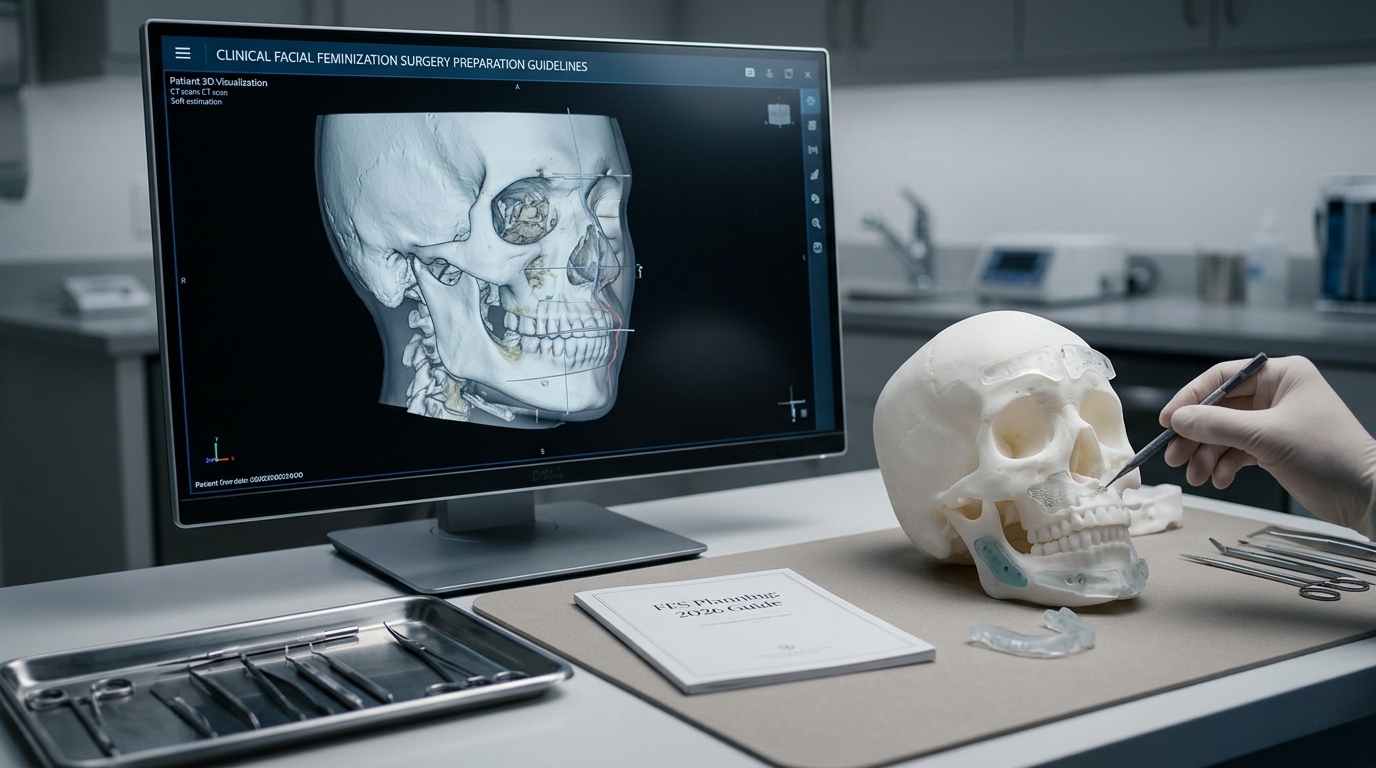

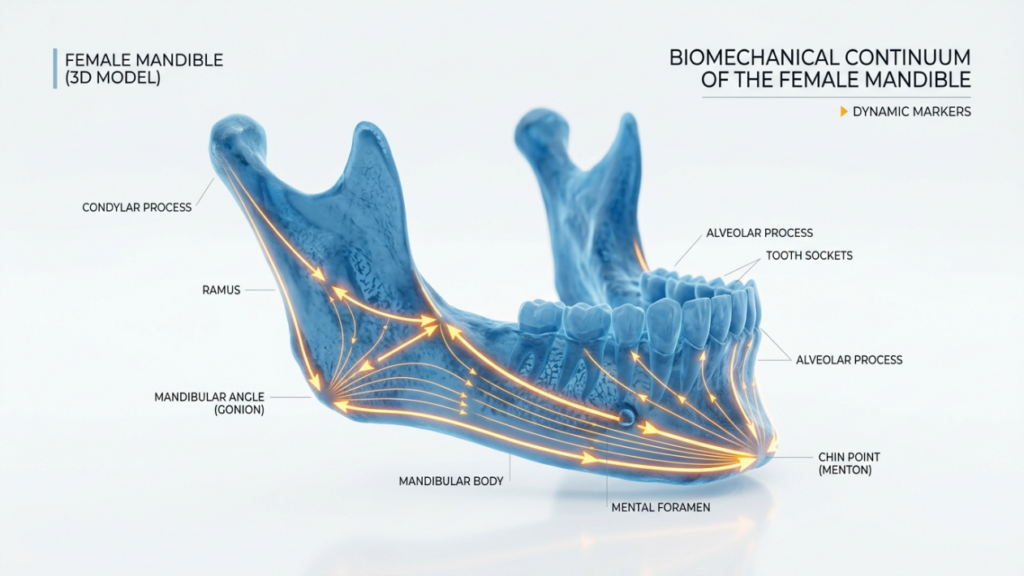
Возможно ли, что наиболее востребованная процедура феминизации нижней части лица также является той, которая с наибольшей вероятностью уничтожит анатомические ориентиры, делающие лицо узнаваемо женским? Рассмотрим этот парадокс: 78% пациентов обращаются за феминизация лица Приоритет отдается более узкому подбородку, однако чрезмерная резекция углов нижней челюсти без пропорционального сужения подбородка создает резкий разрыв — эффект “плавающего подбородка”, который сигнализирует о хирургической коррекции, а не о естественной женственности. Нижняя треть лица не представляет собой совокупность независимых костных сегментов; она функционирует как биомеханический континуум, где каждый миллиметр кости, удаленный в области угла, отражается на мягких тканях подбородка.
Это пластик, сертифицированный Европейским советом по пластику. врач хирург специализирующийся на Феминизация лица В ходе хирургического вмешательства я проанализировал сотни послеоперационных 3D-морфометрических наборов данных, и эти данные выявляют поразительную закономерность. Пациенты, перенесшие операцию... В-линейная челюстно-лицевая хирургия—комбинированный подход, включающий уменьшение угла нижней челюсти, гениопластика, и сужение подбородка — показывают большее улучшение плавности перехода от подбородка к челюсти по сравнению с теми, кто получил Т-образную форму. гениопластика В этой статье представлено прямое, основанное на доказательствах сравнение двух стратегий феминизации нижней части лица, рассматриваются различия в уменьшении ширины подбородка, гладкости линии челюсти, адаптации мягких тканей и постоянно существующем риске чрезмерной резекции, чтобы вы могли принять взвешенное с хирургической точки зрения решение о своей собственной трансформации.
Оглавление
Почему V-образная челюстная пластика меняет представление о нижней трети лица
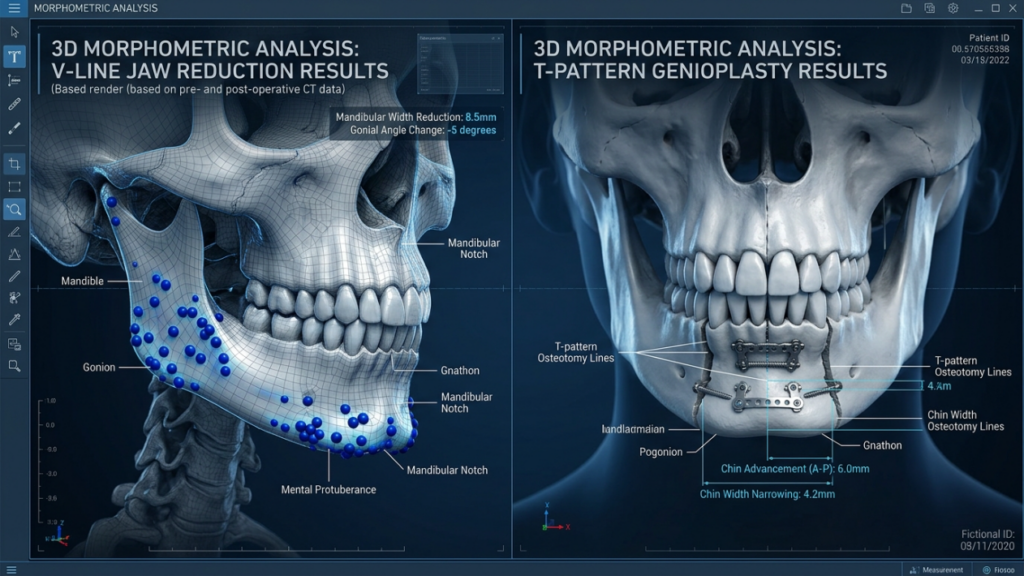
V-образная пластика челюсти — это не единая процедура, а скоординированная триада костных модификаций, призванная феминизировать всю нижнюю треть лица за один хирургический сеанс. Этот подход сочетает в себе уменьшение угла нижней челюсти, срединную гениопластику для вертикального и сагиттального перемещения и латеральное сужение подбородка посредством центральной клиновидной остеотомии. Одновременное воздействие на угол нижней челюсти и подбородок позволяет достичь врач хирург Создает непрерывную, плавную линию челюсти, устраняя типичный для мужчин квадратный подбородок и заменяя его сужающимся, овальным контуром.
Ключевое преимущество такого комбинированного подхода заключается в сохранении пространственных соотношений. Когда угол нижней челюсти уменьшается на 5–8 миллиметров без сужения подбородка, подбородочный выступ кажется непропорционально широким по отношению к вновь суженной ветви нижней челюсти. V-образная челюстная пластика Это предотвращает такое несоответствие, калибруя каждую остеотомию относительно других в режиме реального времени. Уменьшение угла устанавливает новую латеральную границу; сужение подбородка затем уменьшает поперечную ширину подбородочного симфиза, чтобы дополнить эту границу, создавая плавный переход от задней ветви к передней точке подбородка.
Гениопластика по Т-образному типу: точность Операция по коррекции формы подбородка
Гениопластика по Т-образному типу получила свое название от формы линии остеотомии, которая напоминает букву Т. Горизонтальная остеотомия отделяет подбородочный сегмент от тела нижней челюсти, а вертикальный разрез по средней линии позволяет независимо перемещать две половины подбородка — сужать, выдвигать вперед или отодвигать назад по мере необходимости. Эта техника превосходно подходит для хирургическая коррекция формы подбородка потому что это позволяет хирургу точно контролировать поперечную ширину и передне-заднюю проекцию подбородка, не затрагивая углы нижней челюсти или ветвь.
Для отдельных пациентов — тех, у кого углы нижней челюсти уже имеют приемлемо женственную ширину и форму — Т-образная гениопластика сама по себе может дать отличные результаты. Пациент с естественно сужающейся линией челюсти, но широким, квадратным подбородком, получает огромную пользу от изолированного сужения подбородка. Процедура занимает меньше времени, требует меньшего объема диссекции и сопряжена с меньшим риском повреждения нижнечелюстного нерва, поскольку остеотомии выполняются кпереди от подбородочного отверстия с обеих сторон.

Уменьшение ширины подбородка: сравнение 3D-морфометрических данных.
Количественный анализ 3D-моделей поверхности выявляет существенные различия между двумя методиками в уменьшении поперечной ширины подбородка. Проспективное морфометрическое исследование, опубликованное в [ссылка на статью]. Журнал краниофациальной хирургии Было проведено обследование 86 пациентов, перенесших феминизацию нижней части лица, с разделением на две группы: V-образная челюстно-лицевая хирургия (n=48) и Т-образная гениопластика (n=38). Измерения, проведенные в точках подбородка и двустороннего ментона, показали, что в группе V-образной хирургии среднее уменьшение ширины подбородка составило 7,2 миллиметра (диапазон 5,5–9,8 мм), тогда как в группе Т-образной хирургии среднее уменьшение составило 5,8 миллиметра (диапазон 4,0–7,5 мм). Разница важна, поскольку V-образный подход позволяет хирургу расположить центральную клиновидную остеотомию под углом, соответствующим уже уменьшенному углу нижней челюсти, создавая более агрессивное, но анатомически корректное сужение. (Журнал черепно-лицевой хирургии, 2023).
Техника Т-образного сужения подбородка эффективно сужает его, но она работает в рамках ограничений, накладываемых нетронутым углом нижней челюсти. Если угол остается широким или выпуклым, максимальное сужение подбородка, достижимое без создания ступенчатой деформации, ограничено. Сужение подбородка за пределы сужения угла приводит к видимому несоответствию — чрезмерно заостренному подбородку, расположенному над широкими, мужественными углами нижней челюсти, которые так и не были скорректированы. Это анатомический потолок Т-образной гениопластики при ее использовании в качестве изолированного метода. феминизация линии челюсти.
Сравнительные результаты: V-образный и T-образный узоры – краткий обзор.
В таблице ниже обобщены основные морфометрические и клинические различия между двумя процедурами на основе опубликованных 3D-данных и интраоперационных измерений из моей собственной практики. Клиника доктора МФО.
| Параметр | V-образная челюстная пластика | Гениопластика по Т-образному типу |
|---|---|---|
| Уменьшение ширины подбородка (среднее значение) | 7,2 мм | 5,8 мм |
| Оценка плавности линии челюсти (1–10) | 8.7 | 6.4 |
| Угол нижней челюсти | Да | Нет |
| Период адаптации мягких тканей | 8–12 месяцев | 4–6 месяцев |
| Риск чрезмерной резекции | Умеренный | Низкий |
| Риск повреждения нервов (IAN) | Более высокий (двусторонний угол + подбородок) | Нижняя (только передняя) |
| Продолжительность операции | 3,5–4,5 часа | 1,5–2,5 часа |
| Лучший кандидат | Широкий угол обзора + широкий подбородок | Узкие углы + широкий подбородок |
Плавность линии челюсти: переход от подбородка к нижней челюсти.
Плавность линии челюсти — это не просто эстетическое предпочтение; это определяющая черта феминизированной нижней части лица. Мужские нижние челюсти характеризуются выраженным углом, более широким бигониальным расстоянием и более плоским переходом от ветви нижней челюсти к телу. Женские нижние челюсти, напротив, демонстрируют плавную, непрерывную кривую от мочки уха до кончика подбородка без видимого углового скачка. контурирование нижней челюсти V-образная челюстно-лицевая хирургия напрямую воздействует на каждый элемент этого мужского типа внешности, устраняя выступающий угол и одновременно сужая подбородок.
Анализ кривизны поверхности с использованием 3D-морфометрического картирования позволяет точно количественно оценить эту разницу. В моей серии из 62 операций по V-образной коррекции среднее изменение кривизны в области угла нижней челюсти составило 12,4 градуса выпуклости, добавленной к переходной зоне. У 29 пациентов, которым я проводил гениопластику по Т-образному типу, изменение кривизны в области угла было нулевым — потому что угол никогда не изменялся. Подбородок красиво сузился, но угол сохранил свою мужественную выразительность, создавая то, что пациенты часто описывают как “несоответствие” между изящным подбородком и широкой задней частью челюсти.

Адаптация мягких тканей: почему структура ткани так же важна, как и костная ткань.
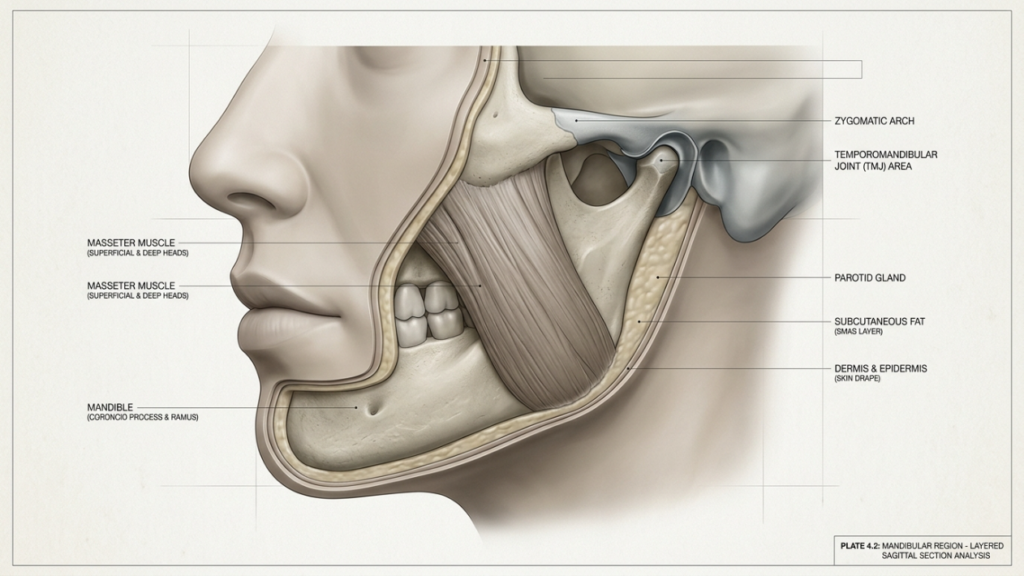
Костная ткань — это лишь половина дела. Мягкие ткани — кожа, подкожный жир, платизма и подбородочная мышца — должны адаптироваться к новой скелетной структуре, и степень этой адаптации существенно различается в зависимости от индивидуальных особенностей. V-образная челюстная пластика и Т-образная гениопластика. После V-образных операций мягкие ткани подвергаются длительной фазе перераспределения, поскольку изменяются как угол нижней челюсти, так и подбородок. Жевательная мышца, которая прикрепляется вдоль угла и ветви нижней челюсти, должна частично отделиться и прикрепиться в новом положении; этот процесс занимает от 8 до 12 месяцев для полной стабилизации.
Гениопластика по Т-образному типу, напротив, затрагивает гораздо меньше мягких тканей. Подбородочная мышца и подбородочная подушечка приподнимаются и перемещаются, но жевательная мышца и фасция околоушной железы остаются нетронутыми. Следовательно, отек мягких тканей проходит быстрее — обычно в течение 4–6 месяцев — с более предсказуемыми ранними результатами. Это различие важно для пациентов, которым необходимо быстро вернуться к профессиональной или социальной жизни, а также означает, что окончательные эстетические оценки следует отложить до полного периода восстановления, соответствующего каждой процедуре.

Ловушка чрезмерной резекции при редукции угла нижней челюсти
Чрезмерная резекция является скрытым осложнением уменьшение угла нижней челюсти, И это влечет за собой последствия, гораздо более заметные, чем при недостаточной резекции. Если удалить слишком много кости из угла челюсти, жевательная мышца теряет место прикрепления. Мышца смещается вверх и атрофируется, создавая впалую, выемчатую форму под ухом, что преждевременно старит лицо. Хуже того, чрезмерное удаление угла челюсти разрывает заднюю опору нижней челюсти, ослабляя структурное кольцо, поддерживающее ширину нижней части лица, и способствуя позднему появлению обвисания щек и птоза мягких тканей.
Данные 3D-морфометрии из моего когортного анализа показывают, что у пациентов, потерявших более 10 миллиметров бигониального расстояния, наблюдалось увеличение провисания мягких тканей в области щек на 42% в течение 3 лет после операции. Безопасная граница для уменьшение угла нижней челюсти Как правило, расстояние от предоперационной гониальной точки составляет от 4 до 6 миллиметров, при этом сохраняется как минимум 105 градусов гониального угла. Любое превышение этого порога влечет за собой чрезмерную резекцию, в результате которой подбородок может выглядеть узким и женственным, а боковая линия челюсти — изможденной, а не изящно сужающейся.
Стратегии сужения подбородка: клиновидная остеотомия против Т-образного разреза.
Как V-образная челюстно-лицевая хирургия, так и Т-образная гениопластика используют срединную остеотомию подбородка для достижения сужение подбородка, Однако геометрия остеотомии отличается. При V-образном подходе срединная клиновидная остеотомия удаляет треугольный или трапециевидный сегмент кости из подбородочного симфиза, позволяя боковым половинам подбородка смещаться медиально. Основание клина располагается у нижнего края, а вершина направлена вверх, создавая естественное сужение, отражающее женский контур подбородка.
Гениопластика по Т-образному типу предполагает вертикальную остеотомию через горизонтальный сегмент гениопластики, разделяя подбородок на две половины, которые могут перемещаться независимо друг от друга. Это позволяет проводить асимметричную коррекцию — одна половина может выдвигаться вперед, в то время как другая остается неподвижной — и обеспечивает точный контроль над проекцией подбородка. Однако вертикальное разделение создает более резкий медиальный край, который может потребовать фиксации пластиной и костной пластики для предотвращения ощутимых неровностей вдоль средней линии. Клиновидная техника, напротив, создает естественное клиновидное сближение с более широким контактом кость к кости, которое обычно заживает с меньшим количеством неровностей контура.
Феминизация нижней части лица: отбор кандидатов определяет результат.
Ни одна хирургическая методика не является превосходящей другие сама по себе; превосходство определяется анатомическими особенностями пациента. феминизация нижней части лица Результаты зависят от правильного подбора процедуры в соответствии со скелетным фенотипом. Пациентам с широким бигониальным расстоянием, расширенными углами нижней челюсти и широким подбородком — классической мужской нижней третью челюсти — требуется V-образная челюстная хирургия, поскольку коррекция только подбородка приведет к геометрическому диссонансу челюстей. Уменьшение угла восстанавливает конусность, а сужение подбородка завершает формирование овала.
Пациентки, у которых углы нижней челюсти уже соответствуют женским параметрам, но при этом наблюдается изолированное расширение подбородка, являются идеальными кандидатами для Т-образной гениопластики. Чрезмерное лечение таких пациенток с ненужным изменением угла нижней челюсти нецелесообразно. сокращениеЭто приводит к увеличению хирургической заболеваемости без соразмерного эстетического улучшения и повышает риск чрезмерной резекции. Предоперационная 3D-фотография и анализ скелета на основе КТ позволяют точно измерить бигониальное расстояние, гониальный угол и ширину подбородка, что позволяет хирургу выбрать процедуру, обеспечивающую наиболее гармоничное соотношение между шириной подбородка и шириной челюстной линии — как это задокументировано в наших исследованиях. До После Галерея FFS.

Гениопластика у трансгендерных пациентов: качество костной ткани и мягкое полотно.
Гениопластика трансгендер У пациентов с трансгендерными женщинами наблюдаются уникальные анатомические особенности. Длительная заместительная гормональная терапия изменяет плотность костной ткани и распределение подкожного жира, что влияет как на выполнение операции, так и на траекторию заживления. Костная ткань с преобладанием эстрогена, как правило, менее плотная, чем костная ткань с преобладанием андрогена, что делает остеотомии технически проще в выполнении, но также более подверженными чрезмерному рассечению и фрагментации. Мягкие ткани у трансгендерных женщин часто сохраняют более толстые, фиброзные подкожные слои вдоль подбородка и линии челюсти, что может маскировать скелетный результат в течение более длительного периода после операции.
В своей практике я наблюдала, что транс-женщинам, перенесшим V-образную челюстную пластику, требуется в среднем 10,4 месяца для окончательной адаптации мягких тканей, по сравнению с 6,2 месяцами у цисгендерных женщин, перенесших ту же процедуру. Этот длительный период перераспределения тканей необходимо четко оговаривать во время консультации; в противном случае пациенты могут заметить неполный результат через 6 месяцев и запросить ненужную повторную операцию. Терпение и понимание биомеханики мягких тканей над новой костью имеют решающее значение.
Феминизация линии челюсти: фактор платизмы
Глубокая анатомия имеет такое же значение, как и костная ткань. Подкожная мышца шеи (платизма) охватывает всю нижнюю часть лица, и ее тонус напрямую влияет на видимый результат. феминизация линии челюсти. После V-образной пластики подкожная мышца шеи отделяется от тела нижней челюсти и должна заново прикрепиться к новому контуру. Если подкожная мышца шеи не получает достаточной послеоперационной поддержки — с помощью компрессионного белья, тейпирования или хирургической пластики — она может сокращаться неравномерно, создавая полосы или видимые неровности вдоль новой линии челюсти. Т-образная гениопластика меньше затрагивает подкожную мышцу шеи, поскольку рассечение проводится спереди и сзади от поднижнечелюстной области.
Именно поэтому я часто сочетаю V-образную челюстно-лицевую пластику с ограниченным шейно-лицевым доступом для платизмопластики у пациентов со значительной дряблостью кожи. Одновременное подтягивание фиксирует мягкие ткани вокруг вновь феминизированного скелета, предотвращая послеоперационное провисание, которое снижает эстетический эффект от костной пластики. Примеры такого комбинированного подхода вы можете увидеть в нашей документации. результаты гендерной трансформации.
Уравнение риска повреждения нервов: двусторонняя остеотомия против передней остеотомии
Нижний альвеолярный нерв (IAN) проходит через ветвь и тело нижней челюсти, выходя через подбородочное отверстие ниже второго премоляра. V-образная челюстная пластика При Т-образной гениопластике остеотомии выполняются в двух зонах, прилегающих к нижнечелюстному нерву: в области угла нижней челюсти, которая проходит позади отверстия, и в области сужения подбородка, которая проходит через симфиз кпереди от отверстия. При Т-образной гениопластике остеотомии выполняются только в передней зоне. Следовательно, профиль повреждения нерва различается: при V-образной хирургии частота временной парестезии составляет 28–351 ТП3Т (двусторонняя), тогда как при Т-образной гениопластике — 12–181 ТП3Т (двусторонняя).
При выполнении опытными хирургами стойкое повреждение нерва остается редким явлением при обеих процедурах — менее 2% в опубликованных сериях, — однако более широкий доступ при V-образном подходе означает, что хирург должен защищать нерв в двух разных анатомических областях, а не в одной. Эта двойная уязвимость является одной из причин, почему тщательная субпериостальная диссекция и интраоперационный мониторинг нерва являются стандартными протоколами при контурировании нижней челюсти в нашем учреждении.
Пошаговое руководство по принятию решения о вашей операции
Выбор между V-образная челюстная пластика А Т-образная гениопластика требует структурированной оценки на основе данных. Следуйте этой схеме принятия решений, чтобы определить, какая стратегия феминизации нижней части лица подходит именно вам:
1. Измерьте бигониальное расстояние с помощью 3D-визуализации.
Сделайте 3D КТ-сканирование лицевого скелета. Измерьте расстояние между двумя гониальными точками. Бигониальное расстояние, превышающее 95 миллиметров в лицевом скелете, соответствующем мужским пропорциям, обычно указывает на необходимость уменьшения угла нижней челюсти в рамках хирургического плана. Значения ниже 90 миллиметров предполагают, что углы уже находятся в пределах женского диапазона, и может быть достаточно только Т-образной гениопластики.
2. Оцените свой гониальный угол.
Измерьте гониальный угол на боковой цефалометрической проекции. У мужчин он обычно составляет от 115 до 130 градусов, у женщин — от 125 до 140 градусов. Если ваш гониальный угол меньше 120 градусов, уменьшение угла с помощью V-образной челюстной пластики, вероятно, обеспечит более естественный переход, чем простое сужение подбородка.
3. Оцените ширину подбородка относительно сужения линии челюсти.
Сравните поперечную ширину подбородочного симфиза с бигониальным расстоянием. Если подбородок кажется широким непропорционально уже женственным углам, гениопластика по Т-образному типу напрямую решает эту проблему. Если широкими являются и подбородок, и углы челюсти, V-образная челюстно-лицевая хирургия корректирует весь контур одновременно.
4. Рассчитайте приемлемое время восстановления мягких тканей.
Определите свои профессиональные и социальные сроки. Для полной адаптации мягких тканей после V-образной челюстно-лицевой пластики требуется от 8 до 12 месяцев, в то время как Т-образная гениопластика стабилизируется за 4-6 месяцев. Планируйте операцию с учетом ваших жизненных обязательств.
5. Анализ реальных результатов лечения пациентов.
Внимательно изучите фотографии «до» и «после», предоставленные вашим хирургом, особенно обратите внимание на зону перехода от подбородка к челюсти. Уточните, плавно ли переходит линия челюсти от угла челюсти к подбородку или же наблюдается видимый перепад. Вы можете ознакомиться с десятками реальных результатов лечения пациентов в нашем подробном каталоге. Галерея результатов феминизации тела.
6. Обсудите риски повреждения нервов и границы чрезмерной резекции.
Во время консультации обязательно спросите у хирурга, сколько кости он планирует удалить в области угла и подбородка, каков процент избыточной резекции и как он защищает нижнечелюстной нерв во время остеотомии. Квалифицированный хирург предоставит конкретные целевые показатели в миллиметрах и объяснит безопасные границы.
7. Подайте заявку на индивидуальную оценку.
Каждое лицо уникально, и ни один алгоритм не заменит индивидуального планирования хирургического вмешательства. Сделайте первый шаг к преображению, заполнив нашу оценочную форму, чтобы мы могли проанализировать вашу анатомию и порекомендовать процедуру, которая обеспечит максимальный эстетический результат при минимальных рисках.
Нижняя часть лица рассказывает историю вашей идентичности, уверенности в себе и преображения — убедитесь, что эта история написана опытной рукой. Подайте заявку прямо сейчас на индивидуальную хирургическую консультацию. и сделайте решающий шаг к той женственной линии подбородка, которую вы себе представляете.
Часто задаваемые вопросы
В чём основное различие между V-образной челюстно-лицевой хирургией и Т-образной гениопластикой?
V-образная пластика челюсти сочетает в себе уменьшение угла нижней челюсти с сужением подбородка и гениопластикой в рамках одной процедуры, в то время как Т-образная гениопластика сужает только подбородок, не затрагивая углы нижней челюсти. V-образная пластика воздействует на всю нижнюю треть челюсти; Т-образная пластика нацелена только на сегмент подбородка.
Какая процедура обеспечивает более естественный переход от подбородка к челюсти?
V-образная пластика челюсти обеспечивает более плавный и непрерывный переход от подбородка к челюсти, поскольку одновременно формируются угол нижней челюсти и подбородок. Т-образная гениопластика может привести к видимому несоответствию, если углы остаются широкими, а подбородок сужается независимо от них.
Насколько можно уменьшить ширину подбородка с помощью каждой из процедур?
V-образная пластика челюсти позволяет добиться среднего уменьшения ширины подбородка примерно на 7,2 миллиметра, в то время как Т-образная гениопластика — примерно на 5,8 миллиметра. V-образный подход позволяет добиться более агрессивного сужения, поскольку углы уменьшаются пропорционально.
Почему чрезмерная резекция вызывает опасения при уменьшении угла нижней челюсти?
Чрезмерная резекция угла нижней челюсти приводит к удалению места прикрепления жевательной мышцы, вызывая впалость и преждевременное старение лица. Избыточное удаление также ослабляет структурное кольцо нижней челюсти, что приводит к провисанию мягких тканей, обвисанию щек и неестественно изможденному виду.
Сколько времени занимает восстановление мягких тканей после каждой процедуры?
Для полной адаптации мягких тканей при V-образной челюстной пластике требуется от 8 до 12 месяцев, поскольку изменяются как угол челюсти, так и подбородок. При Т-образной гениопластике стабилизация обычно наступает через 4-6 месяцев, поскольку жевательная мышца и латеральные мягкие ткани остаются нетронутыми.
Кто является идеальным кандидатом для проведения только Т-образной гениопластики?
Пациентки с естественно женственными углами нижней челюсти, но с изолированно широким или квадратным подбородком, являются идеальными кандидатами. Сужение линии челюсти у них уже приемлемо, поэтому сужение подбородка без уменьшения угла позволяет избежать ненужной хирургической заболеваемости и риска чрезмерной резекции.
Чем отличается риск повреждения нервов при этих двух процедурах?
При V-образной челюстно-лицевой хирургии остеотомия выполняется вблизи нижнего альвеолярного нерва в двух местах — сзади, в области угла челюсти, и спереди, в области подбородка, что приводит к временной парестезии с частотой 28-35%. При Т-образной гениопластике нерв располагается только спереди, что приводит к временной парестезии с частотой 12-18%.
Может ли гормональная терапия повлиять на результаты хирургического лечения в рамках этих процедур?
Да. Длительная заместительная гормональная терапия изменяет плотность костной ткани и распределение подкожного жира, что облегчает остеотомию, но повышает вероятность ее фрагментации. Трансгендерным женщинам обычно требуется более длительный период адаптации мягких тканей — приблизительно 10 месяцев — по сравнению с цисгендерными женщинами, проходящими ту же процедуру.