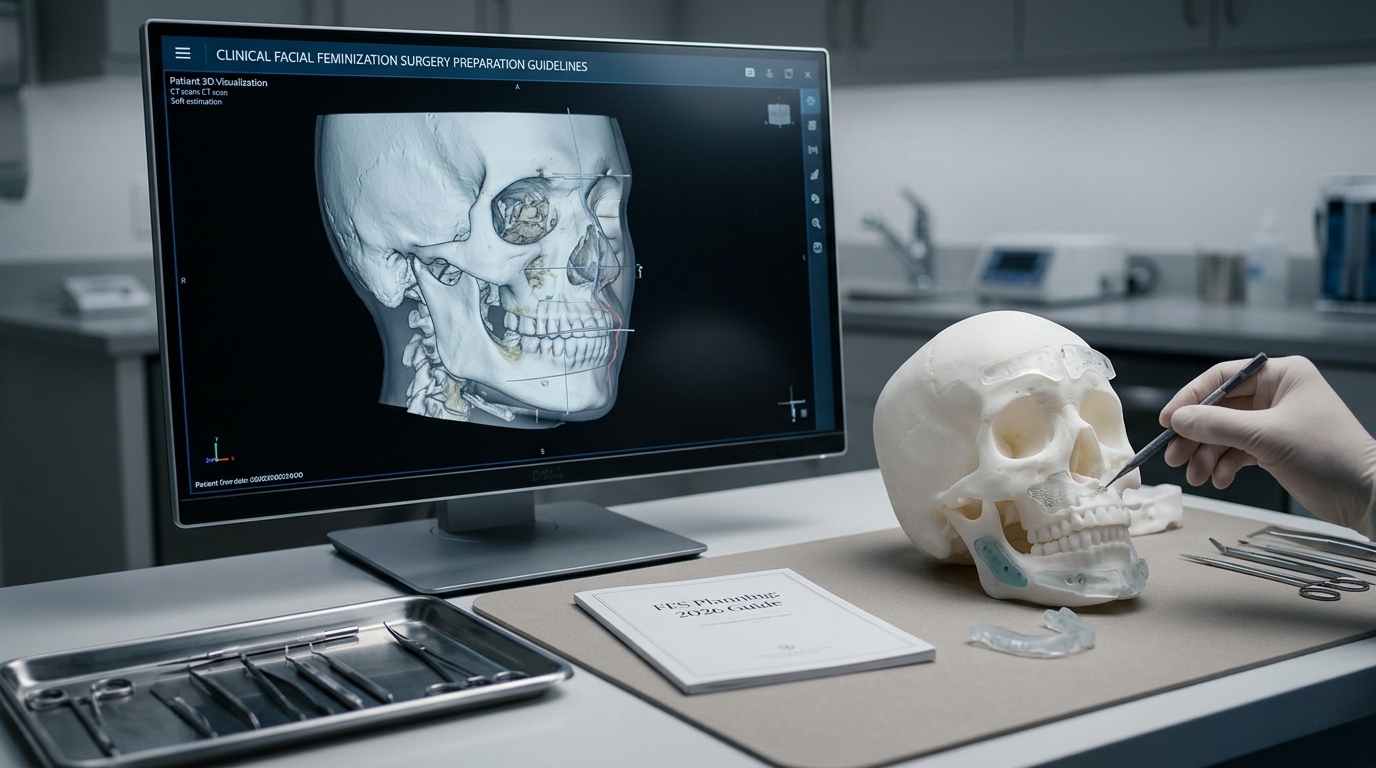

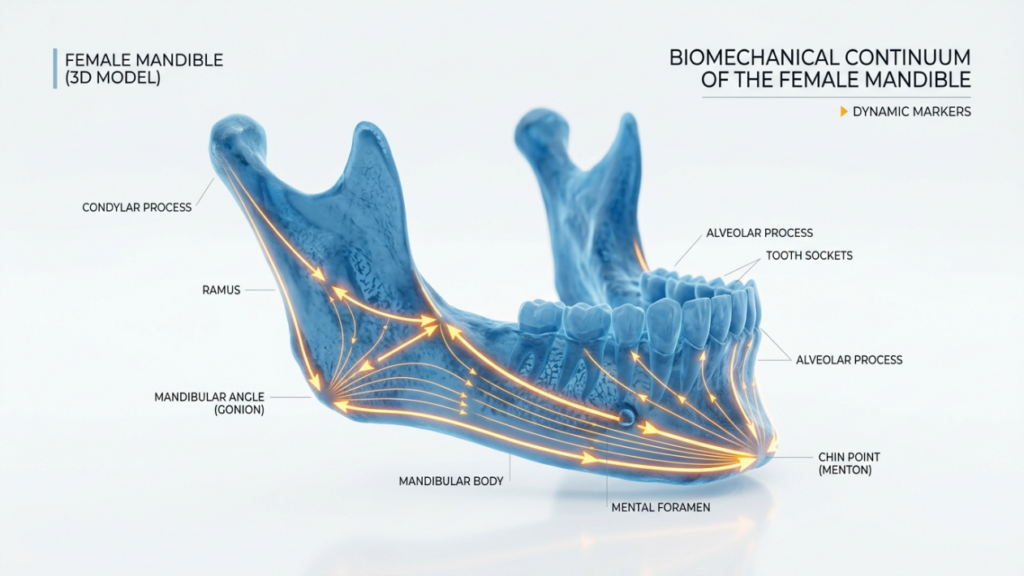
È possibile che la procedura di femminilizzazione della parte inferiore del viso più richiesta sia anche quella che più probabilmente cancella i punti di riferimento anatomici che rendono un viso riconoscibilmente femminile? Considera questo paradosso: 78% pazienti che cercano femminilizzazione facciale Si dà priorità a un mento più stretto, tuttavia una resezione eccessiva degli angoli mandibolari senza un corrispondente restringimento del mento crea una brusca discontinuità, un effetto "mento fluttuante" che segnala un'alterazione chirurgica piuttosto che una naturale femminilità. Il terzo inferiore del viso non è un insieme di segmenti ossei indipendenti; funziona come un continuum biomeccanico in cui ogni millimetro di osso rimosso a livello dell'angolo si ripercuote sui tessuti molli del mento.
Come plastica certificata dall'European Board chirurgo specializzata in Femminilizzazione facciale Chirurgia, ho valutato centinaia di set di dati morfometrici 3D postoperatori e i dati rivelano uno schema sorprendente. I pazienti che si sottopongono a V-chirurgia della mascella—l'approccio combinato di riduzione dell'angolo mandibolare, genioplastica, e restringimento del mento—mostrano un miglioramento maggiore 34% nella fluidità della transizione mento-mandibola rispetto a coloro che ricevono il modello T genioplastica da sola. Questo articolo offre un confronto diretto e basato su prove scientifiche tra queste due strategie di femminilizzazione del terzo inferiore del viso, esaminando le differenze nella riduzione della larghezza del mento, nella levigatezza della linea mandibolare, nell'adattamento dei tessuti molli e nel rischio sempre presente di resezione eccessiva, in modo che tu possa prendere una decisione chirurgicamente informata sulla tua trasformazione.
Sommario
Perché la chirurgia mandibolare V-Line ridefinisce il terzo inferiore
La chirurgia mandibolare V-line non è una singola procedura; è una triade coordinata di modifiche ossee progettate per femminilizzare l'intero terzo inferiore del viso in un'unica sessione chirurgica. L'approccio combina la riduzione dell'angolo mandibolare, una genioplastica mediana per il riposizionamento verticale e sagittale e il restringimento laterale del mento attraverso un'osteotomia a cuneo centrale. Affrontando simultaneamente l'angolo mandibolare e il mento, chirurgo Scolpisce una linea mandibolare continua e sinuosa che elimina l'aspetto squadrato e maschile della mandibola e lo sostituisce con un contorno ovale affusolato.
Il vantaggio cruciale di questo approccio combinato risiede nella preservazione delle relazioni spaziali. Quando si riduce l'angolo mandibolare di 5-8 millimetri senza restringere il mento, la protuberanza mentoniera appare sproporzionatamente ampia rispetto al ramo mandibolare, ora assottigliato. Chirurgia mandibolare V-line Previene questa sproporzione calibrando ogni osteotomia rispetto alle altre in tempo reale. La riduzione dell'angolo definisce il nuovo confine laterale; il restringimento del mento riduce quindi la larghezza trasversale della sinfisi mentoniera per completare tale confine, producendo una transizione senza soluzione di continuità dal ramo posteriore al punto anteriore del mento.
Genioplastica a T: precisione Chirurgia di rimodellamento del mento
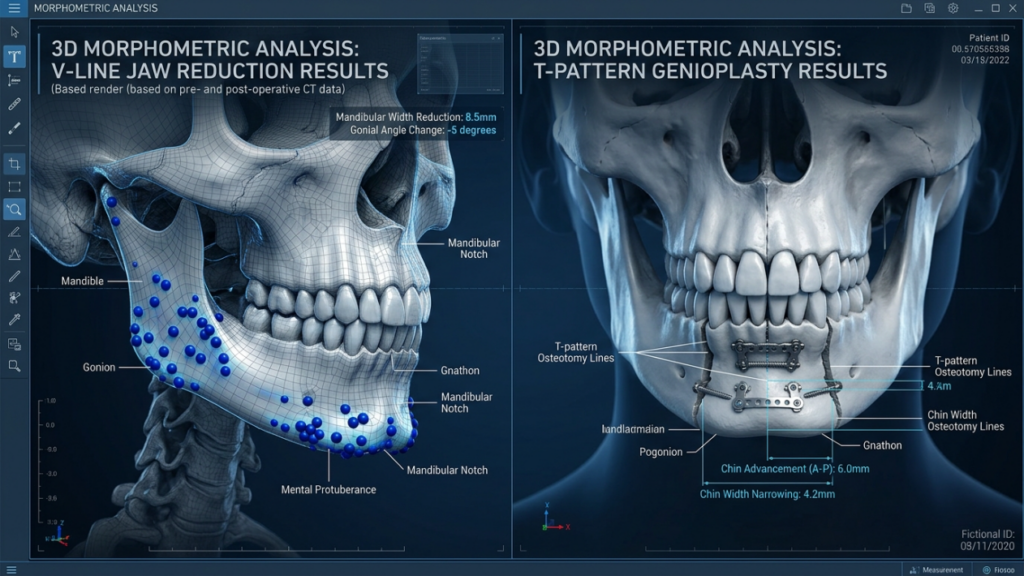
La genioplastica a T prende il nome dalla forma della linea di osteotomia, che ricorda la lettera T. Un'osteotomia orizzontale separa il segmento del mento dal corpo mandibolare e un taglio verticale sulla linea mediana consente di spostare le due metà del mento indipendentemente, restringendole, avanzandole o arretrandole a seconda delle necessità. Questa tecnica eccelle nel intervento chirurgico di rimodellamento del mento perché consente al chirurgo un controllo preciso sulla larghezza trasversale e sulla proiezione anteroposteriore del mento senza toccare gli angoli mandibolari o il ramo mandibolare.
Per pazienti selezionati, ovvero coloro i cui angoli mandibolari presentano già una larghezza e un'apertura accettabilmente femminili, la genioplastica a T da sola può produrre risultati eccellenti. Un paziente con una mandibola naturalmente affusolata ma un mento ampio e squadrato trae enorme beneficio da un restringimento isolato del mento. La procedura è più breve, richiede una minore dissezione e comporta un minor rischio di lesioni al nervo alveolare inferiore, poiché le osteotomie rimangono bilateralmente anteriori al forame mentoniero.

Riduzione della larghezza del mento: confronto dei dati morfometrici 3D.
L'analisi quantitativa dei modelli di superficie 3D rivela differenze significative tra le due tecniche nella riduzione della larghezza trasversale del mento. Uno studio morfometrico prospettico pubblicato nel Rivista di chirurgia craniofacciale Sono stati valutati 86 pazienti sottoposti a femminilizzazione del terzo inferiore del viso, suddividendoli in due gruppi: chirurgia mandibolare a V (n=48) e genioplastica a T (n=38). Le misurazioni effettuate a livello del pogonion e dei punti del mento bilaterale hanno mostrato che il gruppo V-line ha ottenuto una riduzione media della larghezza del mento di 7,2 millimetri (range 5,5–9,8 mm), mentre il gruppo T-pattern ha ottenuto una riduzione media di 5,8 millimetri (range 4,0–7,5 mm). La differenza è rilevante perché l'approccio V-line consente al chirurgo di angolare l'osteotomia a cuneo centrale in armonia con l'angolo mandibolare già ridotto, creando un restringimento più aggressivo ma anatomicamente coerente. (Journal of Craniofacial Surgery, 2023).
La tecnica a T restringe efficacemente il mento, ma opera entro i limiti dell'angolo mandibolare non modificato. Se l'angolo rimane svasato o ampio, il massimo restringimento del mento ottenibile senza creare una deformità a gradino è limitato. Restringendo il mento oltre la rastrematura dell'angolo, si introduce una discrepanza visibile: un mento eccessivamente appuntito che si trova sopra ampi angoli mandibolari maschili che non sono mai stati trattati. Questo è il limite anatomico della genioplastica a T quando utilizzata isolatamente per femminilizzazione della linea mandibolare.
Risultati comparativi: schema a V vs. schema a T in sintesi
La tabella seguente consolida le principali differenze morfometriche e cliniche tra le due procedure sulla base di dati 3D pubblicati e misurazioni intraoperatorie dalla mia pratica presso Clinica del dottor MFO.
| Parametro | Chirurgia della mascella a V | Genioplastica a T |
|---|---|---|
| Riduzione della larghezza del mento (media) | 7,2 mm | 5,8 mm |
| Punteggio di levigatezza della linea mandibolare (1-10) | 8.7 | 6.4 |
| Angolo mandibolare trattato | SÌ | NO |
| Periodo di adattamento dei tessuti molli | 8–12 mesi | 4–6 mesi |
| Rischio di resezione eccessiva | Moderare | Basso |
| Rischio di lesioni nervose (IAN) | Più alto (angolo bilaterale + mento) | Inferiore (solo anteriore) |
| Durata operativa | 3,5–4,5 ore | 1,5–2,5 ore |
| Miglior candidato | Angoli ampi + mento largo | Angoli stretti + mento largo |
Armonia della linea mandibolare: la transizione dal mento alla mandibola.
La levigatezza della linea mandibolare non è una semplice questione di gusto estetico; è la caratteristica distintiva di un viso inferiore femminilizzato. Le mandibole maschili presentano un angolo prominente, una maggiore distanza bigoniale e una transizione più piatta dal ramo al corpo. Le mandibole femminili, al contrario, mostrano una curva dolce e continua dal lobo dell'orecchio alla punta del mento, senza un gradino angolare visibile. modellamento della mandibola Attraverso la chirurgia mandibolare V-line si affronta direttamente ogni elemento di questo schema mascolino, eliminando la prominenza dell'angolo mandibolare e restringendo contemporaneamente il mento.
L'analisi della curvatura superficiale mediante mappatura morfometrica 3D quantifica con precisione questa differenza. Nella mia serie di 62 interventi di V-line, la variazione media della curvatura all'angolo mandibolare è stata di 12,4 gradi di convessità aggiunti alla zona di transizione. Nei 29 pazienti sottoposti a genioplastica con schema a T, la variazione della curvatura all'angolo è stata pari a zero, poiché l'angolo non è mai stato modificato. Il mento si è assottigliato in modo armonioso, ma l'angolo ha mantenuto la sua prominenza maschile, creando quello che i pazienti spesso descrivono come un "disallineamento" tra il mento delicato e la mandibola posteriore ampia.

Adattamento dei tessuti molli: perché il drappeggio è importante quanto l'osso
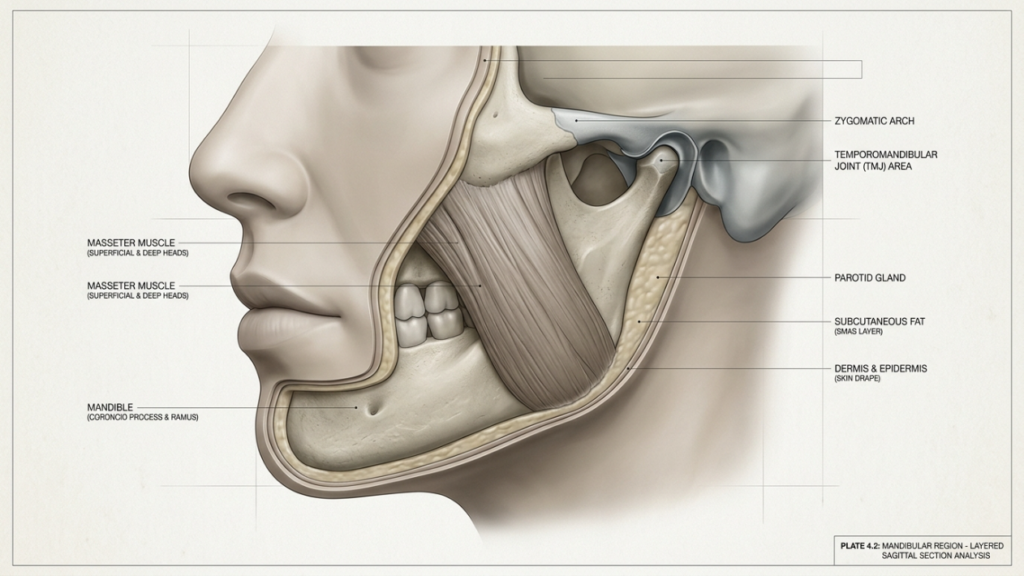
L'osso è solo metà dell'equazione. L'involucro dei tessuti molli – pelle, grasso sottocutaneo, platisma e muscolo mentale – deve riadattarsi alla nuova struttura scheletrica e l'entità di questo adattamento differisce drasticamente tra Chirurgia mandibolare V-line e genioplastica a T. Dopo le procedure V-line, l'involucro dei tessuti molli subisce una fase di rimodellamento prolungata poiché sia l'angolo mandibolare che il mento sono stati modificati. Il muscolo massetere, che si inserisce lungo l'angolo e il ramo mandibolare, deve staccarsi parzialmente e riattaccarsi in una nuova posizione, un processo che richiede dagli 8 ai 12 mesi per la completa stabilizzazione.
La genioplastica a T, al contrario, interessa una quantità di tessuti molli decisamente inferiore. Il muscolo mentale e il cuscinetto mentoniero vengono sollevati e riposizionati, mentre il massetere e la fascia parotidea rimangono intatti. Di conseguenza, il gonfiore dei tessuti molli si risolve più rapidamente, in genere entro 4-6 mesi, con risultati iniziali più prevedibili. Questa differenza è importante per i pazienti che necessitano di tornare rapidamente alla vita professionale o sociale, e significa anche che i giudizi estetici definitivi dovrebbero essere posticipati al periodo di recupero completo, adeguato a ciascuna procedura.

La trappola della sovra-resezione nella riduzione dell'angolo mandibolare
La resezione eccessiva è la complicanza silenziosa di riduzione dell'angolo mandibolare, e comporta conseguenze ben più visibili della resezione insufficiente. Se si rimuove troppo osso dall'angolo, il massetere perde il suo punto di inserzione. Il muscolo si ritrae superiormente e si atrofizza, creando un aspetto incavato e scavato sotto l'orecchio che invecchia prematuramente il viso. Peggio ancora, un'eccessiva rimozione dell'angolo recide il contrafforte posteriore della mandibola, indebolendo l'anello strutturale che sostiene la larghezza del terzo inferiore del viso e contribuendo all'insorgenza tardiva di cedimenti articolari e ptosi dei tessuti molli.
I dati morfometrici 3D della mia analisi di coorte mostrano che i pazienti che hanno perso più di 10 millimetri di distanza bigoniale hanno sperimentato un aumento di 42% del cedimento dei tessuti molli a livello della linea della mandibola entro 3 anni dall'intervento chirurgico. Il limite di sicurezza per riduzione dell'angolo mandibolare In genere, la distanza dal punto goniaco preoperatorio è di 4-6 millimetri, preservando almeno 105 gradi di angolo goniaco. Qualsiasi distanza superiore a questa soglia sconfina nella sovra-resezione, dove il mento può apparire stretto e femminile, ma la linea laterale della mandibola risulta scarna anziché elegantemente affusolata.
Strategie per restringere il mento: osteotomia a cuneo vs. spaccatura a T.
Sia la chirurgia mandibolare a V che la genioplastica a T impiegano osteotomie del mento sulla linea mediana per ottenere restringimento del mento, Tuttavia, la geometria dell'osteotomia è diversa. Nell'approccio a V, un'osteotomia a cuneo mediana rimuove un segmento osseo triangolare o trapezoidale dalla sinfisi mentoniera, consentendo alle due metà laterali del mento di scivolare medialmente. La base del cuneo si trova sul bordo inferiore e l'apice punta superiormente, creando una rastrematura naturale che rispecchia il contorno del mento femminile.
La genioplastica a T utilizza un'osteotomia verticale attraverso il segmento orizzontale della genioplastica, dividendo il mento in due metà che possono essere mosse indipendentemente. Ciò consente correzioni asimmetriche – una metà può avanzare mentre l'altra rimane fissa – e permette un controllo preciso sulla proiezione del mento. Tuttavia, la divisione verticale crea un bordo mediale più netto che potrebbe richiedere la fissazione con placche e innesti ossei per prevenire irregolarità palpabili lungo la linea mediana. La tecnica a cuneo, al contrario, produce un'approssimazione a cuneo di chiusura più naturale con un contatto osso-osso più ampio, che in genere guarisce con minori irregolarità di contorno.
Femminilizzazione del terzo inferiore del viso: la selezione delle candidate determina il risultato.
Nessuna tecnica chirurgica è superiore in assoluto; la superiorità è determinata dall'anatomia del paziente. Femminilizzazione della parte inferiore del viso I risultati dipendono dalla corretta corrispondenza tra la procedura e il fenotipo scheletrico. I pazienti con un'ampia distanza bigoniale, angoli mandibolari sporgenti e un mento largo – il classico terzo inferiore maschile – necessitano di un intervento di chirurgia mandibolare V-line perché intervenire solo sul mento lascerebbe le mascelle geometricamente discordanti. La riduzione dell'angolo ripristina la rastrematura e il restringimento del mento completa l'ovale.
Le pazienti i cui angoli mandibolari sono già entro i parametri femminili ma che presentano un mento largo isolato sono candidate ideali per la genioplastica a T. Trattare eccessivamente queste pazienti con angoli non necessari riduzione inintroduce morbilità chirurgica senza un guadagno estetico proporzionale e aumenta il rischio di resezione eccessiva. La fotografia 3D preoperatoria e l'analisi scheletrica basata sulla TC consentono una misurazione precisa della distanza bigoniale, dell'angolo goniale e della larghezza mentale, permettendo al chirurgo di selezionare la procedura che produce il rapporto più armonioso tra larghezza del mento e larghezza della linea mandibolare, come documentato nel nostro Galleria FFS prima e dopo.

Considerazioni sulla genioplastica nei pazienti transgender: qualità ossea e drappeggio morbido
Genoplastica transgender Le pazienti presentano peculiarità anatomiche specifiche. La terapia ormonale sostitutiva a lungo termine altera la densità ossea e la distribuzione del tessuto adiposo sottocutaneo, influenzando sia l'esecuzione chirurgica che il processo di guarigione. L'osso a predominanza estrogenica tende ad essere meno denso rispetto a quello a predominanza androgena, rendendo le osteotomie tecnicamente più facili da eseguire, ma anche più soggette a tagli eccessivi e frammentazione. Nelle donne transgender, i tessuti molli spesso presentano strati sottocutanei più spessi e fibrosi lungo il mento e la mandibola, che possono mascherare il risultato scheletrico per periodi più lunghi nel periodo postoperatorio.
Nella mia pratica clinica, ho osservato che le donne transgender che si sottopongono a chirurgia mandibolare V-line necessitano in media di 10,4 mesi per un adattamento definitivo dei tessuti molli, rispetto ai 6,2 mesi necessari alle donne cisgender che si sottopongono alla stessa procedura. Questo periodo di rimodellamento più lungo deve essere comunicato chiaramente durante la visita; in caso contrario, le pazienti potrebbero percepire un risultato incompleto dopo 6 mesi e richiedere un intervento chirurgico di revisione non necessario. La pazienza – e la comprensione della biomeccanica dei tessuti molli sul nuovo osso – è essenziale.
Femminilizzazione della linea mandibolare: il fattore platisma
L'anatomia più profonda è importante quanto l'osso. Il muscolo platisma si estende su tutta la parte inferiore del viso e il suo tono influisce direttamente sul risultato visibile di femminilizzazione della linea mandibolare. Dopo un intervento di chirurgia V-line, il platisma si distacca dal corpo mandibolare e deve riattaccarsi al nuovo contorno. Se il platisma non riceve un adeguato supporto postoperatorio, tramite indumenti compressivi, bendaggi o plicatura chirurgica, può contrarsi in modo non uniforme, creando bande o irregolarità visibili lungo la nuova linea mandibolare. La genioplastica a T disturba meno il platisma perché la dissezione rimane anteriore, posteriore alla regione sottomandibolare.
Questa considerazione muscolare è il motivo per cui spesso combino la chirurgia mandibolare V-line con un approccio cervicofacciale limitato per la platismaplastica in pazienti con lassità significativa. Il contemporaneo serraggio fissa l'involucro dei tessuti molli contro lo scheletro appena femminilizzato, prevenendo il cedimento postoperatorio che erode il risultato estetico del lavoro osseo. Puoi vedere esempi di questo approccio combinato nella nostra documentazione risultati della trasformazione di genere.
L'equazione del rischio nervoso: osteotomia bilaterale vs. osteotomia anteriore
Il nervo alveolare inferiore (IAN) percorre il ramo e il corpo della mandibola, emergendo a livello del forame mentoniero al di sotto del secondo premolare. Chirurgia mandibolare V-line La genioplastica a T esegue osteotomie in due zone adiacenti al nervo alveolare inferiore: il taglio dell'angolo mandibolare, che si estende posteriormente al forame, e il taglio di restringimento del mento, che passa attraverso la sinfisi anteriormente al forame. La genioplastica a T esegue osteotomie solo nella zona anteriore. Di conseguenza, il profilo di lesione nervosa è differente: la chirurgia a V presenta un tasso di parestesia temporanea riportato di 28-35% (bilaterale), mentre la genioplastica a T presenta un tasso temporaneo di 12-18% (bilaterale).
Le lesioni nervose permanenti rimangono rare in entrambe le procedure, se eseguite da chirurghi esperti (meno di 21 casi su 3 pazienti nelle serie pubblicate), ma la maggiore esposizione dell'approccio a V implica che il chirurgo debba proteggere il nervo in due punti anatomici distinti anziché in uno solo. Questa doppia vulnerabilità è uno dei motivi per cui una meticolosa dissezione sottoperiostea e il monitoraggio intraoperatorio del nervo sono protocolli standard nella chirurgia di rimodellamento mandibolare presso la nostra struttura.
Guida decisionale passo passo per il tuo intervento chirurgico
Scegliere tra Chirurgia mandibolare V-line La genioplastica a T richiede una valutazione strutturata e basata sui dati. Segui questo schema decisionale per determinare quale strategia di femminilizzazione del terzo inferiore del viso sia corretta per la tua anatomia:
1. Misura la tua distanza bigoniale utilizzando l'imaging 3D
Eseguire una TAC 3D dello scheletro facciale. Misurare la distanza tra i due punti goniali. Una distanza bigoniale superiore a 95 millimetri, in una struttura facciale coerente con le proporzioni scheletriche maschili, indica in genere la necessità di una riduzione dell'angolo mandibolare come parte del piano chirurgico. Valori inferiori a 90 millimetri suggeriscono che gli angoli rientrano già in un intervallo femminile e che una genioplastica a T da sola potrebbe essere sufficiente.
2. Valuta il tuo angolo goniale
Misura l'angolo goniaco nella proiezione cefalometrica laterale. Le mandibole maschili in genere hanno un angolo compreso tra 115 e 130 gradi. Le mandibole femminili hanno un angolo medio compreso tra 125 e 140 gradi. Se il tuo angolo goniaco è inferiore a 120 gradi, la riduzione dell'angolo tramite chirurgia mandibolare V-line produrrà probabilmente una transizione più naturale rispetto al solo restringimento del mento.
3. Valutare la larghezza del mento in relazione alla rastrematura della linea mandibolare
Confronta la larghezza trasversale della sinfisi mentoniera con la distanza bigoniale. Se il mento appare largo in modo sproporzionato rispetto agli angoli già femminili, la genioplastica a T interviene direttamente sul problema. Se sia il mento che gli angoli sono larghi, la chirurgia mandibolare a V corregge simultaneamente l'intero contorno.
4. Calcolare il tempo di recupero accettabile dei tessuti molli
Definisci i tuoi impegni professionali e sociali. La chirurgia mandibolare a V richiede dagli 8 ai 12 mesi per il completo adattamento dei tessuti molli, mentre la genioplastica a T si stabilizza in 4-6 mesi. Pianifica l'intervento chirurgico tenendo conto dei tuoi impegni personali.
5. Esaminare i risultati reali ottenuti sui pazienti.
Esaminate le fotografie del prima e dopo fornite dal vostro chirurgo, concentrandovi in particolare sulla zona di transizione tra mento e mandibola. Prestate attenzione a verificare se la linea mandibolare si raccorda armoniosamente dall'angolo al mento o se è presente un dislivello visibile. Potete consultare decine di risultati reali ottenuti da pazienti nella nostra sezione completa. Galleria dei risultati della femminilizzazione del corpo.
6. Discutere il rischio nervoso e i limiti della resezione eccessiva
Durante la visita, chiedete esplicitamente al chirurgo quanto osso intende rimuovere a livello dell'angolo mandibolare e del mento, qual è il suo tasso di sovra-resezione e come protegge il nervo alveolare inferiore durante l'osteotomia. Un chirurgo qualificato fornirà indicazioni precise in millimetri e spiegherà i margini di sicurezza.
7. Invia la tua richiesta di valutazione personalizzata
Ogni viso è unico e nessun algoritmo può sostituire una pianificazione chirurgica personalizzata. Fai il primo passo verso la tua trasformazione compilando il nostro modulo di valutazione: in questo modo potremo analizzare la tua anatomia e consigliarti la procedura che massimizza il risultato estetico riducendo al minimo i rischi.
La parte inferiore del tuo viso racconta una storia di identità, fiducia in te stesso e trasformazione: assicurati che questa storia sia scritta da una mano esperta. Richiedi ora la tua valutazione chirurgica personalizzata. e fai il passo definitivo verso la mandibola femminile che desideri.
Domande frequenti
Qual è la principale differenza tra la chirurgia mandibolare a V e la genioplastica a T?
La chirurgia mandibolare V-line combina la riduzione dell'angolo mandibolare con il restringimento del mento e la genioplastica in un'unica procedura, mentre la genioplastica T-pattern restringe solo il mento senza intervenire sugli angoli mandibolari. La V-line tratta l'intero terzo inferiore del palato; la T-pattern si concentra solo sul segmento del mento.
Quale procedura produce una transizione più naturale tra mento e mandibola?
La chirurgia mandibolare a V produce una transizione mento-mandibola più armoniosa e continua perché modella simultaneamente sia l'angolo mandibolare che il mento. La genioplastica a T, invece, può lasciare una discrepanza visibile se gli angoli rimangono ampi mentre il mento viene ristretto separatamente.
Di quanto si può ridurre la larghezza del mento con ciascuna procedura?
La chirurgia mandibolare a V consente una riduzione media della larghezza del mento di circa 7,2 millimetri, mentre la genioplastica a T ne consente una di circa 5,8 millimetri. L'approccio a V permette un restringimento più aggressivo perché gli angoli vengono ridotti in proporzione.
Perché la resezione eccessiva rappresenta un problema nella riduzione dell'angolo mandibolare?
La resezione eccessiva dell'angolo mandibolare rimuove l'inserzione del muscolo massetere, causando incavamento e invecchiamento precoce del viso. Una rimozione eccessiva indebolisce anche l'anello strutturale mandibolare, portando a cedimento dei tessuti molli, rilassamento cutaneo delle guance e un aspetto innaturale e scavato.
Quanto tempo occorre per la guarigione dei tessuti molli dopo ogni intervento?
La chirurgia mandibolare a V richiede dagli 8 ai 12 mesi per il completo adattamento dei tessuti molli, poiché vengono modificati sia l'angolo mandibolare che il mento. La genioplastica a T, invece, si stabilizza in genere in 4-6 mesi, dato che il massetere e i tessuti molli laterali rimangono inalterati.
Chi è il candidato ideale per la sola genioplastica a T?
Le pazienti con angoli mandibolari naturalmente femminili ma con un mento largo o squadrato isolato sono candidate ideali. Il loro profilo mandibolare è già accettabile, quindi il restringimento del mento senza riduzione dell'angolo evita inutili complicazioni chirurgiche e il rischio di resezione eccessiva.
In che modo il rischio per i nervi differisce tra queste due procedure?
La chirurgia mandibolare a V prevede osteotomie in prossimità del nervo alveolare inferiore in due punti: posteriormente all'angolo e anteriormente al mento, creando un'incidenza di parestesia temporanea pari a 28-35%. La genioplastica a T si avvicina al nervo solo anteriormente, con un'incidenza di parestesia temporanea pari a 12-18%.
La terapia ormonale può influenzare l'esito chirurgico di questi interventi?
Sì. La terapia ormonale sostitutiva a lungo termine altera la densità ossea e la distribuzione del grasso sottocutaneo, rendendo le osteotomie più facili ma anche più soggette a frammentazione. Le donne transgender in genere necessitano di periodi di adattamento dei tessuti molli più lunghi, circa 10 mesi, rispetto alle donne cisgender sottoposte alla stessa procedura.