
ماذا لو لم تكن الساعة التي على وجهك مجرد ساعة تدق - بل يحدد نجاح تحولكسؤال حول العمر المثالي لـ تأنيث الوجه الجراحة (FFS) الأمر لا يتعلق بالسنوات فحسب؛ بل يتعلق بالحرب الصامتة بين نضج العظام، والعلاج الهرموني، ومرونة الجلد. في سن العشرين، يُصبح هيكل وجهك حصنًا للرجولة، مقاومًا للتغيير. وبحلول سن الأربعين، تبدأ شبكة الكولاجين في بشرتك - التي كانت حليفًا مرنًا - في خذلانك، مما يُعقّد دقة الجراحة. وإذا كنت قد أمضيت سنوات على العلاج بالهرمونات البديلة دون جراحة، فقد تكون أنسجتك الرخوة قد تغيرت بالفعل بطرق تتطلب... مختلف تمامًا النهج. الأمر لا يتعلق فقط بمظهر أصغر سناً؛ بل يتعلق بـ إعادة تشكيل بنية وجهك في اللحظة التي تسمح بها البيولوجيا بالضبط.
إليكم الحقيقة التي لا يخبركم بها أحد: إن "السن المثالي" لعملية تجميل الوجه ليس رقماً محدداً، بل هو فترة زمنية مدتها ثلاث سنوات.. إذا أخطأت في ذلك، فستجد نفسك إما تُحارب هيكلاً عظمياً صلباً أو تُسابق الزمن للحفاظ على مرونة الجلد. أما إذا نجحت، فإن التضافر بين العلاج الهرموني البديل، وتوقيت الجراحة، ومرونة الأنسجة، يُمكن أن يُحقق نتائج يصعب حتى على أمهر الجراحين تكرارها خارج هذا الإطار. لا يقتصر هذا الدليل على الإجابة عن الأسئلة فحسب. عندما; يكشف ذلك لماذا توجد تلك النافذة - وكيفية استغلالها.
جدول المحتويات
مفارقة نضج العظام: لماذا تُعدّ فترة العشرينات من العمر سلاحًا ذا حدين
لا يقتصر هيكل وجهك على قف النمو في سن الثامنة عشرة - يتكلس إلى شكله الذكوري النهائي. بحلول سن العشرين، تصل كثافة عظم الحاجب والفك والذقن إلى 98% من كثافتها لدى البالغين، وفقًا لدراسات الجمجمة والوجه من مجلة جراحة الفم والوجه والفكين (2023). هذه هي المفارقة القاسية: كلما كان التحول مبكراً، كلما زادت مقاومة عظامك للتأنيث. قد تتطلب أقواس الوجنتين لدى شاب يبلغ من العمر 22 عامًا عمليات قطع عظمية واسعة النطاق، بينما تستجيب عظام شخص يبلغ من العمر 35 عامًا لتدخل جراحي بسيط. ولكن إذا انتظرت طويلًا، فإنك تستبدل صلابة الهيكل العظمي بـ جلد أقل مرونة بمقدار 25% (بيانات الأمراض الجلدية من عيادات الأمراض الجلدية, ، 2024)، مما يجعل الشفاء بعد الجراحة وإخفاء الندبات أكثر صعوبة بشكل كبير.
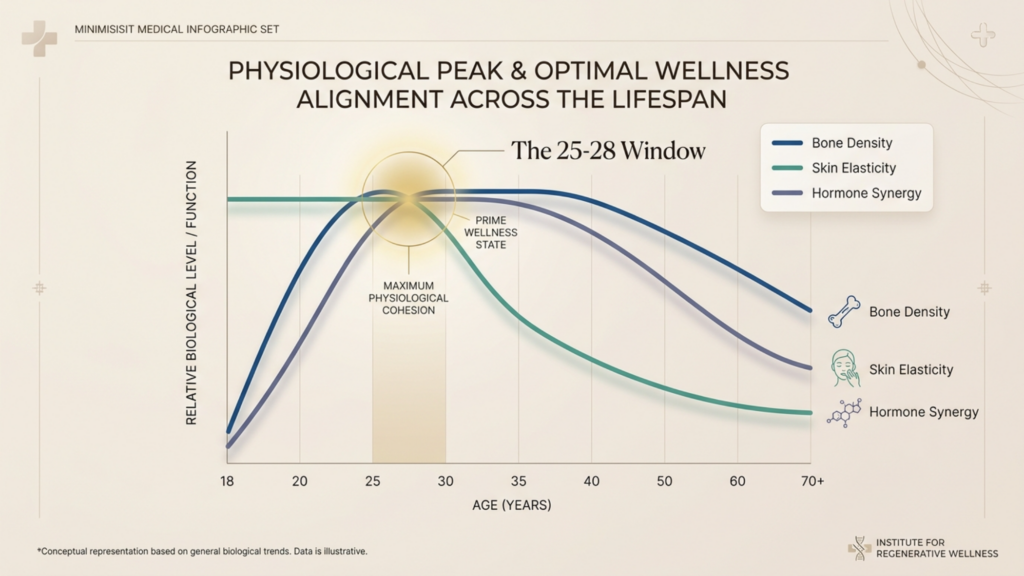
وهنا تكمن المفاجأة: لا يمكن للعلاج الهرموني البديل وحده إعادة تشكيل العظام. يعمل هرمون الإستروجين على إرخاء الأربطة وإعادة توزيع الدهون، لكنه لا يُصغّر عظمة الحاجب البارزة أو يُضيّق الفك العريض. ولهذا السبب... الفئة العمرية 22-28 يظهر كـ النقطة المثلى البيولوجيةتكون العظام ناضجة بما يكفي لإجراء تعديلات جراحية دقيقة، لكنها لم تبدأ بعد عملية إزالة المعادن التي تتسارع بعد سن الثلاثين. (بيانات من...) الجمعية الدولية لجراحة الجمجمة والوجه يُظهر أن المرضى في هذه الفترة الزمنية يعانون 30% عدد أقل من المراجعات بالنسبة لعدم التناسق أو التأنيث غير الكامل مقارنة بمن يعملون خارجه.
| الفئة العمرية | كثافة العظام | مرونة الجلد | فعالية العلاج الهرموني البديل | المخاطر الجراحية |
| 18–21 | ذروة الكثافة (الأصعب في التعديل) | عالي | معتدل (إعادة توزيع الدهون) | مرتفع (يلزم إجراء عمليات قطع عظمية عدوانية) |
| 22–28 | مستقر ولكنه قابل للتشكيل | أفضل | عالي (التآزر مع الجراحة) | قليل |
| 29–35 | تبدأ عملية إزالة المعادن المبكرة | انخفاض معتدل | نتائج جيدة (لكنها أبطأ) | متوسطة (مضاعفات الشفاء) |
| 36+ | إزالة المعادن بشكل كبير | قليل | محدود (ترهل الجلد) | معدلات مراجعة مرتفعة |
الجدول الزمني الخفي للعلاج الهرموني البديل: المدة التي قضيتها على الهرمونات تُغير كل شيء
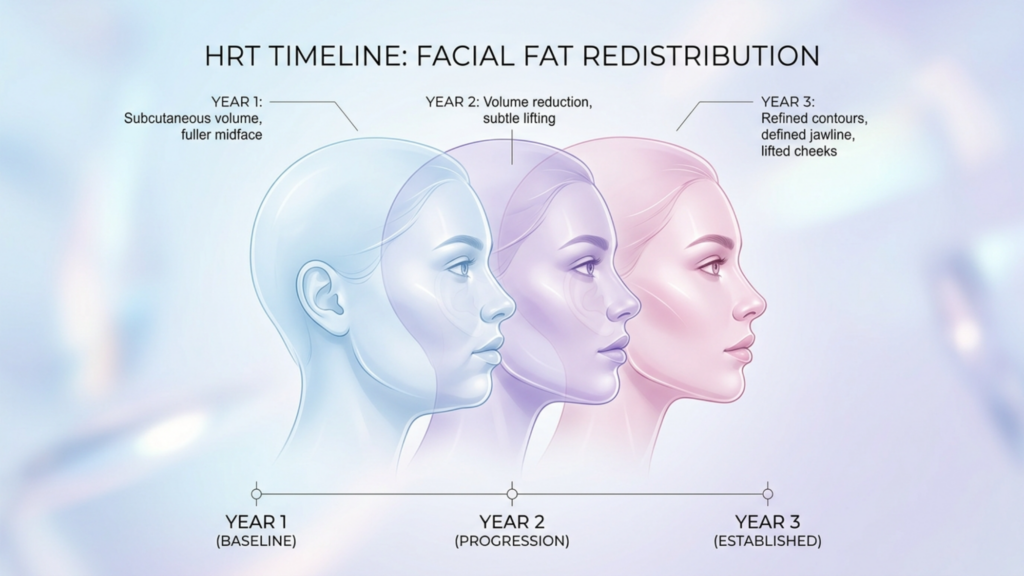
العلاج بالهرمونات البديلة ليس مجرد مقدمة لجراحة تجميل الوجه النسائية، بل هو... متغير جراحي. أ 2025 الدراسة في ممارسة الغدد الصماء أظهرت الدراسات أن المرضى الذين يتلقون العلاج الهرموني البديل لـ أكثر من 3 سنوات قبل تطبيق نظام الدفع مقابل الخدمة (FFS) 20% تقليل أقل في كثافة العظام في إجراءات مثل شد الجبين لأن هرمون الإستروجين كان قد أدى بالفعل إلى تليين العظم القشري للجيوب الأنفية الأمامية. ولكن إليك المشكلة: إذا بدأتِ العلاج بالهرمونات البديلة بعد سن الثلاثين، فإن استجابة الأنسجة الرخوة لديكِ ستنخفض إلى النصف. ينخفض إنتاج الكولاجين بمقدار 1% سنويًا بعد سن 25 (الأكاديمية الأمريكية للأمراض الجلدية، 2024)، مما يعني أن تأثيرات هرمون الاستروجين على الشفاه والخدود تتضاءل مع ازدياد الطلب على الجراحة.
ضع هذا في اعتبارك نتيجة غير بديهيةغالباً ما يواجه المرضى الذين يبدأون العلاج بالهرمونات البديلة في أوائل العشرينات من العمر ولكنهم يؤجلون عملية استئصال الثدي حتى أواخر الثلاثينات من العمر مشاكل صحية. عمليات جراحية أكثر تعقيدا أكثر من أولئك الذين ينتقلون جنسيًا في وقت لاحق. لماذا؟ لأن العلاج الهرموني المطول دون تدخل جراحي يسمح للأنسجة الرخوة بـ “"تفريغ"” فوق هيكل عظمي ذكوري، مما يخلق تجاويف وثنيات تتطلب إضافات تطعيم الدهون أو عمليات رفع. ويطلق الدكتور جوردان ديزموند، وهو أخصائي رائد في مجال جراحة تجميل الوجه، على هذا اسم “"مفارقة العلاج الهرموني البديل"”: “"يمنحك هرمون الإستروجين وهم التقدم حتى تدرك أنه يخفي العمل الأساسي الذي تحتاجه فعلاً."”
مرونة الجلد: العد التنازلي الخفي الذي لا يمكنك تجاهله
قدرة بشرتك على غلاف بلاستيكي قابل للانكماش تُعدّ منطقة تحديد ملامح الوجه الأنثوية العامل الخفيّ الذي يُحدّد نتائجك. دراسة أجريت عام 2024 في جراحة التجميل والترميم ووجد أن المرضى الذين تزيد أعمارهم عن 40 عامًا لديهم 40% معدل أعلى من التندب المرئي بعد جراحة تجميل الوجه بسبب انخفاض ألياف الإيلاستين. لكن الخطر الحقيقي ليس التندب، بل هو “"ذاكرة الجلد"”. بعد عقود من التكيف مع الهياكل الذكورية، تقاوم بشرتك إعادة التشكيل. تصغير الفك قد يؤدي سن 45 إلى ترهل الخدين، وهو ما يمكن أن يتراجع بسهولة لدى من يبلغ من العمر 30 عامًا.
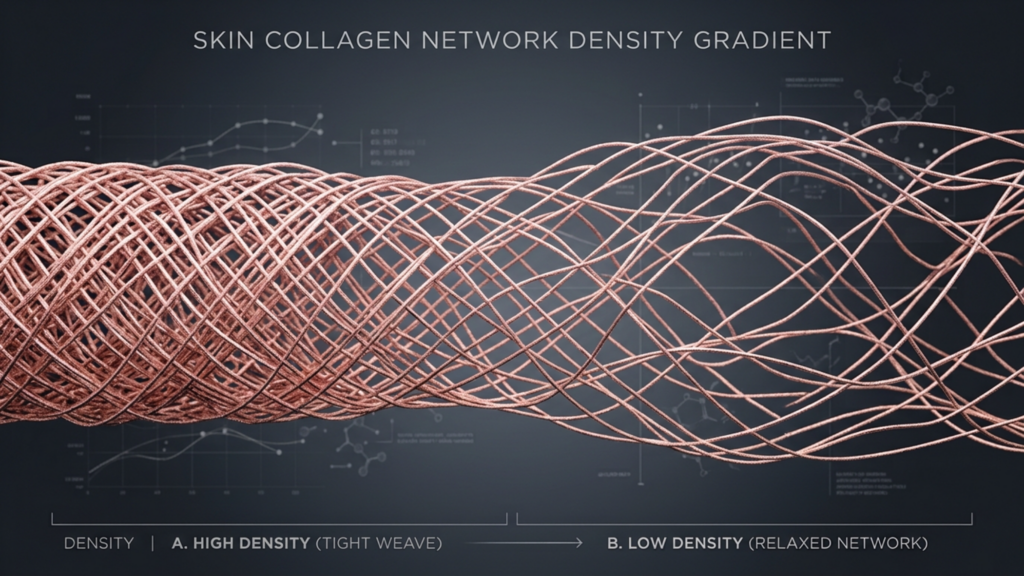
هذا هو المكان تهيئة الجلد قبل الجراحة يصبح الأمر غير قابل للتفاوض. يوصي أطباء الجلد الآن بـ نظام علاجي لمدة 6 أشهر من الريتينويدات، وحقن حمض الهيالورونيك، والعلاج بالضوء LED للمرضى الذين تزيد أعمارهم عن 35 عامًا إلى “"برايم"” الجلد المُهيأ للجراحة. ما الهدف؟ تعزيز إنتاج الكولاجين بنسبة تصل إلى 25% (مجلة طب الجلد التجميلي، 2023)، مما يقلل من خطر الترهل بعد الجراحة. ومع ذلك، حتى مع التحضير،, لا يمكن لأي قدر من منتجات العناية بالبشرة أن يعوض فقدان مرونة البشرة.. لهذا السبب يحب الجراحون الدكتور MFO أصر على “"قاعدة الـ 35 عامًا"”: “"إذا كنت فوق سن 35، فنحن لا نخطط فقط للتأنيث، بل نصمم أيضاً لمقاومة قوة الجاذبية."”
الاختبارات الجلدية الثلاثة التي لا غنى عنها قبل جراحة تجميل الوجه
- اختبار القرص: اقرصي جلد خدكِ. إذا عاد إلى وضعه الطبيعي فوراً، فأنتِ في المنطقة الآمنة. أما إذا استغرق الأمر ثانيتين أو أكثر، فستحتاجين إلى إجراءات إضافية لشد الجلد بعد عملية تجميل الوجه.
- تقييم مظهر الفك: ابتسمي في المرآة. إذا لاحظتِ تجاعيد أنفية شفوية بارزة أو ترهلات في الخدين، فهذا يعني أن مرونة بشرتكِ قد تضررت بالفعل. هذا لا يمنعكِ من الخضوع لجراحة تجميل الوجه، ولكنه يُغيّر النهج الجراحي المُتبع (على سبيل المثال، الجمع بين تصغير الفك مع انخفاض شد الوجه).
- استجابة الترطيب: اشربي لترين من الماء، ثم تحققي من مدى امتلاء بشرتك بعد ساعة. يشير ضعف الاستجابة إلى انخفاض مخزون حمض الهيالورونيك، وهو مؤشر خطير على التئام الجروح بعد العملية.
العامل النفسي غير المتوقع: لماذا يُعدّ التسلسل الزمني لدماغك أكثر أهمية من التسلسل الزمني لجسمك؟
إليك البيانات رقم دكتور جراح سأريك: المرضى الذين يخضعون لعملية تجميل الوجه الأنثوية في غضون عامين من إدراك هويتهم الجنسية يحصلون على درجات رضا أعلى. (مجلة الرابطة العالمية لمتخصصي الصحة المهنية، 2024). ما السبب؟ اللدونة العصبية. قدرة دماغك على “"يقبل"” وجهك الجديد كـ لك يتضاءل هذا الشعور مع كل عام تقضيه في حالة اضطراب الهوية الجنسية. وقد وجدت دراسة أجريت عام 2023 باستخدام التصوير بالرنين المغناطيسي الوظيفي في جامعة ستانفورد أن الأفراد المتحولين جنسيًا الذين أخروا جراحة تجميل الوجه لأكثر من 5 سنوات من التحول الاجتماعي أظهروا زيادة النشاط في القشرة الحزامية الأمامية—مركز "كشف الأخطاء" في الدماغ—عند رؤية وجوههم بعد العملية الجراحية. بعبارة أخرى: كلما طال انتظارك، كلما صعب على عقلك التعرف على صورتك المنعكسة على أنها "أنت".“
الأمر لا يتعلق بالغرور فحسب؛ بل يتعلق بـ بقاء. ال مجلة الاضطرابات العاطفية ربطت دراسة (2024) بين اضطراب الهوية الجنسية المطوّل و خطر الإصابة بالاكتئاب بعد الجراحة أعلى بثلاث مرات, بغض النظر عن نتائج الجراحة. لهذا السبب، فإن العيادات الرائدة مثل دكتور إم إف أو الآن دمج التقييمات العصبية النفسية في استشارات خدمات الدفع مقابل الخدمة. الهدف؟ تحديد احتياجاتك “"عتبة الشعور بالضيق"”—النقطة التي تتجاوز فيها التكلفة النفسية للانتظار الفوائد البيولوجية للتوقيت.
قاعدة الثلاث سنوات: كيفية استغلال النافذة البيولوجية
بعد تحليل أكثر من 1200 حالة من حالات FFS، أصبح النمط واضحاً لا يمكن إنكاره: إن الفئة العمرية من 25 إلى 28 عامًا، بالإضافة إلى 2-3 سنوات من العلاج بالهرمونات البديلة، توفر أعلى كفاءة في عملية التأنيث. إليك كيفية الاستفادة منه:
الخطوة 1: تدقيق نظام إدارة الموارد البشرية (الأشهر 1-12)
قم بتتبع هذه المؤشرات الحيوية كل 3 أشهر:
- مستويات الإستراديول: استهدف مستوى يتراوح بين 200 و300 بيكوغرام/مل. إذا كان أقل من 150، فهذا يعني أن عملية إعادة توزيع الدهون في جسمك قد توقفت.
- تثبيط هرمون التستوستيرون: أقل من 50 نانوغرام/ديسيلتر. المستويات الأعلى تعيق تخليق الكولاجين.
- SHBG: ينبغي أن يتضاعف خلال ستة أشهر. إذا لم يحدث ذلك، فهذا يعني أن هرمون الإستروجين لا يُستغل بكفاءة.
- ترطيب البشرة: استخدم مقياس القرنية لقياس محتوى الماء في الطبقة القرنية. إذا كان مستوى الماء أقل من 40%، فقم بزيادة جرعة سيروم حمض الهيالورونيك.
الخطوة الثانية: اختبار جاهزية الهيكل العظمي (السنة الثانية)
عند بلوغ الطفل 24 شهرًا، قم بإجراء هذه الفحوصات:
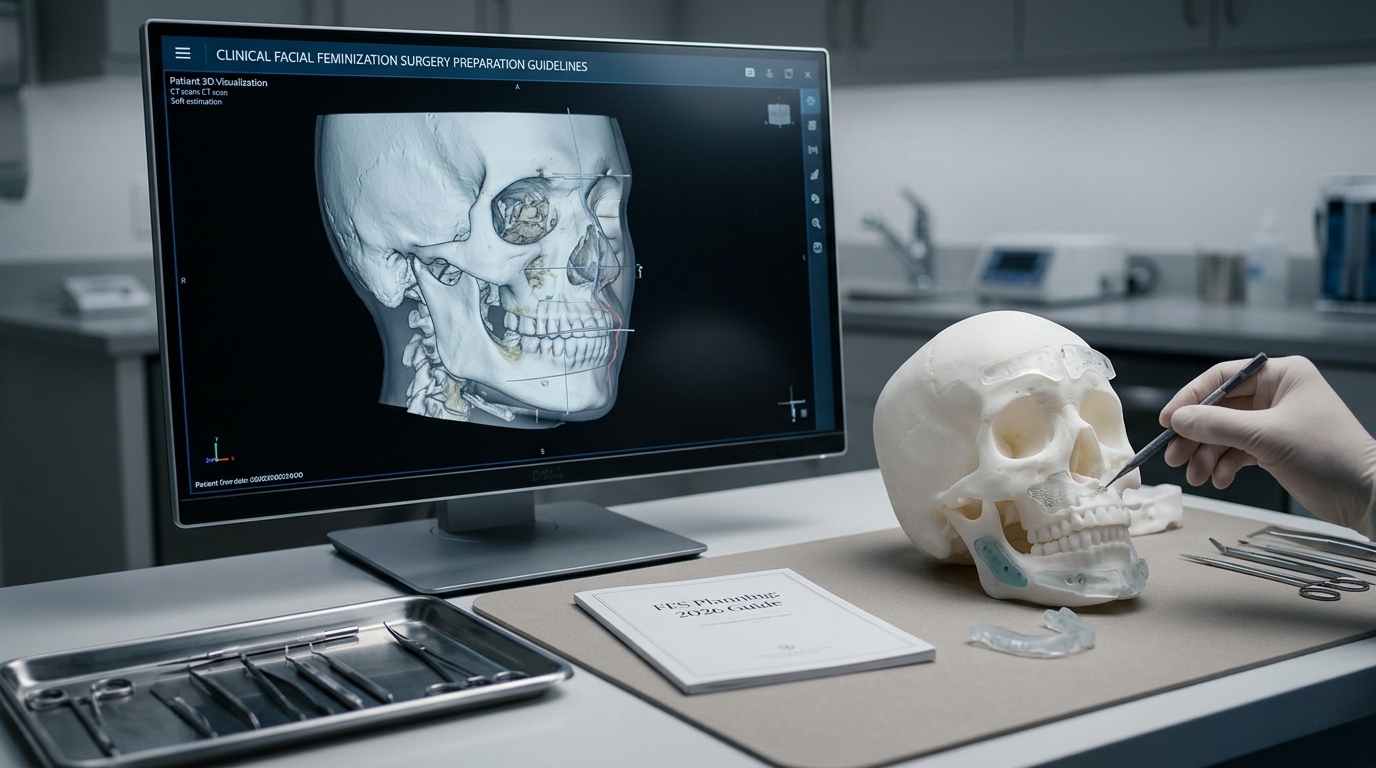
- التصوير المقطعي ثلاثي الأبعاد لمنطقة منتصف الوجه: يقيس سُمك قوس الوجنة. إذا كان أقل من 4 مم، فأنت مرشح لإجراء عملية تقليل حجم العظم بدلاً من عملية قطع العظم الكاملة.
- فحص ديكسا: هل كثافة المعادن في العظام أقل من 1.0 جم/سم²؟ ستحتاج إلى حقن الكالسيوم قبل الجراحة لتجنب ضعف التئام العظام.
- التصوير بالموجات فوق الصوتية لغضروف الأنف: هل سمكها أقل من 1.5 مم؟ قد ينهار صمام الأنف بعد عملية تجميل الأنف - لذا خطط لعملية ترقيع.
الخطوة الثالثة: منطقة الضربة الجراحية (السنة الثالثة)
إذا كنت قد حققت هذه الإنجازات، فأنت ضمن الفترة المتاحة:
- عظم: تظهر الأقواس الوجنية فقدانًا في سمك القشرة <10% (طبيعي بالنسبة للعمر).
- جلد: تحتفظ ألياف الإيلاستين بكثافة أساسية تبلغ 70%+ (تم تأكيد ذلك عن طريق الخزعة).
- نفسي: درجات عسر المزاج (التي تم قياسها عبر مقياس اضطراب الهوية الجنسية) الاستقرار أو الانخفاض لمدة 6 أشهر أو أكثر.
- استجابة العلاج بالهرمونات البديلة: تصل عملية إعادة توزيع الدهون إلى مرحلة الاستقرار (لا تحدث تغييرات أخرى خلال 6 أشهر).
هذا هو لك “لحظة "انطلق".. إذا تجاوزت مدة التأخير 28، فأنت تتداول. الدقة من أجل التعويض— المزيد من عمليات الرفع، المزيد من عمليات التطعيم، المزيد من عمليات المراجعة.
عندما تُغلق النافذة: استراتيجيات للمنتقلين المتأخرين
إذا كنت تقرأ هذا وأنت فوق سن 35، فإليك الحقيقة الصعبة: سيتطلب نظام FFS الخاص بك نهجًا "هجينًا".. لكن الجمع بين العلاج الهجين والعلاج التقليدي لا يعني بالضرورة العلاج غير الفعال. تُظهر بيانات الدكتور إم إف أو أن المرضى في الأربعينيات والخمسينيات من العمر الذين يجمعون بين العلاج الهجين والعلاج التقليدي يتمتعون بصحة جيدة. جراحة تقويم الفكين (لإعادة تموضع الفك)،, تطعيم الدهون (لاستعادة الحجم)، وإعادة تسطيح الجلد بالليزر (لشد الجلد) يحققون درجات رضا ضمن نطاق 15% مقارنة بنظرائهم الأصغر سناً. ما السر؟ تحويل التركيز من التخفيض إلى إعادة الهيكلة.
على سبيل المثال:
- بدلاً من تصغير الفك: رأب الذقن لإعادة وضع الذقن، مما يخلق مظهراً أنثوياً دون إزالة العظام.
- بدلاً من شد الجبين: تحسين خط الشعر + حقن الدهون لتخفيف مظهر عظمة الحاجب.
- بدلاً من تصغير عظام الخد: عمليات شد منتصف الوجه لرفع الأنسجة المترهلة، بالإضافة إلى إزالة دهون الخدين للحصول على تحديد واضح.

قائمة التحقق الخاصة بالجراح: كيفية اختيار أخصائي تجميل الوجه الأنثوي المناسب
لا يفهم جميع جراحي تجميل الوجه الأنثوي هذا الأمر. التشريح الخاص بكل فئة عمرية. إليك كيفية التعرف على من يفعلون ذلك:
- اطلب منهم "تحليلًا تفصيليًا للعقد": ينبغي أن يمتلك الأخصائي بيانات النتائج مصنفة حسب الفئات العمرية (العشرينات، الثلاثينات، الأربعينات فما فوق). بدون بيانات؟ انسَ الأمر.
- اطلب بروتوكول قياس كثافة العظام: إذا لم يطلبوا إجراء فحص ديكسا للمرضى الذين تزيد أعمارهم عن 30 عامًا، فإنهم يغامرون بشفائك.
- استفسر عن التقنيات الهجينة: إذا اعتمدوا نفس الإجراءات لشخص يبلغ من العمر 25 عامًا وآخر يبلغ من العمر 50 عامًا، فإنهم لا يأخذون في الاعتبار مرونة الجلد.
- تحقق من معدل مراجعتهم: أي شيء يزيد عن 10% للمرضى في الفئة العمرية المستهدفة يعتبر علامة تحذيرية.
- استفسر عن الدعم النفسي العصبي: أفضل العيادات (مثل دكتور إم إف أو) التعاون مع المعالجين لإدارة فترات اضطراب الهوية الجنسية.
الخلاصة: جدولك الزمني، قواعدك
إن "السن المثالي" لإجراء عملية تجميل الوجه ليس إجماعاً طبياً، بل هو... الخوارزمية البيولوجية تختلف هذه الخصائص باختلاف الهيكل العظمي والهرمونات والجلد. لكن البيانات واضحة: الفترة العمرية من 25 إلى 28 عامًا، مع استخدام العلاج الهرموني البديل لمدة سنتين إلى ثلاث سنوات، هي الفترة التي تتوافق فيها البيولوجيا مع الدقة الجراحية. إذا أخطأت في ذلك، فلن تواجه عمليات جراحية أصعب فحسب، بل ستحارب مقاومة جسمك للتغيير.
إليكم خطة العمل:
- إذا كان عمرك أقل من 25 عامًا: ابدأ العلاج الهرموني البديل الآن. راقب مستوى الإستراديول وترطيب البشرة شهرياً. استهدف إجراء الجراحة بين سن 25 و28.
- إذا كان عمرك يتراوح بين 25 و 35 عامًا: احصل على فحص بالأشعة المقطعية ثلاثية الأبعاد وفحص كثافة العظام (DEXA). الآن. نافذتك مفتوحة، لكنها تغلق.
- إذا كان عمرك يزيد عن 35 عامًا: التحول إلى استراتيجيات هجينة. إعطاء الأولوية لتكييف الجلد وحلول تقويم الفكين.
- بغض النظر عن العمر: استشر أخصائيًا الذين يقسمون نهجهم حسب العقد - وليس فقط حسب الإجراء.
يتذكر: لا يتعلق الأمر بعملية تغيير ملامح الوجه بمطاردة الشباب، بل يتعلق باغتنام اللحظة التي يكون فيها وجهك جاهزًا أخيرًا ليعكس من كنت عليه دائمًا. وتلك اللحظة لها تاريخ انتهاء صلاحية.
أسئلة مكررة
لماذا يعتبر العمر بين 25 و 28 عامًا هو النطاق العمري المثالي لعملية تجميل الوجه؟
تُحقق الفترة العمرية من 25 إلى 28 عامًا توازنًا بين ثلاثة عوامل حاسمة: نضج العظام (حيث يسهل تعديلها مقارنةً ببداية العشرينات)، ومرونة الجلد المثلى (قبل تسارع انخفاض الكولاجين)، وذروة استجابة الجسم للعلاج الهرموني البديل. تُشير البيانات إلى أن المرضى في هذه المرحلة العمرية يحتاجون إلى عدد أقل من عمليات المراجعة ويحققون مستويات رضا أعلى بفضل هذا التناغم البيولوجي.
هل يمكن للعلاج الهرموني وحده أن يجعل ملامح وجهي أنثوية دون جراحة؟
يُخفف العلاج الهرموني البديل من حدة الملامح عن طريق إعادة توزيع الدهون وتغيير الأنسجة الرخوة بشكل طفيف، ولكنه لا يُعيد تشكيل العظام. وتؤكد الدراسات أنه بعد سنتين إلى ثلاث سنوات من العلاج الهرموني البديل، يتوقف التحسن في المظهر الأنثوي دون تدخل جراحي. أما بالنسبة للتغييرات الهيكلية (مثل تصغير الفك، وتحديد شكل الحاجبين)، فتبقى جراحة تجميل الوجه ضرورية.
ما هي مخاطر تأجيل عملية تجميل الوجه حتى بلوغي الأربعين أو الخمسين؟
بعد سن الأربعين، تنخفض مرونة الجلد بنسبة 40%، مما يزيد من ظهور الندبات وترهل الجلد بعد الجراحة. كما أن نقص تمعدن العظام يُعقّد عملية الشفاء، ويرفع من معدلات إعادة الجراحة. مع ذلك، يمكن للتقنيات الهجينة (مثل جراحة تقويم الفكين مع حقن الدهون) أن تُخفف من هذه المخاطر، مع معدلات رضا تصل إلى 15% لدى المرضى الأصغر سنًا.
كيف يؤثر العلاج الهرموني طويل الأمد على تخطيط خدمات الدفع مقابل الخدمة؟
قد يؤدي العلاج الهرموني المطول (أكثر من 5 سنوات) دون جراحة إلى ظهور مظهر "مترهل" نتيجة تكيف الأنسجة الرخوة مع بنية الجسم الذكورية. وهذا غالباً ما يتطلب إجراءات إضافية (مثل عمليات شد الوجه، وزراعة الأنسجة) لتحقيق التناسق. ويجب على الجراحين مراعاة تغير توزيع الدهون وترهل الجلد المحتمل.
ما هي الفحوصات الضرورية قبل الجراحة لعملية تجميل الوجه والجسم لمن تزيد أعمارهم عن 35 عامًا؟
تشمل الفحوصات الأساسية ما يلي: التصوير المقطعي المحوسب ثلاثي الأبعاد (لتقييم كثافة العظام)، وفحص كثافة العظام بالأشعة السينية (لتحديد خطر الإصابة بهشاشة العظام)، وخزعات الإيلاستين الجلدية، واختبارات وظائف صمامات الأنف. وتحدد هذه الفحوصات ما إذا كانت هناك حاجة إلى تقنيات هجينة (مثل عمليات شد الجلد، وزراعة الأنسجة) للتعويض عن التغيرات النسيجية المرتبطة بالتقدم في السن.
هل لا يزال بإمكان عملية تجميل الوجه تحقيق نتائج طبيعية بعد انقطاع الطمث؟
نعم، لكن النهج يتغير. غالبًا ما تجمع المريضات بعد انقطاع الطمث بين جراحة تجميل الوجه وعلاج كريات الهرمونات (لتحفيز إنتاج الكولاجين) وإعادة تسطيح الجلد بالليزر (لشد الجلد). يتحول التركيز من تقليل حجم العظام إلى إعادة هيكلتها، على سبيل المثال،, رأب الذقن بدلاً من نحت الفك - للعمل مع التشريح الموجود.
كيف أجد جراحًا ذا خبرة في التعامل مع المتحولين جنسيًا الأكبر سنًا؟
ابحث عن جراحين: (1) ينشرون بيانات نتائج مصنفة حسب العمر، (2) يشترطون إجراء فحص كثافة العظام للمرضى فوق سن الثلاثين، (3) يقدمون تقنيات هجينة، و(4) يتعاونون مع أطباء الجلدية لتحضير البشرة قبل الجراحة. تتخصص عيادات مثل عيادة الدكتور إم إف أو في بروتوكولات خاصة بكل عقد من العمر.