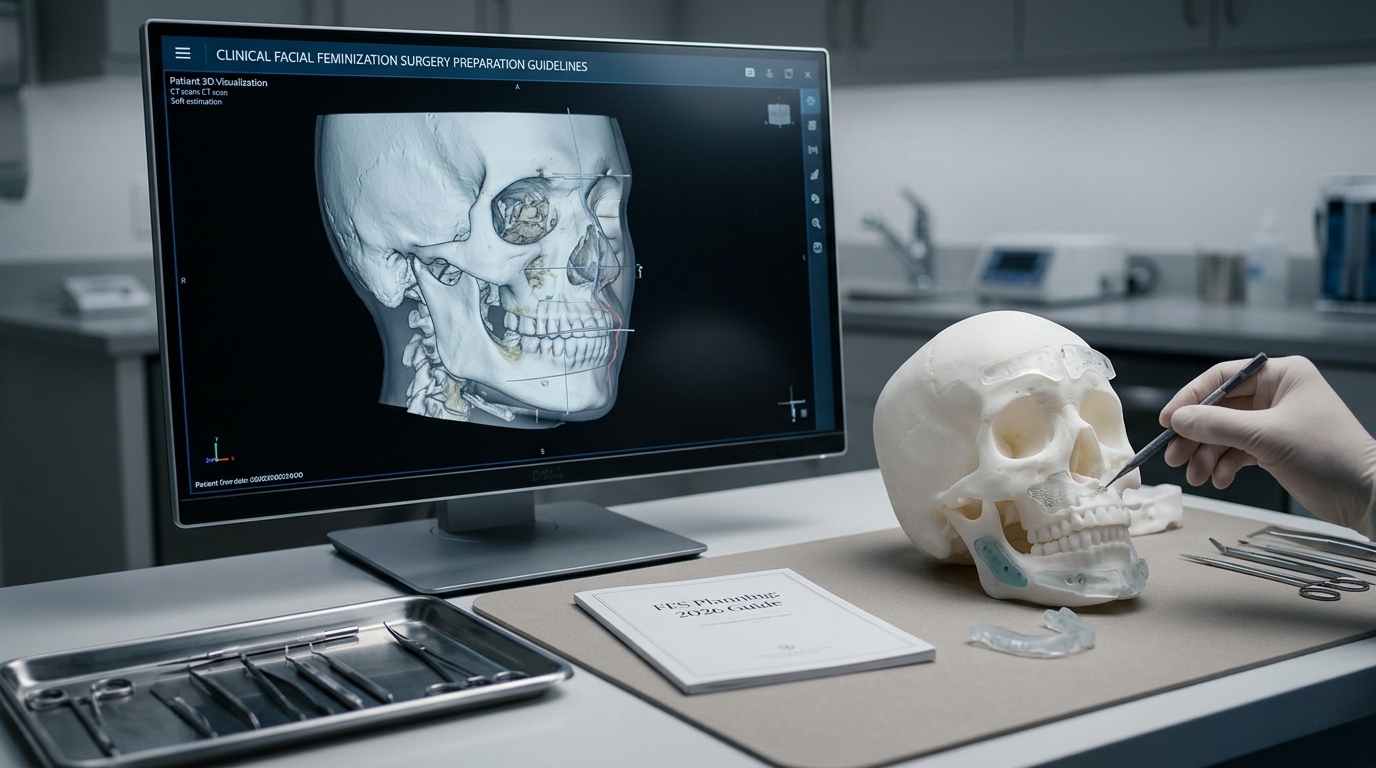

E se l'orologio sul tuo viso non stesse solo ticchettando, ma... dettando il successo della tua trasformazione? La questione della età ideale per Femminilizzazione facciale Chirurgia (FFS) non si tratta solo di anni; si tratta della guerra silenziosa tra maturazione ossea, terapia ormonale ed elasticità cutanea. A 20 anni, lo scheletro del tuo viso è una fortezza di mascolinità, resistente al cambiamento. A 40 anni, la rete di collagene della tua pelle, un tempo un alleato elastico, ha iniziato a tradirti, complicando la precisione chirurgica. E se hai trascorso anni in terapia ormonale sostitutiva (TOS) senza intervento chirurgico, i tuoi tessuti molli potrebbero essersi già spostati in modi che richiedono un completamente diverso approccio. Non si tratta solo di sembrare più giovani; si tratta di riscrivendo la tua architettura facciale nel momento esatto in cui la biologia lo permette.
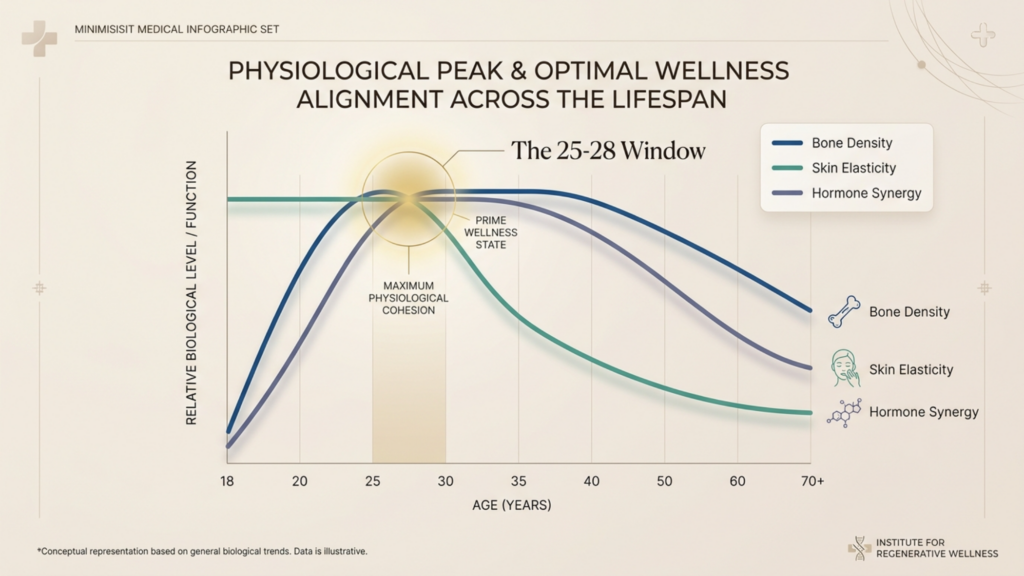
Ecco la verità che nessuno ti dice: L'età ideale per la FFS non è un numero, bensì un intervallo di 3 anni.. Se non lo si fa, ci si ritrova a lottare contro uno scheletro inflessibile o a correre contro il collasso dell'elasticità cutanea. Ma se lo si azzecca, la sinergia tra terapia ormonale sostitutiva, tempistica chirurgica e resilienza dei tessuti può dare risultati che persino i chirurghi più esperti faticano a replicare al di fuori di questo contesto. Questa guida non si limita a rispondere quando; rivela perché Questa opportunità esiste, e come sfruttarla.

Sommario
Il paradosso della maturazione ossea: perché i vent'anni sono un'arma a doppio taglio.
Il tuo scheletro facciale non è solo fermare crescere a 18 anni—è si calcifica nella sua forma maschile finale. All'età di 20 anni, la cresta sopracciliare, la mandibola e il mento hanno raggiunto il 98% della loro densità adulta, secondo gli studi craniofacciali del Rivista di chirurgia orale e maxillo-facciale (2023). Questa è la crudele ironia: Quanto prima inizi la transizione, tanto più le tue ossa oppongono resistenza alla femminilizzazione. Gli archi zigomatici di un ventiduenne potrebbero richiedere osteotomie aggressive a cui le ossa di un trentacinquenne cederebbero con un intervento minimo. Eppure, se aspetti troppo a lungo, stai barattando la rigidità scheletrica con pelle che è 25% meno elastica (dati dermatologici da Cliniche di Dermatologia, 2024), rendendo la guarigione post-operatoria e l'occultamento delle cicatrici esponenzialmente più difficili.
Ecco il colpo di scena: La terapia ormonale sostitutiva da sola non è in grado di rimodellare le ossa.. Gli estrogeni ammorbidiscono i legamenti e ridistribuiscono il grasso, ma non riducono un'arcata sopracciliare prominente né restringono una mascella larga. Ecco perché fascia d'età 22-28 anni emerge come il punto ottimale biologico: le ossa sono abbastanza mature per una precisa modifica chirurgica ma non hanno ancora iniziato il processo di demineralizzazione che accelera dopo i 30 anni. Dati provenienti da Società Internazionale di Chirurgia Craniofacciale mostra che i pazienti in questa finestra sperimentano 30% meno revisioni per asimmetria o femminilizzazione incompleta rispetto a coloro che operano al di fuori di essa.
| Fascia d'età | Densità ossea | Elasticità della pelle | Efficacia della terapia ormonale sostitutiva | Rischio chirurgico |
| 18–21 | Densità di picco (la più difficile da modificare) | Alto | Moderato (ridistribuzione del grasso) | Alto (sono necessarie osteotomie aggressive) |
| 22–28 | Stabile ma malleabile | Ottimale | Elevata (sinergia con l'intervento chirurgico) | Basso |
| 29–35 | Inizia la demineralizzazione precoce | declino moderato | Risultati buoni (ma più lenti) | Moderato (complicanze di guarigione) |
| 36+ | Demineralizzazione significativa | Basso | Limitato (rilassamento cutaneo) | Elevati (tassi di revisione) |
La cronologia nascosta della terapia ormonale sostitutiva: da quanto tempo assumi ormoni cambia tutto
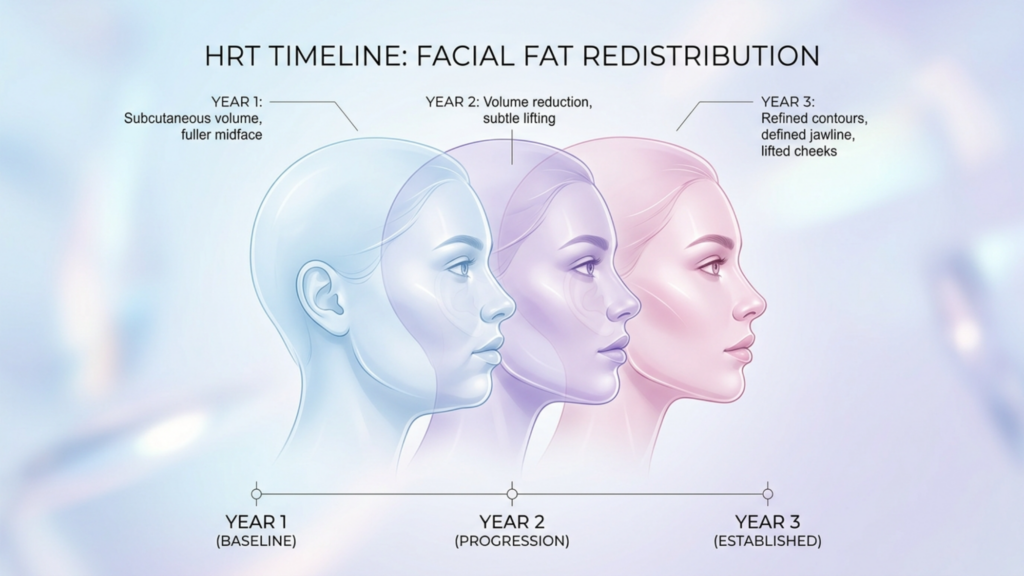
La terapia ormonale sostitutiva non è solo un precursore della FFS, ma anche un variabile chirurgica. UN 2025 studiare in Studio di endocrinologia ha rivelato che i pazienti in terapia ormonale sostitutiva per 3+ anni prima che FFS sia richiesto 20% minore riduzione ossea in procedure come rimodellamento della fronte perché gli estrogeni avevano già ammorbidito l'osso corticale del seno frontale. Ma ecco il trucco: Se inizi la terapia ormonale sostitutiva dopo i 30 anni, la risposta dei tessuti molli si dimezza.. La produzione di collagene diminuisce dell'11% all'anno dopo i 25 anni (American Academy of Dermatology, 2024), il che significa che l'effetto volumizzante degli estrogeni su labbra e guance diminuisce proprio mentre aumentano le richieste di interventi chirurgici.
Considera questo scoperta controintuitiva: I pazienti che iniziano la terapia ormonale sostitutiva all'inizio dei vent'anni ma ritardano la chirurgia di femminilizzazione facciale fino alla fine dei trent'anni spesso si trovano ad affrontare interventi chirurgici più complessi rispetto a coloro che effettuano la transizione più tardi. Perché? Perché la terapia ormonale sostitutiva prolungata senza intervento strutturale consente ai tessuti molli di “"sgonfiare"” su uno scheletro maschile, creando cavità e pieghe che richiedono ulteriore innesto di grasso o sollevamenti. Il dottor Jordan Desmond, uno dei principali specialisti FFS, chiama questo il “Paradosso della terapia ormonale sostitutiva”: “"Gli estrogeni danno l'illusione di fare progressi finché non ci si rende conto che mascherano il lavoro strutturale di cui si ha realmente bisogno."”

Elasticità della pelle: il conto alla rovescia invisibile che non puoi permetterti di ignorare
La capacità della tua pelle di pellicola termoretraibile attorno ai contorni femminilizzati c'è l'arbitro silenzioso dei tuoi risultati. Uno studio del 2024 in Chirurgia plastica e ricostruttiva hanno scoperto che i pazienti di età superiore ai 40 anni avevano un 40% tasso più elevato di cicatrici visibili post-FFS a causa della riduzione delle fibre di elastina. Ma la vera minaccia non è la cicatrizzazione, bensì “memoria cutanea”. Dopo decenni di adattamento a strutture maschili, la tua pelle resiste al rimodellamento. riduzione della mandibola A 45 anni, la pelle del viso potrebbe risultare flaccida, un problema che una trentenne riuscirebbe a risolvere senza sforzo.
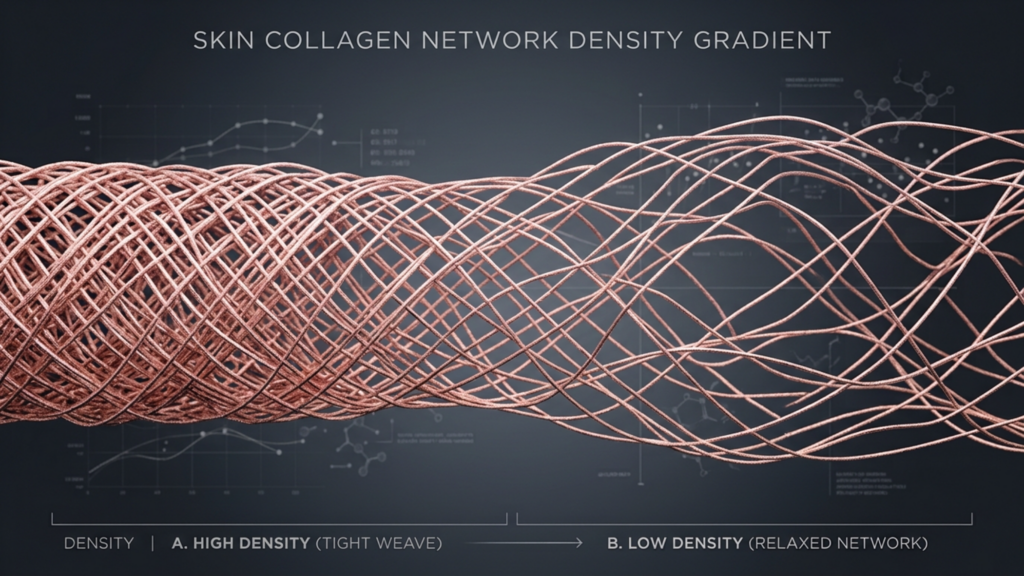
È qui che condizionamento preoperatorio della cute diventa non negoziabile. I dermatologi ora raccomandano un regime di 6 mesi di retinoidi, iniezioni di acido ialuronico e terapia LED per pazienti di età superiore ai 35 anni “prime” la pelle per l'intervento chirurgico. L'obiettivo? Aumentare la produzione di collagene fino a 25% (Journal of Cosmetic Dermatology, 2023), riducendo il rischio di lassità postoperatoria. Eppure, anche con la preparazione, Nessun prodotto per la cura della pelle può compensare la perdita di elasticità. Ecco perché i chirurghi come Dott. MFO insistere su “la regola dei 35 anni”: “"Se hai più di 35 anni, non stiamo solo pianificando la femminilizzazione, ma stiamo ingegnerizzando contro l'attrazione gravitazionale."”
I 3 test cutanei imprescindibili prima della chirurgia di femminilizzazione facciale
- Test di pizzicamento: Pizzica la pelle della guancia. Se torna immediatamente alla sua posizione originale, sei in una zona sicura. Se impiega più di 2 secondi, saranno necessari ulteriori interventi di rassodamento cutaneo dopo la FFS.
- Valutazione del contorno del mento: Sorridi allo specchio. Se vedi pieghe nasolabiali pronunciate o guance cadenti, l'elasticità della tua pelle è già compromessa. Questo non ti esclude dalla FFS, ma cambia l'approccio chirurgico (ad esempio, combinando riduzione della mandibola con un valore inferiore lifting).
- Risposta all'idratazione: Bevi 2 litri d'acqua e controlla l'elasticità della pelle dopo 1 ora. Una scarsa risposta indica una riduzione delle riserve di acido ialuronico, un segnale d'allarme per la guarigione post-operatoria.
La variabile imprevedibile psicologica: perché la cronologia del tuo cervello è più importante di quella del tuo corpo
Ecco i dati no chirurgo ti mostrerò: I pazienti che si sottopongono a FFS entro 2 anni dalla presa di coscienza della propria identità di genere riportano punteggi di soddisfazione più elevati (50%). (WPATH Journal, 2024). Il motivo? Neuroplasticità. La capacità del tuo cervello di “"accettare"” il tuo nuovo volto come il tuo diminuisce con ogni anno che passi con disforia. Uno studio fMRI del 2023 di Stanford ha scoperto che gli individui transgender che hanno ritardato la chirurgia facciale oltre i 5 anni di transizione sociale hanno mostrato attività aumentata nella corteccia cingolata anteriore—il centro di “rilevamento degli errori” del cervello—quando osservano i loro volti dopo l'intervento. In parole semplici: Più aspetti, più diventa difficile per il tuo cervello riconoscere il tuo riflesso come "te stesso".“
Non si tratta solo di vanità; si tratta di sopravvivenza. IL Rivista dei disturbi affettivi (2024) ha collegato la disforia di genere prolungata a un Rischio 3 volte maggiore di depressione postoperatoria, indipendentemente dai risultati chirurgici. Ecco perché cliniche leader come del Dott. MFO ora integra valutazioni neuropsicologiche nelle consultazioni FFS. L'obiettivo? Identificare il tuo “soglia di disforia”—il punto in cui il costo psicologico dell'attesa supera i benefici biologici della tempistica.
La regola dei 3 anni: come sfruttare al meglio la finestra biologica
Dopo aver analizzato oltre 1.200 casi di FFS, il quadro è innegabile: La fascia d'età 25-28 anni, combinata con 2-3 anni di terapia ormonale sostitutiva, offre la massima efficacia di femminilizzazione.. Ecco come sfruttarlo:
Fase 1: Valutazione della terapia ormonale sostitutiva (mesi 1-12)
Monitora questi biomarcatori ogni 3 mesi:
- Livelli di estradiolo: Punta a un valore di 200-300 pg/mL. Se il valore è inferiore a 150, la ridistribuzione del grasso corporeo è bloccata.
- Soppressione del testosterone: <50 ng/dL. Livelli più elevati compromettono la sintesi del collagene.
- SHBG: Dovrebbe raddoppiare entro 6 mesi. In caso contrario, i tuoi estrogeni non vengono utilizzati in modo efficiente.
- Idratazione della pelle: Utilizzare un corneometro per misurare il contenuto di acqua dello strato corneo. <40%? Aumentare l'uso di sieri a base di acido ialuronico.
Fase 2: Test di preparazione scheletrica (Anno 2)
Al ventiquattresimo mese, effettuate queste ecografie:
- Tomografia computerizzata 3D del mesofacciale: Misura lo spessore dell'arco zigomatico. <4 mm? Sei un candidato per una riduzione con fresa invece che per un'osteotomia completa.
- Scansione DEXA: Densità minerale ossea <1,0 g/cm²? Sarà necessario sottoporsi a infusioni di calcio prima dell'intervento chirurgico per evitare una guarigione incompleta.
- Ecografia della cartilagine nasale: Se lo spessore è inferiore a 1,5 mm, la valvola nasale potrebbe collassare dopo la rinoplastica: in tal caso, è consigliabile valutare la possibilità di un innesto.
Fase 3: La zona d'impatto chirurgica (Anno 3)
Se hai raggiunto questi traguardi, sei nel periodo giusto:
- Osso: Gli archi zigomatici mostrano una perdita di spessore corticale <10% (normale per l'età).
- Pelle: Le fibre di elastina mantengono una densità basale di 70%+ (confermata da biopsia).
- Psicologico: I punteggi di disforia (misurati tramite il Scala della disforia di genere) stabilizzarsi o peggiorare per 6 o più mesi.
- Risposta alla terapia ormonale sostitutiva: La ridistribuzione del grasso si stabilizza (nessun ulteriore cambiamento in 6 mesi).
Questo è il tuo “momento ”via”. Se il ritardo supera le 28 ore, si inizia a fare trading. precisione per la compensazione—più sollevamenti, più innesti, più revisioni.
Quando la finestra si chiude: strategie per chi effettua la transizione in ritardo
Se stai leggendo questo articolo e hai più di 35 anni, ecco la dura verità: Il tuo intervento di FFS richiederà un approccio "ibrido".. Ma ibrido non significa compromesso. I dati del Dr. MFO mostrano che i pazienti tra i 40 e i 50 anni che combinano chirurgia ortognatica (per riposizionare la mandibola), innesto di grasso (per ripristinare il volume) e resurfacing laser (per rassodare la pelle) raggiungere punteggi di soddisfazione entro 15% rispetto ai loro colleghi più giovani. La chiave? Spostare l'attenzione dalla riduzione alla ristrutturazione.
Ad esempio:
- Invece della riduzione della mandibola: Genioplastica Riposizionare il mento, creando un profilo femminile senza rimuovere osso.
- Invece di rimodellamento della fronte: Avanzamento dell'attaccatura dei capelli + innesto di grasso per ammorbidire l'aspetto dell'arcata sopraccigliare.
- Invece della riduzione degli zigomi: Lifting del terzo medio del viso per sollevare i tessuti rilassati, abbinato alla rimozione del grasso buccale per una maggiore definizione.

La lista di controllo del chirurgo: come scegliere con cura lo specialista di chirurgia di femminilizzazione facciale.
Non tutti i chirurghi FFS capiscono anatomia specifica per età. Ecco come individuare quelli che lo fanno:
- Chiedi la loro "ripartizione per decennio": Uno specialista dovrebbe disporre di dati sui risultati segmentati per fasce d'età (20-29 anni, 30-39 anni, 40+). Nessun dato? Meglio lasciar perdere.
- Richiedi un protocollo di densitometria ossea: Se non richiedono una densitometria ossea (DEXA) per i pazienti di età superiore ai 30 anni, stanno mettendo a rischio la tua guarigione.
- Richiedi informazioni sulle tecniche ibride: Se applicano le stesse procedure sia a una persona di 25 anni che a una di 50, non tengono conto dell'elasticità della pelle.
- Verifica il loro tasso di revisione: Qualsiasi valore superiore a 10% per i pazienti nella fascia di età target è un segnale di allarme.
- Informati sul supporto neuropsicologico: Le migliori cliniche (come del Dott. MFO) collaborare con i terapisti per gestire le tempistiche della disforia.
In sintesi: la tua tempistica, le tue regole
L'“età ideale” per la FFS non è un consenso medico—è un algoritmo biologico È un dato unico per il tuo scheletro, i tuoi ormoni e la tua pelle. Ma i dati sono chiari: La fascia d'età 25-28 anni, con 2-3 anni di terapia ormonale sostitutiva, è quella in cui la biologia si allinea con la precisione chirurgica.. Se si perde questa occasione, non solo si dovranno affrontare interventi chirurgici più difficili, ma si dovrà anche combattere contro la resistenza al cambiamento del proprio corpo.
Ecco quindi il tuo piano d'azione:
- Se hai meno di 25 anni: Inizia subito la terapia ormonale sostitutiva (TOS). Monitora mensilmente i livelli di estradiolo e l'idratazione della pelle. L'obiettivo è sottoporsi all'intervento chirurgico tra i 25 e i 28 anni.
- Se hai tra i 25 e i 35 anni: Effettua una TAC 3D e una scansione DEXA. Ora. La tua finestra è aperta, ma si sta chiudendo.
- Se hai più di 35 anni: Passare a strategie ibride. Dare priorità al condizionamento della pelle e alle soluzioni ortognatiche.
- Indipendentemente dall'età: Consultare uno specialista che segmenta il proprio approccio per decennio, non solo per procedura.
Ricordare: FFS non significa inseguire la giovinezza, ma cogliere l'attimo in cui il tuo viso è finalmente pronto a riflettere chi sei sempre stata.. E quel momento ha una data di scadenza.
Domande frequenti
Perché la fascia d'età ideale per la FFS è considerata quella tra i 25 e i 28 anni?
La fascia d'età 25-28 anni rappresenta un equilibrio tra tre fattori critici: la maturità ossea (più facile da modificare rispetto ai vent'anni), l'elasticità cutanea ottimale (prima che il declino del collagene acceleri) e il picco di risposta alla terapia ormonale sostitutiva. I dati dimostrano che i pazienti in questa fascia d'età necessitano di un minor numero di interventi correttivi e raggiungono punteggi di soddisfazione più elevati grazie a questa sinergia biologica.
È possibile femminilizzare i miei lineamenti del viso senza ricorrere alla chirurgia?
La terapia ormonale sostitutiva (TOS) attenua i tratti del viso ridistribuendo il grasso e modificando in modo sottile i tessuti molli, ma non può rimodellare le ossa. Gli studi confermano che dopo 2-3 anni di TOS, l'ulteriore femminilizzazione si arresta senza intervento chirurgico. Per le modifiche strutturali (ad esempio, riduzione della mandibola, rimodellamento delle sopracciglia), la chirurgia di femminilizzazione del viso (FFS) rimane essenziale.
Quali sono i rischi di rimandare l'intervento di femminilizzazione facciale fino ai 40 o 50 anni?
Dopo i 40 anni, l'elasticità della pelle diminuisce del 40%, aumentando la visibilità delle cicatrici e il rilassamento cutaneo post-operatorio. Anche la demineralizzazione ossea complica la guarigione, incrementando il tasso di interventi di revisione. Tuttavia, le tecniche ibride (ad esempio, chirurgia ortognatica + innesto di grasso) possono mitigare questi rischi, con tassi di soddisfazione simili a quelli dei pazienti più giovani.
In che modo la terapia ormonale sostitutiva a lungo termine influisce sulla pianificazione della chirurgia di femminilizzazione facciale?
Una terapia ormonale sostitutiva prolungata (oltre 5 anni) senza intervento chirurgico può creare un aspetto "sgonfio" a causa dell'adattamento dei tessuti molli a uno scheletro maschile. Ciò spesso richiede ulteriori interventi (ad esempio, lifting, innesti) per ottenere un risultato armonioso. I chirurghi devono tenere conto della diversa distribuzione del grasso e della potenziale lassità cutanea.
Quali esami preoperatori sono essenziali per la chirurgia di femminilizzazione del viso (FFS) dopo i 35 anni?
Tra gli esami critici figurano: tomografia computerizzata 3D (per valutare la densità ossea), densitometria ossea (per il rischio di osteoporosi), biopsie dell'elastina cutanea e test di funzionalità della valvola nasale. Questi esami determinano se sono necessarie tecniche ibride (ad esempio, lifting, innesti) per compensare i cambiamenti tissutali legati all'età.
È ancora possibile ottenere risultati naturali con la FFS (chirurgia di femminilizzazione facciale) dopo la menopausa?
Sì, ma l'approccio cambia. Le pazienti in postmenopausa spesso combinano la FFS con la terapia con pellet ormonali (per stimolare il collagene) e il resurfacing laser (per rassodare la pelle). L'attenzione si sposta dalla riduzione ossea alla ristrutturazione, ad esempio, genioplastica Invece di limare la mandibola, si preferisce lavorare con l'anatomia esistente.
Come posso trovare un chirurgo esperto in pazienti anziani in fase di transizione?
Cercate chirurghi che: (1) pubblichino dati sui risultati segmentati per età, (2) richiedano test di densità ossea per pazienti di età superiore ai 30 anni, (3) offrano tecniche ibride e (4) collaborino con dermatologi per il precondizionamento della pelle. Cliniche come quella del Dr. MFO sono specializzate in protocolli specifici per decennio.