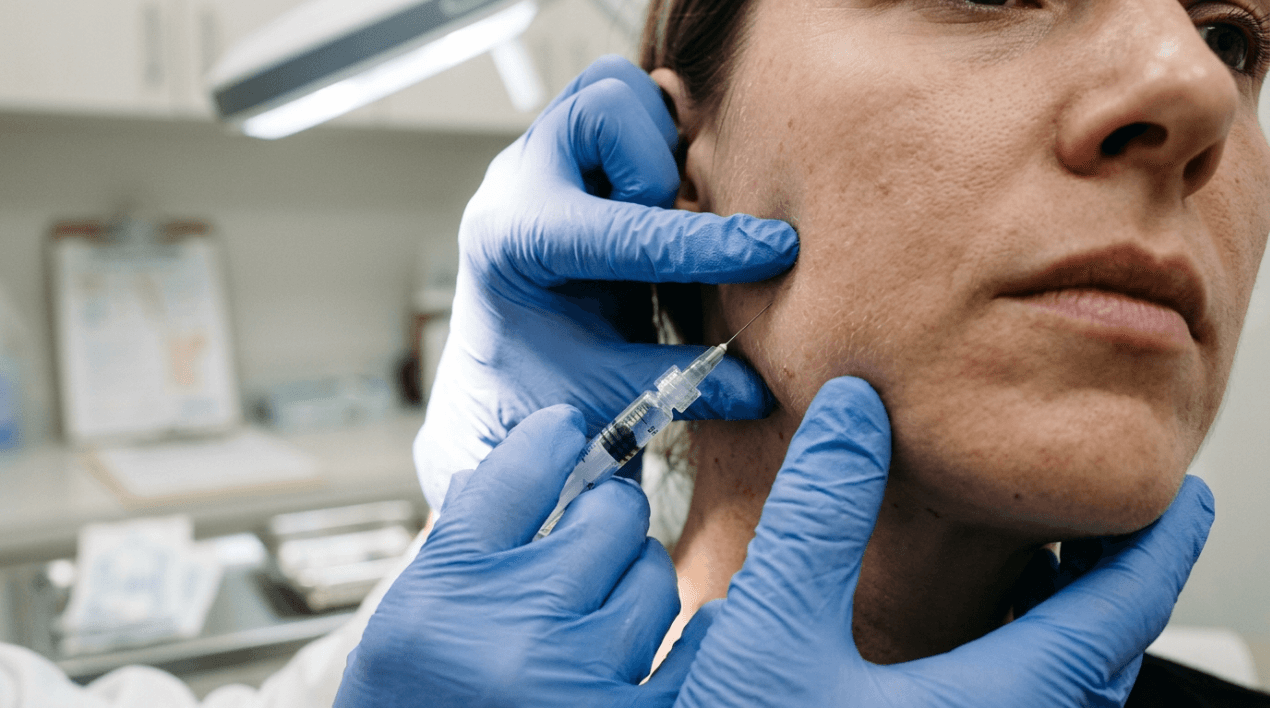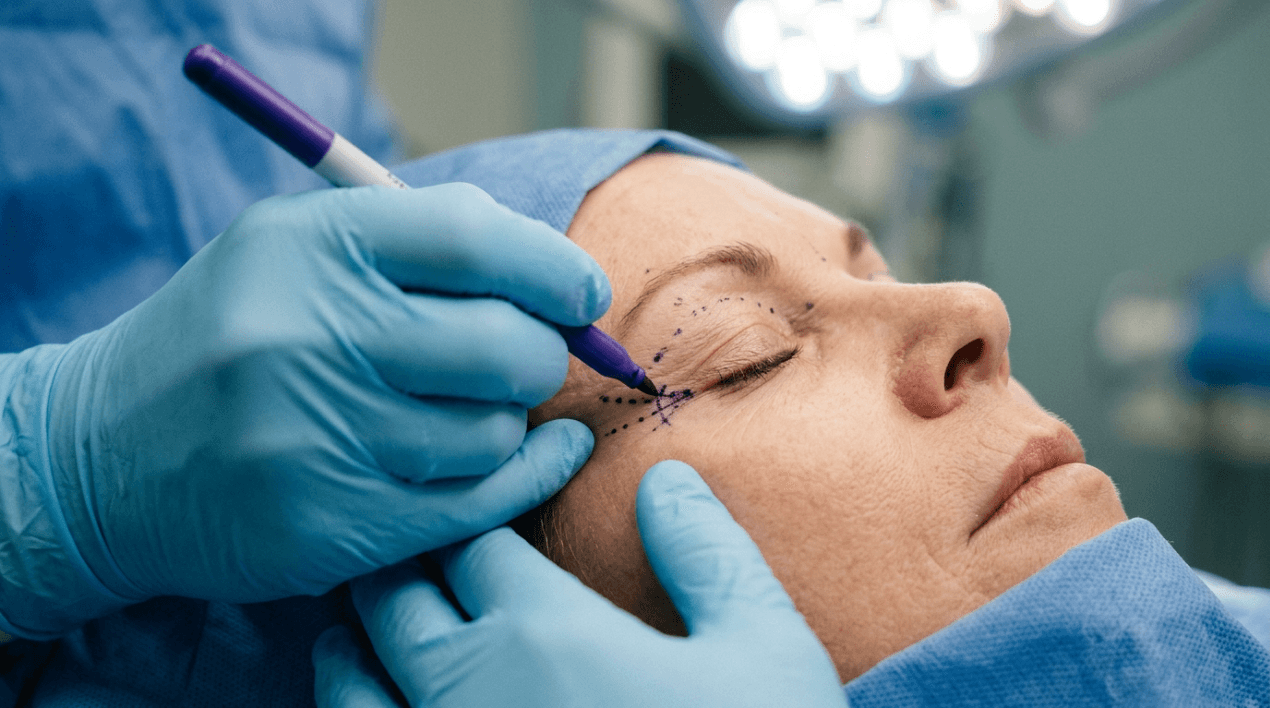

Vos analyses sanguines, pourtant excellentes, masquent une catastrophe chirurgicale. Ce n'est pas une exagération : c'est une réalité clinique pour les patientes sous traitement hormonal substitutif (THS) à long terme qui se préparent à une intervention. pour la féminisation du visage Chirurgie de féminisation faciale (FFS). Si les bilans métaboliques standards peuvent présenter des résultats “ normaux ”, ils passent souvent à côté des modifications biochimiques subtiles mais cruciales induites par la modulation des œstrogènes et de la testostérone. Ces modifications, allant d'altérations du profil de coagulation à une cicatrisation tissulaire compromise, peuvent transformer une FFS de routine en une opération à haut risque. Le problème ? La plupart des chirurgiens s'appuient sur des protocoles de dépistage préopératoires obsolètes qui ne tiennent pas compte du profil métabolique spécifique des personnes transgenres. Cette négligence n'est pas seulement une lacune dans les soins ; c'est une véritable bombe à retardement pour les complications chirurgicales.
Dans cet article, nous mettons en lumière l'angle mort des laboratoires préopératoires standard et nous présentons Le protocole préopératoire exclusif du Dr Okyay optimisation métabolique protocole, Une étape essentielle pour la sécurité des interventions de féminisation faciale à grande échelle. S’appuyant sur une expertise européenne certifiée et des recherches de pointe, ce protocole aborde les risques cachés des modifications métaboliques induites par l’hormonothérapie – des risques que les analyses sanguines classiques ne permettent pas de détecter. À la fin de cette présentation, vous comprendrez pourquoi un dépistage métabolique spécialisé n’est pas une simple option ; c’est une véritable bouée de sauvetage pour les patientes sous hormonothérapie et ayant subi une féminisation faciale.

Le paradoxe du THS : pourquoi des analyses sanguines “ normales ” sont un signal d’alarme
L’hormonothérapie substitutive (HTS) modifie bien plus que l’apparence physique : elle bouleverse le métabolisme. Les œstrogènes, par exemple, augmentent les facteurs de coagulation comme le fibrinogène et le facteur VII, tandis que la suppression de la testostérone peut entraîner une anémie et un retard de cicatrisation. Pourtant, les analyses préopératoires standard – conçues pour les personnes cisgenres – détectent rarement ces changements. Une étude de 2025… Pratique endocrinienne a révélé que 42% de patients transgenres sous THS présentaient des anomalies de coagulation non détectées. Malgré des analyses sanguines de routine “ normales ”, ces anomalies, si elles ne sont pas prises en charge, peuvent entraîner une thromboembolie postopératoire ou des saignements excessifs, deux complications potentiellement mortelles.
Le problème ne se limite pas à la coagulation. L'hormonothérapie substitutive modifie la fonction hépatique, le métabolisme lipidique et même la densité osseuse, autant de facteurs qui influent sur les résultats chirurgicaux. Par exemple, l'effet des œstrogènes sur les enzymes hépatiques peut masquer des dysfonctionnements métaboliques sous-jacents, tandis que la suppression de la testostérone peut réduire la masse musculaire et compliquer la convalescence. Les analyses standard comme la numération formule sanguine (NFS) ou le bilan métabolique complet (BMC) ne sont pas conçues pour détecter ces nuances. C'est comme utiliser une lampe torche pour se repérer dans une grotte : suffisant pour certains passages, mais dangereusement insuffisant pour d'autres.

Les trois lacunes critiques des laboratoires préopératoires standard
- Point aveugle de la coagulation : Les tests standard de TP/INR et de TCA ne tiennent pas compte des modifications des facteurs de coagulation induites par l'hormonothérapie substitutive. Les œstrogènes augmentent le risque de thromboembolie veineuse (TEV), pourtant la plupart des chirurgiens ne recherchent pas systématiquement la mutation du facteur V Leiden ni les mutations de la prothrombine, plus fréquentes chez les personnes transgenres.
- Erreur d'appréciation de la cicatrisation tissulaire : La suppression de la testostérone réduit la synthèse de collagène, retardant ainsi la cicatrisation. Or, les laboratoires d'analyses classiques ne mesurent pas les marqueurs du collagène comme le PIIINP (peptide N-terminal du procollagène III), ce qui empêche les chirurgiens de détecter les complications potentielles de la cicatrisation.
- Mode furtif métabolique : L'hormonothérapie substitutive modifie le profil lipidique et la sensibilité à l'insuline, mais les bilans lipidiques et glycémiques classiques ne donnent pas une image complète. Par exemple, les œstrogènes augmentent le HDL (le “ bon ” cholestérol) mais aussi les triglycérides, un facteur de risque de complications cardiovasculaires pendant une intervention chirurgicale.

L’effet domino : comment des modifications métaboliques non détectées compromettent la sécurité de la chirurgie de féminisation faciale
Lorsque des modifications métaboliques ne sont pas détectées, les conséquences s'enchaînent. Prenons l'exemple d'un patient qui subit… modelage du front, La chirurgie de féminisation faciale est une intervention courante. Si leur profil de coagulation est altéré par un traitement hormonal substitutif, le risque d'hématome postopératoire est accru ; cette complication peut nécessiter une intervention d'urgence. De même, la cicatrisation retardée due à la suppression de la testostérone augmente le risque d'infections ou de cicatrices inesthétiques, deux facteurs susceptibles de compromettre le résultat esthétique.
UN 2026 série de cas de la Journal de chirurgie d'affirmation de genre Ce phénomène a mis en évidence un effet domino : Les patientes sous traitement hormonal substitutif (THS) ayant subi une chirurgie de féminisation faciale sans dépistage métabolique spécialisé présentaient un taux de complications plus élevé (30%). Comparativement aux patients ayant bénéficié d'un dépistage, les problèmes les plus fréquents étaient des saignements excessifs, une mauvaise cicatrisation et une convalescence prolongée. Il ne s'agit pas de simples complications, mais de véritables catastrophes chirurgicales qui auraient pu être évitées grâce à un protocole préopératoire adéquat.

Protocole d'optimisation métabolique préopératoire du Dr Okyay : Le chaînon manquant
Pour combler cet écart, le Dr Okyay a mis au point un protocole d'optimisation métabolique préopératoire Conçu spécifiquement pour les patientes ayant subi une féminisation faciale et suivant un traitement hormonal, ce protocole va au-delà des analyses de laboratoire classiques. Il intègre des biomarqueurs avancés et des interventions personnalisées afin de réduire les risques chirurgicaux. Voici comment il fonctionne :
1. Profilage avancé de la coagulation
Au lieu de se fier uniquement au TP/INR et au TCA, le protocole du Dr Okyay comprend :
- Thromboélastographie (TEG) : Une évaluation en temps réel de la formation et de la lyse des caillots, qui détecte l'hypercoagulabilité induite par le THS que les tests standard ne détectent pas.
- Mutations du facteur V Leiden et de la prothrombine G20210A : Des tests génétiques permettent d'identifier les troubles de la coagulation héréditaires, plus fréquents chez les personnes transgenres en raison des influences hormonales.
- Taux de D-dimères : Un marqueur de la formation de caillots en cours, pouvant indiquer un risque accru de thromboembolie postopératoire.
2. Optimisation de la cicatrisation tissulaire
Pour contrer les effets de la suppression de la testostérone sur la cicatrisation, le protocole comprend :
- Tests de marqueurs du collagène : Mesure du PIIINP et d'autres marqueurs de synthèse du collagène pour évaluer la capacité de cicatrisation des plaies.
- Optimisation nutritionnelle : Supplémentation préopératoire en vitamine C, zinc et acides aminés comme l'arginine pour favoriser la production de collagène et la réparation tissulaire.
- Ajustements hormonaux : En coordination avec les endocrinologues, ajuster temporairement les doses de THS avant l'opération, en conciliant sécurité chirurgicale et soins d'affirmation de genre.
3. Dépistage de la résilience métabolique
Ce volet aborde les impacts métaboliques plus larges du THS :
- Profilage lipidique avancé : Au-delà des tests de cholestérol standard, cela inclut l'apolipoprotéine B et la lipoprotéine (a) pour évaluer le risque cardiovasculaire.
- Test de sensibilité à l'insuline : L’utilisation de tests de tolérance au glucose par voie orale (OGTT) ou de l’hémoglobine A1c pour détecter le prédiabète ou la résistance à l’insuline peut nuire à la récupération.
- Analyse approfondie de la fonction hépatique : Des tests de dépistage de la cholestase induite par les œstrogènes ou d'une élévation des enzymes hépatiques, qui peuvent affecter le métabolisme des médicaments pendant l'intervention chirurgicale.
Ce protocole n'est pas seulement théorique ; il a été validé en pratique. Les patients ayant subi une féminisation faciale avec optimisation métabolique selon le Dr Okyay ont présenté une 50% réduction de complications postopératoires Comparativement aux patientes ayant bénéficié d'un bilan préopératoire standard, la différence réside dans une approche proactive qui considère le THS non pas comme une variable à négliger, mais comme un facteur essentiel à optimiser.

Pourquoi la plupart des chirurgiens passent à côté de ça – et comment défendre vos droits
Malheureusement, la plupart des chirurgiens pratiquant la féminisation faciale s'appuient encore sur des protocoles préopératoires obsolètes. Ce n'est pas forcément dû à de la négligence, mais plutôt à un manque de formation spécialisée en santé transgenre. Nombre d'entre eux ignorent tout simplement les subtilités métaboliques du traitement hormonal de substitution ou les limites des analyses sanguines classiques. De ce fait, les patients doivent souvent gérer seuls ces risques.
Si vous vous préparez à une féminisation faciale, voici comment défendre vos intérêts en matière de sécurité :
- Demander un dépistage approfondi : Demandez un TEG, des tests génétiques de coagulation et des évaluations des marqueurs du collagène. Si votre chirurgien ne propose pas ces services, demandez un deuxième avis.
- Revoyez votre traitement hormonal substitutif : Collaborez avec votre endocrinologue pour ajuster les dosages avant l'opération si nécessaire. Même des modifications temporaires peuvent réduire les risques chirurgicaux.
- Exigez une équipe multidisciplinaire : Votre équipe chirurgicale devrait comprendre un hématologue, un endocrinologue et un nutritionniste afin de prendre en charge tous les aspects de l'optimisation métabolique.
- Prioriser les chirurgiens ayant une expertise en matière de transidentité : Tous les chirurgiens plasticiens ne sont pas spécialisés dans les soins d'affirmation de genre. Choisissez-en un comme Dr Okyay, qui se spécialise dans la féminisation faciale et comprend les besoins spécifiques des patients transgenres.
N'oubliez pas : votre sécurité ne dépend pas uniquement des compétences du chirurgien, mais aussi de sa capacité à s'adapter à la complexité des traitements hormonaux de substitution. Ne vous contentez pas d'analyses sanguines “ normales ” alors que votre vie pourrait dépendre d'un examen plus approfondi.
L'avenir de la FFS : l'optimisation métabolique comme norme de soins
L'absence de dépistage préopératoire chez les patientes ayant subi une féminisation faciale et suivant un traitement hormonal n'est pas qu'une simple négligence clinique : c'est une défaillance systémique. Face à la multiplication des chirurgies d'affirmation de genre, le corps médical doit évoluer. Les analyses standard n'ont jamais été conçues pour les personnes transgenres, et leurs limites sont désormais indéniables. La solution ? Faire des protocoles d'optimisation métabolique, comme celui du Dr Okyay, la nouvelle norme de soins.
Ce changement exige une collaboration entre chirurgiens, endocrinologues et chercheurs afin d'élaborer des recommandations fondées sur des données probantes. Il nécessite également la défense des droits des patients, car le changement ne viendra pas uniquement du système lui-même. En insistant sur un dépistage spécialisé, vous ne vous protégez pas seulement vous-même ; vous ouvrez la voie à des résultats plus sûrs pour toutes les personnes transgenres ayant subi une féminisation faciale.
Le message est clair : Vos analyses sanguines peuvent indiquer que vous êtes en bonne santé, mais votre métabolisme raconte une tout autre histoire. Pour les patientes ayant subi une féminisation faciale et suivant un traitement hormonal, les analyses standard ne suffisent pas. Il est temps d'exiger mieux – et grâce au protocole du Dr Okyay, c'est possible.

Questions fréquemment posées
Pourquoi les analyses préopératoires standard ne parviennent-elles pas à détecter les changements métaboliques induits par l'hormonothérapie substitutive ?
Les analyses standard comme la numération formule sanguine (NFS) ou le bilan métabolique complet (BMC) sont conçues pour les personnes cisgenres et ne tiennent pas compte des modifications biochimiques spécifiques induites par le traitement hormonal de substitution (THS). Par exemple, les œstrogènes augmentent les facteurs de coagulation comme le fibrinogène, ce qui n'est pas entièrement détecté par les tests de coagulation de routine. De plus, ces analyses ne mesurent pas les marqueurs du collagène ni les profils lipidiques avancés, ce qui représente des lacunes importantes dans l'évaluation préopératoire.
Quelles sont les complications les plus dangereuses des modifications métaboliques non détectées dans le cadre d'une chirurgie de féminisation faciale ?
Les risques les plus graves comprennent la thromboembolie postopératoire (due à une hypercoagulabilité), les saignements excessifs (liés à des troubles de la coagulation non diagnostiqués) et le retard de cicatrisation (causé par la suppression de la testostérone). Ces complications peuvent nécessiter des interventions d'urgence, prolonger la convalescence, voire mettre la vie du patient en danger si elles ne sont pas prises en charge en préopératoire.
En quoi le protocole d'optimisation métabolique du Dr Okyay diffère-t-il d'un dépistage standard ?
Le protocole du Dr Okyay comprend des examens avancés tels que la thromboélastographie (TEG), le dépistage des troubles génétiques de la coagulation et l'évaluation des marqueurs du collagène. Il intègre également l'optimisation nutritionnelle et l'ajustement du calendrier hormonal, le tout adapté aux besoins métaboliques des personnes transgenres sous traitement hormonal. Cette approche globale réduit les complications de 50 % par rapport au dépistage standard.
Puis-je quand même subir une féminisation faciale si mon bilan métabolique révèle des risques élevés ?
Oui, mais avec un plan d'atténuation personnalisé. Par exemple, si vous souffrez d'hypercoagulabilité, votre chirurgien Il est possible de recommander des anticoagulants en préopératoire ou d'adapter les techniques chirurgicales afin de minimiser les risques d'hémorragie. Si la cicatrisation est problématique, des compléments nutritionnels et des ajustements temporaires du traitement hormonal substitutif peuvent optimiser la réparation tissulaire. L'objectif est de rendre la féminisation faciale sûre pour chaque patient, quel que soit son profil métabolique.
Comment trouver un chirurgien qui suit des protocoles d'optimisation métabolique pour la féminisation faciale ?
Recherchez des chirurgiens spécialisés dans les soins d'affirmation de genre et qui mentionnent explicitement l'optimisation métabolique ou préopératoire dans leur pratique. Le Dr Okyay, par exemple, est un expert européen certifié dans ce domaine. N'hésitez pas à vous renseigner sur leurs protocoles de dépistage lors des consultations ; s'ils se basent uniquement sur les analyses standard, méfiez-vous.
Que dois-je faire si mon chirurgien actuel ne propose pas de bilan métabolique avancé ?
Faites valoir vos droits en demandant les examens spécifiques préconisés par le protocole du Dr Okyay, tels que le TEG ou le dosage des marqueurs de collagène. Si votre chirurgien refuse, envisagez de consulter un autre spécialiste de la santé des personnes transgenres. Votre sécurité est primordiale, et un bon chirurgien en fera sa priorité.
Existe-t-il des changements de mode de vie que je peux adopter pour améliorer mon profil métabolique avant une féminisation faciale ?
Absolument. Privilégiez une alimentation riche en nutriments, notamment en vitamine C, en zinc et en protéines, pour favoriser la synthèse du collagène. Hydratez-vous bien et évitez de fumer, car le tabac ralentit la cicatrisation. Une activité physique légère peut également améliorer la circulation et réduire les risques de formation de caillots. Consultez un nutritionniste pour adapter ces changements à vos besoins métaboliques spécifiques.
Combien de temps avant l'opération dois-je commencer l'optimisation métabolique ?
Idéalement, l'optimisation métabolique devrait débuter 3 à 6 mois avant l'intervention. Ce délai permet un bilan complet, des ajustements nutritionnels et, le cas échéant, des modifications du traitement hormonal. Toutefois, même quelques semaines d'optimisation peuvent réduire considérablement les risques ; il est donc conseillé de commencer dès que vous décidez de subir une féminisation faciale.