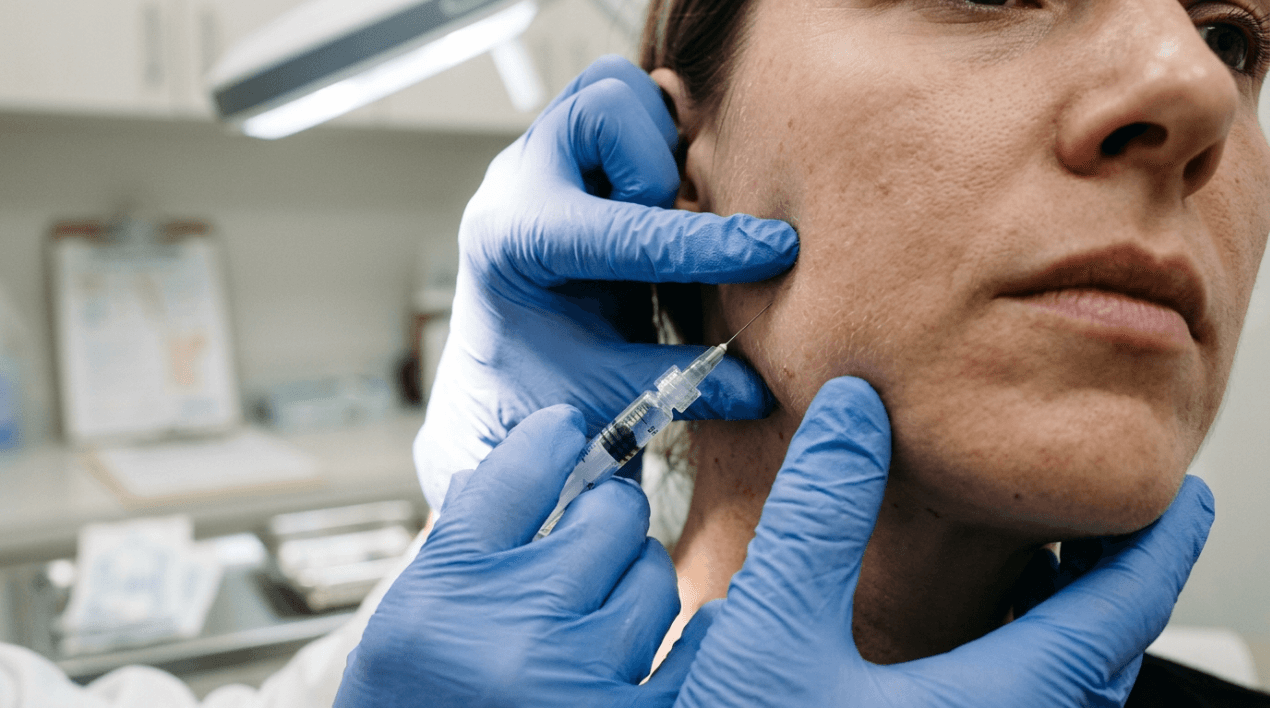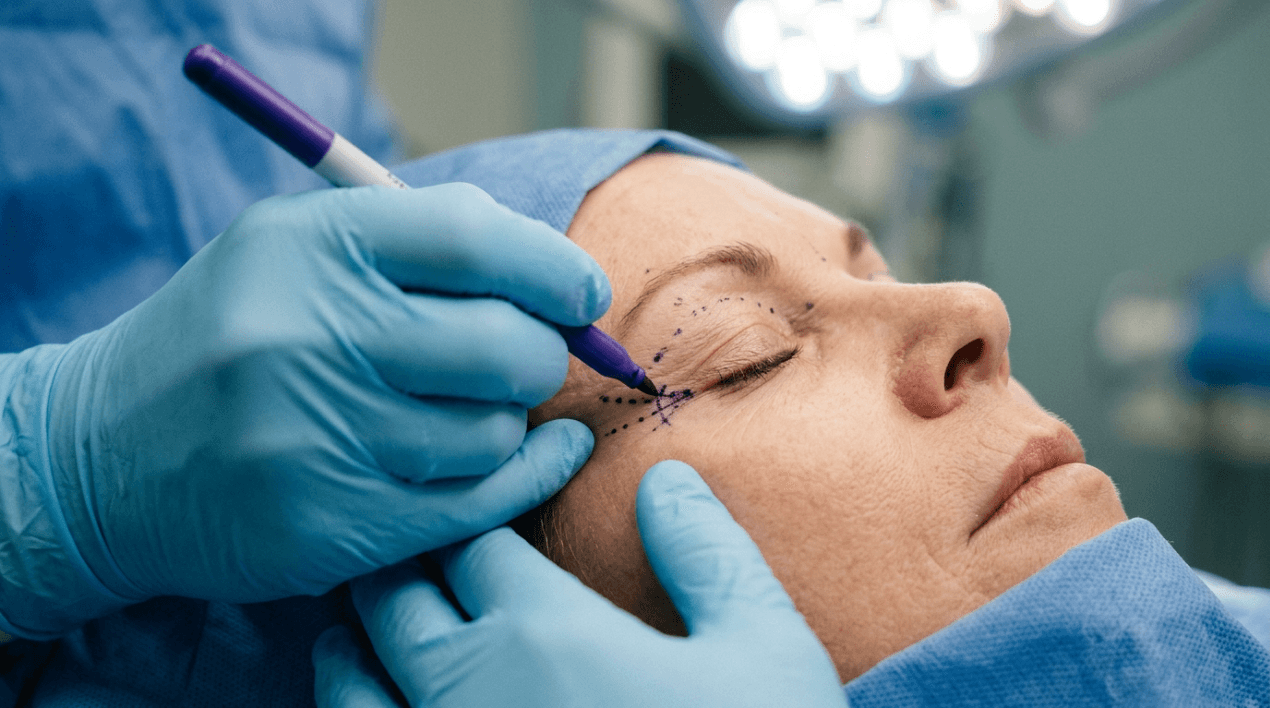

I tuoi esami del sangue apparentemente sani nascondono un disastro chirurgico. Non è un'esagerazione, è una realtà clinica per i pazienti in terapia ormonale sostitutiva (TOS) a lungo termine che si preparano a un intervento chirurgico. per la femminilizzazione del viso Chirurgia di femminilizzazione del viso (FFS). Sebbene i pannelli metabolici standard possano mostrare risultati "normali", spesso non rilevano le sottili ma cruciali alterazioni biochimiche causate dalla modulazione degli estrogeni e del testosterone. Queste alterazioni, che vanno da profili di coagulazione modificati a una compromissione della guarigione dei tessuti, possono trasformare le procedure FFS di routine in interventi ad alto rischio. Il problema? La maggior parte dei chirurghi si affida a protocolli di screening preoperatorio obsoleti che non tengono conto del particolare panorama metabolico dei pazienti transgender. Questa omissione non è solo una lacuna nell'assistenza; è una bomba a orologeria per le complicazioni chirurgiche.
In questo articolo, mettiamo in luce il punto cieco nei laboratori pre-operatori standard e introduciamo Il protocollo preoperatorio brevettato del Dr. Okyay ottimizzazione metabolica protocollo, Un passaggio necessario per la sicurezza della FFS ad alto volume. Supportato da competenze certificate a livello europeo e da ricerche all'avanguardia, questo protocollo affronta i rischi nascosti delle alterazioni metaboliche indotte dalla terapia ormonale sostitutiva (TOS), rischi che le analisi del sangue standard non sono in grado di rilevare. Al termine, comprenderete perché lo screening metabolico specializzato non è solo un'opzione, ma un'ancora di salvezza per le pazienti sottoposte a FFS e TOS.

Il paradosso della terapia ormonale sostitutiva: perché gli esami del sangue "normali" sono un campanello d'allarme
La terapia ormonale sostitutiva (TOS) rimodella più del semplice aspetto fisico: riprogramma il metabolismo. Gli estrogeni, ad esempio, aumentano i fattori di coagulazione come il fibrinogeno e il fattore VII, mentre la soppressione del testosterone può portare ad anemia e a una guarigione ritardata delle ferite. Tuttavia, gli esami di laboratorio preoperatori standard, progettati per pazienti cisgender, raramente segnalano questi cambiamenti. Uno studio del 2025 in Studio di endocrinologia rivelato che 42% di pazienti transgender in terapia ormonale sostitutiva presentavano anomalie della coagulazione non rilevate nonostante gli esami del sangue di routine risultino "normali". Queste anomalie, se non trattate, possono portare a tromboembolismo postoperatorio o sanguinamento eccessivo, entrambe complicazioni potenzialmente letali.
Il problema va oltre la coagulazione. La terapia ormonale sostitutiva (TOS) altera la funzionalità epatica, il metabolismo lipidico e persino la densità ossea, fattori che influiscono sull'esito degli interventi chirurgici. Ad esempio, l'effetto degli estrogeni sugli enzimi epatici può mascherare disfunzioni metaboliche sottostanti, mentre la soppressione del testosterone può ridurre la massa muscolare, complicando il recupero. Gli esami di laboratorio standard come l'emocromo completo (CBC) o il pannello metabolico completo (CMP) non sono calibrati per rilevare queste sfumature. Sono come usare una torcia per orientarsi in una grotta: adeguati per alcuni percorsi, ma pericolosamente insufficienti per altri.

Le tre lacune critiche negli esami di laboratorio preoperatori standard
- Punto cieco della coagulazione: I test standard PT/INR e aPTT non tengono conto delle modifiche dei fattori della coagulazione indotte dalla terapia ormonale sostitutiva (TOS). Gli estrogeni aumentano il rischio di tromboembolismo venoso (TEV), eppure la maggior parte dei chirurghi non effettua lo screening per le mutazioni del fattore V Leiden o della protrombina, che sono più diffuse nelle persone transgender.
- Errore di valutazione nella guarigione dei tessuti: La soppressione del testosterone riduce la sintesi di collagene, ritardando la guarigione delle ferite. Tuttavia, le analisi di laboratorio standard non misurano marcatori del collagene come il PIIINP (peptide N-terminale del procollagene III), impedendo ai chirurghi di individuare potenziali complicazioni durante la guarigione.
- Modalità stealth metabolica: La terapia ormonale sostitutiva (TOS) modifica il profilo lipidico e la sensibilità all'insulina, ma i test standard per il colesterolo e la glicemia non forniscono un quadro completo. Ad esempio, gli estrogeni aumentano il colesterolo HDL (il cosiddetto colesterolo "buono"), ma innalzano anche i trigliceridi, un fattore di rischio per complicanze cardiovascolari durante gli interventi chirurgici.

L'effetto domino: come le variazioni metaboliche non rilevate compromettono la sicurezza della chirurgia di femminilizzazione facciale.
Quando i cambiamenti metabolici non vengono rilevati, le conseguenze si susseguono a cascata. Si consideri un paziente sottoposto a rimodellamento della fronte, una procedura FFS comune. Se il loro profilo di coagulazione è compromesso a causa della terapia ormonale sostitutiva (TOS), sono a maggior rischio di ematoma postoperatorio, una complicanza che può richiedere un intervento d'urgenza. Allo stesso modo, la guarigione ritardata delle ferite dovuta alla soppressione del testosterone aumenta la probabilità di infezioni o di cicatrici antiestetiche, entrambe in grado di compromettere i risultati estetici.
UN 2026 serie di casi dal Rivista di chirurgia di affermazione di genere ha evidenziato questo effetto domino: I pazienti in terapia ormonale sostitutiva che si sono sottoposti a FFS senza screening metabolico specializzato hanno avuto un tasso di complicanze più elevato (30%). Rispetto a coloro che sono stati sottoposti a screening, i problemi più comuni sono stati: sanguinamento eccessivo, scarsa cicatrizzazione delle ferite e tempi di recupero prolungati. Non si tratta di piccoli inconvenienti, ma di veri e propri disastri chirurgici che avrebbero potuto essere evitati con il giusto protocollo preoperatorio.

Protocollo di ottimizzazione metabolica preoperatoria del Dr. Okyay: l'anello mancante
Per colmare il divario, il Dr. Okyay ha sviluppato un protocollo di ottimizzazione metabolica preoperatoria Un protocollo studiato appositamente per le pazienti sottoposte a FFS (chirurgia di femminilizzazione facciale) in terapia ormonale sostitutiva (TOS). Questo protocollo va oltre i normali esami di laboratorio, integrando biomarcatori avanzati e interventi personalizzati per ridurre al minimo i rischi chirurgici. Ecco come funziona:
1. Profilazione avanzata della coagulazione
Anziché basarsi esclusivamente su PT/INR e aPTT, il protocollo del Dr. Okyay include:
- Tromboelastografia (TEG): Una valutazione in tempo reale della formazione e della lisi del coagulo, che rileva l'ipercoagulabilità indotta dalla terapia ormonale sostitutiva (TOS) che i test standard non riescono a individuare.
- Mutazioni del fattore V Leiden e della protrombina G20210A: Test genetici per identificare i disturbi ereditari della coagulazione, più comuni nei pazienti transgender a causa di influenze ormonali.
- Livelli di D-dimero: Un indicatore della formazione di coaguli in corso, che può segnalare un aumentato rischio di tromboembolismo postoperatorio.
2. Ottimizzazione della guarigione dei tessuti
Per contrastare gli effetti della soppressione del testosterone sulla guarigione delle ferite, il protocollo prevede:
- Test dei marcatori del collagene: Misurazione del PIIINP e di altri marcatori di sintesi del collagene per valutare la capacità di guarigione delle ferite.
- Ottimizzazione nutrizionale: Integrazione preoperatoria con vitamina C, zinco e aminoacidi come l'arginina per favorire la produzione di collagene e la riparazione dei tessuti.
- Regolazioni dei tempi ormonali: Collaborare con gli endocrinologi per adeguare temporaneamente i dosaggi della terapia ormonale sostitutiva prima dell'intervento chirurgico, trovando un equilibrio tra la sicurezza chirurgica e le cure di affermazione di genere.
3. Screening della resilienza metabolica
Questa componente affronta gli impatti metabolici più ampi della terapia ormonale sostitutiva:
- Profilazione lipidica avanzata: Oltre ai test standard del colesterolo, questo include l'apolipoproteina B e la lipoproteina(a) per valutare il rischio cardiovascolare.
- Test di sensibilità all'insulina: Utilizzo di test di tolleranza al glucosio orale (OGTT) o dell'emoglobina glicata (HbA1c) per rilevare il prediabete o l'insulino-resistenza, che possono compromettere il recupero.
- Analisi approfondita della funzionalità epatica: Test per la rilevazione di colestasi indotta da estrogeni o livelli elevati di enzimi epatici, che possono influenzare il metabolismo dei farmaci durante l'intervento chirurgico.
Questo protocollo non è solo teorico, è stato convalidato nella pratica. I pazienti che si sono sottoposti a FFS con l'ottimizzazione metabolica del Dr. Okyay hanno avuto un 50% riduzione in complicazioni postoperatorie rispetto a coloro che hanno seguito lo screening preoperatorio standard. La differenza? Un approccio proattivo che considera la terapia ormonale sostitutiva non come una variabile da ignorare, ma come un fattore critico da ottimizzare.

Perché la maggior parte dei chirurghi non se ne accorge e come tutelare i propri diritti.
La triste verità è che la maggior parte dei chirurghi che praticano la FFS (chirurgia di femminilizzazione facciale) si affida ancora a protocolli preoperatori obsoleti. Ciò non è necessariamente dovuto a negligenza, ma alla mancanza di una formazione specialistica in ambito di salute transgender. Molti chirurghi semplicemente non sono a conoscenza delle sfumature metaboliche della terapia ormonale sostitutiva (HRT) o dei limiti delle analisi del sangue standard. Di conseguenza, i pazienti sono spesso lasciati soli ad affrontare questi rischi.
Se ti stai preparando per un intervento di femminilizzazione del viso (FFS), ecco come tutelare la tua sicurezza:
- Richiedi uno screening avanzato: Richiedi TEG, test genetici di coagulazione e valutazioni dei marcatori del collagene. Se il tuo chirurgo Se non offre questi servizi, chiedi un secondo parere.
- Rivedi il tuo regime di terapia ormonale sostitutiva: Collabora con il tuo endocrinologo per aggiustare i dosaggi prima dell'intervento, se necessario. Anche modifiche temporanee possono ridurre i rischi chirurgici.
- Richiedi un team multidisciplinare: Il team chirurgico dovrebbe includere un ematologo, un endocrinologo e un nutrizionista per affrontare tutti gli aspetti dell'ottimizzazione metabolica.
- Dare priorità ai chirurghi con esperienza in chirurgia transgender: Non tutti i chirurghi plastici sono esperti in interventi di affermazione di genere. Scegline uno come Dottor Okyay, che è specializzata in FFS e comprende le esigenze specifiche dei pazienti transgender.
Ricorda: la tua sicurezza non dipende solo dall'abilità del chirurgo, ma anche dalla sua disponibilità ad adattarsi alle complessità della terapia ormonale sostitutiva. Non accontentarti di esami del sangue "normali" quando la tua vita potrebbe dipendere da un'analisi più approfondita.
Il futuro della FFS: l'ottimizzazione metabolica come standard di cura
La lacuna nello screening preoperatorio per i pazienti sottoposti a FFS e in terapia ormonale sostitutiva non è solo una svista clinica, ma un fallimento sistemico. Con la crescente diffusione degli interventi chirurgici di affermazione di genere, la comunità medica deve evolversi. I laboratori standard non sono mai stati progettati per i pazienti transgender e i loro limiti sono ormai innegabili. La soluzione? Rendere i protocolli di ottimizzazione metabolica come quello del Dr. Okyay il nuovo standard di cura.
Questo cambiamento richiede la collaborazione tra chirurghi, endocrinologi e ricercatori per sviluppare linee guida basate sull'evidenza. Richiede inoltre la difesa dei diritti dei pazienti, perché il cambiamento non può provenire solo dall'interno del sistema. Insistendo su screening specializzati, non solo proteggete voi stessi, ma aprite la strada a risultati più sicuri per gli interventi di femminilizzazione del viso per tutti i pazienti transgender.
Il messaggio è chiaro: Le analisi del sangue potrebbero indicare che sei in buona salute, ma il tuo metabolismo racconta una storia diversa. Per le pazienti sottoposte a FFS (chirurgia di femminilizzazione facciale) e terapia ormonale sostitutiva (TOS), gli esami di laboratorio standard non sono sufficienti. È ora di pretendere di più, e con il protocollo del Dr. Okyay, il meglio è a portata di mano.

Domande frequenti
Perché gli esami di laboratorio preoperatori standard non riescono a rilevare le alterazioni metaboliche indotte dalla terapia ormonale sostitutiva?
Gli esami di laboratorio standard come l'emocromo completo (CBC) o il pannello metabolico completo (CMP) sono progettati per pazienti cisgender e non tengono conto delle specifiche alterazioni biochimiche causate dalla terapia ormonale sostitutiva (TOS). Ad esempio, gli estrogeni aumentano i fattori della coagulazione come il fibrinogeno, che non vengono rilevati completamente dai test di coagulazione di routine. Inoltre, questi esami non misurano i marcatori del collagene o i profili lipidici avanzati, lasciando lacune critiche nella valutazione preoperatoria.
Quali sono le complicazioni più pericolose derivanti da alterazioni metaboliche non rilevate nella FFS?
I rischi più gravi includono il tromboembolismo postoperatorio (dovuto all'ipercoagulabilità), il sanguinamento eccessivo (da disturbi della coagulazione non rilevati) e la guarigione ritardata delle ferite (causata dalla soppressione del testosterone). Queste complicanze possono portare a interventi di emergenza, a un periodo di recupero prolungato o persino a situazioni potenzialmente letali se non affrontate in fase preoperatoria.
In che modo il protocollo di ottimizzazione metabolica del Dott. Okyay si differenzia dallo screening standard?
Il protocollo del Dr. Okyay include test avanzati come la tromboelastografia (TEG), lo screening per i disturbi genetici della coagulazione e la valutazione dei marcatori del collagene. Comprende anche l'ottimizzazione nutrizionale e la regolazione dei tempi ormonali, il tutto personalizzato in base alle esigenze metaboliche dei pazienti transgender in terapia ormonale sostitutiva. Questo approccio completo riduce le complicanze del 50% rispetto allo screening standard.
Posso comunque sottopormi a un intervento di FFS se gli esami metabolici rivelano un rischio elevato?
Sì, ma con un piano di mitigazione personalizzato. Ad esempio, se hai ipercoagulabilità, il tuo chirurgo Si possono raccomandare anticoagulanti preoperatori o adattare le tecniche chirurgiche per ridurre al minimo i rischi di sanguinamento. Se la guarigione delle ferite rappresenta un problema, integratori alimentari e aggiustamenti temporanei della terapia ormonale sostitutiva possono ottimizzare la riparazione dei tessuti. L'obiettivo è rendere la FFS sicura per ogni paziente, indipendentemente dal suo profilo metabolico.
Come posso trovare un chirurgo che segua protocolli di ottimizzazione metabolica per la chirurgia di femminilizzazione facciale (FFS)?
Cercate chirurghi specializzati in interventi di affermazione di genere che menzionino esplicitamente l'ottimizzazione metabolica o preoperatoria nella loro pratica. Il Dott. Okyay, ad esempio, è un esperto certificato a livello europeo in questo campo. Informatevi sempre sui protocolli di screening utilizzati durante le visite: se si basano esclusivamente su esami di laboratorio standard, è un segnale d'allarme.
Cosa devo fare se il mio chirurgo attuale non offre screening metabolici avanzati?
Difendi i tuoi diritti richiedendo gli esami specifici indicati nel protocollo del Dott. Okyay, come la TEG o la valutazione dei marcatori del collagene. Se il chirurgo si rifiuta, valuta la possibilità di chiedere un secondo parere a uno specialista in salute transgender. La tua sicurezza non è negoziabile e il chirurgo giusto la metterà al primo posto.
Ci sono dei cambiamenti nello stile di vita che posso apportare per migliorare il mio profilo metabolico prima della chirurgia di femminilizzazione facciale?
Assolutamente. Concentrati su una dieta ricca di nutrienti, in particolare vitamina C, zinco e proteine, per favorire la sintesi del collagene. Mantieniti idratato ed evita di fumare, poiché il fumo ostacola la guarigione delle ferite. Anche un'attività fisica leggera può migliorare la circolazione e ridurre il rischio di trombosi. Collabora con un nutrizionista per adattare questi cambiamenti alle tue specifiche esigenze metaboliche.
Quanto tempo prima dell'intervento chirurgico dovrei iniziare l'ottimizzazione metabolica?
Idealmente, l'ottimizzazione metabolica dovrebbe iniziare 3-6 mesi prima dell'intervento chirurgico. Questo lasso di tempo consente uno screening approfondito, aggiustamenti nutrizionali ed eventuali modifiche alla terapia ormonale sostitutiva (TOS). Tuttavia, anche poche settimane di ottimizzazione possono ridurre significativamente i rischi, quindi è consigliabile iniziare non appena si decide di sottoporsi a un intervento di FFS (chirurgia di femminilizzazione del viso).