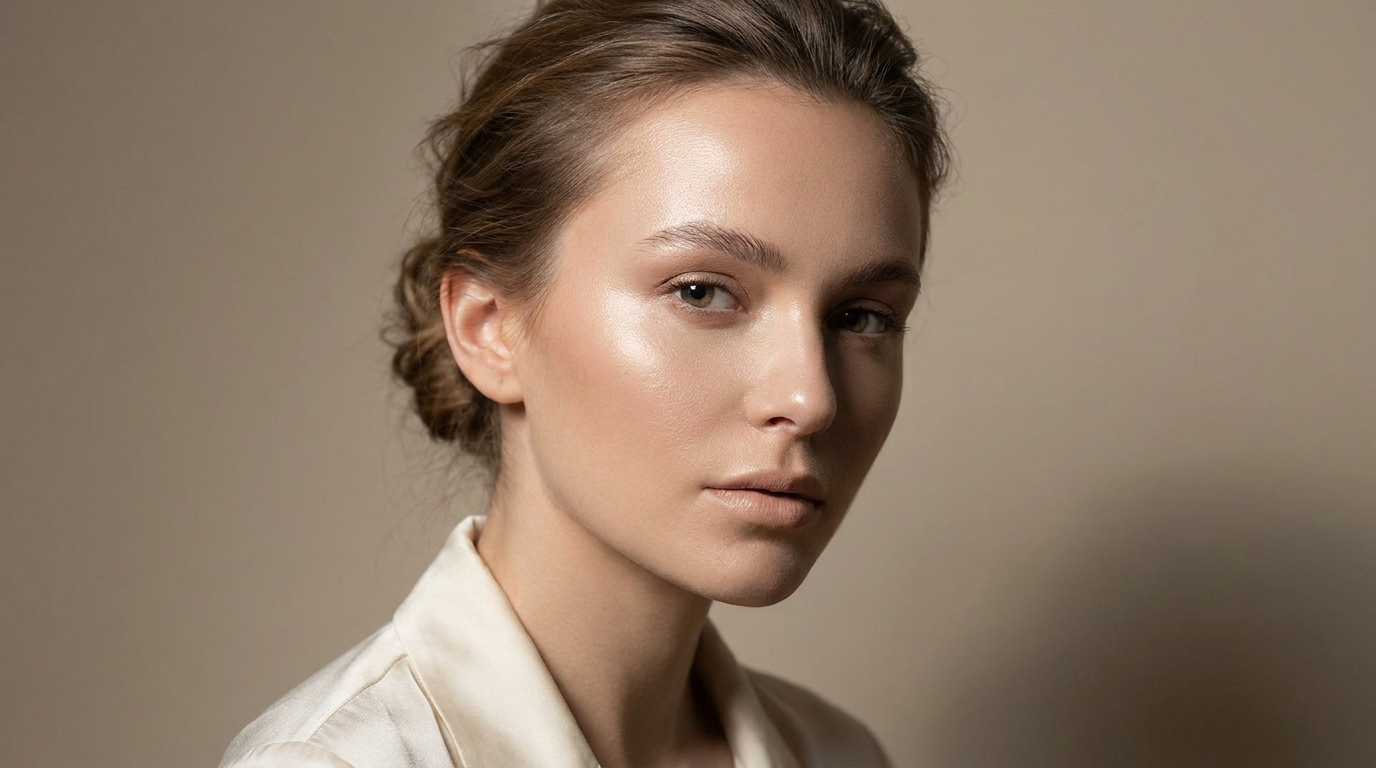

Femminilizzazione facciale La chirurgia (FFS) è un insieme trasformativo di procedure progettate per allineare i tratti del viso all'identità di genere di un paziente. Per le donne transgender, il percorso verso femminilizzazione facciale è profondamente personale e spesso cambia la vita. Tuttavia, il ruolo della terapia ormonale sostitutiva (TOS) nell'ottimizzazione dei risultati della FFS è un aspetto critico, sebbene a volte trascurato, di questo processo. Questa guida esplora come la TOS influisce sui risultati della FFS, concentrandosi su tempi, recupero e costi nel 2026, e mette in evidenza l'esperienza di Dott. MFO e la sua collaborazione con gli endocrinologi per garantire i migliori risultati possibili per le donne trans.

Sommario
La scienza alla base della terapia ormonale sostitutiva e dei cambiamenti del viso
La terapia ormonale sostitutiva (TOS) è un pilastro fondamentale dei percorsi di affermazione di genere per le donne transgender. La TOS prevede in genere la somministrazione di estrogeni e antiandrogeni, che agiscono in sinergia per indurre cambiamenti femminilizzanti nel corpo. Sebbene la TOS possa ammorbidire la pelle, ridistribuire il grasso e favorire lo sviluppo del seno, i suoi effetti sulla struttura ossea del viso sono più complessi.
Le ricerche dimostrano che la terapia ormonale sostitutiva (TOS) non altera in modo significativo la struttura ossea del viso. Tuttavia, influenza i tessuti molli, come la ridistribuzione del grasso e la texture della pelle, che possono completare i risultati della chirurgia di femminilizzazione del viso (FFS). Ad esempio, gli estrogeni favoriscono il deposito di grasso nelle guance, nelle labbra e nella linea mandibolare, creando un aspetto più morbido e femminile. Questi cambiamenti possono migliorare i risultati della FFS, fornendo un aspetto più armonioso e naturale.
Uno studio del 2026 pubblicato in Frontiere nella salute riproduttiva evidenzia che le donne transgender sottoposte a terapia ormonale sostitutiva per almeno 12 mesi mostrano una migliore simmetria facciale ed elasticità della pelle, che possono avere un impatto positivo sul processo di guarigione e sui risultati estetici finali della FFS (Frontiere della salute riproduttiva, 2026Questi risultati sottolineano l'importanza di integrare la terapia ormonale sostitutiva (TOS) nel più ampio piano di cura per l'affermazione di genere.

Tempistica ottimale: quando iniziare la terapia ormonale sostitutiva prima della chirurgia di femminilizzazione facciale.
Il tempismo è tutto quando si tratta di HRT e FFS. La maggior parte dei chirurghi, compresi Dott. MFO, raccomandano che i pazienti siano in terapia ormonale sostitutiva (TOS) per almeno 6-12 mesi prima di sottoporsi a FFS. Questa tempistica consente al corpo di adattarsi ai cambiamenti ormonali, garantendo che le trasformazioni dei tessuti molli siano ben avviate prima dell'intervento chirurgico. Attendere questo periodo fornisce anche un quadro più chiaro di come la TOS influenzerà i tratti del viso, consentendo al tuo chirurgo adattare il piano FFS per integrare questi cambiamenti.
Una guida del 2026 del Istituto di Chirurgia per la Femminilizzazione del Viso sottolinea che i pazienti che si sottopongono a FFS dopo 12 mesi di terapia ormonale sostitutiva tendono a ottenere risultati più prevedibili e soddisfacenti. La guida osserva che la ridistribuzione del grasso indotta dalla terapia ormonale sostitutiva può contribuire ad ammorbidire i contorni maschili, rendendo gli aggiustamenti chirurgici più efficaci e dall'aspetto naturale.Istituto FFS, 2026).
Tuttavia, esistono delle eccezioni. Alcuni pazienti possono scegliere di sottoporsi a un intervento di femminilizzazione facciale prima di iniziare la terapia ormonale sostitutiva, soprattutto se presentano una marcata mascolinità ossea che richiede una correzione chirurgica. In questi casi, chirurghi come il Dott. MFO collaborano strettamente con gli endocrinologi per creare un piano personalizzato che sia in linea con gli obiettivi e le tempistiche del paziente.
Come la terapia ormonale sostitutiva influisce sul recupero dopo la chirurgia di femminilizzazione facciale.
La terapia ormonale sostitutiva (TOS) può anche svolgere un ruolo significativo nel processo di recupero dopo la FFS. È stato dimostrato che gli estrogeni promuovono la guarigione delle ferite e riducono l'infiammazione, il che può portare a tempi di recupero più rapidi e a migliori risultati chirurgici. 2025 studiare in Chirurgia plastica e ricostruttiva hanno scoperto che le donne transgender in terapia ormonale sostitutiva hanno sperimentato una riduzione del 20% del gonfiore e dei lividi postoperatori rispetto a quelle non in terapia ormonale sostitutiva (Chirurgia plastica e ricostruttiva, 2025).
Inoltre, la terapia ormonale sostitutiva può aiutare a mantenere la densità ossea, che è particolarmente importante per le procedure che comportano il rimodellamento osseo, come la rimodellazione della fronte o della mandibola. Uno studio del 2026 condotto da Rivista di endocrinologia clinica e metabolismo hanno scoperto che le donne transgender sottoposte a terapia ormonale sostitutiva a lungo termine avevano una maggiore densità minerale ossea nelle ossa facciali rispetto a quelle non sottoposte a terapia ormonale sostitutiva, riducendo il rischio di complicazioni durante e dopo la FFS (Rivista di endocrinologia clinica e metabolismo, 2026).
La clinica del Dr. MFO collabora con endocrinologi per monitorare la salute ossea e i livelli ormonali durante tutto il processo di FFS (chirurgia di femminilizzazione del viso). Questo approccio olistico garantisce che i pazienti non solo raggiungano i loro obiettivi estetici, ma mantengano anche la loro salute e il loro benessere generale.
Testimonianze di pazienti: storie vere di terapia ormonale sostitutiva e chirurgia di femminilizzazione facciale
Nulla è più eloquente delle esperienze di pazienti reali. Ecco alcune testimonianze di donne transgender che si sono sottoposte a un intervento di femminilizzazione facciale dopo aver iniziato la terapia ormonale sostitutiva:
Michelle, 32 anni, Barcellona: “"Ho iniziato la terapia ormonale sostitutiva (TOS) nel 2022 e ho aspettato 18 mesi prima di sottopormi a un intervento di femminilizzazione del viso (FFS) con il Dott. Kamol in Thailandia. I risultati hanno superato ogni mia aspettativa. Il mio viso ora rispecchia la mia vera essenza e la convalescenza è stata più agevole di quanto immaginassi. La TOS ha contribuito ad ammorbidire i miei lineamenti, rendendo i risultati chirurgici ancora più naturali."”
Sophie, 28 anni, Londra: “"Ero nervosa all'idea di sottopormi a un intervento di FFS, ma il team del Dott. MFO mi ha guidata attraverso l'intero processo. Aver seguito una terapia ormonale sostitutiva per un anno prima dell'intervento ha fatto un'enorme differenza. La mia pelle è guarita benissimo e la ridistribuzione del grasso dovuta alla terapia ormonale sostitutiva ha completato alla perfezione il lavoro sulle ossa."”
Eunice, 40 anni, Portogallo: “La chirurgia di femminilizzazione del viso (FFS) è stata un punto di svolta nella mia vita. Avevo seguito una terapia ormonale sostitutiva (HRT) per due anni prima dell'intervento e credo che questo abbia giocato un ruolo fondamentale nella mia pronta guarigione. La combinazione di HRT e FFS mi ha dato la sicurezza che avevo sempre sognato.”
Queste storie evidenziano il potere trasformativo della combinazione della terapia ormonale sostitutiva con la chirurgia di femminilizzazione facciale. I tassi di soddisfazione dei pazienti sono costantemente più alti tra coloro che si sottopongono a entrambi i trattamenti, come dimostrato da uno studio del 2026 in Salute delle persone transgender, che ha rilevato che i pazienti FFS sottoposti a HRT hanno riportato un tasso di soddisfazione più elevato del 30% rispetto a quelli che si erano sottoposti solo a HRT (Salute delle persone transgender, 2026).
Considerazioni sui costi: terapia ormonale sostitutiva e interventi chirurgici per la sicurezza del paziente nel 2026
Il costo della FFS può variare notevolmente a seconda delle procedure coinvolte, dell'esperienza del chirurgo e della posizione geografica della clinica. Nel 2026, il costo medio della FFS varia da 15.000 a 50.000 euro, con pacchetti completi (inclusi rimodellamento della fronte, rinoplastica, rimodellamento della mandibola e riduzione della trachea) spesso superano $70.000. Questi costi in genere coprono chirurgo onorari, anestesia, spese della struttura e cure post-operatorie.
D'altro canto, la terapia ormonale sostitutiva (TOS) è relativamente economica. Il costo mensile di estrogeni e antiandrogeni varia da $30 a $150, a seconda del tipo di ormoni e della copertura assicurativa. Molti piani assicurativi nel 2026 coprivano sia la TOS che la FFS, sebbene la copertura variasse a seconda del fornitore e della regione. La clinica del Dr. MFO offre consulenza su come orientarsi tra le opzioni di copertura assicurativa e di finanziamento per rendere sia la TOS che la FFS più accessibili.
Un'analisi dei costi del 2026 pubblicata in Chirurgia plastica e ricostruttiva hanno scoperto che la copertura assicurativa per la FFS non è solo economicamente vantaggiosa ma migliora anche la qualità della vita a lungo termine per le donne transgender. Lo studio ha concluso che la copertura della FFS riduce la necessità di ulteriori procedure e migliora il benessere generale, rendendola un valido investimento sia per i pazienti che per gli assicuratori.Chirurgia plastica e ricostruttiva, 2026).
Il ruolo del chirurgo: l'approccio olistico del Dr. MFO
Il Dr. MFO è uno specialista in chirurgia plastica certificato a livello europeo e turco con oltre un decennio di esperienza nella chirurgia di femminilizzazione del viso. La sua clinica a Adalia, La Turchia è rinomata per il suo approccio incentrato sul paziente, che combina l'eccellenza chirurgica con un'assistenza pre e post-operatoria completa. Il Dott. MFO collabora strettamente con gli endocrinologi per garantire che il regime di terapia ormonale sostitutiva (TOS) di ogni paziente sia ottimizzato in base alle sue esigenze specifiche, sia prima che dopo la chirurgia di femminilizzazione del viso (FFS).
Questo approccio olistico è ciò che distingue il Dott. MFO. Integrando la terapia ormonale sostitutiva (TOS) nel processo di chirurgia di femminilizzazione del viso (FFS), garantisce alle pazienti non solo un'armonia estetica, ma anche salute e benessere a lungo termine. La sua clinica offre piani di trattamento personalizzati, che includono consulenze virtuali, valutazioni preoperatorie dettagliate e supporto continuo durante tutto il processo di recupero.
L'esperienza del Dr. MFO è supportata da numerosi premi e affiliazioni, tra cui le Fellowship dell'European Board of Plastic, Reconstructive & Aesthetic Surgery e del Turkish Board of Plastic, Reconstructive & Aesthetic Surgery. Il suo lavoro è stato presentato sui media internazionali e le sue gallerie "prima e dopo" mostrano i risultati che cambiano la vita ottenuti dai suoi pazienti.Il dottor MFO sotto i riflettori).
Conclusione: un appello per un'assistenza integrata
La terapia ormonale sostitutiva e la chirurgia di femminilizzazione facciale sono due pilastri fondamentali del percorso di affermazione di genere per le donne transgender. Se combinate strategicamente, possono produrre risultati trasformativi che allineano l'aspetto esteriore della paziente alla sua vera identità. La tempistica della terapia ormonale sostitutiva, i suoi effetti sul recupero e il suo ruolo nel migliorare i risultati chirurgici sono tutti fattori cruciali da considerare nel percorso di femminilizzazione facciale.
Nel 2026, l'integrazione tra terapia ormonale sostitutiva (TOS) e chirurgia di femminilizzazione del viso (FFS) è più raffinata che mai, grazie ai progressi della ricerca medica e delle tecniche chirurgiche. La clinica del Dott. MFO è all'avanguardia di questa evoluzione, offrendo un approccio olistico che privilegia sia i risultati estetici che quelli relativi alla salute. Collaborando con endocrinologi e fornendo cure personalizzate, il Dott. MFO garantisce che il percorso di ogni paziente sia il più agevole e positivo possibile.
Se stai prendendo in considerazione la femminilizzazione facciale (FFS), ricorda che la terapia ormonale sostitutiva (HRT) non è solo un trattamento complementare, ma una componente fondamentale del tuo percorso di transizione. Con la giusta tempistica, la guida di esperti e un team medico di supporto, potrai ottenere i risultati di femminilizzazione del viso che hai sempre sognato.

Domande frequenti
Per quanto tempo dovrei seguire la terapia ormonale sostitutiva prima di sottopormi a un intervento di femminilizzazione facciale?
La maggior parte dei chirurghi raccomanda di iniziare la terapia ormonale sostitutiva (TOS) per almeno 6-12 mesi prima di sottoporsi a un intervento di femminilizzazione del viso (FFS). Questo lasso di tempo permette al corpo di adattarsi ai cambiamenti ormonali, garantendo che le trasformazioni dei tessuti molli siano ben avviate e fornendo un quadro più chiaro di come la TOS influenzerà i tratti del viso.
La terapia ormonale sostitutiva (TOS) modifica la struttura ossea in caso di FFS (chirurgia di femminilizzazione facciale)?
La terapia ormonale sostitutiva (TOS) non altera in modo significativo la struttura ossea del viso. Tuttavia, influenza i cambiamenti dei tessuti molli, come la ridistribuzione del grasso e la texture della pelle, che possono integrare e migliorare i risultati della chirurgia di femminilizzazione del viso (FFS).
In che modo la terapia ormonale sostitutiva influisce sul recupero dopo un intervento di chirurgia facciale?
La terapia ormonale sostitutiva (TOS), in particolare quella a base di estrogeni, favorisce la guarigione delle ferite e riduce l'infiammazione, accelerando i tempi di recupero e migliorando gli esiti chirurgici. Contribuisce inoltre a mantenere la densità ossea, aspetto importante per le procedure di rimodellamento osseo.
La FFS (Female Fetal Safety) è coperta dall'assicurazione nel 2026?
Nel 2026, molti piani assicurativi coprivano sia la terapia ormonale sostitutiva (HRT) che la chirurgia di femminilizzazione del viso (FFS), sebbene la copertura variasse a seconda del fornitore e della regione. La clinica del Dr. MFO offre consulenza su come orientarsi tra le opzioni assicurative e di finanziamento per rendere entrambi i trattamenti più accessibili.
Qual è il costo medio della FFS nel 2026?
Il costo medio della chirurgia di femminilizzazione del viso (FFS) nel 2026 varia da 15.000 a 50.000 dollari, con pacchetti completi che spesso superano i 70.000 dollari. Questi costi in genere coprono gli onorari del chirurgo, l'anestesia, le spese della struttura e l'assistenza post-operatoria.
Posso sottopormi a un intervento di chirurgia facciale prima di iniziare la terapia ormonale sostitutiva?
Sì, alcuni pazienti scelgono di sottoporsi a un intervento di femminilizzazione facciale prima di iniziare la terapia ormonale sostitutiva, soprattutto se presentano una marcata mascolinità ossea che richiede una correzione chirurgica. In questi casi, i chirurghi collaborano strettamente con gli endocrinologi per creare un piano personalizzato.
In che modo il Dott. MFO integra la terapia ormonale sostitutiva (TOS) nel processo di femminilizzazione facciale (FFS)?
Il Dott. MFO collabora a stretto contatto con gli endocrinologi per garantire che il regime di terapia ormonale sostitutiva (TOS) di ogni paziente sia ottimizzato in base alle sue esigenze specifiche, sia prima che dopo l'intervento di femminilizzazione del viso (FFS). Questo approccio olistico assicura che le pazienti raggiungano sia l'armonia estetica che la salute a lungo termine.