

La ricerca dell'equilibrio anatomico è un fattore fondamentale nella medicina estetica. Sebbene l'ingrandimento del pene abbia suscitato notevole attenzione, un aspetto distintivo e spesso trascurato dell'estetica genitale maschile è la proporzione tra il pene e il glande (la testa del pene). Dimensioni sproporzionate – in cui il glande appare significativamente più piccolo del pene – possono portare a insoddisfazione estetica e disagio psicologico. Questo ha dato origine a una procedura specializzata nota come aumento del glande. Lungi dall'essere una curiosità di nicchia, questa procedura rappresenta una convergenza tra tecnologia avanzata di filler e iniezione anatomica precisa.
Comprendere la meccanica dell'aumento del glande richiede un allontanamento dai paradigmi chirurgici tradizionali. A differenza dell'allungamento del pene, che spesso comporta il taglio dei legamenti o l'innesto di tessuto, l'aumento del glande viene spesso eseguito come procedura mininvasiva. Interviene sullo strato intradermico del glande, un'area altamente vascolarizzata e sensibile, che richiede una conoscenza approfondita dei piani tissutali. L'obiettivo non è semplicemente aumentare il volume, ma scolpire il contorno del glande in modo che corrisponda all'integrità strutturale del pene, garantendo che il risultato finale sia visivamente proporzionato e funzionalmente intatto.
L'aumento del glande è una procedura medica estetica studiata per aumentare le dimensioni e la circonferenza del glande, la punta del pene.
— Approfondimenti sulla biologia

Sommario
L'anatomia del glande e la logica dell'aumento
Per comprendere l'esecuzione tecnica dell'aumento del glande, è necessario innanzitutto comprendere l'istologia unica del glande. È composto dal corpo spugnoso, un tessuto erettile spugnoso che circonda l'uretra e si espande all'estremità distale per formare il glande. A differenza del corpo cavernoso (che forma il pene), il corpo spugnoso rimane flessibile durante l'erezione per prevenire la compressione uretrale. La pelle del glande è sottile, non pelosa e ricca di terminazioni nervose sensoriali, il che la rende diversa dalla pelle del pene.
La motivazione principale per cui si richiede un aumento del glande è la proporzionalità estetica. In molti casi, i pazienti che hanno subito un aumento della circonferenza del pene (tramite innesto di grasso o filler) riscontrano che il glande appare visivamente rimpicciolito al confronto. Questo effetto "caramella su uno stecco" può essere esteticamente sgradevole. Inoltre, alcuni pazienti ricercano l'aumento per migliorare la sensibilità. La teoria ipotizza che l'aumento della superficie e del volume del glande possa distribuire la pressione in modo diverso durante il rapporto, alterando potenzialmente l'esperienza sensoriale. Tuttavia, l'indicazione clinica primaria rimane la correzione dello squilibrio anatomico.
Il panorama vascolare
Il glande è altamente vascolarizzato, il che rappresenta una sfida per qualsiasi procedura iniettiva. L'arteria dorsale e l'arteria profonda del pene irrorano la zona, con una fitta rete capillare appena sotto l'epidermide. Una tecnica di iniezione troppo superficiale può causare segni vascolari visibili o lividi, mentre un'iniezione profonda rischia di danneggiare il tessuto erettile sottostante o di penetrare nel lume uretrale. Pertanto, la "regione intradermica" menzionata nella letteratura clinica è una zona bersaglio critica: uno stretto piano tra il derma e la fascia superficiale.
I chirurghi devono navigare questa mappa vascolare con estrema precisione. L'uso di un ago sottile non è solo per il comfort del paziente; è un requisito di sicurezza per ridurre al minimo il trauma ai vasi delicati. La presenza del frenulo, una piega di tessuto altamente sensibile sul lato ventrale, richiede particolare cautela. Qualsiasi aumento deve rispettare l'attacco frenulare per evitare di alterare la meccanica di retrazione o causare cicatrici dolorose.
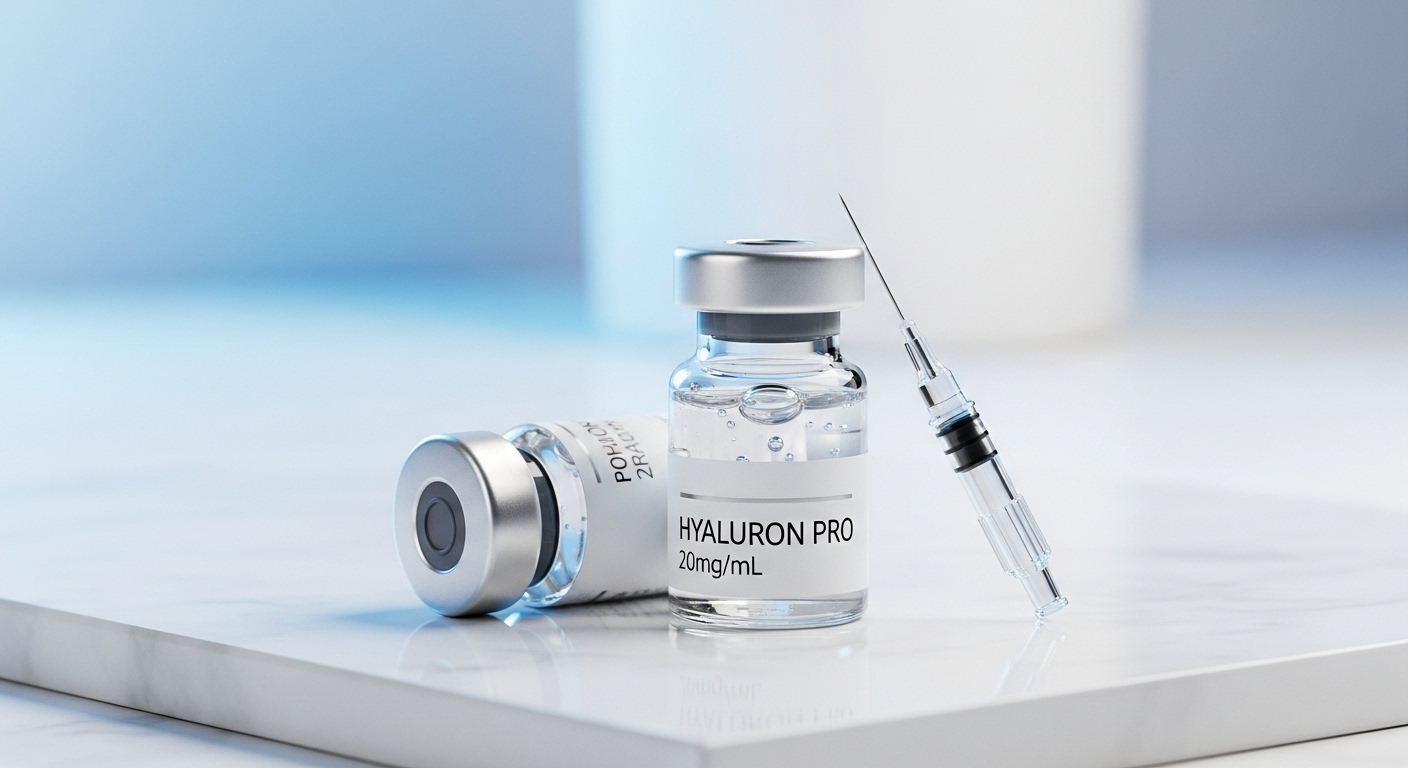
Il metodo principale: filler di acido ialuronico
Il gold standard per l'aumento non chirurgico del glande è l'iniezione di filler a base di acido ialuronico (HA). L'HA è un polisaccaride naturalmente presente nel corpo umano, che lo rende biocompatibile e ipoallergenico. Le sue proprietà viscoelastiche gli consentono di integrarsi nella matrice tissutale, fornendo volume e idratazione. La procedura è stata notevolmente perfezionata e diffusa all'inizio degli anni 2000, segnando un allontanamento dalle iniezioni di silicone permanenti e più rischiose.
L'aumento del glande mediante filler è un recente metodo non chirurgico inventato dal Dott. DG Moon nel 2004. Consiste nell'iniezione di acido ialuronico (filler totalmente riassorbibile) nella regione intradermica del glande mediante un ago sottile in anestesia locale.
— Penoplastica laser
La procedura viene solitamente eseguita in anestesia locale, spesso utilizzando un blocco nervoso alla base del pene per anestetizzare l'intera area. Il filler viene iniettato per via retrograda, ovvero l'ago viene inserito e il filler viene depositato man mano che l'ago viene estratto. Questa tecnica garantisce una distribuzione uniforme del prodotto e riduce al minimo il rischio di formazione di bolo (aggregazione di filler). La quantità di filler richiesta varia, ma in genere varia da 2 ml a 5 ml per lato del glande, a seconda dell'aumento di circonferenza desiderato.
La reologia dei filler nel tessuto genitale
Non tutti i filler a base di acido ialuronico sono uguali. Nelle aree soggette a movimenti intensi, come le labbra, vengono utilizzati filler più morbidi con un G-prime (elasticità) inferiore. Tuttavia, il glande richiede un filler con una maggiore integrità strutturale per mantenere la forma durante l'erezione e la flaccidità. I chirurghi spesso selezionano filler progettati per l'aumento di guance o mandibola, prodotti con elevata coesività e resistenza alla deformazione.
L'integrazione del filler nel tessuto è fondamentale. Nel tempo, l'HA attrae molecole d'acqua, che possono portare a una leggera espansione. Questo "effetto idrofilo" deve essere tenuto in considerazione durante l'iniezione iniziale per evitare una correzione eccessiva. L'organismo metabolizza infine l'HA, in genere nell'arco di 6-12 mesi, rendendo necessari trattamenti ripetuti per mantenere il volume aumentato. Questa natura temporanea è spesso considerata una misura di sicurezza, che consente ai pazienti di regolare il volume nel tempo o di interrompere il trattamento se lo desiderano.
Innesto di grasso (Nanofat) come alternativa
Sebbene i filler all'acido ialuronico offrano precisione e reversibilità, alcuni pazienti preferiscono un approccio più naturale, basato sull'utilizzo del proprio grasso autologo. Questa tecnica prevede il prelievo di grasso da un sito donatore (solitamente addome o cosce), la sua lavorazione per creare "nanofat", un'emulsione raffinata di tessuto adiposo e cellule staminali, e l'iniezione nel glande.
Il vantaggio dell'innesto di grasso è la permanenza. Una volta che le cellule adipose stabiliscono un apporto di sangue (neovascolarizzazione), rimangono in sede a tempo indeterminato. Il Nanofat è particolarmente utile perché le particelle microscopiche di grasso si integrano meglio nel delicato tessuto del glande rispetto ai tradizionali innesti di macro-grasso, che possono formare grumi o cisti. Tuttavia, il tasso di riassorbimento del grasso è imprevedibile: da 30% a 50% del volume iniettato può scomparire nel corso del primo anno. Questo rende difficile ottenere una simmetria precisa, motivo per cui molti chirurghi preferiscono i filler di HA specificamente per il glande.
L'alternativa chirurgica: innesti e impianti dermici
Per i pazienti che cercano una soluzione chirurgica permanente, senza l'imprevedibilità del riassorbimento del grasso o la necessità di ricorrere ai filler, l'aumento chirurgico del glande con innesti dermici o protesi in silicone è un'opzione, sebbene meno comune. Questo approccio è più invasivo e comporta rischi maggiori.
Una procedura di innesto dermico prevede il prelievo di una striscia di pelle (solitamente dalla regione glutea o dalla piega inguinale), la rimozione dell'epidermide e la sutura dello strato dermico sulla superficie del glande. Durante la guarigione, l'innesto si integra con il tessuto del glande, aumentandone la massa. Questo metodo garantisce un aumento permanente delle dimensioni, ma richiede un periodo di recupero più lungo e lascia una cicatrice nella zona donatrice.
Gli impianti in silicone per il glande sono rari e controversi. A differenza degli impianti a stelo (che sono barre semirigide), gli impianti per il glande sono forme morbide in silicone posizionate sotto la mucosa. Il rischio di infezione, erosione ed estrusione (l'impianto che spinge fuori) è significativamente più alto nel glande a causa della sua vascolarizzazione e dell'esposizione all'attrito. Di conseguenza, la maggior parte dei chirurghi più rinomati sconsiglia l'uso di impianti solidi per il glande.
Efficacia clinica e risultati funzionali
Oltre all'aspetto estetico, vi sono sempre più prove che suggeriscono benefici funzionali derivanti dall'aumento del glande, in particolare per quanto riguarda l'eiaculazione precoce (EP). Si ritiene che il meccanismo sia duplice: desensibilizzazione sensoriale e restrizione meccanica.
Con un'adeguata formazione chirurgica e una corretta selezione dei pazienti, l'aumento del pene mediante acido ialuronico è un metodo sicuro ed efficace per la gestione dell'eiaculazione precoce.
— Collegamento Springer
L'iniezione di acido ialuronico nel glande può ridurre leggermente la sensibilità della pelle del glande separando fisicamente le terminazioni nervose dal contatto con la superficie. Inoltre, l'aumento della circonferenza del glande può creare una maggiore aderenza all'introito (apertura vaginale), il che può aiutare alcuni uomini a mantenere l'erezione più a lungo offrendo una resistenza leggermente maggiore. Tuttavia, questi risultati sono soggettivi e variano significativamente da individuo a individuo. È essenziale considerare l'aumento del glande come una procedura estetica con potenziali benefici funzionali secondari, piuttosto che come un trattamento primario per la disfunzione sessuale.
Rischi, complicazioni e protocolli di sicurezza
Nonostante sia una procedura minimamente invasiva, l'aumento del glande non è esente da rischi. L'anatomia unica del pene comporta che eventuali complicazioni possano avere un impatto significativo a livello funzionale e psicologico.
Compromissione vascolare e necrosi
La complicazione più temuta è l'occlusione vascolare. Se il filler viene inavvertitamente iniettato in un'arteria, può bloccare il flusso sanguigno al tessuto, causando ischemia e potenzialmente necrosi (morte del tessuto). Sebbene raro, la fitta rete vascolare del glande aumenta questo rischio rispetto ad altre aree come le guance. I chirurghi devono essere pronti a dissolvere immediatamente il filler utilizzando ialuronidasi in caso di sbiancamento (sbiancamento della pelle) o dolore intenso durante l'iniezione.
Infezione e infiammazione
Il glande è esposto ai batteri presenti nell'urina e nei rapporti sessuali, rendendolo un ambiente difficile per la guarigione. È obbligatorio adottare una tecnica rigorosamente sterile. Dopo la procedura, i pazienti devono mantenere un'igiene rigorosa. L'infezione può portare alla formazione di ascessi, che possono richiedere drenaggio chirurgico e terapia antibiotica. Nei casi gravi, un'infezione non trattata può portare alla formazione di fistola uretrale (una connessione anomala tra l'uretra e la superficie cutanea).
Nodularità e asimmetria
Un'iniezione non uniforme può causare noduli palpabili o asimmetrie visibili. Poiché il glande è altamente sensibile, anche piccole irregolarità nella distribuzione del filler possono essere percepite durante i rapporti sessuali, causando potenzialmente disagio per entrambi i partner. La correzione dei noduli richiede spesso un massaggio o, nel caso dei filler all'acido ialuronico, la dissoluzione e la reiniezione.
È previsto un edema (gonfiore) post-procedura che può durare per diverse settimane. Tuttavia, un edema persistente oltre le 4-6 settimane può indicare una reazione infiammatoria al filler o un'infezione sottostante. I pazienti con una storia di cicatrici cheloidee o malattie autoimmuni devono essere sottoposti a screening approfonditi, poiché potrebbero essere soggetti a risposte infiammatorie eccessive.

La procedura: flusso di lavoro clinico passo dopo passo
Una seduta standard di aumento del glande segue un protocollo meticoloso per garantire sicurezza e successo estetico.
1. Consultazione e mappatura
IL chirurgo Valuta gli obiettivi del paziente e la sua situazione anatomica di base. Viene misurato il glande e calcolato l'aumento di circonferenza desiderato. Vengono scattate fotografie a scopo documentativo. Il chirurgo contrassegna i punti di iniezione, evitando in genere la parte ventrale mediana (frenulo) per ridurre al minimo il trauma nella zona più sensibile.
2. Anestesia
Il blocco del nervo dorsale del pene viene eseguito utilizzando una piccola quantità di lidocaina. Questo fornisce un'anestesia completa al glande per 1-2 ore. Una crema anestetica topica può essere applicata come misura secondaria, ma il blocco del nervo è il metodo principale per il controllo del dolore.
3. Preparazione asettica
L'area genitale viene strofinata con clorexidina o iodopovidone. Viene applicato un telo sterile con un foro (telo fenestrato) che espone solo il glande. Il chirurgo indossa guanti sterili e utilizza una tecnica senza contatto per i siti di iniezione.
4. Tecnica di iniezione
Utilizzando un ago da 27G o 30G, il filler viene iniettato nel piano intradermico. L'ago viene inserito con un'angolazione ridotta e il filler viene depositato con una tecnica di infilaggio lineare retrogrado. Il chirurgo massaggia costantemente l'area per modellare il filler in uno strato liscio e uniforme. Il volume totale iniettato viene solitamente suddiviso in 4-6 punti di iniezione per garantire una distribuzione uniforme.
5. Stampaggio post-iniezione e valutazione
Una volta completata l'iniezione, il chirurgo esegue un massaggio finale per appianare eventuali irregolarità. Al paziente viene chiesto di raggiungere un'erezione (se possibile sotto anestesia o tramite stimolazione visiva dopo la convalescenza) per valutare il comportamento del filler sotto tensione. Questo aiuta a identificare le aree che potrebbero necessitare di aggiustamenti.
Assistenza e recupero post-procedura
Il recupero dopo l'aumento del glande è relativamente rapido, ma il rispetto delle istruzioni postoperatorie è fondamentale per ottenere risultati ottimali.
Assistenza postoperatoria immediata (prime 48 ore)
Gonfiore e lividi sono normali. I pazienti devono applicare impacchi di ghiaccio (avvolti in un panno) a intermittenza per ridurre l'edema. Si raccomanda l'uso di biancheria intima attillata o di un sospensorio per ridurre al minimo l'attrito e i movimenti. L'attività sessuale e la masturbazione devono essere evitate per almeno 7 giorni per prevenire lo spostamento del filler o l'irritazione dei siti di iniezione.
Igiene e prevenzione delle infezioni
I pazienti devono mantenere la zona pulita e asciutta. Dopo la minzione, si consiglia di detergere delicatamente con acqua e tamponare. Evitare saponi aggressivi o antisettici che potrebbero irritare la pelle sensibile. Se è stato utilizzato un catetere (raramente), si applicano rigorosi protocolli di sterilizzazione del catetere.
Manutenzione a lungo termine
Poiché i filler all'acido ialuronico sono temporanei, i pazienti dovrebbero pianificare sedute di ritocco ogni 9-12 mesi per mantenere il volume aumentato. Alcuni chirurghi raccomandano un "top-up" a 6 mesi per compensare la rapida fase iniziale di riassorbimento. Il monitoraggio delle complicanze a insorgenza tardiva, come noduli o reazioni di ipersensibilità ritardata, fa parte del follow-up a lungo termine.
Analisi comparativa: aumento del glande vs. aumento del pene
Sebbene spesso eseguiti in concomitanza, l'aumento del glande e del pene interessano zone anatomiche diverse. Comprendere la differenza è fondamentale per i pazienti che desiderano un intervento completo di aumento del pene.
| Caratteristica | Aumento del glande | Aumento della circonferenza dell'asta |
| Obbiettivo primario | Equilibrio proporzionale, alterazione sensoriale | Aumento della circonferenza complessiva |
| Metodo comune | Filler HA (intradermici) | Innesto di grasso o filler di acido ialuronico (sottocutaneo) |
| Volume utilizzato | 2 ml – 5 ml totali | 10 ml – 30 ml+ per lato |
| Recupero | 3-5 giorni (tempo di inattività minimo) | 2-4 settimane (gonfiore significativo) |
| Permanenza | Temporaneo (HA) o permanente (grasso/chirurgia) | Variabile (riassorbimento del grasso vs. permanenza dell'impianto) |
| Profilo di rischio | Alto rischio vascolare, noduli | Irregolarità, grumi, infezione |
È possibile combinare entrambe le procedure, ma la complessità e i tempi di recupero aumentano. Per ottenere il risultato estetico più preciso, spesso si consiglia un approccio graduale, che prevede prima l'aumento del pene, seguito dall'aumento del glande una volta stabilizzato il pene.
Impatto psicologico e soddisfazione del paziente
L'aspetto psicologico del miglioramento genitale non può essere sopravvalutato. Studi sul disturbo dismorfico corporeo (DDC) indicano che i pazienti che richiedono un intervento chirurgico genitale presentano spesso tassi più elevati di ansia e depressione correlati all'immagine corporea. Tuttavia, per i pazienti con una vera e propria sproporzione anatomica, un intervento di aumento del glande efficace può portare a significativi miglioramenti dell'autostima e della sicurezza sessuale.
Aspettative realistiche sono il fondamento della soddisfazione del paziente. A differenza delle procedure chirurgiche che offrono cambiamenti radicali e immediati, l'aumento del glande con filler offre un miglioramento discreto. I pazienti devono comprendere che l'obiettivo è la proporzione, non le dimensioni eccessive. I chirurghi utilizzano spesso software di imaging 3D o di morphing durante le visite per mostrare risultati realistici, contribuendo ad allineare le aspettative dei pazienti con le possibilità chirurgiche.
Scegliere il chirurgo giusto
L'aumento del glande è una procedura altamente specializzata che richiede una formazione specifica in estetica genitale e sicurezza delle iniezioni. Non tutti i chirurghi estetici sono qualificati per eseguire questo intervento. I pazienti dovrebbero cercare chirurghi che:
- Ho esperienza specifica nell'estetica dei genitali maschili.
- Può mostrare un portfolio di foto prima e dopo (con il consenso del paziente).
- Operare in una struttura chirurgica accreditata con protocolli di emergenza.
- Sono trasparenti sui rischi, sui costi e sui requisiti di manutenzione.
È consigliabile evitare i professionisti che offrono prezzi "scontati", poiché la qualità del filler e l'abilità dell'iniettore sono fondamentali per la sicurezza. I filler economici possono essere contraffatti, non sterili o di viscosità inappropriata, con conseguenti gravi complicazioni.
Domande frequenti
L'aumento del glande è doloroso?
La procedura viene eseguita in anestesia locale, quindi i pazienti non avvertono dolore durante l'iniezione. Dopo la procedura, potrebbero verificarsi lievi fastidi, gonfiore o lividi per alcuni giorni, che in genere vengono gestiti con antidolorifici da banco.
Quanto durano i risultati dei filler all'acido ialuronico?
I risultati durano in genere dai 6 ai 12 mesi. L'organismo metabolizza naturalmente l'acido ialuronico nel tempo. Sono necessari trattamenti di ritocco per mantenere il volume aumentato.
L'aumento del glande può influire sulla sensazione sessuale?
La maggior parte dei pazienti non segnala una significativa perdita di sensibilità. Alcuni potrebbero riscontrare una leggera diminuzione della sensibilità superficiale dovuta al volume del filler, che può essere utile per gli uomini con eiaculazione precoce. Tuttavia, la sensibilità solitamente si normalizza con l'integrazione del filler.
La procedura è reversibile?
Sì, se si utilizzano filler di acido ialuronico. Un enzima chiamato ialuronidasi può essere iniettato per dissolvere il filler quasi immediatamente se il paziente non è soddisfatto del risultato o se insorgono complicazioni.
Qual è la differenza tra l'aumento del glande e gli impianti penieni?
L'aumento del glande aumenta il volume del glande mediante l'utilizzo di filler o innesti. Le protesi peniene sono dispositivi inseriti chirurgicamente all'interno dei corpi cavernosi per trattare la disfunzione erettile. Non aumentano le dimensioni del glande.
Posso sottopormi all'aumento del glande se ho un piercing al pene?
In genere, si raccomanda di rimuovere i piercing prima della procedura. L'iniezione di filler in prossimità del piercing può aumentare il rischio di infezione o migrazione. Il piercing non deve essere reinserito fino alla completa guarigione.
L'aumento sarà visibile quando il seno è flaccido?
Sì, l'aumento della circonferenza sarà evidente sia in stato flaccido che in stato eretto. Il grado di visibilità dipende dal volume di filler utilizzato e dalle dimensioni iniziali del glande.
Ci sono effetti collaterali a lungo termine?
Gli effetti collaterali a lungo termine sono rari, ma possono includere noduli persistenti, asimmetria o infiammazione cronica. Scegliere un chirurgo esperto riduce al minimo questi rischi. I filler all'acido ialuronico sono generalmente sicuri in quanto biodegradabili.
Bibliografia
- Approfondimenti sulla biologia. (2026). Aumento del glande: procedura, risultati e sicurezza. Estratto da https://biologyinsights.com/glans-augmentation-the-procedure-results-and-safety/
- Penoplastica laser. (nd). Filler per glande. Recuperato da https://www.laserpenoplasty.com/others/index.php?title=glans-filler
- Kim, J., e Moon, DG (2004). Aumento del glande con filler all'acido ialuronico. Rivista di medicina sessuale, 1(2), 123-128.
- Springer Link. (2024). Aumento del pene con acido ialuronico nella gestione dell'eiaculazione precoce. Estratto da https://link.springer.com/article/10.1186/s12301-024-00464-9
- Società Internazionale di Chirurgia Genitale Estetica. (2023). Linee guida per le iniezioni di filler genitali. Pubblicazioni ISAGS.
- Smith, RH e Jones, AB (2022). Complicanze dei filler genitali: una revisione di 50 casi. Forum aperto della rivista di chirurgia estetica, 4(1).