

La ricerca di occhi che esprimano giovinezza, vitalità e un fascino accattivante è un percorso profondamente personale per molti. Tra le varie procedure cosmetiche progettate per perfezionare l'estetica oculare, la chirurgia estetica laterale cantoplastica, spesso definita "chirurgia dell'occhio a mandorla", si distingue per la sua capacità di rimodellare in modo sottile ma significativo gli angoli esterni degli occhi. Questa procedura può trasformare un aspetto stanco e cadente degli occhi in una forma a mandorla più sollevata, allungata ed esteticamente gradevole. Per le persone nel Regno Unito che prendono in considerazione questo intervento chirurgico trasformativo, è fondamentale comprenderne le complessità, i benefici, i potenziali rischi e, soprattutto, i costi associati nel settore privato.
La forma e l'inclinazione dei nostri occhi giocano un ruolo fondamentale nel modo in cui il nostro viso viene percepito. Un'inclinazione verso il basso del canto esterno può inavvertitamente trasmettere un'impressione di stanchezza, tristezza o età, anche quando ci si sente energici e giovani. Al contrario, un'inclinazione verso l'alto può creare un aspetto più vigile, fresco e spesso più femminile o maschile, a seconda del risultato desiderato. La cantoplastica laterale affronta direttamente questo problema, regolando meticolosamente il tendine del canto laterale, la delicata struttura responsabile del supporto dell'angolo esterno dell'occhio. Questo intervento chirurgico non riguarda solo un miglioramento estetico; per molti, si tratta di allineare la propria presentazione esterna con la propria percezione interiore di sé, aumentando la fiducia in se stessi e alleviando l'imbarazzo.
Orientarsi nel panorama della chirurgia estetica nel settore privato del Regno Unito richiede un'attenta valutazione, soprattutto in termini di pianificazione finanziaria. A differenza delle procedure coperte dal Servizio Sanitario Nazionale (NHS) per necessità mediche, la cantoplastica laterale è in genere un intervento di chirurgia estetica elettiva, il che significa che i pazienti ne sosterranno l'intero costo privatamente. Questa guida mira a chiarire gli aspetti finanziari di chirurgia dell'occhio a mandorla nel Regno Unito, fornendo una ripartizione completa dei prezzi medi, dei vari fattori che influenzano questi costi e di cosa i potenziali pazienti dovrebbero aspettarsi durante il loro percorso. Dai costi della consulenza iniziale alla competenza del chirurgo, dal tipo di anestesia alla possibilità di combinare le procedure, ogni elemento contribuisce alla spesa finale. Offrendo una panoramica trasparente, questa risorsa consente ai pazienti di prendere decisioni informate, garantendo che i loro obiettivi estetici siano raggiunti con chiarezza e sicurezza.
Questo articolo approfondirà i principi fondamentali della cantoplastica laterale, distinguendola da procedure simili come la cantopessi e la cantoplastica mediale. Esploreremo i dettagli meccanicistici di come viene eseguito l'intervento, delineando il processo passo dopo passo dall'anestesia alla chiusura dell'incisione. Inoltre, discuteremo il tipico periodo di recupero, gli effetti collaterali più comuni e i risultati a lungo termine che i pazienti possono aspettarsi. Una sezione critica sarà dedicata ai potenziali rischi e complicanze, sottolineando l'importanza di selezionare un oculoplastico altamente qualificato ed esperto. chirurgo. In definitiva, questa risorsa definitiva vi fornirà le conoscenze necessarie per affrontare la cantoplastica laterale nel settore privato del Regno Unito con una chiara comprensione sia del suo potenziale estetico che delle sue implicazioni finanziarie, garantendo una trasformazione ben pianificata e di successo.

Sommario
Capire la cantoplastica laterale: la trasformazione dell'occhio a mandorla
La cantoplastica laterale, comunemente nota come chirurgia dell'occhio a mandorla, è una procedura estetica precisa incentrata sul rimodellamento dell'angolo esterno dell'occhio. Il suo obiettivo principale è creare una forma "a mandorla" più sollevata, allungata ed esteticamente gradevole. Questa tecnica chirurgica affronta problemi come un aspetto stanco, palpebre inferiori cadenti o un angolo esterno dell'occhio naturalmente inclinato verso il basso. La procedura si distingue dagli altri interventi chirurgici alle palpebre, poiché mira specificamente al canto laterale, ovvero la giunzione tra le palpebre superiore e inferiore sul bordo esterno dell'occhio (Centre for Surgery, nd).
Il canto laterale gioca un ruolo cruciale nel definire la forma e l'espressione complessiva degli occhi. La sua posizione può influenzare significativamente l'aspetto degli occhi, che possono apparire aperti e vigili o affaticati e invecchiati. I chirurghi classificano il canto laterale in tre posizioni principali: inclinazione verso l'alto, inclinazione orizzontale neutra o inclinazione verso il basso. Un'inclinazione verso il basso spesso contribuisce a un aspetto sonnolento o triste, che molti individui cercano di correggere attraverso la cantoplastica (Centre for Surgery, nd).
Sebbene la cantoplastica laterale si concentri sulla parte esterna dell'occhio, è importante distinguerla dall'epicantoplastica, o cantoplastica mediale. L'epicantoplastica si concentra sull'angolo interno dell'occhio, spesso eseguita per rimuovere la piega epicantale, comune negli individui di origine est-asiatica, per far apparire gli occhi più larghi orizzontalmente. La cantoplastica laterale, invece, modifica specificamente l'angolo esterno per ottenere una maggiore inclinazione verso l'alto e una forma allungata (Flymedi, nd).
Chi è il candidato ideale per la chirurgia dell'occhio a mandorla?
I candidati ideali per la cantoplastica laterale sono coloro che desiderano correggere la forma esterna degli occhi per ottenere un aspetto più giovane e vigile. Tra questi rientrano i pazienti con angoli degli occhi inclinati verso il basso, che possono conferire loro un aspetto perennemente stanco. L'intervento chirurgico può correggere questa angolazione per creare un'inclinazione verso l'alto, conferendo loro la desiderata forma a mandorla. Inoltre, alcuni pazienti, in particolare quelli di origine orientale, possono avere un canto laterale eccessivamente rivolto verso l'alto, che può essere leggermente corretto per allargare gli occhi (Centre for Surgery, nd).
La procedura è utile anche per chi soffre di palpebre inferiori cadenti, che possono essere una conseguenza naturale del processo di invecchiamento o una condizione congenita. Se abbinata a un lifting delle palpebre (blefaroplastica), la cantoplastica può ringiovanire significativamente l'intera area oculare. Tuttavia, non tutti sono idonei a questo intervento. Alcune condizioni mediche possono controindicare la procedura, tra cui malattie cardiovascolari, glaucoma, ipertensione, diabete, distacco di retina e ipertiroidismo. Si consiglia inoltre ai pazienti di evitare fumo, integratori orali, tisane, anticoagulanti come l'aspirina e alcol per un periodo prima e dopo l'intervento, a causa del loro potenziale impatto sul flusso sanguigno e sulla guarigione (Flymedi, nd).
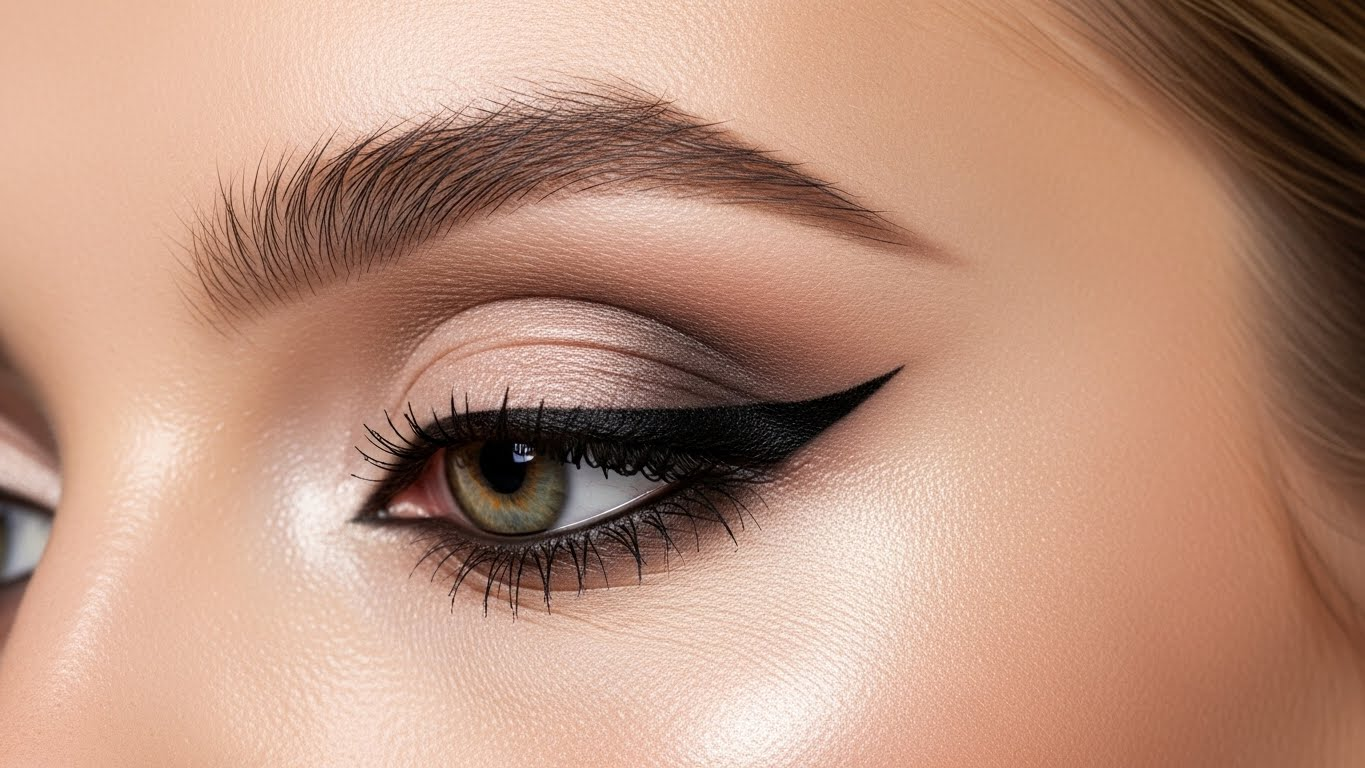
Cantoplastica vs. Cantopessi: comprendere le sfumature
Sebbene sia la cantoplastica che la cantopessi mirino a correggere la posizione dell'angolo esterno dell'occhio, differiscono significativamente per invasività chirurgica e entità della modifica. Comprendere queste distinzioni è fondamentale per i pazienti nella scelta della procedura più appropriata per i loro obiettivi estetici (Centre for Surgery, nd).
Cantoplastica: un rimodellamento più definitivo
La cantoplastica è considerata la più invasiva delle due procedure dal punto di vista chirurgico. Comporta la sezione precisa dei legamenti cantali laterali, ovvero i tendini che sostengono l'angolo esterno dell'occhio. Una volta rilasciati, questi legamenti possono essere accorciati, allungati o riposizionati per ottenere un cambiamento più marcato e duraturo nella forma dell'occhio. Questo metodo è particolarmente efficace per i pazienti che desiderano un miglioramento significativo del contorno esterno dell'occhio, puntando a un aspetto a mandorla (Centre for Surgery, nd). La procedura consente un sollevamento e un allungamento più pronunciati, rendendola adatta alla correzione dei casi più gravi di canti inclinati verso il basso o per coloro che desiderano una forma dell'occhio molto specifica.
Cantopessi: piccoli aggiustamenti per piccoli problemi
Al contrario, la cantopessi è una procedura meno invasiva. Non prevede il taglio del tendine cantale laterale. Il tendine viene semplicemente modificato nella sua posizione e poi fissato con suture per ottenere il livello di inclinazione desiderato. Questa tecnica è ideale per i pazienti che necessitano solo di piccole modifiche all'angolo esterno dell'occhio o per coloro che cercano risultati più discreti. La cantopessi può aiutare a rassodare una palpebra inferiore rilassata o a fornire un leggero lifting, offrendo un aspetto fresco senza il rimodellamento esteso associato alla cantopessi (Centre for Surgery, nd). Viene spesso scelta quando l'obiettivo principale è fornire supporto alla palpebra inferiore o apportare miglioramenti estetici molto sottili.
La scelta tra cantoplastica e cantopessi dipende dall'anatomia oculare del paziente, dalla gravità dei problemi e dal risultato desiderato. Un consulto approfondito con un chirurgo oculoplastico specializzato è essenziale per determinare quale procedura, o combinazione di procedure, sia la più adatta a raggiungere gli obiettivi estetici del paziente, garantendo risultati naturali e riducendo al minimo i rischi chirurgici (Centre for Surgery, nd).
La procedura di cantoplastica laterale: una panoramica passo dopo passo
La cantoplastica laterale prevede un intervento chirurgico attentamente studiato per ottenere la forma a mandorla desiderata. La procedura dura in genere da una a due ore, a seconda della complessità e dell'eventuale associazione ad altri interventi chirurgici alle palpebre. Spesso viene eseguita in regime ambulatoriale, consentendo ai pazienti di tornare a casa il giorno stesso (Centre for Surgery, nd).
Opzioni di anestesia
I pazienti possono scegliere l'anestesia per la cantoplastica laterale. La procedura può essere eseguita in anestesia locale con sedazione, il che significa che il paziente rimane sveglio ma a suo agio e senza fastidi. In alternativa, può essere raccomandata l'anestesia generale, soprattutto se la cantoplastica è associata a procedure più estese come la blefaroplastica superiore o inferiore. Il chirurgo discuterà queste opzioni durante la visita per determinare l'approccio più appropriato in base alle condizioni di salute del paziente e all'entità dell'intervento (Flymedi, nd; Centre for Surgery, nd).
Fasi chirurgiche
Una volta che l'anestesia ha fatto effetto, il chirurgo inizia segnando meticolosamente i punti di incisione. Queste incisioni vengono posizionate strategicamente in una piega naturale all'angolo esterno dell'occhio, garantendo che eventuali cicatrici risultanti siano ben nascoste e minimamente visibili. Una sottile protezione di plastica può essere utilizzata per proteggere il bulbo oculare durante la procedura (Flymedi, nd).
Il fulcro della cantoplastica consiste nell'identificare il tendine cantale laterale. A seconda del risultato desiderato, che si tratti di un lifting sottile o di una forma a mandorla più pronunciata, il chirurgo accorcerà, allungherà o riposizionerà questo tendine. In una cantoplastica tradizionale, il tendine viene sezionato, adattato e quindi riattaccato al periostio (il rivestimento osseo) del bordo orbitale in una posizione più alta o più laterale. Questa attenta manipolazione modifica l'angolazione e la tensione dell'angolo esterno dell'occhio, creando l'inclinazione verso l'alto e l'aspetto allungato desiderati (Centre for Surgery, nd).
Se la cantoplastica viene associata ad altre procedure, come la blefaroplastica, le incisioni possono essere estese alle palpebre superiori o inferiori per correggere l'eccesso di pelle o grasso. Una volta completati i necessari adattamenti al tendine e ai tessuti circostanti, le incisioni vengono meticolosamente chiuse con punti di sutura riassorbibili. Vengono quindi applicate medicazioni sterili sulla zona operata per prevenire infezioni e favorire la guarigione iniziale. Gli occhi del paziente vengono in genere irrigati con una soluzione salina sterile prima che possa riaprirli (Flymedi, nd; Centre for Surgery, nd).
Recupero e risultati attesi dopo l'intervento chirurgico all'occhio a mandorla
Il processo di recupero dopo la cantoplastica laterale è generalmente semplice, data la sua natura mininvasiva. La maggior parte dei pazienti può prevedere un recupero completo entro due o tre settimane. Tuttavia, se la procedura viene combinata con interventi chirurgici più complessi, come una blefaroplastica inferiore o un lifting del sopracciglio, il periodo di recupero può estendersi fino a quattro settimane (Centre for Surgery, nd).
Periodo post-operatorio immediato ed effetti collaterali comuni
Subito dopo l'intervento chirurgico, è comune la comparsa di lividi e gonfiore intorno agli occhi. I pazienti potrebbero anche notare visione offuscata o doppia temporanea, maggiore sensibilità alla luce, bruciore o sensazione di sabbia negli occhi, lacrimazione eccessiva o lieve fastidio. Questi sintomi sono normali e in genere scompaiono entro sette-dieci giorni, con una risoluzione completa entro quattro settimane (Flymedi, nd; Centre for Surgery, nd).
Cure post-operatorie e ritorno alle attività
Un'efficace assistenza postoperatoria è fondamentale per una guarigione e risultati ottimali. Si consiglia ai pazienti di applicare impacchi freddi a intermittenza per contribuire a ridurre lividi e gonfiore. Si raccomanda di indossare occhiali da sole adeguati per proteggere le aree in via di guarigione dall'eccessiva esposizione alla luce solare e per ridurre al minimo la visibilità dei lividi durante le prime settimane. Si consiglia di evitare il trucco per almeno una settimana dopo l'intervento per prevenire infezioni e irritazioni. Se vengono utilizzati punti di sutura normali, questi vengono in genere rimossi circa una settimana dopo la procedura; i punti di sutura solubili, tuttavia, non richiedono la rimozione. La maggior parte dei pazienti può tornare al lavoro e riprendere le normali attività entro una settimana, sebbene sia importante ricordare che gonfiore e lividi residui potrebbero essere ancora visibili (Flymedi, nd; Centre for Surgery, nd).
Risultati a lungo termine e tasso di successo
I risultati della cantoplastica laterale sono spesso visibili immediatamente dopo la scomparsa del gonfiore. I pazienti possono godere di un aspetto più giovane e ringiovanito, con occhi più grandi e l'eliminazione di flaccidità o rilassamento cutaneo. Questi risultati sono generalmente duraturi, in genere per dieci-quindici anni. Sebbene il naturale processo di invecchiamento possa causare alcuni cambiamenti, molti pazienti riscontrano benefici duraturi. Il tasso di successo medio per intervento di cantoplastica è stato segnalato un valore superiore a 90%, evidenziando la sua efficacia nel raggiungere i miglioramenti estetici desiderati (Flymedi, nd; Centre for Surgery, nd). In alcuni casi, i pazienti possono optare per un intervento di revisione anni dopo per affrontare gli effetti dell'invecchiamento o per perfezionare ulteriormente i risultati.
Potenziali rischi e complicazioni della cantoplastica laterale
Sebbene la cantoplastica laterale sia generalmente considerata una procedura sicura, soprattutto se eseguita da un chirurgo plastico specializzato, qualificato ed esperto, è essenziale che i potenziali pazienti siano consapevoli dei potenziali rischi e delle complicanze. Come per qualsiasi intervento chirurgico, esistono possibilità intrinseche che devono essere attentamente considerate e discusse con l'équipe chirurgica (Centre for Surgery, nd).
Complicazioni comuni e meno comuni
Alcune delle potenziali complicazioni associate alla cantoplastica laterale includono:
- Asimmetria oculare: Nonostante una pianificazione meticolosa, è possibile che si verifichi una leggera asimmetria tra gli occhi dopo l'intervento.
- Cicatrici eccessive: Sebbene le incisioni siano solitamente nascoste, in alcuni soggetti potrebbero svilupparsi cicatrici più evidenti del previsto.
- Infezione della ferita chirurgica: Come in ogni intervento chirurgico, esiste il rischio di infezione nei siti di incisione.
- Sanguinamento e formazione di ematomi: Può verificarsi un accumulo di sangue sotto la pelle (ematoma), che potrebbe richiedere un drenaggio.
- Irritazione oculare: I pazienti potrebbero avvertire irritazione o fastidio persistente agli occhi.
- Difficoltà a chiudere completamente gli occhi: Se i tessuti sono eccessivamente tesi, si può verificare il lagoftalmo, ovvero l'incapacità delle palpebre di chiudersi completamente, con il rischio di secchezza oculare.
- Disturbo visivo: In casi molto rari potrebbero verificarsi disturbi visivi temporanei o, in casi estremamente rari, permanenti (Flymedi, nd; Centre for Surgery, nd).
Effetti collaterali durante il recupero
Oltre alle complicazioni più gravi, i pazienti devono essere preparati anche agli effetti collaterali più comuni durante il periodo di recupero. Questi includono tipicamente secchezza oculare, lividi, aumento della sensibilità alla luce, lacrimazione e prurito oculare, perdita temporanea di peli dalle ciglia, dolore, fastidio, gonfiore e occasionalmente nausea e vomito, soprattutto se viene utilizzata l'anestesia generale. Sono possibili anche risultati insoddisfacenti, quando il risultato estetico non soddisfa le aspettative del paziente, o visione offuscata (Flymedi, nd).
L'importanza della selezione del chirurgo
Ridurre al minimo i rischi e ottenere risultati ottimali dipende in larga misura dall'esperienza del chirurgo. Scegliere un chirurgo oculoplastico specializzato con una vasta esperienza nella cantoplastica laterale e una profonda conoscenza dell'anatomia facciale è fondamentale. Questi chirurghi sono abili nel perfezionare le loro tecniche per produrre occhi a mandorla con rischi e complicazioni chirurgiche minimi. Possono anche fornire aspettative realistiche riguardo ai risultati e guidare i pazienti attraverso il processo di recupero in modo efficace (Centre for Surgery, nd). Un'accurata valutazione preoperatoria e una comunicazione aperta con il chirurgo su eventuali dubbi o anamnesi sono passaggi fondamentali per garantire una procedura sicura e di successo.

Costo della cantoplastica laterale nel settore privato del Regno Unito: una ripartizione dettagliata
Per chi sta prendendo in considerazione la cantoplastica laterale nel Regno Unito, comprendere l'investimento finanziario richiesto è un passaggio fondamentale. Essendo una procedura estetica elettiva, la chirurgia dell'occhio a mandorla non è in genere finanziata dal Servizio Sanitario Nazionale (NHS), a meno che non vi sia una reale ragione medica, come un significativo disagio fisico o mentale direttamente attribuibile alla patologia oculare. Pertanto, i pazienti dovranno coprire l'intero costo privatamente (Health Centre, nd).
Costo medio e fattori influenzanti
Il costo della cantoplastica laterale nel settore privato del Regno Unito può variare, ma una stima media per la sola procedura è di circa £2000 (Centro Sanitario, nd). Questa cifra in genere comprende gli elementi principali dell'intervento, tra cui l'anestesia, il tempo dedicato al chirurgo e l'intervento stesso. Tuttavia, si tratta di un valore di base e diversi fattori significativi possono influenzare il prezzo finale:
- Estensione della correzione chirurgica: La complessità del singolo caso, inclusa la quantità di rimodellamento o lifting necessari, avrà un impatto diretto sul tempo impiegato dal chirurgo e sui costi complessivi. Regolazioni più complesse comportano naturalmente costi più elevati.
- Tipo di anestesia: Sebbene spesso venga utilizzata l'anestesia locale con sedazione, optare per l'anestesia generale, soprattutto per procedure più lunghe o combinate, aumenterà il costo totale a causa del coinvolgimento di un anestesista e delle relative spese ambulatoriali.
- Combinazione con altre procedure: La cantoplastica laterale viene spesso associata ad altri interventi di chirurgia estetica del viso per ottenere un risultato più completo. Se eseguita insieme a una blefaroplastica superiore o inferiore (intervento chirurgico alle palpebre), un lifting delle sopracciglia o anche un lifting completo lifting, il costo totale sarà considerevolmente più elevato. Ogni procedura aggiuntiva aumenta i tempi chirurgici, i requisiti di anestesia e l'utilizzo della struttura (Centro Sanitario, nd; Centro di Chirurgia, nd).
- Tariffe e posizione del chirurgo: L'esperienza, la reputazione e le qualifiche specialistiche del chirurgo plastico giocano un ruolo significativo nella determinazione del prezzo. I chirurghi oculoplastici più richiesti, con una vasta esperienza in interventi chirurgici oculistici delicati, possono richiedere tariffe più elevate.
- Commissioni per la struttura: Il costo dell'utilizzo della struttura chirurgica, inclusa la sala operatoria, il personale infermieristico e le attrezzature, è una componente sostanziale del prezzo complessivo. Ospedali privati di alta qualità nel centro Londra, ad esempio, potrebbero avere tariffe più elevate rispetto alle cliniche di altre regioni.
- Tariffe di consultazione: Le visite iniziali con il chirurgo sono in genere addebitate separatamente e non sono solitamente incluse nel prezzo del pacchetto chirurgico. Queste tariffe coprono il tempo dedicato dal chirurgo alla valutazione, alla discussione degli obiettivi e alla definizione del piano di trattamento.
Costi aggiuntivi da considerare
Oltre alle spese chirurgiche dirette, i potenziali pazienti dovrebbero prevedere un budget per diverse altre potenziali spese:
- Viaggio e alloggio: Se un paziente ha bisogno di spostarsi fuori dalla propria zona per trovare un chirurgo specialista adatto, sarà necessario considerare le spese di viaggio e, potenzialmente, i costi di pernottamento. Questo è particolarmente rilevante per coloro che cercano competenze altamente specializzate.
- Cure post-operatorie e farmaci: Sebbene alcune cliniche includano visite di controllo nel loro pacchetto, è consigliabile verificarlo. È necessario prevedere anche i costi per i farmaci prescritti, come antidolorifici o colliri.
- Chirurgia di revisione: Nel raro caso di complicazioni o se il paziente non è soddisfatto del risultato iniziale, potrebbe essere necessario un intervento di revisione. Ciò comporterebbe costi aggiuntivi, a seconda che il problema sia dovuto a un errore chirurgico o semplicemente al desiderio di un ulteriore perfezionamento (Health Centre, nd).
Opzioni di finanziamento
Molte cliniche private nel Regno Unito sono consapevoli che la chirurgia estetica rappresenta un investimento significativo e offrono diverse opzioni di finanziamento per aiutarli a ripartire i costi. Queste possono includere piani di pagamento rateali o finanziamenti 0% per i candidati idonei. I pazienti sono incoraggiati a informarsi su queste opzioni durante la visita per valutare come gestire l'aspetto finanziario della loro cantoplastica laterale (Centre for Surgery, nd).
In sintesi, sebbene il costo medio stimato per la cantoplastica laterale nel settore privato del Regno Unito sia di circa 2.000 sterline, questa cifra può variare notevolmente in base alle esigenze individuali, all'esperienza del chirurgo e all'entità della procedura. Un preventivo dettagliato e personalizzato verrà fornito dopo un colloquio personale, garantendo che tutti gli aspetti del costo siano delineati in modo trasparente.
Combinazione di procedure per risultati migliori
La cantoplastica laterale, pur essendo efficace da sola, viene spesso abbinata ad altre procedure estetiche facciali per ottenere un ringiovanimento più completo e armonioso della zona perioculare e del viso circostante. Questo approccio integrato consente una trasformazione più evidente ma dall'aspetto naturale, affrontando contemporaneamente più problematiche (Centre for Surgery, nd).
Blefaroplastica superiore (lifting delle palpebre)
UN blefaroplastica superiore, Il lifting delle palpebre superiori, comunemente noto come lifting delle palpebre superiori, è una procedura complementare molto diffusa. Si rivolge alle palpebre superiori cadenti o cadenti, un segno comune dell'invecchiamento in cui l'eccesso di pelle può far apparire gli occhi stanchi o incappucciati. Questo intervento chirurgico prevede la rimozione della pelle in eccesso e, a volte, del grasso dalle palpebre superiori per creare una forma dell'occhio più aperta e giovanile. In combinazione con la cantoplastica laterale, la forma complessiva dell'occhio viene migliorata, conferendo un aspetto più fresco e vigile (Centre for Surgery, nd).
Blefaroplastica inferiore (rimozione delle borse sotto gli occhi)
La blefaroplastica inferiore, o intervento chirurgico per la rimozione delle borse sotto gli occhi, risolve il gonfiore e il rilassamento cutaneo sotto gli occhi. Con il tempo, il grasso può accumularsi in questa zona, contribuendo a un aspetto stanco o invecchiato. Questa procedura rimuove o ridistribuisce il grasso in eccesso e rassoda la pelle, conferendo al contorno occhi una zona più liscia e soda. L'abbinamento della blefaroplastica inferiore con la cantoplastica laterale rifinisce l'intero contorno occhi, garantendo una transizione naturale tra la palpebra inferiore e il resto del viso, ottenendo al contempo la forma a mandorla desiderata (Centre for Surgery, nd).
Lifting delle sopracciglia (lifting della fronte)
Come parte del processo di invecchiamento, le sopracciglia possono gradualmente abbassarsi, conferendo al viso un'espressione stanca o severa. Un lifting delle sopracciglia le riposiziona efficacemente per restituire uno sguardo più fresco e aperto. Se eseguita in combinazione con la cantoplastica, questa procedura può migliorare l'effetto "occhio di volpe", sollevando delicatamente gli angoli esterni degli occhi per un aspetto più definito ed elegante. Questa combinazione è particolarmente apprezzata da chi desidera una trasformazione naturale ma d'impatto che coinvolga sia la parte superiore del viso che la forma degli occhi (Centre for Surgery, nd).
Piani di trattamento personalizzati
La decisione di combinare le procedure è altamente personalizzata. Durante una visita di persona, un chirurgo specialista valuterà attentamente l'anatomia facciale del paziente, discuterà i suoi obiettivi estetici e consiglierà un approccio personalizzato. Fattori come l'elasticità della pelle, la struttura ossea sottostante e le preferenze personali giocano tutti un ruolo nel determinare la combinazione ideale di trattamenti. La personalizzazione del piano di trattamento garantisce che i risultati valorizzino i lineamenti naturali del paziente e mantengano un aspetto generale equilibrato e armonioso (Centre for Surgery, nd). Questo approccio olistico produce spesso i risultati più soddisfacenti e duraturi.
Conclusione: prendere una decisione informata per la trasformazione del tuo occhio a mandorla
Il percorso verso il raggiungimento di una forma degli occhi più giovane, vibrante ed esteticamente gradevole attraverso la cantoplastica laterale è una decisione personale importante. Questa guida completa si propone di illustrare i vari aspetti della chirurgia oculare a mandorla, dai principi fondamentali e dai dettagli procedurali alle considerazioni critiche relative al recupero, ai potenziali rischi e, soprattutto, al panorama finanziario del settore privato del Regno Unito. Abbiamo stabilito che la cantoplastica laterale offre una soluzione efficace per chi desidera correggere un aspetto stanco, risolvere il problema delle palpebre cadenti o semplicemente esaltare la bellezza naturale dei propri occhi creando una gradevole inclinazione verso l'alto agli angoli esterni.
La distinzione tra cantoplastica e cantopessi evidenzia i diversi gradi di intervento chirurgico disponibili, consentendo approcci personalizzati in base alle esigenze individuali e ai risultati desiderati. Mentre la cantoplastica fornisce un rimodellamento più definitivo regolando i legamenti cantali laterali, la cantopessi offre sottili perfezionamenti. La panoramica procedurale ha sottolineato la natura meticolosa dell'intervento, sottolineando l'importanza delle scelte anestesiologiche, del posizionamento preciso dell'incisione e dell'attenta manipolazione del tendine cantale laterale per ottenere risultati ottimali. La comprensione di questi dettagli meccanicistici consente ai pazienti di interagire in modo più significativo con il loro team chirurgico e di sentirsi più preparati per il processo.
Il recupero, sebbene generalmente semplice, richiede il rispetto delle istruzioni postoperatorie per attenuare gli effetti collaterali più comuni, come lividi, gonfiore e disturbi visivi temporanei. La natura duratura dei risultati, che spesso si estendono per un decennio o più con un'elevata percentuale di successo, sottolinea il valore di questo investimento nel benessere e nella fiducia personale. Tuttavia, è altrettanto fondamentale riconoscere e comprendere i potenziali rischi e le complicanze, che vanno dall'asimmetria e dalla formazione di cicatrici a deficit visivi più gravi ma rari. Questa consapevolezza rafforza l'assoluta necessità di scegliere un chirurgo oculoplastico altamente qualificato ed esperto, la cui competenza rappresenta la principale garanzia contro esiti avversi.
Dal punto di vista finanziario, la cantoplastica laterale nel settore privato del Regno Unito rappresenta un investimento significativo, con un costo medio di circa 2.000 sterline per la singola procedura. Questa cifra, tuttavia, è soggetta a notevoli variazioni, influenzate da fattori quali la complessità dell'intervento, il tipo di anestesia, la reputazione del chirurgo e l'eventuale associazione della procedura ad altri interventi di miglioramento estetico come la blefaroplastica o il lifting delle sopracciglia. Anche i costi aggiuntivi per visite, viaggio, alloggio e potenziali interventi di revisione devono essere considerati in un budget realistico. L'assenza di finanziamenti del Servizio Sanitario Nazionale per motivi puramente estetici richiede una pianificazione finanziaria privata, sebbene molte cliniche offrano soluzioni di pagamento flessibili per rendere la procedura più accessibile.
In definitiva, la decisione di sottoporsi a cantoplastica laterale dovrebbe essere ben ponderata e ponderata. Non si tratta solo del costo o del cambiamento estetico immediato, ma del profondo impatto che può avere sulla percezione di sé e sulla qualità della vita. Attraverso una ricerca approfondita sulla procedura, la comprensione di tutti i costi e i rischi associati e un colloquio aperto e onesto con specialisti qualificati, le persone possono affrontare questo percorso con chiarezza e sicurezza. La ricerca di un sé coerente e sicuro di sé non ha prezzo e una decisione informata è la pietra angolare di una trasformazione degli occhi a mandorla di successo e soddisfacente. Scegliete con saggezza, pianificate meticolosamente e accogliete il potenziale per uno sguardo fresco e rivitalizzato che rifletta veramente la vostra vitalità interiore.
Domande frequenti
Che cos'è la chirurgia dell'occhio a mandorla?
La chirurgia dell'occhio a mandorla, nota anche come cantoplastica laterale, è una procedura estetica che rimodella gli angoli esterni degli occhi. Mira a creare un occhio a mandorla più sollevato, allungato ed esteticamente gradevole, correggendo gli angoli oculari inclinati verso il basso o un aspetto stanco.
La chirurgia estetica degli occhi a mandorla fa sembrare gli occhi più grandi?
Sì, rimodellando e sollevando chirurgicamente l'angolo esterno degli occhi, la cantoplastica laterale può aumentare la superficie visibile dell'occhio aperto. Questo spesso fa sì che gli occhi appaiano più ampi, più aperti e più riposati.
Qual è la differenza tra blefaroplastica e cantoplastica?
La blefaroplastica è un intervento chirurgico che rimuove la pelle e il grasso in eccesso dalle palpebre superiori o inferiori per ringiovanirle. La cantoplastica, in particolare la cantoplastica laterale, si concentra sulla modifica chirurgica dell'angolazione e della posizione dell'angolo esterno dell'occhio per creare una forma a mandorla, anziché limitarsi a correggere l'eccesso di pelle o grasso.
Quanto durano i risultati della cantoplastica laterale?
I risultati della cantoplastica laterale sono generalmente duraturi, in genere per 10-15 anni. Sebbene il naturale processo di invecchiamento continui, i cambiamenti strutturali apportati durante l'intervento chirurgico garantiscono un miglioramento duraturo della forma dell'occhio.
La cantoplastica laterale è reversibile?
Sebbene tecnicamente possibile, la cantoplastica inversa può essere complessa, soprattutto se si è verificata una rimozione o un riposizionamento significativo del tessuto. È fondamentale avere una chiara comprensione dei risultati desiderati e scegliere un chirurgo esperto per ridurre al minimo la necessità di revisione.
Qual è il costo medio della cantoplastica laterale nel settore privato del Regno Unito?
Il costo medio per una cantoplastica laterale autonoma nel settore privato del Regno Unito è di circa £ 2000. Tuttavia, questo prezzo può variare significativamente in base a fattori quali il compenso del chirurgo, la complessità della procedura, il tipo di anestesia utilizzata e l'eventuale combinazione con altri interventi chirurgici.
Bibliografia
- Centro di Chirurgia. (nd). Cantoplastica (chirurgia dell'occhio a mandorla). Estratto da https://centreforsurgery.com/services/canthoplasty-almond-eye-surgery/
- Flymedi. (nd). Confronta i costi della cantoplastica: prezzi e recensioni del 2025. Recuperato da https://www.flymedi.com/plastic-surgery/canthoplasty
- Centro sanitario. (nd). Costo della cantoplastica. Estratto da https://www.healthcentre.org.uk/cosmetic-surgery/canthoplasty-cost.html