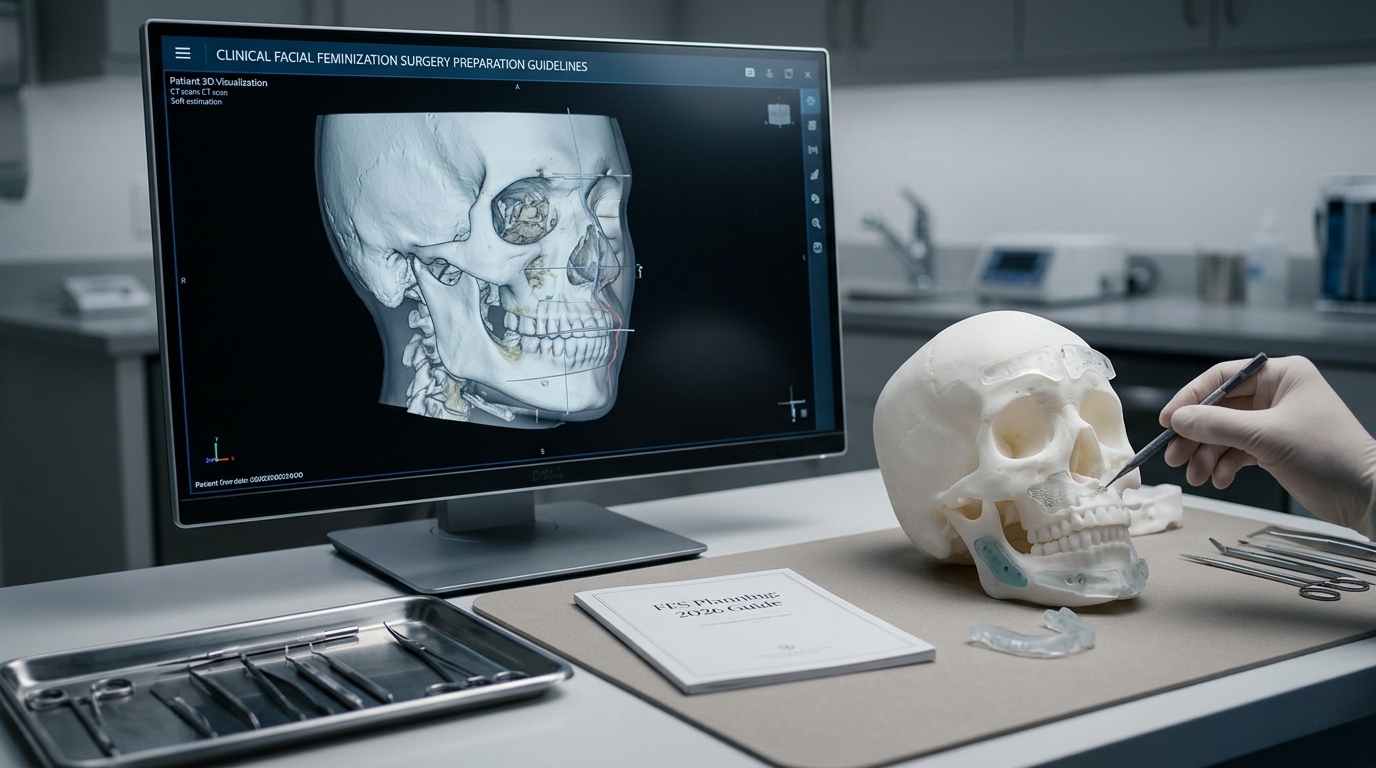
Представьте, что вы стоите перед зеркалом, прижимаете два пальца ко лбу и думаете: Это нормально? На протяжении десятилетий правило “двух пальцев” или “четырех пальцев” служило культурным эталоном размера лба, формируя стандарты красоты и самовосприятие. Но вот правда: это правило — миф. Ему не хватает клинического подтверждения, и он игнорирует тонкие научные аспекты пропорций лица. В 2026 году, как феминизация лица Поскольку хирургические методы (FFS) и реконструктивные техники развиваются, пришло время заменить устаревшие мифы объективными антропометрическими измерениями. В этой статье анализируется культурная одержимость размером лба и проводится сравнение с клиническими показателями, такими как... соотношение линии роста волос к межбровной перегородке, и позволяет вам оценить свой лоб глазами хирурга, а не как модный тренд в TikTok.
Культурная одержимость: почему правило “двух пальцев” сохраняется
Правило “двух пальцев” — измерение размера лба путем горизонтального прикладывания двух пальцев — получило распространение в социальных сетях, на форумах о красоте и даже среди некоторых специалистов, не занимающихся хирургией. Но откуда оно взялось? В отличие от клинических показателей, это правило не имеет корней в медицине. рецензируемые исследования или антропометрических исследований. Вместо этого, это побочный продукт культурные идеалы красоты которые ставят во главу угла симметрию и пропорции без научного обоснования.
В исследовании 2025 года, опубликованном в [название журнала]. Журнал краниофациальной хирургии, Исследователи проанализировали 500 снимков лица и обнаружили, что размер лба значительно варьируется в зависимости от этнической принадлежности, пола и возраста. Правило “двух пальцев” не учитывает эти переменные, что часто приводит к ненужной тревоге или ошибочным хирургическим решениям. Например, лоб, который кажется “большим” по этому правилу, на самом деле может быть пропорционален, если измерять его относительно лица. соотношение линии роста волос к межбровной перегородке, клинический стандарт, используемый хирургами для оценки рецессии лобной области.

Клиническая правда: соотношение линии роста волос и межбровной области, а также пропорции лба.
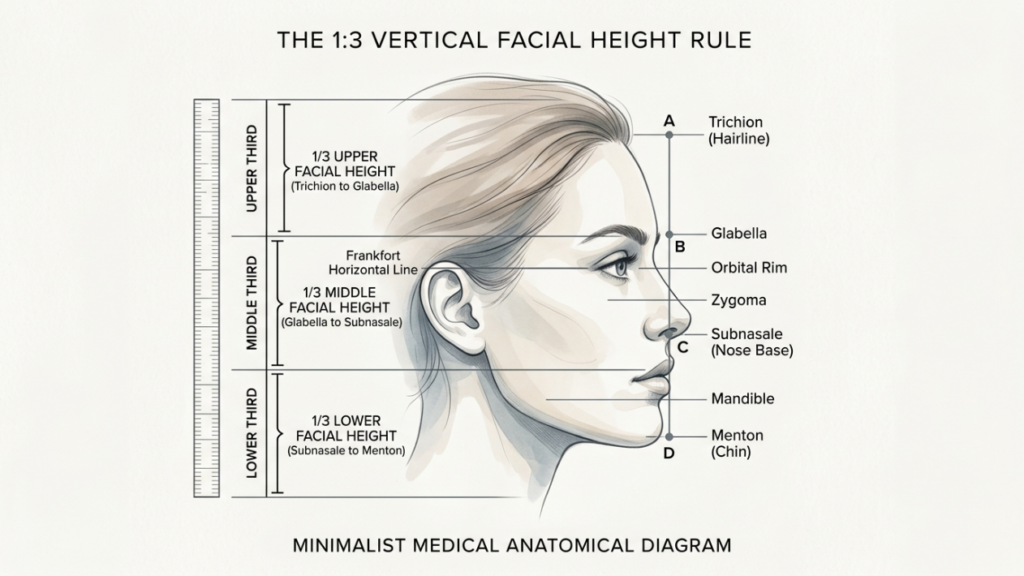
Хирурги не измеряют лоб пальцами — они используют антропометрические соотношения. Наиболее важным показателем является соотношение линии роста волос к межбровной перегородке, Этот показатель сравнивает вертикальное расстояние от линии роста волос до глабеллы (области между бровями) с общей высотой лица. Согласно исследованию 2024 года, Пластическая и реконструктивная хирургия, Идеальное соотношение для гармонии лица составляет приблизительно 1:3. Это означает, что расстояние от линии роста волос до межбровья должно составлять примерно одну треть от общей высоты лица.
Почему это соотношение важно? Потому что оно напрямую влияет на воспринимаемый баланс лица. Лоб, превышающий это соотношение, может казаться непропорциональным, но не обязательно “слишком большой”. Например, высокая линия роста волос может создать иллюзию большего лба, даже если костная структура средняя. Именно поэтому хирурги часто рекомендуют такие процедуры, как... опускание линии роста волос или контурирование лба восстановить гармонию, а не следовать произвольным правилам, основанным на движениях пальцев.
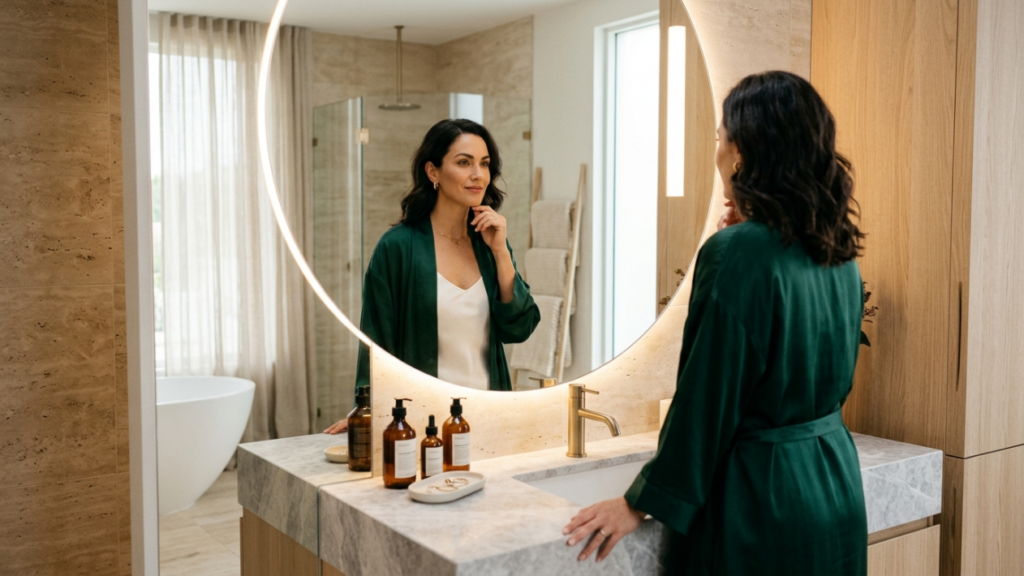
Психологическое воздействие: как размер лба влияет на самовосприятие.
Культурная одержимость размером лба — это не просто вопрос эстетики, она тесно связана с... самооценка и идентичность. Исследование 2026 года в Образ тела Исследование показало, что люди с лбом, который воспринимается как “слишком большой”, сообщают о более высоком уровне социальной тревожности и более низкой самооценке. Это психологическое бремя часто усугубляется фильтрами в социальных сетях и стандартами красоты, которые ставят “маленький лоб” во главу угла как признак женственности или привлекательности.
Однако исследование также показало, что образование в области пропорций лица Значительно снизился уровень тревожности. Когда участники узнали о соотношении линии роста волос к межбровной области и других клинических показателях, они реже воспринимали свой лоб как “ненормальный”. Это подчеркивает важность замены мифов на... знания, основанные на доказательствах—основной принцип в современном феминизация лица и реконструктивной хирургии.
Операция по уменьшению объема лба: когда она медицински оправдана?
Уменьшение лба хирургические операции, включая такие процедуры, как продвижение по линии роста волос или контурирование лба, Речь идёт не о погоне за трендами, а о восстановлении гармонии лица. Хирурги обычно рекомендуют эти процедуры в следующих случаях:
- Соотношение длины волос по линии роста волос к длине межбровной щели превышает 1:3., создавая визуальный дисбаланс в пропорциях лица.
- Лобная кость чрезмерно выступает., что влияет на общий контур лица (часто встречается у пациентов, желающих феминизировать лицо).
- Наблюдается значительное выпадение волос по линии роста., из-за этого лоб кажется больше, чем есть на самом деле.
- Пациент испытывает психологический стресс. Из-за воспринимаемого размера лба это влияет на качество их жизни.
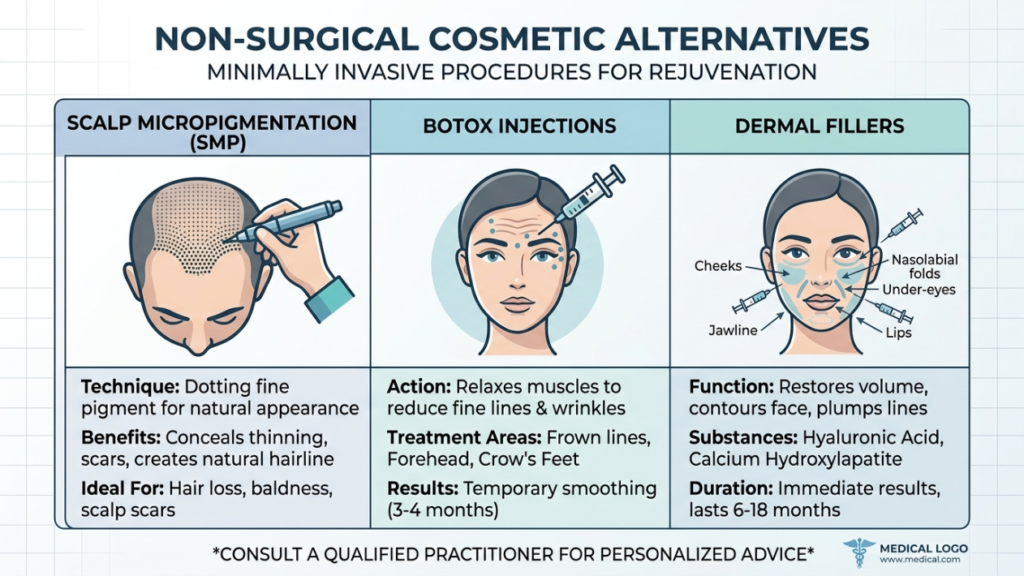
Важно отметить, что хирургическое вмешательство — не единственное решение. Существуют и нехирургические варианты, такие как... татуировки на линии роста волос или инъекции ботокса Расслабление мышц лба также может создать иллюзию меньшего лба без инвазивных процедур.
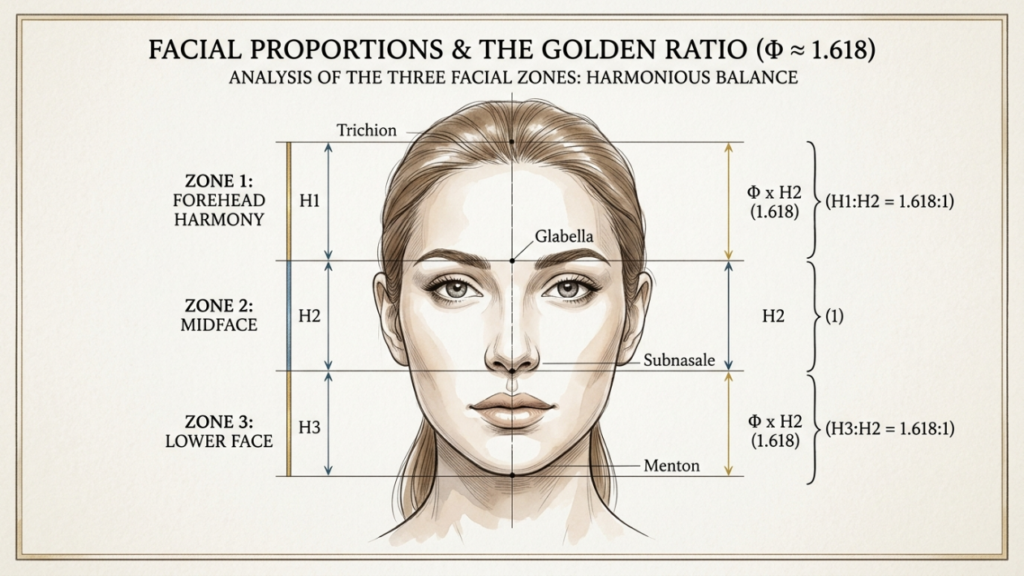
Золотое сечение и гармония лба: что вам нужно знать
The золотое сечение (1:1,618) Золотое сечение часто упоминается в дискуссиях о красоте лица, но его применение к размеру лба часто неправильно понимается. Хотя золотое сечение может служить ориентиром для определения общих пропорций лица, это не жесткое правило для оценки лба. Вместо этого хирурги сосредотачиваются на... Гармония между лбом, средней частью лица и нижней частью лица..
Например, у пациента с высокой линией роста волос пропорции лица могут быть сбалансированными, если средняя часть лица и челюсть пропорционально больше. И наоборот, пациент с “нормальным” лбом по правилу “двух пальцев” может выглядеть несбалансированным, если его средняя часть лица недоразвита. Вот почему персонализированные оценки имеют решающее значение в феминизации лица и реконструктивной хирургии.
Нехирургические альтернативы: можно ли “исправить” большой лоб без операции?
Не всем для достижения гармонии лица необходима хирургическая операция. Нехирургические методы могут быть весьма эффективными, особенно для пациентов с незначительными проблемами или тех, кто не желает проходить инвазивные процедуры. К ним относятся:
- Татуировки по линии роста волос (микропигментация кожи головы)Создает иллюзию более низкой линии роста волос путем нанесения крошечных точек, имитирующих волосяные фолликулы.
- Инъекции ботоксаРасслабляет мышцы лба, уменьшая ощущение “выпуклости” на лбу.
- НаполнителиСтратегическое введение филлеров в виски или среднюю часть лица может сбалансировать пропорции лба.
- ПарикмахерскаяЧелка или многослойная стрижка могут визуально уменьшить выступание лба.
Эти альтернативные методы особенно привлекательны для пациентов, которые хотят избежать периода восстановления или хирургических рисков. Однако они не являются постоянными решениями и могут потребовать поддерживающей терапии в течение длительного времени.

Роль гендерной идентичности в восприятии лба
Для трансгендерных людей размер лба часто играет значительную роль. утверждение гендера. Выступающий или “мужской” лоб может быть источником гендерной дисфории, что побуждает многих обращаться к операции по феминизации лица (FFS). Однако решение о проведении операции должно основываться на... клинические показатели—не культурные мифы.
В рамках FFS хирурги сосредотачиваются на смягчение угловых особенностей и восстановление пропорций, соответствующих гендерной идентичности пациента. Это может включать в себя: контурирование лба, коррекция линии роста волос или даже подтяжка бровей. Цель состоит не в том, чтобы следовать правилу “двух пальцев”, а в том, чтобы создать лицо, которое выглядит естественно. ты.
Как оценить состояние лба: пошаговое руководство
Готовы выйти за рамки правила “двух пальцев”? Вот как оценить свой лоб. врач хирург:
- Измерьте расстояние от линии роста волос до межбровной щели.Используйте линейку, чтобы измерить вертикальное расстояние от линии роста волос до межбровной области. Сравните его с общей высотой лица (от линии роста волос до подбородка). Идеальное соотношение — 1:3.
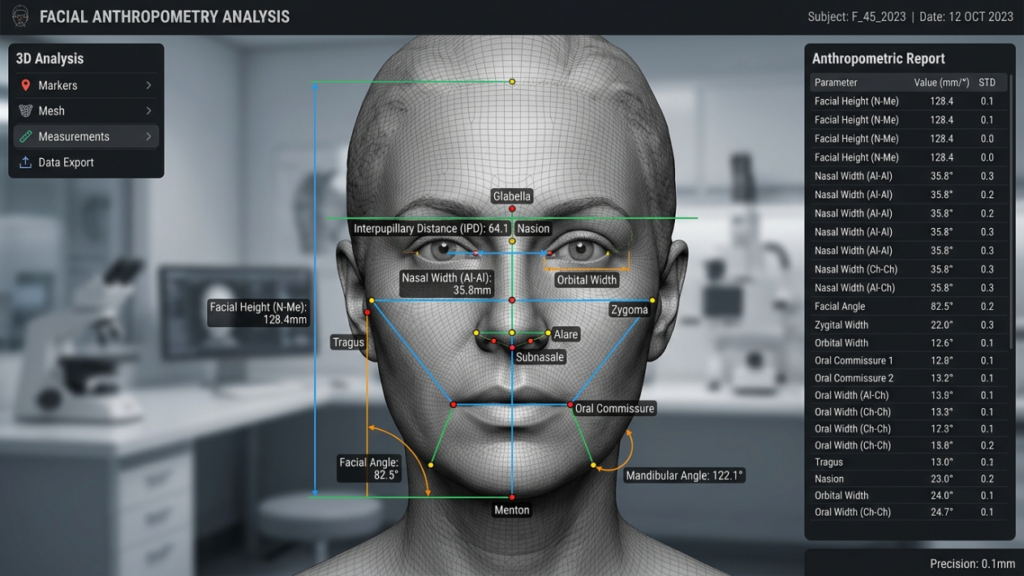
- Оцените пропорции своего лица.Сделайте фотографию своего лица в профиль и анфас. Используйте программу для редактирования фотографий, чтобы нарисовать линии и сравнить пропорции.
- Проконсультируйтесь со специалистом.Запишитесь на консультацию к сертифицированному специалисту по лицевой пластической хирургии. врач хирург или специалист по феминизации лица. Они могут провести 3D-анализ вашей структуры лица.
- Подумайте о своих целяхВы обращаетесь за операцией по эстетическим причинам, для смены пола или для психологического облегчения? Честно расскажите о своих мотивах.
- Изучите нехирургические варианты лечения.Если хирургическое вмешательство вам не подходит, обсудите со своим специалистом альтернативные варианты, такие как филлеры, ботокс или укладка волос.
Будущее эстетической хирургии лба: что нас ждет в 2026 году?
По мере приближения к 2026 году область эстетической медицины лица стремительно развивается. Достижения в этой области 3D-изображение и Хирургическое планирование на основе искусственного интеллекта Это упрощает прогнозирование результатов и позволяет адаптировать процедуры под конкретные потребности. Кроме того, все большее внимание уделяется... психологическая поддержка Для пациентов, проходящих процедуру изменения формы лица, важно, чтобы решения принимались с позиции уверенности в своих силах, а не неуверенности.
Одним из интересных направлений является использование биосовместимые имплантаты для контурирование лба, которые обеспечивают более естественные результаты с меньшим периодом восстановления. Между тем, существуют нехирургические варианты, такие как отслоение нити и лазерное осветление линии роста волос Они становятся все более популярными среди тех, кто ищет ненавязчивые улучшения.
Часто задаваемые вопросы
Почему правило ‘двух пальцев’ считается мифом?
Правило 'двух пальцев' не имеет клинического подтверждения и не учитывает индивидуальные различия в анатомии лица, этнической принадлежности или поле. Хирурги полагаются на объективные показатели, такие как соотношение линии роста волос к межбровной области, которое обеспечивает более точную оценку пропорций лба.
Что такое соотношение длины волос по линии роста волос к длине межбровной перегородки, и почему это важно?
Соотношение линии роста волос к межбровной щели (глабелле) сравнивает вертикальное расстояние от линии роста волос до глабеллы (между бровями) с общей высотой лица. Идеальное соотношение 1:3 считается гармоничным, тогда как отклонения могут указывать на необходимость хирургического или нехирургического вмешательства.
Можно ли исправить большой лоб без хирургического вмешательства?
Да, нехирургические методы, такие как татуировка линии роста волос, инъекции ботокса, филлеры и стратегическая укладка волос, могут визуально уменьшить выступание лба. Эти методы идеально подходят для пациентов, желающих свести к минимуму период восстановления или выбрать неинвазивное решение.
Как размер лба влияет на гендерную идентичность?
Для трансгендерных людей размер лба может быть значимым фактором гендерной дисфории. Операция по феминизации лица (FFS) часто включает в себя коррекцию контуров лба или изменение линии роста волос для создания более женственных пропорций и соответствия гендерной идентичности пациента.
Каковы риски операции по уменьшению лба?
Как и при любой операции, существуют риски, включая инфекцию, образование рубцов и повреждение нервов. Однако выбор сертифицированного хирурга и следование предоперационным рекомендациям могут свести эти риски к минимуму. Крайне важно обсудить потенциальные осложнения во время консультации.
Как узнать, пропорционален ли мой лоб?
Оцените соотношение линии роста волос к межбровной области и сравните его с общей высотой лица. Идеальное соотношение — 1:3, но возможны индивидуальные вариации. Консультация с пластическим хирургом для проведения 3D-анализа может дать точный ответ.
Какие достижения в области эстетической хирургии лба ожидаются к 2026 году?
В 2026 году такие достижения, как хирургическое планирование на основе искусственного интеллекта, биосовместимые имплантаты и безоперационная нитевая подтяжка, произведут революцию в эстетике лба. Эти инновации обеспечивают более точные и естественные результаты с сокращенным периодом восстановления и повышением удовлетворенности пациентов.
Покрывается ли страховкой операция по уменьшению лба?
Условия покрытия различаются в зависимости от поставщика услуг и страны. В некоторых случаях, уменьшение лба Это может быть признано необходимым по медицинским показаниям для подтверждения гендерной идентичности или улучшения психологического состояния, что повышает вероятность страхового покрытия. Всегда уточняйте детали у своего страховщика.