

Stellen Sie sich vor, Sie stehen vor dem Spiegel, drücken zwei Finger gegen Ihre Stirn und fragen sich: Ist das normal? Jahrzehntelang galt die “Zwei-Finger-Regel” oder die “Vier-Finger-Regel” als kultureller Maßstab für die Stirngröße und prägte Schönheitsideale und die Selbstwahrnehmung. Doch die Wahrheit ist: Diese Regel ist ein Mythos. Es mangelt an klinischer Validierung und ignoriert die differenzierte Wissenschaft der Gesichtsproportionen. Im Jahr 2026, als Gesichtsfeminisierung Da sich die chirurgische Gesichtschirurgie (FFS) und rekonstruktive Techniken stetig weiterentwickeln, ist es an der Zeit, überholte Mythen durch objektive, anthropometrische Messungen zu ersetzen. Dieser Artikel analysiert die kulturelle Fixierung auf die Stirngröße und stellt sie klinischen Messgrößen wie der Stirngröße gegenüber. Verhältnis von Haaransatz zu Glabella, und ermöglicht es Ihnen, Ihre Stirn mit den Augen eines Chirurgen zu beurteilen – und nicht mit denen eines TikTok-Trends.
Die kulturelle Besessenheit: Warum die “Zwei-Finger”-Regel weiterhin gilt
Die “Zwei-Finger-Regel” – zwei Finger waagerecht über die Stirn zu legen, um deren Größe einzuschätzen – wird durch soziale Medien, Beauty-Foren und sogar einige nicht-chirurgische Behandler verbreitet. Doch woher stammt sie? Anders als klinische Messmethoden hat diese Regel keine Wurzeln in der Medizin. Peer-Review-Studien oder anthropometrischer Forschung. Stattdessen ist es ein Nebenprodukt von kulturelle Schönheitsideale die Symmetrie und Proportionen ohne wissenschaftliche Grundlage priorisieren.
In einer 2025 veröffentlichten Studie Zeitschrift für kraniofaziale Chirurgie, Forscher analysierten 500 Gesichtsscans und stellten fest, dass die Stirngröße je nach Ethnie, Geschlecht und Alter deutlich variiert. Die “Zwei-Finger-Regel” berücksichtigt diese Variablen nicht und führt häufig zu unnötiger Angst oder Fehlentscheidungen bei chirurgischen Eingriffen. Beispielsweise kann eine Stirn, die nach dieser Regel “groß” erscheint, im Vergleich zu einer größeren Stirn tatsächlich proportional sein. Verhältnis von Haaransatz zu Glabella, ein klinischer Standard, der von Chirurgen zur Beurteilung des Stirnrückgangs verwendet wird.

Die klinische Wahrheit: Verhältnis von Haaransatz zu Glabella und Stirnproportionen
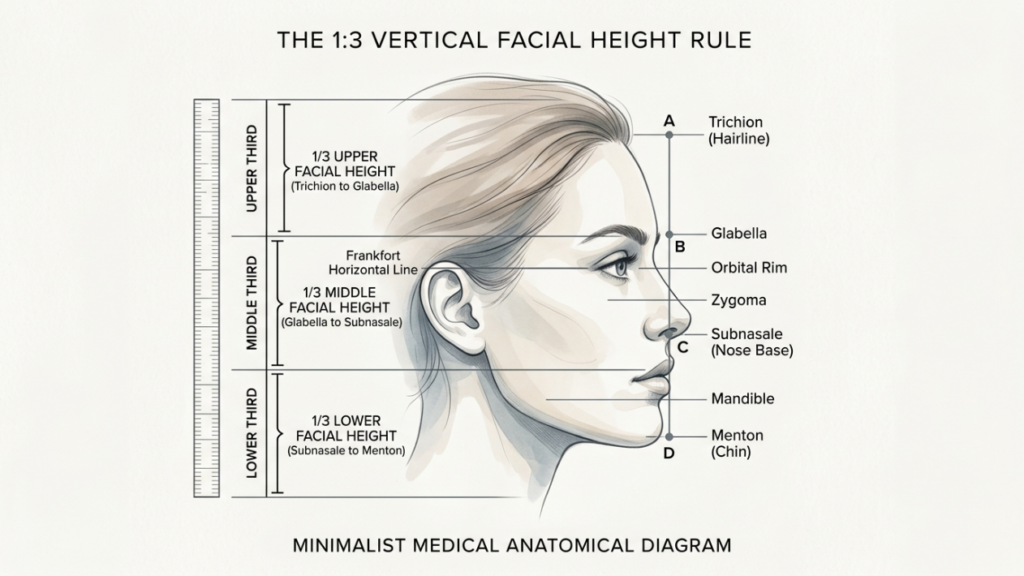
Chirurgen messen Stirnen nicht mit den Fingern – sie verwenden anthropometrische Verhältnisse. Die wichtigste Kennzahl ist die Verhältnis von Haaransatz zu Glabella, Diese Methode vergleicht den vertikalen Abstand vom Haaransatz zur Glabella (dem Bereich zwischen den Augenbrauen) mit der gesamten Gesichtshöhe. Laut einer Studie aus dem Jahr 2024 Plastische und Rekonstruktive Chirurgie, Das ideale Verhältnis für eine harmonische Gesichtsform beträgt ungefähr 1:3. Das bedeutet, dass der Abstand vom Haaransatz bis zur Glabella etwa ein Drittel der gesamten Gesichtshöhe betragen sollte.
Warum ist dieses Verhältnis wichtig? Weil es die wahrgenommene Gesichtsproportion direkt beeinflusst. Eine Stirn, die dieses Verhältnis überschreitet, kann unverhältnismäßig wirken, aber nicht unbedingt “zu groß”. Ein hoher Haaransatz kann beispielsweise die Illusion einer größeren Stirn erzeugen, selbst bei durchschnittlicher Knochenstruktur. Deshalb empfehlen Chirurgen häufig Eingriffe wie … Senkung des Haaransatzes oder Konturierung der Stirn Harmonie wiederherstellen – nicht willkürlichen, auf Fingern basierenden Regeln folgen.

Die psychologischen Auswirkungen: Wie die Stirngröße die Selbstwahrnehmung beeinflusst
Die kulturelle Fixierung auf die Stirngröße ist nicht nur eine Frage der Ästhetik – sie ist tief damit verbunden Selbstwertgefühl und Identität. Eine Studie aus dem Jahr 2026 Körperbild Die Studie ergab, dass Personen mit einer als “zu groß” empfundenen Stirn häufiger unter sozialer Angst und geringerem Selbstvertrauen leiden. Diese psychische Belastung wird oft durch Social-Media-Filter und Schönheitsideale verstärkt, die eine “kleine Stirn” als Kennzeichen von Weiblichkeit oder Attraktivität propagieren.
Die Studie ergab jedoch auch, dass Aufklärung über Gesichtsproportionen Die Angstzustände wurden deutlich reduziert. Nachdem die Teilnehmer das Verhältnis von Haaransatz zu Glabella und andere klinische Merkmale kennengelernt hatten, empfanden sie ihre Stirn seltener als “abnormal”. Dies unterstreicht die Wichtigkeit, Mythen durch Fakten zu ersetzen. evidenzbasiertes Wissen—ein Kernprinzip der modernen Gesichtsfeminisierung und rekonstruktive Chirurgie.
Stirnverkleinerung: Wann ist sie medizinisch gerechtfertigt?
Stirnverkleinerung chirurgische Eingriffe, einschließlich solcher wie Haaransatzverlagerung oder Konturierung der Stirn, Hierbei geht es nicht darum, Trends zu folgen, sondern darum, die Harmonie des Gesichts wiederherzustellen. Chirurgen empfehlen diese Eingriffe in der Regel, wenn:
- Das Verhältnis von Haaransatz zu Glabella ist größer als 1:3, wodurch ein optisches Ungleichgewicht in den Gesichtsproportionen entsteht.
- Der Stirnknochen ist übermäßig prominent., was sich auf die gesamte Gesichtskontur auswirkt (häufig bei Patientinnen, die eine Gesichtsverweiblichung anstreben).
- Es liegt ein deutlicher Haaransatzrückgang vor., wodurch die Stirn größer erscheint, als sie tatsächlich ist.
- Der Patient leidet unter psychischer Belastung. aufgrund der wahrgenommenen Stirngröße, was ihre Lebensqualität beeinträchtigt.
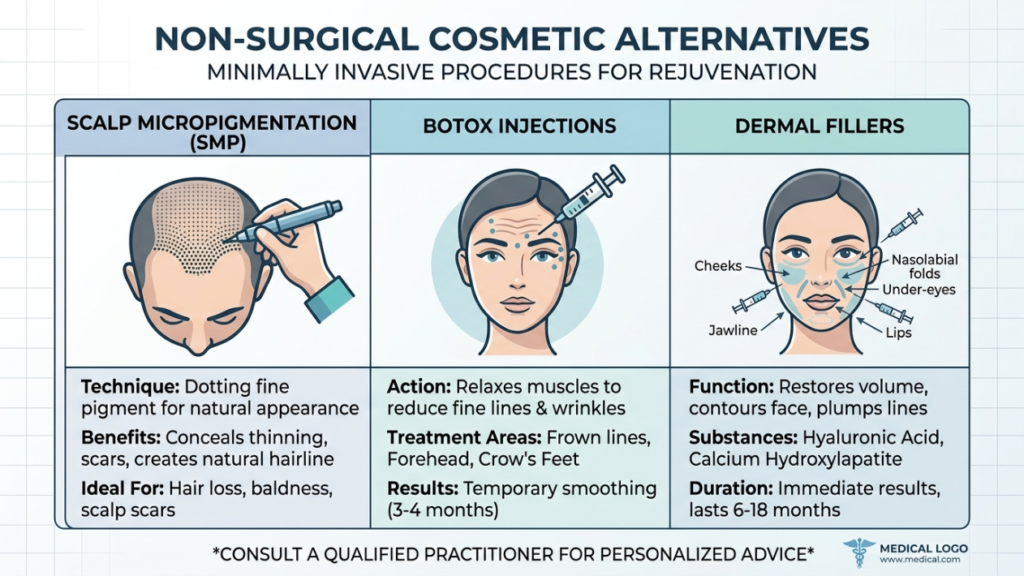
Es ist wichtig zu beachten, dass eine Operation nicht die einzige Lösung ist. Nicht-operative Optionen wie Tattoos am Haaransatz oder Botox-Injektionen Durch die Entspannung der Stirnmuskulatur kann auch ohne invasive Eingriffe die Illusion einer kleineren Stirn erzeugt werden.
Der Goldene Schnitt und die Harmonie der Stirn: Was Sie wissen müssen
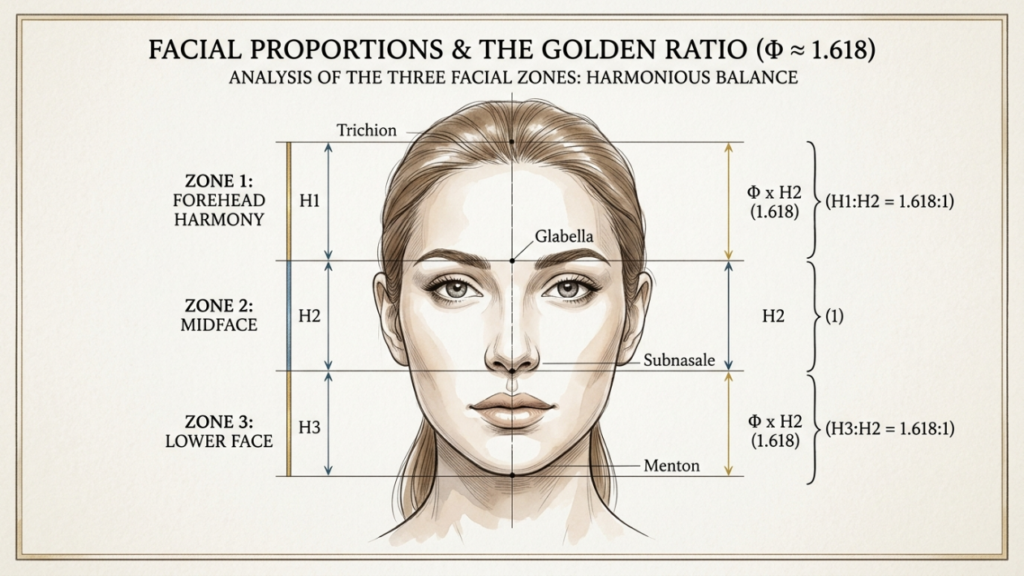
Der Goldener Schnitt (1:1,618) Der Goldene Schnitt wird oft in Diskussionen über Gesichtsästhetik erwähnt, seine Anwendung auf die Stirngröße wird jedoch häufig missverstanden. Zwar kann der Goldene Schnitt als Orientierungshilfe für die allgemeinen Gesichtsproportionen dienen, er ist aber keine starre Regel für die Beurteilung der Stirn. Stattdessen konzentrieren sich Chirurgen auf die Stirngröße. Harmonie zwischen Stirn, Mittelgesicht und Untergesicht.
Beispielsweise kann ein Patient mit hohem Haaransatz dennoch harmonische Gesichtsproportionen aufweisen, wenn sein Mittelgesicht und sein Kiefer proportional größer sind. Umgekehrt kann ein Patient mit einer nach der “Zwei-Finger-Regel” “normalen” Stirn unausgewogen wirken, wenn sein Mittelgesicht unterentwickelt ist. Deshalb personalisierte Beurteilungen sind bei der Gesichtsverweiblichung und rekonstruktiven Chirurgie von entscheidender Bedeutung.
Nicht-operative Alternativen: Kann man eine hohe Stirn ohne Operation “korrigieren”?
Nicht jeder benötigt eine Operation, um ein harmonisches Gesichtsbild zu erzielen. Nicht-operative Verfahren können sehr wirksam sein, insbesondere für Patienten mit leichten Beeinträchtigungen oder solche, die invasive Eingriffe ablehnen. Dazu gehören:
- Haaransatz-Tattoos (Kopfhaut-Mikropigmentierung): Erzeugt die Illusion eines tieferen Haaransatzes durch Tätowierungen mit winzigen Punkten, die Haarfollikel imitieren.
- Botox-Injektionen: Entspannt die Stirnmuskulatur und reduziert so das Erscheinungsbild einer “vorgewölbten” Stirn.
- FüllstoffeDurch die strategische Platzierung von Fillern in den Schläfen oder im Mittelgesicht lassen sich die Proportionen der Stirn ausgleichen.
- HaarstylingEin Pony oder ein Stufenschnitt können die Stirn optisch weniger hervortreten lassen.
Diese Alternativen sind besonders attraktiv für Patienten, die Ausfallzeiten oder Operationsrisiken vermeiden möchten. Sie stellen jedoch keine dauerhafte Lösung dar und können im Laufe der Zeit eine Nachbehandlung erfordern.

Die Rolle der Geschlechtsbestätigung bei der Stirnwahrnehmung
Bei Transgender-Personen spielt die Stirngröße oft eine bedeutende Rolle. Geschlechtsbestätigung. Eine markante oder “maskuline” Stirn kann eine Quelle von Geschlechtsdysphorie sein und viele dazu veranlassen, eine Gesichtsverweiblichungsoperation (FFS) in Erwägung zu ziehen. Die Entscheidung für einen solchen Eingriff sollte jedoch auf folgenden Kriterien basieren: klinische Kennzahlen—keine kulturellen Mythen.
Bei der FFS konzentrieren sich die Chirurgen auf weichere kantige Merkmale und die Wiederherstellung von Proportionen, die der Geschlechtsidentität des Patienten entsprechen. Dies könnte Folgendes beinhalten Konturierung der Stirn, Haaransatzkorrekturen oder sogar Augenbrauenliftings sind möglich. Ziel ist es nicht, sich an die “Zwei-Finger-Regel” zu halten, sondern ein Gesicht zu schaffen, das sich authentisch anfühlt. Du.
So beurteilen Sie Ihre Stirn: Eine Schritt-für-Schritt-Anleitung
Bereit, die “Zwei-Finger-Regel” hinter sich zu lassen? So beurteilen Sie Ihre Stirn wie ein der Chirurg:
- Messen Sie den Abstand zwischen Haaransatz und GlabellaMessen Sie mit einem Lineal den vertikalen Abstand von Ihrem Haaransatz bis zur Glabella. Vergleichen Sie diesen Wert mit Ihrer gesamten Gesichtshöhe (Haaransatz bis Kinn). Das ideale Verhältnis beträgt 1:3.
- Schätzen Sie Ihre Gesichtsproportionen einMachen Sie ein Foto von Ihrem Gesicht im Profil und von vorn. Verwenden Sie eine Bildbearbeitungssoftware, um Linien einzuzeichnen und die Proportionen zu vergleichen.
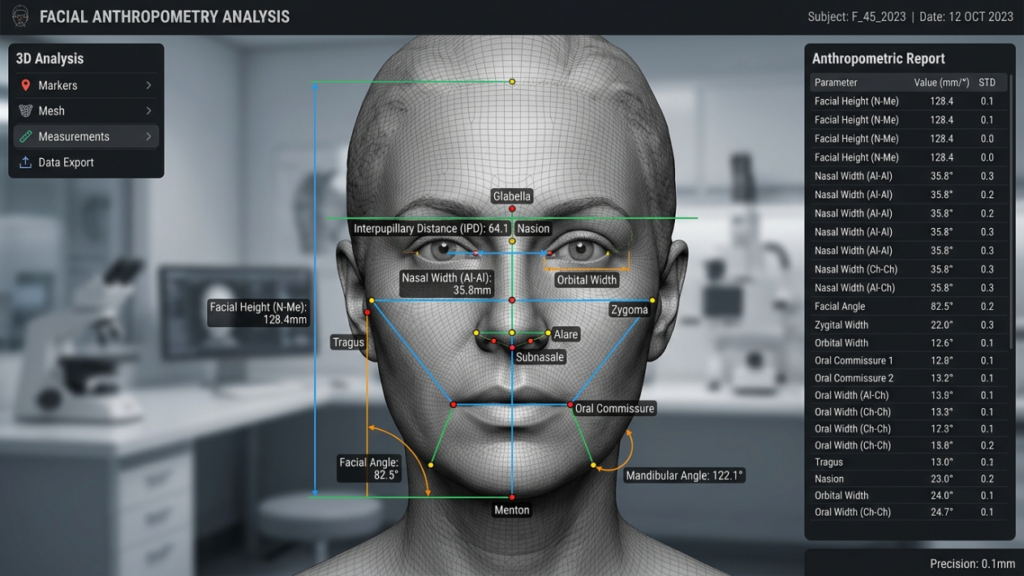
- Konsultieren Sie einen SpezialistenVereinbaren Sie einen Beratungstermin mit einem zertifizierten Facharzt für plastische Gesichtschirurgie. der Chirurg oder ein FFS-Spezialist. Dieser kann eine 3D-Analyse Ihrer Gesichtsstruktur durchführen.
- Überlegen Sie sich Ihre ZieleWünschen Sie sich eine Operation aus ästhetischen Gründen, zur Geschlechtsangleichung oder zur psychischen Linderung? Seien Sie ehrlich bezüglich Ihrer Beweggründe.
- Erkunden Sie nicht-operative OptionenWenn eine Operation für Sie nicht in Frage kommt, besprechen Sie Alternativen wie Filler, Botox oder Haarstyling mit Ihrem Spezialisten.
Die Zukunft der Stirnästhetik: Was kommt 2026?
Im Laufe des Jahres 2026 entwickelt sich der Bereich der Gesichtsästhetik rasant weiter. Fortschritte in 3D-Bildgebung Und KI-gestützte Operationsplanung Sie erleichtern die Vorhersage von Ergebnissen und die Anpassung von Verfahren. Darüber hinaus wird zunehmend Wert gelegt auf psychologische Unterstützung Für Patienten, die sich einer Gesichtsveränderung unterziehen, wird sichergestellt, dass Entscheidungen aus einem Gefühl der Selbstbestimmung und nicht der Unsicherheit heraus getroffen werden.
Eine spannende Entwicklung ist die Verwendung von biokompatible Implantate für Konturierung der Stirn, die natürlichere Ergebnisse mit kürzerer Ausfallzeit bieten. Gleichzeitig gibt es nicht-chirurgische Optionen wie Fadenlifte Und Laser-Haarlinienkorrektur werden bei all jenen, die dezente Verbesserungen anstreben, immer beliebter.
Häufig gestellte Fragen
Warum gilt die ‘Zwei-Finger-Regel’ als Mythos?
Die 'Zwei-Finger-Regel' ist klinisch nicht validiert und berücksichtigt keine individuellen Unterschiede in der Gesichtsanatomie, der ethnischen Zugehörigkeit oder dem Geschlecht. Chirurgen stützen sich daher auf objektive Messgrößen wie das Verhältnis von Haaransatz zu Glabella, das eine genauere Beurteilung der Stirnproportionen ermöglicht.
Wie ist das Verhältnis von Haaransatz zu Glabella, und warum ist es wichtig?
Das Haaransatz-Glabella-Verhältnis vergleicht den vertikalen Abstand vom Haaransatz zur Glabella (zwischen den Augenbrauen) mit der gesamten Gesichtshöhe. Ein ideales Verhältnis von 1:3 gilt als harmonisch, Abweichungen können auf die Notwendigkeit eines chirurgischen oder nicht-chirurgischen Eingriffs hinweisen.
Lässt sich eine hohe Stirn ohne Operation korrigieren?
Ja, nicht-operative Methoden wie Haaransatz-Tattoos, Botox-Injektionen, Filler und gezieltes Haarstyling können eine hervorstehende Stirn optisch reduzieren. Diese Methoden eignen sich ideal für Patienten, die eine minimale Ausfallzeit oder nicht-invasive Lösungen wünschen.
Welchen Einfluss hat die Stirngröße auf die Geschlechtsbestätigung?
Für Transgender-Personen kann die Stirngröße ein wesentlicher Faktor für Geschlechtsdysphorie sein. Gesichtsverweiblichungsoperationen (FFS) umfassen häufig die Konturierung der Stirn oder die Vorverlagerung des Haaransatzes, um femininere Proportionen zu erzielen und die Gesichtszüge an die Geschlechtsidentität der Patientin/des Patienten anzupassen.
Welche Risiken birgt eine Stirnverkleinerungsoperation?
Wie bei jedem chirurgischen Eingriff bestehen Risiken wie Infektionen, Narbenbildung und Nervenschädigung. Die Wahl eines Facharztes mit entsprechender Qualifikation und die Einhaltung der präoperativen Richtlinien können diese Risiken jedoch minimieren. Es ist daher unerlässlich, mögliche Komplikationen im Beratungsgespräch zu besprechen.
Woran erkenne ich, ob meine Stirn proportional ist?
Beurteilen Sie das Verhältnis von Haaransatz zu Zornesfalte und vergleichen Sie es mit Ihrer gesamten Gesichtshöhe. Ein Verhältnis von 1:3 ist ideal, individuelle Abweichungen sind jedoch möglich. Eine 3D-Analyse durch einen plastischen Gesichtschirurgen kann Ihnen eine eindeutige Antwort liefern.
Welche Fortschritte sind im Bereich der Stirnästhetik bis 2026 zu erwarten?
Im Jahr 2026 werden Fortschritte wie KI-gestützte Operationsplanung, biokompatible Implantate und nicht-operative Fadenliftings die Stirnästhetik revolutionieren. Diese Innovationen ermöglichen präzisere, natürlichere Ergebnisse bei kürzerer Ausfallzeit und höherer Patientenzufriedenheit.
Wird eine Stirnverkleinerung von der Versicherung übernommen?
Der Leistungsumfang variiert je nach Anbieter und Land. In einigen Fällen, Stirnverkleinerung Eine Geschlechtsangleichung oder die Behandlung des psychischen Wohlbefindens kann medizinisch notwendig sein und die Wahrscheinlichkeit einer Kostenübernahme durch die Krankenkasse erhöhen. Klären Sie die genauen Details immer mit Ihrem Arzt oder Ihrer Ärztin.