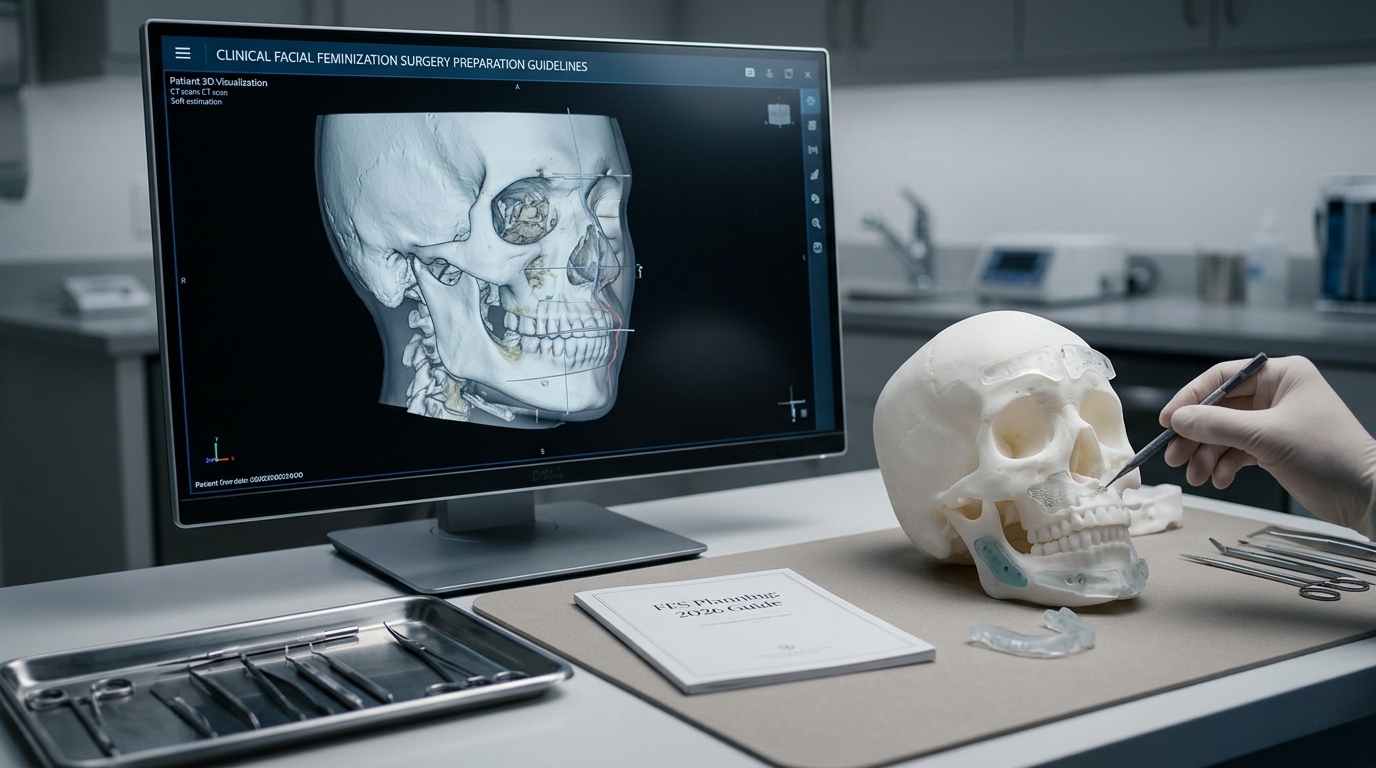

Immagina di stare in piedi davanti allo specchio, premendo due dita sulla fronte, e di chiederti: È normale? Per decenni, la regola delle "2 dita" o delle "4 dita" è stata un punto di riferimento culturale per le dimensioni della fronte, plasmando gli standard di bellezza e la percezione di sé. Ma ecco la verità: questa regola è un mito. Manca di validazione clinica e ignora la scienza sfumata delle proporzioni facciali. Nel 2026, come femminilizzazione facciale Con l'evoluzione della chirurgia (FFS) e delle tecniche ricostruttive, è tempo di sostituire i miti obsoleti con misurazioni antropometriche oggettive. Questo articolo analizza l'ossessione culturale per le dimensioni della fronte, la contrappone a parametri clinici come la rapporto attaccatura dei capelli-glabella, e ti permette di valutare la tua fronte con la prospettiva di un chirurgo, non di una tendenza di TikTok.
L'ossessione culturale: perché la regola delle "due dita" persiste
La regola delle “2 dita” – posizionare due dita orizzontalmente sulla fronte per valutarne le dimensioni – è stata perpetuata dai social media, dai forum di bellezza e persino da alcuni professionisti non chirurgici. Ma da dove ha avuto origine? A differenza delle metriche cliniche, questa regola non ha radici in studi sottoposti a revisione paritaria o ricerca antropometrica. Invece, è un sottoprodotto di ideali di bellezza culturale che privilegiano la simmetria e la proporzione senza alcun fondamento scientifico.
In uno studio del 2025 pubblicato nel Rivista di chirurgia craniofacciale, I ricercatori hanno analizzato 500 scansioni facciali e hanno scoperto che le dimensioni della fronte variano significativamente in base all'etnia, al sesso e all'età. La regola delle "2 dita" non tiene conto di queste variabili, spesso portando ad ansia inutile o a decisioni chirurgiche errate. Ad esempio, una fronte che appare "grande" secondo questa regola potrebbe in realtà essere proporzionata se misurata rispetto alla rapporto attaccatura dei capelli-glabella, uno standard clinico utilizzato dai chirurghi per valutare la recessione della fronte.

La verità clinica: rapporto tra attaccatura dei capelli e glabella e proporzioni della fronte
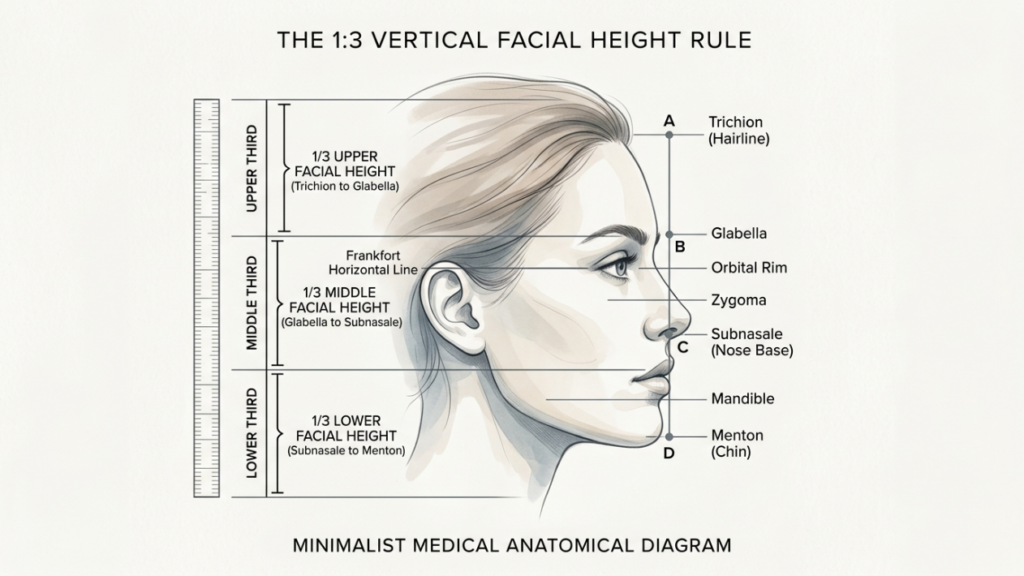
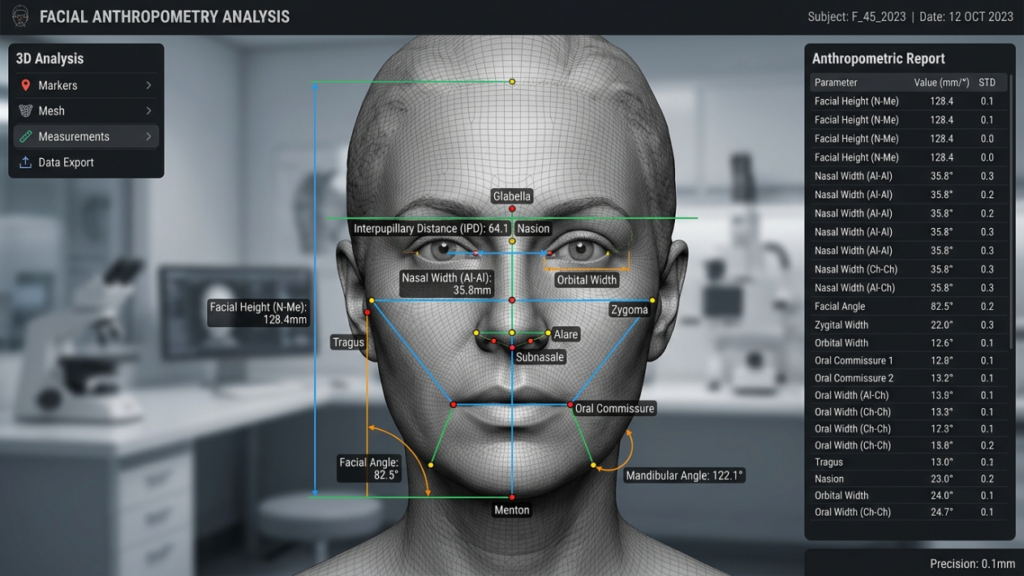
I chirurghi non usano le dita per misurare la fronte, bensì le mani. rapporti antropometrici. La metrica più critica è la rapporto attaccatura dei capelli-glabella, che confronta la distanza verticale dall'attaccatura dei capelli alla glabella (l'area tra le sopracciglia) con l'altezza complessiva del viso. Secondo uno studio del 2024 Chirurgia plastica e ricostruttiva, il rapporto ideale per l'armonia del viso è approssimativamente 1:3. Ciò significa che la distanza dall'attaccatura dei capelli alla glabella dovrebbe essere circa un terzo dell'altezza totale del viso.
Perché questo rapporto è importante? Perché influenza direttamente l'equilibrio percepito del viso. Una fronte che supera questo rapporto può apparire sproporzionata, ma non necessariamente “troppo grande”. Ad esempio, un'attaccatura dei capelli alta potrebbe creare l'illusione di una fronte più ampia, anche se la struttura ossea è nella media. Ecco perché i chirurghi spesso raccomandano procedure come abbassamento dell'attaccatura dei capelli O rimodellamento della fronte per ristabilire l'armonia, non per conformarsi a regole arbitrarie basate sulle dita.

L'impatto psicologico: come le dimensioni della fronte influenzano l'autopercezione
La fissazione culturale sulle dimensioni della fronte non riguarda solo l'estetica, ma è profondamente legata a autostima e identità. Uno studio del 2026 in Immagine corporea È emerso che gli individui con una fronte percepita come "troppo ampia" riportano livelli più elevati di ansia sociale e minore autostima. Questo peso psicologico è spesso aggravato dai filtri dei social media e dagli standard di bellezza che privilegiano una "fronte piccola" come indicatore di femminilità o attrattiva.
Tuttavia, lo studio ha anche rilevato che educazione sulle proporzioni del viso ha ridotto significativamente i livelli di ansia. Quando i partecipanti hanno appreso il rapporto tra l'attaccatura dei capelli e la glabella e altre metriche cliniche, erano meno propensi a percepire la loro fronte come "anormale". Ciò sottolinea l'importanza di sostituire i miti con conoscenza basata sull'evidenza—un principio fondamentale nella modernità femminilizzazione facciale e chirurgia ricostruttiva.
Chirurgia di riduzione della fronte: quando è giustificata dal punto di vista medico?
Riduzione della fronte interventi chirurgici, comprese procedure come avanzamento dell'attaccatura dei capelli O rimodellamento della fronte, Non si tratta di inseguire le tendenze, ma di ripristinare l'armonia del viso. I chirurghi in genere raccomandano queste procedure quando:
- Il rapporto tra attaccatura dei capelli e glabella supera 1:3, creando uno squilibrio visivo nelle proporzioni del viso.
- L'osso della fronte è eccessivamente prominente, influenzando il contorno generale del viso (comune nelle pazienti che cercano la femminilizzazione del viso).
- Si osserva una significativa recessione dell'attaccatura dei capelli., facendo apparire la fronte più grande di quanto non sia in realtà.
- Il paziente sperimenta disagio psicologico a causa delle dimensioni percepite della fronte, con conseguente impatto sulla loro qualità di vita.
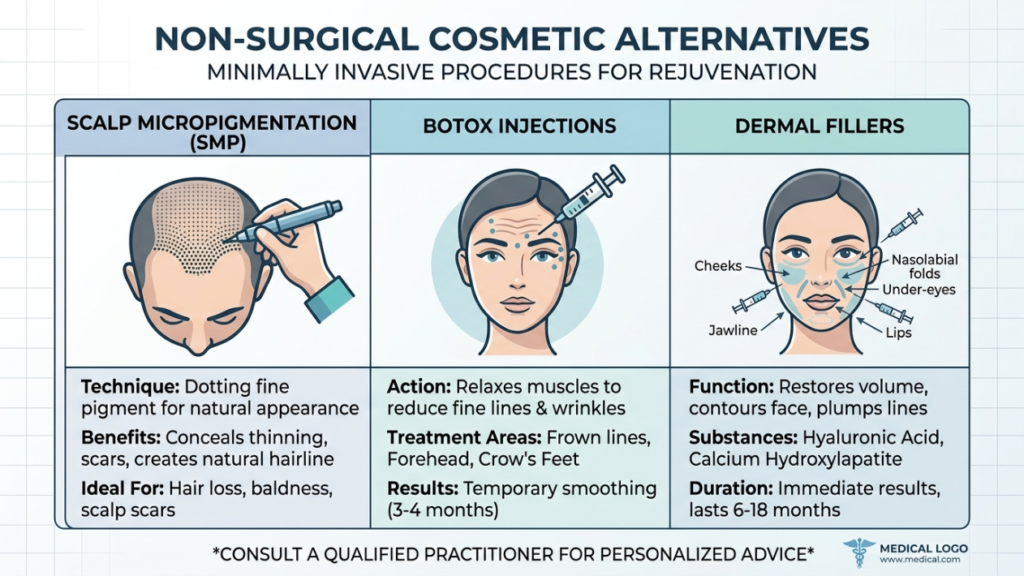
È fondamentale notare che la chirurgia non è l'unica soluzione. Esistono opzioni non chirurgiche come tatuaggi sull'attaccatura dei capelli O iniezioni di botox Rilassare i muscoli della fronte può anche creare l'illusione di una fronte più piccola senza ricorrere a procedure invasive.
La sezione aurea e l'armonia della fronte: cosa c'è da sapere
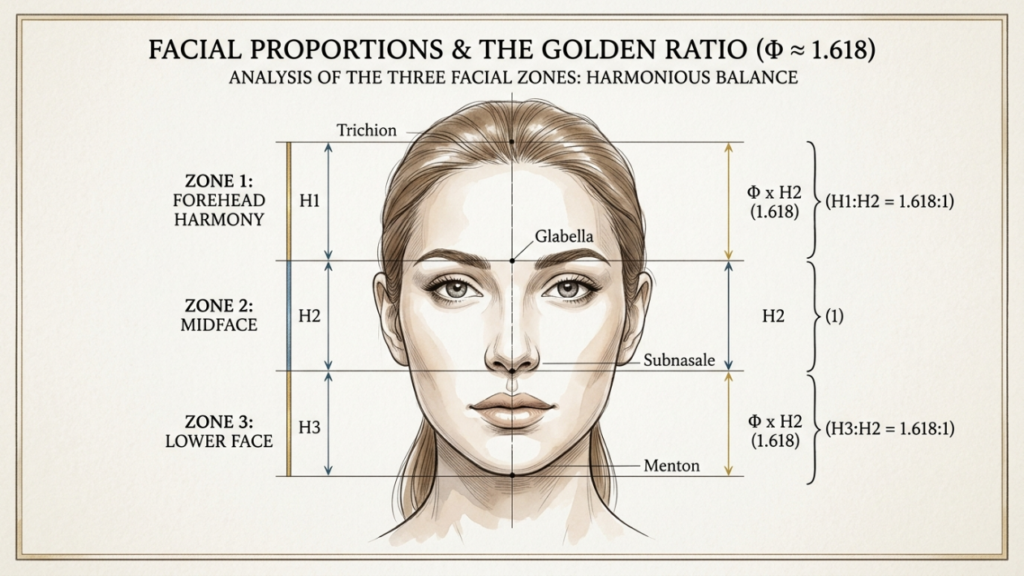
IL rapporto aureo (1:1,618) viene spesso citato nelle discussioni sulla bellezza del viso, ma la sua applicazione alle dimensioni della fronte è spesso fraintesa. Sebbene la sezione aurea possa guidare le proporzioni generali del viso, non è una regola rigida per la valutazione della fronte. Invece, i chirurghi si concentrano sulla armonia tra fronte, parte centrale del viso e parte inferiore del viso.
Ad esempio, un paziente con un'attaccatura dei capelli alta potrebbe comunque avere proporzioni facciali equilibrate se la parte centrale del viso e la mandibola sono proporzionalmente più grandi. Al contrario, un paziente con una fronte "normale" secondo la regola delle "2 dita" potrebbe apparire sbilanciato se la parte centrale del viso è sottosviluppata. Ecco perché valutazioni personalizzate sono fondamentali nella chirurgia di femminilizzazione facciale e ricostruttiva.
Alternative non chirurgiche: è possibile "correggere" una fronte prominente senza ricorrere alla chirurgia?
Non tutti hanno bisogno di un intervento chirurgico per ottenere armonia facciale. Le opzioni non chirurgiche possono essere molto efficaci, soprattutto per i pazienti con lievi problematiche o per coloro che non desiderano sottoporsi a procedure invasive. Queste includono:
- Tatuaggi dell'attaccatura dei capelli (micropigmentazione del cuoio capelluto)Crea l'illusione di un'attaccatura dei capelli più bassa tatuando dei piccoli puntini che imitano i follicoli piliferi.
- iniezioni di BotoxRilassa i muscoli della fronte, riducendo l'aspetto di una fronte "gonfia".
- RiempitiviIl posizionamento strategico di filler nelle tempie o nella zona centrale del viso può riequilibrare le proporzioni della fronte.
- AcconciaturaLa frangia o i tagli scalati possono ridurre visivamente la prominenza della fronte.
Queste alternative sono particolarmente interessanti per i pazienti che desiderano evitare tempi di inattività o rischi chirurgici. Tuttavia, non rappresentano soluzioni definitive e potrebbero richiedere interventi di manutenzione nel tempo.

Il ruolo dell'affermazione di genere nella percezione della fronte
Per gli individui transgender, la dimensione della fronte gioca spesso un ruolo significativo in affermazione di genere. Una fronte prominente o “maschile” può essere fonte di disforia di genere, portando molti a cercare la chirurgia di femminilizzazione facciale (FFS). Tuttavia, la decisione di sottoporsi all'intervento chirurgico dovrebbe essere basata su parametri clinici—non miti culturali.
Nella FFS, i chirurghi si concentrano su ammorbidimento delle caratteristiche angolari e ripristinare le proporzioni che si allineano con l'identità di genere del paziente. Ciò potrebbe comportare rimodellamento della fronte, avanzamento dell'attaccatura dei capelli o persino lifting delle sopracciglia. L'obiettivo non è conformarsi alla regola delle "2 dita", ma creare un viso che sembri autenticamente Voi.
Come valutare la propria fronte: una guida passo passo
Pronto a superare la regola delle "2 dita"? Ecco come valutare la tua fronte come un esperto chirurgo:
- Misurare la distanza tra l'attaccatura dei capelli e la glabella.: Usa un righello per misurare la distanza verticale dall'attaccatura dei capelli alla glabella. Confrontala con l'altezza totale del tuo viso (dall'attaccatura dei capelli al mento). Il rapporto ideale è 1:3.
- Valuta le proporzioni del tuo viso: Scatta una foto del tuo viso di profilo e frontale. Usa un software di fotoritocco per tracciare linee e confrontare le proporzioni.
- Consultare uno specialista: Fissa un appuntamento con un chirurgo plastico facciale certificato chirurgo o uno specialista in FFS. Possono fornire un'analisi 3D della struttura del tuo viso.
- Considera i tuoi obiettiviStai cercando un intervento chirurgico per motivi estetici, di affermazione di genere o per alleviare problemi psicologici? Sii sincero riguardo alle tue motivazioni.
- Esplora le opzioni non chirurgicheSe la chirurgia non è adatta a te, discuti con il tuo specialista alternative come filler, botox o acconciature.
Il futuro dell'estetica della fronte: cosa ci riserva il 2026?
Mentre ci addentriamo nel 2026, il campo dell'estetica del viso si sta evolvendo rapidamente. Progressi in Immagini 3D E Pianificazione chirurgica basata sull'intelligenza artificiale stanno rendendo più facile prevedere i risultati e personalizzare le procedure. Inoltre, c'è una crescente enfasi su supporto psicologico Per i pazienti che si sottopongono a trasformazioni del viso, è fondamentale garantire che le decisioni vengano prese in un clima di consapevolezza e non di insicurezza.
Uno sviluppo entusiasmante è l'uso di impianti biocompatibili per rimodellamento della fronte, che offrono risultati più naturali con tempi di recupero ridotti. Nel frattempo, opzioni non chirurgiche come sollevamenti filettati E abbassamento dell'attaccatura dei capelli con il laser stanno diventando sempre più popolari tra coloro che cercano miglioramenti discreti.
Domande frequenti
Perché la regola delle "due dita" è considerata un mito?
La regola delle "due dita" non ha validità clinica e non tiene conto delle variazioni individuali nell'anatomia del viso, nell'etnia o nel sesso. I chirurghi si affidano a parametri oggettivi come il rapporto tra l'attaccatura dei capelli e la glabella, che fornisce una valutazione più accurata delle proporzioni della fronte.
Cos'è il rapporto tra l'attaccatura dei capelli e la glabella, e perché è importante?
Il rapporto tra attaccatura dei capelli e glabella confronta la distanza verticale dall'attaccatura dei capelli alla glabella (tra le sopracciglia) con l'altezza totale del viso. Un rapporto ideale di 1:3 è considerato armonioso, mentre le deviazioni possono indicare la necessità di un intervento chirurgico o non chirurgico.
È possibile correggere una fronte ampia senza ricorrere alla chirurgia?
Sì, opzioni non chirurgiche come tatuaggi per l'attaccatura dei capelli, iniezioni di botox, filler e acconciature strategiche possono ridurre visivamente la prominenza della fronte. Questi metodi sono ideali per i pazienti che desiderano tempi di recupero minimi o soluzioni non invasive.
In che modo le dimensioni della fronte influenzano l'affermazione di genere?
Per le persone transgender, le dimensioni della fronte possono rappresentare un fattore significativo nella disforia di genere. La chirurgia di femminilizzazione facciale (FFS) spesso include il rimodellamento della fronte o l'avanzamento dell'attaccatura dei capelli per creare proporzioni più femminili e allinearle all'identità di genere del paziente.
Quali sono i rischi della chirurgia di riduzione della fronte?
Come per qualsiasi intervento chirurgico, i rischi includono infezioni, cicatrici e danni ai nervi. Tuttavia, scegliere un chirurgo specializzato e seguire le linee guida preoperatorie può ridurre al minimo questi rischi. È fondamentale discutere delle potenziali complicazioni durante la visita di consultazione.
Come faccio a sapere se la mia fronte è proporzionata?
Valuta il rapporto tra l'attaccatura dei capelli e la glabella e confrontalo con l'altezza totale del tuo viso. Un rapporto di 1:3 è ideale, ma esistono variazioni individuali. Consultare un chirurgo plastico facciale per un'analisi 3D può fornire una risposta definitiva.
Quali progressi sono previsti nel campo dell'estetica della fronte entro il 2026?
Nel 2026, progressi come la pianificazione chirurgica basata sull'intelligenza artificiale, gli impianti biocompatibili e i lifting non chirurgici con fili stanno rivoluzionando l'estetica della fronte. Queste innovazioni offrono risultati più precisi e naturali, con tempi di recupero ridotti e una maggiore soddisfazione del paziente.
L'intervento di riduzione della fronte è coperto dall'assicurazione?
La copertura varia a seconda del fornitore e del paese. In alcuni casi, riduzione della fronte Potrebbe essere considerato medicalmente necessario per l'affermazione di genere o per il benessere psicologico, aumentando la probabilità di copertura assicurativa. Verifica sempre con il tuo fornitore per i dettagli.