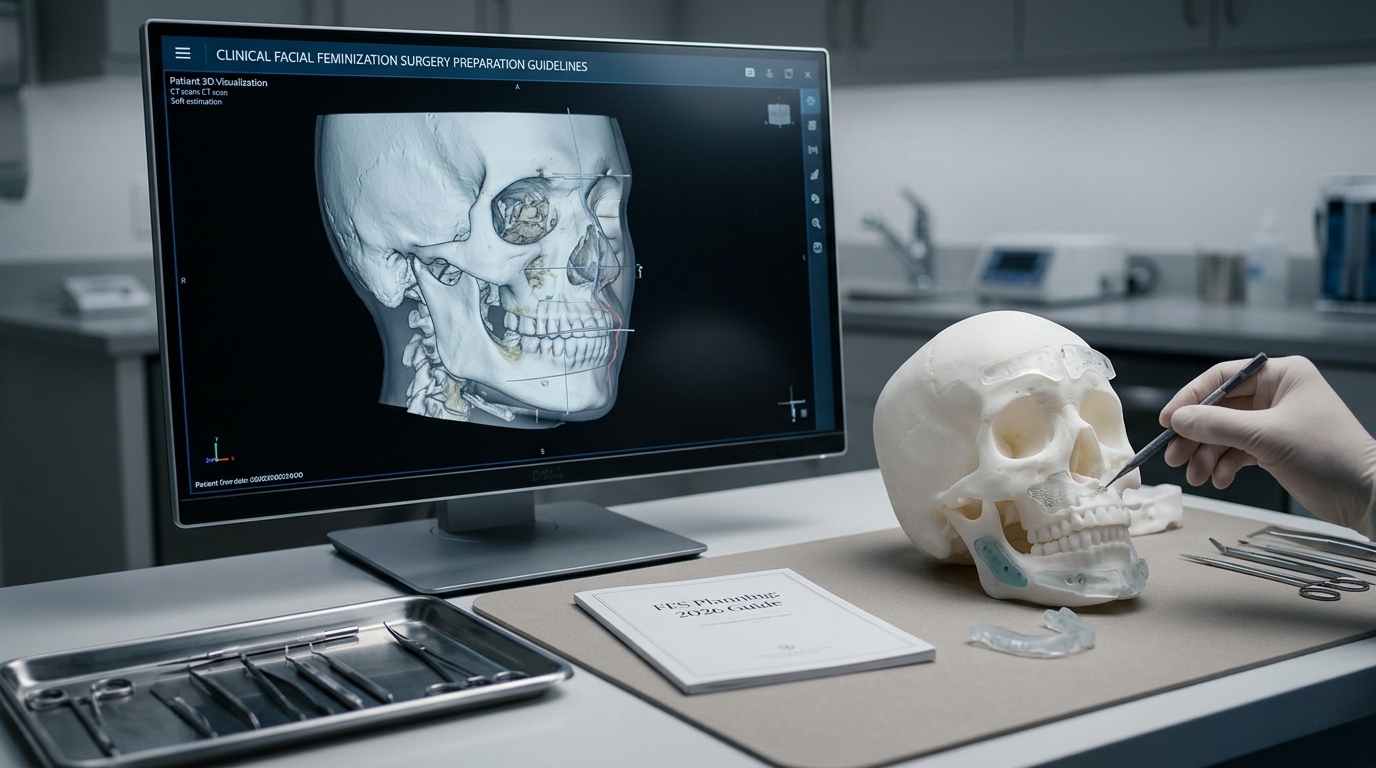

Imagínate de pie frente al espejo, presionando dos dedos contra tu frente y preguntándote: ¿Es esto normal? Durante décadas, la regla de los “dos dedos” o “cuatro dedos” ha sido un referente cultural para el tamaño de la frente, moldeando los estándares de belleza y la autoimagen. Pero esta es la verdad: Esta regla es un mito.. Carece de validación clínica e ignora la ciencia matizada de las proporciones faciales. En 2026, como feminización facial La cirugía (FFS) y las técnicas reconstructivas evolucionan, es hora de reemplazar los mitos obsoletos con mediciones antropométricas objetivas. Este artículo disecciona la obsesión cultural con el tamaño de la frente y la contrasta con métricas clínicas como la relación entre la línea del cabello y la glabela, y te permite evaluar tu frente desde la perspectiva de un cirujano, no como una tendencia de TikTok.
La obsesión cultural: ¿Por qué persiste la regla de los "dos dedos"?
La regla de los “dos dedos” —colocar dos dedos horizontalmente sobre la frente para medir su tamaño— se ha perpetuado en las redes sociales, los foros de belleza e incluso entre algunos profesionales no quirúrgicos. Pero, ¿dónde se originó? A diferencia de las métricas clínicas, esta regla no tiene raíces en estudios revisados por pares o investigación antropométrica. En cambio, es un subproducto de ideales de belleza cultural que priorizan la simetría y la proporción sin respaldo científico.
En un estudio de 2025 publicado en la Revista de cirugía craneofacial, Los investigadores analizaron 500 escaneos faciales y descubrieron que el tamaño de la frente varía significativamente según la etnia, el género y la edad. La regla de los "dos dedos" no tiene en cuenta estas variables, lo que a menudo genera ansiedad innecesaria o decisiones quirúrgicas erróneas. Por ejemplo, una frente que parece "grande" según esta regla podría ser proporcional cuando se mide en comparación con el tamaño de la frente. relación entre la línea del cabello y la glabela, un estándar clínico utilizado por los cirujanos para evaluar la recesión de la frente.

La verdad clínica: proporción entre la línea del cabello y el entrecejo, y proporciones de la frente.
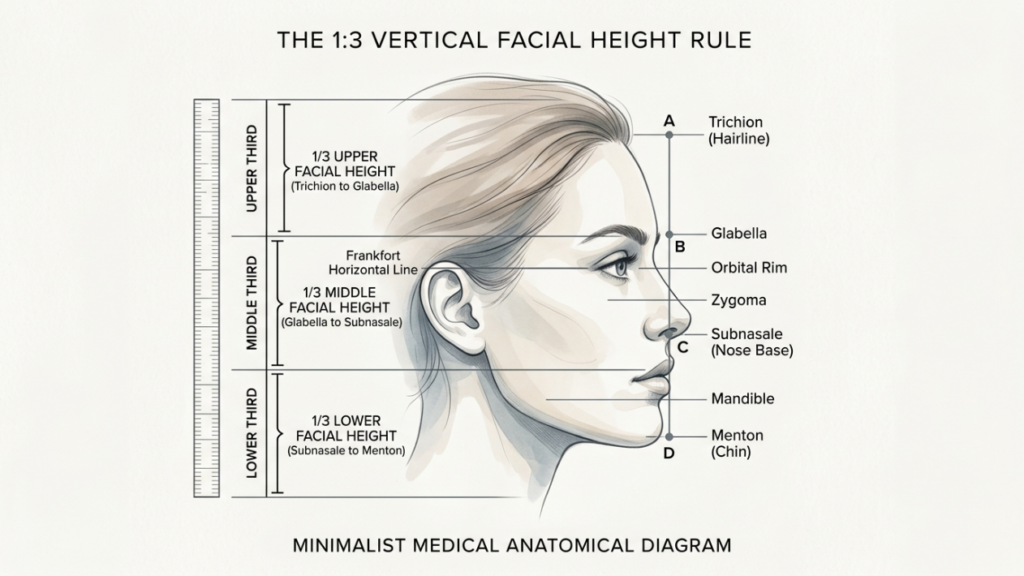
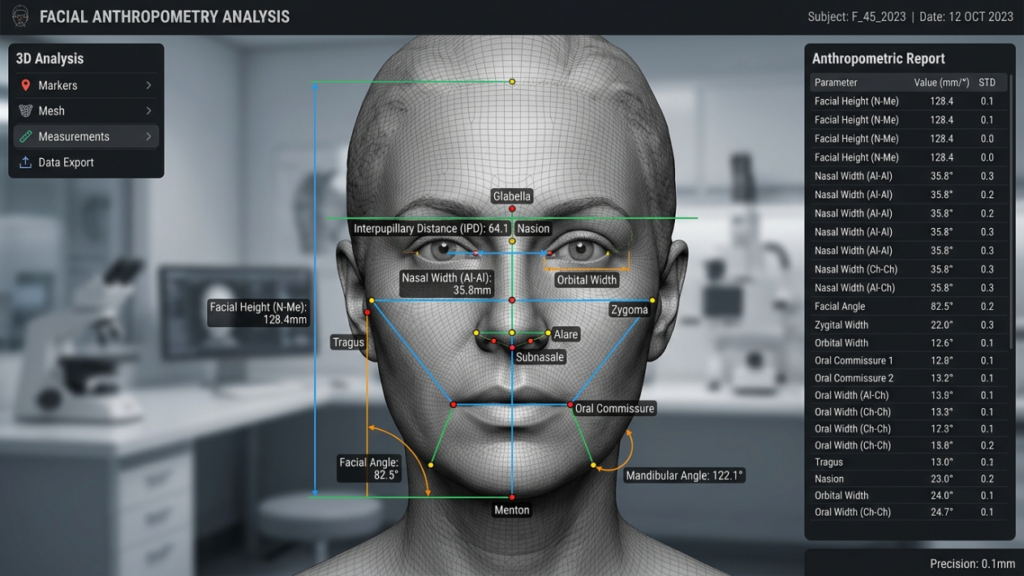
Los cirujanos no usan los dedos para medir las frentes, sino que usan proporciones antropométricas. La métrica más crítica es la relación entre la línea del cabello y la glabela, que compara la distancia vertical desde la línea del cabello hasta la glabela (el área entre las cejas) con la altura facial total. Según un estudio de 2024 en Cirugía Plástica y Reconstructiva, La proporción ideal para la armonía facial es aproximadamente 1:3. Esto significa que la distancia desde la línea del cabello hasta la glabela debe ser aproximadamente un tercio de la altura total del rostro.
¿Por qué importa esta proporción? Porque influye directamente en el equilibrio facial percibido. Una frente que excede esta proporción puede parecer desproporcionada, pero no necesariamente “demasiado grande”. Por ejemplo, una línea de cabello alta puede crear la ilusión de una frente más grande, incluso si la estructura ósea es promedio. Por eso los cirujanos suelen recomendar procedimientos como caída del cabello o contorno de la frente para restablecer la armonía, no para ajustarse a reglas arbitrarias basadas en gestos.

El impacto psicológico: cómo el tamaño de la frente afecta la autopercepción.
La fijación cultural en el tamaño de la frente no es solo una cuestión de estética, sino que está profundamente ligada a... autoestima e identidad. Un estudio de 2026 en Imagen corporal Se reveló que las personas con frentes consideradas "demasiado grandes" reportaron mayores niveles de ansiedad social y menor autoestima. Esta carga psicológica suele verse agravada por los filtros de las redes sociales y los cánones de belleza que priorizan una "frente pequeña" como símbolo de feminidad o atractivo.
Sin embargo, el estudio también encontró que educación sobre las proporciones faciales niveles de ansiedad significativamente reducidos. Cuando los participantes aprendieron sobre la proporción entre la línea del cabello y la glabela y otras métricas clínicas, fueron menos propensos a percibir sus frentes como "anormales". Esto subraya la importancia de reemplazar los mitos con conocimiento basado en la evidencia—un principio fundamental en la modernidad feminización facial y cirugía reconstructiva.
Cirugía de reducción de frente: ¿Cuándo está médicamente justificada?
Reducción de frente cirugía, incluidos procedimientos como avance de la línea del cabello o contorno de la frente, No se trata de seguir tendencias, sino de restaurar la armonía facial. Los cirujanos suelen recomendar estos procedimientos cuando:
- La proporción entre la línea del cabello y la glabela supera 1:3., creando un desequilibrio visual en las proporciones faciales.
- El hueso de la frente es excesivamente prominente., que afecta al contorno facial general (algo común en pacientes que buscan la feminización facial).
- Existe una importante recesión de la línea del cabello., haciendo que la frente parezca más grande de lo que es.
- El paciente experimenta malestar psicológico. debido al tamaño percibido de su frente, lo que afecta su calidad de vida.
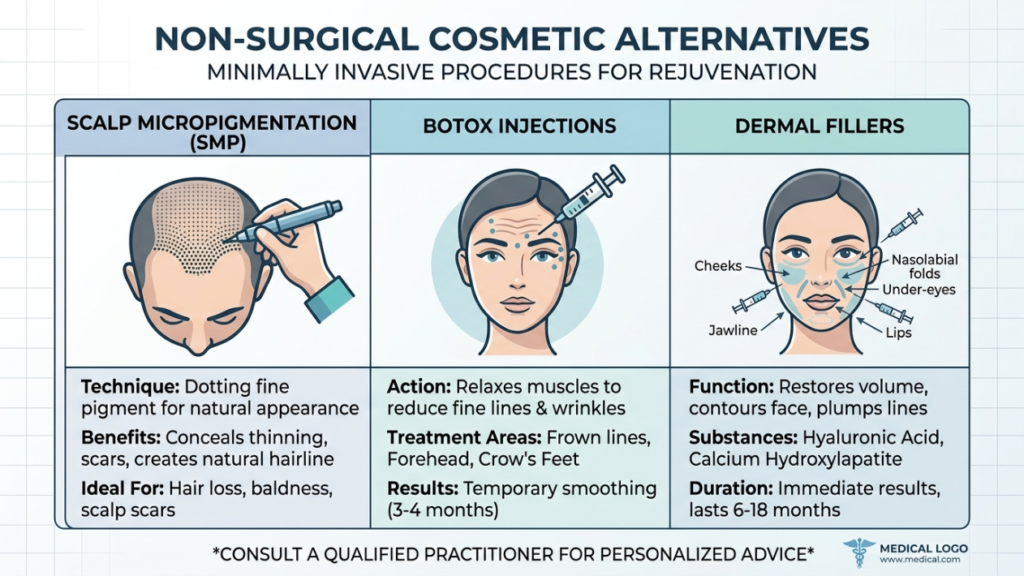
Es fundamental tener en cuenta que la cirugía no es la única solución. Existen opciones no quirúrgicas como tatuajes en la línea del cabello o inyecciones de botox Relajar los músculos de la frente también puede crear la ilusión de una frente más pequeña sin necesidad de procedimientos invasivos.
La proporción áurea y la armonía de la frente: todo lo que necesitas saber.
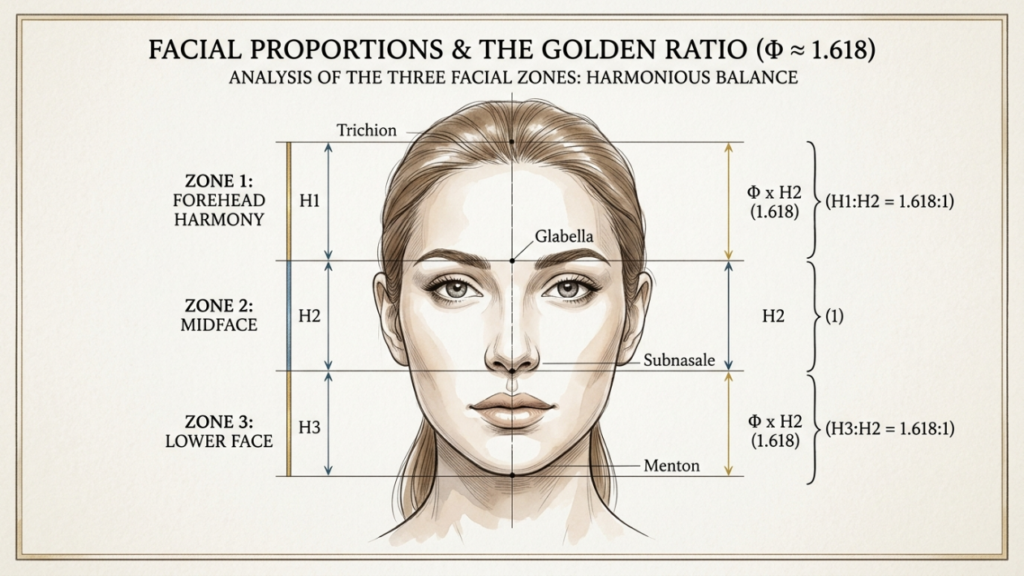
El proporción áurea (1:1,618) La proporción áurea se cita a menudo en las discusiones sobre la belleza facial, pero su aplicación al tamaño de la frente se malinterpreta con frecuencia. Si bien la proporción áurea puede guiar las proporciones faciales generales, no es una regla rígida para la evaluación de la frente. En cambio, los cirujanos se centran en la armonía entre la frente, la parte media del rostro y la parte inferior del rostro.
Por ejemplo, un paciente con una línea de cabello alta aún podría tener proporciones faciales equilibradas si su tercio medio facial y su mandíbula son proporcionalmente más grandes. Por el contrario, un paciente con una frente "normal" según la regla de los "dos dedos" podría parecer desequilibrado si su tercio medio facial está subdesarrollado. Por eso evaluaciones personalizadas son fundamentales en la feminización facial y la cirugía reconstructiva.
Alternativas no quirúrgicas: ¿Es posible corregir una frente grande sin cirugía?
No todo el mundo necesita cirugía para lograr la armonía facial. Las opciones no quirúrgicas pueden ser muy efectivas, especialmente para pacientes con preocupaciones leves o aquellos que no desean someterse a procedimientos invasivos. Estas incluyen:
- Tatuajes en la línea del cabello (Micropigmentación del cuero cabelludo)Crea la ilusión de una línea de cabello más baja mediante el tatuaje de pequeños puntos que imitan los folículos pilosos.
- Inyecciones de Botox: Relaja los músculos de la frente, reduciendo la apariencia de una frente abultada.
- RellenosLa colocación estratégica de rellenos en las sienes o en la zona media del rostro puede equilibrar las proporciones de la frente.
- PeinadoEl flequillo o los cortes a capas pueden reducir visualmente la prominencia de la frente.
Estas alternativas resultan especialmente atractivas para los pacientes que desean evitar periodos de inactividad o riesgos quirúrgicos. Sin embargo, no son soluciones permanentes y pueden requerir mantenimiento con el tiempo.

El papel de la afirmación de género en la percepción de la frente
Para las personas transgénero, el tamaño de la frente suele desempeñar un papel importante en afirmación del género. Una frente prominente o “masculina” puede ser una fuente de disforia de género, lo que lleva a muchos a buscar cirugía de feminización facial (FFS). Sin embargo, la decisión de someterse a la cirugía debe basarse en métricas clínicas—no son mitos culturales.
En FFS, los cirujanos se centran en suavizando los rasgos angulares y restaurar proporciones que se alineen con la identidad de género del paciente. Esto podría implicar contorno de la frente, avance de la línea del cabello o incluso levantamiento de cejas. El objetivo no es ajustarse a la regla de los "dos dedos", sino crear un rostro que se sienta auténticamente tú.
Cómo evaluar tu frente: una guía paso a paso
¿Listo para ir más allá de la regla de los "dos dedos"? Aquí te mostramos cómo evaluar tu frente como un cirujano:
- Mide la distancia desde la línea del cabello hasta la glabela.Utiliza una regla para medir la distancia vertical desde la línea del cabello hasta la glabela. Compárala con la altura total de tu rostro (desde la línea del cabello hasta el mentón). La proporción ideal es de 1:3.
- Evalúa las proporciones de tu rostro.Tómate una foto de tu rostro de perfil y de frente. Usa un programa de edición de fotos para dibujar líneas y comparar proporciones.
- Consulte a un especialista.Programe una consulta con un cirujano plástico facial certificado. cirujano o especialista en cirugía de feminización facial. Pueden realizar un análisis 3D de la estructura facial.
- Considera tus objetivos¿Buscas cirugía por motivos estéticos, afirmación de género o alivio psicológico? Sé sincera sobre tus motivaciones.
- Explora opciones no quirúrgicasSi la cirugía no es la opción adecuada para usted, hable con su especialista sobre alternativas como rellenos, bótox o cambios en el peinado.
El futuro de la estética de la frente: ¿Qué nos depara el 2026?
A medida que avanzamos hacia 2026, el campo de la estética facial está evolucionando rápidamente. Avances en Imágenes 3D y Planificación quirúrgica basada en IA están facilitando la predicción de resultados y la personalización de procedimientos. Además, hay un énfasis creciente en apoyo psicológico Para los pacientes que se someten a transformaciones faciales, es fundamental garantizar que las decisiones se tomen desde una posición de empoderamiento, no de inseguridad.
Un avance emocionante es el uso de implantes biocompatibles para contorno de la frente, que ofrecen resultados más naturales con menos tiempo de recuperación. Mientras tanto, las opciones no quirúrgicas como lifting de hilos y Reducción de la línea del cabello con láser Se están volviendo cada vez más populares entre quienes buscan mejoras sutiles.
Preguntas frecuentes
¿Por qué se considera un mito la regla de los "dos dedos"?
La regla de los 'dos dedos' carece de validación clínica y no tiene en cuenta las variaciones individuales en la anatomía facial, la etnia o el género. Los cirujanos se basan en parámetros objetivos como la proporción entre la línea del cabello y el entrecejo, que proporciona una evaluación más precisa de las proporciones de la frente.
¿Qué es la proporción entre la línea del cabello y la glabela, y por qué es importante?
La proporción entre la línea del cabello y la glabela compara la distancia vertical desde la línea del cabello hasta la glabela (entre las cejas) con la altura total del rostro. Una proporción ideal de 1:3 se considera armoniosa, mientras que las desviaciones pueden indicar la necesidad de una intervención quirúrgica o no quirúrgica.
¿Se puede corregir una frente ancha sin cirugía?
Sí, existen opciones no quirúrgicas como tatuajes en la línea del cabello, inyecciones de bótox, rellenos y peinados estratégicos que pueden reducir visualmente la prominencia de la frente. Estos métodos son ideales para pacientes que buscan una recuperación mínima o soluciones no invasivas.
¿Cómo influye el tamaño de la frente en la afirmación de género?
Para las personas transgénero, el tamaño de la frente puede ser un factor importante en la disforia de género. La cirugía de feminización facial (CFF) suele incluir el contorno de la frente o el avance de la línea del cabello para crear proporciones más femeninas y alinearlas con la identidad de género del paciente.
¿Cuáles son los riesgos de la cirugía de reducción de frente?
Como en cualquier cirugía, existen riesgos como infección, cicatrices y daño nervioso. Sin embargo, elegir un cirujano certificado y seguir las pautas preoperatorias puede minimizar estos riesgos. Es fundamental hablar sobre las posibles complicaciones durante la consulta.
¿Cómo puedo saber si mi frente es proporcionada?
Evalúa la proporción entre la línea del cabello y el entrecejo, y compárala con la altura total de tu rostro. Una proporción de 1:3 es ideal, pero existen variaciones individuales. Consultar con un cirujano plástico facial para un análisis 3D puede brindarte una respuesta definitiva.
¿Qué avances se esperan en la estética de la frente para el año 2026?
En 2026, avances como la planificación quirúrgica asistida por IA, los implantes biocompatibles y los hilos tensores no quirúrgicos están revolucionando la estética de la frente. Estas innovaciones ofrecen resultados más precisos y naturales, con menor tiempo de recuperación y mayor satisfacción del paciente.
¿Está cubierta por el seguro la cirugía de reducción de frente?
La cobertura varía según el proveedor y el país. En algunos casos, reducción de la frente Puede considerarse médicamente necesario para la afirmación de género o el bienestar psicológico, lo que aumenta la probabilidad de cobertura del seguro. Consulte siempre con su proveedor para obtener información específica.