

Aynanın karşısında durduğunuzu, iki parmağınızı alnınıza bastırdığınızı ve şunu merak ettiğinizi hayal edin: Bu normal mi? On yıllardır, "2 parmak" veya "4 parmak" kuralı alın büyüklüğü için kültürel bir ölçüt olmuş, güzellik standartlarını ve öz algıyı şekillendirmiştir. Ama işte gerçek şu: Bu kural bir efsanedir.. Klinik doğrulamadan yoksun ve yüz oranlarının incelikli bilimsel yönlerini göz ardı ediyor. 2026 yılında, yüz feminizasyonu Yüz germe ameliyatı (FFS) ve rekonstrüktif teknikler geliştikçe, eski mitleri objektif, antropometrik ölçümlerle değiştirmenin zamanı geldi. Bu makale, alın büyüklüğüne yönelik kültürel takıntıyı inceliyor ve bunu alın germe gibi klinik ölçümlerle karşılaştırıyor. saç çizgisi-kaş arası oranı, Ve bu sayede alnınızı bir cerrahın bakış açısıyla değerlendirebilirsiniz; bir TikTok trendinin gözünden değil.
Kültürel Takıntı: "İki Parmak" Kuralı Neden Hala Devam Ediyor?
Alnın büyüklüğünü ölçmek için iki parmağı yatay olarak alnın üzerine yerleştirmeyi içeren "iki parmak kuralı", sosyal medya, güzellik forumları ve hatta bazı cerrahi dışı uygulayıcılar tarafından yaygınlaştırılmıştır. Peki kökeni nereden geliyor? Klinik ölçümlerin aksine, bu kuralın kökeninde hiçbir şey yok. hakemli çalışmalar veya antropometrik araştırmaların bir yan ürünüdür. Bunun yerine, bir yan üründür. kültürel güzellik idealleri Bilimsel dayanağı olmadan simetri ve orana öncelik verenler.
2025 yılında yayınlanan bir çalışmada, Kraniyofasiyal Cerrahi Dergisi, Araştırmacılar 500 yüz taramasını analiz ederek alın boyutunun etnik köken, cinsiyet ve yaşa bağlı olarak önemli ölçüde değiştiğini buldu. "İki parmak" kuralı bu değişkenleri hesaba katmadığı için genellikle gereksiz kaygıya veya yanlış yönlendirilmiş cerrahi kararlara yol açmaktadır. Örneğin, bu kurala göre "büyük" görünen bir alın, aslında ölçüldüğünde orantılı olabilir. saç çizgisi-kaş arası oranı, Alın bölgesindeki gerilemeyi değerlendirmek için cerrahlar tarafından kullanılan klinik bir standart.

Klinik Gerçek: Saç Çizgisi-Kaş Arası Oranı ve Alın Oranları
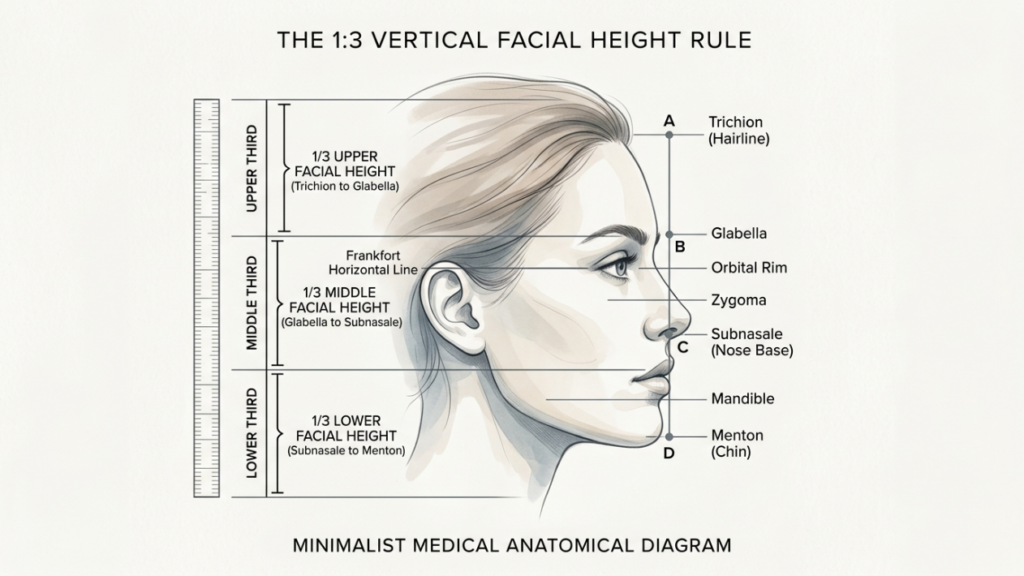
Cerrahlar alın ölçüsü almak için parmaklarını değil, başka bir yöntem kullanırlar. antropometrik oranlar. En kritik ölçüt şudur: saç çizgisi-kaş arası oranı, Bu yöntem, saç çizgisinden kaşların arasındaki bölgeye (glabella) kadar olan dikey mesafeyi, yüzün genel yüksekliğiyle karşılaştırır. 2024 yılında yapılan bir araştırmaya göre Plastik ve Rekonstrüktif Cerrahi, Yüz uyumu için ideal oran yaklaşık olarak şöyledir: 1:3. Bu, saç çizgisinden kaş arası çizgisine kadar olan mesafenin, yüzün toplam yüksekliğinin yaklaşık üçte biri olması gerektiği anlamına gelir.
Bu oran neden önemli? Çünkü doğrudan yüzün algılanan dengesini etkiliyor. Bu oranı aşan bir alın orantısız görünebilir, ancak mutlaka "çok büyük" değil“. Örneğin, yüksek bir saç çizgisi, kemik yapısı ortalama olsa bile, daha geniş bir alın yanılsaması yaratabilir. Bu nedenle cerrahlar sıklıkla aşağıdaki gibi prosedürleri önerirler: saç çizgisinin düşürülmesi veya alın şekillendirme Uyumu yeniden sağlamak, keyfi parmakla belirlenmiş kurallara uymak değil.

Psikolojik Etki: Alın Büyüklüğünün Benlik Algısını Nasıl Etkilediği
Alın büyüklüğüne yönelik kültürel takıntı sadece estetikle ilgili değil; derinden bağlantılıdır... öz saygı ve kimlik. 2026 yılında yapılan bir çalışmada... Vücut İmajı Alınları "çok büyük" olarak algılanan bireylerin daha yüksek sosyal kaygı düzeylerine ve daha düşük özgüvene sahip oldukları ortaya çıktı. Bu psikolojik yük, genellikle sosyal medya filtreleri ve "küçük alın"ı kadınlık veya çekiciliğin bir göstergesi olarak önceliklendiren güzellik standartları tarafından daha da kötüleştiriliyor.
Ancak çalışma aynı zamanda şunu da ortaya koydu ki yüz oranları hakkında eğitim Kaygı düzeylerinde önemli ölçüde azalma görüldü. Katılımcılar saç çizgisi-kaş kemiği oranı ve diğer klinik ölçümler hakkında bilgi edindiklerinde, alınlarını "anormal" olarak algılama olasılıkları azaldı. Bu, yanlış inanışları gerçeklerle değiştirmenin önemini vurgulamaktadır. kanıta dayalı bilgi—modernliğin temel bir ilkesi yüz feminizasyonu ve rekonstrüktif cerrahi.
Alın Küçültme Ameliyatı: Tıbbi Olarak Ne Zaman Gerekçelidir?
Alın küçültme ameliyat, aşağıdakiler de dahil olmak üzere çeşitli işlemler saç çizgisi ilerlemesi veya alın şekillendirme, Burada amaç trendleri takip etmek değil, yüz uyumunu yeniden sağlamaktır. Cerrahlar genellikle şu durumlarda bu işlemleri önerir:
- Saç çizgisi ile kaş arası oranı 1:3'ü aşıyor., Bu durum, yüz oranlarında görsel bir dengesizliğe yol açar.
- Alın kemiği aşırı derecede belirgin., Bu durum, genel yüz hatlarını etkiler (yüz feminizasyonu arayan hastalarda yaygındır).
- Saç çizgisinde belirgin gerileme var., Bu durum, alnın olduğundan daha büyük görünmesine neden olur.
- Hasta psikolojik sıkıntı yaşıyor. Alın büyüklüğüne ilişkin algı nedeniyle yaşam kaliteleri olumsuz etkilenmektedir.
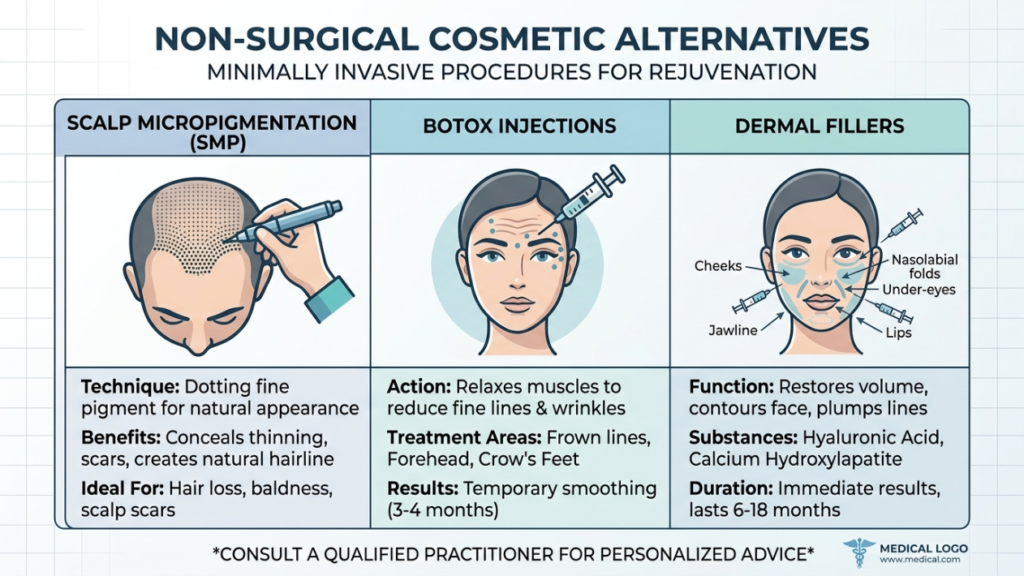
Ameliyatın tek çözüm olmadığını belirtmek çok önemlidir. Ameliyat dışı seçenekler arasında şunlar yer almaktadır: saç çizgisi dövmeleri veya botoks enjeksiyonları Alın kaslarını gevşetmek, invaziv işlemlere gerek kalmadan daha küçük bir alın illüzyonu da yaratabilir.
Altın Oran ve Alın Uyumu: Bilmeniz Gerekenler
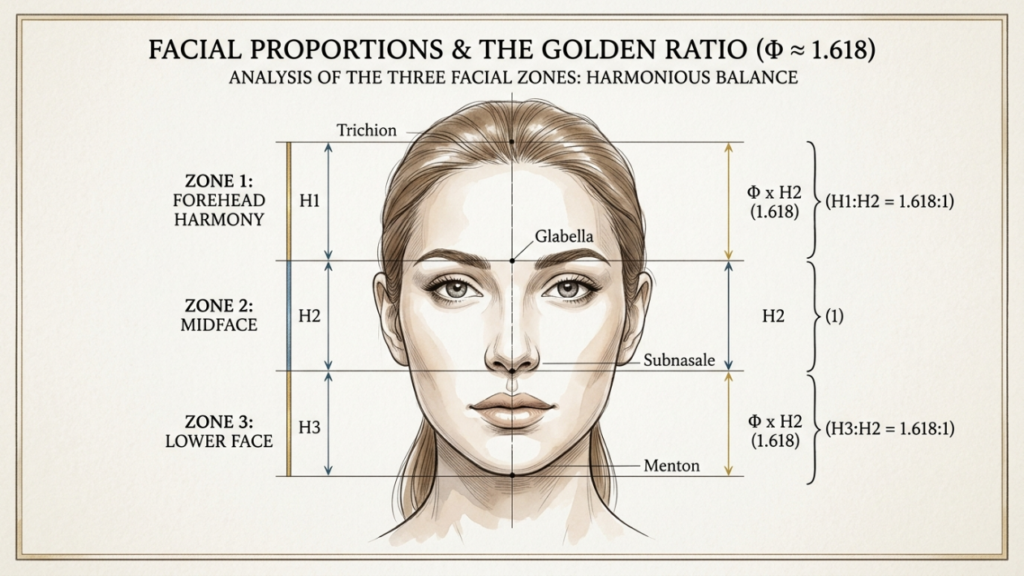
The altın oran (1:1.618) Yüz güzelliği hakkındaki tartışmalarda sıklıkla dile getirilen altın oran, alın büyüklüğüne uygulanması genellikle yanlış anlaşılmaktadır. Altın oran genel yüz oranlarına rehberlik edebilse de, alın değerlendirmesi için katı bir kural değildir. Bunun yerine, cerrahlar alın büyüklüğüne odaklanırlar. Alın, orta yüz ve alt yüz arasında uyum.
Örneğin, yüksek saç çizgisine sahip bir hastanın, orta yüzü ve çenesi orantılı olarak daha büyükse, yine de dengeli bir yüz oranına sahip olabilir. Tersine, "2 parmak" kuralına göre "normal" bir alına sahip bir hasta, orta yüzü gelişmemişse dengesiz görünebilir. İşte bu yüzden kişiselleştirilmiş değerlendirmeler Yüzün kadınsılaştırılması ve rekonstrüktif cerrahisinde kritik öneme sahiptirler.
Ameliyatsız Alternatifler: Ameliyat Olmadan Büyük Alın Sorununu Çözmek Mümkün Mü?
Yüz uyumunu sağlamak için herkesin ameliyata ihtiyacı yoktur. Özellikle hafif sorunları olan veya invaziv prosedürlere girmek istemeyen hastalar için cerrahi olmayan seçenekler oldukça etkili olabilir. Bunlar şunlardır:
- Saç Çizgisi Dövmeleri (Kafa Derisi Mikropigmentasyonu)Saç köklerini taklit eden minik noktalar dövme yaparak daha aşağıda bir saç çizgisi illüzyonu yaratır.
- Botoks EnjeksiyonlarıAlın kaslarını gevşeterek, alnın "şişkin" görünümünü azaltır.
- DolgularAlın oranlarını dengelemek için şakaklara veya yüzün orta kısmına stratejik olarak dolgu maddeleri yerleştirilebilir.
- Saç şekillendirmeSaçlara kakül veya katlı kesimler, alın bölgesinin belirginliğini görsel olarak azaltabilir.
Bu alternatifler, özellikle iyileşme sürecini geciktirmek veya cerrahi risklerden kaçınmak isteyen hastalar için caziptir. Bununla birlikte, bunlar kalıcı çözümler değildir ve zaman içinde bakım gerektirebilir.

Alın Algısında Cinsiyet Onayının Rolü
Trans bireyler için alın büyüklüğü genellikle önemli bir rol oynar. cinsiyet onayı. Belirgin veya "erkeksi" bir alın, cinsiyet disforisine neden olabilir ve birçok kişiyi yüz feminizasyon ameliyatı (FFS) aramaya yönlendirebilir. Ancak ameliyat olma kararı, aşağıdakilere dayanmalıdır: klinik ölçümler—kültürel efsaneler değil.
FFS'de cerrahlar şunlara odaklanır: açısal özellikleri yumuşatmak ve hastanın cinsiyet kimliğiyle uyumlu oranların yeniden sağlanması. Bu, şunları içerebilir: alın şekillendirme, Saç çizgisi ilerletme veya hatta kaş kaldırma gibi işlemler de dahil olmak üzere, amaç "iki parmak" kuralına uymak değil, otantik hissettiren bir yüz yaratmaktır. Sen.
Alnınızı Nasıl Değerlendirebilirsiniz: Adım Adım Kılavuz
“İki parmak” kuralının ötesine geçmeye hazır mısınız? İşte alnınızı nasıl değerlendireceğiniz: Cerrah:
- Saç çizgisinden kaş arası mesafeyi ölçün.Bir cetvel kullanarak saç çizginizden kaş arası çizgisine kadar olan dikey mesafeyi ölçün. Bunu toplam yüz yüksekliğinizle (saç çizgisinden çeneye kadar) karşılaştırın. İdeal oran 1:3'tür.
- Yüz oranlarınızı değerlendirin.Yüzünüzün profil ve ön görünümünün fotoğrafını çekin. Fotoğraf düzenleme yazılımı kullanarak çizgiler çizin ve oranları karşılaştırın.
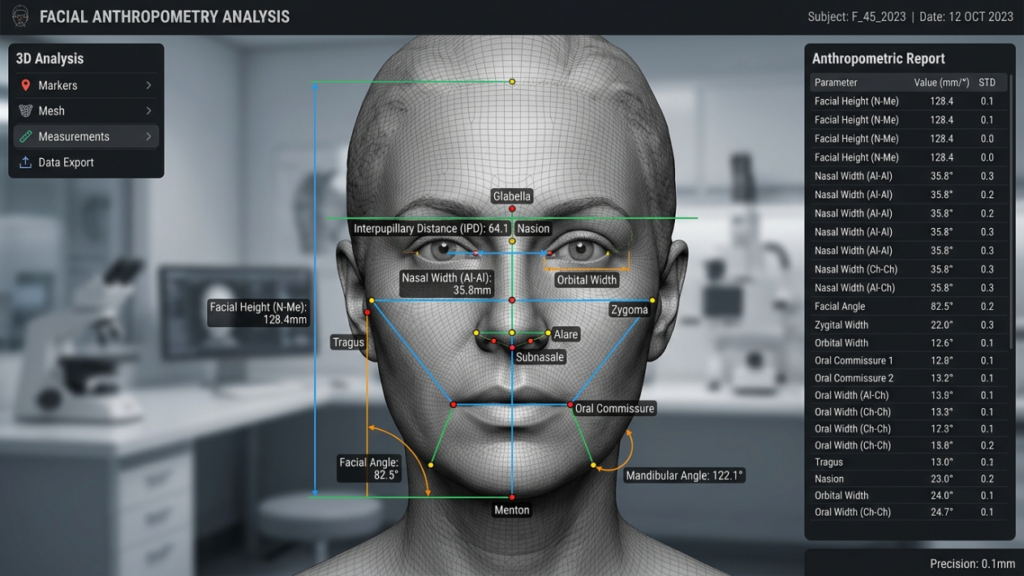
- Bir uzmana danışın.Sertifikalı bir yüz plastik cerrahı ile görüşme randevusu alın. Cerrah Ya da FFS (Yüz Femiği Sörveyi) uzmanına başvurabilirsiniz. Yüz yapınızın 3 boyutlu analizini yapabilirler.
- Hedeflerinizi göz önünde bulundurun.Estetik nedenlerle, cinsiyet geçişi için veya psikolojik rahatlama için mi ameliyat olmak istiyorsunuz? Motivasyonlarınız konusunda dürüst olun.
- Cerrahi olmayan seçenekleri keşfedinEğer ameliyat sizin için uygun değilse, uzmanınızla dolgu maddeleri, botoks veya saç şekillendirme gibi alternatifleri görüşün.
Alın Estetiğinin Geleceği: 2026'da Sırada Ne Var?
2026 yılına doğru ilerlerken, yüz estetiği alanı hızla gelişiyor. Bu alandaki gelişmeler... 3 boyutlu görüntüleme Ve Yapay zeka destekli cerrahi planlama Sonuçları tahmin etmeyi ve prosedürleri kişiselleştirmeyi kolaylaştırıyorlar. Ek olarak, giderek artan bir vurgu da söz konusu. psikolojik destek Yüz estetiği ameliyatı geçiren hastalar için, kararların güvensizlikten değil, güçlenme duygusundan yola çıkarak verilmesini sağlamak.
Heyecan verici gelişmelerden biri de şu durumun kullanılmasıdır: biyouyumlu implantlar için alın şekillendirme, Bu yöntemler daha doğal sonuçlar ve daha az iyileşme süresi sunar. Öte yandan, cerrahi olmayan seçenekler arasında şunlar yer alır: iplik kaldırmalar Ve lazerle epilasyon İnce detaylarla görünümünü iyileştirmek isteyenler için giderek daha popüler hale geliyorlar.
Sıkça Sorulan Sorular
'İki parmak' kuralı neden bir efsane olarak kabul ediliyor?
'İki parmak' kuralı klinik olarak doğrulanmamıştır ve yüz anatomisindeki, etnik kökendeki veya cinsiyetteki bireysel farklılıkları hesaba katmaz. Cerrahlar, alın oranlarının daha doğru bir değerlendirmesini sağlayan saç çizgisi-kaş arası oranı gibi objektif ölçütlere güvenirler.
Saç çizgisi ile kaş arası oranı nedir ve neden önemlidir?
Saç çizgisi-kaş arası oranı, saç çizgisinden kaş arasına (glabella) kadar olan dikey mesafenin toplam yüz yüksekliğine oranını ifade eder. 1:3'lük ideal bir oran uyumlu kabul edilirken, sapmalar cerrahi veya cerrahi olmayan müdahale ihtiyacını gösterebilir.
Geniş alın ameliyatsız olarak düzeltilebilir mi?
Evet, saç çizgisi dövmeleri, botoks enjeksiyonları, dolgu maddeleri ve stratejik saç şekillendirme gibi cerrahi olmayan seçenekler alın bölgesindeki çıkıntıyı görsel olarak azaltabilir. Bu yöntemler, minimum iyileşme süresi gerektiren veya invaziv olmayan çözümler arayan hastalar için idealdir.
Alın büyüklüğü cinsiyet kimliğinin onaylanmasını nasıl etkiler?
Trans bireyler için alın büyüklüğü, cinsiyet disforisinde önemli bir faktör olabilir. Yüz feminizasyon ameliyatı (FFS), daha kadınsı oranlar yaratmak ve hastanın cinsiyet kimliğiyle uyumlu hale getirmek için genellikle alın kontürleme veya saç çizgisi ilerletme işlemlerini içerir.
Alın küçültme ameliyatının riskleri nelerdir?
Her ameliyatta olduğu gibi, enfeksiyon, yara izi ve sinir hasarı gibi riskler mevcuttur. Ancak, alanında uzman bir cerrah seçmek ve ameliyat öncesi yönergeleri takip etmek bu riskleri en aza indirebilir. Konsültasyon sırasında olası komplikasyonları görüşmek çok önemlidir.
Alnımın orantılı olup olmadığını nasıl anlarım?
Saç çizginiz ile kaş arası çizginiz arasındaki oranı değerlendirin ve bunu toplam yüz yüksekliğinizle karşılaştırın. 1:3 oranı idealdir, ancak bireysel farklılıklar olabilir. 3 boyutlu analiz için bir yüz plastik cerrahına danışmak kesin bir cevap sağlayabilir.
2026 yılına kadar alın estetiğinde ne gibi gelişmeler bekleniyor?
2026 yılında, yapay zeka destekli cerrahi planlama, biyouyumlu implantlar ve cerrahi olmayan ip askılama gibi gelişmeler alın estetiğinde devrim yaratıyor. Bu yenilikler, daha kısa iyileşme süresi ve daha yüksek hasta memnuniyeti ile daha hassas, doğal sonuçlar sunuyor.
Alın küçültme ameliyatı sigorta kapsamında mı?
Kapsam, sağlayıcıya ve ülkeye göre değişir. Bazı durumlarda, alın küçültme Cinsiyet geçişi veya psikolojik iyilik hali için tıbbi olarak gerekli görülebilir ve bu da sigorta kapsamı olasılığını artırır. Ayrıntılar için her zaman sağlık hizmeti sağlayıcınızla görüşün.