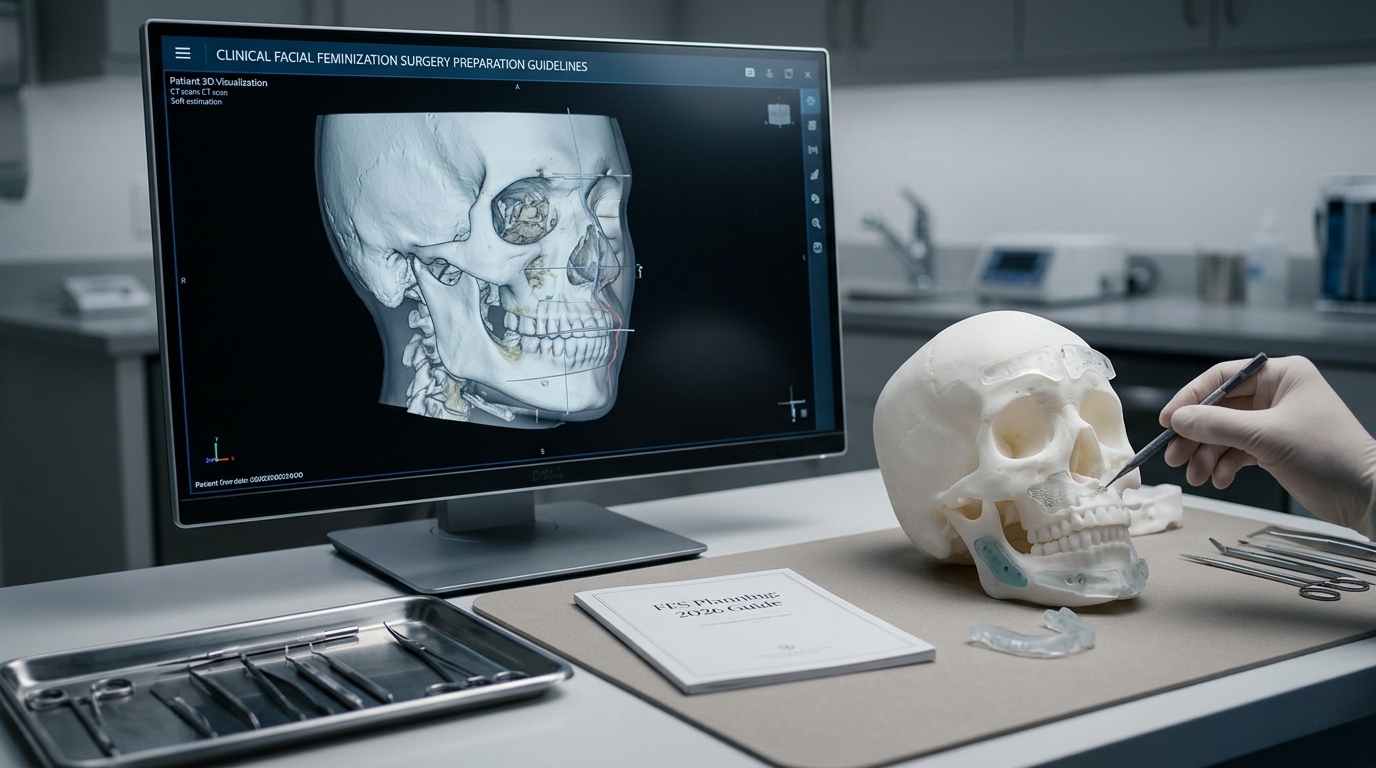

Ya yüzünüzdeki saat sadece tıkır tıkır işlemekle kalmıyor, aynı zamanda... dönüşümünüzün başarısını belirleyen? Soru şu ki ideal yaş için Yüz Feminizasyonu Cerrahi (FFS) Bu sadece yıllarla ilgili değil; aramızdaki sessiz savaşla ilgili. kemik olgunlaşması, hormon tedavisi ve cilt elastikiyeti. 20 yaşında, yüz iskeletiniz değişime dirençli, erkekliğin kalesi gibidir. 40 yaşına geldiğinizde, bir zamanlar esnek bir müttefik olan cildinizin kolajen ağı size ihanet etmeye başlar ve cerrahi hassasiyeti zorlaştırır. Ve eğer yıllarca ameliyat olmadan hormon replasman tedavisi (HRT) aldıysanız, yumuşak dokularınız zaten cerrahi müdahale gerektirecek şekilde değişmiş olabilir. tamamen farklı Bu sadece daha genç görünmekle ilgili değil; aynı zamanda yaklaşım meselesi. Biyolojinin izin verdiği anda yüz yapınızı yeniden şekillendiriyoruz..
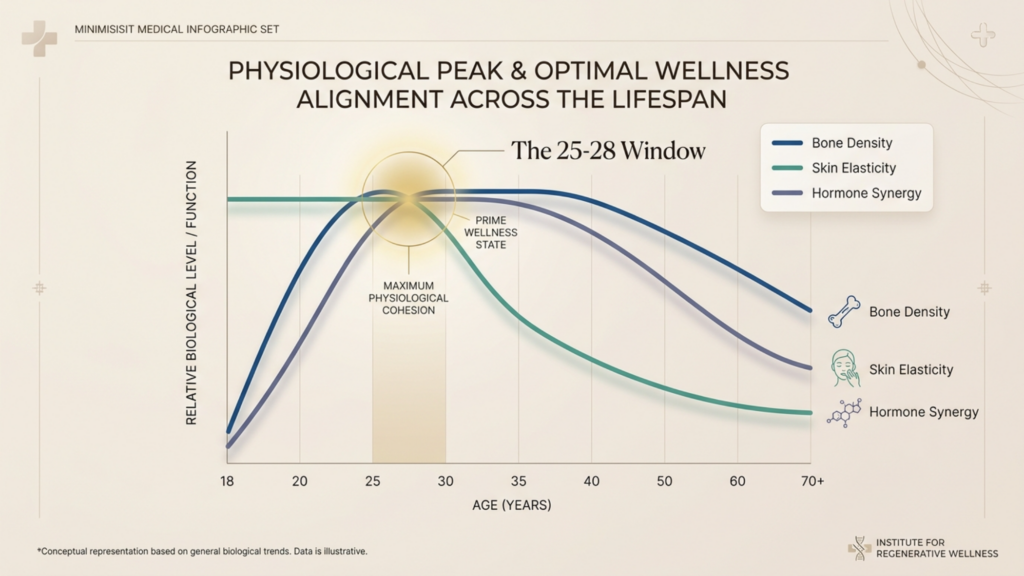
İşte size kimsenin söylemediği gerçek: Yüz feminizasyon ameliyatı için "ideal yaş" bir sayı değil, 3 yıllık bir zaman dilimidir.. Bunu kaçırırsanız, ya sert bir iskeletle mücadele edersiniz ya da çöken cilt elastikiyetine karşı yarışırsınız. Ama doğru yaparsanız, HRT, cerrahi zamanlama ve doku direncinin sinerjisi, en yetenekli cerrahların bile bu çerçeve dışında tekrarlamakta zorlandığı sonuçlar verebilir. Bu kılavuz sadece cevap vermekle kalmıyor Ne zaman; ortaya koyuyor Neden Bu fırsat penceresi mevcut ve ondan nasıl faydalanılacağı.

İçindekiler
Kemik Olgunlaşması Paradoksu: 20'li Yaşlarınız Neden İki Ucu Keskin Bir Kılıç Gibi
Yüz iskeletiniz sadece bundan ibaret değil. durmak 18 yaşında büyüyor—bu son erkeksi formuna kireçlenir. Kraniyofasiyal araştırmalara göre, 20 yaşına gelindiğinde kaş kemiği, çene ve çene altı, yetişkin yoğunluğunun ,1'ine ulaşmaktadır. Ağız ve Çene Cerrahisi Dergisi (2023). İşte acımasız ironi: Geçiş sürecini ne kadar erken başlatırsanız, kemikleriniz kadınlaşmaya o kadar direnç gösterir.. 22 yaşındaki birinin elmacık kemikleri, 35 yaşındaki birinin kemiklerinin minimal müdahaleyle tolere edebileceği agresif osteotomiler gerektirebilir. Ancak çok uzun süre beklerseniz, iskelet sertliğinden ödün vermiş olursunuz. 25% daha az elastik olan cilt (dermatolojik verilerden) Dermatoloji Klinikleri, (2024), bu da ameliyat sonrası iyileşmeyi ve yara izinin gizlenmesini katlanarak zorlaştırıyor.
İşte işin can alıcı noktası: HRT tek başına kemik yapısını değiştiremez.. Östrojen bağ dokularını yumuşatır ve yağ dağılımını yeniden düzenler, ancak belirgin bir kaş kemiğini küçültmez veya geniş bir çeneyi daraltmaz. Bu yüzden... 22-28 yaş aralığı ortaya çıkıyor biyolojik optimum noktaKemikler, hassas cerrahi modifikasyon için yeterince olgunlaşmıştır ancak 30 yaşından sonra hızlanan demineralizasyon süreci henüz başlamamıştır. Veriler şu kaynaktan alınmıştır: Uluslararası Kraniyofasiyal Cerrahi Derneği Bu zaman dilimindeki hastaların yaşadığı deneyimleri gösteriyor. 30% daha az revizyon Asimetri veya eksik feminizasyon açısından, bu durumun dışında kalanlara kıyasla.
| Yaş Aralığı | Kemik Yoğunluğu | Cilt Esnekliği | HRT Etkinliği | Cerrahi Risk |
| 18–21 | Tepe yoğunluğu (değiştirilmesi en zor olan) | Yüksek | Orta düzeyde (yağ dağılımı değişikliği) | Yüksek (agresif osteotomiler gerekli) |
| 22–28 | İstikrarlı ama şekillendirilebilir | Optimal | Yüksek (ameliyatla sinerji) | Düşük |
| 29–35 | Erken demineralizasyon başlar | Orta düzeyde düşüş | İyi (ama daha yavaş sonuçlar) | Orta derecede (iyileşme komplikasyonları) |
| 36+ | Önemli demineralizasyon | Düşük | Sınırlı (cilt sarkması) | Yüksek (revizyon oranları) |
HRT'nin Gizli Zaman Çizelgesi: Hormon Tedavisine Ne Kadar Süredir Devam Ettiğiniz Her Şeyi Değiştiriyor
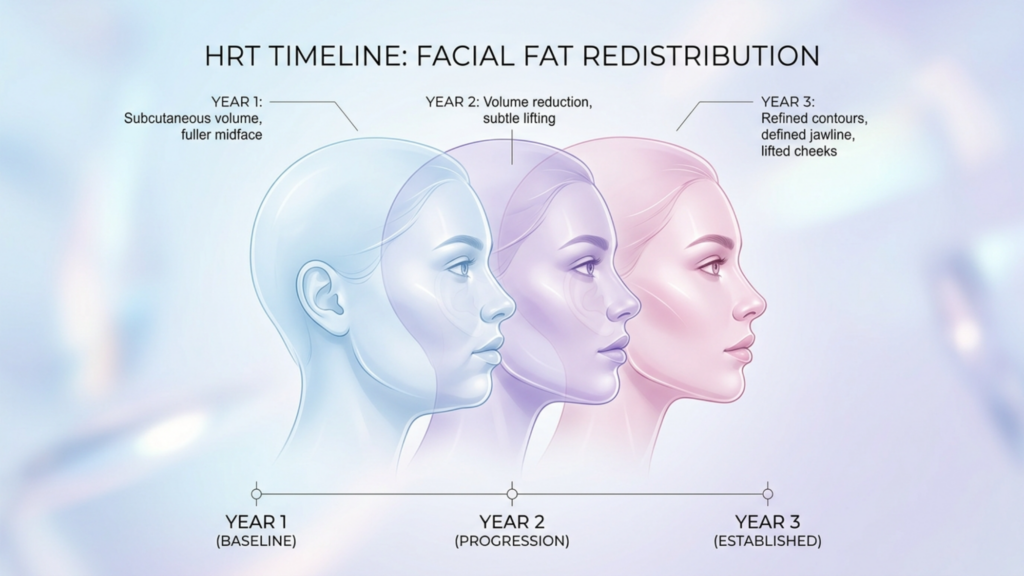
Hormon replasman tedavisi sadece yüz feminizasyon ameliyatının bir ön aşaması değil, aynı zamanda bir sürecidir. cerrahi değişken. A 2025 çalışma Endokrinoloji Uygulaması HRT tedavisi gören hastaların 3+ yıl FFS'den önce gerekliydi 20% daha az kemik azalması gibi prosedürlerde alın şekillendirme Çünkü östrojen zaten frontal sinüsün kortikal kemiğini yumuşatmıştı. Ama işin püf noktası şu: 30 yaşından sonra hormon replasman tedavisine başlarsanız, yumuşak doku yanıtınız yarı yarıya azalır.. Kolajen üretimi 25 yaşından sonra yılda 1% oranında azalır (Amerikan Dermatoloji Akademisi, 2024), bu da östrojenin dudaklar ve yanaklardaki dolgunlaştırıcı etkisinin cerrahi müdahale talepleri artarken azaldığı anlamına gelir.
Şunu göz önünde bulundurun: sezgisel olmayan bulguHormon replasman tedavisine 20'li yaşlarının başında başlayan ancak yüz feminizasyon ameliyatını 30'lu yaşlarının sonuna kadar erteleyen hastalar genellikle şu sorunlarla karşılaşırlar: daha karmaşık ameliyatlar Daha geç geçiş yapanlara göre daha uzun süreli hormon replasman tedavisi daha yavaş gerçekleşir. Neden? Çünkü yapısal müdahale olmadan uzun süreli hormon replasman tedavisi, yumuşak dokuların daha fazla gelişmesine olanak tanır. “söndürmek” Erkek iskeleti üzerinde, ek işlem gerektiren oyuklar ve kıvrımlar oluşturur. yağ aşısı veya kaldırma işlemleri. Önde gelen FFS uzmanı Dr. Jordan Desmond buna "yüz feminizasyon ameliyatı" diyor. “HRT Paradoksu”: “"Östrojen, aslında ihtiyaç duyduğunuz iskeletsel çalışmayı gizlediğini fark edene kadar size ilerleme yanılsaması verir."”

Cilt Esnekliği: Göz Ardı Edemeyeceğiniz Görünmez Geri Sayım
Cildinizin yeteneği streç film Kadınsı hatların etrafındaki desenler, sonuçlarınızın sessiz hakimidir. 2024 yılında yapılan bir çalışmada... Plastik ve Rekonstrüktif Cerrahi 40 yaş üstü hastaların bir 40%'de daha yüksek oranda görünür yara izi oluşumu görülür. FFS sonrası elastin liflerinin azalması nedeniyle. Ancak gerçek tehdit yara izi değil, “cilt hafızası”. On yıllarca erkeksi kalıplara uyum sağladıktan sonra, cildiniz yeniden şekillenmeye direnç gösterir. çene küçültme 45 yaşında birinin cildinin kolayca toparlayacağı sarkık yanaklara neden olabilir.
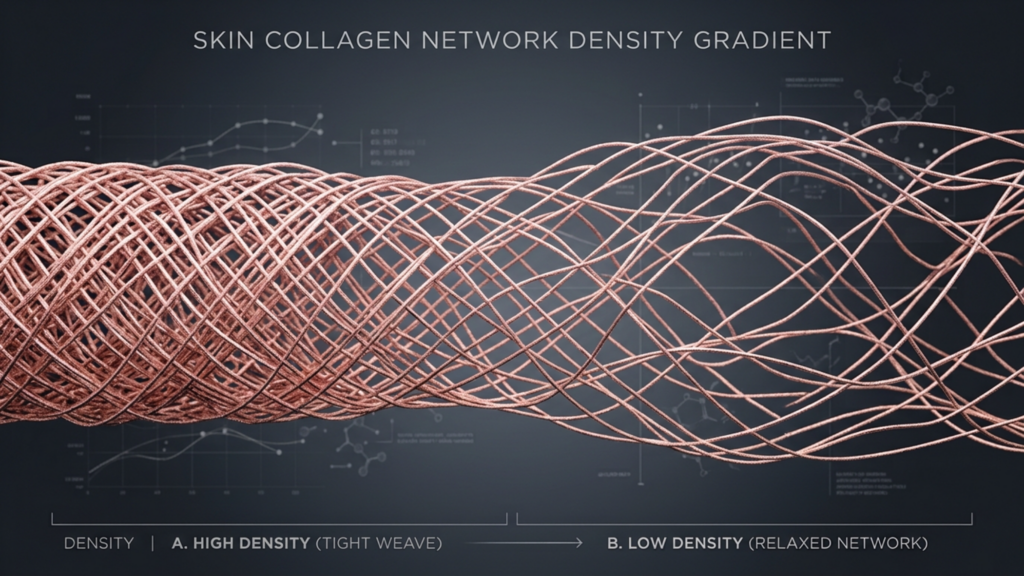
Burası ameliyat öncesi cilt hazırlığı Bu durum pazarlık konusu olmaktan çıkıyor. Dermatologlar artık şunu öneriyor: 6 aylık tedavi programı 35 yaş üstü hastalar için retinoidler, hyaluronik asit enjeksiyonları ve LED terapisi “"astar vurmak"” Ameliyat için cilt hazırlığı. Amaç? Kolajen üretimini 1'e kadar artırmak (Kozmetik Dermatoloji Dergisi, 2023), böylece ameliyat sonrası sarkma riskini azaltmak. Ancak hazırlık yapılsa bile, Hiçbir cilt bakım ürünü kaybedilen elastikiyeti telafi edemez.. Bu yüzden cerrahlar gibi kişiler... Dr.MFO ısrar etmek “35 yıllık kural”: “"35 yaşın üzerindeyseniz, sadece kadınlaşmayı planlamıyoruz; yerçekimine karşı da mühendislik yapıyoruz."”
Yüz Feminizasyon Ameliyatı Öncesi Mutlaka Yapılması Gereken 3 Cilt Testi
- Sıkıştırma Testi: Yanağınızdaki deriyi sıkıştırın. Eğer anında eski haline dönüyorsa, güvenli bölgedesiniz demektir. Eğer 2 saniyeden fazla sürüyorsa, FFS sonrası ek cilt sıkılaştırma işlemlerine ihtiyacınız olacaktır.
- Çene Değerlendirmesi: Aynaya gülümseyin. Eğer belirgin burun-dudak kıvrımları veya sarkık çene görüyorsanız, cildinizin elastikiyeti zaten bozulmuş demektir. Bu sizi yüz feminizasyon ameliyatından (FFS) diskalifiye etmez, ancak cerrahi yaklaşımı değiştirir (örneğin, birleştirme), çene küçültme daha düşük bir seviyede yüz germe).
- Hidrasyon Tepkisi: 2 litre su için ve 1 saat sonra cildinizin dolgunluğunu kontrol edin. Zayıf yanıt, hyaluronik asit rezervlerinin tükendiğini gösterir; bu da ameliyat sonrası iyileşme için bir uyarı işaretidir.
Psikolojik Sürpriz: Beyninizin Zaman Çizelgesi, Vücudunuzunkinden Neden Daha Önemli?
İşte veriler no Cerrah Size şunları göstereceğim: Cinsiyet kimliklerini fark ettikten sonraki 2 yıl içinde yüz feminizasyon ameliyatı geçiren hastalar, 1 daha yüksek memnuniyet puanları bildirmektedir. (WPATH Dergisi, 2024). Bunun sebebi ne? Nöroplastisite. Beyninizin yeteneği “"kabul etmek"” yeni yüzünüz olarak senin Her geçen yıl disfori yaşadıkça azalır. Stanford'dan 2023 yılında yapılan bir fMRI çalışması, sosyal geçişin 5 yılından sonra yüz ameliyatını erteleyen trans bireylerin daha az rahatsız olduğunu ortaya koydu. ön singulat kortekste artan aktivite—beynin "hata tespit" merkezi— ameliyat sonrası yüzlerini incelerken. Basitçe ifade etmek gerekirse: Ne kadar çok beklerseniz, beyninizin yansımanızı "siz" olarak tanıması o kadar zorlaşır.“
Bu sadece gösterişle ilgili değil; aynı zamanda... hayatta kalma. Duygusal Bozukluklar Dergisi (2024) uzun süreli cinsiyet disforisini şunlarla ilişkilendirdi: Ameliyat sonrası depresyon riski 3 kat daha yüksek, Cerrahi sonuçlardan bağımsız olarak. Bu yüzden önde gelen klinikler, örneğin Dr. MFO'nun şimdi entegre et nöropsikolojik değerlendirmeler FFS (Femel Feminist Cerrahi) konsültasyonlarına. Amaç? Sizin durumunuzu belirlemek. “disfori eşiği”—beklemenin psikolojik maliyetinin, zamanlamanın biyolojik faydalarından daha ağır bastığı nokta.
3 Yıllık Kural: Biyolojik Pencereden Nasıl Yararlanılır?
1200'den fazla FFS vakasını analiz ettikten sonra, ortaya çıkan örüntü inkar edilemez: 25-28 yaş aralığı, 2-3 yıllık hormon replasman tedavisiyle birlikte, en yüksek kadınlaşma verimliliğini sağlar.. İşte bundan nasıl faydalanabileceğiniz:
Adım 1: HRT Denetimi (1-12. Aylar)
Bu biyobelirteçleri 3 ayda bir takip edin:
- Östrojen Seviyeleri: 200-300 pg/mL'yi hedefleyin. 150'nin altında mı? Yağ dağılımınız durmuş demektir.
- Testosteron Baskılanması: <50 ng/dL. Daha yüksek seviyeler kolajen sentezini engeller.
- SHBG: 6 ay içinde iki katına çıkması gerekir. Çıkmazsa, östrojeniniz verimli bir şekilde kullanılmıyor demektir.
- Cilt Nemlendirme: Kornea tabakasındaki su içeriğini ölçmek için korneometre kullanın. <40%? Hyaluronik asit serumlarını artırın.
Adım 2: İskelet Hazırlık Testi (2. Yıl)
24. ayda şu taramaları yaptırın:
- Yüzün orta kısmının 3 boyutlu BT taraması: Elmacık kemiği kemeri kalınlığını ölçer. <4 mm ise, tam osteotomi yerine frezeleme yöntemiyle küçültme işlemi uygulanabilir.
- Dexa Taraması: Kemik mineral yoğunluğunuz <1,0 g/cm² ise, iyileşmenin sorunlu olmasını önlemek için ameliyat öncesinde kalsiyum infüzyonuna ihtiyacınız olacak.
- Burun Kıkırdağının Ultrasonu: 1,5 mm'den daha ince mi? Rinoplasti sonrası burun valfiniz çökebilir; burun grefti için hazırlıklı olun.
3. Adım: Cerrahi Vuruş Bölgesi (3. Yıl)
Bu aşamaları geçtiyseniz, şu an için fırsat penceresindesiniz:
- Kemik: Elmacık kemiklerinde <10% kortikal kalınlık kaybı görülmektedir (yaşa göre normal).
- Deri: Elastin lifleri, bazal yoğunluğun 70%+'sını korur (biyopsi ile doğrulandı).
- Psikolojik: Disfori puanları (şu yöntemle ölçülmüştür: Cinsiyet Disforisi Ölçeği) 6 aydan uzun süre boyunca istikrarlı kalır veya düşüş gösterir.
- HRT Yanıtı: Yağ dağılımında plato oluştu (6 ay boyunca başka değişiklik olmadı).
Bu sizin “başla” anı. 28 günü aşan gecikmelerde işlem yapıyorsunuz. telafi için hassasiyet—daha fazla germe, daha fazla greft, daha fazla revizyon.
Fırsat Penceresi Kapanınca: Geç Geçiş Yapanlar İçin Stratejiler
Eğer bu yazıyı 35 yaş üstü okuyorsanız, işte acı gerçek: FFS'niz "hibrit" bir yaklaşım gerektirecektir.. Ancak hibrit tedavi, kaliteden ödün vermek anlamına gelmez. Dr. MFO'nun verileri, 40'lı ve 50'li yaşlarındaki hastaların tedavilerini birleştirdiklerinde daha iyi sonuçlar aldıklarını gösteriyor. ortognatik cerrahi (çenenin yeniden konumlandırılması), yağ aşısı (hacmi geri kazandırmak için) ve lazerle cilt yenileme (cildi sıkılaştırmak için) Daha genç meslektaşlarına kıyasla 1,35'lik bir memnuniyet puanı elde etmek. Bunun sırrı ne? Azaltmaya odaklanmaktan yeniden yapılandırmaya geçmek.
Örneğin:
- Çene küçültme ameliyatı yerine: Genioplasti Çeneyi yeniden konumlandırarak, kemiği çıkarmadan kadınsı bir profil oluşturmak.
- Yerine alın şekillendirme: Saç çizgisinin öne alınması + kaş kemiğinin görünümünü yumuşatmak için yağ grefti uygulaması.
- Elmacık kemiği küçültme yerine: Orta yüz germe işlemi, sarkmış dokuları yukarı kaldırırken, yanak bölgesindeki yağların alınmasıyla da belirginlik kazandırılır.

Cerrahın Kontrol Listesi: Yüz Femoru Cerrahisi Uzmanınızı Nasıl Seçersiniz?
Tüm FFS cerrahları bunu anlamaz. yaşa özgü anatomi. İşte bunu yapanları nasıl tespit edeceğiniz:
- Onlardan "on yıllık dönemlere ilişkin ayrıntılı bilgi" isteyin: Bir uzmanın, sonuç verilerini yaş gruplarına (20'ler, 30'lar, 40+) göre bölümlere ayırması gerekir. Veri yoksa, uzaklaşın.
- Kemik yoğunluğu protokolü isteyin: 30 yaş üstü hastalar için Dexa taraması zorunluluğu getirmiyorlarsa, iyileşme sürecinizle kumar oynuyorlar demektir.
- Hibrit teknikler hakkında bilgi edinin: 25 yaşındaki ve 50 yaşındaki kişiler için aynı prosedürleri uyguluyorlarsa, cilt elastikiyetini hesaba katmıyorlar demektir.
- Düzeltme oranlarını kontrol edin: Hedef yaş aralığındaki hastalar için 10%'nin üzerindeki her şey bir uyarı işaretidir.
- Nöropsikolojik destek hakkında bilgi alın: En iyi klinikler (örneğin) Dr. MFO'nunTerapistlerle iş birliği yaparak disfori süreçlerini yönetmek.
Özetle: Zaman çizelgeniz, kurallarınız sizin.
Yüz feminizasyon ameliyatı için "ideal yaş" tıbbi bir görüş birliği değil, bir kavramdır. biyolojik algoritma Bu durum iskelet yapınıza, hormonlarınıza ve cildinize özgüdür. Ancak veriler açık: 25-28 yaş arası, 2-3 yıllık hormon replasman tedavisiyle birlikte, biyolojinin cerrahi hassasiyetle uyum sağladığı dönemdir.. Bunu kaçırırsanız, sadece daha zor ameliyatlarla karşı karşıya kalmazsınız; aynı zamanda vücudunuzun değişime karşı kendi direncine karşı da mücadele edersiniz.
İşte eylem planınız:
- 25 yaşın altındaysanız: Hormon replasman tedavisine (HRT) hemen başlayın. Östradiol seviyenizi ve cilt neminizi aylık olarak takip edin. Ameliyatı 25-28 yaşları arasında hedefleyin.
- Eğer 25-35 yaş arasındaysanız: 3 boyutlu BT taraması ve Dexa taraması yaptırın. Şimdi. Pencereniz açık ama kapanıyor.
- 35 yaş üstüyseniz: Hibrit stratejilere geçin. Cilt bakımına ve ortognatik çözümlere öncelik verin.
- Yaş fark etmeksizin: Bir uzmana danışın. Yaklaşımlarını sadece prosedüre göre değil, on yıllık dönemlere göre de bölümlere ayıranlar.
Hatırlamak: FFS, gençliği kovalamakla ilgili değil; yüzünüzün her zaman olduğunuz kişiyi yansıtmaya hazır olduğu anı yakalamakla ilgili.. Ve o anın da bir son kullanma tarihi var.
Sıkça Sorulan Sorular
Yüz feminizasyon ameliyatı için ideal yaş aralığı neden 25-28 olarak kabul ediliyor?
25-28 yaş aralığı üç kritik faktörü dengeler: kemik olgunluğu (20'li yaşların başlarına göre daha kolay değiştirilebilir), optimal cilt elastikiyeti (kolajen azalması hızlanmadan önce) ve en yüksek HRT yanıtı. Veriler, bu biyolojik sinerji sayesinde bu aralıktaki hastaların daha az revizyona ihtiyaç duyduğunu ve daha yüksek memnuniyet puanları elde ettiğini göstermektedir.
Ameliyat olmadan sadece hormon tedavisi yüz yapımı daha kadınsı hale getirebilir mi?
Hormon replasman tedavisi (HRT), yağ dağılımını yeniden düzenleyerek ve yumuşak dokuları hafifçe değiştirerek yüz hatlarını yumuşatır, ancak kemik yapısını değiştiremez. Çalışmalar, HRT'ye başladıktan 2-3 yıl sonra cerrahi müdahale olmadan daha fazla kadınsılaşmanın durduğunu doğrulamaktadır. Yapısal değişiklikler (örneğin, çene küçültme, kaş şekillendirme) için yüz feminizasyon ameliyatı (FFS) şarttır.
Yüz feminizasyon ameliyatını 40'lı veya 50'li yaşlarıma ertelemenin riskleri nelerdir?
40 yaşından sonra cilt elastikiyeti oranında azalır, bu da ameliyat sonrası görünür yara izi ve sarkmayı artırır. Kemik demineralizasyonu da iyileşmeyi zorlaştırarak revizyon oranlarını yükseltir. Bununla birlikte, hibrit teknikler (örneğin, ortognatik cerrahi + yağ grefti) bu riskleri azaltabilir ve daha genç hastalarda oranında memnuniyet sağlayabilir.
Uzun süreli hormon replasman tedavisi (HRT), hizmet başına ödeme (FFS) planlamasını nasıl etkiler?
Ameliyat yapılmadan uzun süreli (5 yıldan fazla) hormon tedavisi, yumuşak dokuların erkeksi bir iskelete uyum sağlaması nedeniyle "sönmüş" bir görünüme yol açabilir. Bu durum, uyumu sağlamak için genellikle ek prosedürler (örneğin, germe, greftleme) gerektirir. Cerrahlar, değişen yağ dağılımını ve olası cilt gevşekliğini dikkate almalıdır.
35 yaş üstü yüz feminizasyon ameliyatı için hangi ameliyat öncesi testler şarttır?
Kritik testler arasında şunlar yer alır: 3 boyutlu BT taramaları (kemik yoğunluğunu değerlendirmek için), Dexa taramaları (osteoporoz riski için), deri elastin biyopsileri ve burun valfi fonksiyon testleri. Bunlar, yaşa bağlı doku değişikliklerini telafi etmek için hibrit tekniklere (örneğin, germe, greftleme) ihtiyaç olup olmadığını belirler.
Menopoz sonrası dönemde de FFS (Yüz Femoru Cerrahisi) doğal sonuçlar verebilir mi?
Evet, ancak yaklaşım değişiyor. Menopoz sonrası hastalar genellikle FFS'yi hormon pelet tedavisi (kolajen üretimini artırmak için) ve lazerle cilt yenileme (cildi sıkılaştırmak için) ile birleştirirler. Odak noktası kemik küçültmeden yeniden yapılandırmaya kayar; örneğin, genioplasti Çene törpüleme yerine, mevcut anatomiye uygun şekilde çalışmak.
İleri yaştaki cinsiyet değiştirme hastalarıyla deneyimli bir cerrahı nasıl bulabilirim?
Şu özelliklere sahip cerrahları arayın: (1) yaşa göre segmentlenmiş sonuç verileri yayınlayanlar, (2) 30 yaş üstü hastalar için kemik yoğunluğu testi gerektirenler, (3) hibrit teknikler sunanlar ve (4) cilt ön hazırlığı için dermatologlarla işbirliği yapanlar. Dr. MFO'nun kliniği gibi klinikler, on yıllık dönemlere özgü protokollere odaklanmaktadır.