Ya bugün seçeceğiniz çene şekillendirme işlemi, yedi yıl sonra çene hattınızın doğal mı yoksa gözle görülür şekilde değişmiş mi görüneceğine karar verirse? Bu, çene şekillendirme yaptırmayı düşünen her trans kadının karşı karşıya kaldığı çarpıcı bir gerçek. Çene şekillendirme ameliyatı ileYüzde Feminizasyon Cerrahisi: İlk memnuniyet ile uzun vadeli sonuç arasındaki fark, çoğu kliniğin kabul ettiğinden çok daha geniştir. 2023 yılında yapılan sistematik bir incelemede... Kraniyofasiyal Cerrahi Dergisi alloplastik çene implantıBu implantların uzun vadeli komplikasyon oranı ,51'e kadar ulaşabilmekte olup, kemik rezorpsiyonu, migrasyon ve yumuşak doku değişiklikleri yerleştirildikten yıllar sonra ortaya çıkmaktadır. (Kraniyo-fasiyal Cerrahi Dergisi, 2023). Kaydırma genioplasti, Öte yandan, daha yüksek bir başlangıç cerrahi gereksinimi karşılığında iskeletsel kalıcılık sağlar; ancak her iki yöntemin yumuşak doku çene yastığı mirası zaman içinde önemli ölçüde farklılaşır.
Bu makale, kayma hareketlerinin titiz ve kanıtlara dayalı bir karşılaştırmasını sunmaktadır. genioplasti karşı çene implantı için Çene Şekillendirme Ameliyatı Trans kadınlarda. Her seçeneğin yedi yıl boyunca nasıl yaşlandığını, yumuşak doku çene yastığının nasıl farklı tepki verdiğini, kemik erimesinin implant bazlı sonuçları nasıl sessizce baltaladığını ve hangi başlangıç çene anatomisinin kararı bir yönteme diğerine tercih etmeye yönlendirdiğini tam olarak keşfedeceksiniz. Belirsiz genellemeler yok—sadece yüz geçişinizin en önemli yapısal kararını vermek için kullanabileceğiniz ölçülebilir sonuçlar.
İçindekiler
Çene şekillendirme ameliyatı tercihinizin bugün yapılması, yedinci yılda yüzünüzün şeklini nasıl belirleyeceğini gösteriyor.
Çene, alt yüzün yapısal dayanağıdır. Trans kadınlarda, belirgin veya dikey olarak uzamış bir çene, genellikle hormon tedavisiyle tek başına giderilemeyen erkeksi bir özellik olarak algılanır. Çene Şekillendirme Ameliyatı Bu nedenle, en etkili prosedürlerden biri olmaya devam etmektedir. Yüz Feminizasyonu Ameliyat. Ancak çoğu hastanın asla duymadığı sorun burada yatıyor: baskın iki teknik—kaydırma genioplastisiAlloplastik çene implantı ve diğer yöntemler, aynı hedefe farklı yollardan ulaşmakla kalmazlar. Üstlerindeki yumuşak doku örtüsü için uzun vadede temelde farklı sonuçlar doğururlar.
Kaydırma genioplastisi, kendi kemiğinizi hareket ettirerek canlı kan akışını korur ve zamanla güçlenen biyolojik bir birleşme oluşturur. çene implantı, Ancak kemik ile arasında yer alır. yumuşak dokulu çene yastığı, Bu durum, altta yatan çene kemiğini yavaş yavaş aşındıran kronik mekanik bir baskı oluşturur. Yedi yıl sonra, bu farklı mekanizmalar, görünüş ve his olarak birbirine hiç benzemeyen sonuçlar üretir; biri bütünleştirir, diğeri müdahale eder. Kimliğinizi yeniden şekillendirecek bir karar vermeden önce bu ayrımı anlamak çok önemlidir.
Kaydırma Genioplastisi: İyileşen Kemik, Hatırlayan Yumuşak Doku
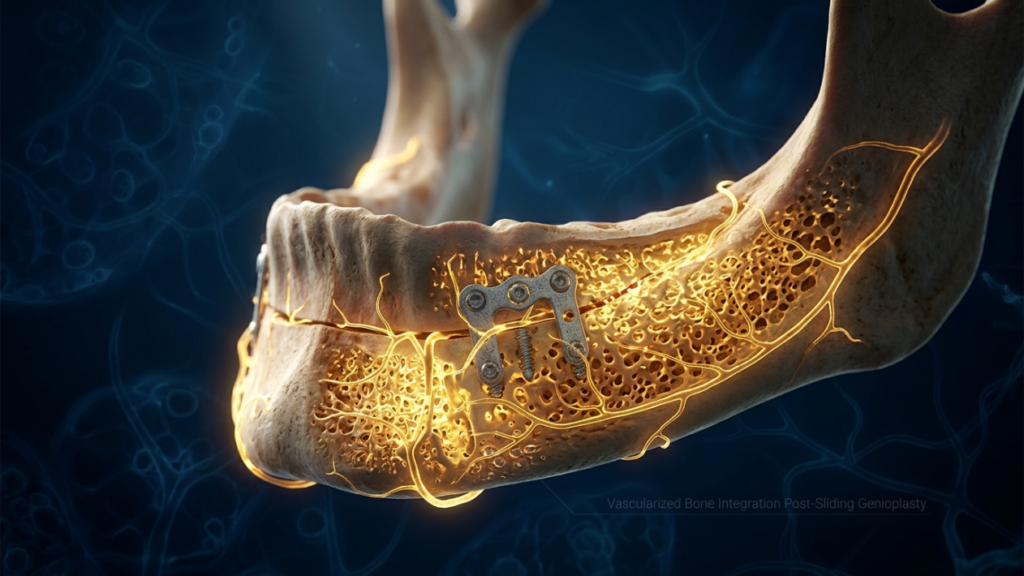
Kayan genioplasti Bu, osteotomiye dayalı bir işlemdir. Cerrah Mental foramenin altında yatay bir kemik kesisi yapılır, çene segmenti öne, arkaya, yukarı veya aşağı doğru yeniden konumlandırılır ve titanyum mini plaklar veya emilebilir vidalarla sabitlenir. Kemik segmenti dil tarafındaki yumuşak doku bağlantısını (özellikle genioglossus ve geniohyoid kaslarını) koruduğu için kemik damarlanmış ve canlı kalır.
Bu biyolojik süreklilik trans kadınlar için son derece önemlidir. Çene segmenti yeniden konumlandırıldığında... Mentoplasti, Çene üzerindeki yumuşak doku yastığı, canlı bir iskelet temeli üzerine yeniden şekillenir. İlk 12 ay boyunca, mentalis kası ve deri altı yağ yastığı kasılır ve yeni kontura uyum sağlar. Üçüncü yıla gelindiğinde, yumuşak doku yeni pozisyonu etkili bir şekilde "ezberlemiş" olur. Yedinci yıla gelindiğinde, kemik birleşmesi tamamlanır ve stabil hale gelir ve yumuşak doku örtüsü sanki her zaman oradaymış gibi davranır.
kritik bir avantaj genioplasti transseksüel Hastalar için en önemli avantaj, yabancı bir cismin olmamasıdır. Çene yastığının altında dokuyu sıkıştıran silikon veya gözenekli polietilen bulunmaz. Mentalis kası, araya giren bir bariyer olmadan doğal olarak yeniden bağlanır. Bu, çenenin dinamik ifade yeteneğini koruduğu anlamına gelir; gülümseme, konuşma ve duygusal hareketlerin hepsi doğal görünür çünkü yumuşak doku, sert bir implant kabuğu üzerinde kaymak yerine iskeletle birlikte hareket eder.
Ayrıca, kaydırmalı genioplasti, özellikle alt yüz yüksekliği uzun olan trans kadınlarda sıklıkla gerekli olan eş zamanlı dikey küçültmeye olanak tanır. İmplant sadece çıkıntı ekleyebilir, çeneyi kısaltamaz. Bu anatomik çok yönlülük, özellikle başlangıçtaki çene anatomisi hem aşırı dikey yükseklik hem de aşırı sagital çıkıntı gösterdiğinde, genioplastiyi daha kapsamlı bir yapısal çözüm haline getirir.
Çene İmplantı: Anında Çıkıntı, Gizli Aşınma
A çene implantı Daha kısa ameliyat süresi ve görünüşte daha basit bir iyileşme ile anında ön projeksiyon sağlar. Silikon, gözenekli polietilen (Medpor) veya ePTFE'den yapılan implant, çene altı veya ağız içi kesi yoluyla yerleştirilir ve doğrudan mandibular simfizise karşı konumlandırılır. Osteotomi ile ilişkili şişlik ve iyileşme süreci olmadan hızlı bir büyütme arayan trans kadınlar için bu yöntem uygun görünmektedir. çekici.
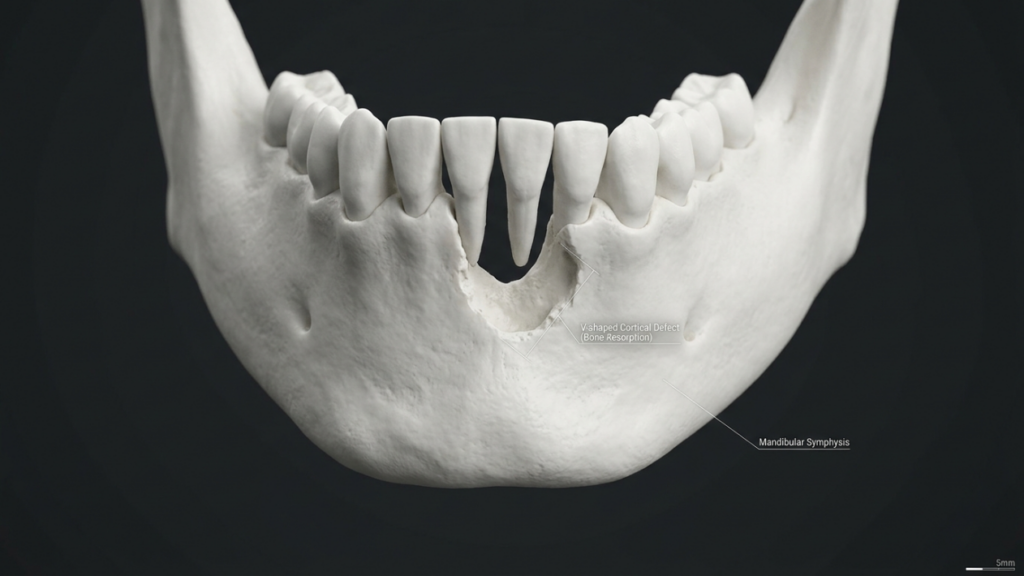
Ancak bunun sessiz karmaşıklığı kemik erimesi implantı Yerleştirme işlemi, implantın dayandığı temeli kademeli olarak zayıflatır. Kraniyofasiyal Cerrahi Dergisi'nde yayınlanan sistematik bir inceleme, alloplastik çene implantlarının altında kemik erimesinin hastaların önemli bir yüzdesinde meydana geldiğini ve bunun şiddetinin sığ kortikal çentiklenmeden mandibulanın yapısal olarak zayıflamasına yol açan derin medüller penetrasyona kadar değiştiğini belgeledi. (Kraniyo-fasiyal Cerrahi Dergisi, 2023). Bu nadir bir olay değil, öngörülebilir bir biyomekanik sonuçtur. Sert bir implantın canlı kemiğe uyguladığı sürekli basınç, osteoklastik aktiviteyi tetikler ve kemik yavaş yavaş geriler.
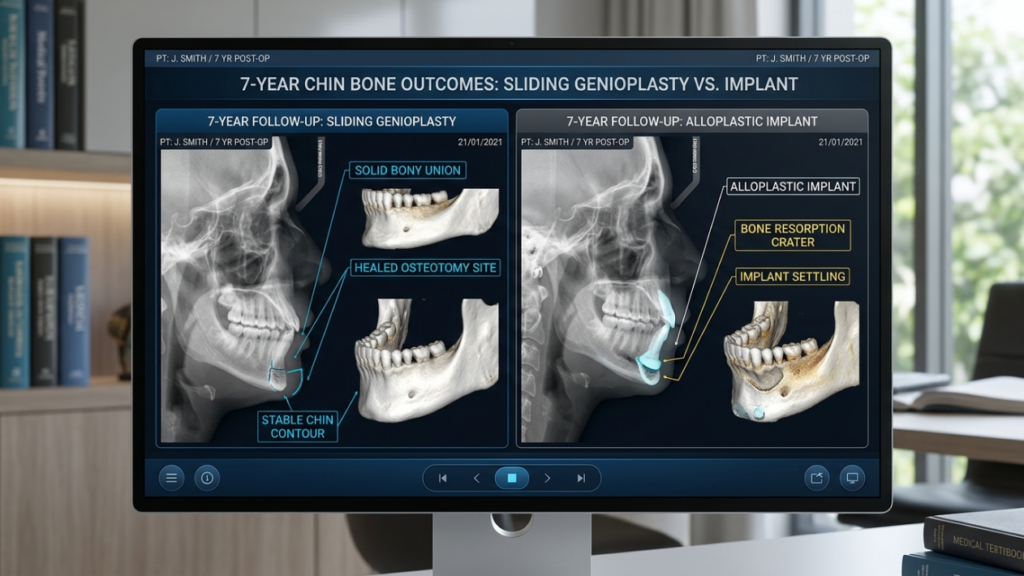
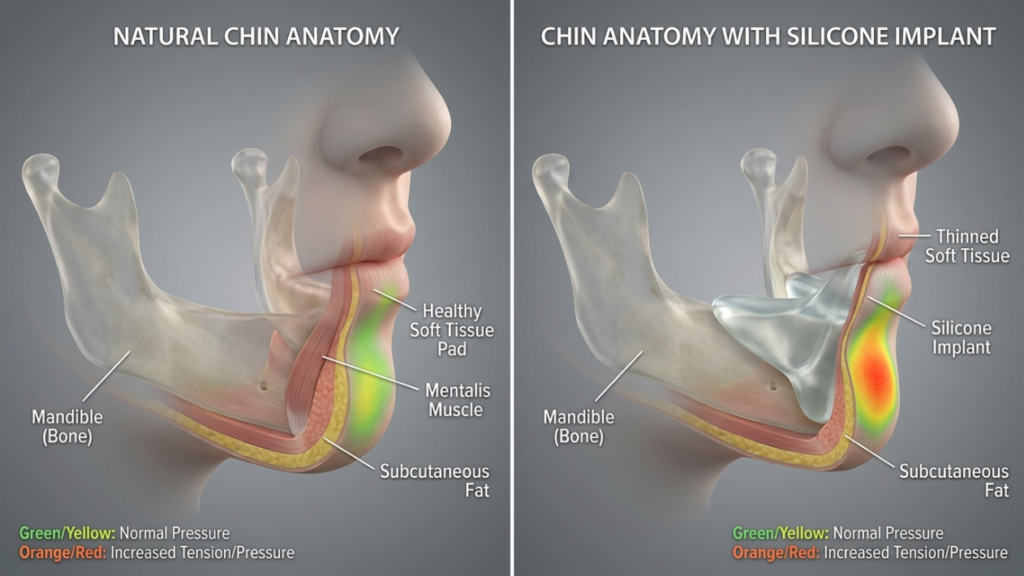
Birinci yılda hasta öngörülen hacmi görür. Üçüncü yılda, kemik erimesi başladığı için hafif bir çökme meydana gelir. Beşinci yılda, altındaki kemik aşındığı için implant hafifçe "çökmüş" gibi görünebilir. Yedinci yılda, orijinal büyütme kısmen kaybolur, implant kemik çukurunda kalır ve yumuşak dokulu çene yastığı Kronik baskı nedeniyle incelmiştir. Ped inceldikçe elle hissedilebilirliği artar ve özellikle hareketler sırasında implant kenarları deri üzerinden görünür hale gelir.
Sonuçlar estetiğin ötesine uzanıyor. Kemik erimesi, zorlu bir revizyon senaryosu yaratıyor. İmplantın çıkarılması, artık rekonstrüksiyon gerektiren yetersiz bir simfizi ortaya çıkarıyor; bu rekonstrüksiyon ya daha büyük bir implantla ya da kemik grefti ile kurtarma genioplastisiyle yapılabilir. Daha basit bir işlem olarak başlayan şey, daha karmaşık bir rekonstrüktif zorluğa dönüştü. transseksüel çene kontürleme Uzun vadeli istikrar için oyun oynayan hastalar söz konusu olduğunda, bu gidişat ameliyat öncesi ciddi bir değerlendirme gerektirir.
Yumuşak Doku Çene Pedi: Kimsenin Bahsetmediği Belirleyici Değişken
The yumuşak dokulu çene yastığı—mentalis kası, deri altı yağ dokusu ve üzerindeki deriden oluşan— bu doku, nihai sonucun doğal mı yoksa cerrahi mi görüneceğini belirler. Bu doku çoğu hastada ortalama 10 ila 15 milimetre kalınlığındadır, ancak trans kadınlarda uzun süreli hormon tedavisi deri altı yağ hacmini azalttığı için genellikle daha ince yumuşak doku zarları görülür. İnce doku, prosedür seçimini tamamen değiştirir.
Kaydırma genioplastisi ile yumuşak doku çene yastığı kronik bir baskıya maruz kalmaz. Gelişmiş kemik segmenti, yastığın yapıştığı ve etrafında yeniden şekillendiği bir iskelet oluşturur. Kan dolaşımı bozulmadan kalır. Mentalis kası, araya giren yabancı bir cisim olmadan yeniden konumlandırılmış kemiğe yeniden bağlanır. Yedi yıldan fazla bir süre boyunca, yastık kalınlığını ve dinamik işlevini korur. Doku, benzer şekilde yeniden şekillenen canlı bir yüzeye uyum sağladığı için kontur düzensizlikleri nadirdir.
ile çene implantı, Durum tamamen tersine döner. İmplant, yastığı alttan kemiğe ve üstten cilde doğru sıkıştırır. İmplantın hemen üzerindeki bölgede kan akışı kronik olarak azalır. Yıllar geçtikçe, yağ tabakası incelir, implantın bitişiğindeki bölgede mentalis kası atrofiye uğrar ve cilt implant kapsülüne daha fazla yapışır. Bu, beşinci yıldan itibaren giderek daha belirgin hale gelen "implant görünürlüğü"nü ortaya çıkarır. Yüz hareketleri sırasında implantın elle hissedilebilirliği ve görünür kenarları, geç dönem komplikasyonları değil, biyomekanik gerçekliğin beklenen sonuçlarıdır.
Hastalar dikkate alıyor çene implantı Seçenekleri değerlendirirken, ince yumuşak dokunun bu etkileri artırdığını anlamak önemlidir. 8 milimetre yumuşak doku örtüsüne sahip bir trans kadında implant kenarları, 14 milimetreye sahip bir kadına göre çok daha erken ortaya çıkacaktır. Karar algoritması burada başlar: doku kalınlığınız, uzun vadede hangi tekniğin size en iyi şekilde hizmet edeceğini kısmen belirler.

Yedi Yıllık Karşılaştırmalı Veriler: Kaydırma Genioplastisi ve Çene İmplantı
Modern kraniyofasiyal prosedürlere ilişkin uzunlamasına veriler ne yazık ki yetersiz kalmaktadır, ancak retrospektif incelemeler ve uzman serileri anlamlı karşılaştırmalar yapılmasına olanak sağlamaktadır. Aşağıdaki tablo, ortognatik ve estetik genioplasti konusunda uzmanlaşmış merkezlerden elde edilen yayınlanmış sonuçları, benzer dönemler boyunca takip edilen alloplastik büyütme çalışmalarıyla birleştirerek sentezlemektedir.
| Sonuç Parametresi (7 Yıl) | Kayar Genioplasti | Çene İmplantı |
|---|---|---|
| Yapısal istikrar | Kalıcı; kemik birleşmesi 12 ay içinde tamamlanır. | Azalan; ilerleyici rezorpsiyon krateri |
| Çene yastığının yumuşak dokusunun kalınlığının korunması | Orijinal kalınlığın 90–95%'si korunmuştur. | 30–50% implant üzerindeki bölgede incelme |
| Kemik erime hızı | Minimal (osteotomi bölgesinde 1 mm'den az) | İmplantın 1-5 mm altında; kademeli |
| Dinlenme halindeyken elle hissedilebilirlik | Sıfır (doğal kemik) | 3. yıldan itibaren artış gösteriyor. |
| Animasyon sırasında hissedilebilirlik | Yok; doğal kas-kemik bütünlüğü | İnce dokuya sahip hastalarda implant kenarları görünür. |
| Dikey çene ayarı | Tam kapasite (kısaltma veya uzatma) | Dikey indirgeme özelliği yok. |
| Revizyon oranı | 3–8% (esas olarak asimetri için) | 15–26% (rezorpsiyon, yer değiştirme, ekstrüzyon) |
| Enfeksiyon riski | Düşük (osteotomi kan akışı ile iyileşir) | Başlangıçta düşük; geç dönem biyofilm riski 2–5% |
| Duyusal sinir bozukluğu | 20–30%'de geçici; 5%'den azında kalıcı | Başlangıçta nadirdir; revizyon gerektiğinde artar. |
| Yaşlanma yörüngesi | Stabil; doğal iskeletiyle yaşlanıyor. | Bozulma; implant-kemik arayüzü bozuluyor. |
Veriler rahatsız edici bir gerçeği ortaya koyuyor. Çene feminizasyonu uzun vadeli İki yaklaşım arasındaki sonuçlar temelde asimetriktir. İmplant güçlü başlar ancak kendi temelini aşındırır. Genioplasti daha fazla şişlik ve iyileşme süreciyle başlar ancak zamanla iyileşen bir sonuç oluşturur. Bu prosedürleri yalnızca ilk altı aya göre değerlendirirseniz, tüm hikayeyi kaçırırsınız. Karar ancak yedinci yıla ve sonrasına doğru planlama yapıldığında netleşir.

İmplant Altında Kemik Erimesi: Revizyonun Sessiz Mimarı
Kemik erimesi implantı Yerleştirme rastgele bir komplikasyon değildir; öngörülebilir bir biyomekanik yolu izler. Sert bir alloplastik cisim kortikal kemiğe baskı yaptığında, Wolff Yasası, kemiğin değişen stres modellerine yanıt olarak yeniden şekillendiğini öngörür. Yoğun basınç alanlarında osteoklastik baskınlık görülür ve kemik geriler. Alt yüzeyleri pürüzsüz olan silikon implantlar, sıklıkla sefalometrik radyografilerde görülebilen V şeklinde kortikal defektlere neden olur.
Gözenekli polietilen implantlar, teorik olarak basıncı dağıtan doku büyümesi yoluyla bunu hafifletmek için tasarlanmıştır. Pratikte, doku büyümesi kısmi ve düzensizdir ve basınç bölgeleri, temasın en sağlam olduğu implant kenarları boyunca hala gelişir. Yapılan sistematik inceleme... Kraniyofasiyal Cerrahi Dergisi Emilime tamamen dirençli hiçbir madde bulunamadı; değişken, varlığı veya yokluğu değil, şiddeti ve zamanlamasıdır. (Kraniyo-fasiyal Cerrahi Dergisi, 2023).
Trans kadınlar için bu durum daha da karmaşık bir etkiye sahip. Birçoğu, doğal çene kemiği birleşme noktası (mandibular simfiz) hem sagital hem de dikey boyutlarda belirgin olduğu için çene şekillendirme ameliyatı arıyor; bu da klasik erkeksi çene morfolojisi anlamına geliyor. İmplant belirgin bir birleşme noktasına yerleştirildiğinde ve basınca bağlı kemik erimesine neden olduğunda, ortaya çıkan kemik defekti alt yüz bölgesini aslında konturu yeniden erkekleştirecek şekilde değiştirebilir. İmplant kendi çukuruna yerleşir, çene yastığı incelir ve görünür sonuç, ulaşmayı amaçladığı kadınsı idealden uzaklaşır.
Bu senaryonun revizyonu teknik açıdan zorludur. Cerrah İmplant çıkarılmalı, krater derinliği değerlendirilmeli ve daha küçük bir implantla değiştirme, yapısal kemik grefti yerleştirme veya dönüştürme seçeneklerinden biri arasında karar verilmelidir. sürgülü genioplasti. Her seçeneğin kendine özgü riskleri ve belirsizlikleri vardır. Doğru başlangıç yöntemi seçimiyle sağlanan önleme, yıllar sonra yapılacak onarım girişimlerinden çok daha güvenilirdir.

Dokunulabilirlik ve Canlandırma: Aynaların ve Kameraların Gizleyemediği Şeyler
Alloplastik cerrahi sonrası en rahatsız edici uzun vadeli şikayetler arasında elle muayenede hissedilen ağrı yer almaktadır. Mentoplasti. Çene implantı, altıncı ayda görünmez gibi hissedilebilirken, yumuşak doku çene yastığının incelmesiyle dördüncü yılda belirgin hale gelebilir. Hastalar, çenelerine dokunduklarında implant kenarlarını hissettiklerini, implant kenarlarında basamaklanmalar fark ettiklerini ve konuşma ve gülümseme sırasında implantın hafifçe kaydığını gözlemlediklerini bildiriyorlar.
Kamera algısı da bir katman daha ekliyor. Yüksek çözünürlüklü video ve fotoğraflar, çıplak gözle görülemeyen yüzey düzensizliklerini yakalıyor. Silikon implantın üzerine yerleştirilen ince bir çene pedi, implant kenarında ince ama fark edilebilir bir gölge çizgisi oluşturuyor. Bu çizgi yaş ve doku erimesiyle daha belirgin hale geliyor. Sosyal ve profesyonel görünürlük arayışında olan trans kadınlar için, yavaş yavaş ortaya çıkan bu belirti, özgüveni artırmayı amaçlayan prosedüre olan güveni zedeleyebilir.
Kaydırma genioplastisi böyle bir yapaylık oluşturmaz. Yeniden konumlandırılan kemik sizin dokunuzdur. Kas yapınızla birlikte hareket eder. Kenarlar ışığı yakalamaz, kenarlar gölge çizgileri oluşturmaz ve inceltilmiş derinin altında yabancı bir yapı kaymaz. genioplasti ameliyatı Sonuç, pratikte, her zaman istediğiniz kontura sahip doğal bir çeneden ayırt edilemez.

Her Seçeneğin Zamanla Nasıl Değerlendiği: Yedi Yıllık Ayrışma
Yaşlanma her yüz yapısını etkiler, ancak otolog kemik ve alloplastik implantlarla farklı şekilde etkileşime girer. Ameliyat sonrası yedi yıl boyunca doğal yüz yaşlanması gerçekleşir. çene feminizasyonu uzun vadeli Bu işlemler, deri altı yağ dokusunda kademeli hacim kaybını, cilt elastikiyetinin azalmasını ve iskelet yapısının sürekli olarak yeniden şekillenmesini içerir. Bu süreçler, çene şekillendirme işleminin dayanıklılığını test eder.
Kaydırma genioplastisinden sonra yaşlanma normal şekilde ilerler. Yeniden konumlandırılan kemik, alt çeneye entegre olur ve fizyolojik yeniden şekillenmeye katılır. Üzerindeki yumuşak doku, iskeletle birlikte yaşlanır ve tutarlı bir ilişkiyi korur. Hacim kaybı tüm alt yüzü eşit şekilde etkiler ve genioplasti sonucu orantılı kalır. Özünde, kadınsılaştırılmış çeneniz, doğal çenenizmiş gibi yaşlanır; çünkü yapısal olarak öyledir.
Çene implantı yerleştirildikten sonra, yaşlanma mevcut sorunları daha da kötüleştirir. İmplantın üzerindeki yağ kaybı, implantı daha da açığa çıkarır. Cilt gevşekliği, bir zamanlar implant kenarlarını gizleyen gençlikteki gerginliği ortadan kaldırır. Doku desteği aşındıkça, implantın altındaki kemik erimesi hızlanır. İmplant giderek daha derin bir çukura yerleşmeye başlarken, üstteki doku incelir. Yedinci yıla gelindiğinde, bu birleşik etki, birinci yıla göre belirgin şekilde farklı bir sonuç ortaya çıkarır; genellikle daha iyi değil, daha kötü.
Otuzlu ve kırklı yaşlarındaki trans kadınlar bu farklılığı en şiddetli şekilde yaşıyorlar. Yaşlanma süreci, implantların bozulma süreciyle kesişerek, beşinci ila yedinci yıllar arasında olumsuz faktörlerin bir araya gelmesine neden oluyor. Hız ve basitlik nedeniyle implantları tercih eden hastalar, sonuçların keyfini çıkarmayı bekledikleri yaşta tam olarak revizyon ameliyatıyla karşı karşıya kalıyorlar. İşte bu, çene feminizasyonu uzun vadeli Pazarlama materyallerinde nadiren karşımıza çıkan bir gerçeklik.

Karar Algoritması: Anatominizi Doğru Prosedüre Eşleştirme
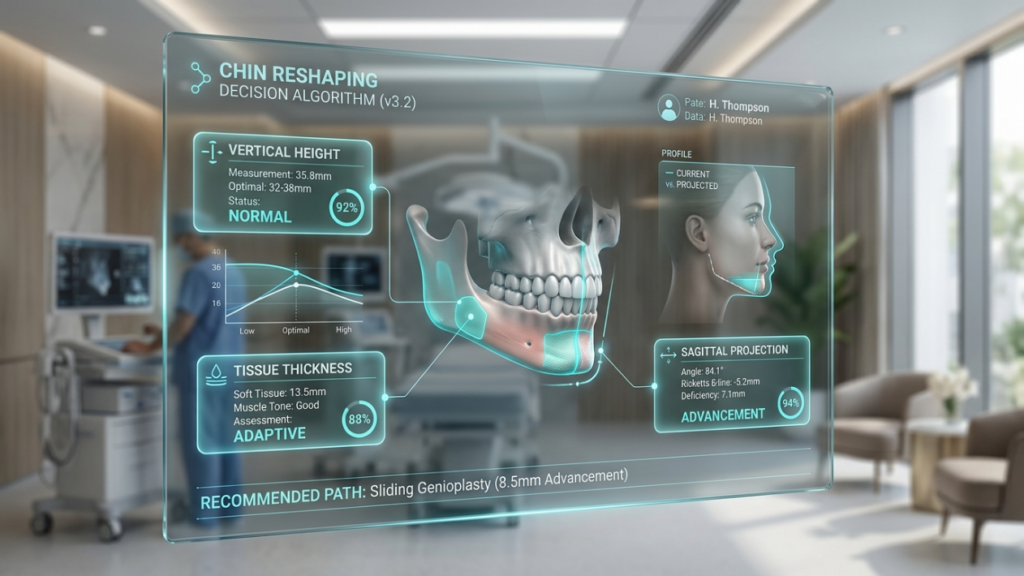
Ne kaydırmalı genioplasti ne de çene implantı evrensel olarak üstün değildir; doğru seçim, başlangıçtaki anatomik yapınıza bağlıdır. Aşağıdaki algoritma, üç temel anatomik değişkene dayanarak karar vermenize yardımcı olur: dikey çene yüksekliği, yumuşak doku çene yastığı kalınlığı ve sagital projeksiyon uyumsuzluğu.
Anatomi Değişkeni Bir: Dikey Çene Yüksekliği
Alt yüz yüksekliğinin estetik idealin üzerinde olduğu, yani dikey çene fazlalığı bulunan trans kadınlar neredeyse her zaman şu tedaviden fayda görürler: sürgülü genioplasti. Bir implant dikey boyutu azaltamaz; sadece sagital çıkıntıyı artırabilir. Dikey olarak uzun bir çeneyi implantla kamufle etmeye çalışmak, doğal olmayan bir şekilde çıkıntılı ancak yine de uzun bir görünüm yaratır. Kaydırma genioplastisi, çene segmentini yukarı doğru yeniden konumlandırarak ve alt kenarı şekillendirerek dikey kısaltmaya olanak tanır ve hem fazla yüksekliği hem de çıkıntıyı aynı anda ele alan bir sonuç sunar.
Anatomi Değişkeni İki: Yumuşak Doku Çene Yastığı Kalınlığı
10 milimetreden daha az çapa sahip hastalar yumuşak dokulu çene yastığı Kalın doku, implantlarla birlikte artan palpasyon ve görünürlük risklerine yol açar. İnce doku, implant kenarlarını kamufle edemez ve sıkıştırmaya bağlı atrofi, görünürlüğü yıllar geçtikçe hızlandırır. Bu hastalarda, doğal kemik yabancı cisim görünürlüğü sorununu tamamen ortadan kaldırdığı için kaydırma genioplastisi şiddetle tercih edilir. 12 milimetre veya daha fazla doku kalınlığına sahip hastalar implantları düşünebilirler, ancak yine de beklenen ömür uzunluğu gereksinimlerine karşı rezorpsiyon seyrini değerlendirmelidirler.
Anatomi Değişkeni Üç: Sagittal Projeksiyon İhtiyaçları
Birincil deformite hafif retrogeni (5 mm'den az eksiklik) ve dikey fazlalık olmaksızın yumuşak doku yastığı yeterli olduğunda, çene implantı kabul edilebilir bir büyütme sağlayabilir. Bununla birlikte, maskülen çenesi hem fazla kemik hem de geriye doğru çekilme içeren ve 5 mm'den fazla ilerleme gerektiren trans kadınlar için, sürgülü genioplasti Daha fazla kontrol ve stabilite sağlar. Çok büyük implantlar, basınç altında kemikle temas eden yüzey alanının artması nedeniyle orantılı olarak daha yüksek rezorpsiyon ve yer değiştirme riskleri taşır.
Transgender Çene Şekillendirme: Cisgender Sonuçlarının Ötesinde Dikkat Edilmesi Gereken Özel Hususlar
Çene estetiği ve çene büyütme üzerine yayınlanan verilerin çoğu, estetik iyileştirme arayan cisgender hastalardan elde edilmiştir. Trans kadınlar temelde farklı anatomik başlangıç noktalarına sahiptir ve cisgender sonuç verilerini uyarlamadan uygulamak hatalı kararlara yol açar.
Tipik bir trans kadının çenesi, daha yüksek dikey yüksekliğe, daha geniş enine boyuta, daha kalın kortikal kemiğe ve daha belirgin çene çıkıntısına sahiptir. Bu özellikler, cisgender hastaların genellikle ihtiyaç duyduğundan daha agresif iskelet modifikasyonu gerektirir. Hafif retrogenisi olan bir cisgender kadında kabul edilebilir bir sonuç veren mütevazı bir implant, çenesinin birden fazla düzlemde önemli boyut değişikliğine ihtiyaç duyan bir trans kadında yetersiz kalacaktır.
Transseksüel çene kontürleme Bu nedenle, FFS konusunda deneyimli çoğu kraniyofasiyal merkezde osteotomiye dayalı yaklaşımlara doğru büyük bir eğilim vardır. Çok düzlemli yeniden konumlandırma yeteneği sürgülü genioplasti—tek bir işlemde yükseklik, genişlik ve çıkıntıyı ayarlama— çoğu trans kadının sahip olduğu anatomik gerçeklikle uyumludur. İmplantlar dar bir alt gruba hizmet eder: izole hafif retrogenisi olan, yeterli yumuşak doku örtüsüne sahip ve dikey fazlalığı olmayanlar.
Avrupa ve Türkiye Plastik Cerrahi Kurulları tarafından onaylanmış ve FFS (Yüz Femoru Sünnet) konusunda geniş deneyime sahip bir Plastik Cerrahi Uzmanı olarak, FFS geçiren hastalarda gözlemlediğim kadarıyla... yüz feminizasyonu kaydırma genioplastisini birleştiren prosedürler çene küçültme Ve alın şekillendirme İmplant bazlı çözümleri parça parça bir araya getirenlerden daha tutarlı ve uyumlu sonuçlar elde edilir. İskelet, eklenmiş hacimler koleksiyonu yerine birleşik bir yapı olarak bütünleşir.
Çene Estetiği Düzeltmeleri: İlk Tercih Yanlış Olduğunda
Revizyon Mentoplasti İmplant bazlı işlemlerden sonra, kaydırma genioplastisinden sonra olduğundan çok daha yaygındır. Yayınlanan serilerde ikincil çene ameliyatlarının çoğunluğunu implantla ilgili revizyonlar oluşturmaktadır. Sebepleri tahmin edilebilir: instabilite yaratan ilerleyici kemik rezorpsiyonu, kapsüler kontraktür veya travma nedeniyle implantın yer değiştirmesi, biyofilm oluşumuyla enfeksiyon, incelmiş dokudan dışarı çıkma ve kabul edilemez palpasyon.
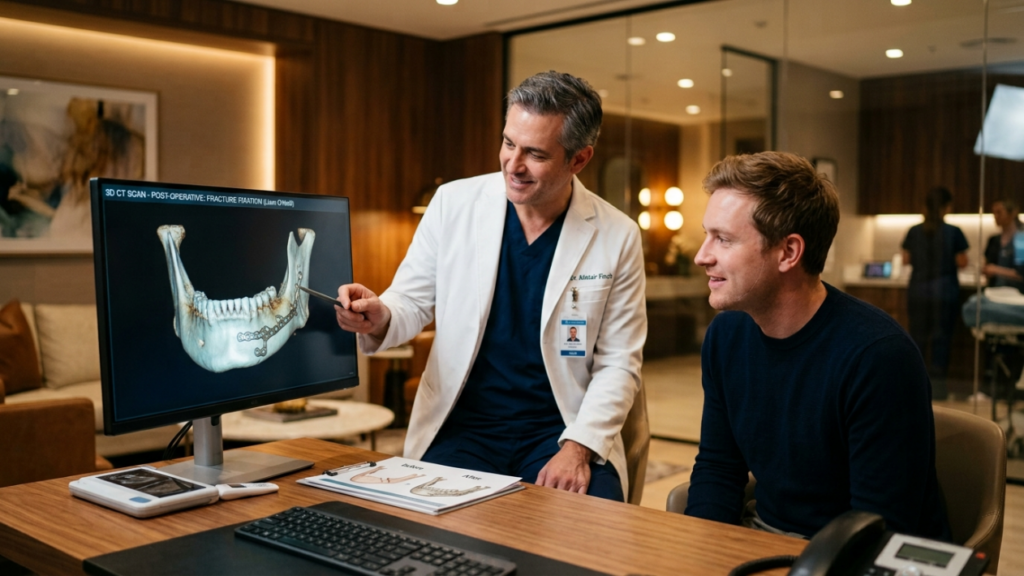
Başarısız bir implantın kaydırma genioplastisine dönüştürülmesi mümkündür ancak primer genioplastiye göre daha zordur. Rezorbe olmuş kemik, standart osteotomi fiksasyonu için yetersiz olabilir ve kraterin yeniden oluşturulması için kemik grefti gerekebilir. Daha önce sıkıştırılmış olan yumuşak doku çene yastığı, yeni kemik konturunun üzerine doğal olarak uzanamayacak kadar ince olabilir. İmplant kapsülünden kaynaklanan skar dokusu, cerrahi düzlemleri bozarak mental sinirde nöropraksi riskini artırır.
Öte yandan, kaydırmalı genioplasti revizyonu genellikle küçük düzeltmeler içerir; pozisyonun birkaç milimetre ayarlanması veya basamaklanmanın düzeltilmesi gibi. Kemik canlıdır ve güvenilir bir şekilde iyileşir. Yumuşak doku yastığı sağlıklı kalır ve yeni pozisyona uyum sağlar. Revizyon genioplastisi, implanttan genioplastiye dönüşüme göre daha düşük morbidite ve daha yüksek öngörülebilirlik taşır ve doğru başlangıç prosedürünü seçmenin önemini güçlendirir.
Genioplasti Ameliyatı Sonrası Transseksüel Sonuçları: Kanıtlar Ne Gösteriyor?
Yayınlanmış kanıtlar genioplasti transseksüel Sonuçlara ilişkin veriler sınırlı olmakla birlikte giderek artmaktadır. FFS merkezlerinden elde edilen retrospektif seriler, kaydırma genioplastisi sonrasında yüksek memnuniyet oranları ve beş yıldan uzun süre boyunca stabil yumuşak doku konturlarının korunduğunu bildirmektedir. Nörosensör iyileşme, ortognatik cerrahi popülasyonlarında gözlemlenen gidişatı takip etmektedir: başlangıçta hastaların ila 'unu etkileyen hipoestezi, 18 ay içinde 'ten fazlasında başlangıç seviyesine geri dönmektedir.
FFS'ye özgü genioplasti serilerinde dikkat çekici bir bulgu, genioplastinin aşağıdaki gibi bitişik işlemlerle birleştirilmesi durumunda yumuşak doku yeniden şekillendirmesinin daha üstün olmasıdır. çene küçültme. Birleşik iskelet yaklaşımı, alt yüz konturunda bütünleşik bir yapı oluşturarak şunlara olanak tanır: yumuşak dokulu çene yastığı Tek başına bir çene çıkıntısı yerine, sürekli olarak değiştirilen bir çene hattı üzerine yeniden şekillendirme yapılır. Bu, cerrahi olarak büyütülmüş gibi değil, doğal olarak kadınsı görünen sonuçlar üretir; bu da trans kadınların tam olarak aradığı sonuçtur.
Transgender popülasyonlarda implantlara özgü veriler daha da azdır, çünkü çoğu seri daha küçük büyütme gereksinimlerine sahip estetik cerrahi popülasyonlarından kaynaklanmaktadır. Cisgender verilerinden yola çıkarak yapılan tahminler, trans kadınlarda komplikasyon oranını hafife almaktadır çünkü anatomik gereksinimler -ve dolayısıyla ilgili implant boyutları ve kuvvetleri- daha büyüktür. Kraniyofasiyal Cerrahi Dergisi İncelemede bildirilen ,51'lik uzun vadeli komplikasyon oranı, daha büyük implantlar alan transseksüel hastalarda gerçek oranı muhtemelen olduğundan düşük göstermektedir. (Kraniyo-fasiyal Cerrahi Dergisi, 2023).
Çene Şekillendirme Ameliyatınız İçin Adım Adım Karar Kılavuzu
Hangi yöntemin işe yaradığını belirlemek için aşağıdaki uygulanabilir adımları kullanın. çene şekillendirme ameliyatı Bu seçenek anatomik yapınıza ve uzun vadeli hedeflerinize uygundur.
- Ölçüm Yüzünüzün alt kısmının yüksekliği, standart bir yüz fotoğrafı kullanılarak ölçülür. Eğer alt üçte birlik kısım toplam yüz yüksekliğinin üçte birini aşarsa, dikey küçültme için kaydırma genioplastisi endikasyonu vardır; implantlar bu sorunu çözemez.
- Değer biçmek Yanal sefalogram veya ultrasonografi ile çene altı yumuşak dokusunun kalınlığı ölçülür. 10 milimetrenin altında olması, implant görünürlüğünü önlemek için genioplasti yapılmasını büyük ölçüde destekler. 12 milimetrenin üzerinde olması ise implant yerleştirme olasılığını artırır.
- Hesaplamak Sagittal yetersizlik veya fazlalık. Yeterli doku örtüsü ile 5 mm'nin altında retrogeni, implant değerlendirmesine olanak tanır. 5 mm'nin üzerinde yetersizlik veya dikey fazlalıkla birlikte yetersizlik, genioplasti gerektirir.
- Gözden geçirmek Yedi yıllık zaman çizelgeniz. Eğer 40 yaşın altındaysanız ve önünüzde on yıllarca sürecek doğal yaşlanma süreci bekliyorsanız, genioplastinin istikrarlı yaşlanma seyri yatırımınızı korur. İmplantın bozulması zamanla hızlanır.
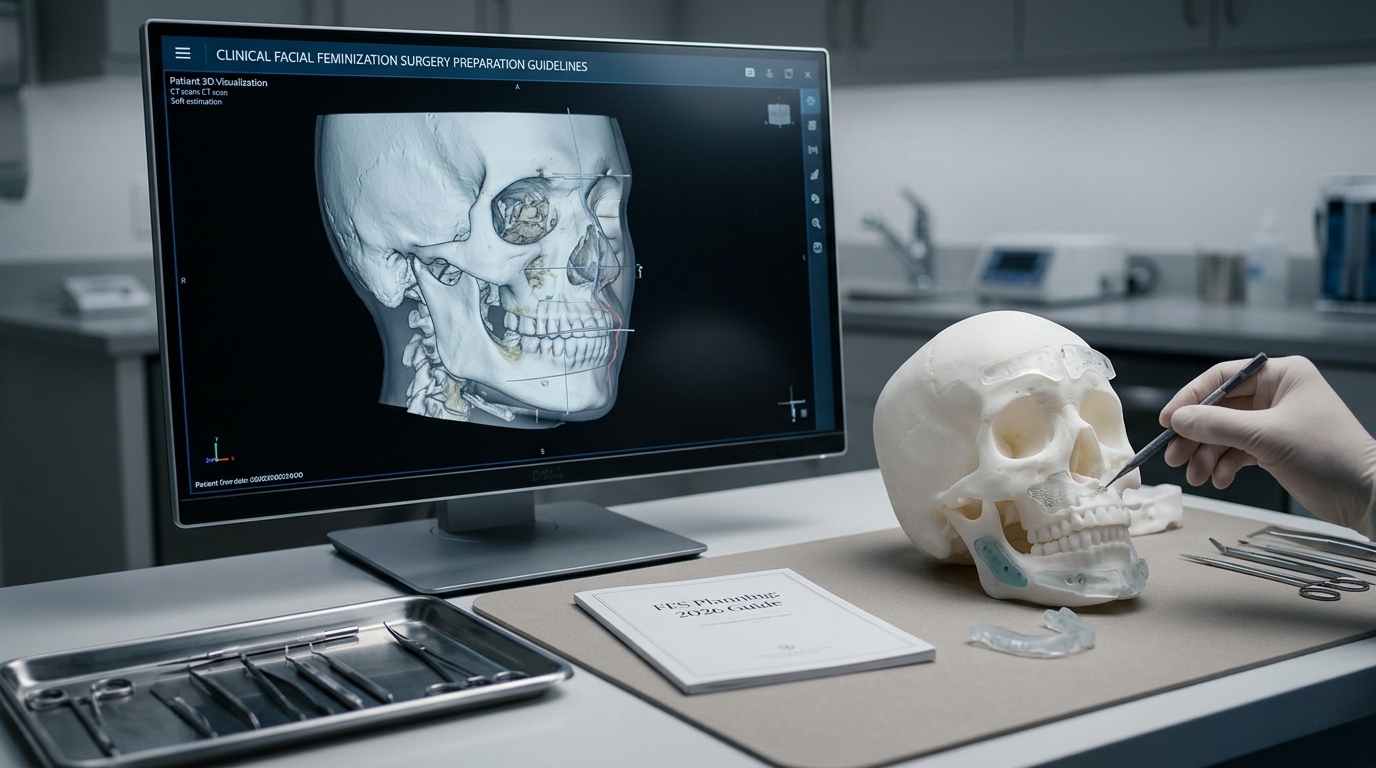
- Talep etmek 3 boyutlu cerrahi planlama. Her iki prosedür de sanal simülasyondan fayda görür, ancak osteotomi pozisyonu ve plak fiksasyonu ameliyat öncesinde planlandığında genioplasti sonuçları önemli ölçüde iyileşir.
- Doğrulamak Cerrahınızın FFS'ye özgü deneyimi. Çene şekillendirme Trans kadınlarda estetik mentoplasti, cisgender kadınlara göre farklı büyüklükte ve boyutlarda değişiklikler gerektirir. Yüz feminizasyon ameliyatı sonuç portföylerini ve revizyon oranlarını isteyin.
- İşlemek Anatomik yapınıza uygun olan prosedürü seçin, iyileşme süresi daha kısa olanı değil. Yapısal bütünlük yerine kolaylığı seçmenin yedi yıllık bedeli, revizyon ameliyatı, görünür implant kenarları ve kadınsı idealinize yaklaşmak yerine ondan daha da uzaklaşan bir çenedir.
Çeneniz, alt yüzünüzün mimari kilit taşıdır. Seçtiğiniz yapısal yöntem, bu kilit taşının on yıllarca sağlam kalıp kalmayacağını veya desteklemek üzere tasarlanmadığı bir nesnenin altında yavaş yavaş aşınıp aşınmayacağını belirler. Danışma başvurunuzu bugün gönderin. ve izin ver Dr.MFO Çene anatomisini üç boyutlu hassasiyetle değerlendirerek, kalıcı ve doğal bir kadınsılaştırma sağlayan prosedürü öneriyoruz.
Sıkça Sorulan Sorular
Çene implantı altındaki kemik erimesi yedi yıl içinde nasıl ilerler?
Kemik erimesi ilk iki yıl içinde kortikal çentiklenme olarak başlar ve beşinci yıla kadar daha derin medüller tutuluma ilerler. Yedinci yıla gelindiğinde, implantın altında ölçülebilir bir çukur oluşur, bu da implantın yerleşmesine ve orijinal büyütme etkisinin azalmasına neden olur.
Trans kadınlarda dikey çene küçültme işleminde kaydırma genioplastisi neden tercih edilir?
Kaydırma genioplastisi, cerrahın çene segmentini yukarı doğru yeniden konumlandırmasına ve alt yüz yüksekliğini doğrudan kısaltmasına olanak tanır. Çene implantları yalnızca ön çıkıntı ekleyebilir ve dikey boyutu azaltamaz, bu da onları bu yaygın erkeksi çene özelliği için uygunsuz hale getirir.
Çene implantı yerleştirildikten sonra yumuşak doku çene yastığına ne olur?
Kronik implant baskısı altında çene bölgesindeki yumuşak doku giderek incelir. Yağ dokusu atrofiye uğrar, mentalis kası kısmen zayıflar ve deri implant kapsülüne daha sıkı yapışır. Bu durum, beş ila yedi yıl içinde implantın elle hissedilebilirliğini ve görünürlüğünü giderek artırır.
Çene şekillendirme için trans bireylerde çene implantı ne zaman uygundur?
Çene implantı, 5 mm'nin altında izole hafif retrogenisi olan, 12 mm'nin üzerinde yeterli yumuşak doku kalınlığına sahip, dikey çene fazlalığı olmayan ve on yıl içinde olası revizyonu kabul eden trans kadınlar için uygun olabilir. Bu adaylar, tipik FFS hastalarının dar bir alt kümesini temsil etmektedir.
Kaydırma genioplastisi doğal yüz hareketlerini nasıl korur?
Kaydırma genioplastisi, kendi canlı kemiğinizi kas bağlantılarıyla birlikte yeniden konumlandırdığı için, mentalis kası ve çevresindeki kaslar doğal olarak yeniden bağlanır. Kemik-kas-deri sürekliliğini hiçbir yabancı cisim bozmaz, bu nedenle gülümseme, konuşma ve duygusal ifadeler tamamen doğal görünür.
Başarısız bir çene implantı, kaydırma genioplastisine dönüştürülebilir mi?
Dönüşüm mümkündür ancak zordur. Kemik erimesi greftleme gerektirebilir, incelmiş yumuşak doku ideal şekilde şekil almayabilir ve skar dokusu sinir hasarı riskini artırır. Birincil genioplasti bu komplikasyonlardan kaçınır, bu nedenle uzun vadeli başarı için doğru başlangıç seçimi kritik öneme sahiptir.
Çene şekillendirme ameliyatı kararları için hangi ameliyat öncesi görüntüleme yöntemleri şarttır?
Lateral sefalogram, panoramik radyografi ve 3 boyutlu BT taraması olmazsa olmazdır. Bu görüntüler dikey çene yüksekliğini, yumuşak doku kalınlığını, kortikal kemik hacmini ve sagital yetersizliği ölçerek hassas işlem seçimi ve sanal cerrahi planlamayı mümkün kılar.