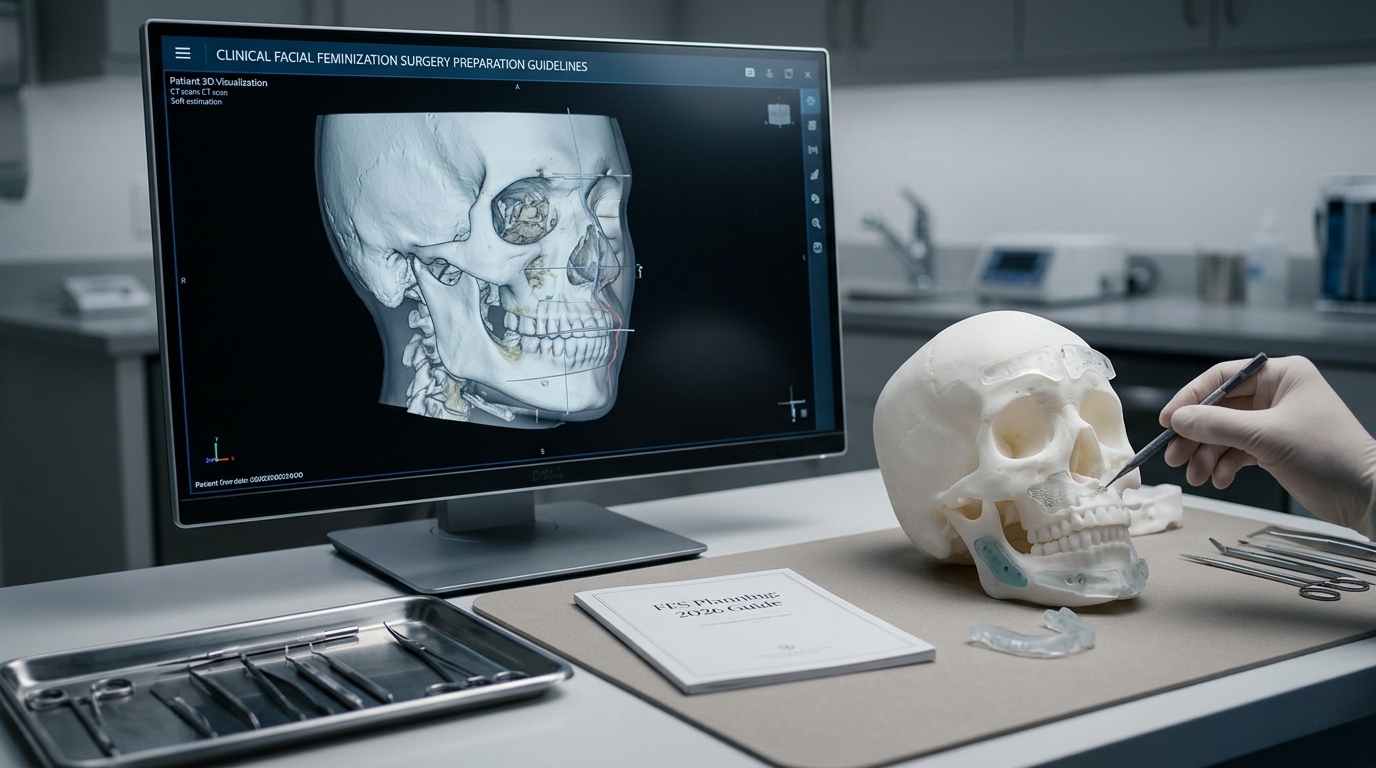

Yüz Feminizasyonu Yüz şekillendirme ameliyatı (FFS), trans kadınlara yüz özelliklerini cinsiyet kimlikleriyle uyumlu hale getirme fırsatı sunan dönüştürücü bir alan haline geldi. En karmaşık ve etkili işlemler arasında şunlar yer almaktadır: Tip 3 Alın Küçültme, Belirgin kaş çıkıntılarını ve alın kemiği yapılarını ele almak için tasarlanmış cerrahi bir tekniktir. Bu işlem sadece estetikle ilgili değildir; alın sinüsünün ön duvarının titiz bir şekilde yeniden yapılandırılması ve daha yumuşak, daha kadınsı bir kontur elde etmek için yeniden şekillendirilmesidir. Bununla birlikte, bu ameliyatın karmaşıklığı, derinlemesine bir anlayış gerektirir. anatomik incelikler, işlem adımları ve potansiyel riskler Hem güvenliği hem de en iyi sonuçları sağlamak için.
Bu kılavuzda, şu konulara derinlemesine değineceğiz: cerrahi teknikler, anatomik hususlar ve riskler Tip 3 ile ilişkili Alın Küçültme. İster seçeneklerinizi araştıran bir hasta olun, ister bilgi arayan bir tıp uzmanı, bu makale size yardımcı olacaktır. teknik ama anlaşılabilir bir açıklama Bu prosedürü FFS'nin temel taşlarından biri yapan şey budur.
İçindekiler
Tip 3 Alın Küçültme İşlemini Anlamak: Onu Diğerlerinden Ayıran Özellikler Nelerdir?
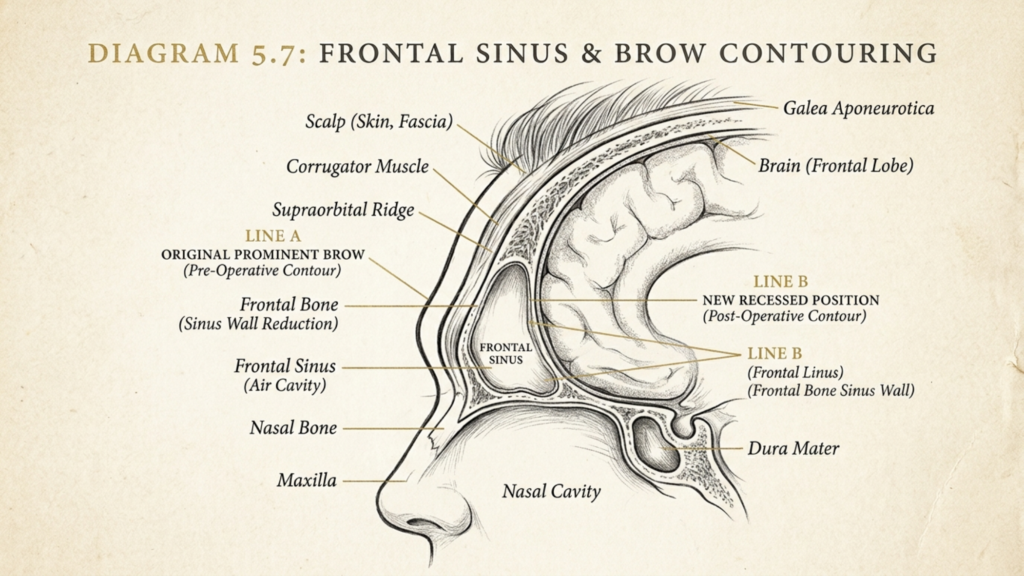
Tip 3 Alın Küçültme, Ayrıca şöyle bilinir frontal sinüs gerilemesi veya Tip 3 kranioplasti, odak noktasıyla öne çıkmaktadır. frontal sinüsün ön duvarı. Kemik törpüleme veya kısmi şekillendirmeyi içeren Tip 1 veya Tip 2 işlemlerinin aksine, Tip 3 işlemi şunları gerektirir: tamamen çıkarma, yeniden şekillendirme ve yeniden konumlandırma Ön duvarın. Bu teknik özellikle aşağıdaki durumlardaki bireyler için uygundur: belirgin kaş çıkıntıları ve derin alın sinüsleri, Daha basit yöntemlerin yetersiz kalacağı veya sinüsün açığa çıkma riskini taşıyacağı durumlarda (Mittermiller, 2025).
The temel ayrım Tip 3'ün özelliği, bir şeyi başarabilme yeteneğinde yatmaktadır. dramatik kadınlaşma Alın bölgesinin ön duvarının yeniden konumlandırılmasıyla alın kıvrımlarının azaltılması sağlanır. Bu yaklaşım sadece kaş çıkıntısını azaltmakla kalmaz, aynı zamanda daha pürüzsüz ve uyumlu bir alın konturu oluşturarak kadınsı yüz estetiğiyle de örtüşür.
Adım Adım Cerrahi İşlem: Ön Duvarın Çıkarılması, Yeniden Şekillendirilmesi ve Yerine Yerleştirilmesi
Tip 3 Alın Küçültme prosedürü bir çok adımlı süreç Bu süreç, hassasiyet, anatomik uzmanlık ve gelişmiş cerrahi aletler gerektirir. Aşağıda her aşamanın ayrıntılı bir açıklaması yer almaktadır:
1. Ameliyat Öncesi Planlama ve Görüntüleme
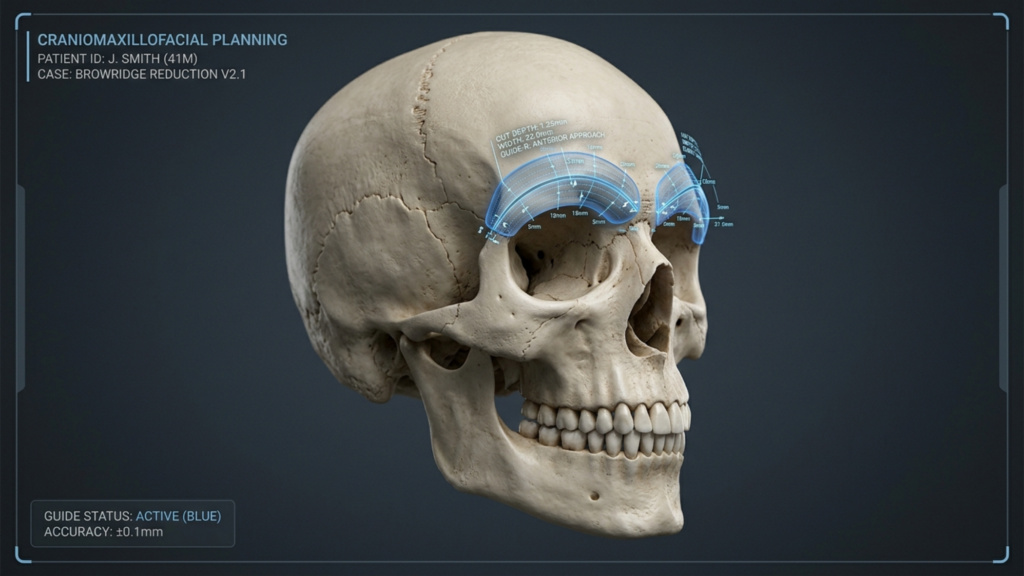
Ameliyattan önce, bir kapsamlı değerlendirme şu yöntem kullanılarak gerçekleştirilir: 3 boyutlu BT taramaları ve sanal cerrahi planlama yazılımı. Bu adım şu açılardan kritik öneme sahiptir:
- Ön sinüs boyutlarının ölçülmesi Gerekli kemik çıkarma ve yeniden şekillendirme miktarını belirlemek için.
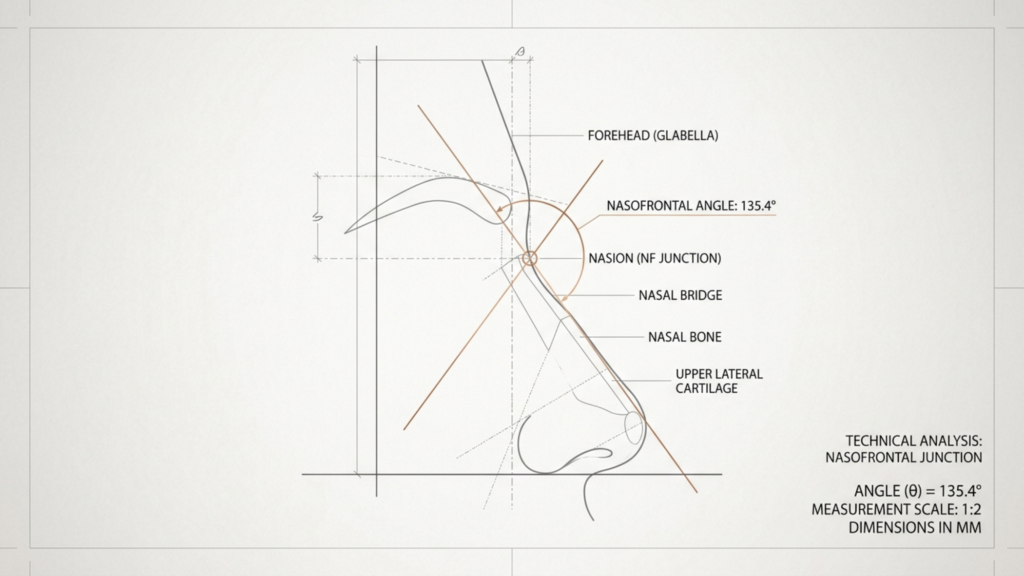
- Nazofrotal kavşağı görselleştirmek Beyin omurilik sıvısı (BOS) sızıntısı gibi komplikasyonlardan kaçınmak için.
- Hastaya özel kesim kılavuzları tasarlama Osteotomi sırasında hassasiyeti sağlamak için (Yüz Cinsiyetlendirme Cerrahisi Anlatısal İncelemesi, 2025).
2. Kesim ve Açığa Çıkarma
Cerrah bir işlem yapar. koronal kesi (Saç çizgisi boyunca veya kafa derisi içinde) alın kemiğine ulaşmak için yapılan bu kesi stratejik olarak şu amaçlarla yerleştirilir:
- Görünür yara izlerini en aza indirin. Saç çizgisinin içine gizleyerek.
- Kafatasının dış yüzeyini koruyun. (Kemikleri kaplayan zar) kan akışını sağlamak ve enfeksiyon riskini azaltmak için.
3. Osteotomi: Ön Duvarın Çıkarılması
Kullanarak hassas cerrahi aletler, Cerrah, osteotomi ameliyatı gerçekleştirir. frontal sinüsün ön duvarını çıkarın. Bu adım şunları içerir:
- kemiği kesmek "Kemik kapağı" oluşturmak için önceden planlanmış hatlar boyunca.“
- Kemik parçasını dikkatlice kaldırmak Alın sinüsüne veya çevresindeki yapılara zarar vermemek için.
- Kemik bölmelerinin çıkarılması İç konturun düzgün olmasını sağlamak için sinüs içinde (Alın Feminizasyonu, 2024).
4. Kemik Flebinin Yeniden Şekillendirilmesi
Kemik parçası çıkarıldıktan sonra, steril bir alanda yeniden şekillendirildi. Bu şunları içerir:
- İç yüzeyin çapaklanması Çıkıntısını azaltmak ve daha düzgün bir kontur oluşturmak için.
- Şekli ayarlama İstenilen kadınsı estetiğe uyması için, genellikle şu yöntemler kullanılarak: titanyum levhalar veya vidalar stabilizasyon için.
- Simetrikliği sağlamak Yüz yapısının geri kalanıyla birlikte (Çok Parçalı Üst Üste Rekonstrüksiyon) Alın Şekillendirme Ameliyat, 2025).
5. Yeniden Konumlandırma ve Sabitleme
Yeniden şekillendirilen kemik parçası şudur: yeniden konumlandırıldı Daha arka ve kadınsı bir bölgede. Bu adım şunları içerir:
- Kemiği sabitlemek ile titanyum plakalar ve vidalar İstikrarı ve doğru iyileşmeyi sağlamak için.
- Kesiyi kapatmak Yara izini en aza indirmek için eriyen dikişler kullanılmıştır.
- Sıkıştırıcı pansuman uygulamak Şişliği azaltmak ve yeni konturu desteklemek için.
Anatomik Hususlar: Alın Sinüsü ve Çevresindeki Yapılar
The frontal sinüs Tip 3 Alın Küçültme ameliyatında kritik bir anatomik yapıdır. boyut, derinlik ve ilişki Çevredeki kemik ve dokulara olan bağlantı, cerrahi yaklaşımı ve potansiyel riskleri doğrudan etkiler. Başlıca anatomik hususlar şunlardır:
1. Alın Sinüsünün Anatomisi
Alın sinüsü bir içi boş, hava dolu boşluk Alın kemiği içinde yer alır. Ön duvarı kaş çıkıntısını oluştururken, arka duvarı ön kranial çukuru sınırlar. Başlıca özellikleri şunlardır:
- Boyut ve şekil bakımından değişkenlikSinüslerin derinliği, sığdan derine doğru değişebilir ve bu da işlemin karmaşıklığını etkiler.
- Ön duvarın kalınlığıKalın kemik daha agresif şekillendirme gerektirebilirken, ince kemik sinüslerin açığa çıkma riskini artırır.
- Kemik bölmelerinin varlığıSinüs içindeki iç bölümler, yeniden şekillendirmeyi zorlaştırabilir ve dikkatli bir şekilde çıkarılmasını gerektirebilir.

2. Nazofrotal Kavşakla İlişkisi
The nazofrotal kavşak Burası frontal sinüsün burun kemikleriyle birleştiği yerdir. Bu bölge şu nedenlerle kritik öneme sahiptir:
- Uygunsuz yeniden şekillendirme Burun hava yolunu bozabilir veya yüz simetrisini değiştirebilir.
- Aşırı rezeksiyon Bu durum, sinüslerin içe doğru çökük görünmesine veya sinüs fonksiyonlarının bozulmasına yol açabilir.
- Hassas ölçümler Alın ve burun köprüsü arasında doğal bir geçişin korunması için gereklidirler (Ön Sinüs Geri Çekme). Yüz Feminizasyonu Ameliyat, 2025).
3. Çevreleyen Yumuşak Dokular ve Sinirler
Alın sinüsü şunlarla çevrilidir: yumuşak dokular, kaslar ve sinirler Ameliyat sırasında korunması gereken önemli yapılar şunlardır:
- Supratroklear ve supraorbital sinirlerAlın ve kafa derisindeki duyudan sorumludur. Hasar görmesi uyuşukluğa veya kronik ağrıya yol açabilir.
- Alın kasıKaşları yukarı kaldırır ve yüz ifadelerine katkıda bulunur. Aşırı diseksiyon kaş sarkmasına (ptozis) yol açabilir.
- PerikraniumKemik dokusunu besleyen damarlı bir zar. Bunun korunması, iyileşme ve enfeksiyon riskinin azaltılması için çok önemlidir.
Olası Riskler ve Komplikasyonlar: Hastaların Bilmesi Gerekenler
Tip 3 alın küçültme ameliyatı oldukça etkili olsa da, risksiz değildir. Bu potansiyel komplikasyonları anlamak, ameliyatın başarılı bir şekilde gerçekleştirilmesi için çok önemlidir. bilgilendirilmiş karar verme ve ameliyat sonrası bakım. Aşağıda en yaygın riskler yer almaktadır:
1. Beyin Omurilik Sıvısı (BOS) Sızıntısı
Beyin omurilik sıvısı sızıntısı şu durumlarda meydana gelir: frontal sinüsün arka duvarı Osteotomi sırasında kazara bir hasar meydana gelir. Bu komplikasyon ciddidir çünkü:
- Bu durum enfeksiyonlara yol açabilir. Eğer zamanında tedavi edilmezse menenjit gibi hastalıklara yol açabilir.
- Belirtiler şunlardır: Burundan veya kesi yerinden berrak sıvı akıntısı, baş ağrısı ve mide bulantısı.
- Tedavi şunları içerir: Dural greft ve olası lomber dren yerleştirilmesi ile cerrahi onarım (Tip 1, 2 veya 3 Alın Rekonstrüksiyonu, 2025).
2. Enfeksiyon ve Kemik Erimesi
Ameliyat bölgesinde enfeksiyonlar meydana gelebilir, özellikle de şu durumlarda: perikranium hasar görmüş veya yabancı malzemeler (örneğin, titanyum levhalar) kullanılır. Riskler şunlardır:
- Kemik rezorpsiyonuVücut, yeniden şekillendirilen kemik parçasını emebilir ve bu da asimetriye veya kontur düzensizliklerine yol açabilir.
- Kronik sinüzitSinüs zarlarının yapısı bozulursa, uzun süreli iltihaplanmaya yol açabilir.
- Donanım sorunlarıPlaklar veya vidalar elle hissedilebilir hale gelebilir veya enfeksiyon kapabilir ve çıkarılması gerekebilir (Çok Parçalı Onlay Rekonstrüksiyonu). Alın Şekillendirme Ameliyat, 2025).
3. Duyusal Değişiklikler ve Sinir Hasarı
Hasar supratroklear veya supraorbital sinirler Bu durum geçici veya kalıcı duyusal değişikliklere yol açabilir. Hastalar şunları yaşayabilir:
- Uyuşma veya karıncalanma alın veya kafa derisinde.
- Kronik ağrı Sinir tahrişi veya yara izi nedeniyle.
- Yüz ifadelerinde değişiklik Eğer frontalis kası etkilenirse.
4. Kontur Düzensizlikleri ve Asimetri
Titiz bir planlama yapılsa bile, asimetri veya düzensiz konturlar Şu nedenlerden kaynaklanabilir:
- Düzensiz kemik şekillendirme işlem sırasında.
- Ameliyat sonrası şişlik Düzensiz bir şekilde çözülen.
- Donanım görünürlüğü Plakalar veya vidalar kemikle aynı hizada yerleştirilmezse.
5. Uzun Vadeli Fonksiyonel ve Estetik Sonuçlar
Tip 3 alın küçültme işlemi kadınsı görünümü artırmak için tasarlanmış olsa da, uzun vadeli sonuçlar şunlara bağlıdır:
- Kemiklerin düzgün iyileşmesiYeniden şekillendirilen kemiğin çevredeki yapılarla sorunsuz bir şekilde bütünleşmesini sağlamak.
- Yara izi yönetimiAmeliyat kesilerinin dikkatli yerleştirilmesi ve ameliyat sonrası bakım ile görünür yara izinin en aza indirilmesi.
- Hasta memnuniyetiBireysel anatomi farklılık gösterdiğinden, beklentileri gerçekçi sonuçlarla uyumlu hale getirmek.

Ameliyat Sonrası Bakım ve İyileşme: Optimal İyileşmenin Sağlanması
Tip 3 Alın Küçülmesinden Sonra İyileşme Bir kademeli süreç Bu süreç sabır ve ameliyat sonrası talimatlara uyulmasını gerektirir. İyileşmeyi desteklemek ve komplikasyonları en aza indirmek için aşağıdaki önemli adımlar izlenmelidir:
1. Ameliyat Sonrası Acil Bakım
İlk 48 saatte şunlara odaklanın:
- Şişliği kontrol altına almak Soğuk kompresler uygulayarak ve başı yüksekte tutarak.
- Reçeteli ağrı kesici ilaçları kullanmak Rahatsızlığın önüne geçmek için.
- Zorlanmaktan veya ağır kaldırmaktan kaçının. Kafa içi basıncının artmasını önlemek için.
2. İlk İki Hafta: İzleme ve Hijyen
Bu aşamada:
- Ameliyat bölgesini temiz ve kuru tutun. Enfeksiyonu önlemek için.
- Takip randevularına katılın. İyileşmeyi takip etmek ve olası endişeleri gidermek için.
- Sigara ve alkolden uzak durun., Çünkü bu durum iyileşmeyi engelleyebilir ve enfeksiyon riskini artırabilir.
3. Haftalar 3-6: Normal Aktivitelere Kademeli Dönüş
Şişlik azaldıkça:
- Hafif aktivitelere yeniden başlayın. Yürüyüş yapmak veya masa başında çalışmak gibi.
- Temas gerektiren sporlardan veya yorucu egzersizlerden kaçının. Cerrahınız onay verene kadar.
- Silikon jel veya silikon levhalar kullanın. Yara izini en aza indirmek için.
4. Uzun Süreli Bakım: Sonuçların Korunması
Kalıcı sonuçlar elde etmek için:
- Alnınızı travmalardan koruyun. Kemik kapağının yerinden oynamasını önlemek için.
- Cerrahınızla görüşmeye devam edin. Kemik stabilitesini izlemek ve olası geç komplikasyonları ele almak için yıllık olarak yapılır.
- Cerrahi olmayan iyileştirmeleri göz önünde bulundurun. Dolgu maddeleri veya Botox gibi uygulamalarla yüz hatlarını daha da belirginleştirmek.

Tip 3 Alın Küçültme Ameliyatına Alternatifler: Daha Az İnvaziv Seçenekleri Keşfetmek
Tip 3 alın inceltme yöntemi oldukça etkili olsa da, herkes için uygun olmayabilir. Alternatifler şunlardır:
1. Tip 1 ve Tip 2 Alın Şekillendirme
Şu kişiler için: daha hafif kaş çıkıntısı, Tip 1 veya Tip 2 prosedürler yeterli olabilir:
- Tip 1İçerir kemik tıraşı Ön duvarı çıkarmadan. Küçük çaplı küçültmeler için idealdir.
- Tip 2: Birleştirir kısmi osteotomi Orta dereceli kaş çıkıntıları için uygun, yeniden şekillendirme özelliğiyle.
2. Cerrahi Olmayan Seçenekler
Arayanlar için minimum kesinti süresi, Cerrahi olmayan alternatifler şunlardır:
- Dermal dolgu maddeleriKaş çizgilerini yumuşatmak için geçici hacim kazandırma.
- Botoks enjeksiyonlarıAlın kasını gevşeterek kaş çıkıntısını azaltın.
- Yağ nakliAlın bölgesini şekillendirmek için hastanın kendi yağ dokusu kullanılır.
3. Kombine İşlemler
Kapsamlı feminizasyon için, Tip 3 Alın Küçültme işlemi aşağıdakilerle birleştirilebilir:
- Saç çizgisi ilerlemesi Alın yüksekliğini azaltmak için.
- Rinoplasti Burun hatlarını belirginleştirmek için.
- Kaş kaldırma Daha genç bir görünüm için kaşları yukarı kaldırmak.
Sonuç: Estetik, Güvenlik ve Hasta Hedefleri Arasında Denge Kurmak
Tip 3 Alın Küçültme, güçlü bir araç Yüz Feminizasyon Cerrahisi, daha kadınsı bir alın konturu arayan trans kadınlar için dönüştürücü sonuçlar sunmaktadır. Ancak, karmaşıklığı nedeniyle bazı gereksinimler ortaya koymaktadır. uzmanlık, hassasiyet ve anatomiye dair kapsamlı bir anlayış Beyin omurilik sıvısı sızıntıları, enfeksiyonlar ve kontur düzensizlikleri gibi riskleri azaltmak için.
Hastalar için, Tip 3 Alın Küçültme ameliyatı geçirme kararı bir uzman hekimle görüşülerek verilmelidir. kurul onaylı cerrah FFS konusunda uzmanlaşmış bir kişi. Faydaları risklerle karşılaştırarak ve alternatifleri araştırarak, bireyler bir sonuca ulaşabilirler. estetik ve güvenlik arasında uyumlu bir denge, Bu durum nihayetinde onların özgüvenlerini ve cinsiyet kimlikleriyle uyumlarını artırır.
Bu prosedürü düşünenler için, Dr. MFO Kliniği Tip 3 Alın Küçültme konusunda uzmanlaşmış hizmet sunarak kişiye özel bakım ve en iyi sonuçları garanti eder. Bugün bizimle iletişime geçin Daha kadınsı bir görünüme doğru yolculuğunuza başlamak için bir görüşme randevusu ayarlayın.
Sıkça Sorulan Sorular
Tip 1, Tip 2 ve Tip 3 alın küçültme yöntemleri arasındaki fark nedir?
Tip 1, küçük küçültmeler için kemik törpüleme işlemini içerirken, Tip 2, orta derecede kaş çıkıntısı için kısmi osteotomiyi yeniden şekillendirme ile birleştirir ve Tip 3, önemli ölçüde kadınsılaştırma için frontal sinüsün ön duvarının tamamen çıkarılmasını, yeniden şekillendirilmesini ve yeniden konumlandırılmasını gerektirir. Tip 3 en karmaşık olanıdır ve belirgin kaş çıkıntılarına ve derin frontal sinüslere sahip bireyler için ayrılmıştır.
Tip 3 alın küçültme ameliyatından sonra iyileşme ne kadar sürer?
İyileşme süreci kişiden kişiye değişmekle birlikte genellikle şu zaman çizelgesini izler: İlk şişlik ve rahatsızlık için 1-2 hafta, normal aktivitelere kademeli dönüş için 3-6 hafta ve şişliğin tamamen inmesiyle nihai sonuçlar için 6 aya kadar süre. Hastaların doğru iyileşmeyi sağlamak için en az 6 hafta boyunca yorucu aktivitelerden kaçınmaları gerekir.
Tip 3 alın küçültme ameliyatından sonra beyin omurilik sıvısı sızıntısının belirtileri nelerdir?
Beyin omurilik sıvısı (BOS) sızıntısının belirtileri arasında burundan veya kesi yerinden berrak sıvı akması, sürekli baş ağrısı, mide bulantısı ve ağızda tuzlu tat bulunur. Bu belirtilerden herhangi biri ortaya çıkarsa, derhal tıbbi yardım alınmalıdır, çünkü tedavi edilmeyen BOS sızıntıları menenjit gibi ciddi enfeksiyonlara yol açabilir.
Tip 3 alın küçültme ameliyatı diğer yüz feminizasyon ameliyatlarıyla birlikte uygulanabilir mi?
Evet, Tip 3 alın küçültme işlemi genellikle saç çizgisi ilerletme gibi işlemlerle birlikte uygulanır., burun estetiği, Kaş kaldırma ve diğer işlemlerle kapsamlı yüz feminizasyonu sağlanabilir. İşlemlerin birleştirilmesi, genel uyumu artırabilir ve birden fazla ameliyata duyulan ihtiyacı azaltabilir.
Tip 3 alın küçültme ameliyatında titanyum plak kullanımının riskleri nelerdir?
Titanyum plaklar stabilite sağlarken, riskler arasında plakların deri altında hissedilmesi (palbitasyon), enfeksiyon ve plakların etrafındaki kemik erimesi yer alır. Nadir durumlarda, plaklar rahatsızlığa veya komplikasyonlara neden olursa çıkarılmaları gerekebilir.
Tip 3 alın küçültme ameliyatından sonra oluşacak yara izini nasıl en aza indirebilirim?
Yara izini en aza indirmek için, cerrahınızın ameliyat sonrası bakım talimatlarını izleyin; bu talimatlar arasında silikon jel veya silikon bant kullanmak, güneş ışığına maruz kalmaktan kaçınmak ve kesi bölgesini temiz ve nemli tutmak yer alabilir. Çoğu yara izi, özellikle saç çizgisinin içinde gizliyse, zamanla önemli ölçüde solar.
Tip 3 alın küçültme ameliyatı herkes için uygun mudur?
Tip 3 Alın Küçültme, belirgin kaş çıkıntılarına ve derin frontal sinüslere sahip kişiler için idealdir. Daha hafif kaş çıkıntısına sahip olanlar, Tip 1 veya Tip 2 prosedürleriyle de tatmin edici sonuçlar elde edebilirler. Uzman bir cerrahla görüşmeniz önerilir. FFS cerrahı Anatomik yapınıza ve hedeflerinize göre en uygun yaklaşımı belirlemek çok önemlidir.
Tip 3 Alın Küçültme ameliyatı için konsültasyon sırasında neler beklemeliyim?
Konsültasyon sırasında cerrahınız tıbbi geçmişinizi inceleyecek, fiziksel muayene yapacak ve frontal sinüs anatomisini değerlendirmek için 3 boyutlu görüntüleme kullanacaktır. Ameliyatın aşamalarını, risklerini ve beklenen sonuçlarını, ayrıca cerrahi olmayan seçenekler veya daha az invaziv cerrahi teknikler gibi alternatifleri sizinle görüşecektir.