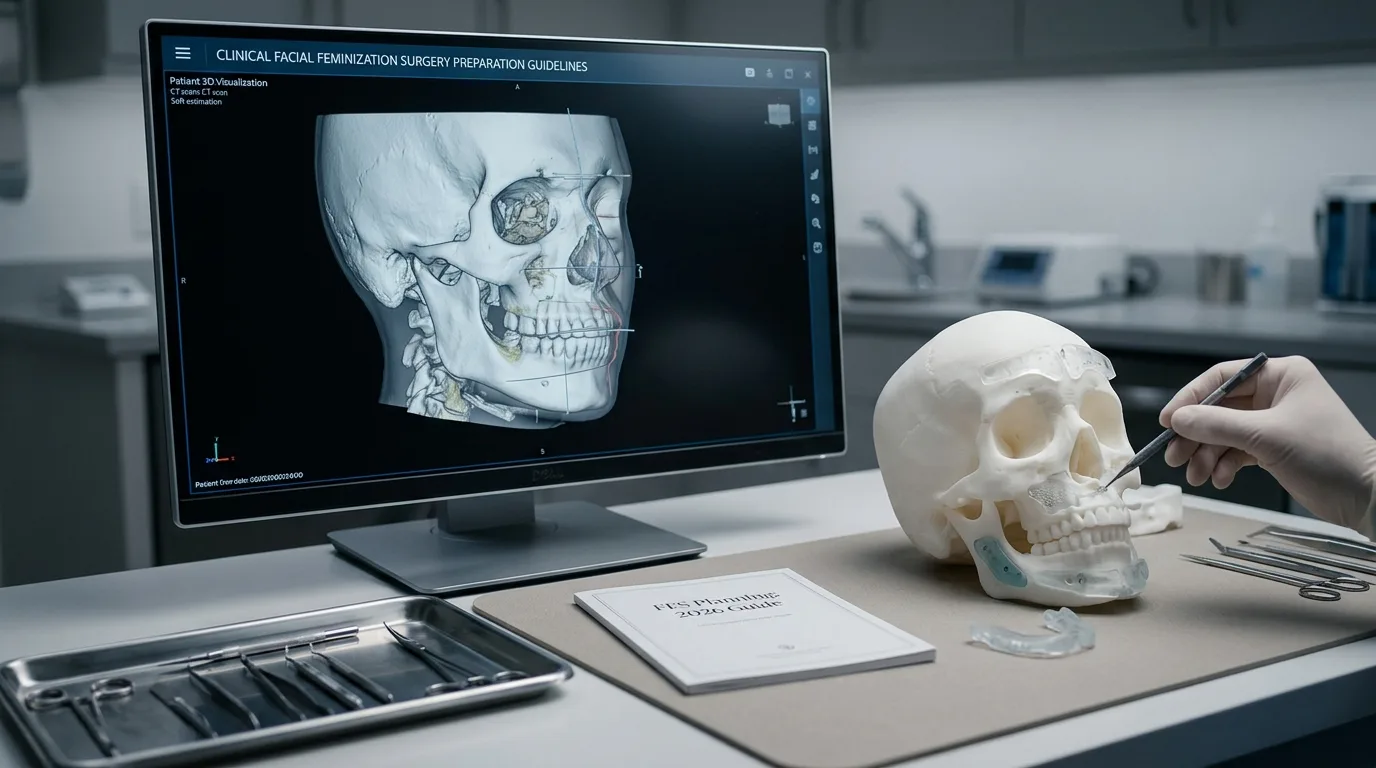

Facial Feminization Surgery (FFS) has evolved into a transformative field, offering transgender women the opportunity to align their facial features with their gender identity. Among the most complex and impactful procedures is Type 3 Forehead Reduction, a surgical technique designed to address prominent brow ridges and frontal bone structures. This procedure is not merely about aesthetics—it’s a meticulous reconstruction of the anterior wall of the frontal sinus, reshaping it to achieve a softer, more feminine contour. However, the complexity of this surgery demands a deep understanding of its anatomical intricacies, procedural steps, and potential risks to ensure both safety and optimal outcomes.
In this guide, we delve into the surgical techniques, anatomical considerations, and risks associated with Type 3 Forehead Reduction. Whether you’re a patient exploring your options or a medical professional seeking insights, this article provides a technical yet accessible breakdown of what makes this procedure a cornerstone of FFS.
Table of Contents
Understanding Type 3 Forehead Reduction: What Sets It Apart?
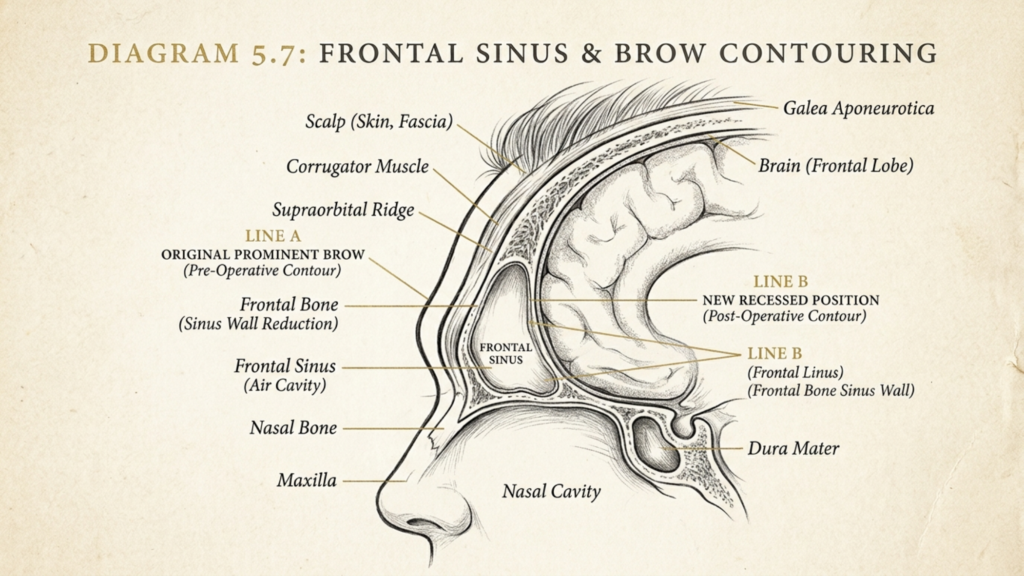
Type 3 Forehead Reduction, also known as frontal sinus setback or Type 3 cranioplasty, is distinguished by its focus on the anterior wall of the frontal sinus. Unlike Type 1 or Type 2 procedures, which involve bone shaving or partial reshaping, Type 3 requires the complete removal, reshaping, and repositioning of the anterior wall. This technique is particularly suited for individuals with prominent brow ridges and deep frontal sinuses, where simpler methods would be insufficient or risk exposing the sinus (Mittermiller, 2025).
The key distinction of Type 3 lies in its ability to achieve a dramatic feminization of the forehead by leveraging the anterior wall’s repositioning. This approach not only reduces the brow ridge but also creates a smoother, more harmonious forehead contour, aligning with feminine facial aesthetics.
Step-by-Step Surgical Procedure: Removing, Reshaping, and Replacing the Anterior Wall
The Type 3 Forehead Reduction procedure is a multi-step process that requires precision, anatomical expertise, and advanced surgical tools. Below is a detailed breakdown of each stage:
1. Preoperative Planning and Imaging
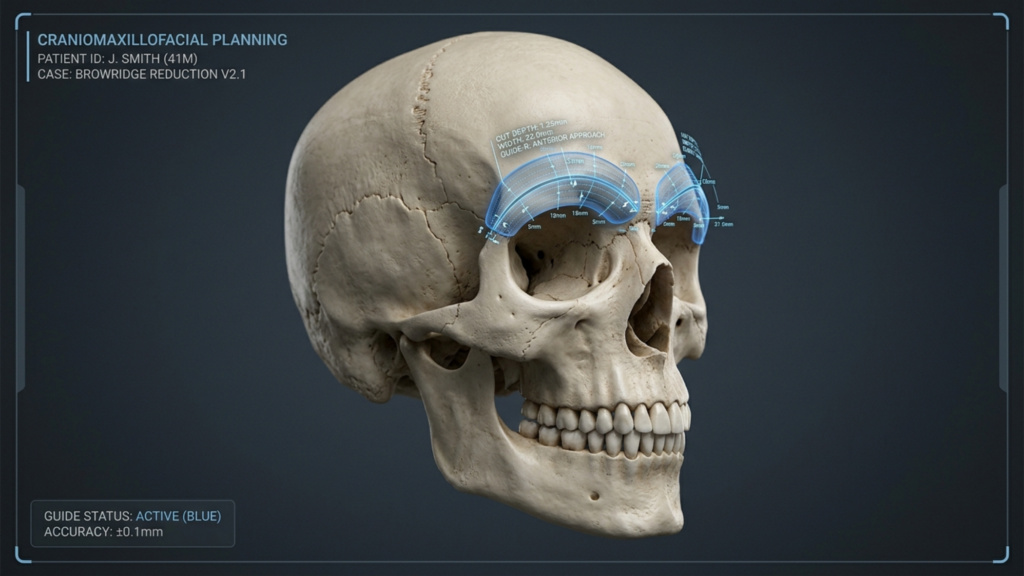
Before surgery, a comprehensive assessment is conducted using 3D CT scans and virtual surgical planning software. This step is critical for:
- Measuring frontal sinus dimensions to determine the extent of bone removal and reshaping required.
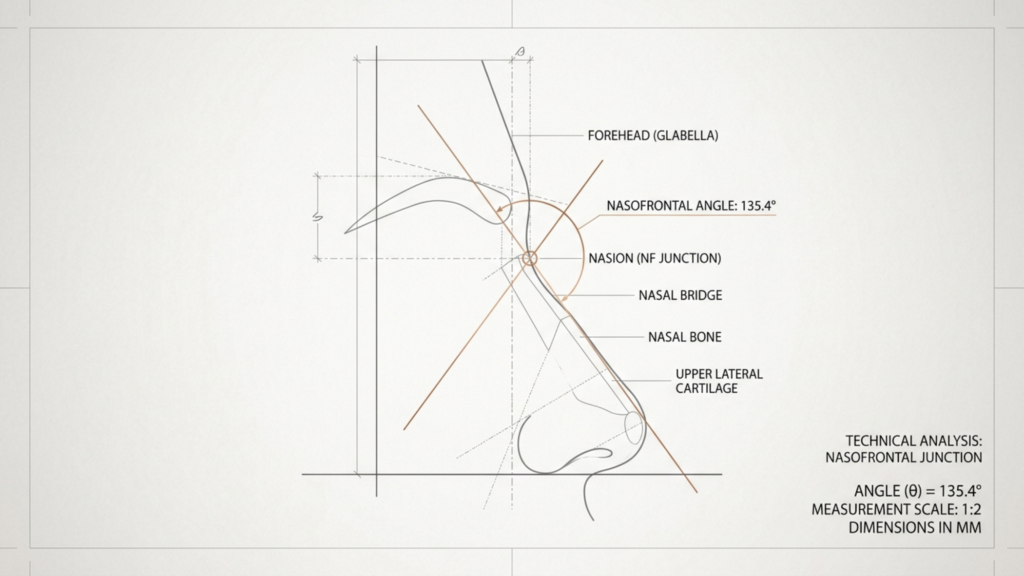
- Visualizing the nasofrontal junction to avoid complications such as cerebrospinal fluid (CSF) leaks.
- Designing patient-specific cutting guides to ensure precision during osteotomy (Narrative Review of Facial Gender Surgery, 2025).
2. Incision and Exposure
The surgeon makes a coronal incision (along the hairline or within the scalp) to access the frontal bone. This incision is strategically placed to:
- Minimize visible scarring by hiding it within the hairline.
- Preserve the pericranium (the membrane covering the bone) to maintain blood supply and reduce the risk of infection.
3. Osteotomy: Removing the Anterior Wall
Using precision surgical tools, the surgeon performs an osteotomy to remove the anterior wall of the frontal sinus. This step involves:
- Cutting the bone along pre-planned lines to create a “bone flap.”
- Carefully lifting the bone segment to avoid damaging the frontal sinus or surrounding structures.
- Removing any bony septations within the sinus to ensure a smooth inner contour (Feminization of the Forehead, 2024).
4. Reshaping the Bone Flap
Once removed, the bone flap is reshaped on a sterile field. This involves:
- Burring the inner surface to reduce its projection and create a smoother contour.
- Adjusting the shape to match the desired feminine aesthetic, often using titanium plates or screws for stabilization.
- Ensuring symmetry with the rest of the facial structure (Multi-fragment Onlay Reconstruction in Forehead Contouring Surgery, 2025).
5. Repositioning and Fixation
The reshaped bone flap is repositioned in a more posterior and feminized location. This step includes:
- Securing the bone with titanium plates and screws to ensure stability and proper healing.
- Closing the incision with dissolvable sutures to minimize scarring.
- Applying a compressive dressing to reduce swelling and support the new contour.
Anatomical Considerations: The Frontal Sinus and Surrounding Structures
The frontal sinus is a critical anatomical structure in Type 3 Forehead Reduction. Its size, depth, and relationship to surrounding bones and tissues directly influence the surgical approach and potential risks. Key anatomical considerations include:
1. Frontal Sinus Anatomy
The frontal sinus is a hollow, air-filled cavity located within the frontal bone. Its anterior wall forms the brow ridge, while the posterior wall borders the anterior cranial fossa. Key features include:
- Variability in size and shape: The sinus can range from shallow to deeply recessed, affecting the complexity of the procedure.
- Thickness of the anterior wall: Thicker bone may require more aggressive reshaping, while thinner bone increases the risk of sinus exposure.
- Presence of bony septations: Internal divisions within the sinus can complicate reshaping and require careful removal.

2. Relationship to the Nasofrontal Junction
The nasofrontal junction is where the frontal sinus meets the nasal bones. This area is critical because:
- Improper reshaping can disrupt the nasal airway or alter facial symmetry.
- Over-resection may lead to a “dished-in” appearance or compromise sinus function.
- Precise measurements are essential to maintain a natural transition between the forehead and nasal bridge (Frontal Sinus Setback in Facial Feminization Surgery, 2025).
3. Surrounding Soft Tissues and Nerves
The frontal sinus is surrounded by soft tissues, muscles, and nerves that must be preserved during surgery. Key structures include:
- Supratrochlear and supraorbital nerves: Responsible for sensation in the forehead and scalp. Damage can result in numbness or chronic pain.
- Frontalis muscle: Elevates the eyebrows and contributes to facial expressions. Over-dissection can lead to brow ptosis (drooping).
- Pericranium: A vascular membrane that nourishes the bone flap. Preserving it is crucial for healing and reducing infection risks.
Potential Risks and Complications: What Patients Should Know
While Type 3 Forehead Reduction is highly effective, it is not without risks. Understanding these potential complications is essential for informed decision-making and postoperative care. Below are the most common risks:
1. Cerebrospinal Fluid (CSF) Leak
A CSF leak occurs if the posterior wall of the frontal sinus is accidentally breached during osteotomy. This complication is serious because:
- It can lead to infections such as meningitis if not promptly repaired.
- Symptoms include clear fluid draining from the nose or incision site, headaches, and nausea.
- Treatment involves surgical repair with a dural graft and possible lumbar drain placement (Type 1, 2, or 3 Forehead Reconstruction, 2025).
2. Infection and Bone Resorption
Infections can occur at the surgical site, particularly if the pericranium is damaged or foreign materials (e.g., titanium plates) are used. Risks include:
- Bone resorption: The body may absorb the reshaped bone flap, leading to asymmetry or contour irregularities.
- Chronic sinusitis: If the sinus lining is disrupted, it can result in long-term inflammation.
- Hardware complications: Plates or screws may become palpable or infected, requiring removal (Multi-fragment Onlay Reconstruction in Forehead Contouring Surgery, 2025).
3. Sensory Changes and Nerve Damage
Damage to the supratrochlear or supraorbital nerves can result in temporary or permanent sensory changes. Patients may experience:
- Numbness or tingling in the forehead or scalp.
- Chronic pain due to nerve irritation or scarring.
- Altered facial expressions if the frontalis muscle is affected.
4. Contour Irregularities and Asymmetry
Even with meticulous planning, asymmetry or uneven contours can occur due to:
- Uneven bone reshaping during the procedure.
- Postoperative swelling that resolves unevenly.
- Hardware visibility if plates or screws are not positioned flush with the bone.
5. Long-Term Functional and Aesthetic Outcomes
While Type 3 Forehead Reduction is designed to enhance feminization, long-term outcomes depend on:
- Proper bone healing: Ensuring the reshaped bone integrates smoothly with surrounding structures.
- Scar management: Minimizing visible scarring through careful incision placement and postoperative care.
- Patient satisfaction: Aligning expectations with realistic outcomes, as individual anatomy varies.

Postoperative Care and Recovery: Ensuring Optimal Healing
Recovery from Type 3 Forehead Reduction is a gradual process that requires patience and adherence to postoperative instructions. Below are key steps to support healing and minimize complications:
1. Immediate Postoperative Care
In the first 48 hours, focus on:
- Managing swelling with cold compresses and keeping the head elevated.
- Taking prescribed pain medications to stay ahead of discomfort.
- Avoiding straining or heavy lifting to prevent increased intracranial pressure.
2. First Two Weeks: Monitoring and Hygiene
During this phase:
- Keep the incision site clean and dry to prevent infection.
- Attend follow-up appointments to monitor healing and address any concerns.
- Avoid smoking and alcohol, as they can impair healing and increase infection risks.
3. Weeks 3–6: Gradual Return to Normal Activities
As swelling subsides:
- Resume light activities such as walking or desk work.
- Avoid contact sports or strenuous exercise until cleared by your surgeon.
- Use silicone gel or sheets to minimize scarring.
4. Long-Term Care: Maintaining Results
To ensure lasting results:
- Protect your forehead from trauma to avoid displacing the bone flap.
- Follow up with your surgeon annually to monitor bone stability and address any late complications.
- Consider non-surgical enhancements such as fillers or Botox to refine contours further.

Alternatives to Type 3 Forehead Reduction: Exploring Less Invasive Options
While Type 3 Forehead Reduction is highly effective, it may not be suitable for everyone. Alternatives include:
1. Type 1 and Type 2 Forehead Contouring
For individuals with milder brow bossing, Type 1 or Type 2 procedures may suffice:
- Type 1: Involves bone shaving without removing the anterior wall. Ideal for minor reductions.
- Type 2: Combines partial osteotomy with reshaping, suitable for moderate brow bossing.
2. Non-Surgical Options
For those seeking minimal downtime, non-surgical alternatives include:
- Dermal fillers: Temporary volume addition to soften brow ridges.
- Botox injections: Relax the frontalis muscle to reduce brow prominence.
- Fat grafting: Uses the patient’s own fat to contour the forehead.
3. Combined Procedures
For comprehensive feminization, Type 3 Forehead Reduction can be combined with:
- Hairline advancement to reduce forehead height.
- Rhinoplasty to refine nasal contours.
- Brow lift to elevate the eyebrows for a more youthful appearance.
Conclusion: Balancing Aesthetics, Safety, and Patient Goals
Type 3 Forehead Reduction is a powerful tool in Facial Feminization Surgery, offering transformative results for transgender women seeking a more feminine forehead contour. However, its complexity demands expertise, precision, and a thorough understanding of anatomy to mitigate risks such as CSF leaks, infections, and contour irregularities.
For patients, the decision to undergo Type 3 Forehead Reduction should be made in consultation with a board-certified surgeon who specializes in FFS. By weighing the benefits against the risks and exploring alternatives, individuals can achieve a harmonious balance between aesthetics and safety, ultimately enhancing their confidence and alignment with their gender identity.
For those considering this procedure, Dr. MFO Clinic offers specialized expertise in Type 3 Forehead Reduction, ensuring personalized care and optimal outcomes. Contact us today to schedule a consultation and begin your journey toward a more feminine appearance.
Frequently Asked Questions
What is the difference between Type 1, Type 2, and Type 3 Forehead Reduction?
Type 1 involves bone shaving for minor reductions, Type 2 combines partial osteotomy with reshaping for moderate brow bossing, and Type 3 requires the complete removal, reshaping, and repositioning of the anterior wall of the frontal sinus for significant feminization. Type 3 is the most complex and is reserved for individuals with prominent brow ridges and deep frontal sinuses.
How long does recovery take after Type 3 Forehead Reduction?
Recovery varies but generally follows this timeline: 1–2 weeks for initial swelling and discomfort, 3–6 weeks for a gradual return to normal activities, and up to 6 months for final results as swelling fully subsides. Patients should avoid strenuous activities for at least 6 weeks to ensure proper healing.
What are the signs of a CSF leak after Type 3 Forehead Reduction?
Symptoms of a CSF leak include clear fluid draining from the nose or incision site, persistent headaches, nausea, and a salty taste in the mouth. If any of these symptoms occur, seek immediate medical attention, as untreated CSF leaks can lead to serious infections like meningitis.
Can Type 3 Forehead Reduction be combined with other FFS procedures?
Yes, Type 3 Forehead Reduction is often combined with procedures such as hairline advancement, rhinoplasty, and brow lifts to achieve comprehensive facial feminization. Combining procedures can enhance overall harmony and reduce the need for multiple surgeries.
What are the risks of using titanium plates in Type 3 Forehead Reduction?
While titanium plates provide stability, risks include hardware palpability (feeling the plates under the skin), infection, and bone resorption around the plates. In rare cases, plates may need to be removed if they cause discomfort or complications.
How can I minimize scarring after Type 3 Forehead Reduction?
To minimize scarring, follow your surgeon’s postoperative care instructions, which may include using silicone gel or sheets, avoiding sun exposure, and keeping the incision site clean and moisturized. Most scars fade significantly over time, especially if hidden within the hairline.
Is Type 3 Forehead Reduction suitable for everyone?
Type 3 Forehead Reduction is ideal for individuals with prominent brow ridges and deep frontal sinuses. Those with milder brow bossing may achieve satisfactory results with Type 1 or Type 2 procedures. A consultation with a specialized FFS surgeon is essential to determine the best approach based on your anatomy and goals.
What should I expect during the consultation for Type 3 Forehead Reduction?
During the consultation, your surgeon will review your medical history, perform a physical examination, and use 3D imaging to assess your frontal sinus anatomy. They will discuss the procedure’s steps, risks, and expected outcomes, as well as alternatives like non-surgical options or less invasive surgical techniques.