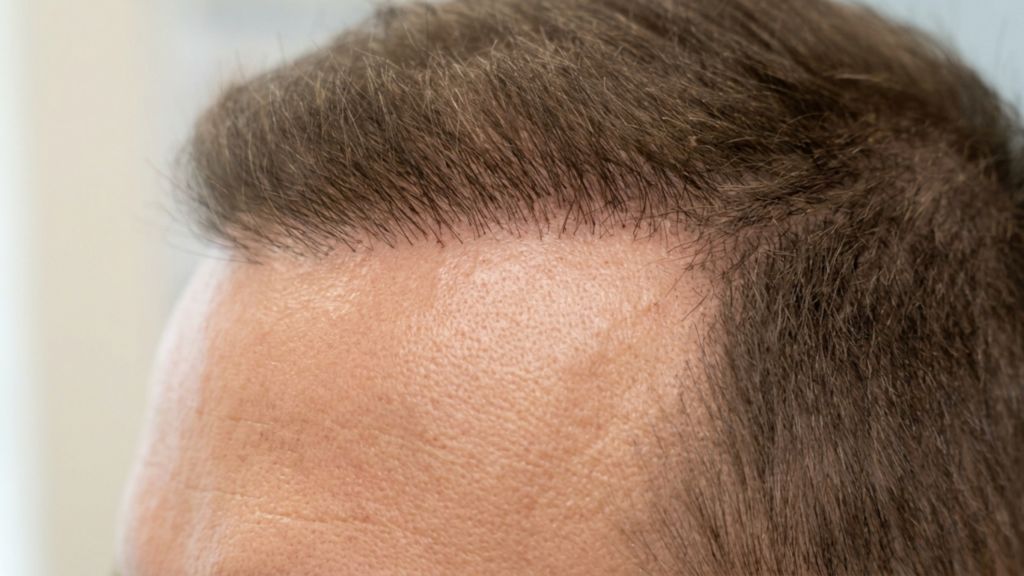
تخيل إنفاق $15,000 على زراعة الشعر, لتكتشف بعد ستة أشهر أن المنطقة المانحة تبدو وكأنها مزيج من الندوب، وفروة رأسك مشدودة كطبلة، وأن الكثافة التي دفعت ثمنها قد اختفت تمامًا. هذا ليس كابوسًا من أفلام الخيال العلمي، بل هو الواقع. واحد من كل خمسة مرضى الذين يخضعون لعمليات زراعة شعر ضخمة (3000-7000 طعم) في عيادات غير معتمدة، وفقًا لـ 2025 يذاكر في مجلة جراحة الأمراض الجلدية. لا شك في جاذبية الحصول على شعر كثيف في جلسة واحدة، لكن التكاليف المالية والنفسية غالبًا ما تكون مخفية وراء حملات تسويقية عدوانية وهياكل تسعير مضللة. يكشف هذا الدليل عن التكلفة الحقيقية من عمليات التطعيم الضخمة - بما يتجاوز السعر المعلن - ويزودك بالبيانات لتجنب أن تصبح مجرد إحصائية أخرى.
جدول المحتويات
لماذا تُعدّ الجلسات الضخمة سلاحاً ذا حدين: المقايضات الخفية لزراعة 3000 إلى 7000 طعم
تعد عمليات زراعة الشعر المكثفة بتحول جذري في جلسة واحدة، لكنها تأتي مع ثلاثة مقايضات حاسمة معظم العيادات لا تفصح عن ذلك مسبقاً:
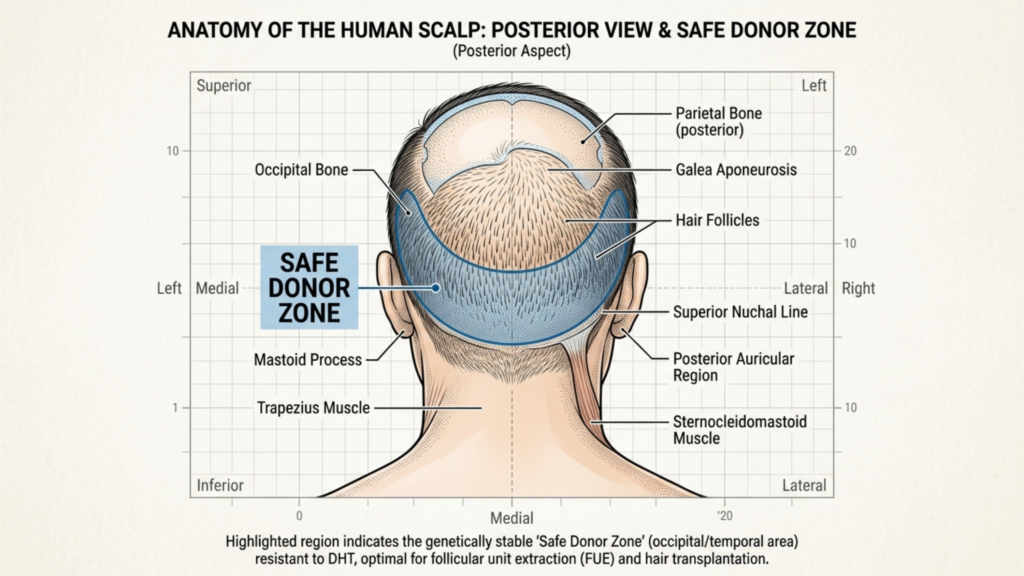
- استنفاد منطقة المتبرعين: حصاد 7000 الطعوم في تتطلب إحدى الجلسات إزالة حوالي 14000 وحدة جريبية (لأن ليس كل الطعوم تنجح). وهذا يترك المنطقة المانحة - عادةً ما تكون مؤخرة وجوانب فروة الرأس -مستنفدة بشكل دائم, مع وجود ترقق أو ندوب ظاهرة. أ 2024 الدراسة في جراحة التجميل والترميم ووجد أن المرضى الذين خضعوا لعمليات زرع طعوم ضخمة في جلسة واحدة كان لديهم 40% خطر أعلى انخفاض تصبغ منطقة المتبرع وضعف التئام الجروح مقارنة بالإجراءات المرحلية (PRS، 2024).
- انخفاض حاد في معدلات نجاح عمليات الزرع: كلما زاد عدد الطعوم المزروعة في جلسة واحدة، انخفض معدل نجاحها. وتغفل العيادات التي تُعلن عن "معدل نجاح 95%" ذكر أن هذا ينطبق على جلسات صغيرة (1000-1500 طعم). بالنسبة للجلسات الضخمة، ينخفض معدل البقاء على قيد الحياة إلى 70–80% بسبب طول مدة العملية (من 8 إلى 12 ساعة) ومحدودية إمداد الدم إلى المنطقة المستقبلة. هذا يعني أنك تدفع فعلياً مقابل 1500–2000 "طعوم وهمية"“ التي لا تنمو أبداً (NCBI، 2025).
- الخداع المالي: تم تصميم نموذج التسعير "لكل طعم" لإخفاء التكلفة الحقيقية. تعلن العيادات عن سعر $2–$3 لكل طعم عند إجراء 3000 طعم، لكنها ترفع السعر إلى $4–$6 لكل طعم عند إجراء 7000 طعم، بحجة "زيادة التعقيد". والأسوأ من ذلك،, رسوم خفية قد تؤدي تكاليف التخدير أو علاج البلازما الغنية بالصفائح الدموية أو الرعاية ما بعد الجراحة إلى زيادة الفاتورة النهائية بنسبة 30–50%.
سيساعدك هذا الدليل على تجنب هذه المخاطر من خلال تحليل التكاليف الحقيقية, عتبات الأمان، و استراتيجيات الميزانية لإجراءات التطعيم الضخمة - حتى تتمكن من اتخاذ قرار لا يكلفك منطقة التبرع الخاصة بك أو مدخراتك.
التكلفة الحقيقية لعمليات زرع الأعضاء الضخمة: تحليل شفاف
تُقدّم معظم العيادات سعرًا واحدًا "لكل طعم"، ولكن التكلفة الحقيقية تتضمن جلسة التصوير الضخمة ستة نفقات غالباً ما يتم تجاهلها:
| فئة المصروفات | تقدير التكلفة الأدنى (3000 طعم) | تقدير التكلفة العالية (7000 طعم) | لماذا غالباً ما يكون مخفياً |
|---|---|---|---|
| تكلفة الإجراء الأساسي | $6,000–$9,000 | $14,000–$28,000 | يتم الإعلان عنها على أنها "شاملة كلياً"، ولكن قد تقوم العيادات ببيع طعوم "ممتازة" إضافية. |
| التخدير والتسكين | $500–$1,200 | $1,500–$3,000 | تتطلب الجلسات الأطول تخديرًا أعمق، مما يزيد التكاليف. |
| العلاج بالبلازما الغنية بالصفائح الدموية أو العلاج بالخلايا الجذعية | $800–$1,500 | $2,000–$4,000 | يتم تسويقها على أنها "ضرورية لبقاء الطعوم"، ولكنها غالباً ما تكون اختيارية. |
| الأدوية بعد الجراحة | $300–$600 | $800–$1,500 | تتراكم المضادات الحيوية ومسكنات الألم والأدوية المضادة للالتهابات. |
| السفر والإقامة | $1,500–$3,000 | $3,000–$6,000 | تتطلب معظم الجلسات المكثفة قضاء 7-10 أيام في الخارج للمتابعة. |
| جراحة المراجعة | $3,000–$6,000 | $10,000–$20,000 | يحتاج واحد من كل ثلاثة مرضى يخضعون لجلسات علاجية مكثفة إلى تصحيحات بسبب ضعف كثافة الشعر أو وجود ندبات. |
التكلفة الإجمالية قد تتجاوز تكلفة عملية زراعة 7000 طعم $40,000— ضعف ما هو مُعلن عنه. ومع ذلك، نادرًا ما تُفصح العيادات عن ذلك مُسبقًا. بدلًا من ذلك، تُركز على سعر الطعم الواحد, والذي ينخفض مع زيادة حجم الجلسة. إليك كيفية عمل التسعير:
هل لاحظت النمط؟ كلما زاد عدد الطعوم التي تشتريها، أصبح سعر الطعم الواحد "أرخص" - ولكن التكلفة الإجمالية ترتفع بشكل صاروخي، و خطر حدوث مضاعفات يرتفع بشكل متسارع. لهذا السبب الإجراءات المرحلية (1500-2500 طعم لكل جلسة) غالباً ما تؤدي إلى نتائج أفضل على المدى الطويل، حتى لو كانت تكلفتها الأولية أعلى قليلاً.
عتبة الأمان: كم عدد عمليات التطعيم التي يستطيع جسمك تحملها؟
فروة رأسك ليست لوحة بيضاء فارغة، إنها نظام بيئي حي بموارد محدودة. حد آمن يعتمد استخراج الطعوم وزرعها على ثلاثة عوامل بيولوجية:
- كثافة منطقة المانحين: الشخص العادي لديه 80-100 وحدة جريبية لكل سم² في منطقة المتبرعين. حصاد أكثر من 50% من هذه الكثافة قد يؤدي إجراء عملية زراعة 7000 بصيلة شعر في جلسة واحدة إلى ترقق دائم للشعر. وهذا يعني إزالة البصيلات من حوالي 140 سم² من فروة الرأس - منطقة بحجم بطاقة بريدية.
- إمدادات الدم لمنطقة المتلقي: لا يمكن لفروة الرأس إلا أن تدعم 20-30 طعم لكل سم² في جلسة واحدة. إضافة إلى ذلك، تتنافس الطعوم على تدفق الدم، مما يؤدي إلى النخر (موت الأنسجة) أو ضعف معدل البقاء على قيد الحياة. غالباً ما تتجاوز الجلسات المكثفة هذا الحد، خاصة في خط الشعر الأمامي، حيث تكون الكثافة أمراً بالغ الأهمية.
- وقت التشغيل: إجراءات تدوم أكثر من 8 ساعات يزيد من خطر انخفاض درجة حرارة الجسم، والجلطات الدموية، ومضاعفات التخدير. أ 2026 الدراسة في الجراحة الجلدية ووجد أن المرضى الذين خضعوا لجلسات علاجية لأكثر من 10 ساعات كانوا يعانون من خطر أعلى بثلاث مرات من العدوى بعد الجراحة (NCBI، 2026).
لتصور المخاطر، ضع في اعتبارك ما يلي مصفوفة السلامة:
| عدد الطعوم | إجهاد منطقة المتبرع | معدل بقاء الطعوم | مخاطر المضاعفات | مُستَحسَن؟ |
|---|---|---|---|---|
| 1,000–2,000 | قليل | 90–95% | الحد الأدنى | ✅ مثالي لمعظم المرضى |
| 2,500–3,500 | معتدل | 80–85% | متوسطة (ندبات، تورم) | ⚠️ فقط مع التخطيط المرحلي |
| 4,000–5,000 | عالي | 70–75% | معدل مرتفع (العدوى، معدل البقاء على قيد الحياة ضعيف) | ❌ تجنب استخدامه إلا إذا كان ذلك ضروريًا طبيًا |
| 6,000–7,000 | أقصى | <70% | مرتفع جداً (استنزاف الخلايا المانحة، النخر) | ❌ غير مُوصى به |
البيانات واضحة: الجلسات الضخمة هي مقامرة عالية المخاطر وعالية المكافأة. على الرغم من قدرتها على تحقيق نتائج مذهلة، قانون تناقص العوائد ينطبق هذا. بعد 4000 طعم، تتضاءل الفائدة الهامشية لزيادة الكثافة أمام الزيادة الهائلة في المضاعفات.
وضع ميزانية لـ جلسة ضخمة: كيفية تجنب الخراب المالي والطبي
إذا كنت مصمماً على جلسة تصوير ضخمة، فإليك ما يلي:’كيفية تقليل المخاطر و تعظيم القيمة:
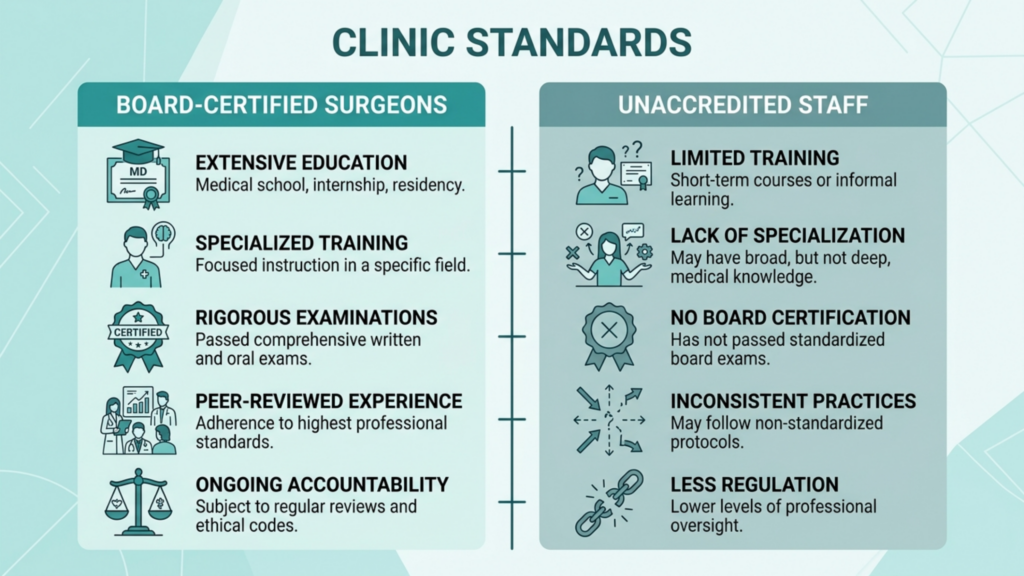
1. اختيار العيادة المناسبة: العلامات التحذيرية مقابل العلامات الإيجابية
| علامات تحذيرية (تجنب) | الأعلام الخضراء (تحديد الأولويات) |
|---|---|
| لا يوجد جراحون معتمدون من المجلس الطبي ضمن الطاقم الطبي | جراحون معتمدون من قبل الجمعية الدولية لجراحة استعادة العظام (ISHRS) أو الجمعية الأمريكية لجراحة استعادة العظام (ABHRS). |
| “ادعاءات "عدد غير محدود من عمليات التطعيم" أو "كثافة مضمونة" | بيانات معدل البقاء على قيد الحياة الشفافة (على سبيل المثال، "70-80% لـ 7000 طعم"). |
| لا توجد فحوصات دم قبل العملية أو تحليل لفروة الرأس | التقييم الإلزامي لمنطقة التبرع باستخدام منظار الشعر |
| الضغط للحجز فوراً ("خصم لفترة محدودة") | يشجع على الإجراءات المرحلية والحصول على رأي ثانٍ |
| خطة رعاية ما بعد الجراحة بدون خطة | يشمل ذلك متابعة لمدة 12 شهرًا وعلاج البلازما الغنية بالصفائح الدموية |
العيادات في ديك رومى, المكسيك، وتايلاند تشتهر بأسعارها المنخفضة، ولكن 60% من المضاعفات تحدث عمليات جراحية ضخمة في مرافق غير معتمدة في الخارج. إذا كنت مسافرًا لإجراء عملية جراحية، فتحقق من اعتماد العيادة. اعتماد اللجنة الدولية المشتركة (JCI) وتأكد من استخدامهم FUE (استخراج الوحدات البصيلية) بدلاً من تقنية FUT القديمة (طريقة الشريحة)، التي تترك ندوباً خطية.
2. التفاوض على عقد بسعر ثابت
اطلب اتفاقية مكتوبة وهذا يثبت:
- ال العدد الدقيق للطعوم (ليس "حتى 7000").
- أ معدل البقاء على قيد الحياة المضمون (على سبيل المثال، "70% أو نقدم لكم خدمة التعديل المجانية").
- لا توجد رسوم خفية للتخدير، أو الأدوية، أو الرعاية بعد الجراحة.
- أ سياسة المراجعة (على سبيل المثال، تصحيحات مجانية في غضون 12 شهرًا إذا انخفضت الكثافة إلى أقل من 60%).
العيادات التي ترفض توثيق ذلك كتابيًا غالبًا ما تخفي شيئًا ما. ابتعد عنها.
3. التخطيط للتكاليف الخفية
خصص ميزانية إضافية 30–50% من تكلفة الإجراء لـ:
- تأمين السفر تغطية المضاعفات الطبية في الخارج.
- إقامات فندقية طويلة (7-10 أيام للتعافي).
- الأدوية التي تُعطى بعد العملية الجراحية (المضادات الحيوية، مسكنات الألم، مينوكسيديل).
- الأجور الضائعة لو أنت بحاجة إجازة من العمل لمدة أسبوعين إلى ثلاثة أسابيع.
- أموال الطوارئ لإجراء التعديلات أو لعلاج العدوى.
4. ضع في اعتبارك الإجراءات المرحلية
تقسيم عملية الزرع إلى جلستان أو ثلاث جلسات (على سبيل المثال، 2500 طعم كل 6 أشهر) يوفر ثلاث مزايا:
- ارتفاع معدل بقاء الطعوم (85-90% لكل جلسة مقابل 70% للجلسات الضخمة).
- انخفاض خطر حدوث مضاعفات (أوقات تشغيل أقصر، وصدمات أقل).
- تحسين إدارة الميزانية (ادفع حسب الاستخدام، مع إتاحة الوقت لتقييم النتائج).
إدارة المتبرعين: كيف تحمي مستقبل فروة رأسك
منطقة المتبرعين هي لك شريان الحياة لأغراض عمليات الزرع المستقبلية. الإفراط في حصادها في جلسة واحدة قد يتركك مع لا توجد خيارات إذا احتجت إلى إجراء تعديلات لاحقًا، إليك كيفية حفظها:
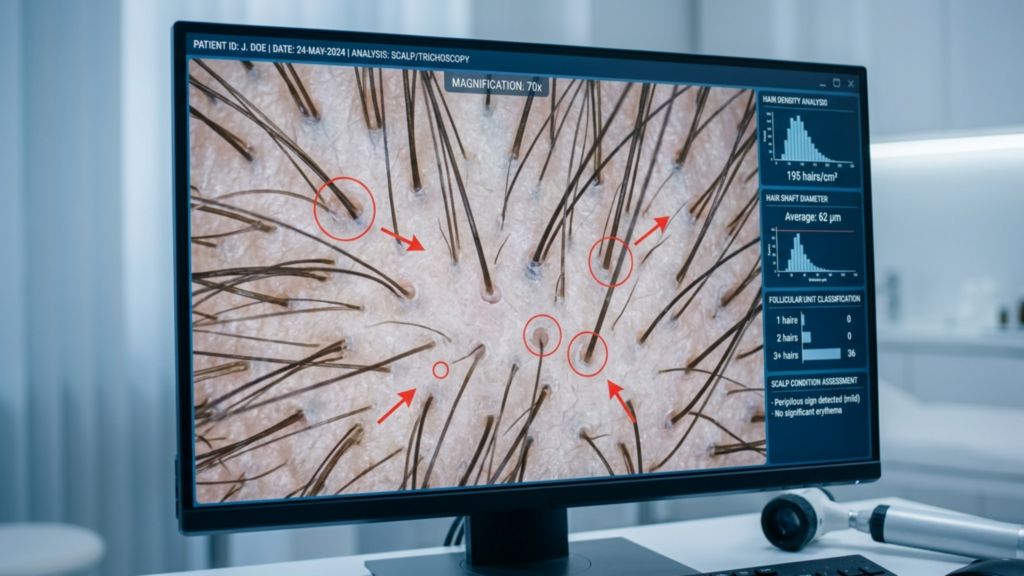
- اطلب تحليلًا باستخدام المجهر الشعري: يقيس هذا الفحص غير الجراحي كثافة المنطقة المانحة ويحدد مناطق الاستخراج الآمنة. العيادات التي تتجاهل هذا الفحص تُخاطر بفروة رأسك.
- الحد من الاستخلاص إلى 30-40% من كثافة المتبرع: يضمن ذلك وجود عدد كافٍ من البصيلات لإجراءات مستقبلية. على سبيل المثال، إذا كانت المنطقة المانحة تحتوي على 100 بصيلة/سم²، فلا تقم باستئصال أكثر من 30-40 وحدة تشكيل لويحة/سم² في جلسة واحدة.
- تجنب فخ "زيادة عدد الطعوم إلى أقصى حد": تسعى بعض العيادات إلى تحقيق أعلى عدد ممكن من الطعوم، حتى لو كان ذلك يعني الإفراط في الحصاد. أصرّ على نهج محافظسيشكرك مستقبلك.
- استخدم العلاج بالبلازما الغنية بالصفائح الدموية أو العلاج بالخلايا الجذعية: على الرغم من أنها ليست علاجاً معجزة، إلا أن هذه العلاجات يمكن أن تحسين بقاء الطعوم بواسطة 10-15% وتقليل الصدمات في منطقة المتبرع (NCBI، 2023).
- خطة الرعاية طويلة الأجل: يستخدم مينوكسيديل أو فيناسترايد بعد عملية الزرع، يُنصح باتباع هذه الإجراءات لحماية الشعر الموجود وصحة المنطقة المانحة. فبدونها، يزداد خطر ترقق الشعر، مما يجعل عمليات المراجعة أكثر صعوبة.
تذكر: منطقة التبرع الخاصة بك هي غير قابل للتجديد. بمجرد استنفادها، ستتلاشى خياراتك لإجراء عمليات زرع مستقبلية. احمِها كما تحمي صندوق تقاعدك.
التكلفة النفسية: ما لن تخبرك به أي عيادة
لا تقتصر جلسات العلاج المكثفة على إجهاد فروة رأسك فحسب، بل إنها تختبر قدرتك على التحمل. المرونة النفسية. غالباً ما يُبلغ المرضى عن:
- “"الاكتئاب بعد عملية الزرع": خلال الأشهر الثلاثة إلى الستة الأولى بعد العملية، سيتساقط شعرك الجديد (خسارة صادمة)، مما يجعلك تنظر أسوأ أكثر من ذي قبل. هذه المرحلة تثير القلق في 70% من المرضى, ، وفقًا لدراسة أجريت عام 2025 صورة الجسم (ساينس دايركت، 2025).
- توقعات غير واقعية: تعرض العيادات صورًا "قبل وبعد" تم التقاطها في ظروف إضاءة وزوايا مثالية. في الواقع،, 301 مريضًا فقط من مرضى TP3T تحقيق الكثافة الموضحة في المواد التسويقية.
- العزل الاجتماعي: قد تستمر مرحلة "النقطة الحمراء" (حيث تتشكل القشور حول كل طعم) من 10 إلى 14 يومًا، مما يجعل التفاعلات الاجتماعية غير مريحة. ويتناول العديد من المرضى إجازة من العمل لمدة أسبوعين إلى ثلاثة أسابيع لتجنب الأسئلة.
- ندم المشتري: عندما لا تحقق النتائج المرجوة، غالباً ما يلوم المرضى أنفسهم - "هل اخترت العيادة الخاطئة؟ هل كان عليّ الانتظار؟" - بدلاً من إلقاء اللوم على وعود العيادة المبالغ فيها.
للتخفيف من هذه المخاطر:
- تعيين توقعات واقعية مع جراحك - اطلب بدون تصفية صور المرضى، وليس فقط الصور التسويقية.
- الاستعداد ل مرحلة البطة القبيحة (الأشهر 1-4) من خلال الحصول على الدعم من الأصدقاء أو المعالج النفسي.
- يتجنب مقارنة تقدمك تختلف فترات الشفاء بشكل كبير بالنسبة للآخرين.
- إذا كنت عرضة للقلق، ففكر في الإجراءات المرحلية لتقسيم العملية إلى خطوات يمكن التحكم بها.
بدائل للجلسات الضخمة: مسارات أكثر أمانًا للكثافة
إذا كانت مخاطر الجلسة الضخمة تفوق الفوائد الفوائد, ضع في اعتبارك هذه البدائل:
| بديل | يكلف | الايجابيات | سلبيات |
|---|---|---|---|
| تقنية اقتطاف وحدة البصيلات على مراحل (2-3 جلسات) | $12,000–$20,000 | معدلات بقاء أعلى، خطر أقل للإصابة بالندوب | جدول زمني أطول (12-18 شهرًا) |
| اللحية أو الجسم زراعة الشعر (BHT) | $10,000–$18,000 | يستخدم شعرًا من متبرعين من غير فروة الرأس؛ وهو مناسب لعمليات الترميم. | انخفاض معدلات البقاء على قيد الحياة (60-70%) |
| التصبغ المجهري لفروة الرأس (SMP) | $2,000–$5,000 | وهم الكثافة الفورية، بدون جراحة | يتطلب عمليات ترميم كل 3-5 سنوات |
| العلاج بالليزر منخفض المستوى (LLLT) | $500–$2,000 | غير جراحي، يحسن الشعر الموجود | نتائج محدودة للصلع المتقدم |
| البلازما الغنية بالصفائح الدموية (PRP) + مينوكسيديل | $1,500–$3,000/سنة | يبطئ تساقط الشعر، ويزيد من كثافة الشعر الموجود | يتطلب صيانة مدى الحياة |
للمرضى الذين يعانون تساقط الشعر المتقدم (نوروود 6-7)، أ نهج الجمع غالباً ما يكون هذا هو الأفضل. على سبيل المثال:
- الجلسة الأولى: 2500 طعمة شعر في خط الشعر الأمامي.
- الجلسة الثانية (بعد ستة أشهر): 2000 طعم في منتصف فروة الرأس + علاج البلازما الغنية بالصفائح الدموية (PRP).
- صيانة: مينوكسيديل + العلاج بالليزر منخفض المستوى للحفاظ على الشعر الطبيعي.
يساهم هذا النهج في توزيع التكلفة والمخاطر مع تحقيق أقصى قدر من الكثافة على المدى الطويل.
الخلاصة: هل الجلسة الضخمة تستحق العناء؟
عمليات زراعة الشعر الضخمة هي ليس للجميع. وهي الأنسب لما يلي:
- المرضى الذين يعانون من كثافة استثنائية للمتبرعين (>100 وحدة تشكيل لويحة/سم²).
- أولئك الذين لا يمكن الالتزام إلى جلسات متعددة بسبب قيود السفر أو العمل.
- الأفراد الذين فهم المخاطر بشكل كامل ويكون لديك خطة المراجعة في مكانه.
أما بالنسبة للآخرين،, الإجراءات المرحلية أو العلاجات البديلة توفير مسار أكثر أمانًا وفعالية لاستعادة الشعر. يكمن السر في إعطاء الأولوية لصحة فروة الرأس على المدى الطويل بدلاً من التركيز على الكثافة على المدى القصير، واختيار عيادة تقدر الشفافية على المبيعات.
إذا كنت مستعدًا لاستكشاف خياراتك،, جدولة استشارة حاصل على شهادة البورد دكتور جراح الذي يتخصص في إجراءات التطعيم العالية ويمكنه توفير خطة مخصصة بناءً على قدرة المتبرع وأهدافه.
أسئلة مكررة
ما هو الحد الأقصى لعدد الطعوم التي يمكنني استخراجها بأمان في جلسة واحدة؟
يعتمد الحد الآمن على كثافة المنطقة المانحة، لكن معظم الخبراء ينصحون بعدم استخراج أكثر من 3000 إلى 4000 بصيلة شعر في جلسة واحدة. بالنسبة للشخص العادي، يُترجم هذا إلى 3000-4000 بصيلة. بعد ذلك، يزداد خطر ترقق الشعر الدائم أو التندب بشكل ملحوظ.
لماذا تكون معدلات بقاء الطعوم في عمليات زراعة الشعر التي تتطلب جلسات متعددة أقل؟
تستغرق جلسات زراعة الشعر المكثفة (أكثر من 5000 طعم) عادةً من 8 إلى 12 ساعة، يقضي خلالها الطعم وقتًا أطول خارج الجسم، مما يقلل من فعاليته. إضافةً إلى ذلك، يزداد الضغط على إمداد الدم للمنطقة المستقبلة، مما يؤدي إلى ضعف وصول الأكسجين والمغذيات إلى الطعوم. تنخفض معدلات بقاء الطعم من 90-95% في الجلسات الصغيرة إلى 70-80% في الجلسات المكثفة.
كيف يمكنني التحقق مما إذا كانت العيادة تبالغ في وعودها بشأن عدد الطعوم؟
اطلب إجراء فحص مجهري لمنطقة التبرع لتقييم قدرتها. إذا ضمنت عيادة زراعة 7000 طعم دون هذا الفحص، فمن المرجح أنها تبالغ في وعودها. اطلب أيضًا صورًا للمرضى غير معدلة (وليس فقط مواد تسويقية) وبيانات عن معدل نجاح زراعة الشعر للمرضى الذين خضعوا لجلسات زراعة مكثفة.
ما هي علامات الإفراط في استغلال منطقة التبرع؟
تشمل العلامات ترققًا أو بقعًا ظاهرة في المنطقة المانحة، واحمرارًا أو ندوبًا مطولة، ومظهرًا يشبه "مُستأصلًا بشكل مفرط" في المناطق التي تم فيها استخراج البصيلات بشكل مفرط. إذا بدت المنطقة المانحة أسوأ بعد عملية الزرع، فقد يكون تم استخراج كمية زائدة منها، مما يحد من إمكانية إجراء عمليات مستقبلية.
هل توجد خيارات تمويل لعمليات زراعة الأعضاء الضخمة؟
تقدم العديد من العيادات خطط سداد ميسرة، ولكن احذر من القروض ذات الفائدة المرتفعة أو الرسوم الخفية. يلجأ بعض المرضى إلى بطاقات الائتمان الطبية (مثل CareCredit) أو القروض الشخصية. احرص دائمًا على حساب التكلفة الإجمالية، بما في ذلك الفائدة، قبل اتخاذ أي قرار. كما يمكن تقسيم التكاليف على مراحل.
كيف أستعد نفسياً لمرحلة "البطة القبيحة" بعد عملية الزرع؟
قد تكون الأشهر الثلاثة أو الأربعة الأولى بعد زراعة الشعر صعبةً من الناحية النفسية، حيث يبدأ الشعر بالتساقط ثم النمو من جديد. استعدّي لذلك بوضع توقعات واقعية، وتجنّبي المقارنات على مواقع التواصل الاجتماعي، واطلبي الدعم من الأصدقاء أو معالج نفسي. تذكّري أن هذه المرحلة مؤقتة وضرورية لتحقيق نتائج طويلة الأمد.
ما هي البدائل المتاحة إذا لم أكن مرشحًا لجلسة علاجية مكثفة؟
تشمل البدائل إجراءات زراعة الشعر بتقنية اقتطاف وحدة البصيلات (FUE) على مراحل، وزراعة شعر اللحية أو الجسم، وتصبغ فروة الرأس، وعلاجات غير جراحية مثل البلازما الغنية بالصفائح الدموية (PRP) أو العلاج بالليزر منخفض المستوى. طبيب معتمد من المجلس دكتور جراح يمكن أن يساعدك ذلك في تحديد أفضل نهج بناءً على نمط تساقط الشعر لديك وقدرة المنطقة المانحة.
كيف أجد عيادة ذات سمعة طيبة لإجراء عملية زراعة شعر عالية الجودة؟
ابحث عن عيادات تضم جراحين معتمدين من المجلس الطبي، وحاصلة على اعتماد اللجنة الدولية المشتركة، وتتميز بأسعارها الشفافة. تجنب العيادات التي تضغط عليك للحجز فورًا أو تضمن نتائج غير واقعية. اطلب مراجع من المرضى وصورًا قبل وبعد لحالات العمليات الجراحية الكبيرة، وليس فقط العمليات الصغيرة.