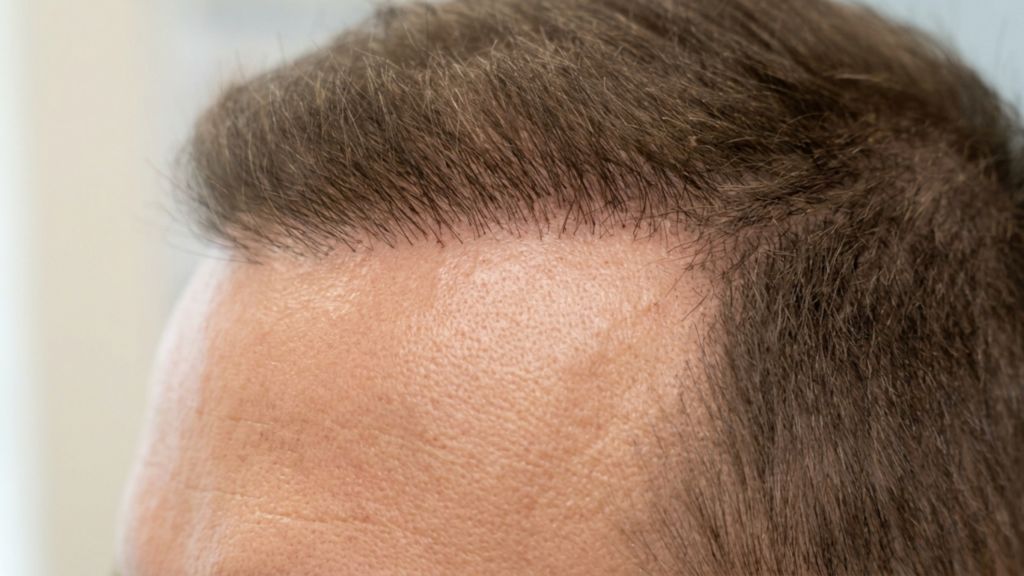
$15.000 harcamayı hayal edin saç ekimi, Altı ay sonra donör bölgenizin yara izlerinden oluşan bir yama gibi göründüğünü, kafa derinizin davul gibi gergin olduğunu ve ödediğiniz parayla elde ettiğiniz yoğunluğun hiçbir yerde olmadığını fark ediyorsunuz. Bu distopik bir kabus değil, gerçeklik. 5 hastadan 1'inde Akredite edilmemiş kliniklerde mega seans saç ekimi (3.000-7.000 greft) yaptıranlar, bir araştırmaya göre 2025 çalışmak içinde Dermatolojik Cerrahi Dergisi. Tek seansta gür saçlara sahip olmanın cazibesi yadsınamaz, ancak finansal ve fizyolojik maliyetler genellikle agresif pazarlama ve yanıltıcı fiyatlandırma yapılarıyla gizlenir. Bu kılavuz, bu maliyetlerin ardındaki gerçekleri ortaya koyuyor. gerçek maliyet Mega greft işlemlerinin -etiket fiyatının ötesinde- faydalarını anlamanızı ve istatistiklere dahil olmaktan kaçınmanız için gereken verileri size sunar.
İçindekiler
Mega Seanslar Neden İki Ucu Keskin Bir Kılıçtır: 3.000-7.000 Graftın Gizli Dezavantajları
Mega seans saç ekimi, tek bir seansta çarpıcı bir dönüşüm vaat ediyor, ancak beraberinde bazı dezavantajları da getiriyor. üç kritik ödünleşme Çoğu klinik önceden bilgi vermez:
- Donör Bölgesi Tükenmesi: 7.000 hasat aşılarda bir oturum kaldırmayı gerektirir ~14.000 foliküler ünite (çünkü tüm greftler hayatta kalmıyor). Bu da donör bölgeyi -genellikle kafa derisinin arka ve yan kısımlarını- gereksiz kılıyor.kalıcı olarak tükenmiş, Gözle görülür incelme veya yara izi ile. A 2024 çalışma Plastik ve Rekonstrüktif Cerrahi Tek seansta mega greft uygulanan hastaların şu sonuçlara sahip olduğu bulundu: 40% daha yüksek risk Aşamalı işlemlere kıyasla donör bölgesinde hipopigmentasyon ve zayıf yara iyileşmesi riski (PRS, 2024).
- Nakillerin Başarı Oranları Düşüşte: Tek seansta ne kadar çok greft nakledilirse, hayatta kalma oranı o kadar düşük olur. "95% hayatta kalma oranı" reklamı yapan klinikler, bunun şunlar için geçerli olduğunu belirtmeyi ihmal ederler: küçük seanslar (1.000–1.500 greft). Mega oturumlar için hayatta kalma oranı düşüyor. 70–80% Uzun süren ameliyat süreleri (8-12 saat) ve alıcı bölgeye sınırlı kan akışı nedeniyle. Bu da aslında şunlar için ödeme yaptığınız anlamına gelir: 1.500–2.000 “hayalet aşı” asla büyümeyen (NCBI, 2025).
- Finansal Aldatmaca: "Aşı başına" fiyatlandırma modeli, gerçeği gizlemek için tasarlanmıştır. gerçek maliyet. Klinikler 3.000 greft için greft başına $2–$3 fiyatıyla reklam yaparken, "artan karmaşıklık" gerekçesiyle 7.000 greft için fiyatı greft başına $4–$6'ya çıkarıyor. Daha da kötüsü, gizli ücretler Anestezi, PRP tedavisi veya ameliyat sonrası bakım için yapılan masraflar nihai faturayı şişirebilir. 30–50%.
Bu kılavuz, bu tuzaklardan kaçınmanıza yardımcı olacaktır. parçalara ayırmak gerçek maliyetler, güvenlik eşikleri, Ve bütçe stratejileri Mega greft prosedürleri için—böylece donör bölgenizi kaybetmenize neden olmayacak bir karar verebilirsiniz. veya tasarruflarınız.
Mega Nakillerin Gerçek Maliyeti: Şeffaf Bir Hesaplama
Çoğu klinik, "greft başına" tek bir fiyat sunar, ancak gerçek maliyet Büyük bir oturumun maliyet kalemlerinden biri de genellikle gözden kaçan altı gider kalemidir:
| Gider Kategorisi | En Düşük Tahmin (3.000 Aşı) | Yüksek Tahmini Sayı (7.000 Greft) | Neden Genellikle Gizlidir? |
|---|---|---|---|
| Temel İşlem Maliyeti | $6,000–$9,000 | $14.000–$28.000 | "Her şey dahil" olarak tanıtılsa da, klinikler "premium" greftleri ayrıca satabilir. |
| Anestezi ve Sedasyon | $500–$1,200 | $1,500–$3,000 | Daha uzun seanslar daha derin sedasyon gerektirir ve bu da maliyetleri artırır. |
| PRP veya Kök Hücre Tedavisi | $800–$1,500 | $2,000–$4,000 | "Doz naklinin başarılı olması için gerekli" olarak pazarlanıyor, ancak çoğu zaman isteğe bağlı. |
| Ameliyat Sonrası İlaçlar | $300–$600 | $800–$1,500 | Antibiyotikler, ağrı kesiciler ve iltihap önleyici ilaçlar bir araya geldiğinde yüksek bir maliyet oluşturuyor. |
| Seyahat ve Konaklama | $1,500–$3,000 | $3,000–$6,000 | Çoğu mega seansın ardından takip görüşmeleri için 7-10 gün yurt dışında kalmak gerekir. |
| Revizyon Cerrahisi | $3,000–$6,000 | $10.000–$20.000 | Mega seans uygulanan hastaların 3'te 1'inde yetersiz diş yoğunluğu veya yara izi nedeniyle düzeltme işlemine ihtiyaç duyulmaktadır. |
Toplam maliyet 7.000 greftlik bir işlem için bu rakam aşılabilir. $40,000—Reklamda belirtilenin iki katı. Ancak klinikler bunu nadiren önceden açıklıyor. Bunun yerine, şunlara odaklanıyorlar: aşı başına fiyat, Bu fiyat, oturum boyutu arttıkça düşer. Fiyatlandırma şu şekilde çalışır:
Deseni fark ettiniz mi? Ne kadar çok greft satın alırsanız, her greft o kadar "ucuz" hale gelir; ancak toplam maliyet hızla yükseliyor ve komplikasyon riski Üstel olarak artıyor. İşte bu yüzden aşamalı prosedürler (Seans başına 1.500-2.500 greft) genellikle başlangıçta biraz daha pahalıya mal olsa da uzun vadede daha iyi sonuçlar verir.
Güvenlik Eşiği: Vücudunuz Kaç Nakli Kaldırabilir?
Kafa deriniz boş bir tuval değil, bir yaşayan ekosistem Sınırlı kaynaklarla. güvenli sınır Doku alımı ve nakli üç biyolojik faktöre bağlıdır:
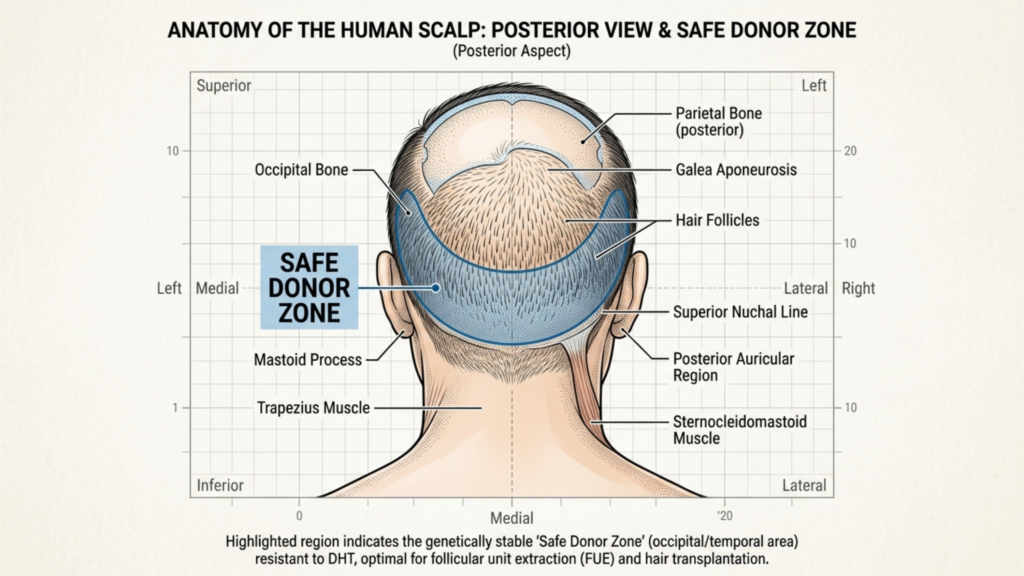
- Donör Alan Yoğunluğu: Ortalama bir insanın sahip olduğu cm² başına 80–100 foliküler ünite Bağışçı bölgesinde. Hasat, daha fazla miktarda gerçekleştiriliyor. Bu yoğunluktaki 50% Tek bir seansta yapılan işlem, kalıcı incelme riskini taşır. 7.000 greftlik bir işlem için bu, foliküllerin alınması anlamına gelir. ~140 cm² Kafa derisinin bir bölümü—bir kartpostal büyüklüğünde bir alan.
- Alıcı Bölge Kan Temini: Kafa derisi ancak destekleyebilir. cm² başına 20-30 greft tek bir seansta. Bunun ötesinde, greftler kan akışı için rekabet eder ve bu da şunlara yol açar: nekroz (doku ölümü) veya düşük hayatta kalma oranı. Mega seanslar genellikle bu eşiği aşar, özellikle de saç yoğunluğunun kritik olduğu alın bölgesinde.
- Çalışma Süresi: Süren prosedürler 8 saatten fazla riskini artırır hipotermi, kan pıhtıları ve anestezi komplikasyonları. A 2026 çalışma Dermatolojik Cerrahi 10 saatten uzun süren seanslara katılan hastaların şu özelliklere sahip olduğu tespit edildi: 3 kat daha yüksek risk ameliyat sonrası enfeksiyonların (NCBI, 2026).
Riskleri görselleştirmek için şunu göz önünde bulundurun: güvenlik matrisi:
| Greft Sayısı | Donör Bölgesi Stresi | Nakil Başarı Oranı | Komplikasyon Riski | Tavsiye edilen? |
|---|---|---|---|---|
| 1,000–2,000 | Düşük | 90–95% | En az | ✅ Çoğu hasta için ideal |
| 2,500–3,500 | Ilıman | 80–85% | Orta derecede (yara izi, şişlik) | ⚠️ Sadece aşamalı planlama ile mümkün. |
| 4,000–5,000 | Yüksek | 70–75% | Yüksek (enfeksiyon, düşük hayatta kalma oranı) | ❌ Tıbbi olarak gerekli olmadıkça kullanmaktan kaçının. |
| 6,000–7,000 | Aşırı | <70% | Çok Yüksek (donör tükenmesi, nekroz) | ❌ Tavsiye edilmez |
Veriler açık: Mega oturumlar yüksek riskli, yüksek getirili bir kumar oyunudur.. Çarpıcı sonuçlar verebilseler de, azalan verim yasası Bu durum geçerlidir. 4.000'den fazla greftte, eklenen yoğunluğun marjinal faydası, komplikasyonlardaki katlanarak artışla dengelenir.
Bütçeleme Mega Oturum: Nasıl Önlenir Finansal ve Tıbbi Yıkım
Eğer devasa bir seans yapmaya kararlıysanız, işte size bir öneri:’nasıl yapılır riskleri en aza indirgemek Ve değeri en üst düzeye çıkarmak:
1. Doğru Kliniği Seçin: Tehlike İşaretleri ve Tehlike İşaretleri
| Tehlike İşaretleri (Kaçınılması Gerekenler) | Yeşil Bayraklar (Önceliklendirme) |
|---|---|
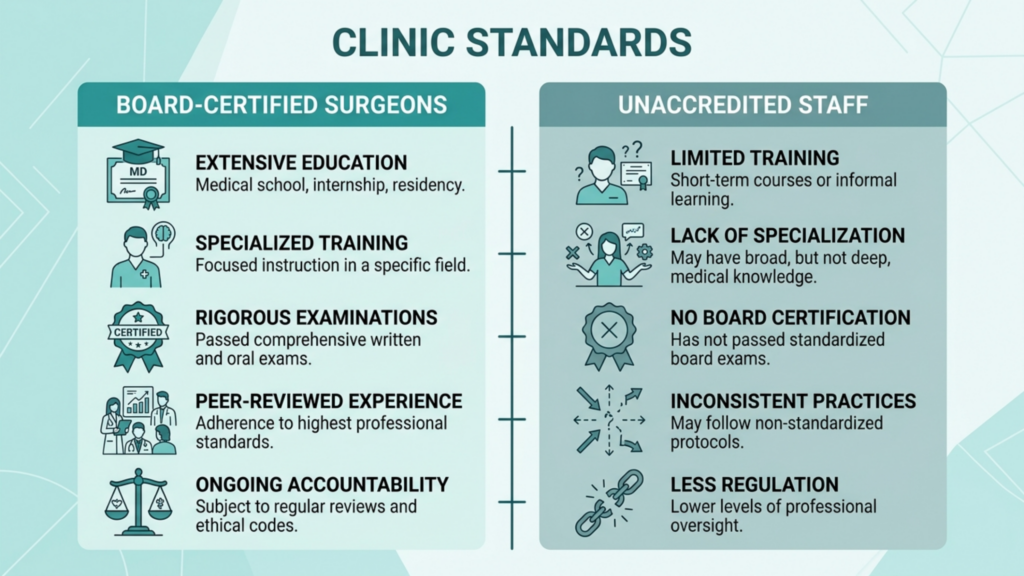
| Kadromuzda uzmanlık belgesine sahip cerrah bulunmamaktadır. | ISHRS veya ABHRS tarafından sertifikalandırılmış cerrahlar |
| “Sınırsız greft” veya “garantili yoğunluk” iddiaları | Şeffaf hayatta kalma oranı verileri (örneğin, "7.000 greft için 70–80%") |
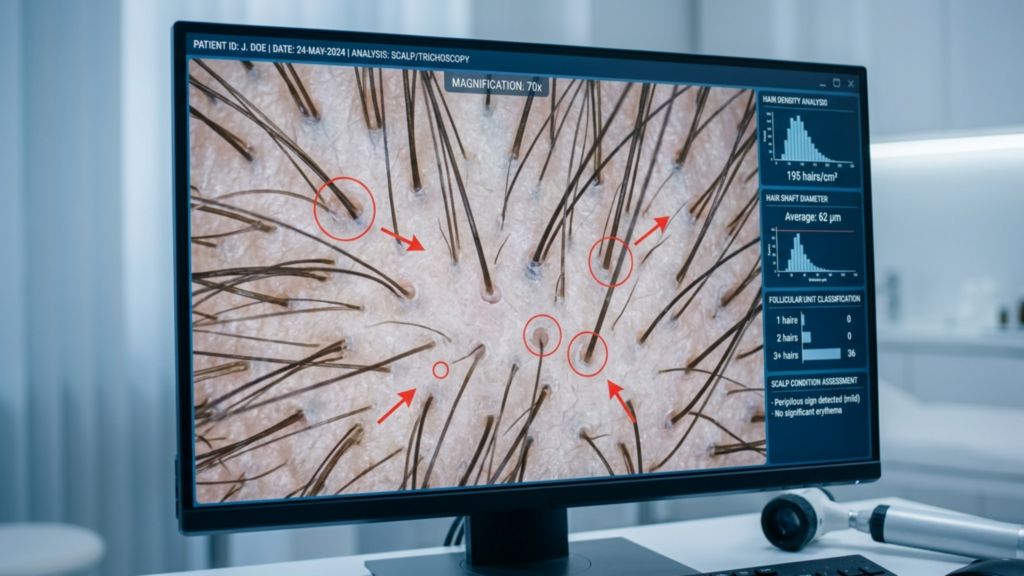
| Ameliyat öncesi kan testi veya kafa derisi analizi yapılmayacak. | Trikoskopi yoluyla zorunlu donör bölge değerlendirmesi |
| Hemen rezervasyon yapma baskısı (“sınırlı süreli indirim”) | Aşamalı işlemleri ve ikinci görüşleri teşvik eder. |
| Ameliyat sonrası bakım planı yok. | 12 aylık takip ve PRP tedavisi dahildir. |
Klinikler Türkiye, Meksika ve Tayland Düşük fiyatları nedeniyle popülerdirler, ancak 60% komplikasyonları Yurtdışında akredite edilmemiş tesislerde mega seanslar düzenlendiği bildiriliyor. Ameliyat için seyahat ediyorsanız, kliniğin akreditasyonunu doğrulayın. JCI (Joint Commission International) akreditasyonu ve onların kullanmasını sağlayın FUE (Foliküler Ünite Ekstraksiyonu) Eski moda FUT (şerit yöntemi) yerine, doğrusal izler bırakan bir yöntem tercih edilmiştir.
2. Sabit Fiyatlı Bir Sözleşme Müzakere Edin
Talep et yazılı anlaşma kilitleyen:
- The aşılamaların kesin sayısı (7.000'e kadar değil).
- A garantili hayatta kalma oranı (Örneğin, “70% veya ücretsiz rötuş hizmeti sunuyoruz”).
- Gizli ücret yok Anestezi, ilaçlar veya ameliyat sonrası bakım için.
- A revizyon politikası (Örneğin, yoğunluk 60%'nin altına düşerse 12 ay içinde ücretsiz düzeltmeler yapılır).
Bunu yazılı olarak belirtmeyi reddeden klinikler muhtemelen bir şey saklıyorlardır. Uzak durun.
3. Gizli Maliyetleri Planlayın
Ek bütçe ayırın 30–50% İşlem maliyetinin bir kısmı şu kalemlere aittir:
- Seyahat sigortası Yurtdışında ortaya çıkabilecek tıbbi komplikasyonları kapsamak.
- Uzun süreli otel konaklamaları (İyileşme süresi 7-10 gün).
- Ameliyat sonrası ilaçlar (antibiyotikler, ağrı kesiciler, minoksidil).
- Kayıp ücretler eğer ihtiyacınız var 2-3 hafta işten izin.
- Acil durum fonları Revizyonlar veya enfeksiyonlar için.
4. Aşamalı İşlemleri Göz Önünde Bulundurun
Nakil işlemini ikiye bölmek iki veya üç seans (Örneğin, 6 ayda bir 2.500 greft) üç avantaj sunar:
- Daha yüksek greft sağkalımı (Seans başına 85–90%'ye karşılık mega seanslar için 70%).
- Daha düşük komplikasyon riski (Daha kısa ameliyat süreleri, daha az travma).
- Daha iyi bütçe kontrolü (Ödemeyi kullandıkça yaparsınız, sonuçları değerlendirmek için zamanınız olur).
Donör Yönetimi: Kafa Derinizin Geleceğini Nasıl Korursunuz?
Bağışçı bölgesi sizin cankurtaran Gelecekteki nakiller için. Tek seferde aşırı hasat yapmak size şu sonuçları doğurabilir: seçenek yok Daha sonra düzeltmelere ihtiyacınız olursa, işte nasıl saklayacağınız:
- Üç boyutlu bir analiz talep edin: Bu invaziv olmayan tarama, donör bölgenizin yoğunluğunu ölçer ve güvenli ekstraksiyon bölgelerini haritalandırır. Bunu atlayan klinikler, kafa derinizle kumar oynuyorlar.
- Verici Yoğunluğunun 30–40%'ye Kadar Sınırlı Çıkarma: Bu, gelecekteki işlemler için yeterli folikülünüz olmasını sağlar. Örneğin, donör bölgenizde 100 FU/cm² varsa, en fazla 100 folikül alın. 30–40 FU/cm² tek bir oturumda.
- “Aşılanan doku sayısını en üst düzeye çıkarma” tuzağından kaçının: Bazı klinikler, ne kadar yüksek maliyet gerektirirse gerektirsin, mümkün olan en yüksek sayıda greft eklenmesi için çaba sarf ederler. aşırı hasat. Şunda ısrar edin muhafazakar yaklaşım—gelecekteki haliniz size teşekkür edecek.
- PRP veya Kök Hücre Terapisi Kullanın: Mucizevi bir tedavi olmasa da, bu tedaviler yardımcı olabilir. 10–15% ile greft sağkalımını iyileştirin ve donör bölgesi travmasını azaltır (NCBI, 2023).
- Uzun Süreli Bakım Planı: Kullanmak minoksidil veya finasterid Saç ekimi sonrası mevcut saçları ve donör bölgenin sağlığını korumak için bakım gereklidir. Bunlar olmadan, saçların daha da incelmesi riskiyle karşı karşıya kalırsınız ve bu da revizyon işlemlerini zorlaştırır.
Unutmayın: Bağışçı bölgeniz şudur: yenilenemez. Tükendiğinde, gelecekteki nakil seçenekleriniz ortadan kalkar. Tıpkı emeklilik fonunuzu koruduğunuz gibi koruyun.
Psikolojik Maliyet: Hiçbir Kliniğin Size Söylemeyeceği Şeyler
Mega seanslar sadece kafa derinizi yormaz, aynı zamanda dayanıklılığınızı da test eder. zihinsel dayanıklılık. Hastalar sıklıkla şunları bildiriyor:
- “Organ Nakli Sonrası Depresyon”: Ameliyat sonrası ilk 3-6 ay boyunca yeni saçlarınız dökülecektir (şok kaybı), sizi arayış içinde bırakarak daha kötüsü Daha öncekinden daha fazla. Bu aşama kaygıya neden olur. 70% hastası, 2025 yılında yapılan bir araştırmaya göre Vücut İmajı (ScienceDirect, 2025).
- Gerçekçi olmayan beklentiler: Klinikler ideal ışık ve açılarda çekilmiş "öncesi ve sonrası" fotoğraflarını gösterir. Gerçekte ise, sadece 30% hasta Pazarlama materyallerinde görülen yoğunluğa ulaşmak.
- Sosyal izolasyon: "Kırmızı nokta" evresi (her bir greftin etrafında kabukların oluştuğu evre) 10-14 gün sürebilir ve sosyal etkileşimleri rahatsız edici hale getirebilir. Birçok hasta bu süreçte çeşitli önlemler alır. 2-3 hafta işten izin Sorulardan kaçınmak için.
- Alıcının Pişmanlığı: Sonuçlar beklentileri karşılamadığında, hastalar genellikle kliniğin abartılı vaatlerinden ziyade kendilerini suçlarlar: "Yanlış kliniği mi seçtim? Beklemeli miydim?".
Bu riskleri azaltmak için:
- Ayarlamak gerçekçi beklentiler Cerrahınızla görüşün ve şunları isteyin: filtrelenmemiş Sadece pazarlama amaçlı fotoğraflar değil, hasta fotoğrafları.
- Şunlar için hazırlanın: çirkin ördek yavrusu evresi (1-4. aylar) Arkadaşlardan veya bir terapistten destek alarak.
- Kaçınmak ilerlemenizi karşılaştırmak Diğerlerine göre iyileşme süreleri büyük ölçüde değişir.
- Kaygıya yatkınsanız, şunları göz önünde bulundurun: aşamalı prosedürler Süreci yönetilebilir adımlara bölmek.
Mega Oturumlara Alternatifler: Yoğunluğa Giden Daha Güvenli Yollar
Eğer mega seansın riskleri, risklerden daha ağır basıyorsa faydaları, Şu alternatifleri göz önünde bulundurun:
| Alternatif | Maliyet | Artıları | Eksileri |
|---|---|---|---|
| Aşamalı FUE (2-3 seans) | $12.000–$20.000 | Daha yüksek hayatta kalma oranları, daha düşük yara izi riski | Daha uzun zaman dilimi (12-18 ay) |
| Sakal veya Vücut Saç Ekimi (BHT) | $10.000–$18.000 | Kafa derisinden alınmayan saçlar kullanılır; onarım için uygundur. | Daha düşük hayatta kalma oranları (60–70%) |
| Kafa Derisi Mikropigmentasyonu (SMP) | $2,000–$5,000 | Anında yoğunluk yanılsaması, ameliyat yok. | 3-5 yılda bir rötuş gerektirir. |
| Düşük Seviyeli Lazer Terapisi (LLLT) | $500–$2,000 | İnvaziv olmayan yöntemle mevcut saçların görünümünü iyileştirir. | İleri derecede kellik için minimal sonuçlar. |
| Trombositten Zengin Plazma (PRP) + Minoksidil | $1.500–$3.000/yıl | Saç dökülmesini yavaşlatır, mevcut saçları kalınlaştırır. | Ömür boyu bakım gerektirir. |
Hastalar için ileri düzeyde saç dökülmesi (Norwood 6–7), A kombinasyon yaklaşımı Genellikle en iyi sonucu verir. Örneğin:
- 1. Oturum: Alın bölgesine 2.500 adet saç ekimi yapıldı.
- 2. Seans (6 ay sonra): Kafa derisinin orta kısmına 2000 adet saç grefti + PRP tedavisi.
- Bakım: Minoxidil + LLLT ile doğal saçların korunması.
Bu yaklaşım, uzun vadeli yoğunluğu en üst düzeye çıkarırken maliyeti ve riski dağıtır.
Özetle: Mega Seans Buna Değer mi?
Mega-greft saç ekimi herkese uygun değil. En uygun oldukları alanlar:
- Hastalar şunlara sahip: olağanüstü donör yoğunluğu (>100 FU/cm²).
- O ki taahhüt edemez Seyahat veya iş kısıtlamaları nedeniyle birden fazla oturuma katılmak zorunda kalabiliriz.
- Bireyler ki riskleri tam olarak anlamak ve sahip olmak revizyon planı yerinde.
Diğer herkes için, aşamalı prosedürler veya alternatif tedaviler Saç restorasyonuna daha güvenli ve öngörülebilir bir yol sunmak. Anahtar nokta şudur: uzun vadeli kafa derisi sağlığına öncelik verin Kısa vadeli yoğunluğa değil, satıştan ziyade şeffaflığa değer veren bir kliniği tercih etmek.
Seçeneklerinizi değerlendirmeye hazırsanız, bir konsültasyon planlayın kurul onaylı bir Cerrah kim uzmanlaşmış yüksek greftli işlemler ve sağlayabilir özelleştirilmiş plan Bağış kapasitenize ve hedeflerinize bağlı olarak.
Sıkça Sorulan Sorular
Tek seansta güvenle en fazla kaç greft alabilirim?
Güvenli sınır, donör bölgenizin yoğunluğuna bağlıdır, ancak çoğu uzman tek bir seansta donör bölgenizdeki foliküler ünitelerin daha fazlasını almamanızı önerir. Ortalama bir kişi için bu, 3.000-4.000 greft anlamına gelir. Bunun ötesinde, kalıcı incelme veya yara izi riski önemli ölçüde artar.
Mega seanslı saç ekimlerinde greftlerin hayatta kalma oranları neden daha düşüktür?
Mega seanslar (5.000'den fazla greft) genellikle 8-12 saat sürer ve bu süre zarfında greftler vücut dışında daha fazla zaman geçirerek canlılıklarını azaltır. Ek olarak, alıcı bölgenin kan dolaşımı aşırı yüklenir, bu da greftlere yetersiz oksijen ve besin iletimine yol açar. Hayatta kalma oranları, daha küçük seanslarda -95 TP3T'den mega seanslarda -80 TP3T'ye düşer.
Bir kliniğin nakledilen organ sayısı konusunda abartılı vaatlerde bulunup bulunmadığını nasıl doğrulayabilirim?
Donör bölgenizin kapasitesini değerlendirmek için trikoskopik analiz isteyin. Bir klinik bu değerlendirme olmadan 7.000 greft garantisi veriyorsa, muhtemelen abartılı vaatlerde bulunuyordur. Ayrıca, düzenlenmemiş hasta fotoğrafları (sadece pazarlama materyalleri değil) ve mega seans hastaları için hayatta kalma oranı verilerini isteyin.
Verici bölgede aşırı hasatın belirtileri nelerdir?
Belirtiler arasında donör bölgede gözle görülür incelme veya düzensizlik, uzun süreli kızarıklık veya yara izi ve foliküllerin çok agresif bir şekilde alındığı yerlerde "güve yemiş" bir görünüm yer alır. Donör bölgeniz nakil sonrası daha kötü görünüyorsa, aşırı folikül alımı yapılmış olabilir ve bu da gelecekteki işlemleri sınırlayabilir.
Megatüp ameliyatları için finansman seçenekleri mevcut mu?
Birçok klinik taksitli ödeme planı sunmaktadır, ancak yüksek faizli kredilere veya gizli ücretlere karşı dikkatli olun. Bazı hastalar tıbbi kredi kartları (CareCredit gibi) veya kişisel krediler kullanmaktadır. Taahhütte bulunmadan önce her zaman faiz dahil toplam maliyeti hesaplayın. Aşamalı işlemler de maliyetleri zamana yayabilir.
Nakil sonrası "çirkin ördek yavrusu" evresine zihinsel olarak nasıl hazırlanırım?
Saç ekiminden sonraki ilk 3-4 ay, yeni saçların dökülmesi ve yeniden uzamaya başlaması nedeniyle duygusal olarak zorlayıcı olabilir. Gerçekçi beklentiler belirleyerek, sosyal medyada kendinizi başkalarıyla karşılaştırmaktan kaçınarak ve arkadaşlarınızdan veya bir terapistten destek alarak hazırlıklı olun. Unutmayın, bu aşama geçicidir ve uzun vadeli sonuçlar için gereklidir.
Eğer mega oturum için uygun bir aday değilsem, hangi alternatifler mevcut?
Alternatifler arasında aşamalı FUE işlemleri, sakal veya vücut kılı nakli, kafa derisi mikropigmentasyonu ve PRP veya düşük seviyeli lazer terapisi gibi cerrahi olmayan tedaviler yer almaktadır. Bu konuda uzmanlaşmış bir uzmana başvurmanız önerilir. Cerrah Saç dökülme şeklinize ve donör kapasitenize bağlı olarak en uygun yaklaşımı belirlemenize yardımcı olabilir.
Yüksek greftli bir işlem için güvenilir bir klinik nasıl bulabilirim?
Alanında uzman cerrahları olan, JCI akreditasyonuna sahip ve şeffaf fiyatlandırma sunan klinikleri tercih edin. Hemen randevu almanız için baskı yapan veya gerçekçi olmayan sonuçlar garanti eden kliniklerden uzak durun. Sadece küçük işlemlerin değil, büyük seanslı vakaların hasta referanslarını ve öncesi/sonrası fotoğraflarını isteyin.