
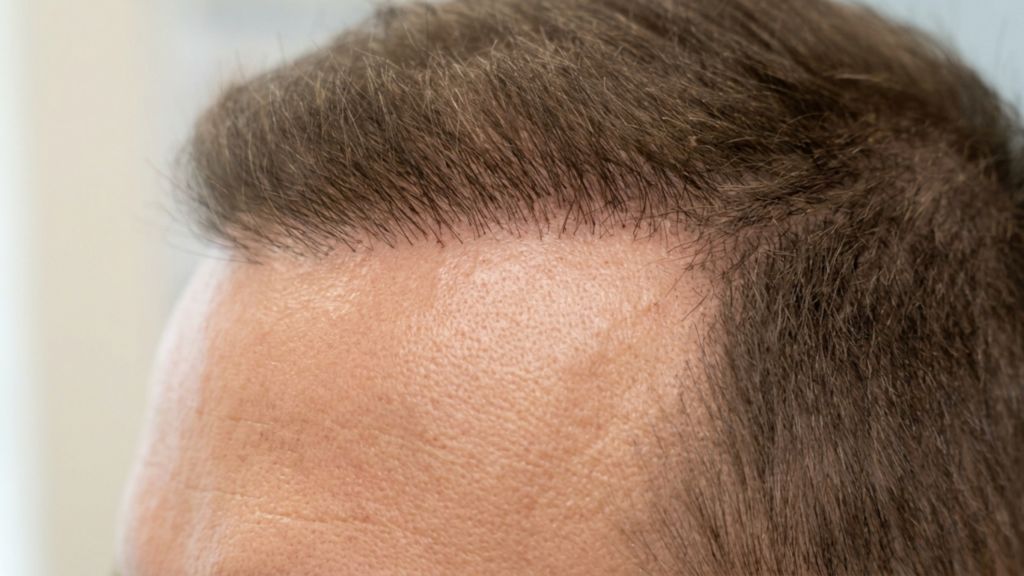
Immagina di spendere $15.000 per un trapianto di capelli, solo per rendersi conto sei mesi dopo che la zona donatrice sembra un patchwork di cicatrici, il cuoio capelluto è teso come un tamburo e la densità per cui hai pagato non si vede da nessuna parte. Questo non è un incubo distopico, è la realtà per 1 paziente su 5 che si sottopongono a mega-sessioni di trapianto di capelli (3.000-7.000 innesti) in cliniche non accreditate, secondo un 2025 studio nel Rivista di chirurgia dermatologica. Il fascino di una chioma folta in una sola seduta è innegabile, ma i costi finanziari e fisiologici sono spesso nascosti dietro un marketing aggressivo e strutture di prezzo fuorvianti. Questa guida svela i costo reale delle procedure di mega-innesto, al di là del prezzo di listino, e ti fornisce i dati per evitare di diventare un'altra statistica.
Sommario
Perché le mega-sessioni sono un'arma a doppio taglio: i compromessi nascosti tra 3.000 e 7.000 innesti
I trapianti di capelli in mega-sessione promettono una trasformazione spettacolare in una sola seduta, ma comportano tre compromessi critici La maggior parte delle cliniche non lo rivela in anticipo:
- Esaurimento dell'area donatrice: Raccolta di 7.000 innesti in una sessione richiede la rimozione Circa 14.000 unità follicolari (dato che non tutti gli innesti sopravvivono). Ciò lascia l'area donatrice, in genere la parte posteriore e laterale del cuoio capelluto,esaurito in modo permanente, con diradamento o cicatrici visibili. A 2024 studiare in Chirurgia plastica e ricostruttiva hanno scoperto che i pazienti sottoposti a mega-innesti in un'unica sessione avevano un 40% rischio più elevato di ipopigmentazione dell'area donatrice e scarsa guarigione delle ferite rispetto alle procedure a più fasi (PRS, 2024).
- Il tasso di sopravvivenza dei trapianti crolla: Più innesti vengono trapiantati in una singola sessione, minore è il tasso di sopravvivenza. Le cliniche che pubblicizzano la “sopravvivenza 95%” non menzionano che questo si applica a piccole sessioni (1.000-1.500 innesti). Per le mega-sessioni, la sopravvivenza scende a 70–80% a causa dei tempi di intervento prolungati (8-12 ore) e dell'apporto di sangue limitato all'area ricevente. Ciò significa che in effetti stai pagando per 1.500–2.000 “innesti fantasma” che non crescono mai (NCBI, 2025).
- Truffa finanziaria: Il modello di prezzo "per innesto" è progettato per oscurare il costo reale. Le cliniche pubblicizzano $2–$3 per innesto per 3.000 innesti, ma aumentano il prezzo a $4–$6 per innesto per 7.000 innesti, citando "una maggiore complessità". Peggio ancora, costi nascosti per anestesia, terapia PRP o cure postoperatorie possono far lievitare il conto finale di 30–50%.
Questa guida ti aiuterà a superare queste insidie scomponendo il costi reali, soglie di sicurezza, E strategie di bilancio per interventi di mega-innesto, così puoi prendere una decisione che non ti costi l'area donatrice O i tuoi risparmi.
Il vero costo dei trapianti di grandi dimensioni: un'analisi trasparente
La maggior parte delle cliniche fornisce un unico prezzo "per innesto", ma la costo reale Il costo di una mega-sessione comprende sei voci di spesa spesso trascurate:
| Categoria di spesa | Stima minima (3.000 innesti) | Stima massima (7.000 innesti) | Perché spesso è nascosto |
|---|---|---|---|
| Costo base della procedura | $6.000–$9.000 | $14.000–$28.000 | Pubblicizzato come "tutto incluso", ma le cliniche potrebbero proporre innesti "premium" a un costo aggiuntivo. |
| Anestesia e sedazione | $500–$1.200 | $1.500–$3.000 | Le sedute più lunghe richiedono una sedazione più profonda, con conseguente aumento dei costi. |
| Terapia con PRP o cellule staminali | $800–$1.500 | $2.000–$4.000 | Commercializzato come "essenziale per la sopravvivenza del trapianto", ma spesso facoltativo. |
| Farmaci post-operatori | $300–$600 | $800–$1.500 | La somma dei costi di antibiotici, antidolorifici e farmaci antinfiammatori è considerevole. |
| Viaggio e alloggio | $1.500–$3.000 | $3.000–$6.000 | La maggior parte delle mega-sessioni richiede 7-10 giorni all'estero per il follow-up. |
| Chirurgia di revisione | $3.000–$6.000 | $10.000–$20.000 | Un paziente su tre che si sottopone a una mega-sessione necessita di correzioni per scarsa densità o cicatrici. |
Il costo totale per una procedura di 7.000 innesti può superare $40,000—il doppio di quanto pubblicizzato. Eppure, le cliniche raramente lo rivelano in anticipo. Invece, si concentrano su prezzo per innesto, che diminuisce all'aumentare delle dimensioni della sessione. Ecco come funziona il sistema di prezzi:

Notate lo schema? Più innesti acquistate, più "economico" diventa ogni innesto, ma il costo totale sale alle stelle e il rischio di complicazioni cresce esponenzialmente. Ecco perché procedure a fasi (Da 1.500 a 2.500 innesti per sessione) spesso producono risultati migliori a lungo termine, anche se comportano un costo iniziale leggermente superiore.
La soglia di sicurezza: quanti innesti può sopportare il tuo corpo?
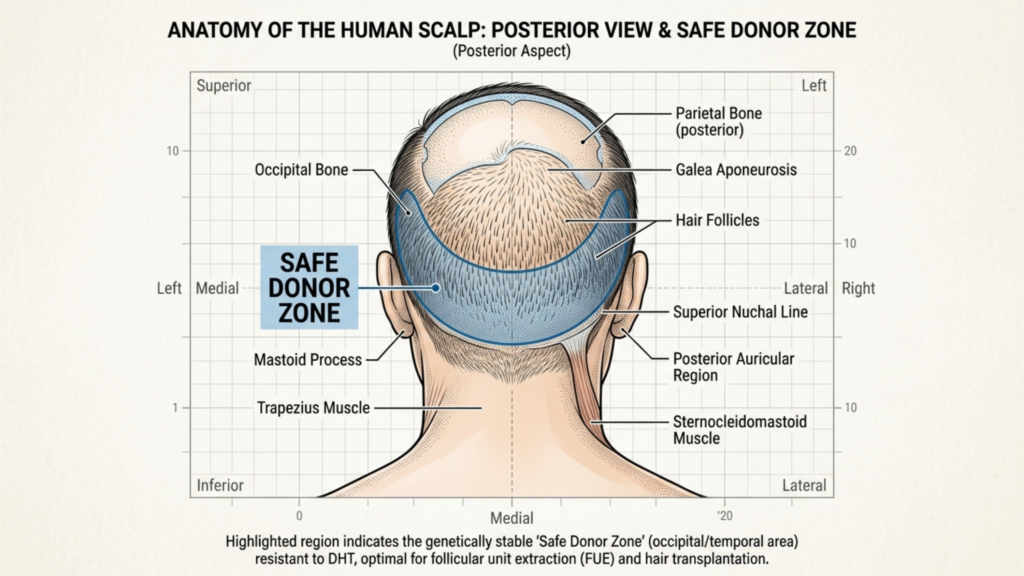
Il tuo cuoio capelluto non è una tela bianca, è un ecosistema vivente con risorse limitate. Il limite di sicurezza L'estrazione e il trapianto dell'innesto dipendono da tre fattori biologici:
- Densità dell'area donatrice: La persona media ha 80–100 unità follicolari per cm² nell'area del donatore. Raccolta di più di 50% di questa densità in una singola sessione rischia un diradamento permanente. Per una procedura con 7.000 innesti, ciò significa rimuovere i follicoli da ~140 cm² del cuoio capelluto: un'area delle dimensioni di una cartolina.
- Area di ricezione delle scorte di sangue: Il cuoio capelluto può sostenere solo 20–30 innesti per cm² in una singola sessione. Oltre a questo, gli innesti competono per il flusso sanguigno, portando a necrosi (morte dei tessuti) o una scarsa sopravvivenza. Le mega-sessioni spesso superano questa soglia, soprattutto nell'attaccatura frontale dei capelli, dove la densità è fondamentale.
- Tempo di funzionamento: Procedure della durata di oltre 8 ore aumentare il rischio di ipotermia, coaguli di sangue e complicazioni legate all'anestesia. UN 2026 studiare in Chirurgia dermatologica hanno scoperto che i pazienti in sessioni più lunghe di 10 ore avevano un rischio 3 volte maggiore infezioni postoperatorie (NCBI, 2026).
Per visualizzare i rischi, considera questo matrice di sicurezza:
| Conteggio degli innesti | Stress dell'area donatrice | Tasso di sopravvivenza dell'innesto | Rischio di complicanze | Raccomandato? |
|---|---|---|---|---|
| 1,000–2,000 | Basso | 90–95% | Minimo | ✅ Ideale per la maggior parte dei pazienti |
| 2,500–3,500 | Moderare | 80–85% | Moderato (cicatrici, gonfiore) | ⚠️ Solo con pianificazione a fasi |
| 4,000–5,000 | Alto | 70–75% | Elevato (infezione, bassa probabilità di sopravvivenza) | ❌ Evitare se non strettamente necessario per motivi medici. |
| 6,000–7,000 | Estremo | <70% | Molto elevato (esaurimento del donatore, necrosi) | ❌ Sconsigliato |
I dati sono chiari: Le mega-sessioni sono una scommessa ad alto rischio e ad alto rendimento. Sebbene possano fornire risultati spettacolari, legge dei rendimenti decrescenti Si applica. Oltre i 4.000 innesti, il beneficio marginale derivante dall'aumento della densità è controbilanciato dall'incremento esponenziale delle complicanze.
Pianificazione del budget per Una mega-sessione: Come evitare Rovina finanziaria e medica
Se hai in mente una mega-sessione, ecco...’come fare minimizzare i rischi E valore corrispondente:
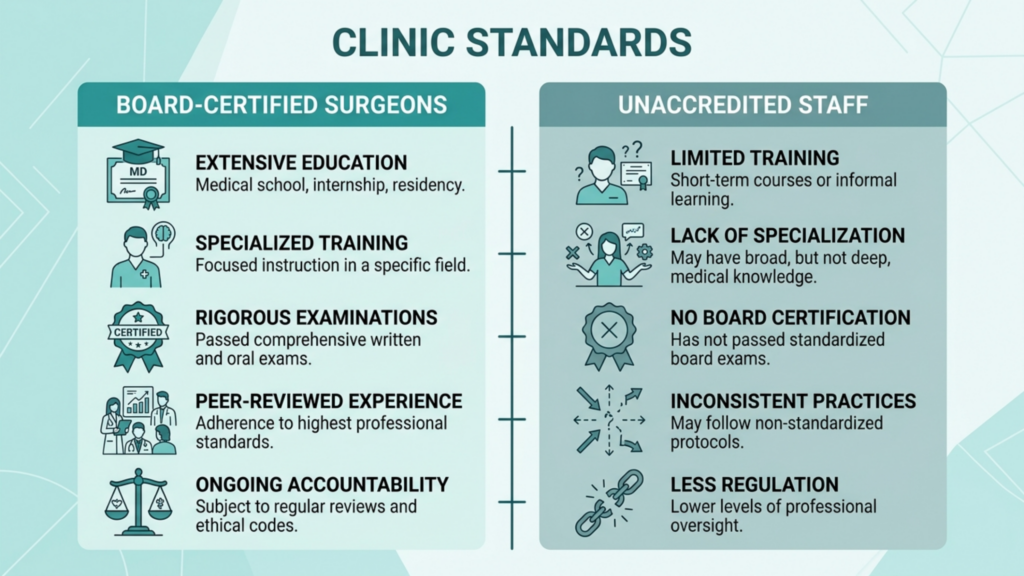
1. Scegliere la clinica giusta: segnali di allarme vs. segnali positivi
| Segnali d'allarme (da evitare) | Bandiere verdi (prioritarie) |
|---|---|
| Non ci sono chirurghi certificati in organico. | Chirurghi certificati da ISHRS o ABHRS |
| “Affermazioni relative a ”innesti illimitati“ o ”densità garantita” | Dati trasparenti sul tasso di sopravvivenza (ad esempio, "70-80% per 7.000 innesti") |
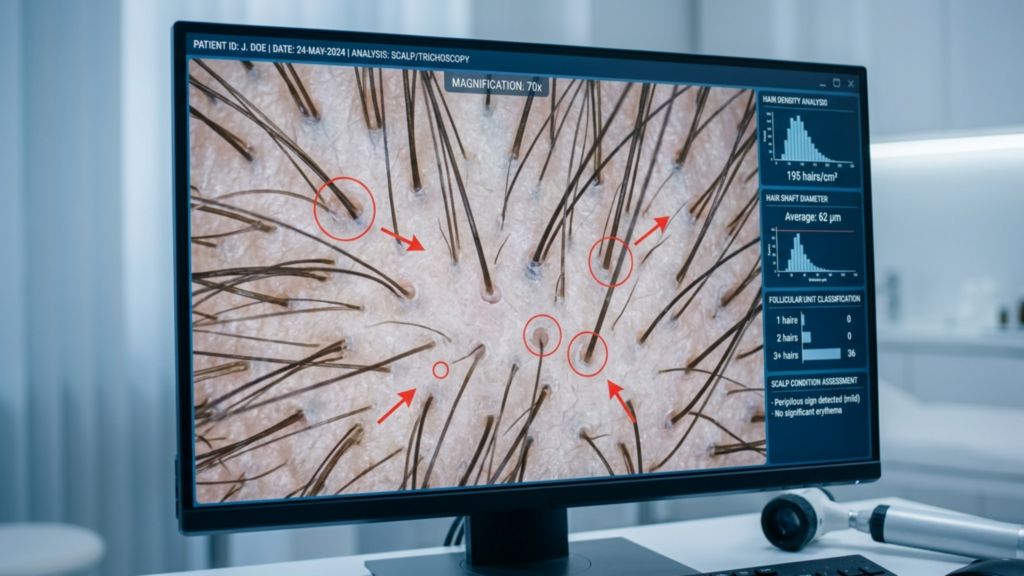
| Nessun esame del sangue preoperatorio o analisi del cuoio capelluto. | Valutazione obbligatoria dell'area donatrice tramite tricoscopia |
| Pressione a prenotare immediatamente ("sconto a tempo limitato") | Incoraggia le procedure a fasi e le seconde opinioni |
| Nessun piano di assistenza post-operatoria | Include un follow-up di 12 mesi e la terapia PRP. |
Cliniche in Tacchino, Messico e Thailandia sono popolari per i loro prezzi bassi, ma 60% di complicazioni segnalati nelle mega-sessioni avvengono in strutture non accreditate all'estero. Se viaggi per un intervento chirurgico, verifica la clinica Accreditamento JCI (Joint Commission International) e assicurarsi che usino FUE (estrazione di unità follicolari) piuttosto che il metodo FUT (a striscia), ormai obsoleto, che lascia cicatrici lineari.
2. Negoziare un contratto a prezzo fisso
Richiedi un accordo scritto che blocca:
- IL numero esatto di innesti (non “fino a 7.000”).
- UN tasso di sopravvivenza garantito (ad esempio, "70% o offriamo un ritocco gratuito").
- Nessun costo nascosto per anestesia, farmaci o cure post-operatorie.
- UN politica di revisione (ad esempio, correzioni gratuite entro 12 mesi se la densità scende al di sotto di 60%).
Le cliniche che si rifiutano di mettere tutto per iscritto probabilmente nascondono qualcosa. Meglio starne alla larga.
3. Pianifica i costi nascosti
Prevedere un budget aggiuntivo 30–50% il costo della procedura per:
- Assicurazione di viaggio copertura per complicazioni mediche all'estero.
- Soggiorni prolungati in hotel (7-10 giorni per il recupero).
- Farmaci post-operatori (antibiotici, antidolorifici, minoxidil).
- Salari persi Se hai bisogno 2-3 settimane di ferie.
- Fondi di emergenza per revisioni o infezioni.
4. Valutare le procedure a fasi
Dividere il trapianto in due o tre sessioni (ad esempio, 2.500 innesti ogni 6 mesi) offre tre vantaggi:
- Maggiore sopravvivenza dell'innesto (85–90% per sessione contro 70% per le mega-sessioni).
- Minor rischio di complicazioni (tempi operatori più brevi, meno traumi).
- Migliore controllo del budget (Pagamento a consumo, con tempo per valutare i risultati).
Gestione dei donatori: come proteggere il futuro del tuo cuoio capelluto
L'area donatrice è la tua linea vitale per futuri trapianti. Raccoglierlo eccessivamente in una singola sessione può lasciarti con nessuna opzione Se in seguito avrai bisogno di correzioni, ecco come conservarle:
- Richiedi un'analisi tricoscopica: Questa scansione non invasiva misura la densità dell'area donatrice e mappa le zone di estrazione sicure. Le cliniche che non la effettuano mettono a rischio il cuoio capelluto della paziente.
- Limitare l'estrazione a 30–40% di densità del donatore: Ciò garantisce di avere un numero sufficiente di follicoli per le procedure future. Ad esempio, se la tua area donatrice ha 100 FU/cm², non prelevare più di 30–40 FU/cm² in un'unica sessione.
- Evitate la trappola del "massimizzare gli innesti": Alcune cliniche puntano al maggior numero possibile di innesti, anche se ciò significa sfruttamento eccessivo. Insisti su un approccio conservatore—Il tuo io futuro ti ringrazierà.
- Utilizzare il PRP o la terapia con cellule staminali: Sebbene non siano una cura miracolosa, questi trattamenti possono migliorare la sopravvivenza dell'innesto di 10–15% e ridurre il trauma nella zona donatrice (NCBI, 2023).
- Piano per l'assistenza a lungo termine: Utilizzo minoxidil o finasteride Dopo il trapianto, è fondamentale proteggere i capelli esistenti e la salute dell'area donatrice. Senza queste precauzioni, si rischia un ulteriore diradamento, che renderebbe più difficili eventuali interventi di revisione.
Ricorda: la tua area donatrice è non rinnovabile. Una volta esaurito, le opzioni per futuri trapianti svaniscono. Proteggilo come faresti con un fondo pensione.
Il costo psicologico: ciò che nessuna clinica ti dirà
Le mega-sessioni non solo affaticano il cuoio capelluto, ma mettono alla prova anche il tuo resilienza mentale. I pazienti spesso riferiscono:
- “Depressione da trapianto”: Nei primi 3-6 mesi successivi all'intervento, i nuovi capelli cadranno (perdita da shock), lasciandoti a guardare peggio rispetto a prima. Questa fase innesca l'ansia in 70% di pazienti, secondo uno studio del 2025 Immagine corporea (ScienceDirect, 2025).
- Aspettative non realistiche: Le cliniche mostrano foto “prima e dopo” scattate con illuminazione e angolazioni ideali. In realtà, solo 30% dei pazienti raggiungere la densità visibile nei materiali di marketing.
- Isolamento sociale: La fase del “punto rosso” (in cui si formano croste intorno a ciascun innesto) può durare dai 10 ai 14 giorni, rendendo le interazioni sociali scomode. Molti pazienti prendono 2-3 settimane di ferie per evitare domande.
- Rimorso dell'acquirente: Quando i risultati non sono all'altezza delle aspettative, i pazienti spesso incolpano se stessi – "Ho scelto la clinica sbagliata? Avrei dovuto aspettare?" – piuttosto che ammettere le promesse eccessive della clinica.
Per mitigare questi rischi:
- Impostato aspettative realistiche con il tuo chirurgo—chiedi non filtrato Foto di pazienti, non solo foto a scopo di marketing.
- Preparati per il fase del brutto anatroccolo (mesi 1-4) ottenendo il supporto di amici o di un terapeuta.
- Evitare confrontando i tuoi progressi per altri: i tempi di guarigione variano notevolmente.
- Se sei incline all'ansia, considera procedure a fasi suddividere il processo in fasi gestibili.
Alternative alle mega-sessioni: percorsi più sicuri per aumentare la densità.
Se i rischi di una mega-sessione superano i benefici, prendi in considerazione queste alternative:
| Alternativa | Costo | Professionisti | Contro |
|---|---|---|---|
| FUE a più fasi (2-3 sedute) | $12.000–$20.000 | Tassi di sopravvivenza più elevati, minor rischio di cicatrici. | Tempistiche più lunghe (12-18 mesi) |
| Barba o corpo Trapianto di capelli (BHT) | $10.000–$18.000 | Utilizza capelli donatori non provenienti dal cuoio capelluto; ideale per le riparazioni | Tassi di sopravvivenza inferiori (60–70%) |
| Micropigmentazione del cuoio capelluto (SMP) | $2.000–$5.000 | Effetto illusione di densità istantanea, senza intervento chirurgico. | Richiede ritocchi ogni 3-5 anni |
| Terapia laser a basso livello (LLLT) | $500–$2.000 | Non invasivo, migliora i capelli esistenti | Risultati minimi per la calvizie avanzata |
| Plasma ricco di piastrine (PRP) + Minoxidil | $1.500–$3.000/anno | Rallenta la caduta dei capelli, infoltisce i capelli esistenti | Richiede manutenzione a vita |
Per i pazienti con Caduta dei capelli in stadio avanzato (Norwood 6-7), UN approccio combinato spesso funziona meglio. Ad esempio:
- Sessione 1: 2.500 innesti sull'attaccatura frontale dei capelli.
- Sessione 2 (6 mesi dopo): 2.000 innesti nella parte centrale del cuoio capelluto + terapia PRP.
- Manutenzione: Minoxidil + LLLT per preservare i capelli naturali.
Questo approccio distribuisce i costi e i rischi massimizzando al contempo la densità a lungo termine.
In conclusione: vale la pena partecipare a una mega-sessione?
I trapianti di capelli mega-graft sono non per tutti. Sono particolarmente adatti per:
- Pazienti con densità eccezionale di donatori (>100 FU/cm²).
- Coloro che non posso impegnarmi a più sessioni a causa di impegni di viaggio o lavorativi.
- Individui che comprendere appieno i rischi e avere un piano di revisione in posizione.
Per tutti gli altri, procedure a fasi O trattamenti alternativi offrire un percorso più sicuro e prevedibile per il ripristino dei capelli. La chiave è dare priorità alla salute del cuoio capelluto a lungo termine piuttosto che concentrarsi sulla densità a breve termine e scegliere una clinica che dia più importanza alla trasparenza che alle vendite.
Se sei pronto a esplorare le tue opzioni, programmare una consulenza con un consiglio di amministrazione certificato chirurgo chi è specializzato in procedure ad alto innesto e può fornire un piano personalizzato in base alla tua capacità di donazione e ai tuoi obiettivi.
Domande frequenti
Qual è il numero massimo di innesti che posso prelevare in sicurezza in una singola seduta?
Il limite di sicurezza dipende dalla densità dell'area donatrice, ma la maggior parte degli esperti raccomanda di non prelevare più unità follicolari dalla stessa area in una singola seduta. Per una persona media, questo si traduce in 3.000-4.000 innesti. Oltre tale limite, il rischio di diradamento permanente o cicatrici aumenta significativamente.
Perché i trapianti di capelli in mega-sessione hanno tassi di sopravvivenza degli innesti inferiori?
Le mega-sessioni (oltre 5.000 innesti) durano spesso dalle 8 alle 12 ore, durante le quali gli innesti trascorrono più tempo al di fuori del corpo, riducendone la vitalità. Inoltre, l'afflusso di sangue all'area ricevente viene sovraccaricato, con conseguente scarsa ossigenazione e apporto di nutrienti agli innesti. I tassi di sopravvivenza scendono dal 90-95% nelle sessioni più piccole al 70-80% nelle mega-sessioni.
Come posso verificare se una clinica sta promettendo un numero di innesti superiore a quello che può raggiungere?
Richiedete un'analisi tricoscopica dell'area donatrice per valutarne la capacità. Se una clinica garantisce 7.000 innesti senza questa valutazione, è probabile che stia promettendo più di quanto possa fare. Richiedete inoltre foto di pazienti non ritoccate (non solo materiale di marketing) e dati sul tasso di sopravvivenza per i pazienti sottoposti a mega-sessioni.
Quali sono i segnali di un eccessivo prelievo di sebo nelle aree donatrici?
I segni includono un diradamento o una chiazza visibile nell'area donatrice, arrossamento o cicatrici prolungati e un aspetto "a tarme" laddove i follicoli sono stati estratti in modo troppo aggressivo. Se l'area donatrice appare peggiore dopo il trapianto, potrebbe essere stata prelevata una quantità eccessiva di follicoli, limitando così la possibilità di futuri interventi.
Esistono opzioni di finanziamento per interventi di mega-innesto?
Molte cliniche offrono piani di pagamento rateali, ma è bene fare attenzione ai prestiti con tassi di interesse elevati o alle spese nascoste. Alcuni pazienti utilizzano carte di credito sanitarie (come CareCredit) o prestiti personali. Calcolate sempre il costo totale, interessi inclusi, prima di impegnarvi. Anche le procedure a tappe possono contribuire a dilazionare i costi nel tempo.
Come posso prepararmi mentalmente alla fase del "brutto anatroccolo" dopo un trapianto?
I primi 3-4 mesi successivi al trapianto possono essere emotivamente impegnativi, a causa della caduta dei capelli e della successiva ricrescita. Preparatevi stabilendo aspettative realistiche, evitando confronti sui social media e cercando il supporto di amici o di un terapeuta. Ricordate che questa fase è temporanea e necessaria per ottenere risultati duraturi.
Quali alternative esistono se non sono un candidato idoneo per una mega-sessione?
Le alternative includono procedure FUE a più fasi, trapianti di barba o peli del corpo, micropigmentazione del cuoio capelluto e trattamenti non chirurgici come PRP o terapia laser a basso livello. Un medico specializzato chirurgo può aiutarti a determinare l'approccio migliore in base al tuo modello di perdita di capelli e alla capacità della zona donatrice.
Come posso trovare una clinica affidabile per un intervento di trapianto di capelli ad alto volume?
Cerca cliniche con chirurghi certificati, accreditamento JCI e prezzi trasparenti. Evita quelle che ti mettono pressione per prenotare immediatamente o che garantiscono risultati irrealistici. Chiedi referenze di pazienti e foto del prima/dopo di interventi di grandi dimensioni, non solo di procedure più semplici.