تخيل أنك تقف أمام المرآة، وتضغط بإصبعين على جبهتك، وتتساءل: هل هذا طبيعي؟ لعقود طويلة، شكّلت قاعدة "إصبعين" أو "أربعة أصابع" معيارًا ثقافيًا لحجم الجبهة، وساهمت في تشكيل معايير الجمال والتصور الذاتي. ولكن إليكم الحقيقة: هذه القاعدة مجرد خرافة. يفتقر هذا النهج إلى التحقق السريري ويتجاهل الجوانب العلمية الدقيقة لنسب الوجه. في عام 2026، كما تأنيث الوجه مع تطور جراحة تجميل الوجه وتقنيات إعادة البناء، حان الوقت لاستبدال الخرافات القديمة بقياسات أنثروبومترية موضوعية. تُحلل هذه المقالة الهوس الثقافي بحجم الجبهة، وتقارنه بالمقاييس السريرية مثل... نسبة خط الشعر إلى منطقة ما بين الحاجبين, ويمكّنك من تقييم جبهتك من خلال عدسة جراح - وليس من خلال موضة على تطبيق تيك توك.
الهوس الثقافي: لماذا تستمر قاعدة "الإصبعين"
انتشرت قاعدة "الإصبعين" - وهي وضع إصبعين أفقيًا على الجبهة لتقدير حجمها - عبر وسائل التواصل الاجتماعي، ومنتديات التجميل، وحتى بعض الممارسين غير الجراحيين. ولكن ما هو أصلها؟ على عكس المقاييس السريرية، لا ترتبط هذه القاعدة بأي شكل من الأشكال بـ دراسات خاضعة لمراجعة الأقران أو البحوث الأنثروبومترية. بل هي نتاج ثانوي لـ معايير الجمال الثقافي التي تعطي الأولوية للتناظر والتناسب دون دعم علمي.
في دراسة نُشرت عام 2025 في مجلة جراحة الوجه والجمجمة, قام باحثون بتحليل 500 صورة مسح ضوئي للوجه، ووجدوا أن حجم الجبهة يختلف اختلافًا كبيرًا بناءً على العرق والجنس والعمر. ولا تأخذ قاعدة "الإصبعين" هذه المتغيرات في الحسبان، مما يؤدي غالبًا إلى قلق غير مبرر أو قرارات جراحية خاطئة. على سبيل المثال، قد تكون الجبهة التي تبدو "كبيرة" وفقًا لهذه القاعدة متناسبة في الواقع عند قياسها مقابل... نسبة خط الشعر إلى منطقة ما بين الحاجبين, ، وهو معيار سريري يستخدمه الجراحون لتقييم انحسار الجبهة.

الحقيقة السريرية: نسبة خط الشعر إلى منطقة ما بين الحاجبين ونسب الجبهة
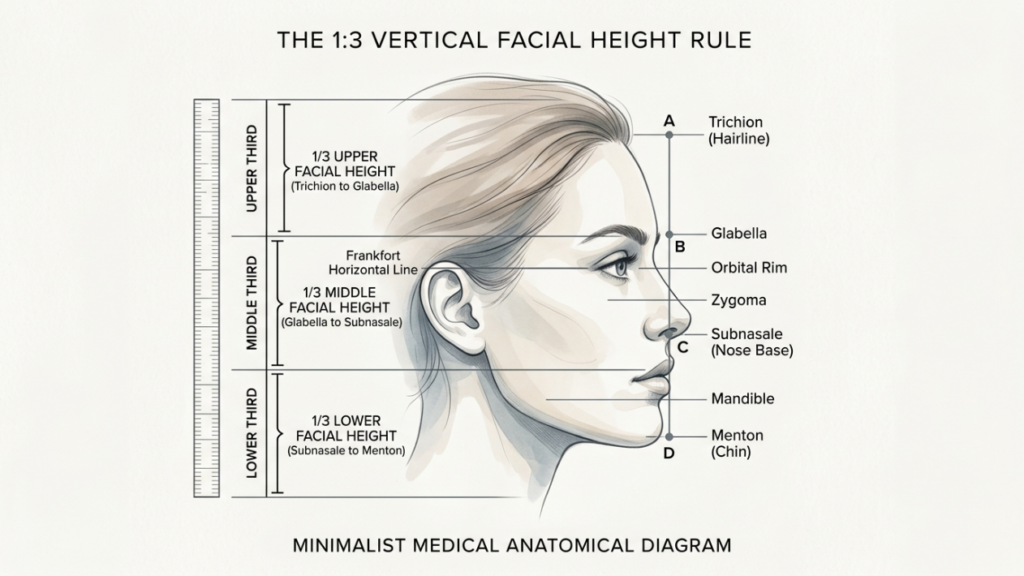
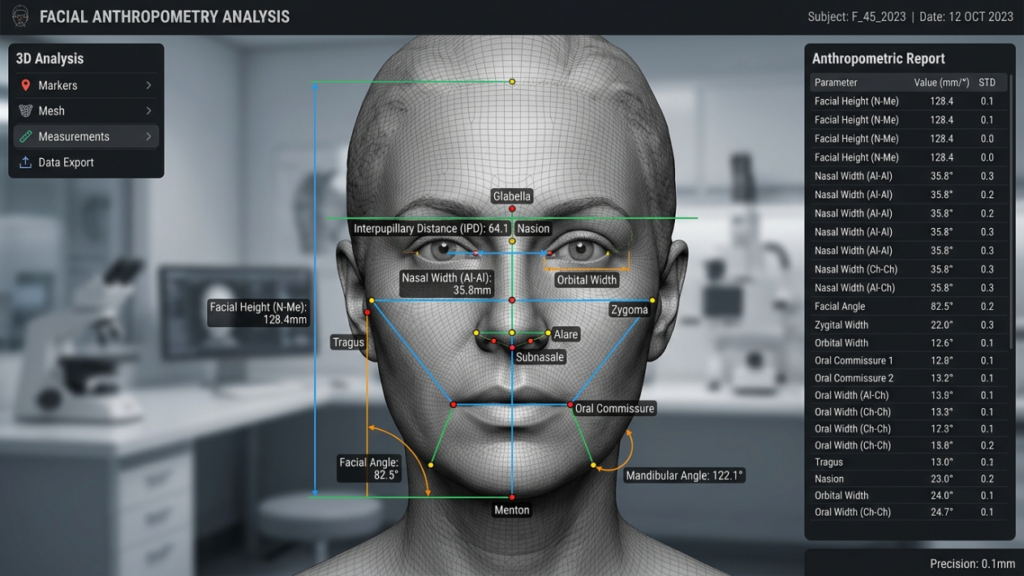
لا يستخدم الجراحون أصابعهم لقياس الجباه، بل يستخدمون النسب الأنثروبومترية. المقياس الأكثر أهمية هو نسبة خط الشعر إلى منطقة ما بين الحاجبين, وهو مقياس يقارن المسافة العمودية من خط الشعر إلى منطقة ما بين الحاجبين (الغلابيلا) مع الارتفاع الكلي للوجه. وفقًا لدراسة أجريت عام 2024 في جراحة التجميل والترميم, النسبة المثالية لتناسق ملامح الوجه هي تقريبًا 1:3. وهذا يعني أن المسافة من خط الشعر إلى منطقة ما بين الحاجبين يجب أن تكون حوالي ثلث الارتفاع الكلي للوجه.
لماذا تُعدّ هذه النسبة مهمة؟ لأنها تؤثر بشكل مباشر على تناسق ملامح الوجه. قد تبدو الجبهة التي تتجاوز هذه النسبة غير متناسقة، ولكن ليس بالضرورة "كبيرًا جدًا"“. على سبيل المثال، قد يُوحي خط الشعر المرتفع بجبهة أكبر، حتى لو كانت بنية العظام متوسطة. لهذا السبب غالبًا ما يوصي الجراحون بإجراءات مثل خفض خط الشعر أو شد الجبين لاستعادة الانسجام - وليس للخضوع لقواعد تعسفية تعتمد على الأصابع.
الأثر النفسي: كيف يؤثر حجم الجبهة على التصور الذاتي
إن التركيز الثقافي على حجم الجبهة ليس مجرد مسألة جمالية، بل هو مرتبط ارتباطًا وثيقًا بـ تقدير الذات والهوية. دراسة أجريت عام 2026 في صورة الجسم كشفت دراسة أن الأفراد الذين يُنظر إلى جباههم على أنها "عريضة جدًا" أبلغوا عن مستويات أعلى من القلق الاجتماعي وانخفاض في الثقة بالنفس. غالبًا ما يتفاقم هذا العبء النفسي بسبب فلاتر وسائل التواصل الاجتماعي ومعايير الجمال التي تُعطي الأولوية لـ"الجبهة الصغيرة" كعلامة على الأنوثة أو الجاذبية.
لكن الدراسة وجدت أيضاً أن التثقيف حول نسب الوجه انخفضت مستويات القلق لديهم بشكل ملحوظ. عندما تعرّف المشاركون على نسبة خط الشعر إلى منطقة ما بين الحاجبين وغيرها من المقاييس السريرية، قلّ احتمال اعتبارهم جباههم "غير طبيعية". وهذا يؤكد أهمية استبدال الخرافات بـ المعرفة القائمة على الأدلة—مبدأ أساسي في العصر الحديث تأنيث الوجه والجراحة الترميمية.
جراحة تصغير الجبهة: متى تكون مبررة طبياً؟
تصغير الجبهة الجراحة، بما في ذلك إجراءات مثل تقدم خط الشعر أو شد الجبين, لا يتعلق الأمر بمواكبة الموضة، بل باستعادة تناسق ملامح الوجه. وعادةً ما يوصي الجراحون بهذه الإجراءات عندما:
- نسبة خط الشعر إلى منطقة ما بين الحاجبين تتجاوز 1:3, مما يخلق خللاً بصرياً في نسب الوجه.
- عظمة الجبهة بارزة بشكل مفرط, مما يؤثر على شكل الوجه بشكل عام (وهو أمر شائع لدى المرضى الذين يسعون إلى تجميل الوجه ليصبح أكثر أنوثة).
- هناك انحسار ملحوظ في خط الشعر, مما يجعل الجبهة تبدو أكبر مما هي عليه.
- يعاني المريض من ضائقة نفسية بسبب حجم الجبهة المتصور، مما يؤثر على نوعية حياتهم.
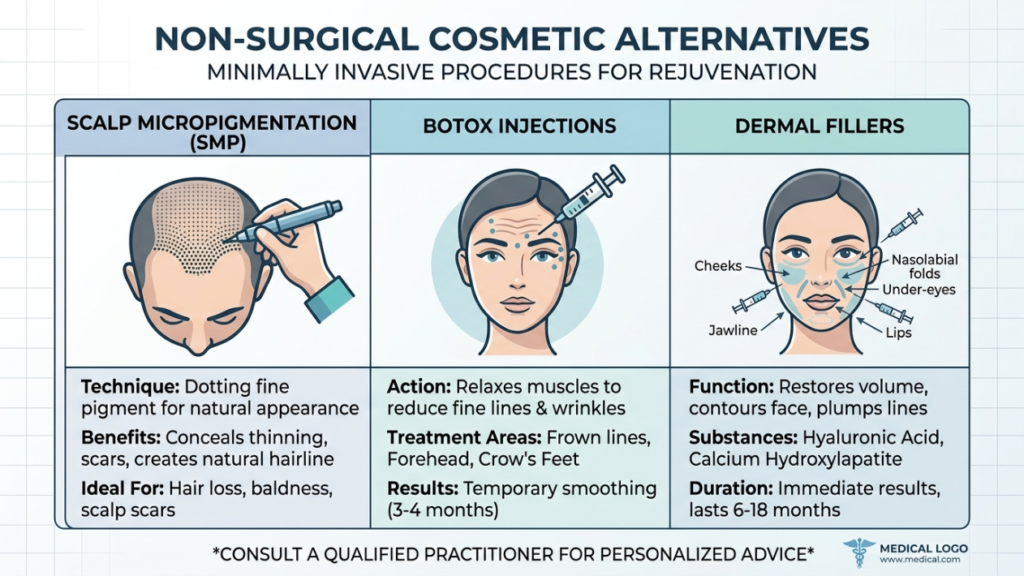
من المهم الإشارة إلى أن الجراحة ليست الحل الوحيد. هناك خيارات غير جراحية مثل وشم خط الشعر أو حقن البوتوكس يمكن أن يؤدي إرخاء عضلات الجبهة أيضًا إلى خلق وهم بجبهة أصغر حجمًا دون إجراءات جراحية.
النسبة الذهبية وتناغم الجبهة: ما تحتاج إلى معرفته
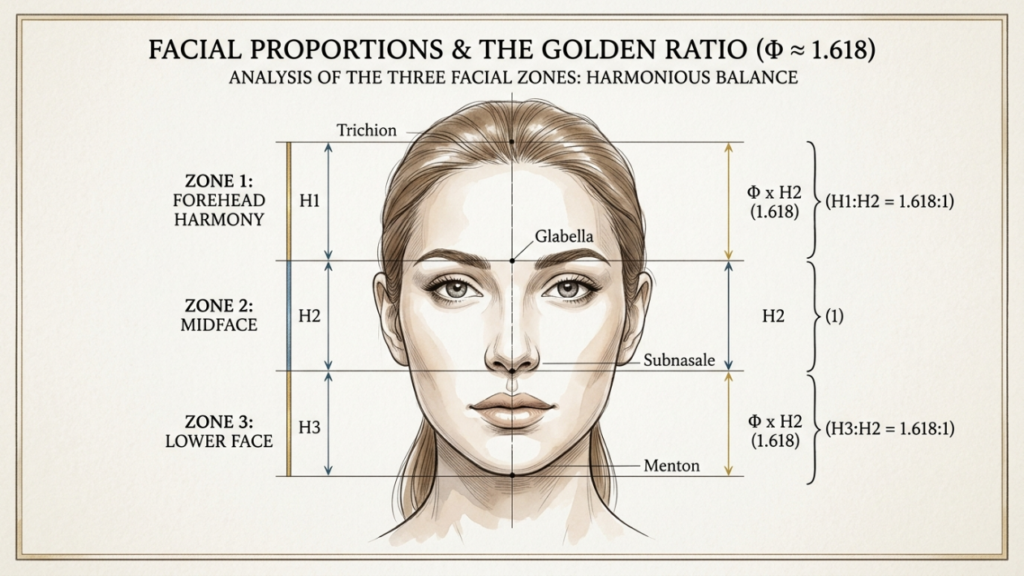
ال النسبة الذهبية (1:1.618) كثيراً ما يُستشهد بنسبة الذهب في النقاشات المتعلقة بجمال الوجه، لكن تطبيقها على حجم الجبهة غالباً ما يُساء فهمه. فبينما يمكن أن تُساعد نسبة الذهب في تحديد النسب العامة للوجه، إلا أنها ليست قاعدة صارمة لتقييم الجبهة. وبدلاً من ذلك، يُركز الجراحون على... التناغم بين الجبهة ومنتصف الوجه والوجه السفلي.
على سبيل المثال، قد يتمتع المريض ذو خط الشعر المرتفع بتناسق متوازن في ملامح الوجه إذا كان منتصف وجهه وفكه أكبر حجماً نسبياً. في المقابل، قد يبدو المريض ذو الجبهة "الطبيعية" وفقاً لقاعدة "الإصبعين" غير متناسق إذا كان منتصف وجهه غير مكتمل النمو. لهذا السبب التقييمات الشخصية تُعد هذه العمليات بالغة الأهمية في عمليات تجميل الوجه الأنثوية والجراحة الترميمية.
البدائل غير الجراحية: هل يمكنك "إصلاح" الجبهة الكبيرة بدون جراحة؟
لا يحتاج الجميع إلى جراحة لتحقيق تناسق ملامح الوجه. يمكن أن تكون الخيارات غير الجراحية فعّالة للغاية، خاصةً للمرضى الذين يعانون من مشاكل طفيفة أو أولئك الذين لا يرغبون في الخضوع لإجراءات جراحية. وتشمل هذه الخيارات ما يلي:
- وشم خط الشعر (التصبغ المجهري لفروة الرأس): يخلق وهم خط الشعر السفلي عن طريق وشم نقاط صغيرة تحاكي بصيلات الشعر.
- حقن البوتوكس: يرخي عضلات الجبهة، مما يقلل من ظهور الجبهة "البارزة".
- الحشويمكن أن يؤدي وضع الحشوات بشكل استراتيجي في الصدغين أو منتصف الوجه إلى تحقيق توازن في نسب الجبهة.
- تصفيف الشعريمكن للغرة أو قصات الشعر المتدرجة أن تقلل من بروز الجبهة بصرياً.
تُعدّ هذه البدائل جذابة بشكل خاص للمرضى الذين يرغبون في تجنب فترة النقاهة أو مخاطر الجراحة. مع ذلك، فهي ليست حلولاً دائمة وقد تتطلب متابعة دورية.

دور تأكيد الهوية الجنسية في إدراك الجبهة
بالنسبة للأفراد المتحولين جنسياً، غالباً ما يلعب حجم الجبهة دوراً مهماً في تأكيد الجنس. قد يكون بروز الجبهة أو ما يُعرف بالجبهة "الذكورية" مصدرًا لاضطراب الهوية الجنسية، مما يدفع الكثيرين إلى اللجوء لجراحة تجميل الوجه لتأنيثه. ومع ذلك، ينبغي أن يستند قرار الخضوع للجراحة إلى المقاييس السريرية—ليست أساطير ثقافية.
في جراحة تجميل الوجه، يركز الجراحون على تلطيف الملامح الزاوية واستعادة النسب التي تتوافق مع الهوية الجنسية للمريض. وقد يشمل ذلك شد الجبين, أو تحسين خط الشعر، أو حتى رفع الحاجبين. الهدف ليس الالتزام بقاعدة "إصبعين"، بل خلق وجه يبدو طبيعياً. أنت.
كيفية تقييم جبهتك: دليل خطوة بخطوة
هل أنتِ مستعدة لتجاوز قاعدة "الإصبعين"؟ إليكِ كيفية تقييم جبهتكِ مثل... دكتور جراح:
- قم بقياس المسافة من خط الشعر إلى منطقة ما بين الحاجبيناستخدم مسطرة لقياس المسافة العمودية من منبت الشعر إلى نقطة التقاء الحاجبين. قارنها بارتفاع وجهك الكلي (من منبت الشعر إلى الذقن). النسبة المثالية هي 1:3.
- قيّم تناسب ملامح وجهكالتقط صورة لوجهك من الجانب ومن الأمام. استخدم برنامج تحرير الصور لرسم الخطوط ومقارنة النسب.
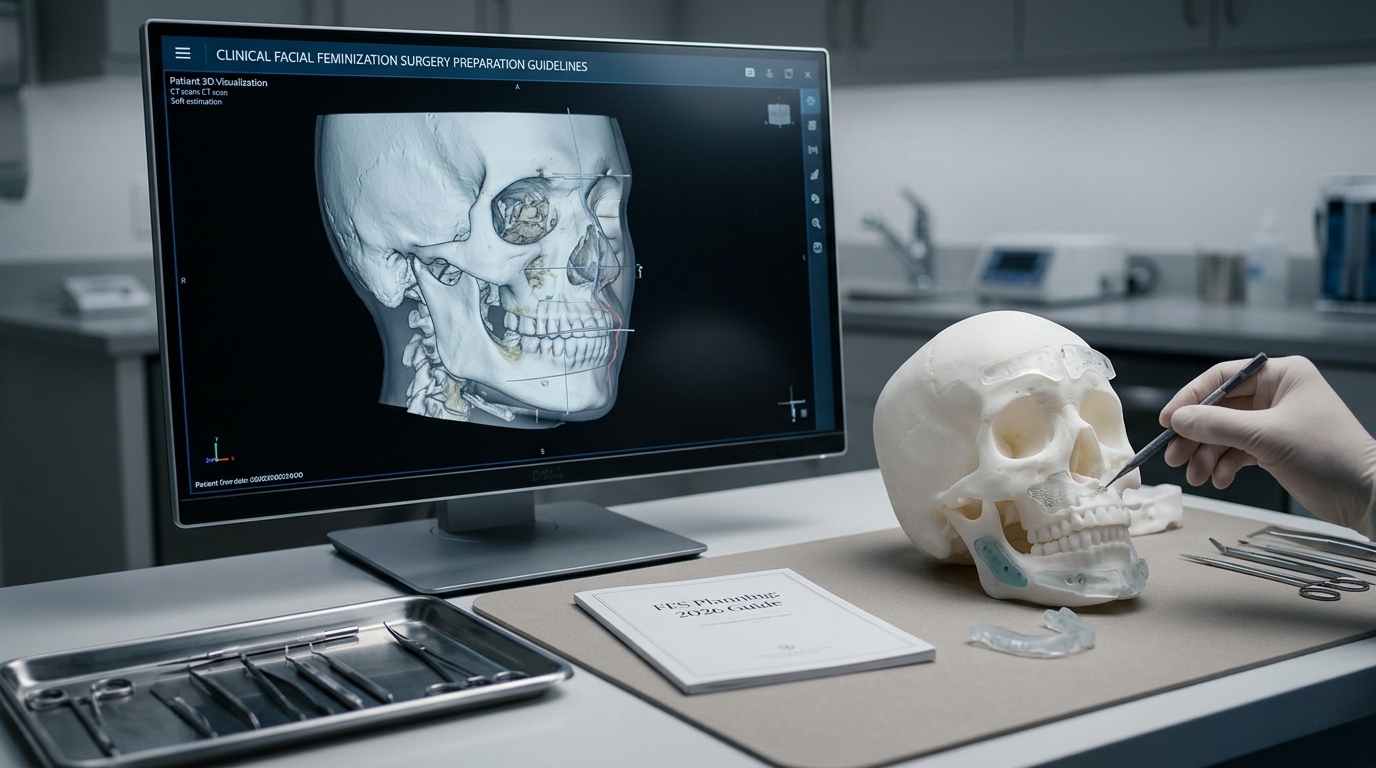
- استشر أخصائيًاحدد موعدًا للاستشارة مع جراح تجميل وجه معتمد من المجلس الطبي دكتور جراح أو أخصائي جراحة تجميل الوجه. بإمكانهم تقديم تحليل ثلاثي الأبعاد لبنية وجهك.
- ضع أهدافك في الاعتبارهل تسعى لإجراء عملية جراحية لأسباب تجميلية، أو لتأكيد هويتك الجنسية، أو للتخفيف من معاناتك النفسية؟ كن صادقاً بشأن دوافعك.
- استكشف الخيارات غير الجراحيةإذا لم تكن الجراحة مناسبة لك، فناقش البدائل مثل الحشوات أو البوتوكس أو تصفيف الشعر مع أخصائيك.
مستقبل تجميل الجبهة: ما الجديد في عام 2026؟
مع دخولنا عام 2026، يشهد مجال تجميل الوجه تطوراً سريعاً. التصوير ثلاثي الأبعاد و التخطيط الجراحي المدعوم بالذكاء الاصطناعي تُسهّل هذه التقنيات التنبؤ بالنتائج وتخصيص الإجراءات. بالإضافة إلى ذلك، هناك تركيز متزايد على الدعم النفسي بالنسبة للمرضى الذين يخضعون لعمليات تجميل الوجه، يتم ضمان اتخاذ القرارات من منطلق التمكين - وليس انعدام الأمان.
ومن التطورات المثيرة للاهتمام استخدام غرسات متوافقة حيوياً ل شد الجبين, والتي توفر نتائج طبيعية أكثر مع فترة نقاهة أقل. في الوقت نفسه، هناك خيارات غير جراحية مثل رفع الخيوط و خفض خط الشعر بالليزر أصبحت هذه التقنيات شائعة بشكل متزايد لدى أولئك الذين يسعون إلى تحسينات طفيفة.
أسئلة مكررة
لماذا تُعتبر قاعدة "الإصبعين" خرافة؟
تفتقر قاعدة "الإصبعين" إلى التحقق السريري، ولا تأخذ في الحسبان الاختلافات الفردية في تشريح الوجه، أو العرق، أو الجنس. يعتمد الجراحون على مقاييس موضوعية مثل نسبة خط الشعر إلى منطقة ما بين الحاجبين، والتي توفر تقييمًا أكثر دقة لنسب الجبهة.
ما هي نسبة خط الشعر إلى منطقة ما بين الحاجبين، ولماذا هي مهمة؟
نسبة خط الشعر إلى منطقة ما بين الحاجبين تقارن المسافة العمودية من خط الشعر إلى منطقة ما بين الحاجبين (الغلابيلا) مع الارتفاع الكلي للوجه. وتُعتبر النسبة المثالية 1:3 متناسقة، بينما قد تشير الانحرافات عنها إلى الحاجة إلى تدخل جراحي أو غير جراحي.
هل يمكن تصحيح الجبهة العريضة بدون جراحة؟
نعم، يمكن لبعض الخيارات غير الجراحية، مثل وشم خط الشعر، وحقن البوتوكس، والحشوات، وتصفيف الشعر المدروس، أن تقلل من بروز الجبهة بشكل ملحوظ. تُعد هذه الطرق مثالية للمرضى الذين يبحثون عن حلول لا تتطلب فترة نقاهة طويلة أو حلول غير جراحية.
كيف يؤثر حجم الجبهة على تأكيد الهوية الجنسية؟
بالنسبة للأفراد المتحولين جنسياً، قد يكون حجم الجبهة عاملاً مهماً في اضطراب الهوية الجنسية. غالباً ما تتضمن جراحة تجميل الوجه لتأنيثه (FFS) تحديد شكل الجبهة أو تقريب خط الشعر لخلق تناسبات أنثوية أكثر وتوافقاً مع هوية المريض الجنسية.
ما هي مخاطر جراحة تصغير الجبهة؟
كما هو الحال مع أي عملية جراحية، تشمل المخاطر العدوى، والندوب، وتلف الأعصاب. مع ذلك، يُمكن تقليل هذه المخاطر باختيار جراح معتمد واتباع الإرشادات قبل العملية. من الضروري مناقشة المضاعفات المحتملة خلال الاستشارة.
كيف أعرف ما إذا كانت جبهتي متناسقة؟
قيّم نسبة خط الشعر إلى منطقة ما بين الحاجبين وقارنها بارتفاع وجهك الكلي. النسبة المثالية هي 1:3، ولكن توجد اختلافات فردية. استشارة جراح تجميل الوجه لإجراء تحليل ثلاثي الأبعاد قد توفر إجابة دقيقة.
ما هي التطورات المتوقعة في مجال تجميل الجبهة بحلول عام 2026؟
في عام 2026، تُحدث التطورات الحديثة، مثل التخطيط الجراحي المدعوم بالذكاء الاصطناعي، وزراعة الغرسات المتوافقة حيوياً، وتقنيات شد الوجه بالخيوط غير الجراحية، ثورةً في مجال تجميل الجبهة. توفر هذه الابتكارات نتائج أكثر دقة وطبيعية مع تقليل فترة النقاهة وتحسين رضا المرضى.
هل تغطي شركات التأمين جراحة تصغير الجبهة؟
تختلف التغطية باختلاف مزود الخدمة والبلد. في بعض الحالات،, تصغير الجبهة قد يُعتبر ذلك ضرورياً طبياً لتأكيد الهوية الجنسية أو لتحسين الصحة النفسية، مما يزيد من احتمالية التغطية التأمينية. استشر طبيبك دائماً لمعرفة التفاصيل.