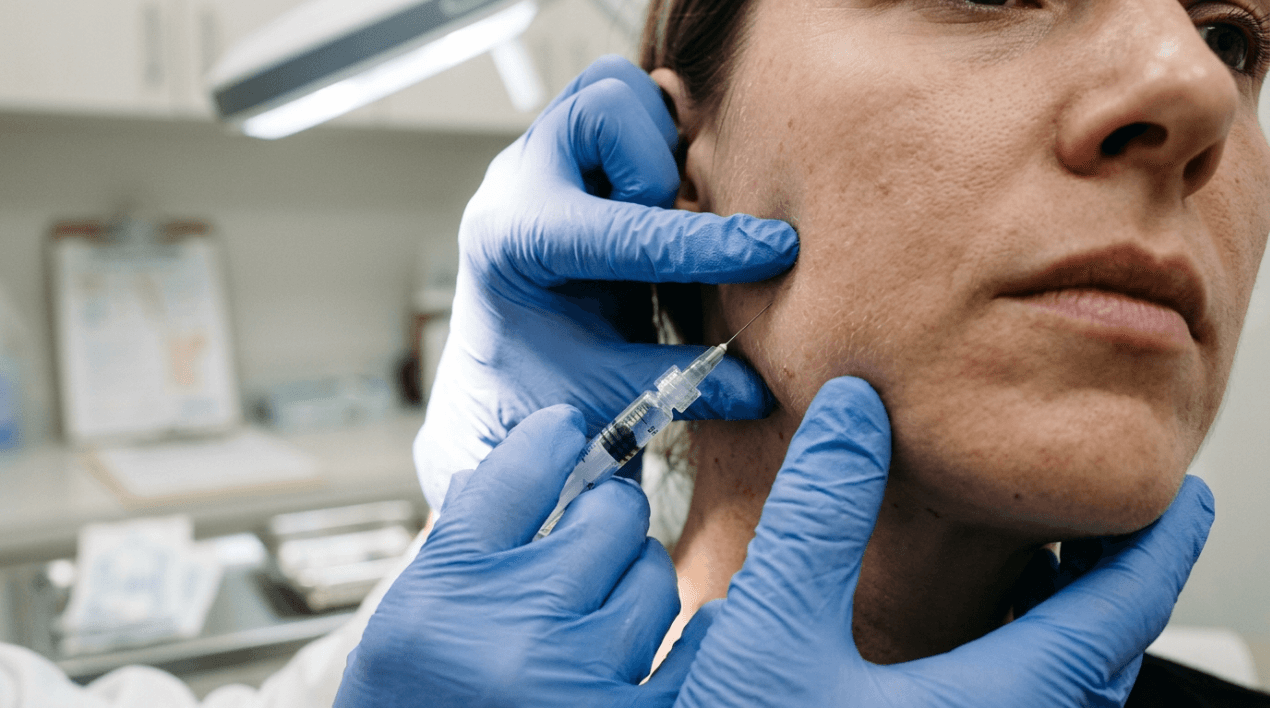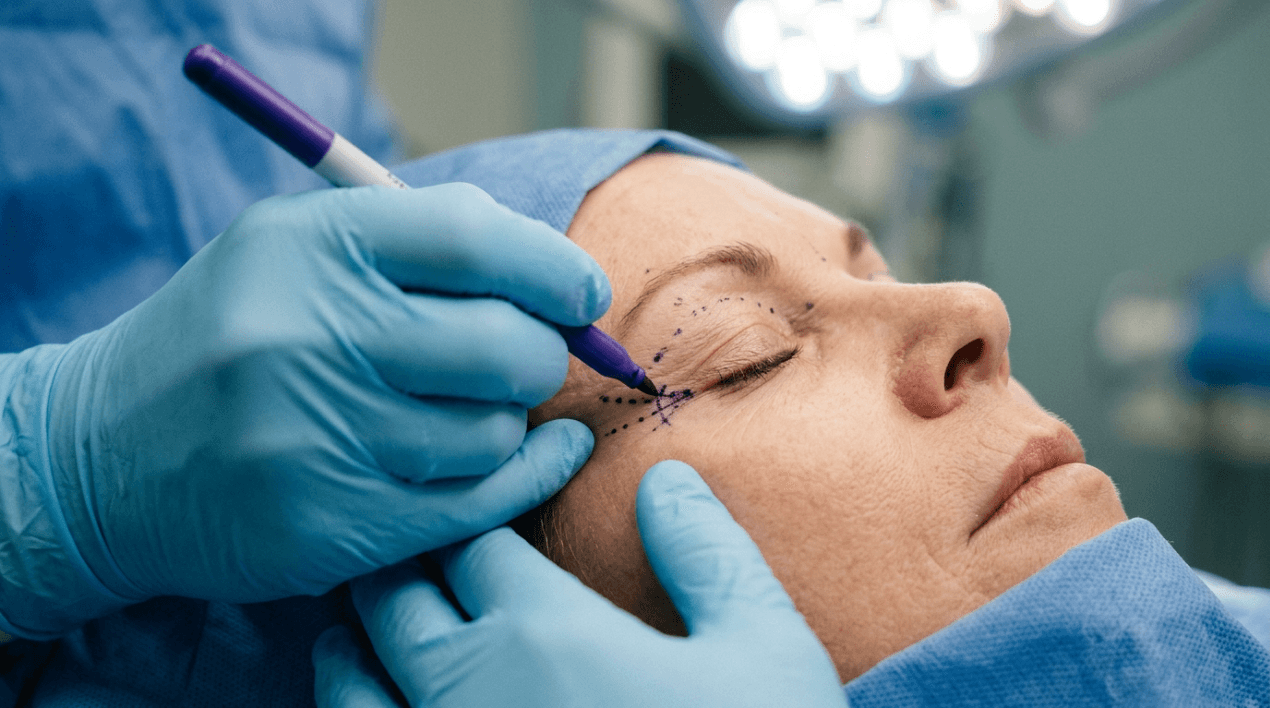

, Eine operative Korrektur der äußeren Augenwinkel kann eine tiefgreifende Veränderung bewirken. Um realistische Erwartungen zu haben und eine optimale Heilung zu gewährleisten, ist es wichtig, den Heilungsverlauf zu verstehen. Dieser umfassende Leitfaden begleitet Sie Schritt für Schritt durch den Heilungsprozess, geht auf häufige Beschwerden wie Chemosis (Augenschwellung) ein und gibt klare Zeitangaben, wann die Schwellung abklingt und wann Sie Aktivitäten wie das Auftragen von Make-up wieder aufnehmen können.
Der Weg von der Operation bis zum endgültigen Ergebnis umfasst mehrere Phasen, jede mit ihren eigenen Symptomen und Pflegeanforderungen. Auch wenn die anfängliche Heilungsphase beunruhigend wirken mag, kann das Wissen um die zu erwartenden Abläufe Ängste deutlich reduzieren und Ihnen helfen, den Genesungsprozess selbstbewusst zu meistern. Dieser Leitfaden bietet Ihnen detaillierte, medizinisch korrekte Informationen, um Sie bei Ihren Entscheidungen und der postoperativen Pflege zu unterstützen.
Eine Kanthoplastik, ein chirurgischer Eingriff zur Verschönerung oder Umformung der äußeren Augenwinkel, kann eine transformative Erfahrung sein.
— Ruli
Inhaltsverzeichnis
Chemosis und postoperative Schwellung verstehen
Chemosis ist ein häufiger und zu erwartender Bestandteil des Heilungsprozesses nach einer Kanthoplastik. Sie bezeichnet die Schwellung der Bindehaut, der durchsichtigen Membran, die die Lederhaut (Sklera) bedeckt. Diese Schwellung kann dazu führen, dass das Auge tränend und geschwollen wirkt und manchmal sogar leicht hervortritt. Es handelt sich um eine natürliche Entzündungsreaktion auf den chirurgischen Eingriff, die ihren Höhepunkt typischerweise innerhalb der ersten 48 bis 72 Stunden nach der Operation erreicht.
Der Schweregrad einer Chemosis kann je nach individuellen Heilungsfaktoren, dem Umfang des Eingriffs und der Einhaltung der postoperativen Pflegeanweisungen variieren. Auch wenn sie beunruhigend wirken kann, insbesondere im Spiegel, handelt es sich um einen vorübergehenden Zustand, der sich mit dem Einsetzen der körpereigenen Heilungsmechanismen zurückbildet. Für eine reibungslose Genesung ist es entscheidend, den Unterschied zwischen einer normalen Chemosis und Anzeichen möglicher Komplikationen zu kennen.
Die Wissenschaft hinter Schwellungen
Chirurgische Eingriffe, selbst minimalinvasive, lösen eine Entzündungskaskade aus. Die Blutgefäße erweitern sich, um Immunzellen und Nährstoffe zum Operationsgebiet zu transportieren. Dieser erhöhte Blutfluss und der Flüssigkeitsaustritt in das umliegende Gewebe führen zu Schwellungen (Ödemen). In der empfindlichen Augenregion ist diese Schwellung aufgrund des lockeren Bindegewebes, das die Augen umgibt, besonders auffällig.
Bei einer Chemosis ist insbesondere die Bindehaut betroffen, die stark durchblutet ist und zu Flüssigkeitsansammlungen neigt. Die operative Manipulation des lateralen Lidbändchens und des umliegenden Gewebes kann den Lymphabfluss beeinträchtigen und so die Flüssigkeitsansammlung weiter verstärken. Daher sind Hochlagerung des Kopfes und kalte Kompressen in der unmittelbaren postoperativen Phase besonders wichtig – sie helfen, diesen physiologischen Reaktionen entgegenzuwirken.
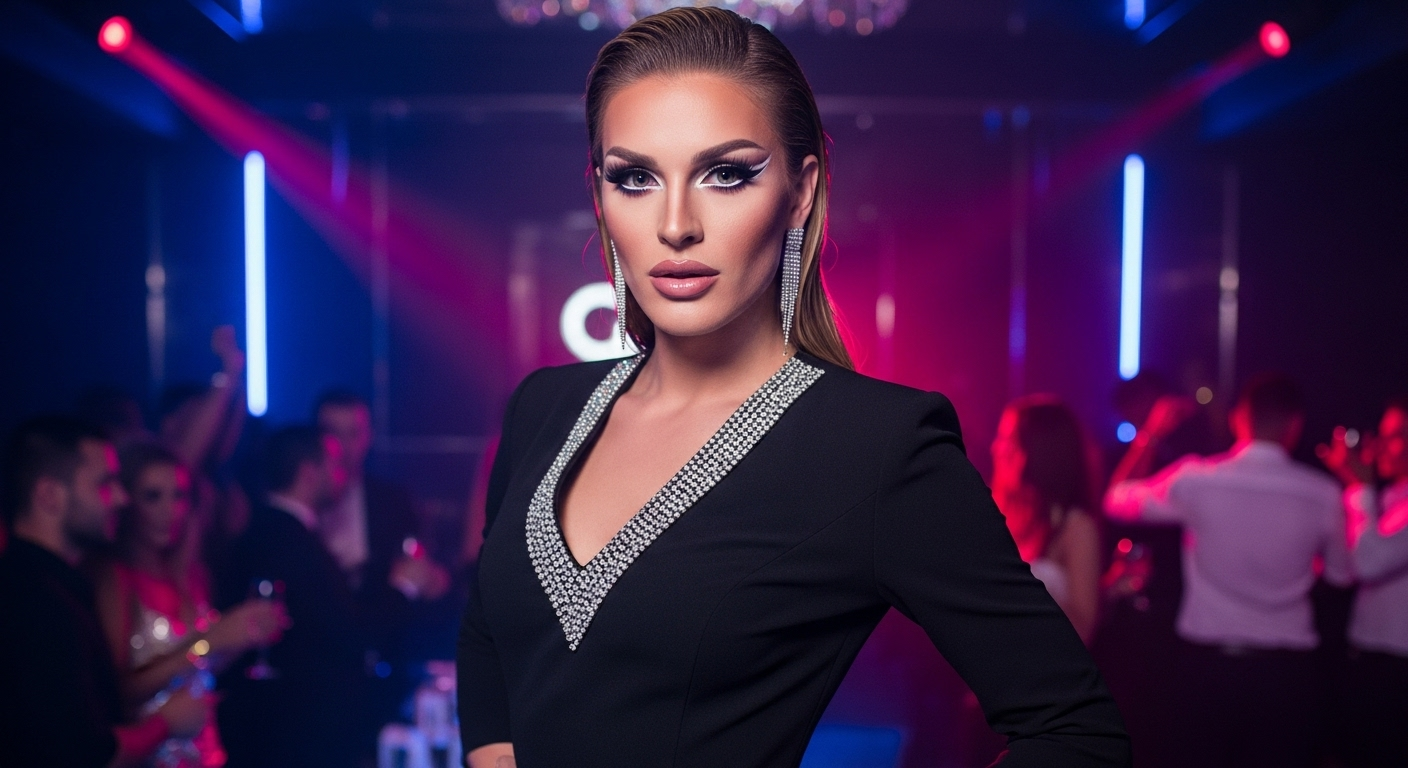
Tagesweiser Genesungsverlauf nach einer Kanthoplastik
Der Heilungsverlauf nach einer Kanthoplastik lässt sich in der Regel in verschiedene Phasen unterteilen. Auch wenn die individuellen Erfahrungen variieren können, bietet dieser allgemeine Zeitplan eine verlässliche Orientierungshilfe. Die genaue Befolgung der Anweisungen Ihres Chirurgen ist entscheidend für ein optimales Ergebnis.
Tage 1-3: Die akute Phase
Tage 1-2: Dies ist die Zeit, in der Schwellungen und Blutergüsse am stärksten auftreten. Die Chemosis ist am ausgeprägtesten, und Ihre Augen können sich eng anfühlen, tränen und lichtempfindlich sein. Durch die Salbe und die Schwellung kann die Sicht verschwommen sein. Es ist wichtig, dass Sie sich ausruhen und Ihren Kopf auf 2-3 Kissen hochlagern, auch im Schlaf. Legen Sie stündlich für 15-20 Minuten kalte Kompressen (in ein sauberes Tuch gewickelt) auf, solange Sie wach sind, um die Schwellung zu reduzieren. Vermeiden Sie anstrengende Aktivitäten, Bücken und das Heben schwerer Gegenstände. der Chirurg wird wahrscheinlich eine antibiotische Salbe und möglicherweise Schmerzmittel zum Einnehmen verschreiben.
Tag 3: Schwellungen und Blutergüsse können abklingen oder leicht zurückgehen. Die Chemosis kann weiterhin ausgeprägt sein, aber das starke Spannungsgefühl lässt oft nach. Fahren Sie mit der Hochlagerung des Kopfes und der Anwendung von kalten Kompressen fort. Möglicherweise wird Ihnen empfohlen, mit einer sanften Lidhygiene zu beginnen, z. B. durch Reinigen der Wimpern mit steriler Kochsalzlösung. Die Schmerzen sind in der Regel gut erträglich und gehen oft in ein Druck- oder Spannungsgefühl über.
Tage 4-7: Die subakute Phase
Tage 4-5: Eine deutliche Reduzierung von Schwellungen und Blutergüssen tritt in der Regel ein. Die Gelbfärbung der Blutergüsse (beim beginnenden Abbau) kann sichtbar werden. Die Chemosis klingt ab, und die Bindehaut erscheint weniger geschwollen. Die Sehschärfe verbessert sich. Sie können möglicherweise wieder leichten, nicht anstrengenden Tätigkeiten nachgehen, sollten aber weiterhin Augenbelastung (z. B. durch längere Bildschirmarbeit) vermeiden. der Chirurg Es kann ein Nachkontrolltermin vereinbart werden, um die Einschnittstellen zu überprüfen und gegebenenfalls nicht auflösbare Fäden zu entfernen.
Tage 6-7: Bereits am Ende der ersten Woche ist in der Regel eine deutliche Besserung sichtbar. Die Schwellung ist im Vergleich zum Höchstwert um etwa 50–60 % zurückgegangen. Blutergüsse lassen sich oft mit Make-up abdecken. Der äußere Augenwinkel kann noch leicht angehoben oder gespannt erscheinen, was normal ist. Die meisten Patienten fühlen sich wohl genug für leichte soziale Aktivitäten, obwohl die Augen noch müde oder geschwollen aussehen können.
Wochen 2-4: Frühe Heilungsphase
Woche 2: Die Schwellung geht weiterhin stetig zurück. Nach zwei Wochen sind die meisten sichtbaren Schwellungen und Blutergüsse abgeklungen. Die Schnittlinien am äußeren Augenwinkel heilen, und eventuell vorhandene Fäden lösen sich in der Regel vollständig auf oder werden entfernt. Die Augenform beginnt sich in ihre neue Position zu stabilisieren. Sie können normalerweise die meisten Ihrer normalen Aktivitäten wieder aufnehmen, einschließlich Ihrer Arbeit (sofern diese nicht körperlich anstrengend ist). Kontaktlinsen, Schwimmen und intensive sportliche Betätigung sollten Sie jedoch weiterhin vermeiden.
Wochen 3-4: Die Augen wirken deutlich natürlicher. Restschwellungen sind minimal und oft nur für Sie selbst sichtbar. Der äußere Augenwinkel sollte klar definiert sein, und die Augenform wirkt länglicher und angehobener. In diesem Stadium fühlen sich die meisten Patienten mit ihrem Aussehen wohl. Dennoch setzt sich der Heilungsprozess im Inneren fort.
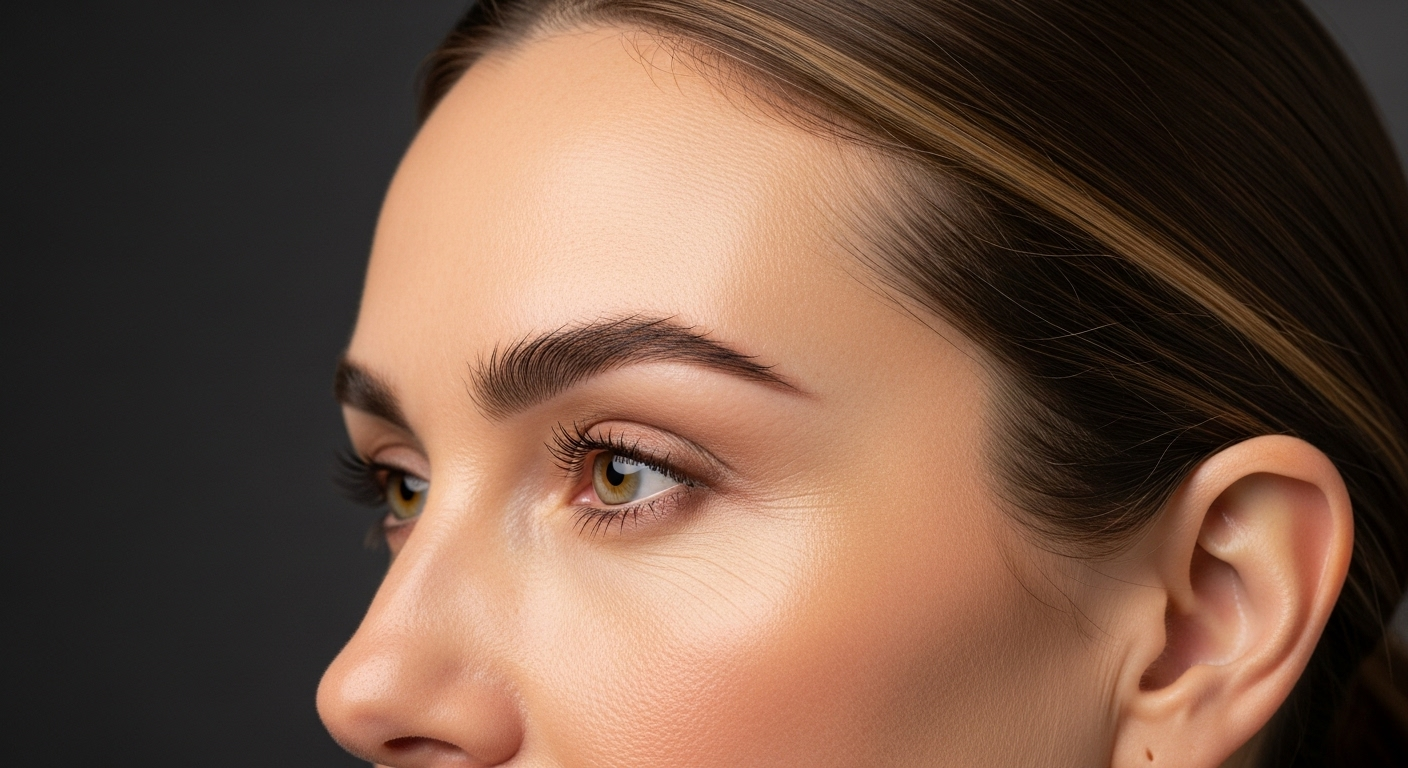
Wann kann man sich nach einer Canthoplastik wieder schminken?
Eine der häufigsten Fragen zur Genesung nach einer Kanthoplastik ist, wann man wieder Make-up auftragen kann. Aufgrund der Empfindlichkeit des Operationsgebietes und des Infektionsrisikos ist Vorsicht geboten. Zu frühes Auftragen von Make-up kann Bakterien in die heilenden Wunden einschleppen und zu Komplikationen wie Infektionen, verzögerter Heilung oder sogar Narbenbildung führen.
Allgemeine Richtlinien für die Wiederaufnahme des Make-up-Unterrichts
Augen-Make-up (Mascara, Eyeliner, Lidschatten): Im Allgemeinen wird empfohlen, mindestens zu warten. 4 bis 6 Wochen Nach der Kanthoplastik sollte vor dem Auftragen von Augen-Make-up kein Make-up verwendet werden. Dadurch können die Schnittlinien vollständig abheilen und das Infektionsrisiko wird deutlich reduziert. Die Haut am äußeren Augenwinkel ist dünn und empfindlich; Make-up-Partikel können das heilende Gewebe leicht reizen. Verwenden Sie daher stets neue, sterile Make-up-Produkte, um das Risiko einer Bakterienbelastung zu minimieren.
Gesichts-Make-up (Foundation, Concealer): Sie können normalerweise ab etwa [Zeitpunkt einfügen] wieder Gesichts-Make-up verwenden. 1 bis 2 Wochen Nach der Operation, sobald die Schnitte verschlossen und alle Fäden entfernt sind, sollten Sie das Produkt nicht direkt auf die Schnittlinien auftragen, bis diese vollständig verheilt sind. Verwenden Sie einen sauberen Pinsel oder Schwamm und verblenden Sie das Produkt sanft um die Augenpartie.
Augencremes und -seren: Vermeiden Sie es, Cremes, Seren oder Öle für mindestens 3–4 Wochen direkt auf die Augenlider und den äußeren Augenwinkel aufzutragen. Ihr Chirurg wird Ihnen mitteilen, wann Sie Ihre gewohnte Hautpflege wieder aufnehmen können. Verwenden Sie anfangs nur verschriebene Salben in Augennähe.
Langfristige Erholung und Endergebnisse
Die anfängliche Erholungsphase ist zwar relativ kurz, das endgültige Ergebnis einer Kanthoplastik kann jedoch mehrere Monate benötigen, um vollständig sichtbar zu sein. Die leichte Restschwellung, die 3–6 Monate anhalten kann, kann die Augenform geringfügig verändern. Es ist wichtig, Geduld zu haben und dem Körper die Zeit zu geben, die er für den Heilungsprozess benötigt.
Monate 2-6: Reifungsphase
Während dieser Zeit regenerieren und festigen sich die inneren Gewebe. Die laterale Lidbindehaut nimmt ihre neue Position ein, und das Narbengewebe an der Schnittstelle wird weicher und verblasst. Eventuelle kleinere Asymmetrien, die in den ersten Wochen sichtbar waren, verschwinden meist mit dem vollständigen Abklingen der Schwellung. Nach sechs Monaten sind Form und Position der Augen in der Regel stabil und repräsentieren das Langzeitergebnis.
Es ist nicht ungewöhnlich, dass Patienten in dieser Phase zeitweise ein Spannungsgefühl oder eine Empfindlichkeit um die Augen herum verspüren, insbesondere bei Wetterwechsel oder Müdigkeit. Diese Empfindungen sind normal und klingen mit der Zeit allmählich ab. Regelmäßige Nachsorgetermine bei Ihrem Chirurgen ermöglichen die Überwachung des Heilungsfortschritts und die Besprechung eventuell auftretender Beschwerden.
Umgang mit potenziellen Komplikationen
Obwohl eine Kanthoplastik bei einem qualifizierten Chirurgen im Allgemeinen sicher ist, ist die Kenntnis möglicher Komplikationen für deren frühzeitige Erkennung und Behandlung unerlässlich. Die meisten Komplikationen sind selten, erfordern aber im Falle ihres Auftretens umgehende Aufmerksamkeit.
Anzeichen einer Infektion
Anzeichen einer Infektion sind zunehmende Rötung, Wärme, Schwellung oder Schmerzen im Operationsgebiet sowie Eiter oder ungewöhnlicher Ausfluss. Fieber kann ebenfalls auftreten. Sollten Sie eines dieser Anzeichen bemerken, kontaktieren Sie umgehend Ihren Chirurgen. Eine frühzeitige Behandlung mit Antibiotika kann schwerwiegendere Komplikationen verhindern.
Anhaltende oder schwere Chemosis
Eine leichte bis mittelschwere Chemosis ist normal. Eine starke oder anhaltende Chemosis, die sich nach der ersten Woche nicht bessert, sollte jedoch ärztlich abgeklärt werden. In seltenen Fällen kann eine übermäßige Schwellung die Lidfunktion beeinträchtigen oder zu Hornhautreizungen führen. Ihr Chirurg kann Ihnen spezielle Augentropfen oder -salben zur Behandlung dieser Beschwerden verschreiben.
Asymmetrie und Narbenbildung
Eine leichte Asymmetrie ist in der frühen Heilungsphase aufgrund ungleichmäßiger Schwellungen häufig. Besteht jedoch nach einigen Monaten weiterhin eine deutliche Asymmetrie, kann eine Korrektur erforderlich sein. Die Narbenbildung am äußeren Augenwinkel ist in der Regel minimal und in der natürlichen Lidfalte verborgen. Bei manchen Personen können sich jedoch hypertrophe oder Keloidnarben entwickeln. Silikongel-Pflaster und Sonnenschutz können das Erscheinungsbild der Narben verbessern.

Postoperative Pflegeprotokolle für eine optimale Heilung
Die strikte Einhaltung eines postoperativen Pflegeplans ist der wichtigste Faktor für eine reibungslose Genesung und das Erreichen des gewünschten ästhetischen Ergebnisses. Ihr Chirurg wird Ihnen detaillierte, auf Ihren Eingriff abgestimmte Anweisungen geben; die folgenden Richtlinien gelten jedoch allgemein.
Hygiene und Wundversorgung
Die vollständige Reinigung des Operationsgebietes ist entscheidend, um Infektionen vorzubeugen. Reinigen Sie die Lidränder vorsichtig mit steriler Kochsalzlösung und Wattestäbchen, wie von Ihrem Chirurgen/Ihrer Chirurgin angewiesen. Vermeiden Sie Reiben oder Ziehen an den Schnittstellen. Tragen Sie die verschriebene antibiotische Salbe gemäß Anweisung auf die Schnittstellen auf, in der Regel 2- bis 3-mal täglich in der ersten Woche.
Aktivitätseinschränkungen
Vermeiden Sie anstrengende Aktivitäten, schweres Heben und Bücken für mindestens 2–3 Wochen nach der Operation. Diese können den Blutdruck erhöhen und Schwellungen verstärken. Schwimmen, Whirlpools und Saunen sollten aufgrund des Infektionsrisikos für 4–6 Wochen gemieden werden. Kontaktsportarten sollten für mindestens 6–8 Wochen vermieden werden, um das heilende Gewebe vor Verletzungen zu schützen.
Schutz Ihrer Augen
Schützen Sie Ihre Augen vor Sonne, Wind und Staub, indem Sie im Freien eine Sonnenbrille tragen. Dies reduziert nicht nur die Lichtempfindlichkeit, sondern schützt auch die heilende Haut vor UV-Schäden, die Narben verdunkeln können. Vermeiden Sie das Tragen von Kontaktlinsen für mindestens 4–6 Wochen, da diese die Augen reizen und den Heilungsprozess beeinträchtigen können. Verwenden Sie befeuchtende Augentropfen, wenn Ihre Augen trocken sind. Achten Sie darauf, dass diese frei von Konservierungsstoffen sind und von Ihrem Chirurgen empfohlen wurden.
Häufig gestellte Fragen
Wie lange hält die Chemosis nach einer Kanthoplastik an?
Die Chemosis, also die Augenschwellung, erreicht ihren Höhepunkt typischerweise innerhalb der ersten 48 bis 72 Stunden nach der Kanthoplastik und klingt bis zum 4. bis 5. Tag wieder ab. Die ausgeprägteste Chemosis verschwindet innerhalb der ersten 1 bis 2 Wochen, obwohl leichte Restschwellungen mehrere Monate lang bestehen bleiben können, bis das Gewebe vollständig verheilt ist.
Wann ist das Tragen von Kontaktlinsen nach einer Kanthoplastik unbedenklich?
Generell wird empfohlen, nach einer Kanthoplastik mindestens 4–6 Wochen lang keine Kontaktlinsen zu tragen. Die heilenden Einschnitte und eventuelle Restschwellungen können die Augen empfindlich machen, und Kontaktlinsen können Reizungen verursachen oder den Heilungsprozess beeinträchtigen. Konsultieren Sie daher immer Ihren Chirurgen, bevor Sie wieder Kontaktlinsen tragen.
Kann ich nach einer Kanthoplastik Sport treiben?
Leichte Spaziergänge sind nach den ersten Tagen zur Förderung der Durchblutung empfehlenswert, anstrengende körperliche Betätigung sollte jedoch für mindestens 3–4 Wochen vermieden werden. Aktivitäten, die den Blutdruck erhöhen oder das Verletzungsrisiko steigern (z. B. Laufen, Gewichtheben, Yoga), können Schwellungen verstärken und sollten bis zur Freigabe durch Ihren Chirurgen verschoben werden, in der Regel etwa 4–6 Wochen nach der Operation.
Was soll ich tun, wenn ich starke Schmerzen oder Sehstörungen verspüre?
Leichte Beschwerden sind normal, starke oder sich verschlimmernde Schmerzen, plötzliche Sehstörungen oder Sehverlust sind jedoch ungewöhnlich und erfordern sofortige ärztliche Hilfe. Kontaktieren Sie Ihren Chirurgen oder begeben Sie sich in notärztliche Behandlung, wenn diese Symptome auftreten, da sie auf Komplikationen wie eine Infektion oder einen erhöhten Augeninnendruck hindeuten können.
Wie kann ich die Schwellung schneller reduzieren?
Um Schwellungen zu reduzieren, lagern Sie Ihren Kopf in den ersten ein bis zwei Wochen hoch (auch im Schlaf), wenden Sie kalte Kompressen nach Anweisung an und vermeiden Sie salzige Speisen, da diese Wassereinlagerungen begünstigen. Befolgen Sie die Anweisungen Ihres Chirurgen bezüglich Medikamenten und Nahrungsergänzungsmitteln. Geduld ist wichtig, da die Schwellung mit der Zeit von selbst abklingt.
Sind die Ergebnisse einer Kanthoplastik dauerhaft?
Ja, die bei einer Kanthoplastik vorgenommenen strukturellen Veränderungen sind dauerhaft. Die laterale Lidbindehaut wird neu positioniert und fixiert, wodurch die Augenform dauerhaft verändert wird. Der natürliche Alterungsprozess wird jedoch mit der Zeit weiterhin Auswirkungen auf die umliegende Haut und das Gewebe haben.
Wann werde ich die Endergebnisse sehen?
Erste Ergebnisse sind sichtbar, sobald die Schwellung weitgehend abgeklungen ist (nach etwa 4–6 Wochen). Das endgültige, verfeinerte Ergebnis der Kanthoplastik zeigt sich jedoch in der Regel erst 3–6 Monate nach dem Eingriff. So haben alle Restschwellungen Zeit, abzuklingen und das Gewebe kann sich vollständig in seine neue Position einfügen.
Kann ich Make-up verwenden, um blaue Flecken abzudecken?
Sie können in der Regel etwa 1–2 Wochen nach der Operation, sobald die Schnitte verheilt sind, Make-up (Foundation, Concealer) verwenden, um Blutergüsse abzudecken. Vermeiden Sie es jedoch, Augen-Make-up (Mascara, Eyeliner, Lidschatten) mindestens 4–6 Wochen lang direkt auf oder in der Nähe der heilenden Augenlider aufzutragen, um Infektionen und Reizungen vorzubeugen.
Bibliographie
- Ruli. (2024, 20. Dezember). Die Genesung nach einer Kanthoplastik: Was Sie erwartet, was Sie tun und lassen sollten. Abgerufen von https://au.ruli.com/article/navigating-canthoplasty-recovery-what-to-expect-dos-and-donts
- Dr.MFO. (nd). Katzenaugen Operation. Abgerufen von https://dr-mfo.com/cat-eyes-surgery
- Amerikanische Gesellschaft für Plastische Chirurgen. (nd). Blepharoplastik. Abgerufen von https://www.plasticsurgery.org/cosmetic-procedures/blepharoplasty
- Praxis für Plastische Chirurgie. (2023). Umgang mit postoperativen Schwellungen in der Gesichtschirurgie. Abgerufen von https://www.plasticsurgerypractice.com
- Zeitschrift für Ästhetische Chirurgie. (2022). Komplikationen bei der Kanthoplastik: Eine Übersicht über 500 Fälle. Zeitschrift für Ästhetische Chirurgie, 42(3), 289-301. DOI: 10.1093/asj/sjab123