
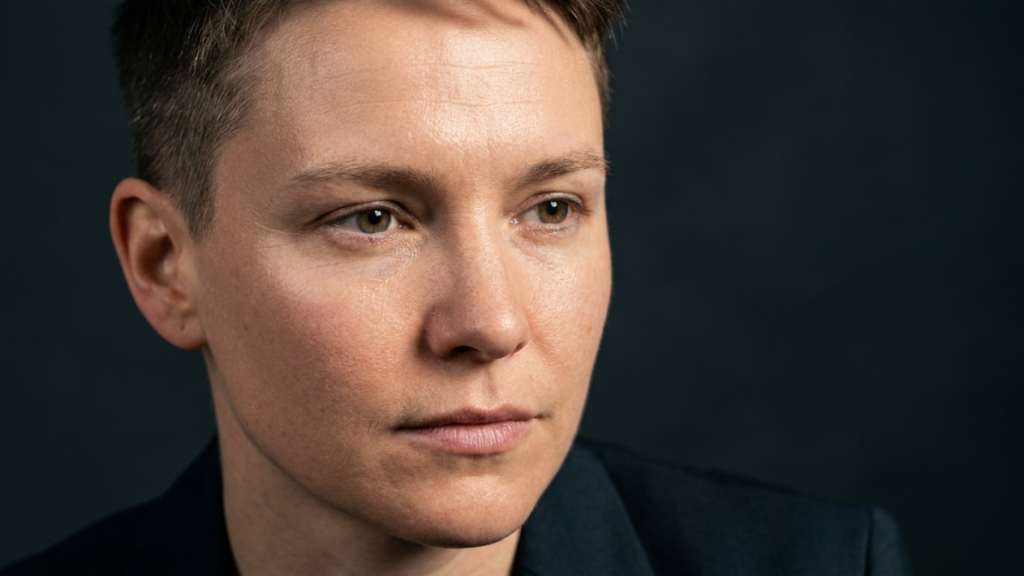
Im Jahr 2026, Gesichtsfeminisierung Chirurgie (FFS) Die Gesichtsfeminisierung (FFS) entwickelt sich stetig weiter und ist ein Eckpfeiler der geschlechtsangleichenden Behandlung, insbesondere für nicht-binäre Personen, die sich androgynere Gesichtszüge wünschen. Im Gegensatz zur traditionellen FFS, die oft ein vollständig feminines Aussehen anstrebt, ist die nicht-binäre FFS hochgradig individualisierbar. Sie konzentriert sich darauf, bestimmte Gesichtsmerkmale abzumildern oder zu verfeinern, um ein harmonisches, geschlechtsneutrales oder subtil androgynes Erscheinungsbild zu erzielen. Dieser Leitfaden erläutert die neuesten Operationstechniken, Expertenmeinungen, Kosten, den Genesungsprozess und die besonderen Aspekte, die nicht-binäre Patient*innen bei einer FFS berücksichtigen sollten.
Inhaltsverzeichnis
Warum nicht-binäres FFS?
Für viele nicht-binäre Personen ist das Gesicht eine Hauptursache für Geschlechtsdysphorie. Traditionelle binäre Geschlechternormen assoziieren bestimmte Gesichtsmerkmale oft mit Männlichkeit oder Weiblichkeit, was es nicht-binären Menschen erschwert, sich in ihrer Haut wohlzufühlen. Eine Gesichtsfeminisierung (FFS) für nicht-binäre Personen bietet die Möglichkeit, die Gesichtszüge mit einer authentischeren, geschlechtsneutralen oder androgynen Identität in Einklang zu bringen, wodurch Dysphorie reduziert und die Lebensqualität verbessert wird.

FFS-Anpassung für androgyne Ergebnisse
Die geschlechtsangleichende Operation für nicht-binäre Personen ist kein standardisiertes Verfahren. Vielmehr handelt es sich um einen hochgradig individualisierten Prozess, der die einzigartige Gesichtsstruktur, die persönlichen Ziele und den gewünschten Grad an Androgynie jedes Patienten berücksichtigt. So gehen Chirurgen im Jahr 2026 an die Individualisierung heran:
1. Chirurgische Techniken zur Behandlung androgyner Merkmale
Die nicht-binäre Gesichtsfeminisierung (FFS) umfasst häufig eine Kombination von Eingriffen, die darauf abzielen, bestimmte Gesichtszüge abzumildern oder zu verfeinern, ohne das Gesicht vollständig zu feminisieren. Gängige Techniken sind:
- Stirnkonturierung: Durch die Reduzierung der Brauenwülste und die Umformung der Stirn entsteht eine harmonischere, neutralere Kontur. Dies lässt sich durch eine Stirnrekonstruktion vom Typ 3 erreichen, die eine übermäßige Feminisierung vermeidet und gleichzeitig maskuline Gesichtszüge abmildert.
- Kiefer- und Kinnkorrektur: Eine kantige oder eckige Kieferpartie wird weicher gestaltet und das Kinn verfeinert, um ein harmonischeres, weniger maskulines Erscheinungsbild zu erzielen. Dies kann Folgendes umfassen: Genioplastik (Kinnoperation) oder Kieferverkleinerung, Dabei werden häufig minimalinvasive Techniken eingesetzt, um die natürliche Gesichtsharmonie zu erhalten.
- Nasenkorrektur: Die Nase wird so umgeformt, dass ein neutraleres oder leicht feminines Profil entsteht, wobei übermäßig zarte oder übertriebene Gesichtszüge vermieden werden. Ziel ist eine Nase, die zum restlichen Gesicht passt, ohne binären Geschlechternormen zu entsprechen.
- Wangenvergrößerung: Durch die Betonung der Wangenknochen wird dem Gesicht mehr Fülle und Kontur verliehen, was zu einer harmonischeren und ausgewogeneren Gesichtsstruktur führt. Dies geschieht häufig mit Fetttransplantation oder Implantate, je nach Anatomie und Wünschen des Patienten.
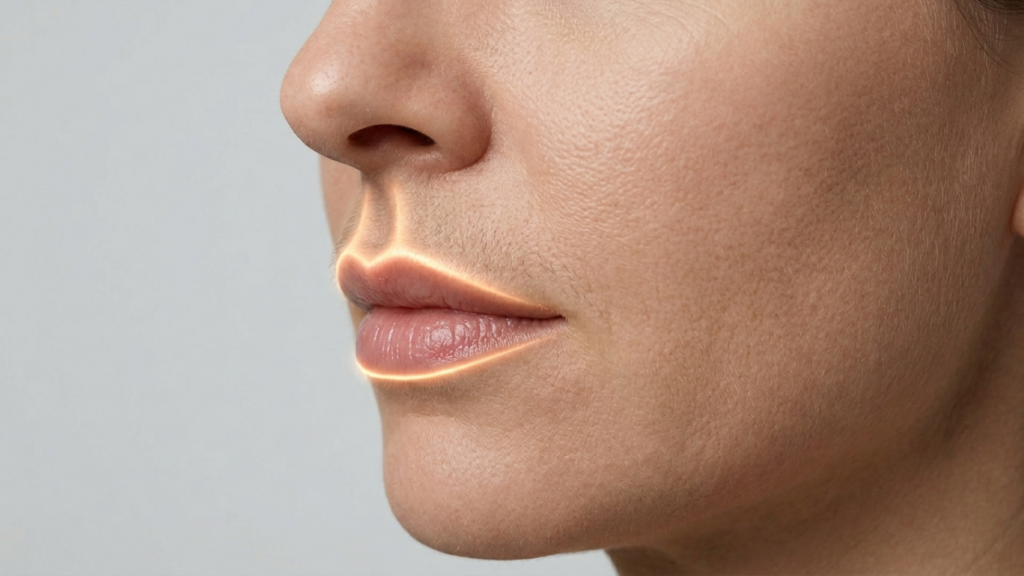
- Lippenlifting oder Lippenvergrößerung: Dadurch wird eine definiertere oder etwas vollere Lippenform geschaffen, die dem Gesicht Weichheit verleihen kann, ohne dabei übermäßig feminin zu wirken.
- Trachealrasur: Durch die Reduzierung der Ausprägung des Adamsapfels wird ein harmonischeres Halsprofil erzielt, was zu einem geschlechtsneutraleren Erscheinungsbild beitragen kann.
Diese Verfahren werden oft so kombiniert, dass der Wunsch des Patienten nach Androgynie respektiert wird, anstatt sich an traditionelle binäre Standards zu halten. Beispielsweise könnte sich ein nicht-binärer Patient für Folgendes entscheiden: Konturierung der Stirn und eine Umformung des Kiefers ohne Nasenkorrektur oder Wangenvergrößerung, je nach den individuellen Zielen.

2. Virtuelle Operationsplanung und 3D-Bildgebung
Im Jahr 2026, virtuelle Operationsplanung (VSP) 3D-Bildgebung und andere Verfahren sind in der nicht-binären Gesichtschirurgie (FFS) zu Standardverfahren geworden. Diese Technologien ermöglichen es Chirurgen und Patienten, mögliche Ergebnisse vor der Operation zu simulieren und so sicherzustellen, dass das Endergebnis den Vorstellungen des Patienten hinsichtlich seiner androgynen Merkmale entspricht. Die virtuelle Operationsplanung (VSP) ermöglicht präzise, personalisierte Operationspläne, reduziert das Risiko einer Über- oder Unterkorrektur und stärkt das Vertrauen der Patienten in ihre Entscheidung.
Für nicht-binäre Patient*innen ist die VSP besonders wertvoll, da sie subtile Anpassungen ermöglicht, die mit herkömmlicher Operationsplanung möglicherweise nicht realisierbar sind. Chirurg*innen können mit verschiedenen Stufen der Merkmalsverfeinerung experimentieren und so sicherstellen, dass das Endergebnis weder zu maskulin noch zu feminin, sondern vollkommen androgyn ist.
3. Expertenmeinungen: Die Rolle des Chirurgen
Die Wahl des richtigen Chirurgen ist für nicht-binäre Frauen, die eine geschlechtsangleichende Operation (FFS) durchführen lassen möchten, von entscheidender Bedeutung. Führende Chirurgen, die sich auf geschlechtsangleichende Eingriffe spezialisiert haben, betonen im Jahr 2026 die Wichtigkeit von Erfahrung, kultureller Kompetenz und einer patientenzentrierten Vorgehensweise. Hier sind die Empfehlungen von Experten:
- Erfahrungen mit nicht-binären Patienten: Chirurgen mit Erfahrung in der Behandlung nicht-binärer Personen verstehen die Feinheiten der Erzielung androgyner Ergebnisse. Sie sind darin geübt, binäre Annahmen zu vermeiden und die Eingriffe individuell auf die Identität jedes Patienten abzustimmen.
- Kulturelle Kompetenz: Nicht-binäre Patient*innen stehen im Gesundheitswesen oft vor besonderen Herausforderungen. Chirurg*innen, die über Kenntnisse zu nicht-binären Identitäten und dem Spektrum der Geschlechtsausdrücke verfügen, können eine einfühlsamere und effektivere Behandlung gewährleisten.
- Gemeinsamer Ansatz: Die besten Chirurgen arbeiten eng mit ihren Patienten zusammen, um deren Ziele, Wünsche und Bedenken zu verstehen. Sie fördern eine offene Kommunikation und vermitteln realistische Erwartungen hinsichtlich der durch die Operation erzielbaren Ergebnisse.
- Künstlerisches Auge: Die Gesichtsfeminisierung nicht-binärer Personen erfordert ein ausgeprägtes künstlerisches Gespür. Chirurgen müssen technische Präzision mit einem Verständnis für die Harmonie des Gesichts verbinden, um sicherzustellen, dass das Endergebnis sowohl ästhetisch ansprechend ist als auch die Identität des Patienten widerspiegelt.
DR. Mehmet Fatih Okyay, Eine führende Expertin für geschlechtsangleichende Chirurgie merkt an: “Bei der nicht-binären Gesichtsfeminisierung geht es um mehr als nur um die Veränderung von Gesichtszügen – es geht darum, ein Gesicht zu schaffen, das das innere Selbstverständnis des Patienten widerspiegelt. Der Schlüssel liegt darin, dem Patienten zuzuhören, ihn zu verstehen und mit ihm zusammenzuarbeiten, um ein Ergebnis zu erzielen, das sich authentisch und bestärkend anfühlt.”

Kosten des nicht-binären FFS im Jahr 2026
Die Kosten für geschlechtsangleichende Operationen bei nicht-binären Frauen variieren stark je nach gewählten Eingriffen, Erfahrung des Chirurgen und dem Standort der Klinik. Im Jahr 2026 können Patientinnen und Patienten Folgendes erwarten:
- Vereinigte Staaten: $20.000–$60.000 für ein umfassendes Behandlungspaket. Chirurgen mit Spezialisierung auf nicht-binäre FFS können höhere Gebühren verlangen, bieten aber häufig Finanzierungsmöglichkeiten oder Ratenzahlungen an.
- Truthahn: $10.000–$25.000. Die Türkei hat sich aufgrund der Kombination aus hoher Behandlungsqualität und Erschwinglichkeit zu einem beliebten Ziel für FFS entwickelt. Kliniken in Istanbul und Antalya, Kliniken wie die Dr. MFO Clinic sind für ihre Expertise in geschlechtsangleichenden Eingriffen bekannt.
- Thailand: $12.000–$30.000. Thailand ist ein weiteres führendes Ziel für FFS, wobei Kliniken in Bangkok fortschrittliche Techniken und wettbewerbsfähige Preise anbieten.
- Europa: $15.000–$40.000. Länder wie Spanien und Deutschland beherbergen einige der weltweit führenden FFS-Chirurgen, wobei Facialteam in Marbella ein bemerkenswertes Beispiel ist.
Die nicht-binäre Gesichtsfeminisierung (FFS) ist oft günstiger als die traditionelle FFS, da sie weniger oder weniger umfangreiche Eingriffe erfordert. Patientinnen und Patienten sollten jedoch zusätzliche Kosten wie Reise, Unterkunft und Nachsorge einplanen, insbesondere bei einer Operation im Ausland.
Versicherungsschutz
Die Kostenübernahme für geschlechtsangleichende Operationen (FFS) bei nicht-binären Personen variiert je nach Land und Anbieter. Im Jahr 2026 werden viele Krankenversicherungen in den USA und Europa geschlechtsangleichende Eingriffe, einschließlich FFS, im Rahmen ihrer Gesundheitspolitik für Transgender abdecken. Nicht-binäre Patient*innen können jedoch bei der Kostenübernahme auf zusätzliche Hürden stoßen, da einige Versicherer weiterhin von binären Annahmen bezüglich geschlechtsangleichender Behandlungen ausgehen.
Patienten wird empfohlen, bei der Abwicklung von Versicherungsansprüchen mit der Praxis ihres Chirurgen zusammenzuarbeiten, da viele Kliniken über spezialisiertes Personal verfügen, das bei Vorabgenehmigungen und Widersprüchen hilft. Für Patienten ohne Krankenversicherung stehen zahlreiche Finanzierungsmöglichkeiten und medizinische Kredite zur Verfügung.
Genesung und Nachsorge
Die Genesung nach einer nicht-binären FFS hängt von den durchgeführten spezifischen Eingriffen ab, aber die meisten Patienten können mit folgendem Zeitablauf rechnen:
- Die ersten 2 Wochen: Schwellungen und Blutergüsse sind häufig, und Patienten können Beschwerden verspüren. Die meisten Chirurgen empfehlen, sich mindestens 1–2 Wochen von der Arbeit oder Schule freizunehmen, um sich auszuruhen und zu erholen.
- Wochen 3–6: Die Schwellung geht zurück, und Patienten können ihre normalen Aktivitäten schrittweise wieder aufnehmen. Anstrengende körperliche Betätigung und schweres Heben sollten jedoch für mindestens 4–6 Wochen vermieden werden.
- 3–6 Monate: Das endgültige Ergebnis wird sichtbar, sobald die Schwellung weiter abklingt. Bei manchen Eingriffen, wie beispielsweise einer Nasenkorrektur oder einer Fetttransplantation, kann es bis zu einem Jahr dauern, bis das Ergebnis vollständig ist.
- Langfristig: Patienten wird empfohlen, regelmäßig ihren Chirurgen aufzusuchen, um den Heilungsverlauf zu überwachen und eventuelle Bedenken zu besprechen. Hautpflege, Sonnenschutz und ein gesunder Lebensstil sind unerlässlich für den Erhalt des Behandlungsergebnisses.
Nicht-binäre Patient*innen berichten häufig von hoher Zufriedenheit mit dem Ergebnis ihrer Gesichtsfeminisierung. Sie nennen als Beispiele ein gesteigertes Selbstvertrauen, eine verringerte Geschlechtsdysphorie und ein stärkeres Gefühl der Übereinstimmung mit ihrer Identität. Viele beschreiben die Erfahrung als lebensverändernd, da sie ihnen ermöglicht, sich sowohl im privaten als auch im beruflichen Umfeld authentischer zu präsentieren.
Erfahrungsberichte von Patienten und Expertenmeinungen
Patientenberichte unterstreichen die transformative Wirkung der FFS für nicht-binäre Personen. Viele beschreiben, wie wohler und selbstbewusster sie sich in ihrem Aussehen fühlen, und einige berichten, dass ihnen die Ergebnisse geholfen haben, Fehlgeschlechtsangleichungen zu vermeiden und sich im Alltag besser wahrgenommen zu fühlen.
“Vor meiner Gesichtsfeminisierung hatte ich ständig mit dem falschen Geschlecht zu kämpfen. Ich wollte nicht komplett feminin aussehen, aber meine Gesichtszüge so weit abmildern, dass ich mich mehr wie ich selbst fühle. Mein Chirurg hat sich meine Wünsche angehört und einen Behandlungsplan erstellt, der mir ein androgyneres Aussehen verliehen hat. Jetzt habe ich das Gefühl, dass mein Gesicht endlich zu meinem Inneren passt.” – Alex, nicht-binäre Patientin nach Gesichtsfeminisierung
Experten auf diesem Gebiet betonen die Wichtigkeit einer individualisierten Betreuung nicht-binärer Patienten. Dr. Jens Berli, ein führender Experte auf diesem Gebiet, betont die Bedeutung einer individuellen Betreuung. FFS-Chirurg, erklärt: “Bei nicht-binärer FFS geht es darum, sich von binären Zwängen zu befreien. Es geht nicht darum, einem bestimmten Geschlechterstandard zu entsprechen, sondern darum, Patienten zu helfen, ein Gesicht zu erhalten, das sich für sie authentisch anfühlt, egal ob androgyn, geschlechtsneutral oder etwas ganz Einzigartiges.”
Im Jahr 2026 wird sich der Bereich der nicht-binären Gesichtsfeminisierung (FFS) weiterentwickeln. Neue Techniken und Technologien machen sie zugänglicher und effektiver denn je. Für nicht-binäre Personen, die eine FFS in Erwägung ziehen, ist es entscheidend, einen Chirurgen zu finden, der ihre Ziele versteht, ihre Identität respektiert und über die Expertise verfügt, authentische und stärkende Ergebnisse zu erzielen.
Häufig gestellte Fragen
Was ist nicht-binäres FFS und wie unterscheidet es sich vom traditionellen FFS?
Die nicht-binäre Gesichtsfeminisierung (FFS) ist ein individuell angepasster Ansatz zur Gesichtsfeminisierung, der auf androgyne oder geschlechtsneutrale Ergebnisse abzielt, anstatt auf ein vollständig feminines Aussehen. Im Gegensatz zur traditionellen FFS, die oft darauf abzielt, alle Gesichtszüge zu feminisieren, ermöglicht die nicht-binäre FFS Patientinnen und Patienten, gezielt Eingriffe auszuwählen, um bestimmte Merkmale abzumildern oder zu verfeinern und so ein harmonisches und authentisches Aussehen zu schaffen, das ihrer Identität entspricht.
Welche Verfahren werden am häufigsten für nicht-binäre FFS gewählt?
Gängige Eingriffe bei nicht-binären Personen umfassen Stirnkorrektur, Kiefer- und Kinnformung, Nasenkorrektur, Wangenaufbau, Lippenlifting oder -vergrößerung sowie Trachealrasur. Die spezifische Kombination der Eingriffe richtet sich nach der Gesichtsstruktur und den persönlichen Wünschen der Patientin/des Patienten, wobei ein natürliches, androgynes Aussehen im Vordergrund steht.
Wie passen Chirurgen die FFS an die Bedürfnisse nicht-binärer Patienten an?
Chirurgen passen die FFS (Gesichtsoperationen mit geschlechtsangleichenden Maßnahmen) für nicht-binäre Personen individuell an. Dies geschieht in enger Zusammenarbeit mit dem Chirurgen und umfasst ausführliche Beratungsgespräche, 3D-Bildgebung und virtuelle Operationsplanung. Die Patienten arbeiten eng mit ihrem Chirurgen zusammen, um festzulegen, welche Merkmale verfeinert oder abgemildert werden sollen. So wird sichergestellt, dass das Endergebnis weder zu maskulin noch zu feminin, sondern vollkommen androgyn ist.
Wie sieht der Wiederherstellungsprozess für nicht-binäre FFS aus?
Die Genesung nach einer nicht-binären Gesichtsfeminisierung (FFS) verläuft je nach Eingriff unterschiedlich. In den ersten zwei Wochen ist jedoch mit Schwellungen und Blutergüssen zu rechnen. Die vollständige Genesung dauert in der Regel drei bis sechs Monate. Das endgültige Ergebnis wird sichtbar, sobald die Schwellungen abgeklungen sind. Patientinnen und Patienten wird empfohlen, die Anweisungen ihres Chirurgen zur Nachsorge zu befolgen und die Kontrolltermine wahrzunehmen, um den Heilungsprozess zu überwachen.
Wie viel wird FFS für nicht-binäre Personen im Jahr 2026 kosten?
Die Kosten für eine geschlechtsangleichende Operation bei nicht-binären Frauen werden im Jahr 2026 voraussichtlich zwischen 10.000 und 60.000 Baht liegen, abhängig von den gewählten Eingriffen, der Erfahrung des Chirurgen und dem Standort. Die Türkei und Thailand sind beliebte Länder für erschwingliche und qualitativ hochwertige geschlechtsangleichende Operationen, während die USA und Europa fortgeschrittene Expertise zu höheren Kosten bieten.
Ist die FFS für nicht-binäre Geschlechtsangleichung durch die Versicherung abgedeckt?
Die Kostenübernahme für geschlechtsangleichende Operationen bei nicht-binären Personen variiert je nach Land und Anbieter. In den USA und Europa decken viele Krankenversicherungen geschlechtsangleichende Eingriffe, einschließlich der geschlechtsangleichenden Operationen, ab. Nicht-binäre Patient*innen müssen sich jedoch unter Umständen aktiv um die Kostenübernahme bemühen. Die Zusammenarbeit mit einer Praxis, die Erfahrung mit der Abwicklung von Versicherungsansprüchen hat, kann den Prozess vereinfachen.
Wie wähle ich den richtigen Chirurgen für eine Gesichtsfeminisierung bei nicht-binären Personen aus?
Die Wahl des richtigen Chirurgen für eine geschlechtsangleichende Operation bei nicht-binären Personen erfordert die Recherche seiner Erfahrung, seiner interkulturellen Kompetenz und von Patientenbewertungen. Achten Sie auf Chirurgen, die sich auf geschlechtsangleichende Eingriffe spezialisiert haben, Erfahrung in der Behandlung nicht-binärer Patient*innen vorweisen können und einen partnerschaftlichen, patientenzentrierten Ansatz verfolgen. Beratungsgespräche bieten eine gute Gelegenheit, Ihre Ziele zu besprechen und zu beurteilen, ob der Chirurg zu Ihnen passt.