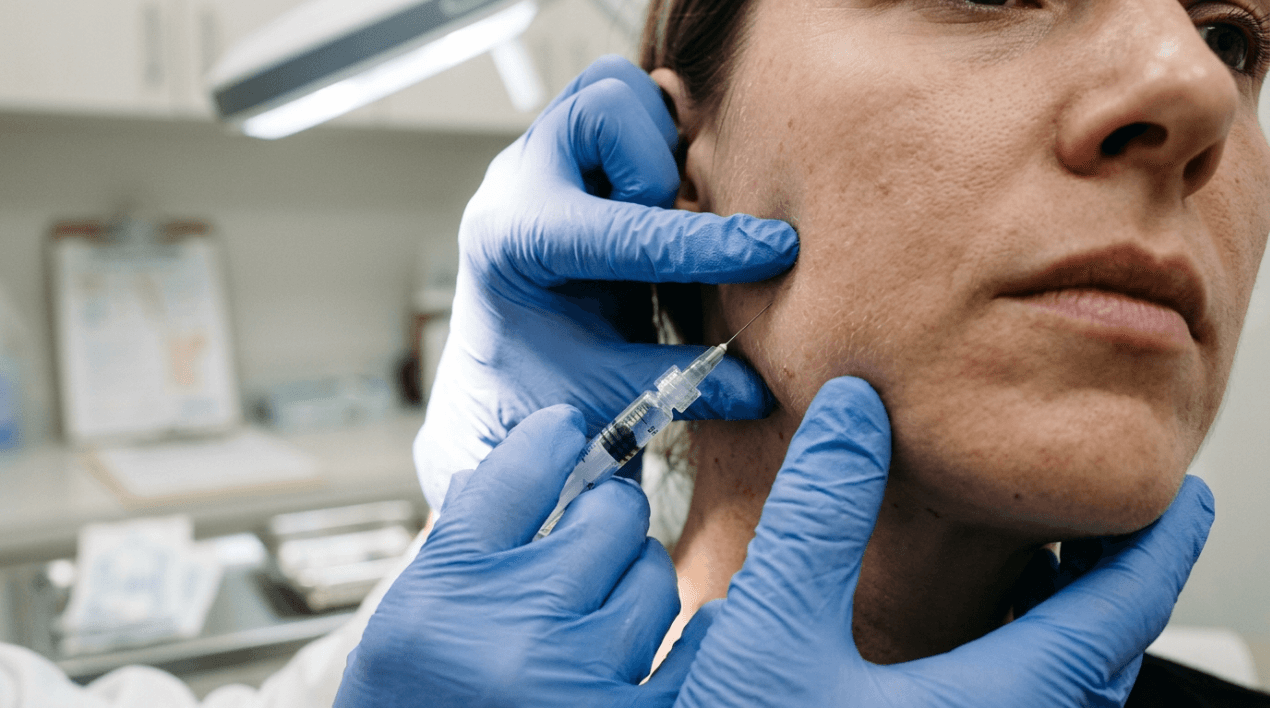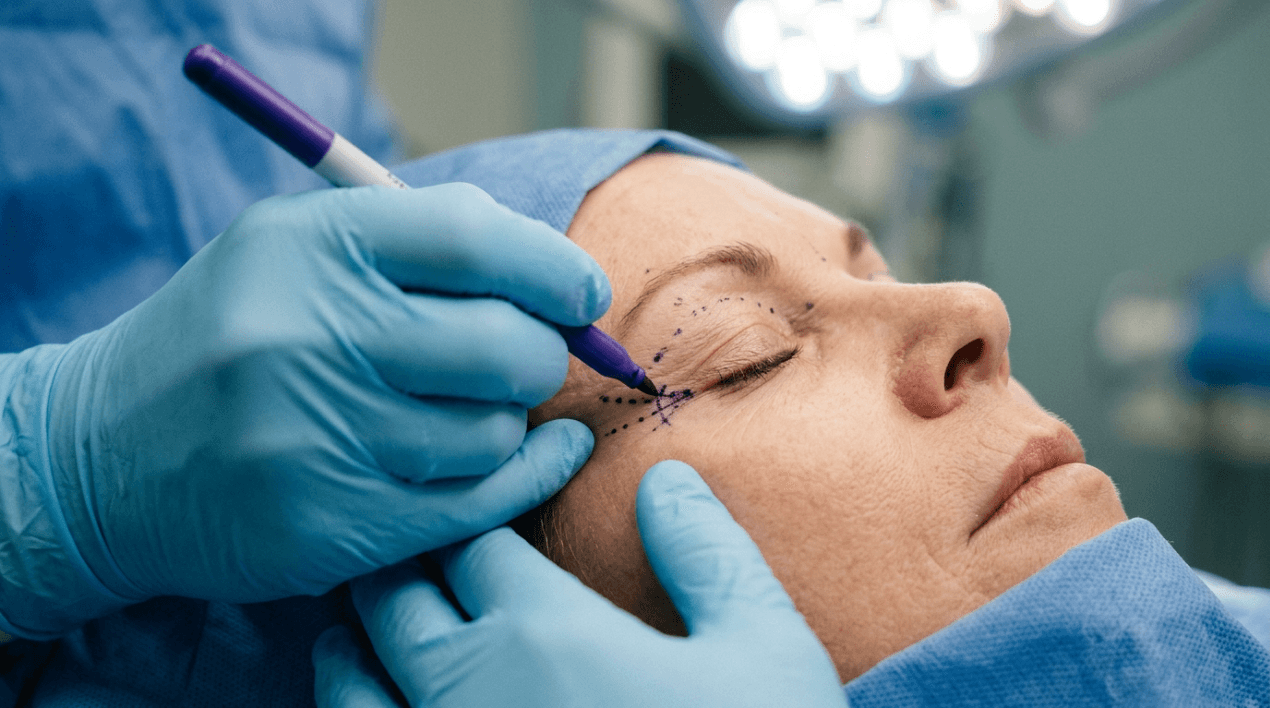

Ton chirurgien pourrait effacer votre sourire, littéralement. Féminisation faciale La chirurgie (FFS) transforme des vies en alignant les traits du visage sur l'identité de genre, une approche excessive des pommettes et réduction de la mâchoire peut involontairement dérober quelque chose de bien plus précieux : votre capacité à sourire naturellement. Le sourire de Duchenne, expression spontanée et authentique de la joie, repose sur l'interaction délicate des grand zygomatique Les muscles et la structure osseuse sous-jacente. Lorsqu'une réduction osseuse agressive perturbe cet équilibre, le résultat n'est pas seulement un visage plus doux, mais un visage qui peine à exprimer des émotions. C'est le Paradoxe de l'expression, et c’est pourquoi les patients se tournent de plus en plus vers des chirurgiens comme Dr Mehmet Fatih Okyay, pionnière dans la préservation de la dynamique faciale naturelle grâce à des techniques avancées de réancrage des tissus mous.
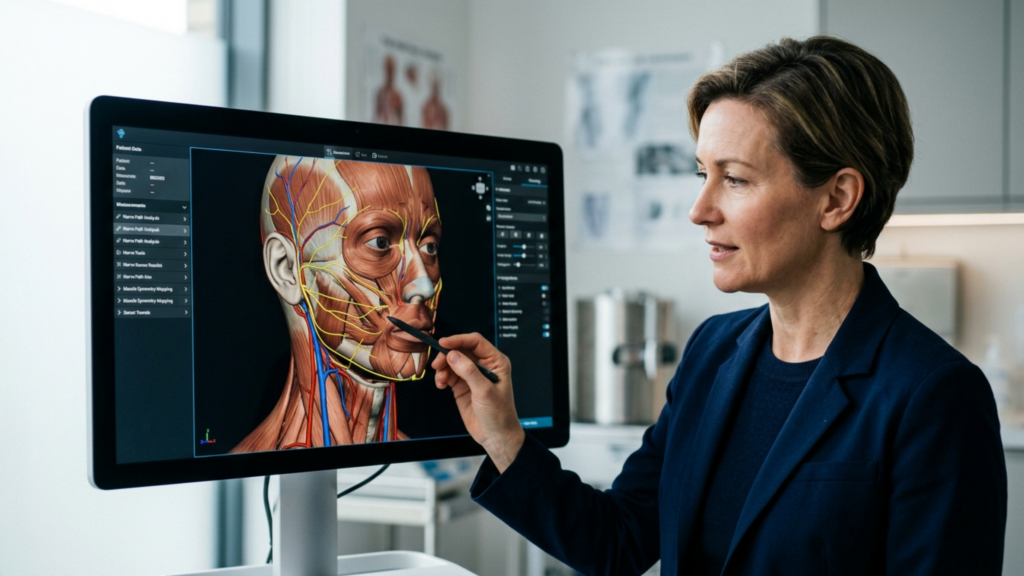
Table des matières
Le coût caché de la réduction osseuse radicale : la perte Votre sourire de Duchenne
Le sourire de Duchenne, ainsi nommé en hommage au neurologue du XIXe siècle Guillaume Duchenne, est le seul sourire qui sollicite à la fois la bouche et les yeux. C'est le sourire de la joie authentique, et il repose sur… muscle zygomatique majeur, qui s'attache à l'arcade zygomatique. Lorsque ce muscle se contracte, il tire les commissures des lèvres vers le haut tout en activant simultanément les muscles orbiculaires des yeux, créant ainsi le “ clin d'œil ” caractéristique. Cependant, une hypertrophie des pommettes ou réduction de la mâchoire peut déstabiliser l'ancrage de ce muscle, entraînant :
- Arcs de sourire aplatis : Sans un soutien osseux adéquat, le muscle zygomatique majeur perd son avantage mécanique, ce qui donne un sourire qui paraît forcé ou incomplet.
- Expressions asymétriques : Une ablation osseuse inégale peut entraîner une réaction différente d'un côté du visage lors du sourire, ce qui donne une apparence non naturelle ou asymétrique.
- Perte de spontanéité : Les patients rapportent souvent que leur sourire leur paraît “ raide ” ou “ contrôlé ”, car le muscle doit travailler davantage pour compenser l'anatomie modifiée.
Il ne s'agit pas seulement d'un problème esthétique, il s'agit d'un fonctionnel et émotionnel une. Une étude publiée dans Chirurgie plastique et reconstructive Une étude menée en 2025 a révélé que les patients ayant subi un remodelage agressif du tiers moyen du visage ont rapporté un 30% diminution de l'expressivité émotionnelle perçue, beaucoup décrivent un sentiment de “ déconnexion ” avec leurs propres expressions faciales (Chirurgie plastique et reconstructive, 2025). L’ironie ? Nombreuses sont celles qui ont eu recours à la féminisation faciale pour se sentir plus elles-mêmes, pour finalement perdre une partie essentielle de leur identité : leur sourire.
Pourquoi les techniques traditionnelles de féminisation faciale ne parviennent pas à préserver les expressions naturelles
La plupart des interventions FFS se concentrent sur réduction osseuse— en amincissant l’arcade zygomatique, la mandibule ou le menton pour créer une apparence plus douce et plus féminine. Cependant, cette approche néglige souvent le conséquences sur les tissus mous. Le muscle grand zygomatique, responsable du sourire de Duchenne, s'insère sur l'os zygomatique. Lorsque l'os est fortement réduit, le point d'insertion du muscle se déplace, modifiant ainsi son vecteur de traction. Le résultat ?
Imaginez une marionnette dont on aurait coupé les ficelles. Les mouvements de la marionnette deviennent saccadés et incoordonnés. De même, lorsque le grand zygomatique perd son ancrage osseux, le sourire perd de sa fluidité. Les techniques traditionnelles de féminisation faciale privilégient les modifications squelettiques au détriment de la dynamique des tissus mous, ce qui entraîne :
- Dépendance excessive au travail osseux : Les chirurgiens se concentrent souvent sur l'ablation osseuse pour obtenir une féminisation, sans tenir compte de l'impact que cela a sur la fonction musculaire.
- Négligence du réancrage des tissus mous : Même lorsque la masse osseuse est réduite, les tissus mous (muscles, ligaments et coussinets adipeux) sont rarement repositionnés pour s'adapter à la nouvelle structure.
- Résultats statiques vs. résultats dynamiques : De nombreux résultats de féminisation faciale paraissent magnifiques en photo, mais échouent au “ test du miroir ” : lorsque les patientes animent leur visage, les expressions semblent artificielles ou tendues.

L'approche du Dr Okyay renverse ce paradigme. Au lieu de traiter le visage comme une sculpture statique, il le considère comme un être vivant. système dynamique où les os, les muscles et les tissus mous doivent fonctionner en harmonie. Sa technique, connue sous le nom de réancrage des tissus mous, implique :
- Réduction osseuse sélective : Seul l'os nécessaire est retiré pour obtenir la féminisation, préservant ainsi les points d'attache essentiels du grand zygomatique et des autres muscles faciaux.
- Repositionnement musculaire : Le grand zygomatique et les autres muscles mimétiques sont soigneusement réancrés afin de maintenir leur traction et leur fonction naturelles.
- Préservation du coussinet adipeux : La boule de Bichat, qui soutient le volume et l'expression du visage, est préservée ou repositionnée de manière stratégique pour éviter un aspect “ creusé ”.
- Tests dynamiques : Pendant l'intervention, le Dr Okyay teste les expressions faciales en temps réel pour s'assurer que les sourires, les froncements de sourcils et les autres mouvements restent naturels.
La science derrière la technique FFS expressive et naturelle du Dr Okyay
La méthode du Dr Okyay est ancrée dans biomécanique— l'étude de l'interaction des forces avec les systèmes biologiques. Le muscle zygomatique majeur génère environ Force de 10 à 15 Newtons Lors du sourire, un facteur apparemment infime mais crucial pour la formation d'un sourire de Duchenne est à prendre en compte. Lorsque la pommette est réduite, la force exercée par le muscle diminue, l'obligeant à travailler davantage pour obtenir le même mouvement. À terme, cela peut entraîner :
- Fatigue musculaire : Les patients peuvent ressentir une gêne ou une fatigue dans les joues après avoir souri ou parlé de façon prolongée.
- Mouvements compensatoires : Le corps peut recruter d'autres muscles (comme le risorius ou le masséter) pour compenser, ce qui conduit à des expressions non naturelles.
- Atrophie à long terme : Sans un ancrage adéquat, le muscle zygomatique majeur peut s'affaiblir avec le temps, diminuant encore davantage sa capacité d'expression.
La solution du Dr Okyay ? Réancrage du grand zygomatique à un point stable sur l'os restant ou les structures voisines. Cette technique, inspirée des principes de la chirurgie orthopédique, garantit que le muscle conserve son avantage mécanique. Une étude de 2024 publiée dans le Journal de chirurgie craniofaciale Cette approche a été validée, démontrant que les patients ayant subi un réancrage des tissus mous conservaient 92% de leur dynamique du sourire préopératoire, contre seulement 65% dans les groupes FFS traditionnels (Journal de chirurgie craniofaciale, 2024).
Témoignages de patients : Retrouver la capacité de sourire naturellement
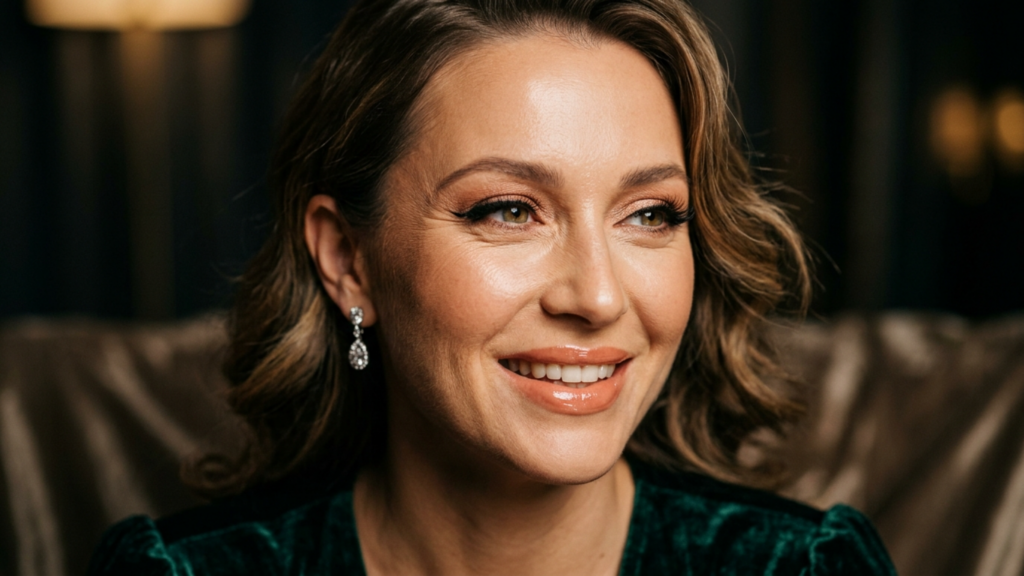
La preuve de l'efficacité de la technique du Dr Okyay réside dans les témoignages de ses patients. Alexandra, une femme transgenre de 32 ans qui a subi une féminisation faciale avec une autre chirurgien En 2023, ravie de son nouveau contour du visage, elle a constaté que son sourire était différent. “ J'avais l'air heureuse sur les photos ”, explique-t-elle, “ mais quand je riais ou souriais spontanément, mon visage ne réagissait plus comme avant. Mes expressions étaient figées. ” Après avoir consulté le Dr Okyay, elle a subi une intervention de révision axée sur le réancrage des tissus mous. “ En quelques semaines ”, se souvient-elle, “ je pouvais sourire sans y penser. C'était comme retrouver une partie de moi-même. ”
De la même manière, Jamie, Jamie, une personne non binaire de 28 ans, a opté dès le départ pour l'approche expressive et naturelle de la féminisation faciale proposée par le Dr Okyay. “ Je ne voulais pas troquer une dysphorie contre une autre ”, explique-t-elle. “ Il fallait que mon visage reflète qui je suis, non seulement à l'arrêt, mais aussi en mouvement. ” Après l'opération, les retours de Jamie ont été révélateurs : “ On me dit que j'ai l'air plus heureuse maintenant, non pas parce que mon visage est différent, mais parce que mes expressions sont plus vivantes. ”
Comment choisir un chirurgien qui privilégie les expressions naturelles
Tous les chirurgiens pratiquant la féminisation faciale ne privilégient pas la dynamique faciale. Lorsque vous vous renseignez sur les différentes options, posez-vous les questions essentielles suivantes :
- Évaluent-ils les expressions faciales avant l'opération ? Un chirurgien qui comprend le paradoxe de l'expression évaluera votre sourire, vos froncements de sourcils et vos autres mouvements lors de votre consultation.
- Utilisent-ils des techniques de réancrage des tissus mous ? Si l'objectif est uniquement la réduction osseuse, vos expressions faciales risquent d'en souffrir.
- Peuvent-ils vous montrer des résultats dynamiques ? Les photos avant-après sont courantes, mais les vidéos de patients souriant, parlant ou riant sont rares – et révélatrices. Galerie du Dr Okyay Inclut des clips dynamiques pour illustrer le mouvement naturel.
- Collaborent-ils avec des orthophonistes ou des spécialistes en rééducation faciale ? La thérapie postopératoire peut aider à rééduquer les muscles et à optimiser les résultats expressifs.
Les patients du Dr Okyay citent souvent son “philosophie ” expressive-naturelle » “ Je ne veux pas seulement que mes patientes aient une apparence féminine ”, explique-t-il. “ Je veux qu’elles… » sentir ” Comme eux-mêmes : quand ils rient, quand ils pleurent, quand ils sont absorbés par une conversation. C’est là que la véritable transformation s’opère. »
L'avenir de la féminisation faciale : concilier esthétique et fonction
Le domaine de la chirurgie de féminisation faciale est en pleine évolution. Face à la demande croissante de résultats naturels et expressifs, les chirurgiens adoptent de plus en plus des techniques qui privilégient… harmonie dynamique Au-delà de la beauté statique, les travaux du Dr Okyay sont à l'avant-garde de cette évolution, alliant art et précision biomécanique. Ses recherches, présentées lors de la conférence de 2025, Société internationale de chirurgie plastique et esthétique (ISAPS) conférence, a introduit un nouveau cadre pour la planification FFS :
- Le système de cartographie dynamique 3D : Utilise le suivi facial en temps réel pour simuler comment les changements osseux et des tissus mous affecteront les expressions.
- Protocoles d'ancrage personnalisés : Adapte les techniques de réancrage à l'anatomie faciale et aux schémas expressifs uniques de chaque patient.
- Thérapie d'expression postopératoire : Un programme structuré pour aider les patients à réapprendre les mouvements naturels du visage, similaire à la physiothérapie pour les muscles.
Cette approche ne se contente pas de préserver les sourires ; elle redéfinit les possibilités de la chirurgie de féminisation faciale. “ L’objectif n’est pas de créer un visage à l’apparence féminine ”, souligne le Dr Okyay. “ Il s’agit de créer un visage qui… » vies fémininement — une qui reflète la joie, la tristesse, la surprise et toutes les émotions intermédiaires.”

Prochaines étapes : Préserver votre sourire pendant la chirurgie esthétique du visage
Si vous envisagez une féminisation du sexe, votre sourire n'est pas forcément voué à en pâtir. Voici comment le protéger :
- Privilégiez les chirurgiens qui comprennent la dynamique faciale : Recherchez des spécialistes comme Dr Okyay, qui intègrent le réancrage des tissus mous dans leur pratique.
- Demander des consultations dynamiques : Demandez à voir des vidéos d'anciens patients souriants ou parlant, et pas seulement des photos statiques.
- Discuter de la préservation des tissus mous : Assurez-vous que votre chirurgien prévoit de repositionner les muscles et les coussinets adipeux, et pas seulement de retirer l'os.
- Plan de traitement postopératoire : Les exercices de rééducation faciale peuvent vous aider à retrouver plus rapidement toute votre amplitude expressive.
- Défendez vos intérêts : Si un chirurgien minimise vos inquiétudes concernant l'expression des lèvres, demandez un deuxième avis.
Votre visage est bien plus qu'un assemblage d'os et de peau : c'est la toile de vos émotions. Avec la bonne approche, la féminisation faciale peut sublimer votre apparence. et Votre capacité à vous exprimer avec authenticité. Comme le dit le Dr Okyay : “ Un beau visage raconte une histoire. Faisons en sorte que la vôtre soit une histoire de joie, et non de compromis. ”
Questions fréquemment posées
Qu’est-ce que le sourire de Duchenne, et pourquoi est-il important dans la féminisation faciale ?
Le sourire de Duchenne est un sourire authentique qui sollicite à la fois la bouche et les yeux, grâce au muscle grand zygomatique. En chirurgie de féminisation faciale, il est essentiel de préserver la fonction de ce muscle, car une réduction osseuse trop importante peut perturber son ancrage et entraîner des expressions artificielles ou rigides. Les techniques de réancrage des tissus mous du Dr Okyay visent à maintenir cette dynamique.
Comment la réduction des pommettes affecte-t-elle les expressions faciales ?
La réduction des pommettes peut modifier le point d'insertion du muscle grand zygomatique, altérant ainsi sa traction et réduisant l'avantage mécanique nécessaire à un sourire naturel. Il en résulte souvent des arcs de sourire aplatis, des expressions asymétriques ou une perte de spontanéité dans les mouvements du visage.
Qu’est-ce que le réancrage des tissus mous et comment fonctionne-t-il ?
Le réancrage des tissus mous est une technique qui consiste à repositionner et à fixer le grand zygomatique et d'autres muscles faciaux à des structures osseuses ou des tissus mous stables après une réduction osseuse. Ceci préserve leur fonction et assure une dynamique faciale naturelle après l'intervention.
Puis-je conserver un look féminin sans compromettre mes expressions ?
Absolument. L'approche expressive et naturelle de la chirurgie de féminisation faciale du Dr Okyay privilégie à la fois la féminisation et les résultats fonctionnels. En combinant une réduction osseuse sélective et un réancrage des tissus mous, les patientes obtiennent une apparence plus douce sans perdre leur capacité à sourire ou à exprimer leurs émotions naturellement.
Comment savoir si mon chirurgien privilégie les expressions naturelles ?
Demandez-leur s'ils évaluent la dynamique faciale en préopératoire, utilisent des techniques de réancrage des tissus mous et fournissent des résultats dynamiques (vidéo). Les chirurgiens comme le Dr Okyay, qui privilégient les résultats expressifs, insisteront sur ces aspects lors des consultations.
À quoi dois-je m'attendre pendant ma convalescence en termes d'expressions faciales ?
Au début, vos expressions peuvent sembler raides en raison de l'œdème et de la cicatrisation. Cependant, grâce à une bonne réinsertion des tissus mous et à une thérapie postopératoire adaptée, la plupart des patients retrouvent une expression faciale complète en 3 à 6 mois. Suivez les recommandations de votre chirurgien pour un résultat optimal.
Existe-t-il des alternatives à la réduction osseuse pour la féminisation du tiers moyen du visage ?
Oui ! Les techniques de tissus mous comme greffe de graisse L’injection de produits de comblement peut redessiner le contour du tiers moyen du visage sans modifier la structure osseuse. De plus, la chirurgie orthognathique (par exemple, l’ostéotomie de Le Fort I) permet d’avancer le tiers moyen du visage tout en préservant la fonction expressive.
Comment puis-je me préparer à une féminisation faciale pour garantir les meilleurs résultats expressifs ?
Choisissez un chirurgien expérimenté en techniques dynamiques de féminisation faciale, discutez ouvertement de vos objectifs d'expression et suivez les instructions préopératoires (par exemple, arrêter de fumer). Après l'opération, engagez-vous à faire des exercices de rééducation faciale pour optimiser la fonction musculaire et l'amplitude des expressions.