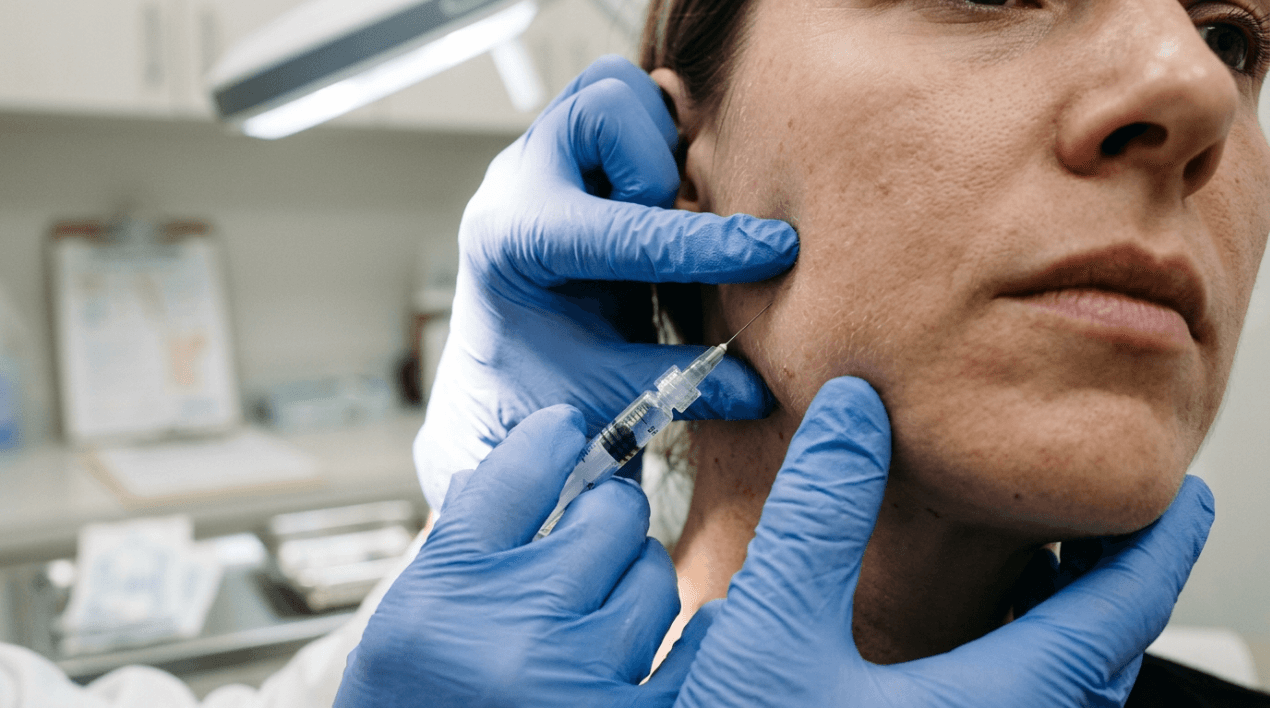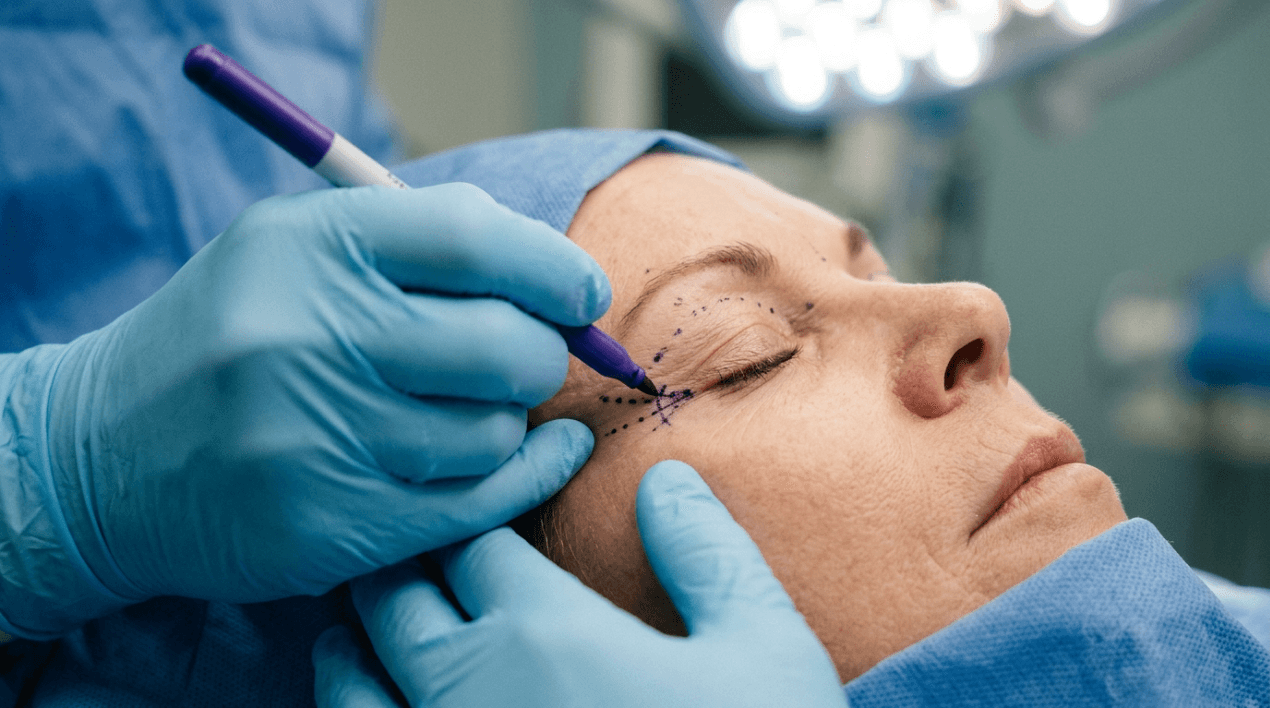

Su cirujano podría estar borrando tu sonrisa, literalmente. Feminización Facial La cirugía (FFS) transforma vidas al alinear los rasgos faciales con la identidad de género, un enfoque demasiado entusiasta de los pómulos y reducción de mandíbula puede arrebatar involuntariamente algo mucho más valioso: tu capacidad de sonreír naturalmente. La sonrisa de Duchenne, la expresión espontánea y genuina de alegría, se basa en la delicada interacción de los cigomático mayor músculo y la estructura ósea subyacente. Cuando una reducción ósea agresiva altera este equilibrio, el resultado no es solo un rostro más suave, sino un rostro que lucha por transmitir emociones. Este es el Paradoja de la expresión, y es por eso que los pacientes recurren cada vez más a cirujanos como Dr. Mehmet Fatih Okyay, pionera en la preservación de la dinámica facial natural mediante técnicas avanzadas de reanclaje de tejidos blandos.
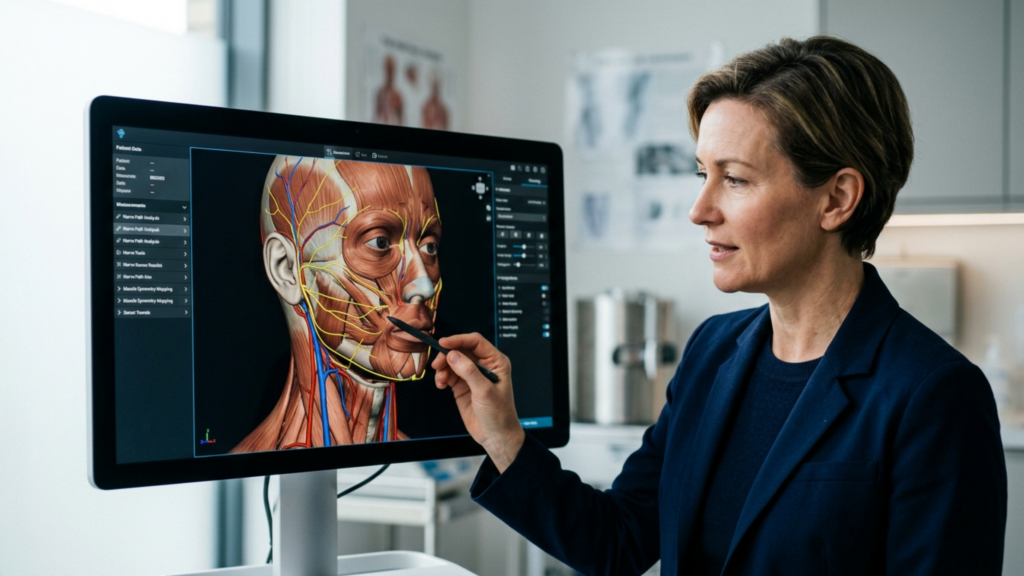
Tabla de contenido
El costo oculto de la reducción ósea radical: perder Tu sonrisa de Duchenne
La sonrisa de Duchenne, que recibe su nombre del neurólogo del siglo XIX Guillaume Duchenne, es la única sonrisa que involucra tanto la boca como los ojos. Es la sonrisa de la alegría genuina y se basa en la músculo cigomático mayor, que se une al pómulo (arco cigomático). Cuando este músculo se contrae, tira de las comisuras de la boca hacia arriba mientras activa simultáneamente los músculos orbiculares de los ojos alrededor de los ojos, creando el característico “brillo”. Sin embargo, una pómulo agresiva o reducción de mandíbula puede desestabilizar el anclaje de este músculo, lo que conlleva a:
- Arcos de sonrisa aplanados: Sin un soporte óseo adecuado, el músculo cigomático mayor pierde su ventaja mecánica, lo que da como resultado una sonrisa que parece forzada o incompleta.
- Expresiones asimétricas: La eliminación desigual de hueso puede provocar que un lado de la cara reaccione de forma diferente al sonreír, lo que da lugar a una apariencia poco natural o asimétrica.
- Pérdida de espontaneidad: Los pacientes suelen referir que sus sonrisas se sienten "rígidas" o "controladas", ya que el músculo debe trabajar más para compensar la anatomía alterada.
Esto no es solo una cuestión estética, es una funcional y emocional uno. Un estudio publicado en Cirugía Plástica y Reconstructiva En 2025 se descubrió que los pacientes que se sometieron a un contorneado agresivo de la parte media del rostro informaron una 30% disminución de la expresividad emocional percibida, Muchos describen sentimientos de “desconexión” con sus propias expresiones faciales. (Cirugía Plástica y Reconstructiva, 2025). ¿La ironía? Muchas personas se sometieron a la cirugía de feminización facial para sentirse más ellas mismas, solo para perder una parte fundamental de su identidad: su sonrisa.
¿Por qué las técnicas tradicionales de cirugía de feminización facial no logran preservar las expresiones naturales?
La mayoría de los procedimientos FFS se centran en reducción ósea—reducir el arco cigomático, la mandíbula o el mentón para crear una apariencia más suave y femenina. Sin embargo, este enfoque a menudo pasa por alto la consecuencias en los tejidos blandos. El músculo cigomático mayor, responsable de la sonrisa de Duchenne, se ancla al pómulo. Cuando el hueso se reduce drásticamente, el punto de inserción del músculo cambia, alterando su vector de tracción. ¿El resultado?
Imagina una marioneta con los hilos cortados. Los movimientos del títere se vuelven bruscos y descoordinados. De manera similar, cuando el músculo cigomático mayor pierde su anclaje óseo, la sonrisa pierde fluidez. Las técnicas tradicionales de cirugía de feminización facial priorizan los cambios esqueléticos sobre la dinámica de los tejidos blandos, lo que conlleva a:
- Dependencia excesiva de la cirugía ósea: Los cirujanos suelen centrarse en la extirpación de hueso para lograr la feminización, sin tener en cuenta cómo esto afecta a la función muscular.
- Descuido del reanclaje de los tejidos blandos: Incluso cuando se reduce la masa ósea, los tejidos blandos (músculos, ligamentos y depósitos de grasa) rara vez se reposicionan para adaptarse a la nueva estructura.
- Resultados estáticos frente a resultados dinámicos: Muchos resultados de la cirugía de feminización facial lucen espectaculares en las fotos, pero no superan la "prueba del espejo": cuando las pacientes gesticulan, las expresiones faciales parecen poco naturales o forzadas.

El enfoque del Dr. Okyay invierte este paradigma. En lugar de tratar el rostro como una escultura estática, lo considera una sistema dinámico donde los huesos, los músculos y los tejidos blandos deben trabajar en armonía. Su técnica, conocida como reanclaje de tejidos blandos, implica:
- Reducción ósea selectiva: Para lograr la feminización, solo se elimina el hueso necesario, preservando los puntos de inserción críticos para el músculo cigomático mayor y otros músculos faciales.
- Reposicionamiento muscular: El músculo cigomático mayor y otros músculos mímicos se vuelven a anclar cuidadosamente para mantener su tracción y función naturales.
- Preservación de la almohadilla de grasa: La almohadilla de grasa bucal, que sostiene el volumen y la expresión facial, se conserva o se reposiciona estratégicamente para evitar una apariencia de "rostro hundido".
- Pruebas dinámicas: Durante la cirugía, el Dr. Okyay prueba las expresiones faciales en tiempo real para asegurarse de que las sonrisas, los ceños fruncidos y otros movimientos se mantengan naturales.
La ciencia detrás de la técnica FFS expresiva y natural del Dr. Okyay
El método del Dr. Okyay tiene sus raíces en biomecánica—el estudio de cómo interactúan las fuerzas con los sistemas biológicos. El músculo cigomático mayor genera aproximadamente 10–15 Newtons de fuerza Al sonreír, se produce una cantidad aparentemente pequeña pero crucial para crear una sonrisa de Duchenne. Cuando el pómulo se reduce, la palanca del músculo disminuye, lo que requiere que trabaje más para lograr el mismo movimiento. Con el tiempo, esto puede provocar:
- Fatiga muscular: Los pacientes pueden experimentar molestias o cansancio en las mejillas después de sonreír o hablar durante mucho tiempo.
- Movimientos compensatorios: El cuerpo puede recurrir a otros músculos (como el risorio o el masetero) para compensar, lo que da lugar a expresiones faciales poco naturales.
- Atrofia a largo plazo: Sin un anclaje adecuado, el músculo cigomático mayor puede debilitarse con el tiempo, disminuyendo aún más su capacidad expresiva.
¿La solución del Dr. Okyay? Reanclaje del músculo cigomático mayor a un punto estable en el hueso restante o estructuras cercanas. Esta técnica, inspirada en los principios de la cirugía ortopédica, asegura que el músculo conserve su ventaja mecánica. Un estudio de 2024 en el Revista de cirugía craneofacial validaron este enfoque, demostrando que los pacientes que se sometieron a un reanclaje de tejidos blandos mantuvieron 92% de la dinámica de su sonrisa preoperatoria, en comparación con solo 65% en los grupos FFS tradicionales (Revista de Cirugía Craneofacial, 2024).
Historias de pacientes: Recuperando la capacidad de sonreír con naturalidad
La prueba de la técnica del Dr. Okyay reside en las historias de sus pacientes. Alexandra, una mujer transgénero de 32 años que se sometió a FFS con otro cirujano En 2023, aunque estaba encantada con su mandíbula más suave, notó que su sonrisa “se sentía diferente”. “Parecía feliz en las fotos”, dice, “pero cuando reía o sonreía espontáneamente, mi rostro no se movía como antes. Era como si mis expresiones estuvieran congeladas”. Tras consultar con el Dr. Okyay, se sometió a una cirugía de revisión centrada en el reposicionamiento de los tejidos blandos. “En cuestión de semanas”, recuerda, “podía sonreír sin pensarlo. Fue como recuperar una parte de mí misma”.”
Similarmente, Jamie, Jamie, una persona no binaria de 28 años, optó desde el principio por el enfoque de cirugía de feminización facial expresiva y natural del Dr. Okyay. “No quería cambiar un tipo de disforia por otro”, explica. “Necesitaba que mi rostro reflejara quién soy, no solo en reposo, sino también en movimiento”. Tras la cirugía, los comentarios de Jamie fueron reveladores: “La gente me dice que ahora me veo más feliz, no porque mi rostro sea diferente, sino porque mis expresiones están llenas de vida”.”
Cómo elegir un cirujano que priorice las expresiones naturales
No todos los cirujanos de FFS priorizan la dinámica facial. Al investigar sus opciones, hágase estas preguntas clave:
- ¿Evalúan las expresiones faciales antes de la operación? Un cirujano que comprenda la paradoja de la expresión evaluará su sonrisa, su ceño fruncido y otros movimientos durante la consulta.
- ¿Utilizan técnicas de reanclaje de tejidos blandos? Si el enfoque se centra únicamente en la reducción ósea, sus expresiones faciales podrían verse afectadas.
- ¿Pueden mostrarte resultados dinámicos? Las fotos del antes y el después son habituales, pero los vídeos de pacientes sonriendo, hablando o riendo son poco frecuentes y reveladores. Galería del Dr. Okyay Incluye clips dinámicos para demostrar el movimiento natural.
- ¿Colaboran con logopedas o especialistas en rehabilitación facial? La terapia postoperatoria puede ayudar a reeducar los músculos y optimizar los resultados expresivos.
Los pacientes del Dr. Okyay a menudo citan su “filosofía ”expresiva-natural” como una razón clave para elegirlo. “No solo quiero que mis pacientes se vean femeninas”, dice. “Quiero que se vean femeninas. sentir Como ellos mismos: cuando ríen, cuando lloran, cuando se pierden en una conversación. Ahí es cuando ocurre la verdadera transformación.”
El futuro de la cirugía de feminización facial: equilibrio entre estética y funcionalidad.
El campo de la cirugía de feminización facial está evolucionando. A medida que crece la demanda de resultados naturales y expresivos, los cirujanos adoptan cada vez más técnicas que priorizan armonía dinámica por encima de la belleza estática. El trabajo del Dr. Okyay está a la vanguardia de este cambio, combinando el arte con la precisión biomecánica. Su investigación, presentada en el 2025 Sociedad Internacional de Cirugía Plástica Estética (ISAPS) En la conferencia se presentó un nuevo marco para la planificación de FFS:
- El sistema de mapeo dinámico 3D: Utiliza el seguimiento facial en tiempo real para simular cómo los cambios en los huesos y los tejidos blandos afectarán a las expresiones faciales.
- Protocolos de anclaje personalizados: Adapta las técnicas de re-anclaje a la anatomía facial y los patrones expresivos únicos de cada paciente.
- Terapia de expresión postoperatoria: Un programa estructurado para ayudar a los pacientes a reaprender los movimientos faciales naturales, similar a la fisioterapia para los músculos.
Este enfoque no solo preserva las sonrisas, sino que redefine lo que la cirugía de feminización facial puede lograr. "El objetivo no es crear un rostro que parezca femenino", enfatiza el Dr. Okyay. "Es crear un rostro que vidas femenina, una que refleje alegría, tristeza, sorpresa y todas las emociones intermedias.”

Sus próximos pasos: Cómo preservar su sonrisa durante la cirugía de feminización facial.
Si estás considerando la cirugía de feminización facial, tu sonrisa no tiene por qué ser una víctima de la feminización. Aquí te explicamos cómo protegerla:
- Priorice a los cirujanos que comprenden la dinámica facial: Busque especialistas como Dr. Okyay, quienes integran el reanclaje de tejidos blandos en su práctica.
- Solicite consultas dinámicas: Pida ver vídeos de pacientes anteriores sonriendo o hablando, no solo fotos estáticas.
- Debata sobre la preservación de los tejidos blandos: Asegúrese de que su cirujano planee reposicionar los músculos y las bolsas de grasa, no solo extirpar el hueso.
- Plan de terapia postoperatoria: Los ejercicios de rehabilitación facial pueden ayudarte a recuperar la amplitud expresiva completa más rápidamente.
- Defiende tus derechos: Si un cirujano desestima sus preocupaciones sobre las expresiones faciales, busque una segunda opinión.
Tu rostro es más que una colección de huesos y piel: es el lienzo de tus emociones. Con el enfoque adecuado, la cirugía de feminización facial puede mejorar tu apariencia. y Tu capacidad para expresarte con autenticidad. Como dice el Dr. Okyay: “Un rostro bello es aquel que cuenta una historia. Asegurémonos de que la tuya sea una historia de alegría, no de concesiones”.”
Preguntas frecuentes
¿Qué es la sonrisa de Duchenne y por qué es importante en la cirugía de feminización facial?
La sonrisa de Duchenne es una sonrisa genuina que involucra tanto la boca como los ojos, gracias al músculo cigomático mayor. En la cirugía de feminización facial, preservar la función de este músculo es fundamental, ya que una reducción ósea agresiva puede alterar su anclaje, lo que provoca expresiones faciales poco naturales o rígidas. Las técnicas de reanclaje de tejidos blandos del Dr. Okyay están diseñadas para mantener esta dinámica.
¿Cómo afecta la reducción de los pómulos a las expresiones faciales?
La reducción de los pómulos puede modificar el punto de inserción del músculo cigomático mayor, alterando su tracción y reduciendo la ventaja mecánica necesaria para una sonrisa natural. Esto suele resultar en arcos de sonrisa aplanados, expresiones asimétricas o pérdida de espontaneidad en los movimientos faciales.
¿Qué es el reanclaje de tejidos blandos y cómo funciona?
La técnica de reposicionamiento de tejidos blandos consiste en fijar el músculo cigomático mayor y otros músculos faciales a estructuras óseas o de tejidos blandos estables tras la reducción ósea. Esto preserva su función y garantiza una dinámica facial natural después de la cirugía.
¿Puedo lograr una apariencia femenina sin comprometer mi expresividad?
Por supuesto. El enfoque de feminización facial expresiva y natural del Dr. Okyay prioriza tanto la feminización como los resultados funcionales. Al combinar la reducción ósea selectiva con el reanclaje de los tejidos blandos, las pacientes logran una apariencia más suave sin sacrificar su capacidad de sonreír o expresar sus emociones con naturalidad.
¿Cómo puedo saber si mi cirujano prioriza las expresiones naturales?
Pregunte si evalúan la dinámica facial antes de la cirugía, si utilizan técnicas de reanclaje de tejidos blandos y si ofrecen resultados dinámicos (en vídeo). Cirujanos como el Dr. Okyay, que se centran en los resultados expresivos, harán hincapié en estos aspectos durante las consultas.
¿Qué debo esperar durante la recuperación en cuanto a expresiones faciales?
Inicialmente, es posible que sienta rigidez en sus expresiones faciales debido a la inflamación y el proceso de cicatrización. Sin embargo, con una correcta regeneración de los tejidos blandos y la terapia postoperatoria, la mayoría de los pacientes recuperan la expresividad completa en un plazo de 3 a 6 meses. Siga las indicaciones de su cirujano para obtener resultados óptimos.
¿Existen alternativas a la reducción ósea para la feminización de la zona media del rostro?
¡Sí! Técnicas de tejidos blandos como injerto de grasa La colocación de rellenos o injertos puede contornear la parte media del rostro sin alterar la estructura ósea. Además, la cirugía ortognática (por ejemplo, Le Fort I) puede adelantar la parte media del rostro preservando la función expresiva.
¿Cómo puedo prepararme para la FFS para garantizar los mejores resultados expresivos?
Elija un cirujano con experiencia en técnicas dinámicas de cirugía de feminización facial, hable abiertamente sobre sus objetivos expresivos y siga las instrucciones preoperatorias (por ejemplo, evitar fumar). Después de la cirugía, comprométase con los ejercicios de rehabilitación facial para optimizar la función muscular y la amplitud de expresión.