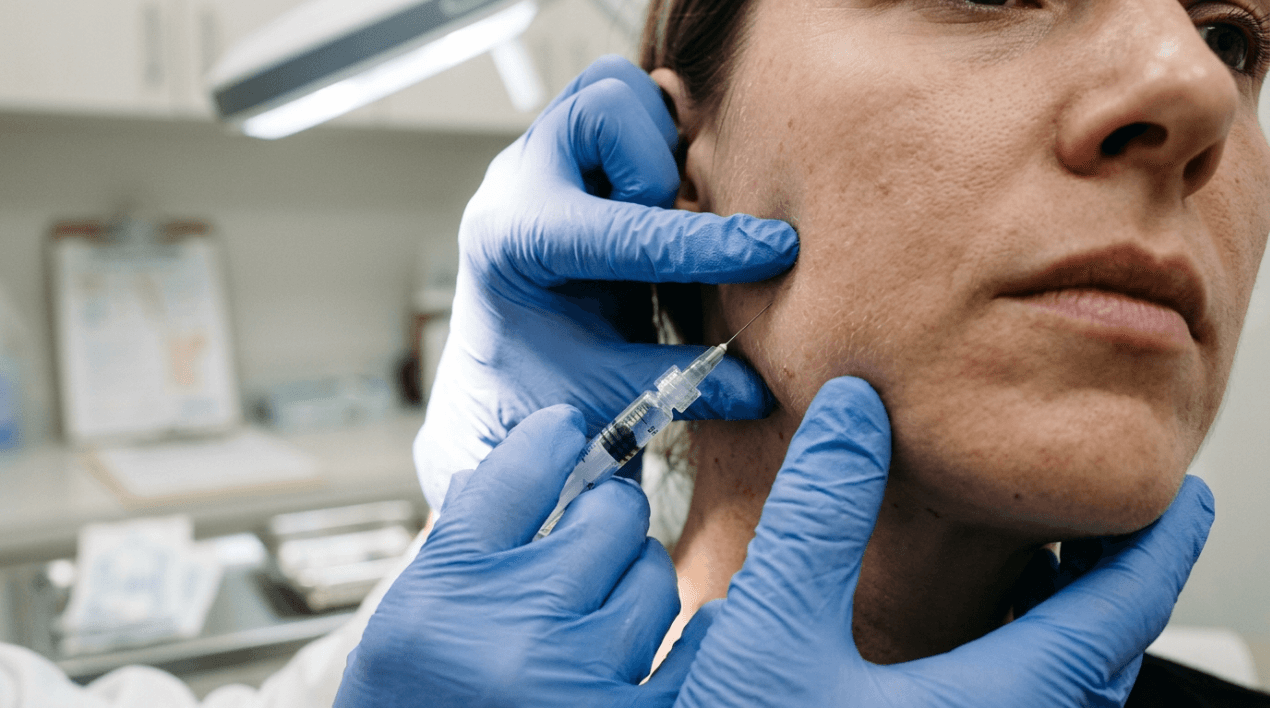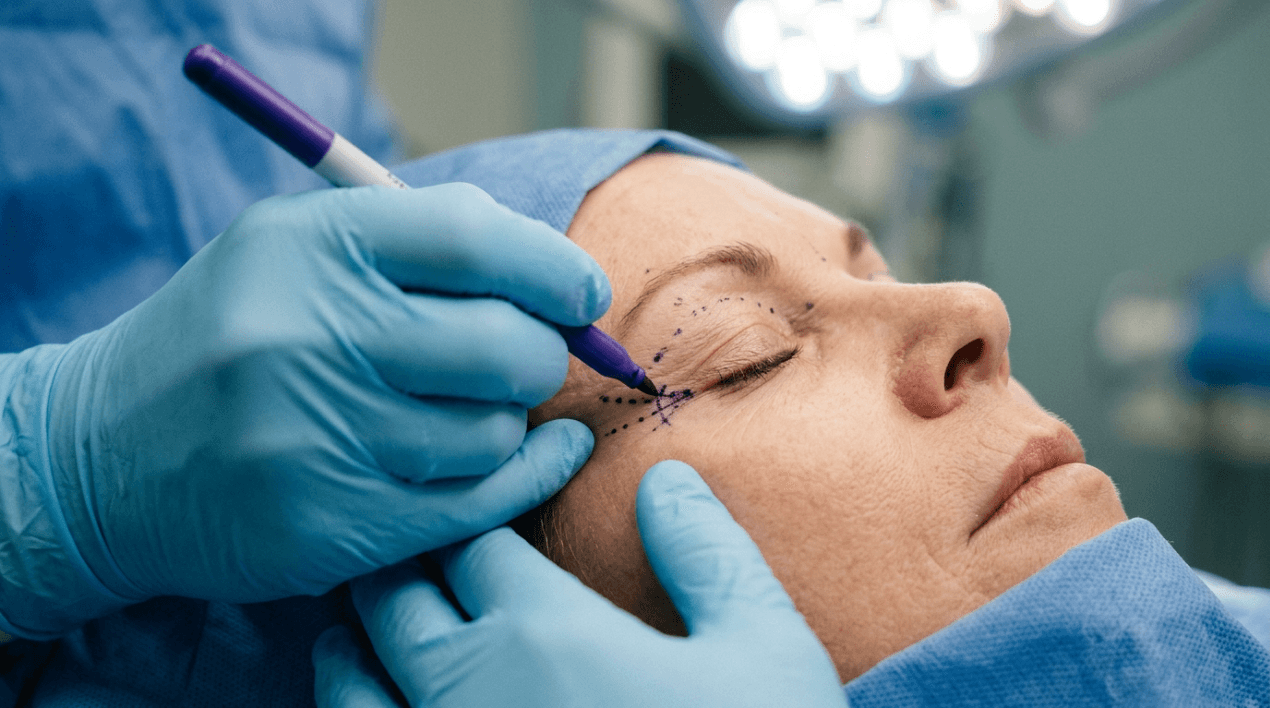

Dein der Chirurg könnte Ihnen buchstäblich das Lächeln rauben. Gesichtsfeminisierung Die Gesichtschirurgie (FFS) verändert Leben, indem sie die Gesichtszüge an die Geschlechtsidentität anpasst, ein übereifriger Ansatz bei der Korrektur der Wangenknochen und Kieferverkleinerung kann unbeabsichtigt etwas viel Wertvolleres entfernen: Ihre Fähigkeit, natürlich zu lächeln. Das Duchenne-Lächeln, der spontane und authentische Ausdruck von Freude, beruht auf dem feinen Zusammenspiel der Musculus zygomaticus major Muskeln und die darunterliegende Knochenstruktur. Wenn eine aggressive Knochenreduktion dieses Gleichgewicht stört, ist das Ergebnis nicht nur ein weicheres Gesicht – es ist ein Gesicht, dem es schwerfällt, Emotionen auszudrücken. Das ist die Ausdrucksparadoxon, Und deshalb wenden sich Patienten zunehmend an Chirurgen wie Dr. Mehmet Fatih Okyay, ein Pionier auf dem Gebiet der Erhaltung der natürlichen Gesichtsdynamik durch fortschrittliche Weichteil-Revealisierungstechniken.
Inhaltsverzeichnis
Die versteckten Kosten einer radikalen Knochenreduktion: Knochenverlust Ihr Duchenne-Lächeln
Das Duchenne-Lächeln, benannt nach dem Neurologen Guillaume Duchenne aus dem 19. Jahrhundert, ist das einzige Lächeln, das sowohl Mund als auch Augen einbezieht. Es ist das Lächeln echter Freude und beruht auf der... Musculus zygomaticus major, Der Jochbeinmuskel (Arcus zygomaticus), der am Jochbein ansetzt, zieht bei seiner Kontraktion die Mundwinkel nach oben und aktiviert gleichzeitig die Augenringmuskeln (Musculi orbiculares oculi), wodurch das charakteristische “Zwinkern” entsteht. Kieferverkleinerung kann die Verankerung dieses Muskels destabilisieren, was zu Folgendem führt:
- Abgeflachte Lächelnbögen: Ohne ausreichende knöcherne Unterstützung verliert der große Jochbeinmuskel seine mechanische Wirkung, was zu einem gezwungenen oder unvollständigen Lächeln führt.
- Asymmetrische Ausdrücke: Eine ungleichmäßige Knochenentfernung kann dazu führen, dass eine Gesichtshälfte beim Lächeln anders reagiert, was ein unnatürliches oder asymmetrisches Aussehen zur Folge hat.
- Verlust der Spontaneität: Patienten berichten häufig, dass sich ihr Lächeln “steif” oder “kontrolliert” anfühlt, da der Muskel stärker arbeiten muss, um die veränderte Anatomie auszugleichen.
Dies ist nicht nur eine ästhetische Frage – es ist eine funktional und emotional eine Studie, die veröffentlicht wurde Plastische und Rekonstruktive Chirurgie Eine Studie aus dem Jahr 2025 ergab, dass Patienten, die sich einer aggressiven Konturierung des Mittelgesichts unterzogen hatten, über Folgendes berichteten: 30% Abnahme der wahrgenommenen emotionalen Ausdrucksfähigkeit, Viele beschrieben dabei ein Gefühl der “Entfremdung” von ihren eigenen Gesichtsausdrücken. (Plastische und Rekonstruktive Chirurgie, 2025). Die Ironie? Viele unterzogen sich einer Gesichtsfeminisierung, um sich wieder mehr wie sie selbst zu fühlen, nur um dabei einen Kernbestandteil ihrer Identität zu verlieren: ihr Lächeln.
Warum traditionelle FFS-Techniken den natürlichen Gesichtsausdruck nicht erhalten können
Die meisten FFS-Verfahren konzentrieren sich auf Knochenreduktion—das Abschleifen des Jochbogens, des Unterkiefers oder des Kinns, um ein weicheres, feminineres Aussehen zu erzielen. Dieser Ansatz vernachlässigt jedoch oft die Folgen für das Weichgewebe. Der Musculus zygomaticus major, der für das Duchenne-Lächeln verantwortlich ist, setzt am Jochbein an. Wird das Jochbein stark reduziert, verlagert sich der Ansatzpunkt des Muskels, wodurch sich seine Zugrichtung ändert. Die Folge?
Stellen Sie sich eine Marionette vor, deren Fäden durchgeschnitten wurden. Die Bewegungen der Puppe werden ruckartig und unkoordiniert. Ähnlich verhält es sich mit dem Lächeln: Verliert der große Jochbeinmuskel seine knöcherne Verankerung, verliert es seine fließende Anmut. Traditionelle FFS-Techniken priorisieren skelettale Veränderungen gegenüber der Dynamik des Weichgewebes, was zu Folgendem führt:
- Übermäßige Fokussierung auf Knochenarbeit: Chirurgen konzentrieren sich oft auf die Entfernung von Knochen, um eine Feminisierung zu erreichen, ohne zu berücksichtigen, wie sich dies auf die Muskelfunktion auswirkt.
- Vernachlässigung der Weichteilverankerung: Selbst wenn Knochen reduziert werden, werden die Weichteile (Muskeln, Bänder und Fettpolster) selten neu positioniert, um sich an die neue Struktur anzupassen.
- Statische vs. dynamische Ergebnisse: Viele FFS-Ergebnisse sehen auf Fotos umwerfend aus, fallen aber beim “Spiegeltest” durch – wenn die Patienten ihre Gesichter bewegen, wirken die Ausdrücke unnatürlich oder angestrengt.

Dr. Okyays Ansatz kehrt dieses Paradigma um. Anstatt das Gesicht als statische Skulptur zu behandeln, betrachtet er es als dynamisches System wo Knochen, Muskeln und Weichteile harmonisch zusammenarbeiten müssen. Seine Technik, bekannt als Weichteilreverankerung, beinhaltet:
- Selektive Knochenreduktion: Nur der für die Feminisierung notwendige Knochenanteil wird entfernt, wobei wichtige Ansatzpunkte für den Musculus zygomaticus major und andere Gesichtsmuskeln erhalten bleiben.
- Muskelrepositionierung: Der Musculus zygomaticus major und andere mimische Muskeln werden sorgfältig neu verankert, um ihre natürliche Zugkraft und Funktion zu erhalten.
- Erhaltung des Fettgewebes: Das Wangenfettpolster, das für das Gesichtsvolumen und den Gesichtsausdruck sorgt, wird erhalten oder strategisch neu positioniert, um ein “eingefallenes” Aussehen zu vermeiden.
- Dynamisches Testen: Während der Operation testet Dr. Okyay die Gesichtsausdrücke in Echtzeit, um sicherzustellen, dass Lächeln, Stirnrunzeln und andere Bewegungen natürlich bleiben.
Die Wissenschaft hinter Dr. Okyays expressiver-natürlicher FFS-Technik
Die Methode von Dr. Okyay basiert auf Biomechanik—die Untersuchung der Wechselwirkung von Kräften mit biologischen Systemen. Der Musculus zygomaticus major erzeugt ungefähr 10–15 Newton Kraft Beim Lächeln ist ein scheinbar kleiner, aber entscheidender Faktor für das Auftreten eines Duchenne-Lächelns. Durch die Verkleinerung des Wangenknochens verringert sich die Hebelwirkung des Muskels, wodurch er mehr Kraft aufwenden muss, um dieselbe Bewegung auszuführen. Mit der Zeit kann dies zu Folgendem führen:
- Muskelermüdung: Nach längerem Lächeln oder Sprechen können Patienten ein unangenehmes Gefühl oder Müdigkeit in den Wangen verspüren.
- Kompensatorische Bewegungen: Der Körper kann zur Kompensation andere Muskeln (wie den Risorius oder den Masseter) einsetzen, was zu unnatürlichen Gesichtsausdrücken führt.
- Langzeitatrophie: Ohne eine adäquate Verankerung kann der Musculus zygomaticus major mit der Zeit schwächer werden, was die Ausdrucksfähigkeit weiter verringert.
Dr. Okyays Lösung? Wiederverankerung des Musculus zygomaticus major bis zu einem stabilen Punkt am verbleibenden Knochen oder an benachbarten Strukturen. Diese Technik, die von orthopädischen Operationsprinzipien inspiriert ist, gewährleistet, dass der Muskel seine mechanische Kraft behält. Eine Studie aus dem Jahr 2024 in der Zeitschrift für kraniofaziale Chirurgie Dieser Ansatz wurde validiert, indem gezeigt wurde, dass Patienten, die sich einer Weichteilreverankerung unterzogen hatten, diese beibehielten. 92% ihrer präoperativen Lächeldynamik, im Vergleich zu nur 65% in traditionellen FFS-Gruppen (Journal of Craniofacial Surgery, 2024).
Patientengeschichten: Die Fähigkeit wiedererlangen, natürlich zu lächeln
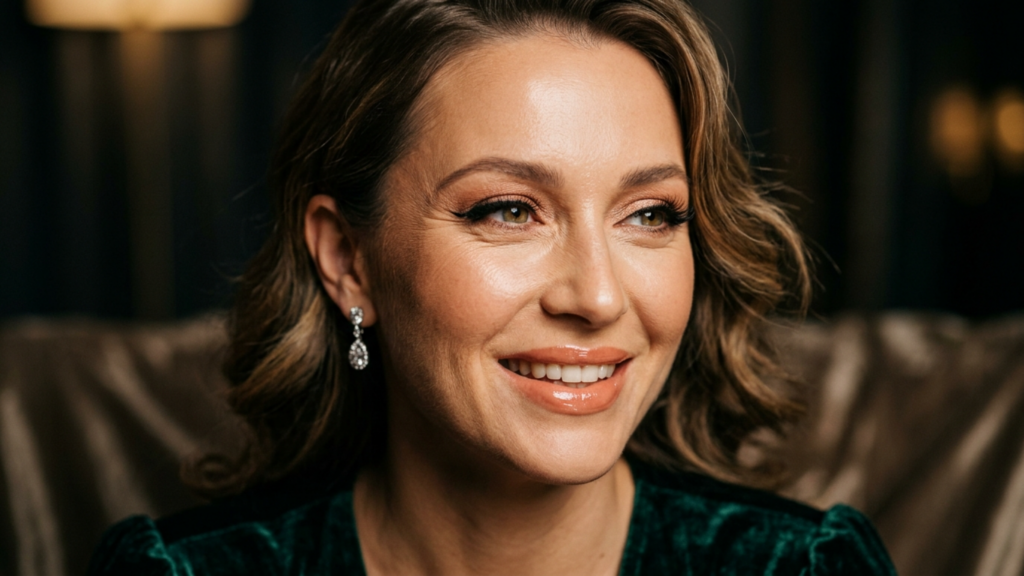
Der Beweis für die Wirksamkeit von Dr. Okyays Technik liegt in den Geschichten seiner Patienten. Alexandra, eine 32-jährige Transfrau, die sich einer FFS mit einer anderen der Chirurg Im Jahr 2023. Obwohl sie von ihrer weicheren Kinnlinie begeistert war, bemerkte sie, dass sich ihr Lächeln “anders anfühlte”. “Auf Fotos sah ich glücklich aus”, sagt sie, “aber wenn ich lachte oder spontan lächelte, bewegte sich mein Gesicht nicht mehr so wie früher. Es war, als wären meine Gesichtsausdrücke eingefroren.” Nach einer Beratung mit Dr. Okyay unterzog sie sich einem Korrektureingriff, bei dem das Weichgewebe neu verankert wurde. “Innerhalb weniger Wochen”, erinnert sie sich, “konnte ich wieder unbeschwert lächeln. Es war, als bekäme ich einen Teil von mir selbst zurück.”
Ähnlich, Jamie, Jamie, eine 28-jährige nicht-binäre Person, entschied sich von Anfang an für Dr. Okyays ausdrucksstarken, natürlichen Ansatz der Gesichtsfeminisierung. “Ich wollte nicht eine Form von Dysphorie gegen eine andere eintauschen”, erklärt Jamie. “Mein Gesicht sollte widerspiegeln, wer ich bin – nicht nur im Ruhezustand, sondern auch in Bewegung.” Jamies Feedback nach der Operation war aufschlussreich: “Die Leute sagen mir, ich sehe jetzt glücklicher aus, nicht weil mein Gesicht anders ist, sondern weil meine Mimik lebendiger ist.”
Wie man einen Chirurgen auswählt, der Wert auf natürliche Gesichtsausdrücke legt
Nicht alle FFS-Chirurgen legen Wert auf die Gesichtsdynamik. Stellen Sie bei der Recherche nach Ihren Optionen diese wichtigen Fragen:
- Werden die Gesichtsausdrücke vor der Operation beurteilt? Ein Chirurg, der das Ausdrucksparadoxon versteht, wird während des Beratungsgesprächs Ihr Lächeln, Ihre Stirnrunzeln und andere Gesichtsausdrücke beurteilen.
- Werden Techniken zur Weichteilverankerung angewendet? Wenn der Fokus ausschließlich auf der Knochenreduktion liegt, kann dies Ihre Mimik beeinträchtigen.
- Können sie Ihnen dynamische Ergebnisse zeigen? Vorher-Nachher-Fotos sind Standard, Videos von Patienten, die lächeln, sprechen oder lachen, sind hingegen selten – und aufschlussreich. Dr. Okyays Galerie Enthält dynamische Clips zur Veranschaulichung natürlicher Bewegungen.
- Arbeiten sie mit Sprachtherapeuten oder Spezialisten für Gesichtschirurgie zusammen? Eine postoperative Therapie kann helfen, die Muskulatur neu zu trainieren und optimale Ergebnisse beim Ausdruck zu erzielen.
Die Patienten von Dr. Okyay zitieren oft seine “expressiv-natürliche” Philosophie als Hauptgrund für die Wahl von ihm. “Ich möchte nicht nur, dass meine Patientinnen feminin aussehen”, sagt er. “Ich möchte, dass sie fühlen So wie sie selbst sind – wenn sie lachen, wenn sie weinen, wenn sie in ein Gespräch vertieft sind. Dann geschieht die wahre Verwandlung.”
Die Zukunft der Gesichtschirurgie: Ästhetik und Funktion im Einklang
Das Gebiet der Gesichtsfeminisierung (FFS) entwickelt sich stetig weiter. Mit der steigenden Nachfrage nach natürlichen, ausdrucksstarken Ergebnissen wenden Chirurgen zunehmend Techniken an, die folgende Prioritäten setzen: dynamische Harmonie über statische Schönheit hinaus. Dr. Okyays Arbeit steht an der Spitze dieses Wandels und verbindet Kunstfertigkeit mit biomechanischer Präzision. Seine Forschung, die auf der Konferenz 2025 vorgestellt wurde, Internationale Gesellschaft für Ästhetisch-Plastische Chirurgie (ISAPS) Auf der Konferenz wurde ein neuer Rahmen für die FFS-Planung vorgestellt:
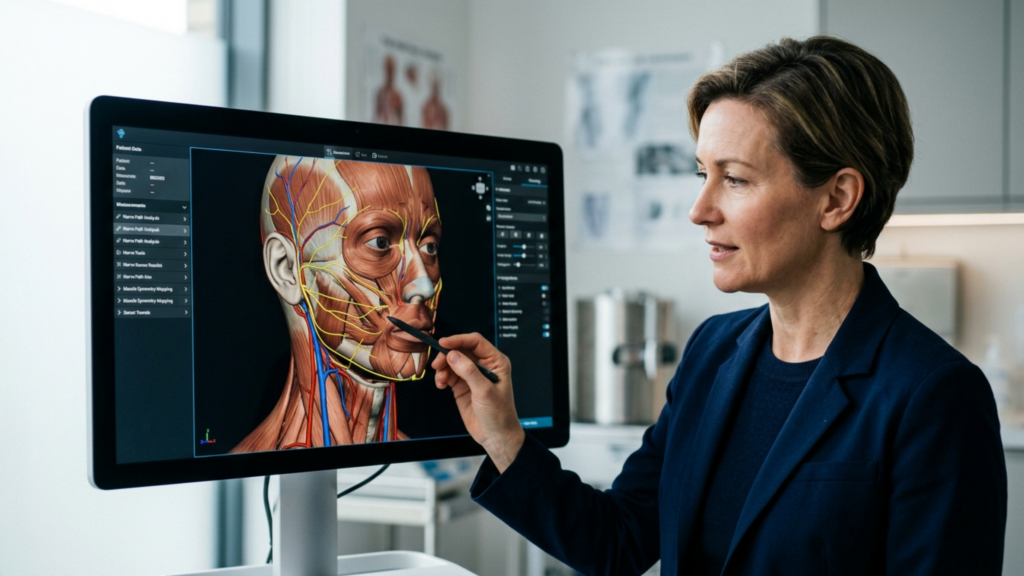
- Das dynamische 3D-Kartierungssystem: Nutzt Echtzeit-Gesichtserkennung, um zu simulieren, wie sich Veränderungen an Knochen und Weichgewebe auf die Mimik auswirken.
- Kundenspezifische Verankerungsprotokolle: Passt die Techniken zur Neuverankerung individuell an die Gesichtsanatomie und die Ausdrucksmuster jedes Patienten an.
- Postoperative Expressionstherapie: Ein strukturiertes Programm, das Patienten dabei hilft, natürliche Gesichtsbewegungen wiederzuerlernen, ähnlich wie bei der Physiotherapie für Muskeln.
Dieser Ansatz erhält nicht nur das Lächeln – er definiert neu, was die Gesichtsfeminisierung leisten kann. “Das Ziel ist nicht, ein feminin wirkendes Gesicht zu schaffen”, betont Dr. Okyay. “Es geht darum, ein Gesicht zu schaffen, das …“ Leben ”auf eine feminine Art – eine, die Freude, Trauer, Überraschung und alle dazwischenliegenden Emotionen widerspiegelt.“

Ihre nächsten Schritte: So erhalten Sie Ihr Lächeln während der Gesichtsfeminisierung
Wenn Sie eine Gesichtsfeminisierung (FFS) in Erwägung ziehen, muss Ihr Lächeln nicht unter der Feminisierung leiden. So können Sie es schützen:
- Priorisieren Sie Chirurgen, die die Dynamik des Gesichts verstehen: Suchen Sie nach Spezialisten wie Dr. Okyay, die die Weichteilverankerung in ihre Praxis integrieren.
- Dynamische Beratungen anfordern: Bitten Sie darum, Videos von ehemaligen Patienten zu sehen, auf denen diese lächeln oder sprechen, und nicht nur statische Fotos.
- Diskussion über die Erhaltung von Weichgewebe: Stellen Sie sicher, dass Ihr Chirurg plant, Muskeln und Fettpolster neu zu positionieren und nicht nur Knochen zu entfernen.
- Plan für die postoperative Therapie: Gesichtsrehabilitationsübungen können Ihnen helfen, Ihre volle Ausdrucksfähigkeit schneller wiederzuerlangen.
- Setzen Sie sich für sich selbst ein: Wenn ein Chirurg Ihre Bedenken bezüglich Ihrer Mimik nicht ernst nimmt, sollten Sie eine zweite Meinung einholen.
Ihr Gesicht ist mehr als nur eine Ansammlung von Knochen und Haut – es ist die Leinwand Ihrer Emotionen. Mit der richtigen Methode kann die Gesichtsfeminisierung (FFS) Ihr Aussehen deutlich verbessern. Und Ihre Fähigkeit, sich authentisch auszudrücken. Wie Dr. Okyay es formuliert: “Ein schönes Gesicht erzählt eine Geschichte. Sorgen wir dafür, dass Ihre Geschichte von Freude und nicht von Kompromissen handelt.”
Häufig gestellte Fragen
Was ist das Duchenne-Lächeln und warum ist es bei FFS wichtig?
Das Duchenne-Lächeln ist ein natürliches Lächeln, das Mund und Augen einbezieht und auf dem Musculus zygomaticus major beruht. Bei der FFS ist der Erhalt der Funktion dieses Muskels entscheidend, da eine aggressive Knochenreduktion seine Verankerung beeinträchtigen und zu unnatürlichen oder steifen Gesichtsausdrücken führen kann. Die von Dr. Okyay entwickelten Techniken zur Weichteilverankerung sind darauf ausgelegt, diese Dynamik zu bewahren.
Wie wirkt sich eine Wangenknochenreduktion auf die Gesichtsausdrücke aus?
Eine Wangenknochenreduktion kann den Ansatzpunkt des Musculus zygomaticus major verlagern, wodurch sich dessen Zugkraft verändert und die für ein natürliches Lächeln notwendige Hebelwirkung verringert wird. Dies führt häufig zu abgeflachten Lachbögen, asymmetrischen Gesichtsausdrücken oder einem Verlust an Spontaneität in den Gesichtsbewegungen.
Was ist Weichteilreverankerung und wie funktioniert sie?
Die Weichteilverankerung ist eine Technik, bei der der Musculus zygomaticus major und andere Gesichtsmuskeln nach einer Knochenreduktion neu positioniert und an stabilen Knochen- oder Weichteilstrukturen fixiert werden. Dadurch bleiben ihre Funktion erhalten und die natürliche Gesichtsdynamik nach der Operation gewährleistet.
Kann ich einen femininen Look erzielen, ohne meine Mimik einzuschränken?
Absolut. Dr. Okyays ausdrucksstarker, natürlicher FFS-Ansatz legt Wert auf ein harmonisches Gesamtbild und optimale funktionelle Ergebnisse. Durch die Kombination von selektiver Knochenreduktion mit der Neuverankerung des Weichgewebes erzielen Patientinnen ein weicheres Aussehen, ohne auf ihr natürliches Lächeln oder ihre Mimik verzichten zu müssen.
Woran erkenne ich, ob mein Chirurg Wert auf natürliche Gesichtsausdrücke legt?
Erkundigen Sie sich, ob die Gesichtsdynamik vor der Operation beurteilt wird, ob Techniken zur Weichteilverankerung angewendet werden und ob dynamische (Video-)Ergebnisse präsentiert werden. Chirurgen wie Dr. Okyay, die Wert auf ausdrucksstarke Ergebnisse legen, werden diese Aspekte in den Beratungsgesprächen besonders hervorheben.
Was kann ich während der Genesung in Bezug auf Gesichtsausdrücke erwarten?
Anfangs können sich Ihre Gesichtsausdrücke aufgrund von Schwellungen und des Heilungsprozesses etwas steif anfühlen. Mit einer fachgerechten Weichteilfixierung und postoperativer Therapie erlangen die meisten Patienten jedoch innerhalb von 3–6 Monaten ihre volle Mimik zurück. Befolgen Sie die Anweisungen Ihres Chirurgen, um optimale Ergebnisse zu erzielen.
Gibt es Alternativen zur Knochenreduktion bei der Mittelgesichtsfeminisierung?
Ja! Weichteiltechniken wie Fetttransplantation Alternativ kann durch die Anwendung von Füllmaterialien das Mittelgesicht konturiert werden, ohne die Knochenstruktur zu verändern. Darüber hinaus kann eine orthognathe Operation (z. B. Le Fort I) das Mittelgesicht vorverlagern und gleichzeitig die Mimik erhalten.
Wie kann ich mich auf die Gesichtsfeminisierung vorbereiten, um die bestmöglichen Ergebnisse zu erzielen?
Wählen Sie einen Chirurgen mit Erfahrung in dynamischen FFS-Techniken, besprechen Sie Ihre Wünsche bezüglich Ihrer Mimik offen und befolgen Sie die Anweisungen vor der Operation (z. B. Verzicht auf das Rauchen). Führen Sie nach der Operation regelmäßig Übungen zur Gesichtsrehabilitation durch, um die Muskelfunktion und den Ausdrucksbereich zu optimieren.